Overview
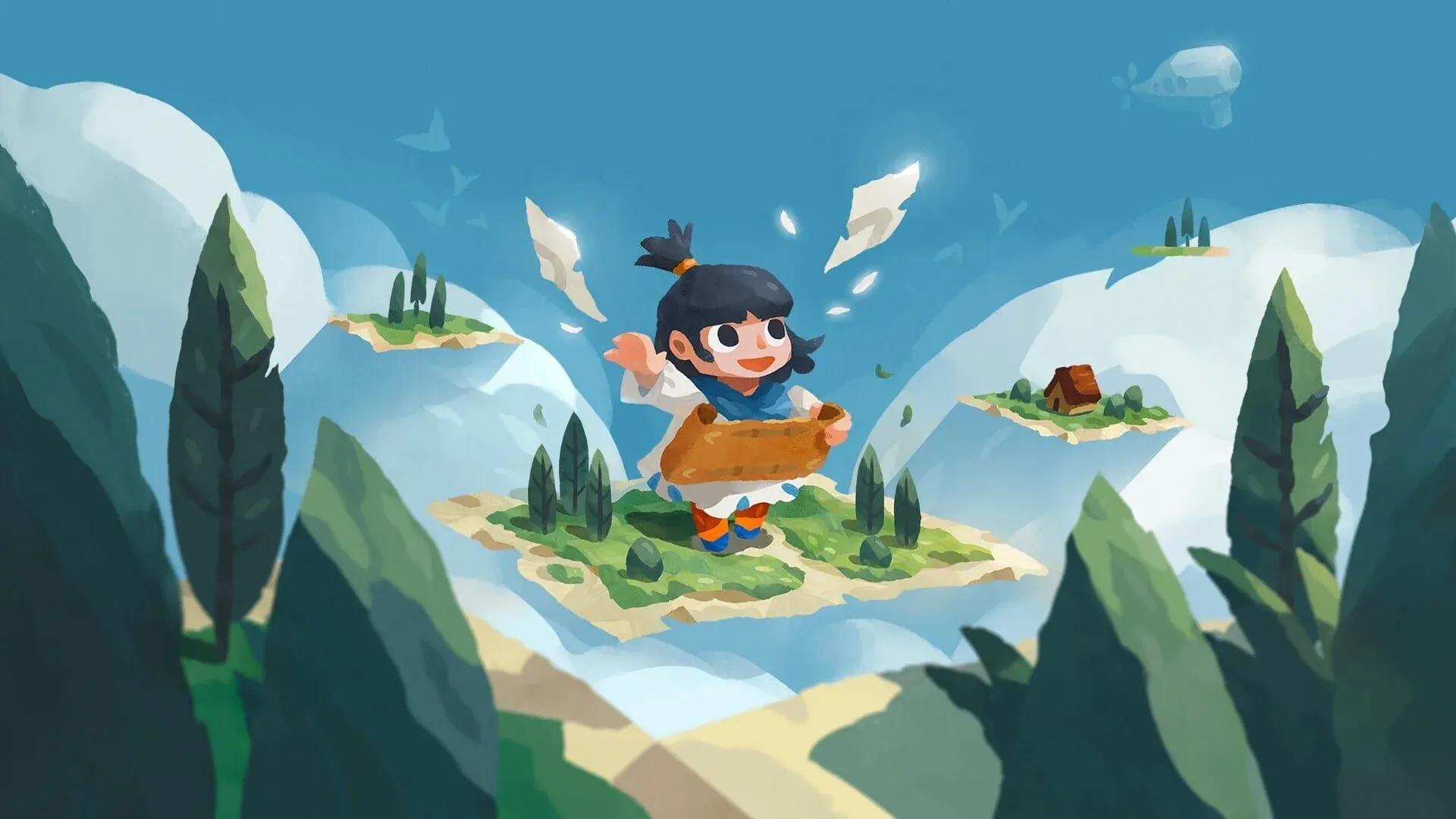
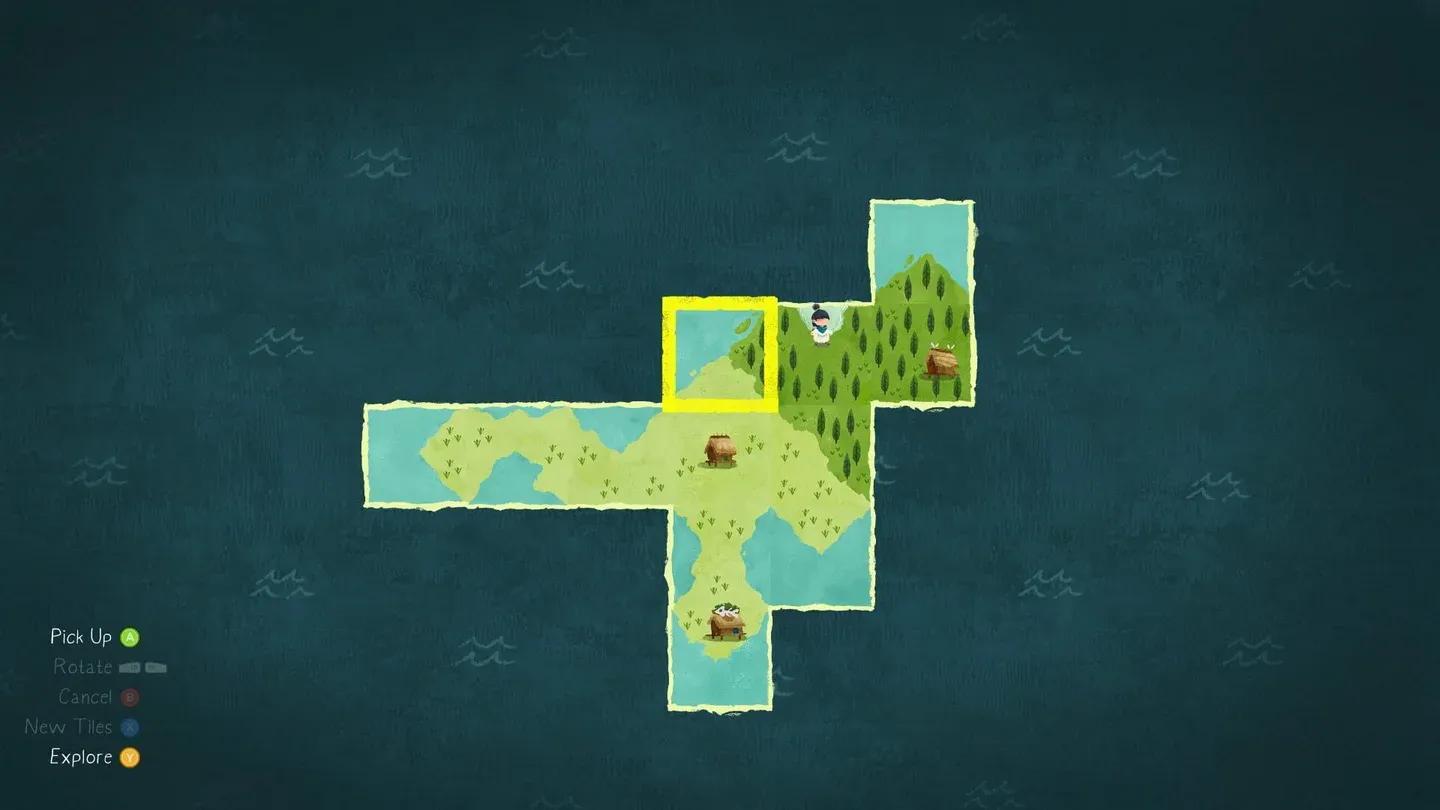
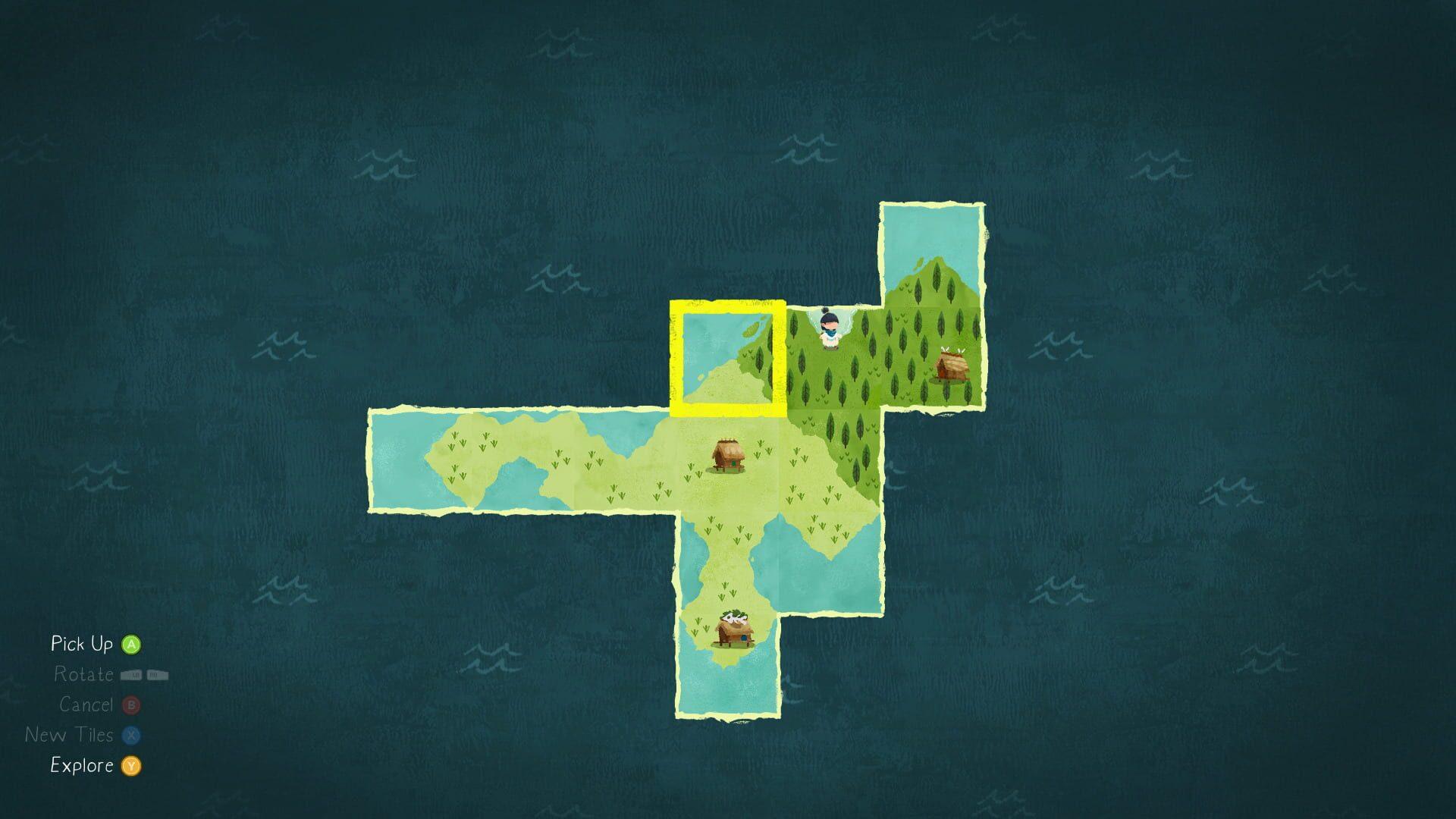
Carto is a puzzle adventure game developed by Sunhead Games, a small independent studio based in Taiwan, and published by Humble Games. Released on October 27, 2020, it centers on a deceptively simple premise: the map you carry is not just a guide, it's the world itself. Picking up a tile and placing it somewhere new physically changes the terrain around you, opening paths that didn't exist before and triggering story moments tied to the geography you create.
The game follows a young girl named Carto who gets separated from her grandmother during a storm. What begins as a straightforward reunion story quickly reveals itself as a series of clever environmental puzzles wrapped in a warm, storybook aesthetic. Each new region introduces characters with distinct problems, and solving those problems almost always comes down to how you arrange the map rather than what you say or do in dialogue.
Gameplay and mechanics
The tile-placement system is what makes Carto stand apart from other puzzle adventure games. As you explore, you collect map tiles that represent different terrain types: forests, coastlines, ruins, desert paths. Dropping them onto the map grid and rotating them to match edges with adjacent tiles is how you unlock new areas to walk through. The rules governing which tiles can connect to which feel intuitive quickly, but the puzzles built around those rules get genuinely tricky.
Key mechanics at a glance:
- Tile rotation and placement to connect terrain
- Edge-matching rules that unlock new paths
- Environmental story triggers tied to map configuration
- Collectible map pieces scattered across each region
- Reversible changes that let you experiment freely
The game never punishes experimentation. Tiles can be picked up and repositioned as many times as needed, which keeps the puzzle-solving feel exploratory rather than stressful. That design choice matters: Carto is not trying to be a hard puzzle game. It's trying to be a satisfying one.
World and setting
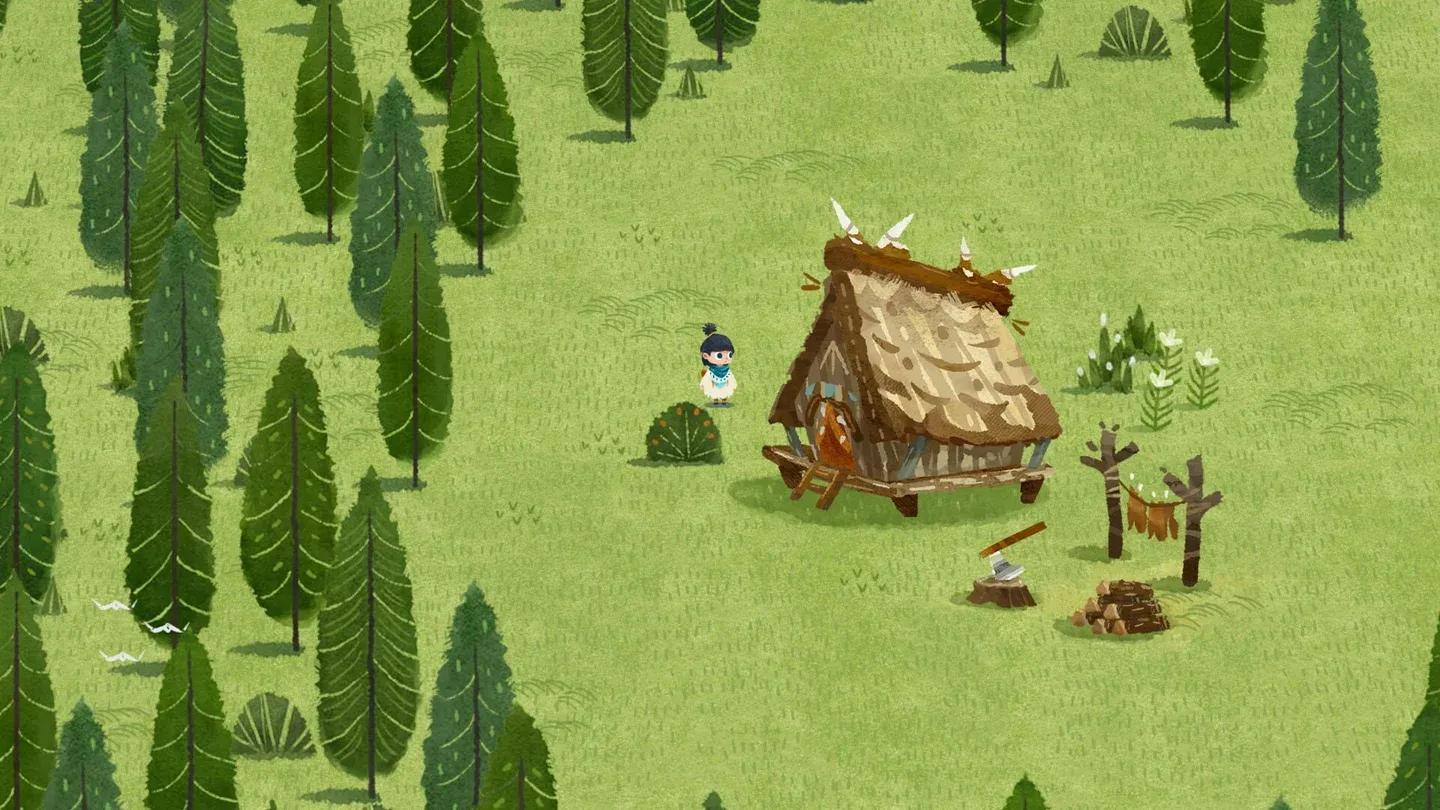
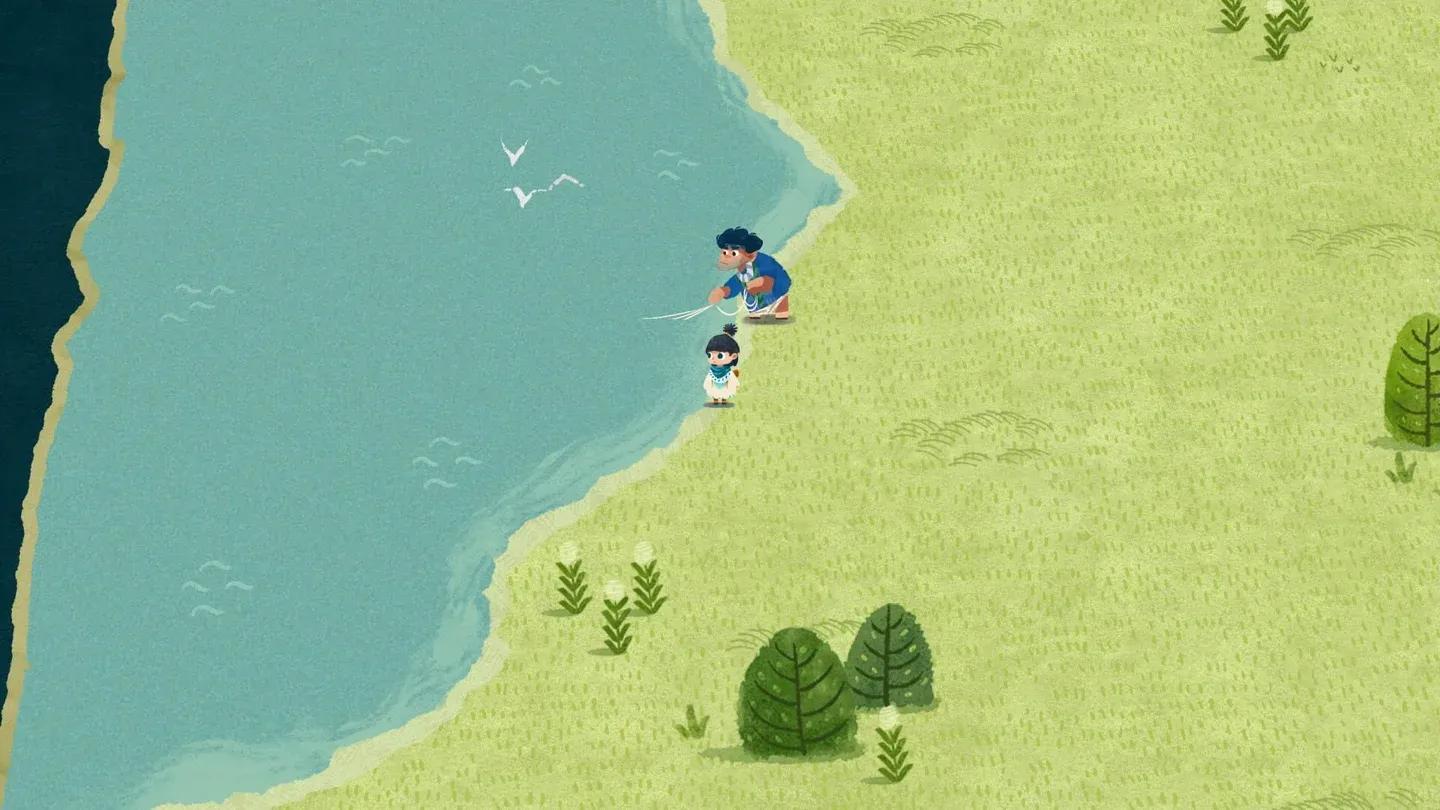
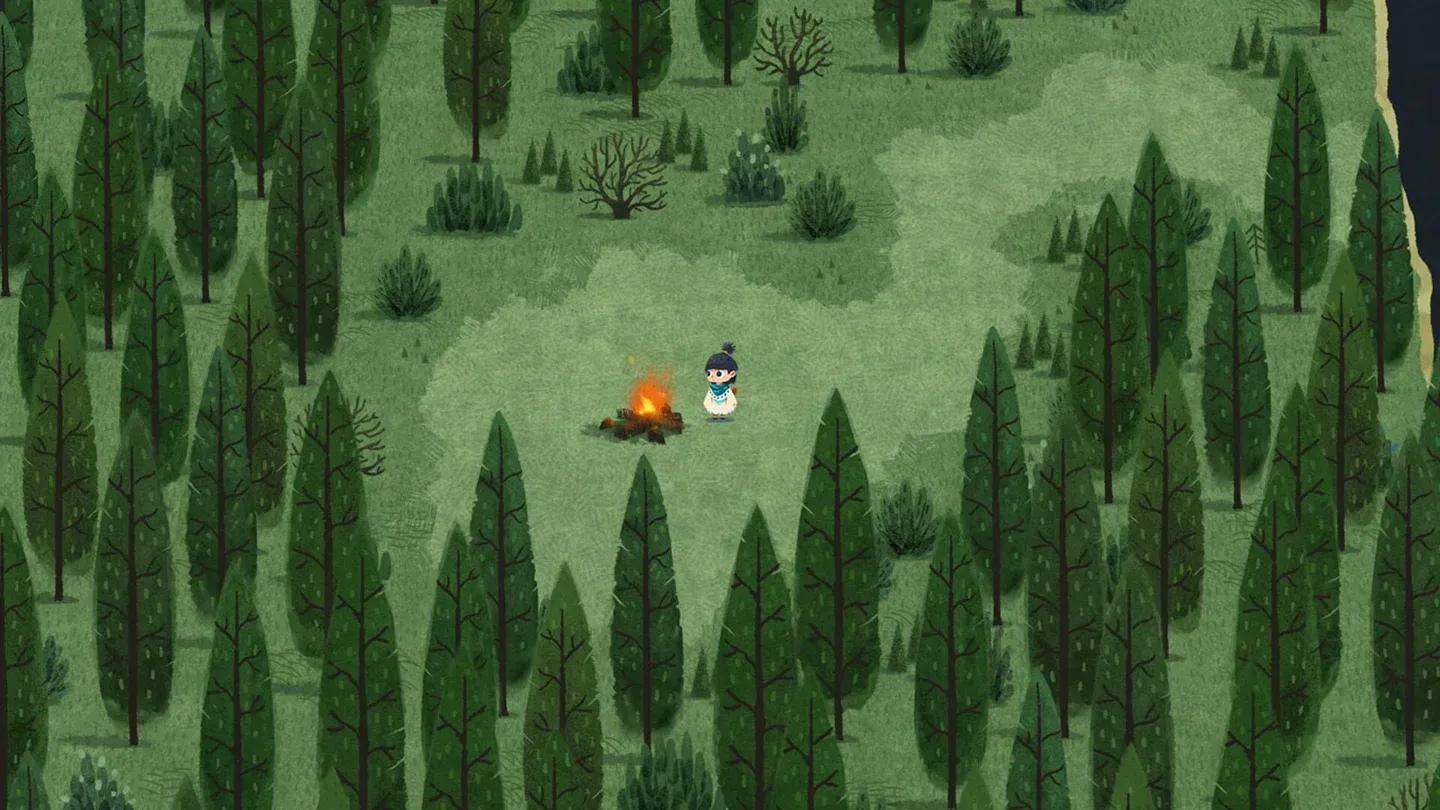
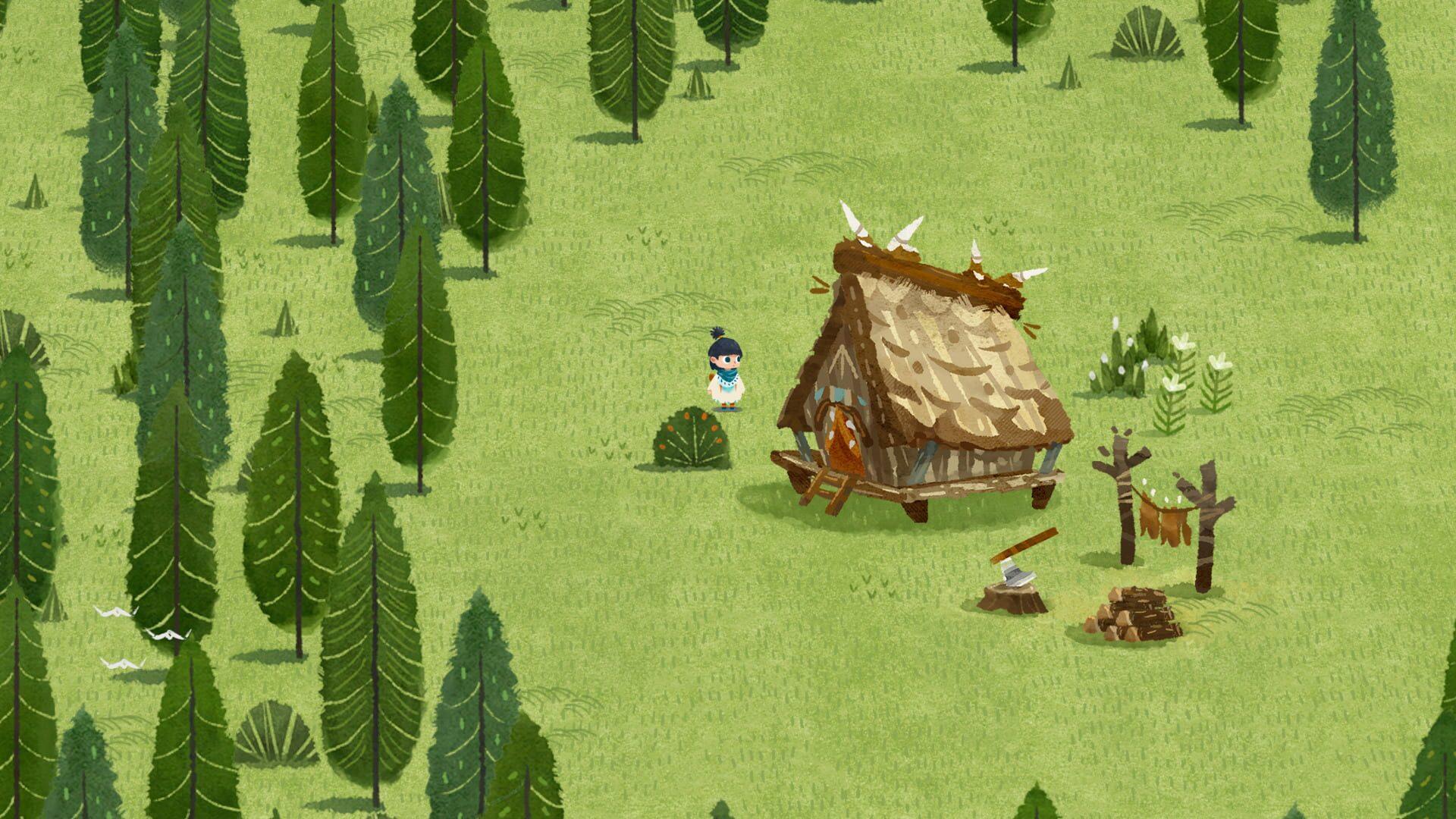
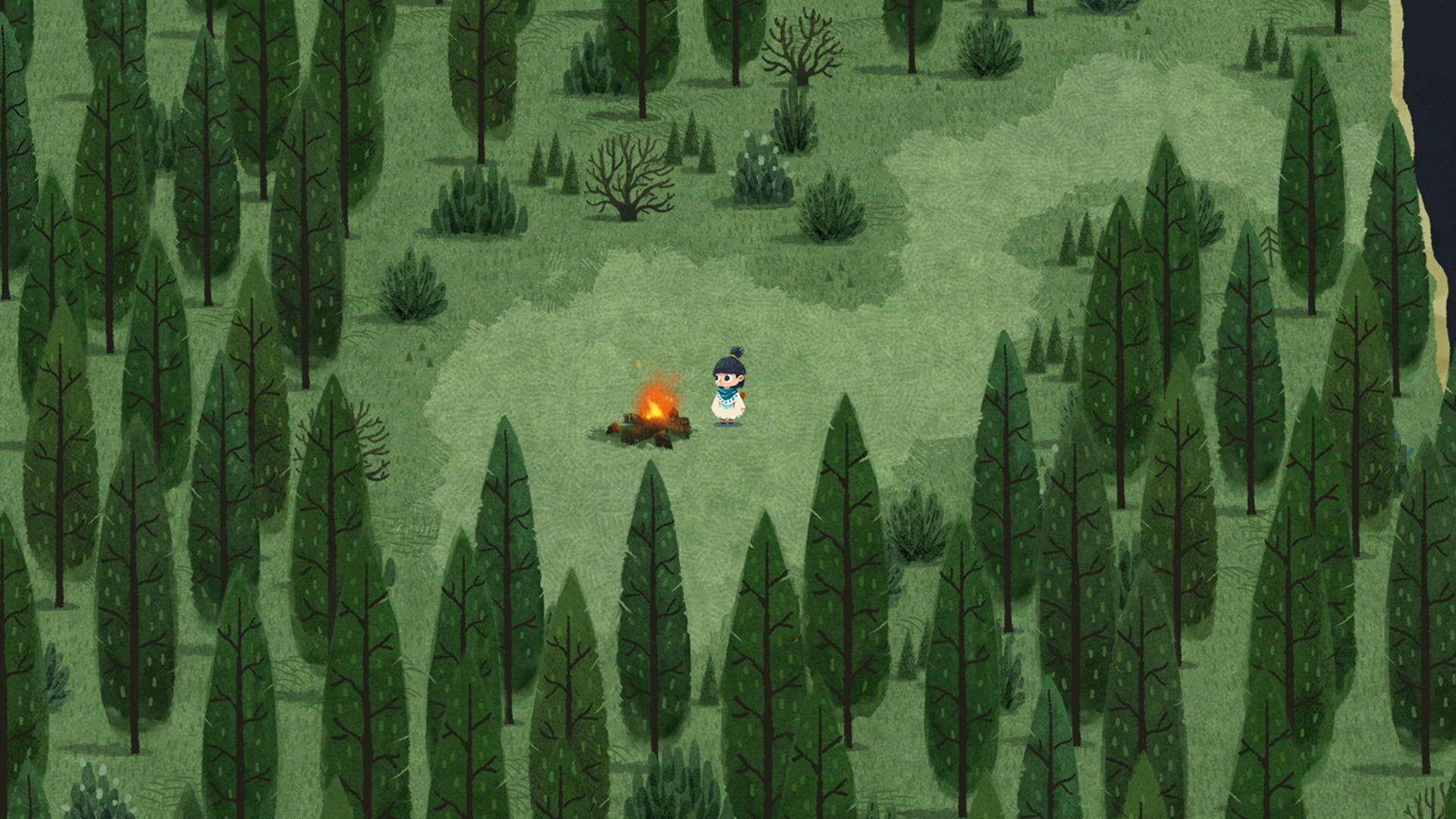
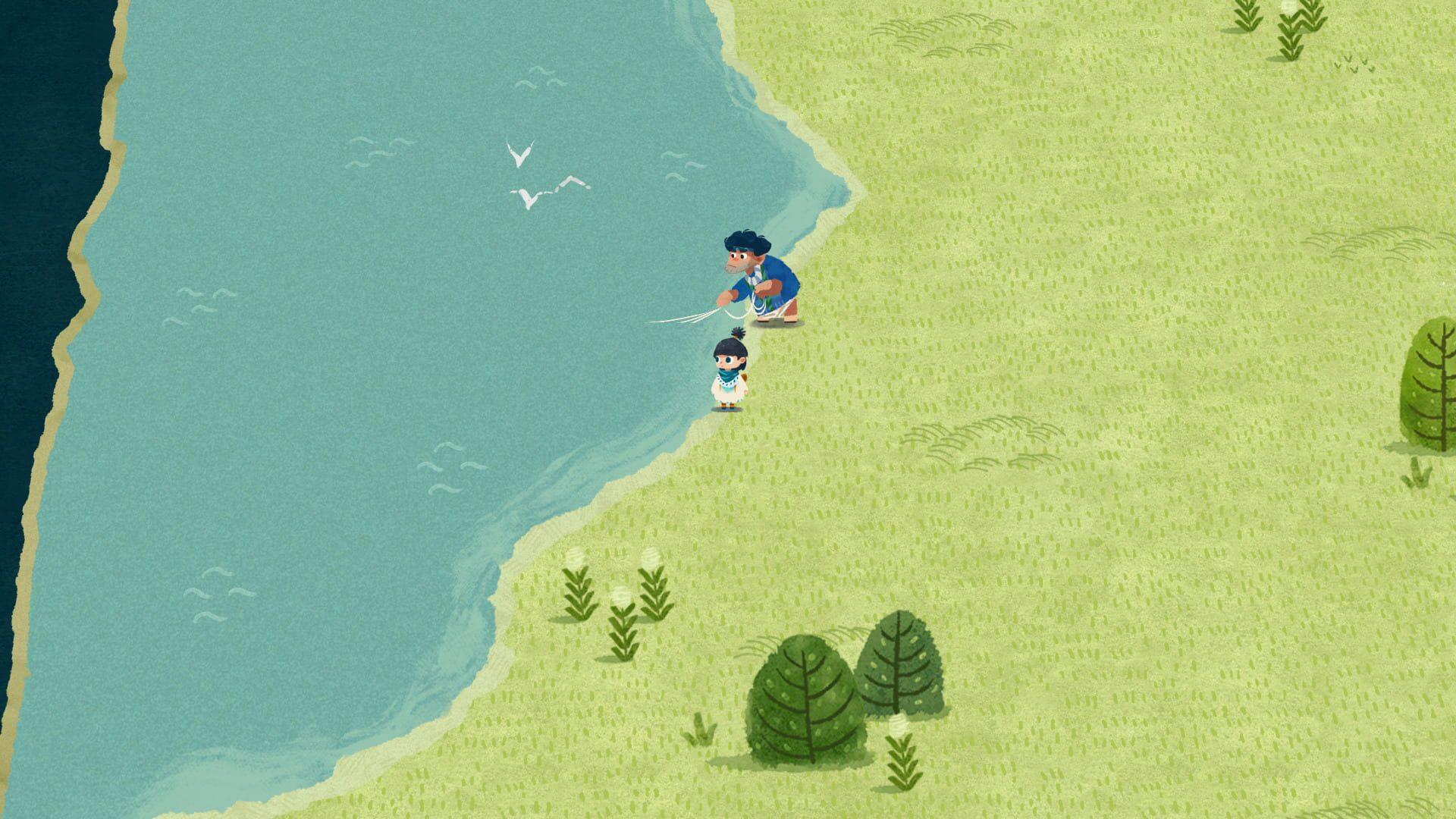
Each chapter of Carto drops you into a new biome with its own visual identity and cast of characters. A tribe of nomads navigating by the stars, a coastal fishing community, a dense jungle filled with ruins, each environment feels meaningfully different. The art style leans into a soft, hand-drawn look with a muted color palette that reads as genuinely charming rather than trying too hard.
The writing throughout is gentle and funny without becoming cloying. Characters have specific, grounded personalities, and the humor tends to come from their particular logic rather than from winking at the player. The story never loses sight of its central thread: a child trying to find her way home. That emotional anchor keeps the world-hopping structure from feeling arbitrary.
Innovation and unique features
Very few puzzle adventure games make the map itself the primary tool. Most games give you a map to consult. Carto gives you one to edit. That distinction creates a category of puzzle that simply doesn't exist elsewhere: problems where the solution is geographic rather than mechanical or conversational.
The game also handles difficulty progression well. Early puzzles establish the rules clearly through low-stakes scenarios, and later chapters introduce constraints, like tiles that must border specific terrain types or characters who need two locations to be adjacent, that require real lateral thinking. The learning curve feels earned.
Content and replayability
Carto runs roughly five to six hours for a first playthrough, which suits its tone. It's the kind of game that tells a complete story at the right length rather than padding for the sake of perceived value. There are collectible story fragments scattered across each region that flesh out the world's lore for players who want to dig deeper, but none of them are required to reach the ending.
For players drawn to puzzle adventure games with a strong narrative through-line and a genuinely original central mechanic, Carto delivers something that feels considered and complete. The tile-placement concept is clever enough to carry the whole game, and Sunhead Games builds enough variety around it to keep each chapter feeling fresh.