Overview
Crash Bandicoot 2: Cortex Strikes Back arrived in November 1997 as Naughty Dog's follow-up to their breakout PlayStation platformer, and it landed as a clear step forward in almost every way. The core loop stays familiar: run, spin, jump, and smash crates through linear stages while chasing a crystal at each level's end. What changes is the scope and the sharpness of execution.
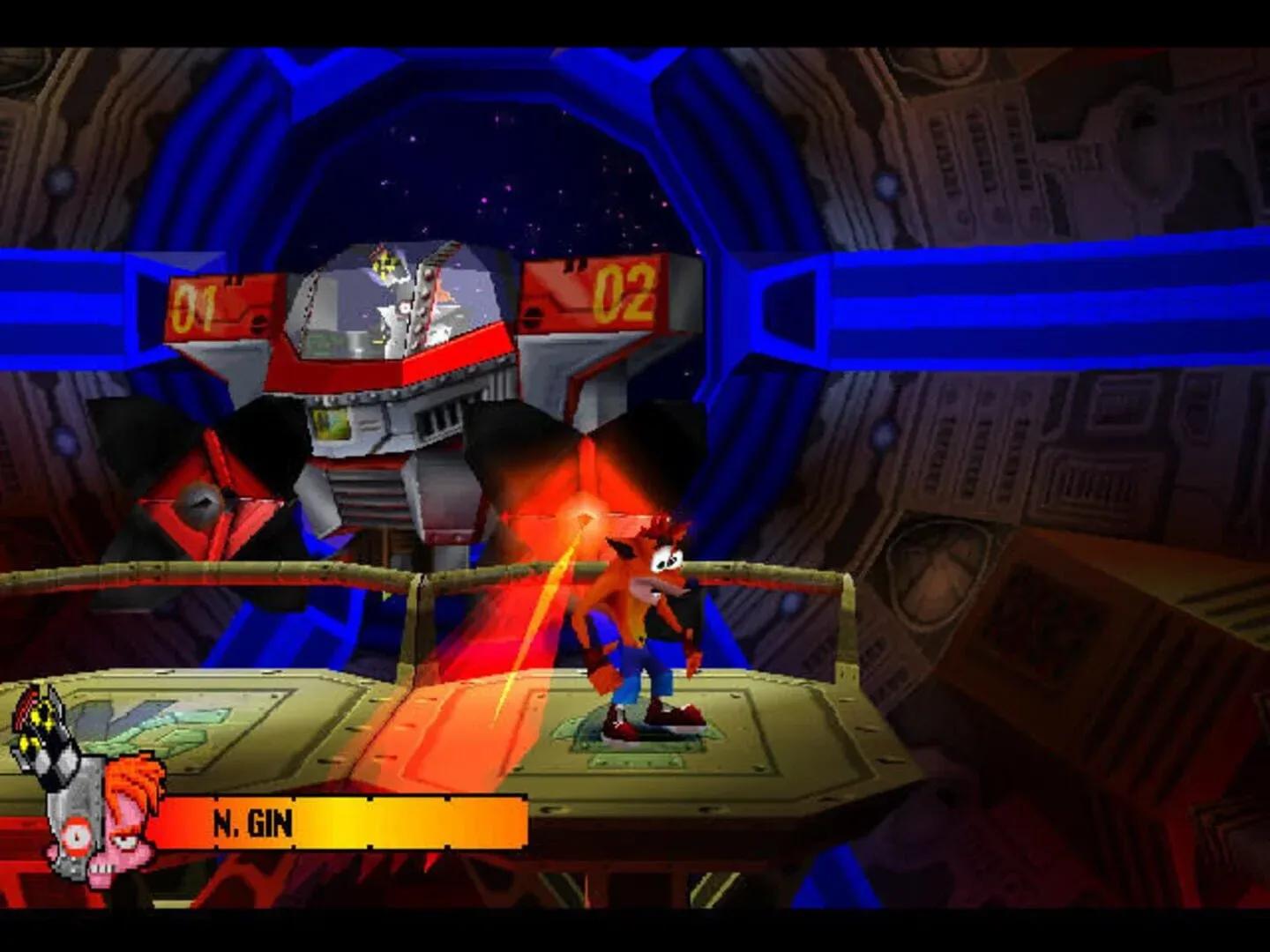
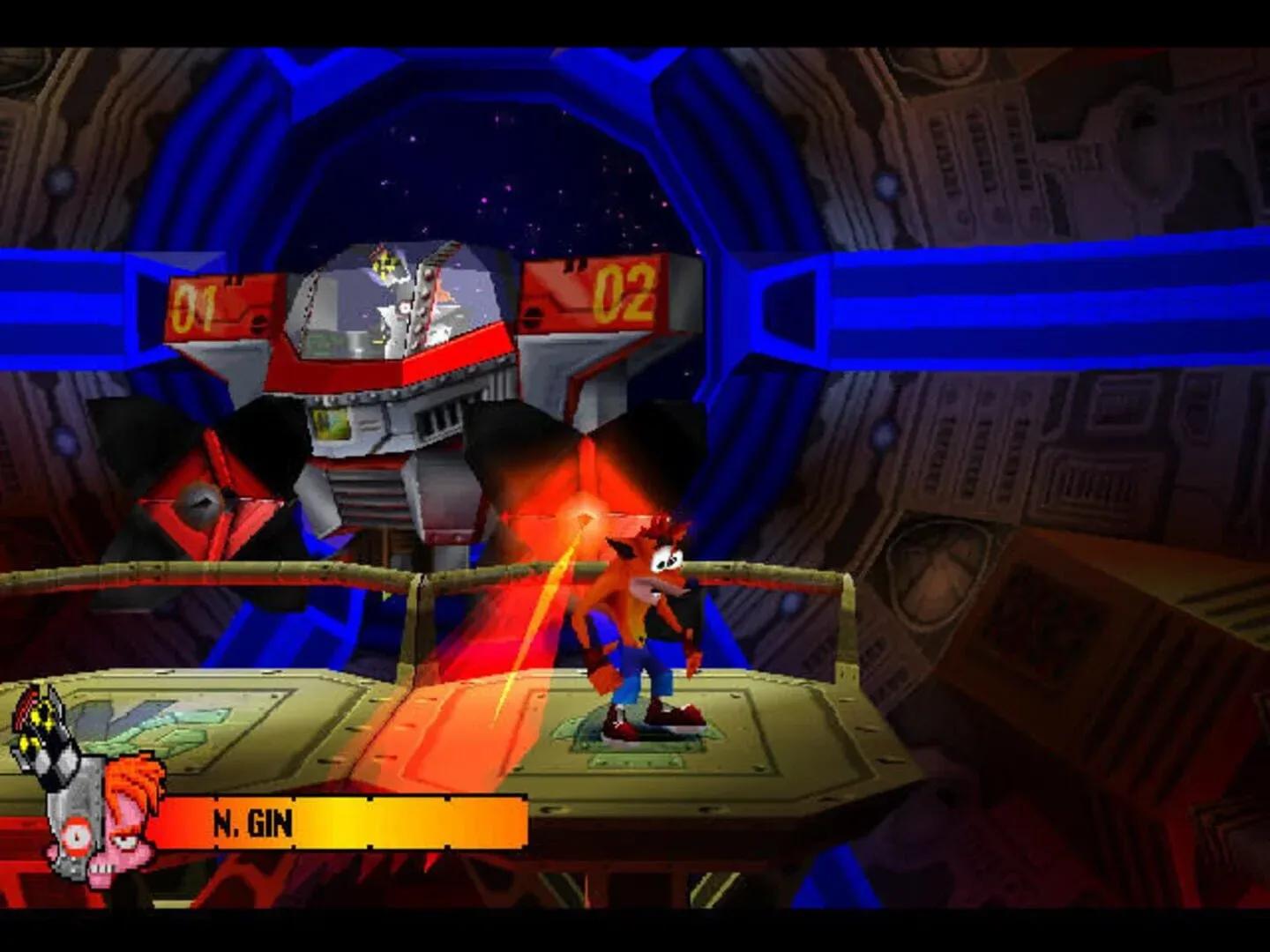
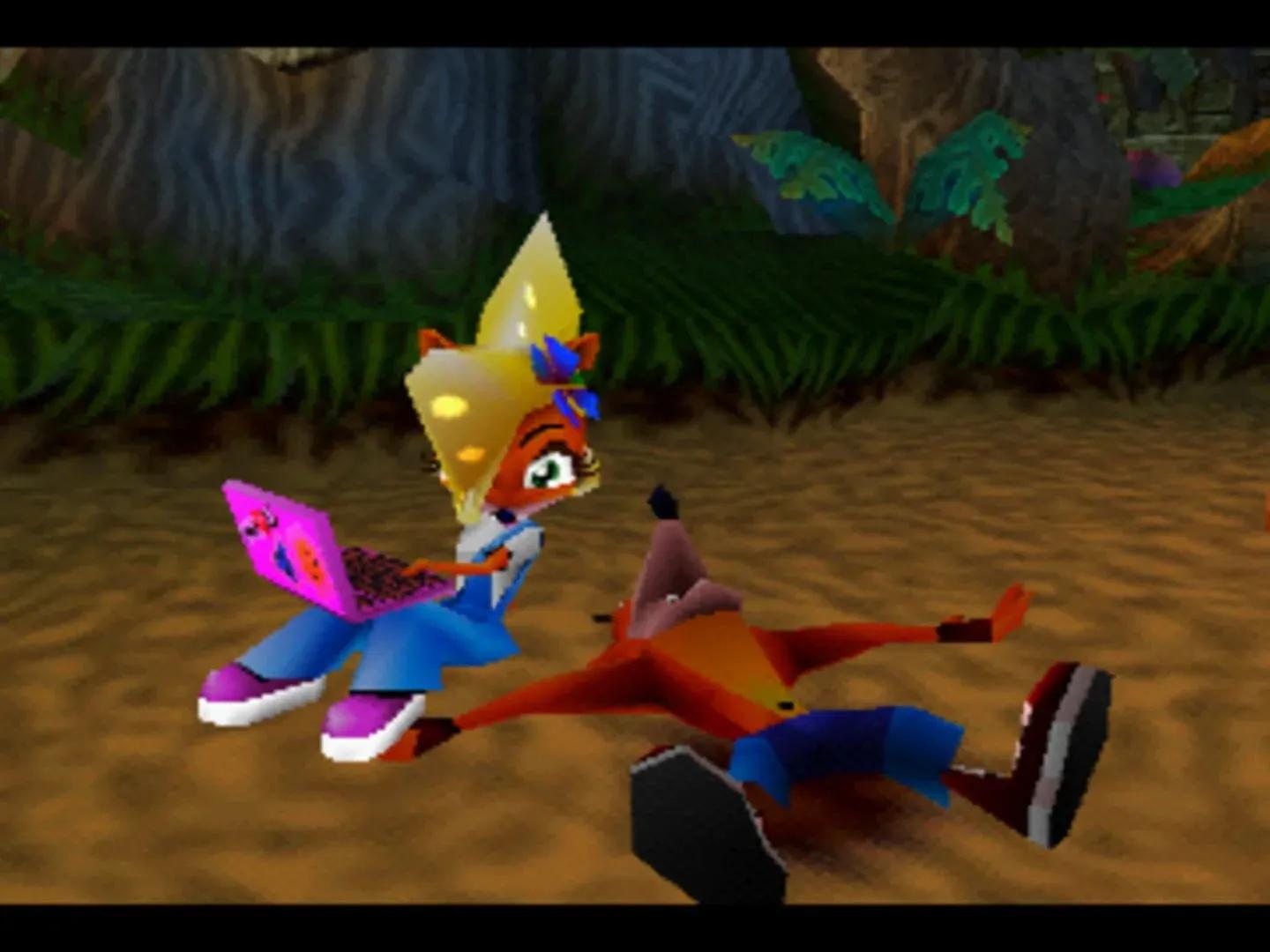
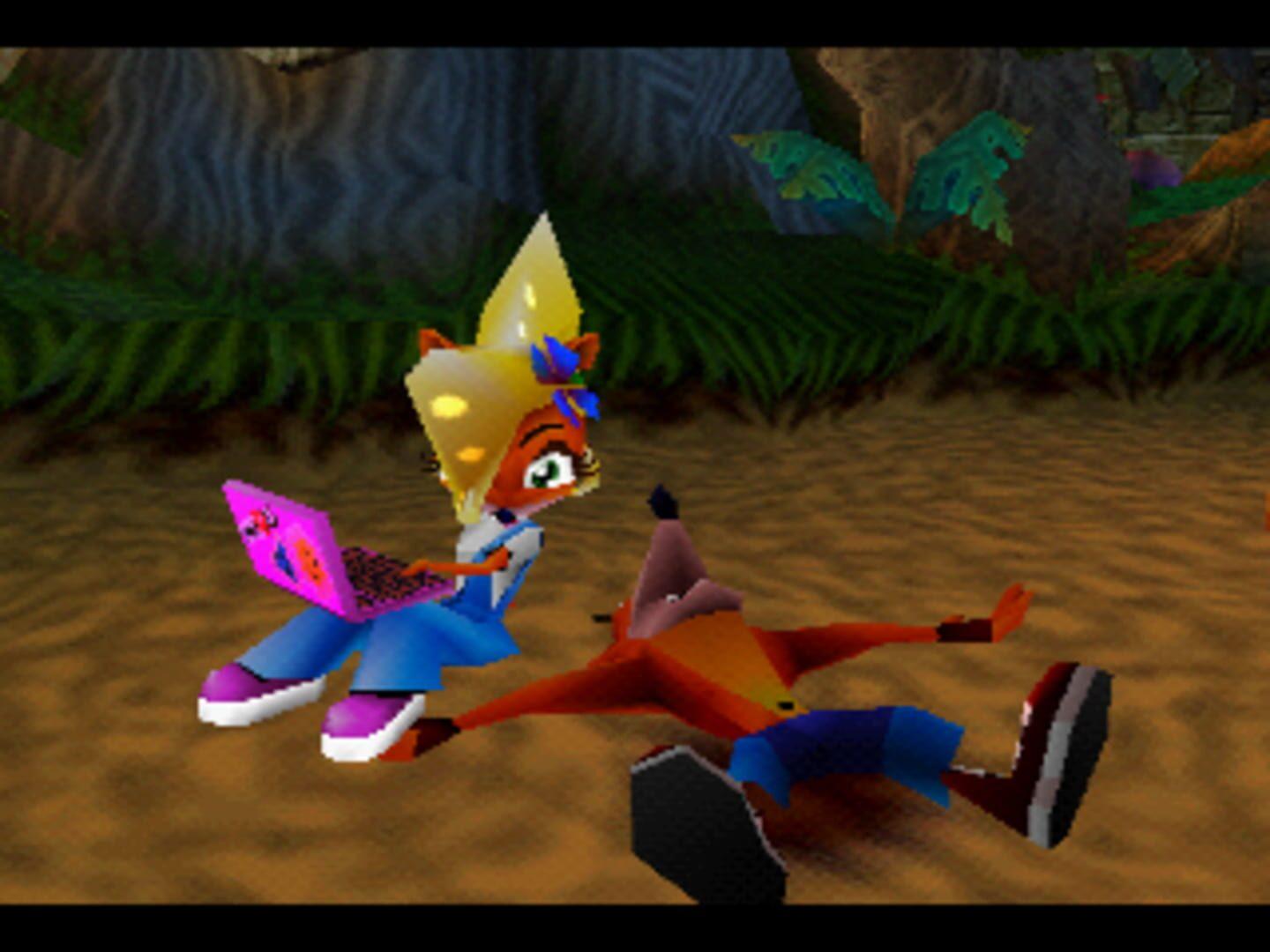
The story sets up a neat twist. Dr. Neo Cortex, freshly defeated and stranded underground, stumbles onto a cache of glowing crystals and convinces himself they hold the power to fuel his rebuilt Cortex Vortex, a space station designed to brainwash the entire planet. With no henchmen left, he tricks Crash into collecting 25 crystals across five Warp Rooms, each acting as a hub connecting five stages. Crash's sister Coco and the villainous Dr. N. Gin add texture to the plot, though the gameplay is the real draw.
The Warp Room structure gives the game a clean sense of progression. Each hub holds five levels, and clearing a level means grabbing its crystal and reaching the exit. Simple on paper, demanding in practice.
Gameplay and mechanics
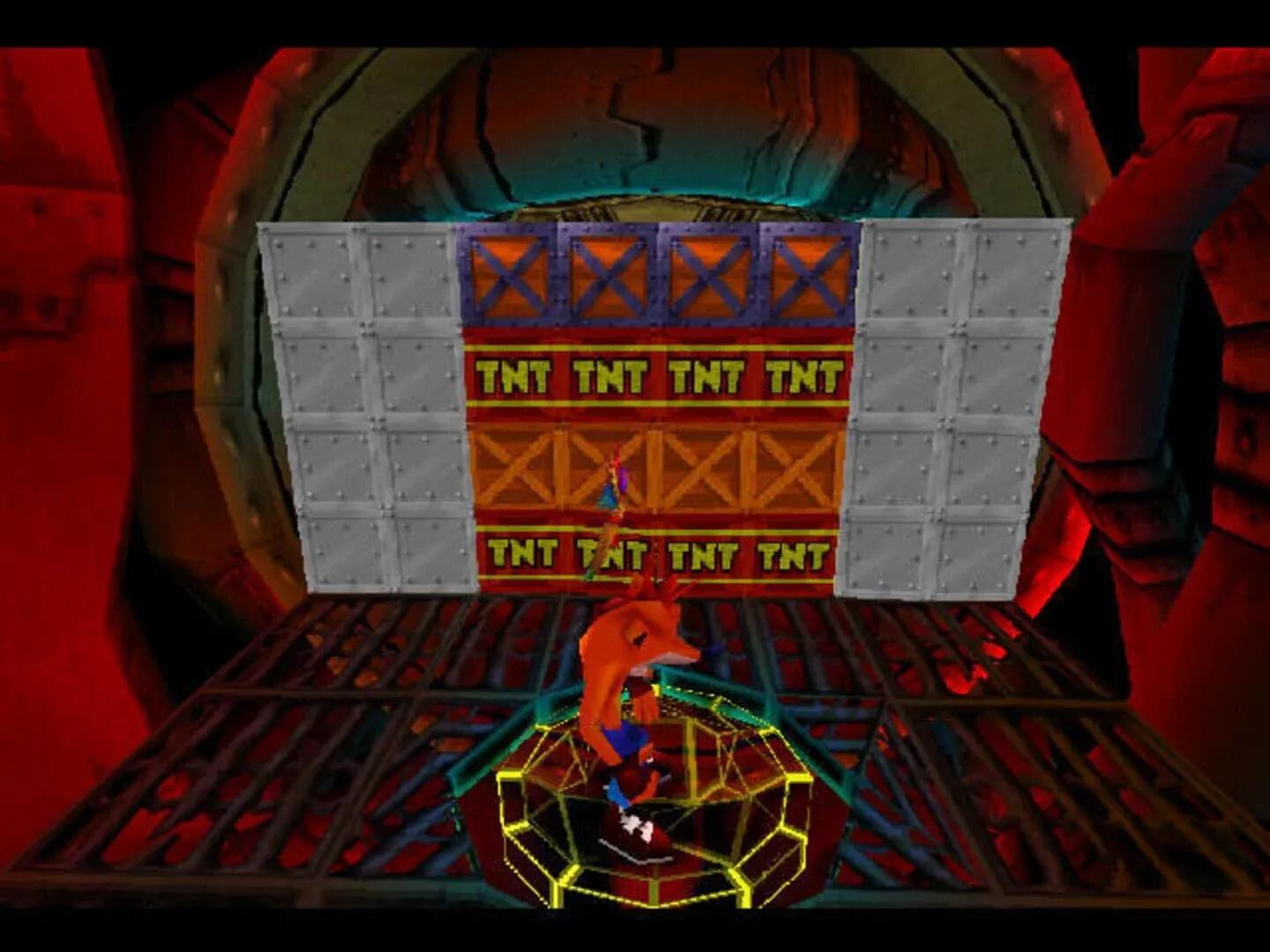
Crash's moveset expands meaningfully from the first game. The body slam and slide attacks open up new ways to deal with enemies and break crates, and the crawl move lets Crash squeeze through tight gaps that would have stopped him cold before. These additions feel considered rather than padded.
Key mechanics in Cortex Strikes Back:
- Crystal collection as the primary objective
- Crate-smashing for bonus items and hidden gems
- Body slam and slide attacks for combat and exploration
- Warp Room hubs connecting five themed worlds
- Hidden gem paths rewarding thorough exploration
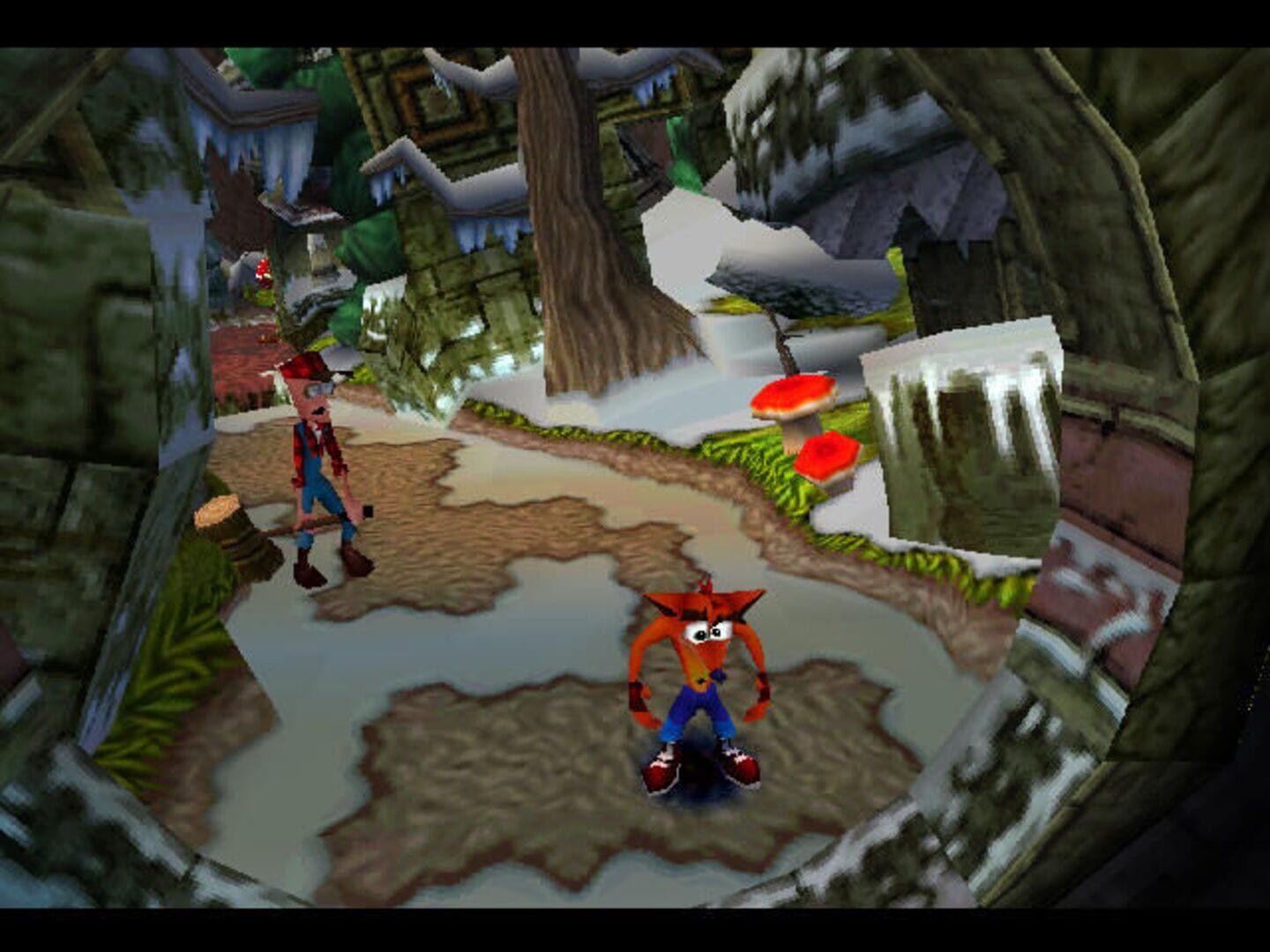
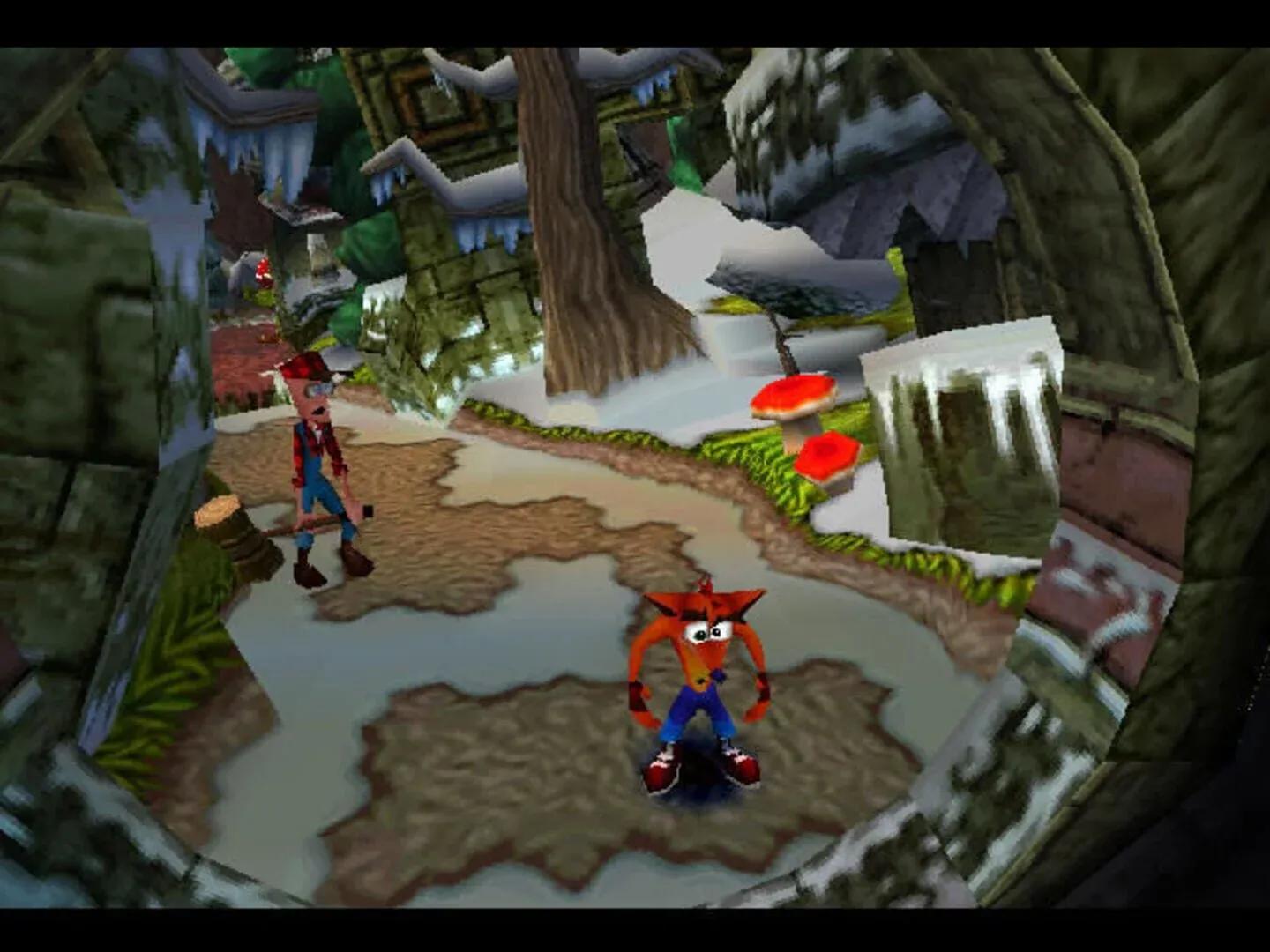
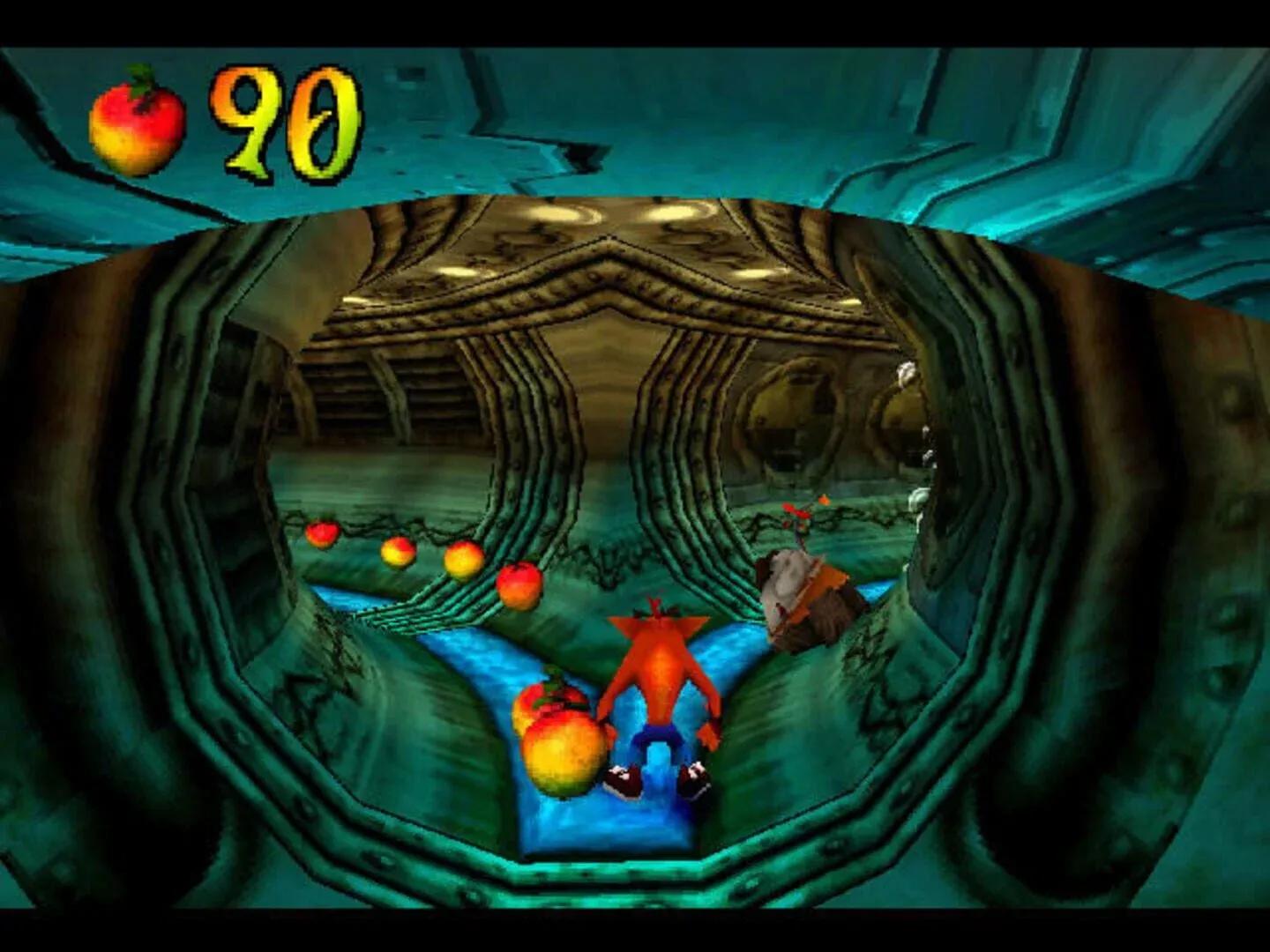
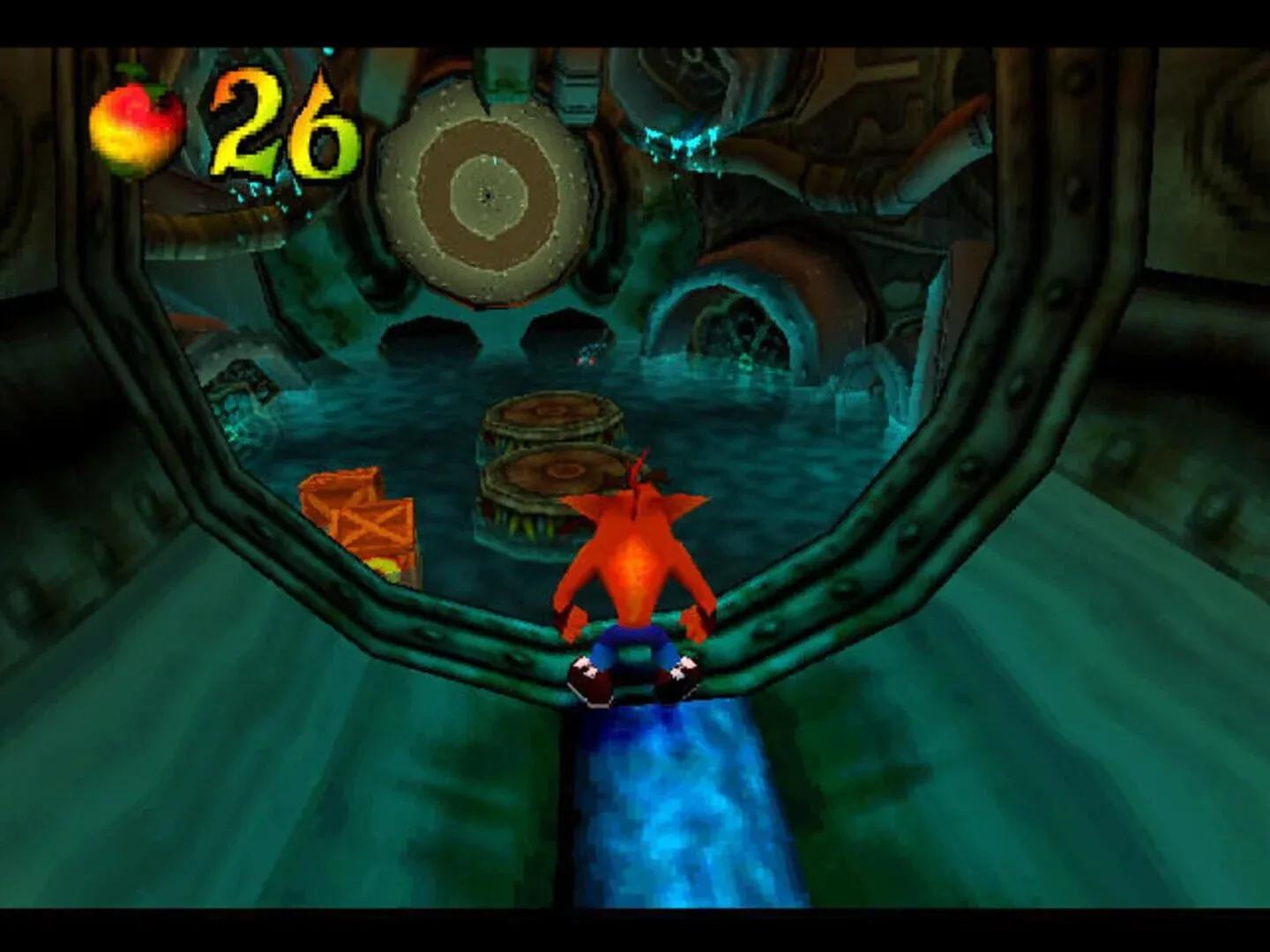
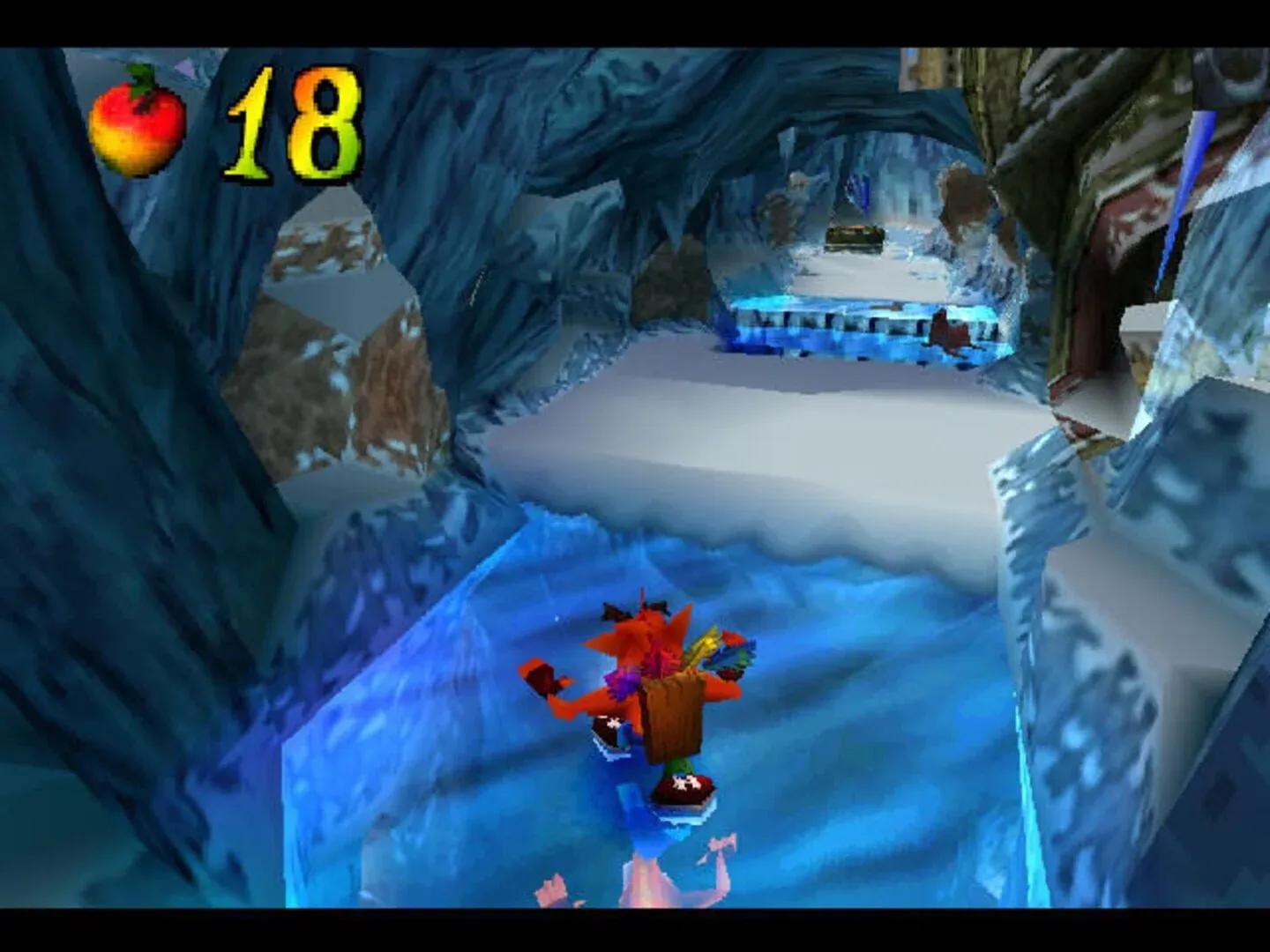
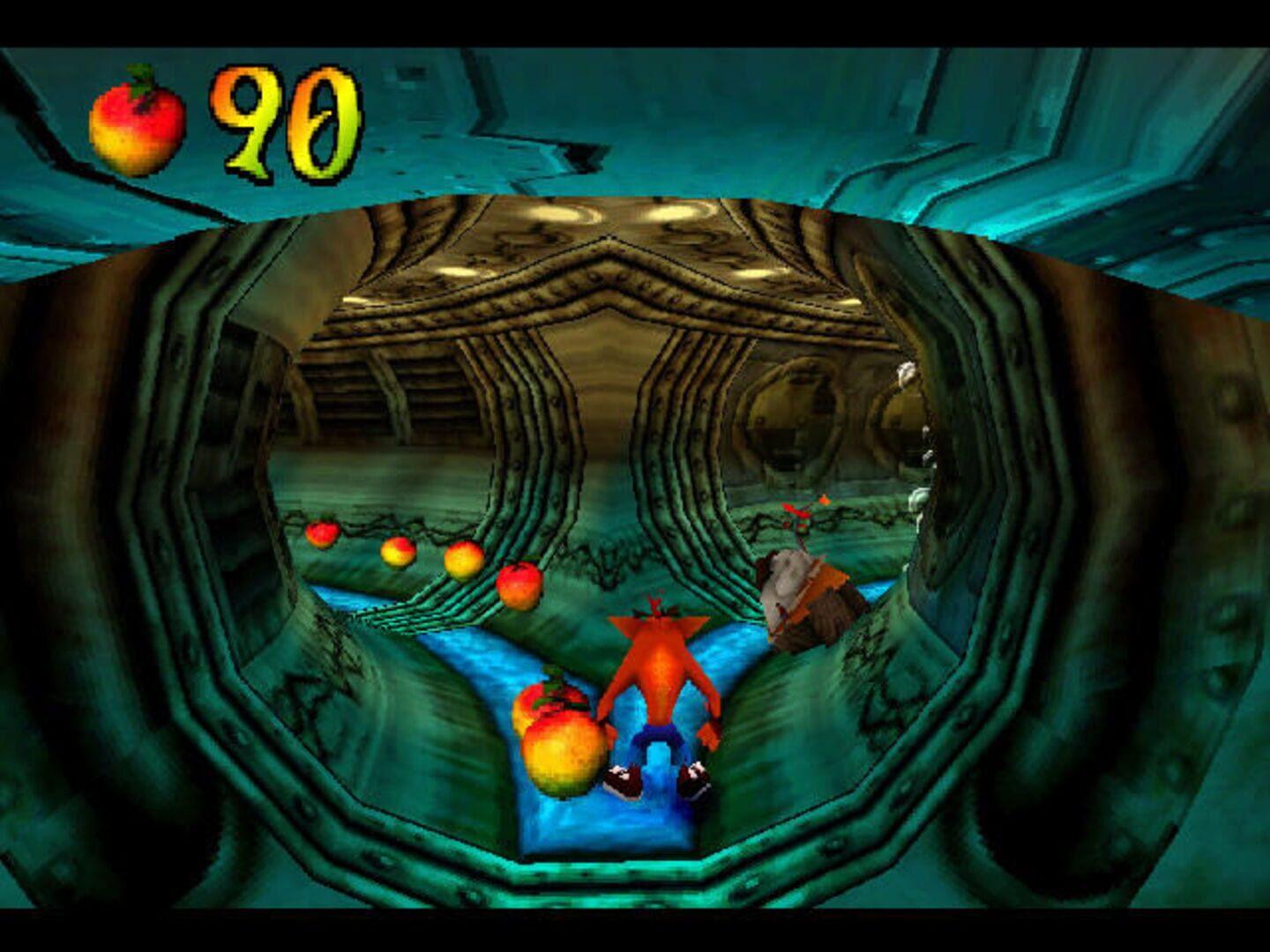
The level variety keeps things moving. Crash rides polar bears and jet packs, swims through underwater stages, and dodges hazards in high-speed chase sequences. Each of the 25 stages introduces something new without overstaying its welcome, which is harder to pull off than it sounds.
World and setting
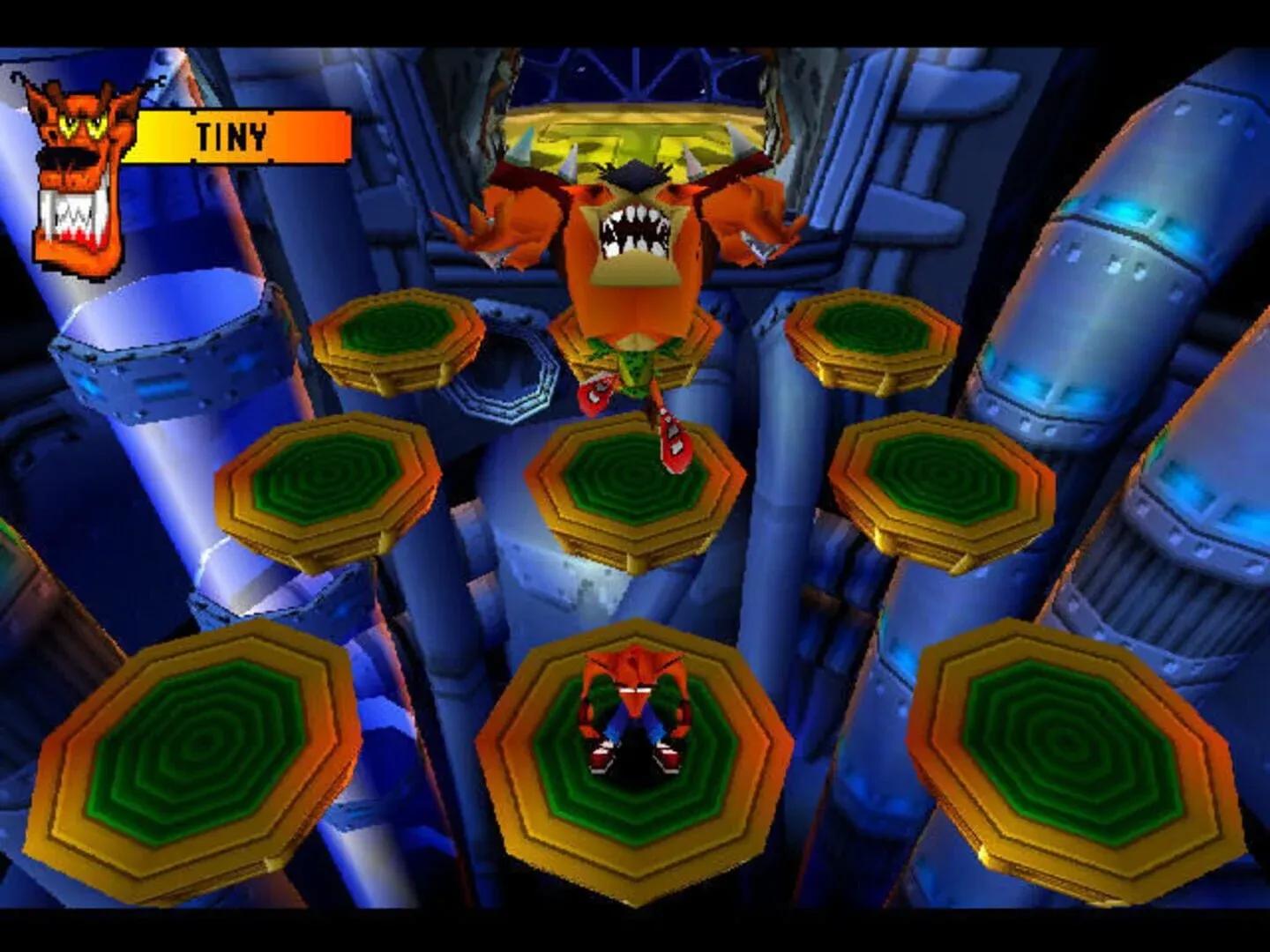
The five Warp Rooms each carry a distinct visual theme, cycling through jungles, snow fields, underwater caverns, industrial facilities, and space-adjacent environments. Naughty Dog pushed the PlayStation hardware hard here, and the stages hold up as genuinely expressive for their era.
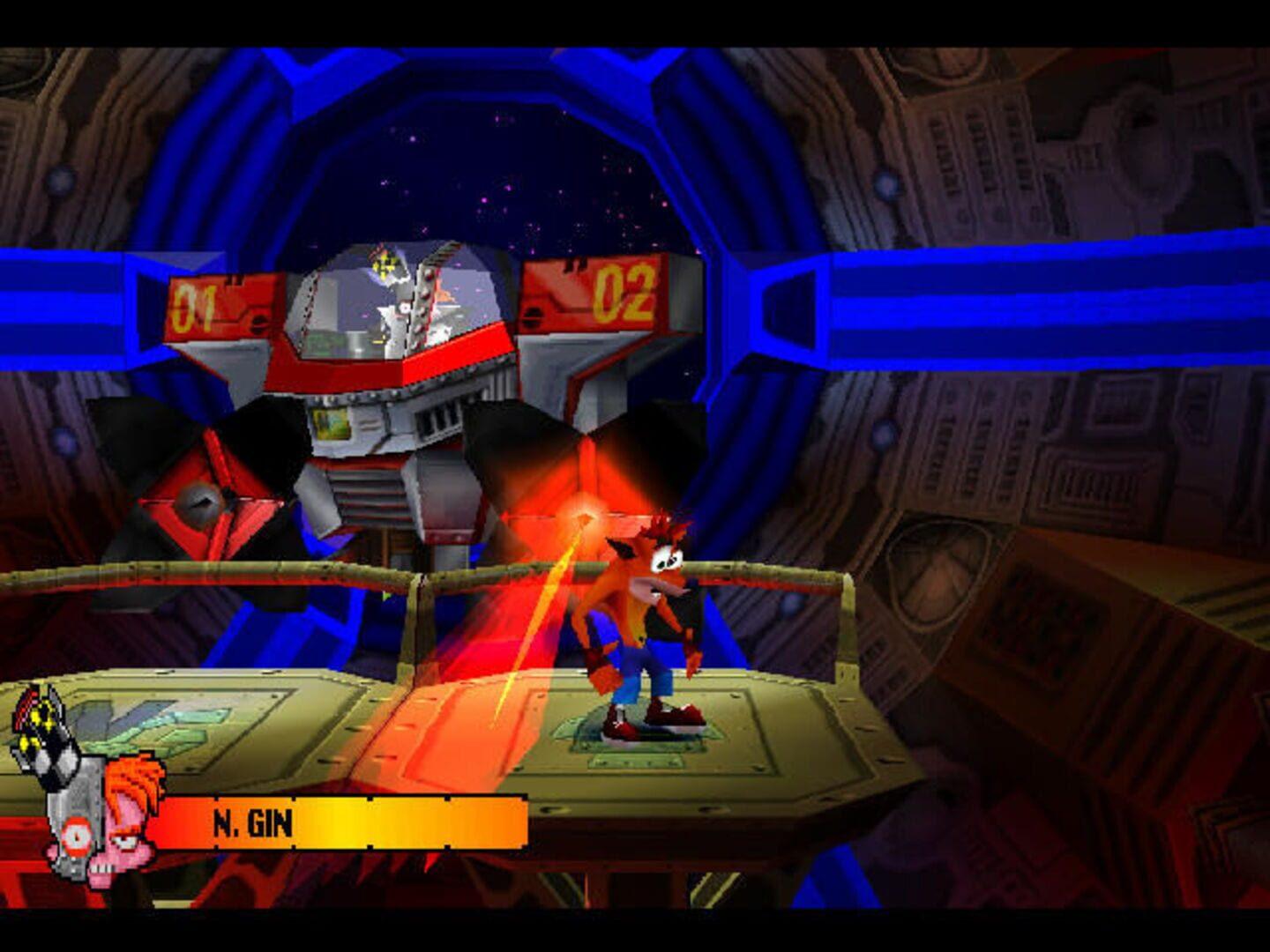
Cortex's framing device gives the levels narrative context without interrupting the action. The tension between Cortex's manipulation and hints from N. Brio (Cortex's former assistant) that something is off adds a layer of intrigue that pays off in the game's ending, which offers two distinct outcomes depending on whether you collect crystals alone or track down the hidden gems as well.
Impact and legacy
Cortex Strikes Back is widely considered the high point of the original Crash Bandicoot trilogy. The balance between accessibility and depth made it a commercial success and a critical favorite on PlayStation, and it remains one of the most-cited examples of tight 3D platformer design from the late 1990s. The 2017 N. Sane Trilogy brought it to modern platforms, introducing the game to a new generation of players on PlayStation, Windows, and Android.
For anyone tracing the history of 3D platformers, Cortex Strikes Back is a direct line from the genre's experimental early days to the polished mechanics that defined the PS1 era. The crystal-hunting structure, the expanded moveset, and the dual-ending design all point to a studio that understood exactly what it was building.