Overview
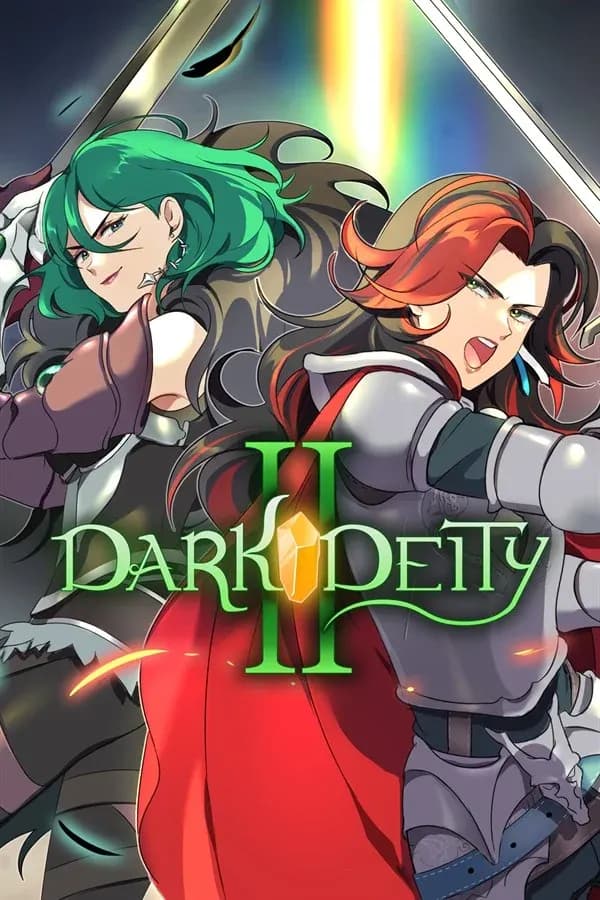
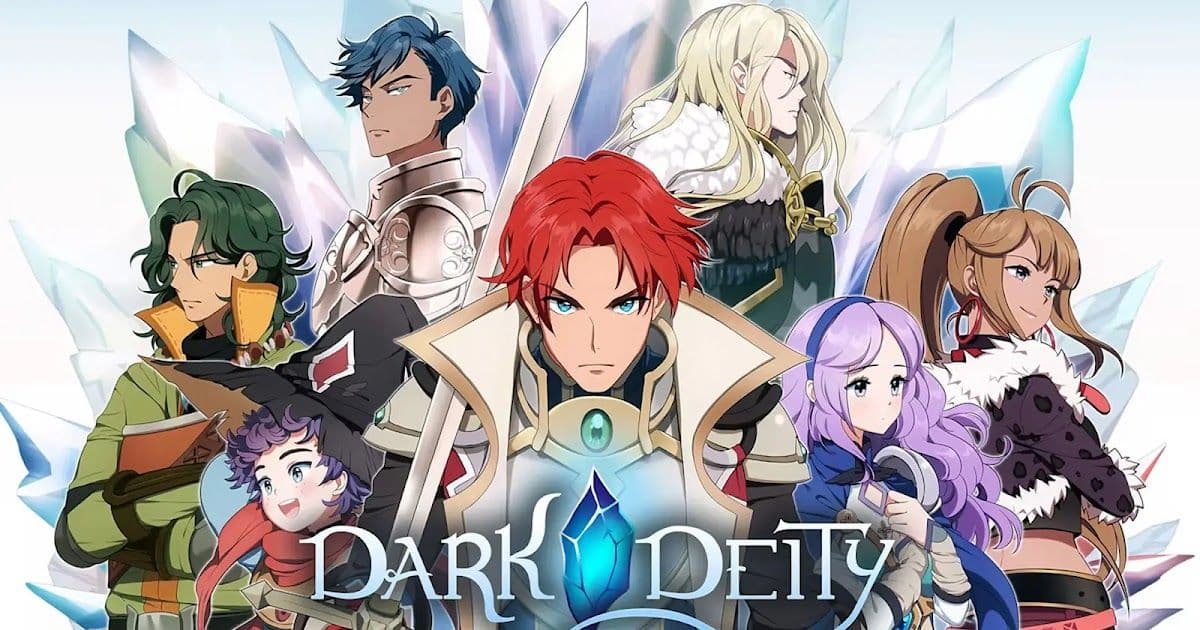
Dark Deity drops you into Terrazael, a world still reeling from a catastrophic event called the Calamity, which wiped out a once-great civilization and left its ruins scattered across the land. The story kicks off when King Varic of Delia cuts short the education of every student at Brookstead Military Academy, snapping a thousand-year pact in half to fill his army's ranks faster. Four of those students, their futures derailed without a say in the matter, set out to carve their own path through a continent teetering on the edge of all-out war.
Sword & Axe LLC built this game as a love letter to classic tactical RPGs, the kind that reward careful planning and punish careless aggression. The world of Terrazael carries real weight because the writing treats the political tension and the personal stakes as inseparable. Broken oaths, arcane secrets, and the remnants of a dead civilization all feed into a conflict that feels bigger than any single battle.
Gameplay and mechanics: how does Dark Deity play?
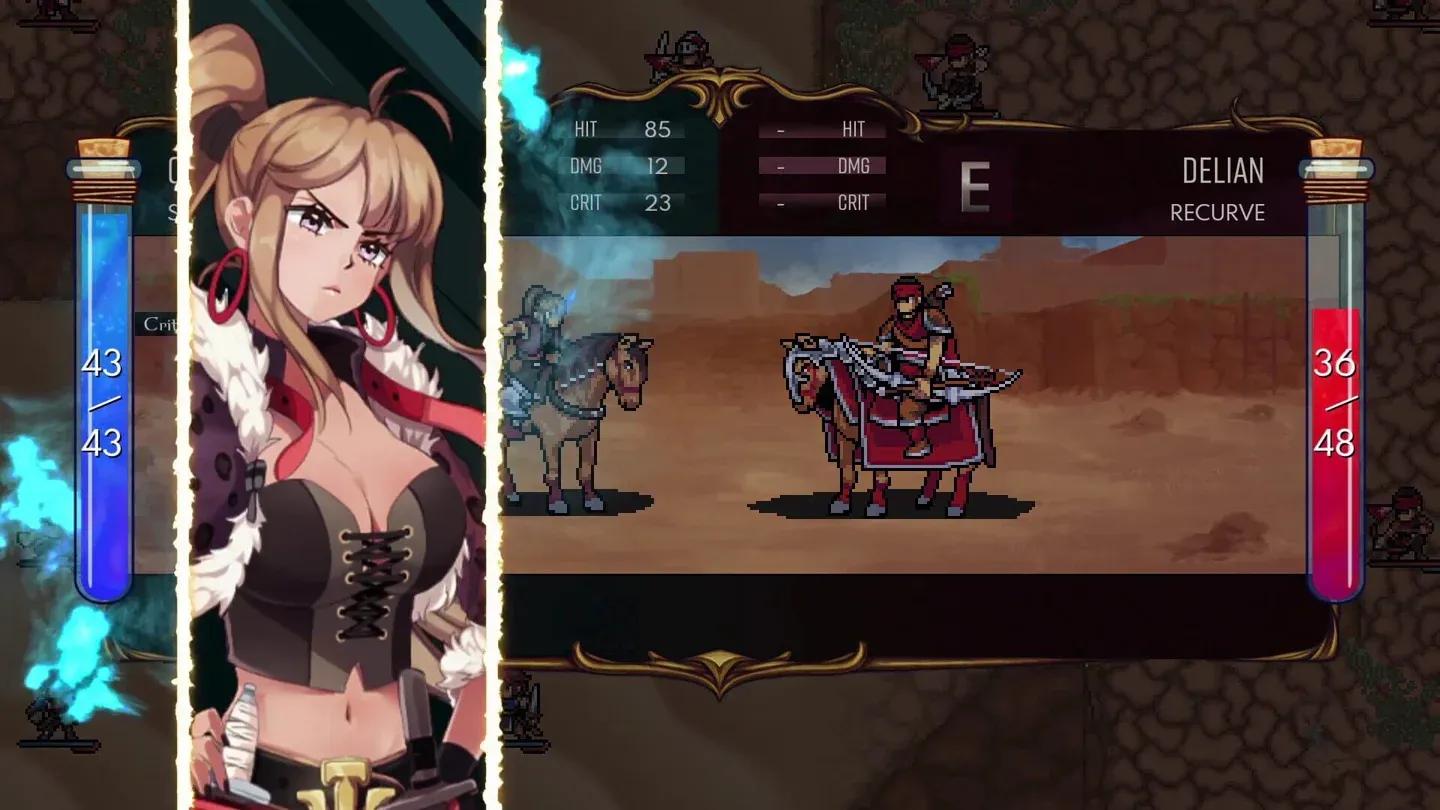
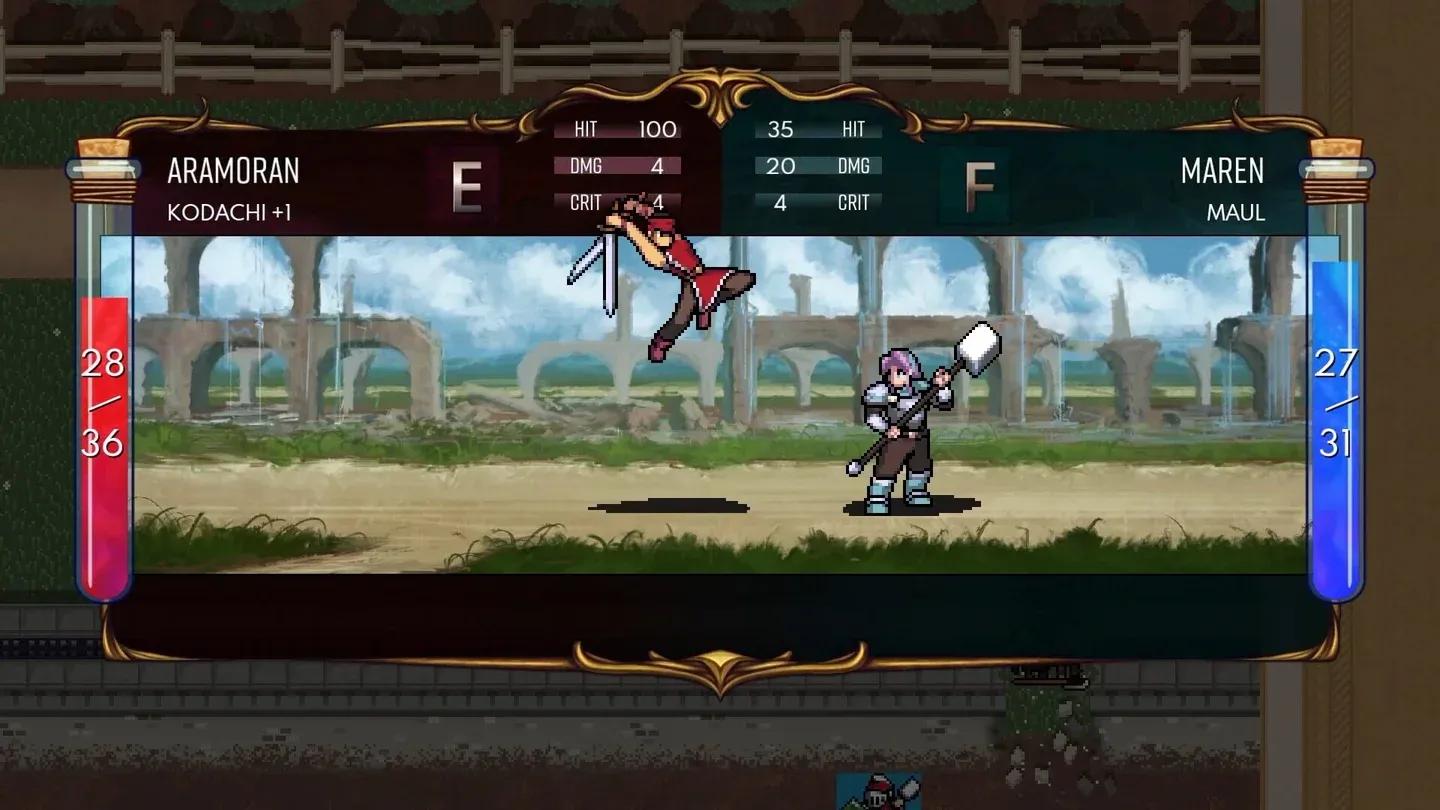
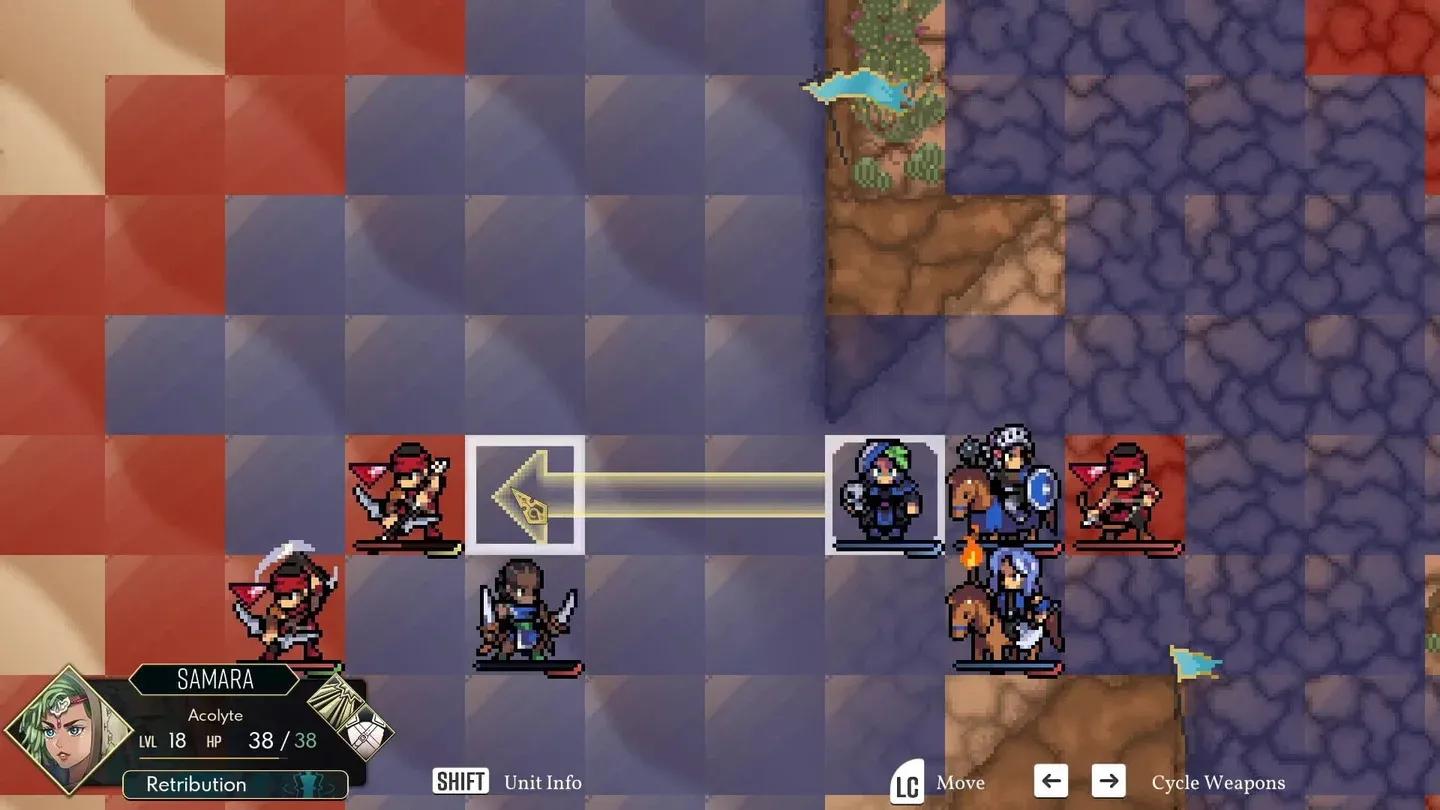
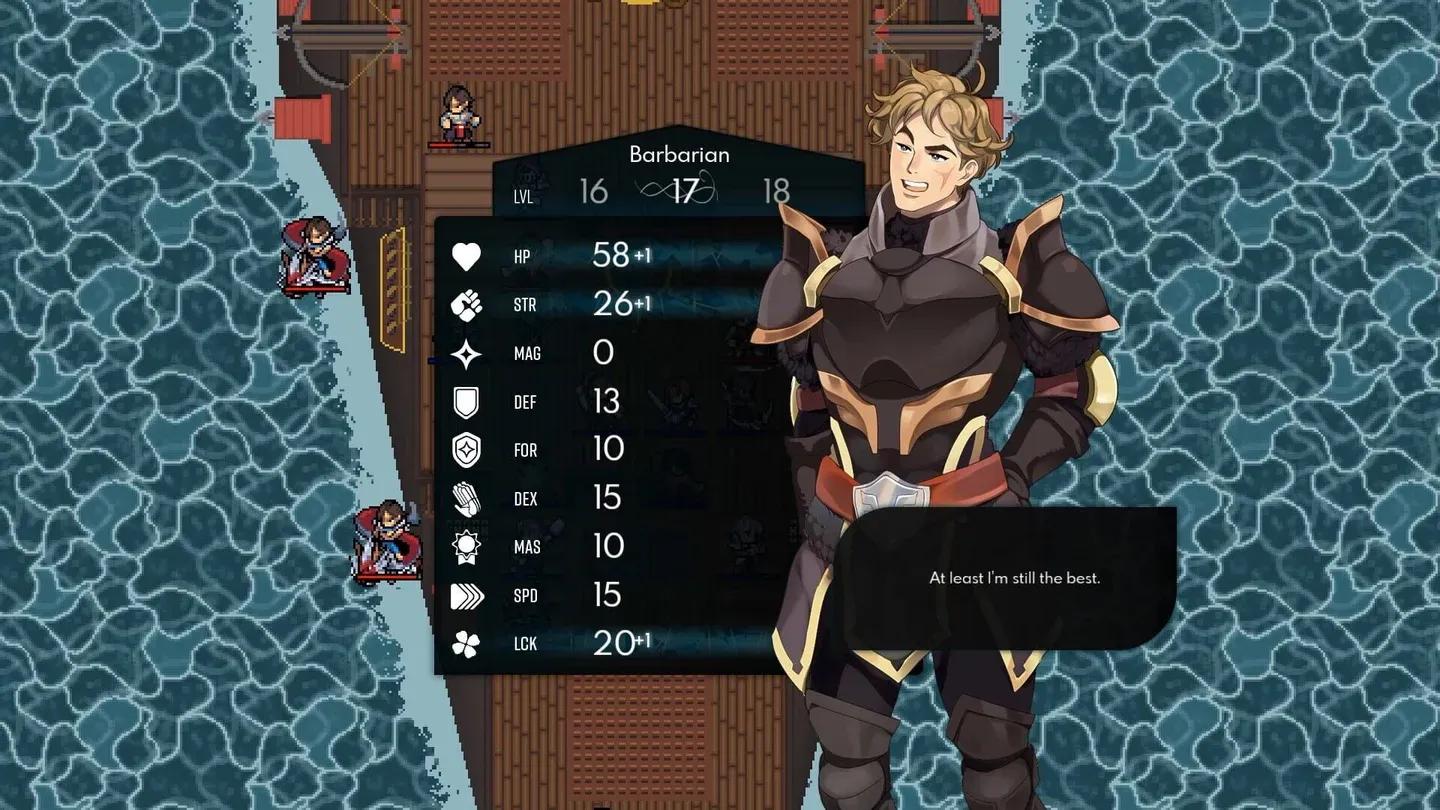
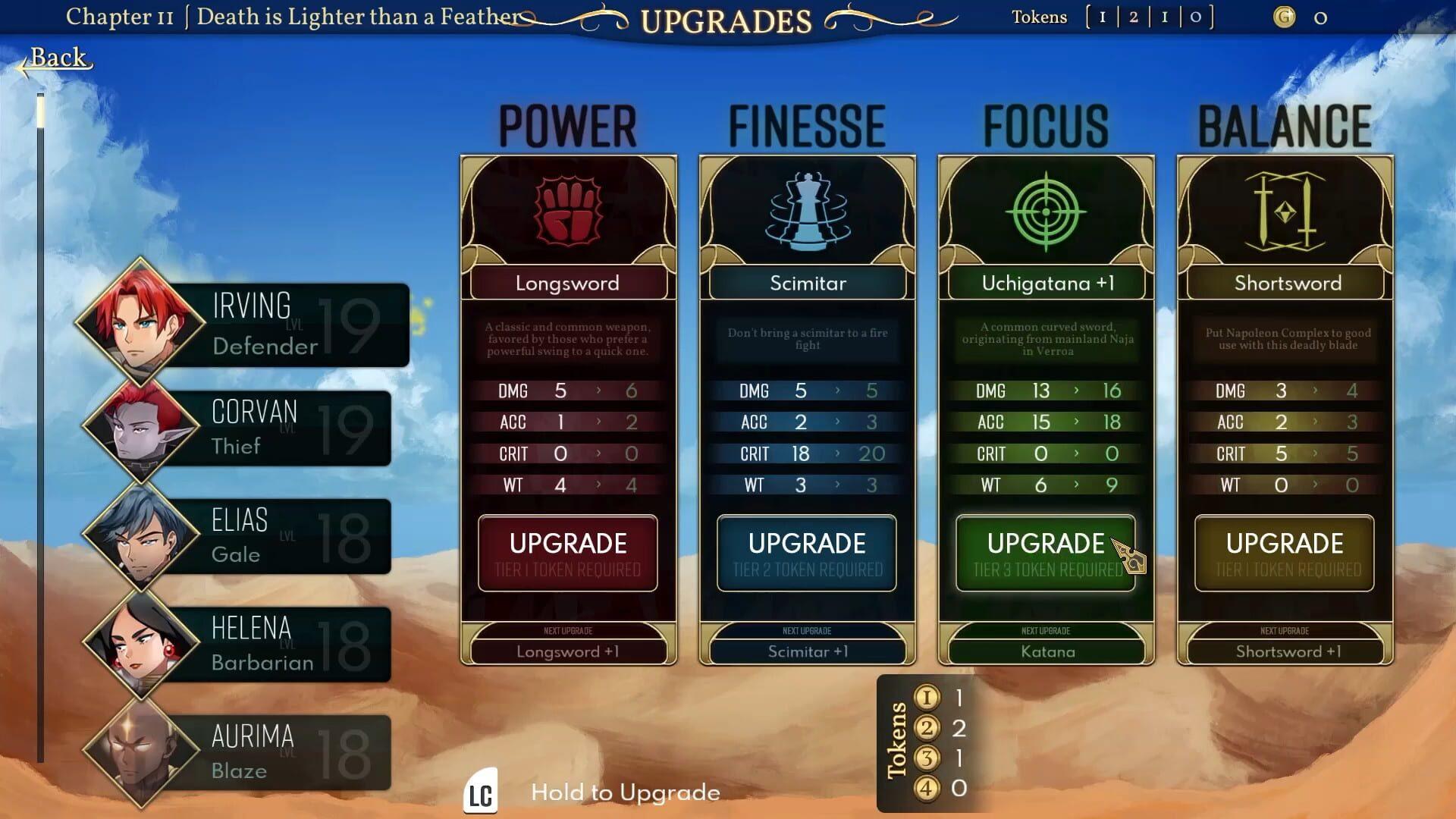
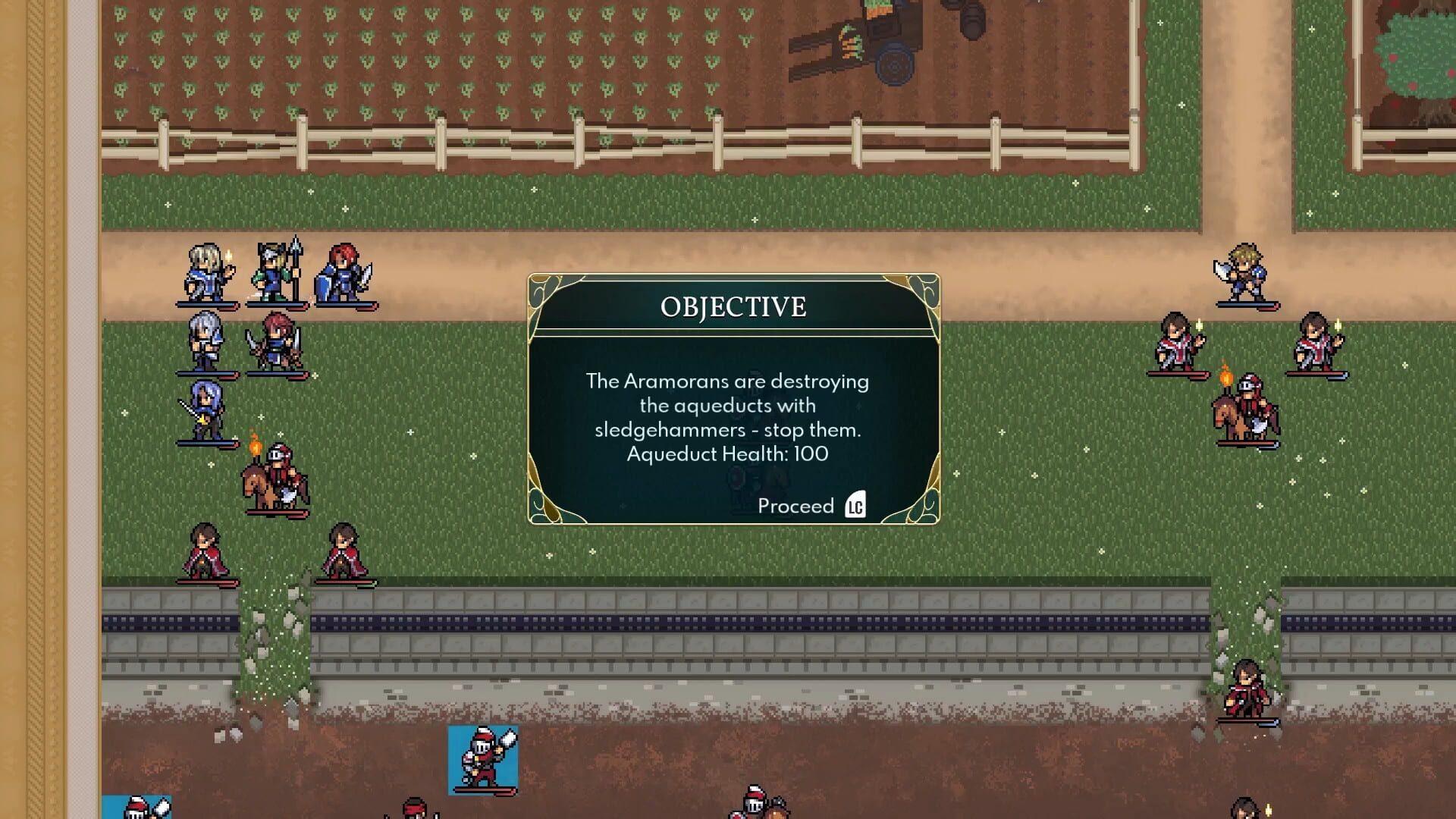
Dark Deity is a turn-based tactical RPG where positioning, unit synergy, and weapon choices determine whether your squad survives or gets wiped out. Combat plays out on grid-based maps, and the game gives you a roster of 30 fully voiced, playable characters to build your force from. Each character has their own stats, weapon affinities, and class paths, so there is real depth in deciding who goes where and with what gear.
Key mechanics include:
- Weapon triangle system influencing combat matchups
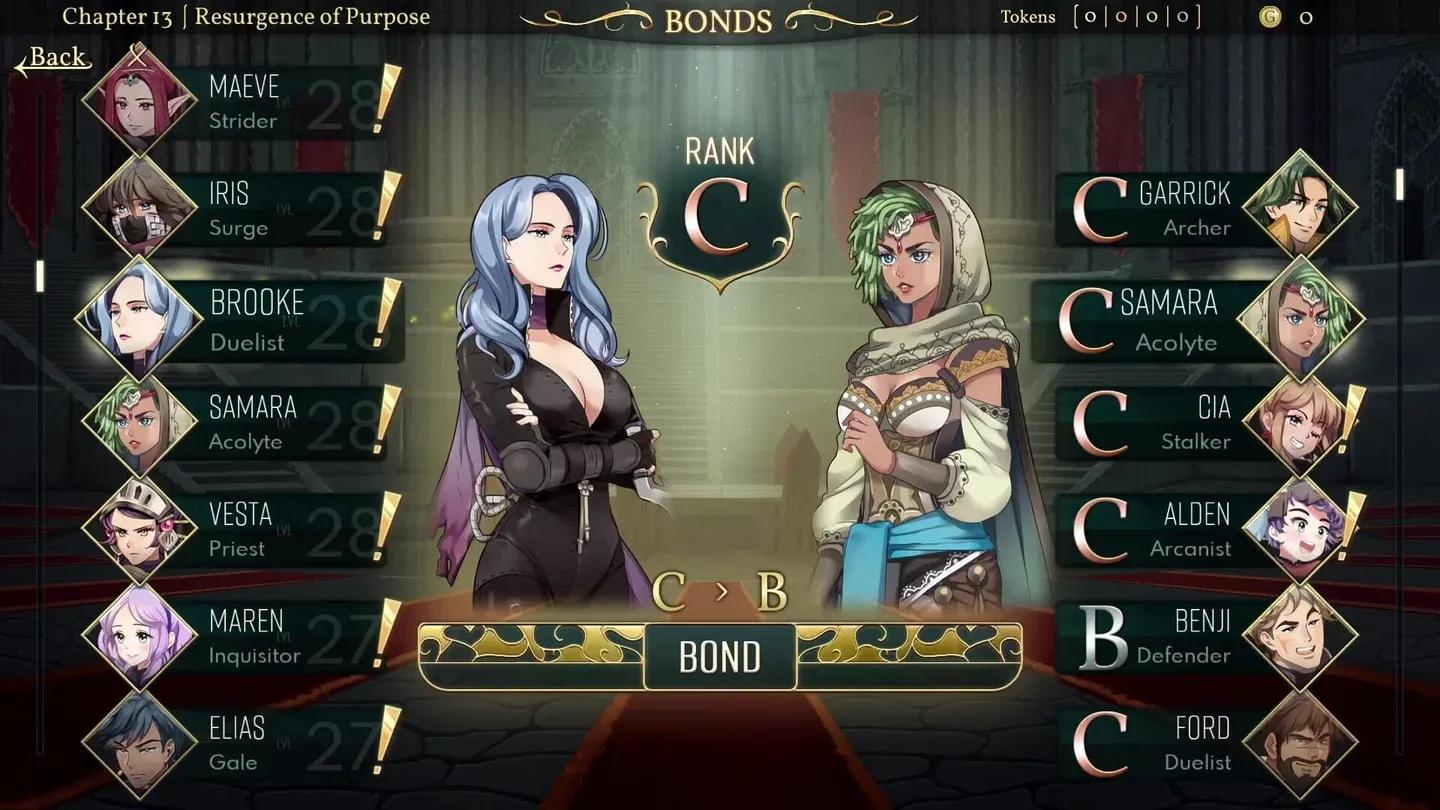
- Character bond system that unlocks passive bonuses
- Ancient artifacts and unique weapons tied to specific characters
- Class promotion paths that reshape a unit's role
- Permadeath-adjacent consequences that make losses feel costly
The bond system deserves particular attention. Characters who fight alongside each other develop relationships that translate into tangible stat bonuses, which means the composition of your squads matters beyond raw numbers. Sending the same two units into battle together repeatedly pays off over time, and it makes roster decisions feel genuinely meaningful rather than purely mathematical.
World and setting: what is Terrazael?
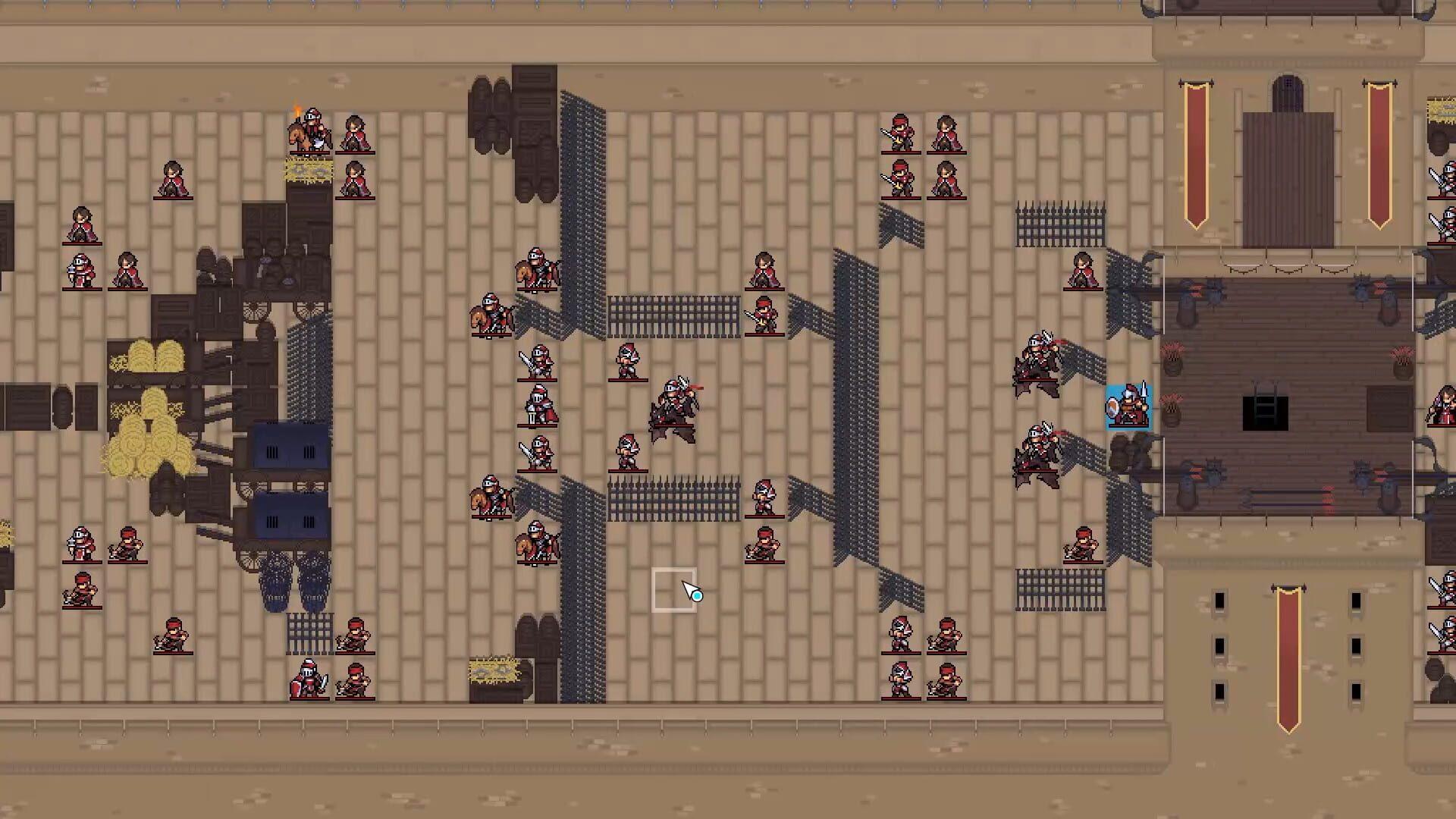
The world of Terrazael sits in a post-collapse state, its greatest achievements buried inside ancient temple ruins that dot the map. The Calamity erased a civilization advanced enough that its artifacts still carry power centuries later, and recovering those relics is part of both the story and the progression loop. That tension between a glorious past and a fractured present gives the setting a texture that goes beyond standard fantasy trappings.
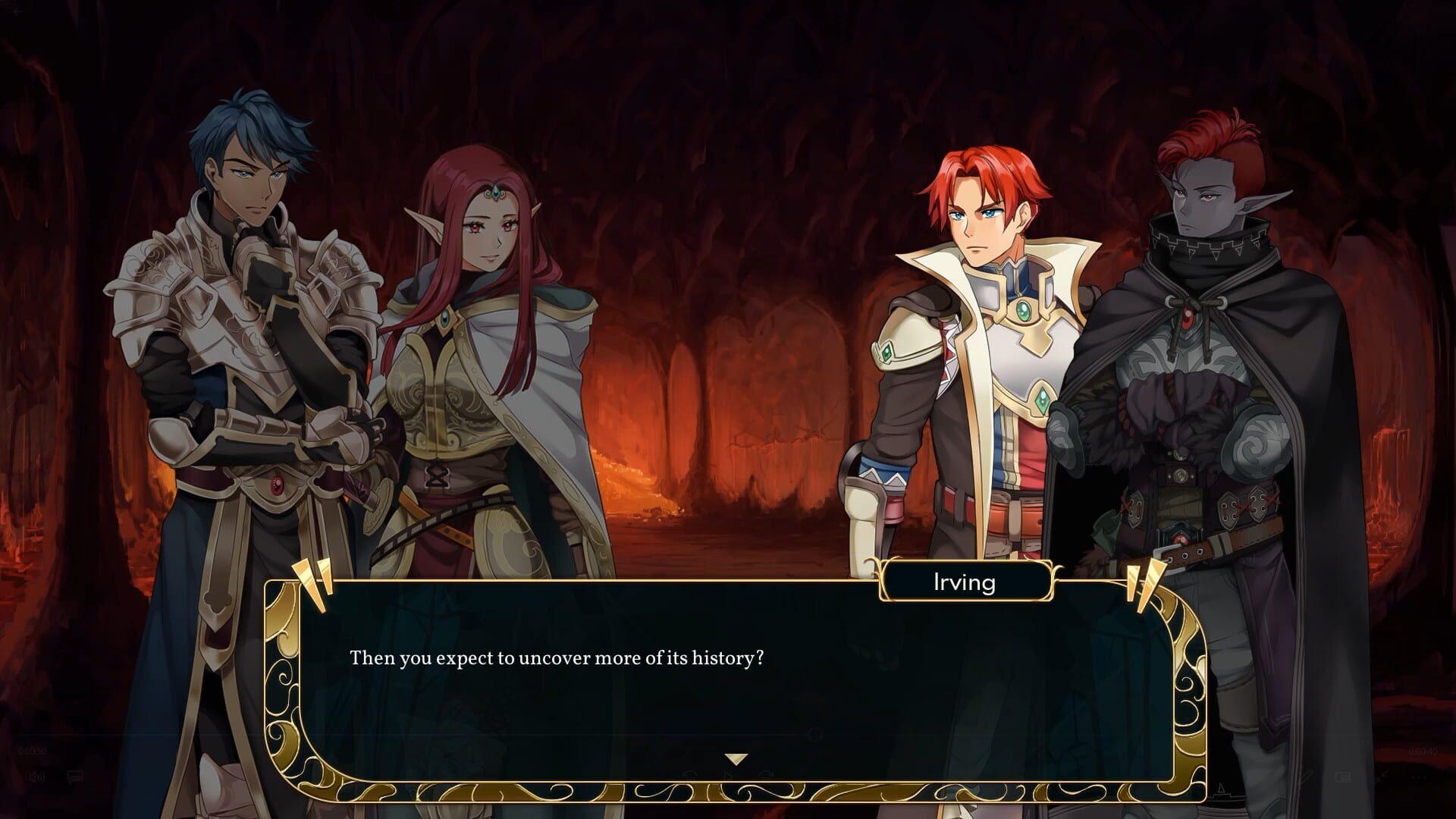
The people of Etlan, the region where the story unfolds, are caught between warring factions and the ambitions of leaders like King Varic, who treat oaths as tools rather than obligations. The four protagonists from Brookstead aren't chosen heroes in the traditional sense. They're students who got shoved out the door early and decided to do something about it.
Content and replayability
With 30 playable characters spread across multiple class paths, Dark Deity gives players enough roster variety to approach each playthrough differently. Choosing which characters to invest in, which bonds to develop, and which artifacts to prioritize creates natural variation between runs. The game is available on Windows PC and Nintendo Switch, making it accessible whether you prefer playing at a desk or on the couch.
Conclusion
Dark Deity is a tactical turn-based RPG that earns its place alongside the genre's classics by committing fully to character depth, strategic combat, and a story that treats its world seriously. The bond system and the 30-character roster give it staying power well beyond the main campaign, and the setting of Terrazael has enough history baked in to make exploration feel rewarding. For fans of grid-based strategy games who want their roster to feel like actual characters rather than interchangeable units, Dark Deity delivers exactly that.