Overview
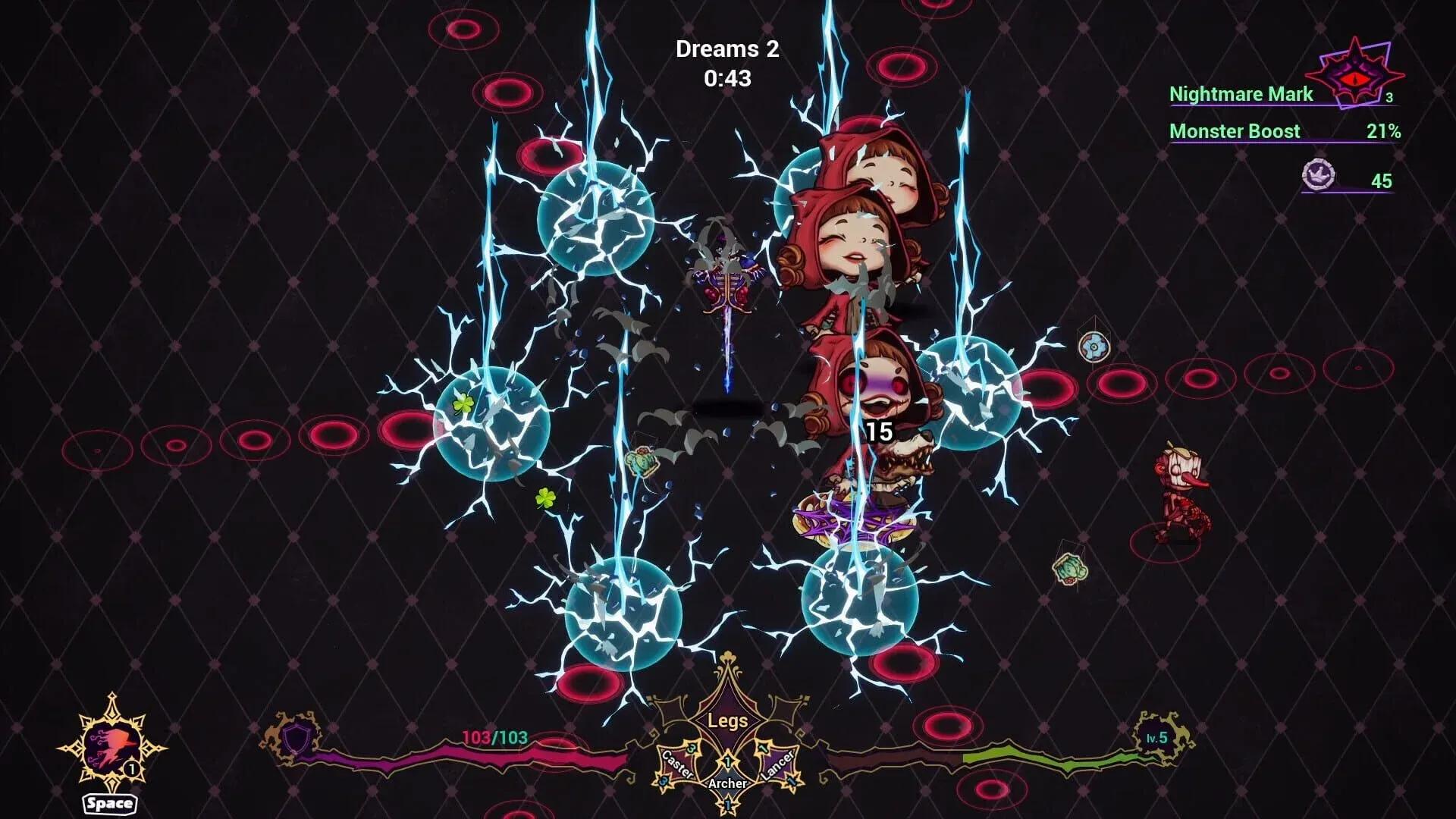
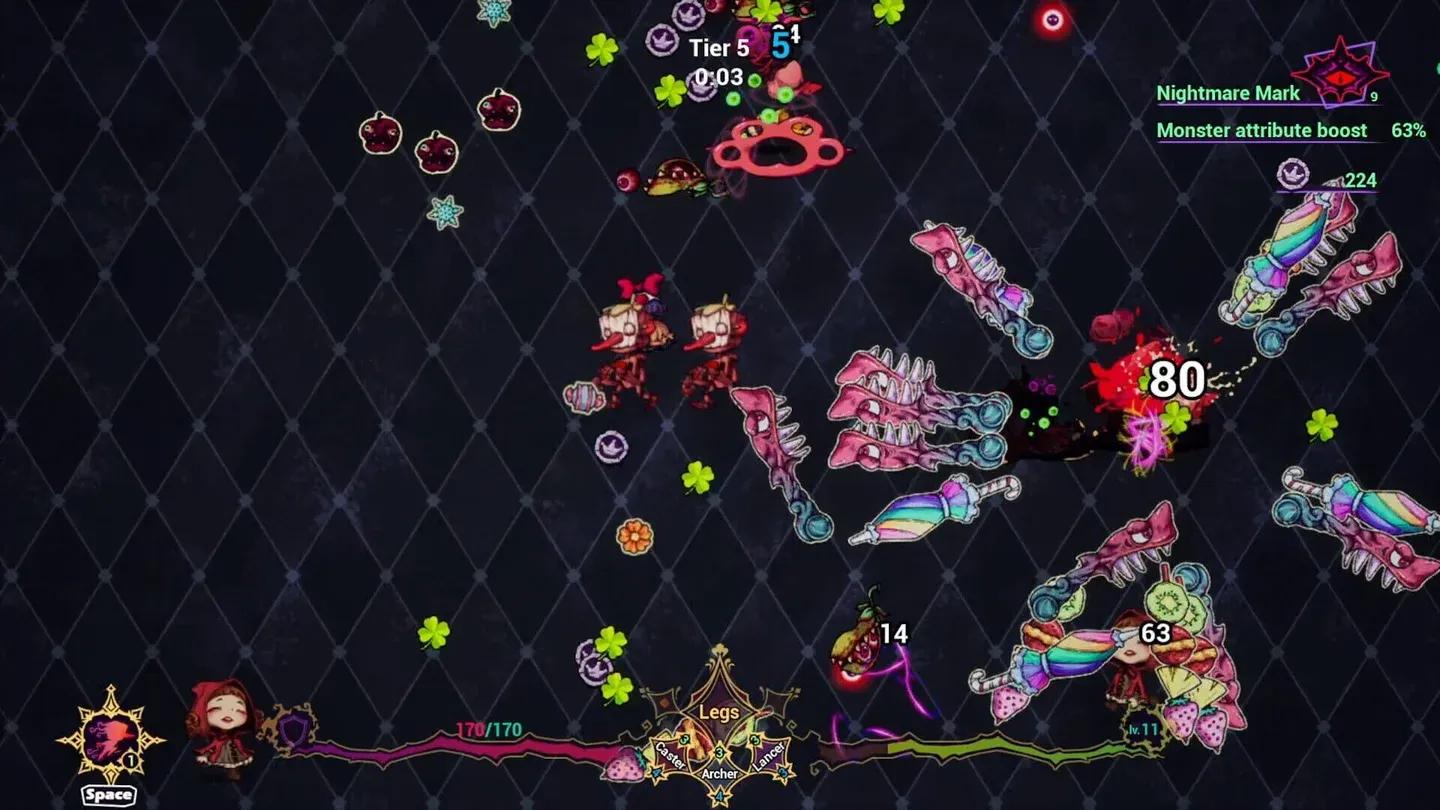
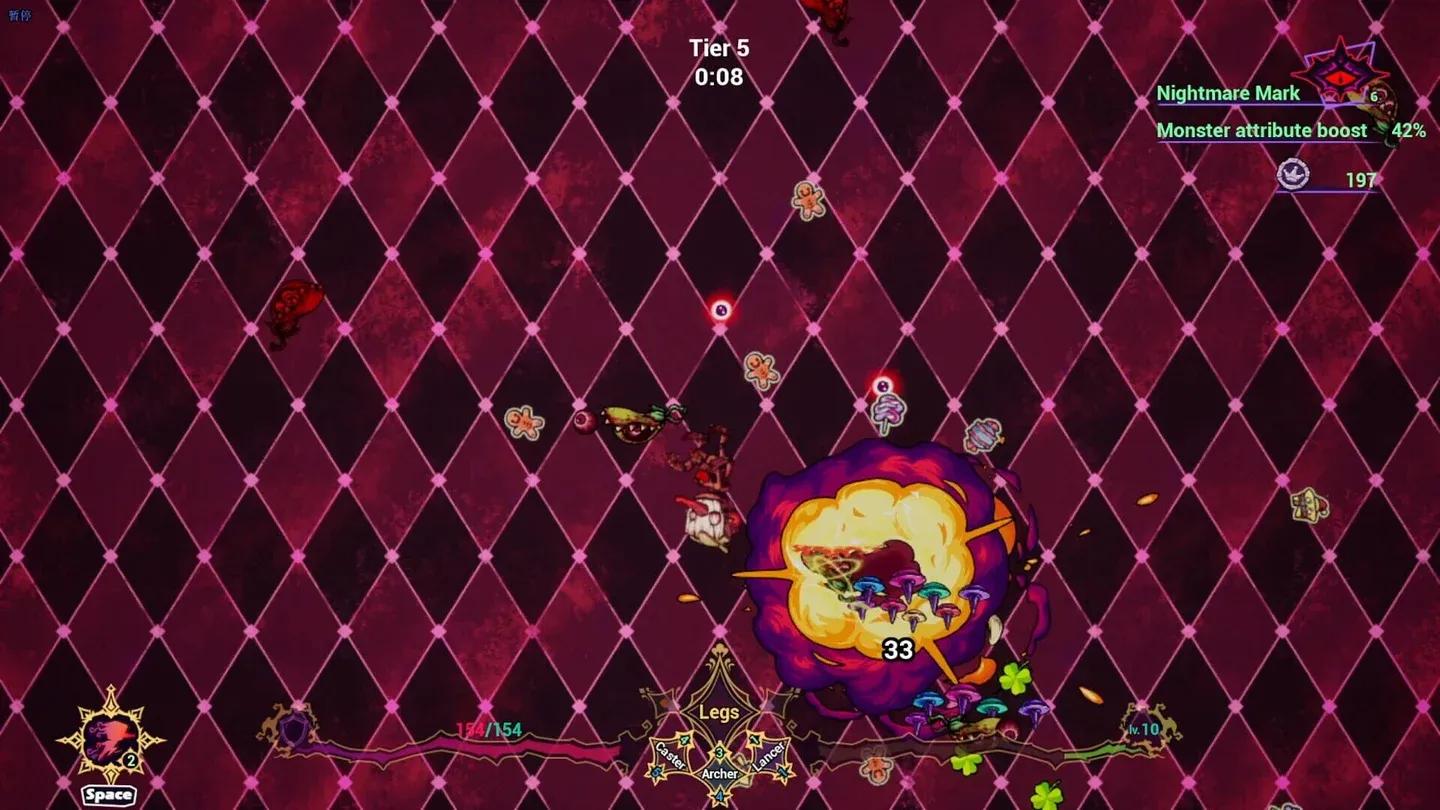
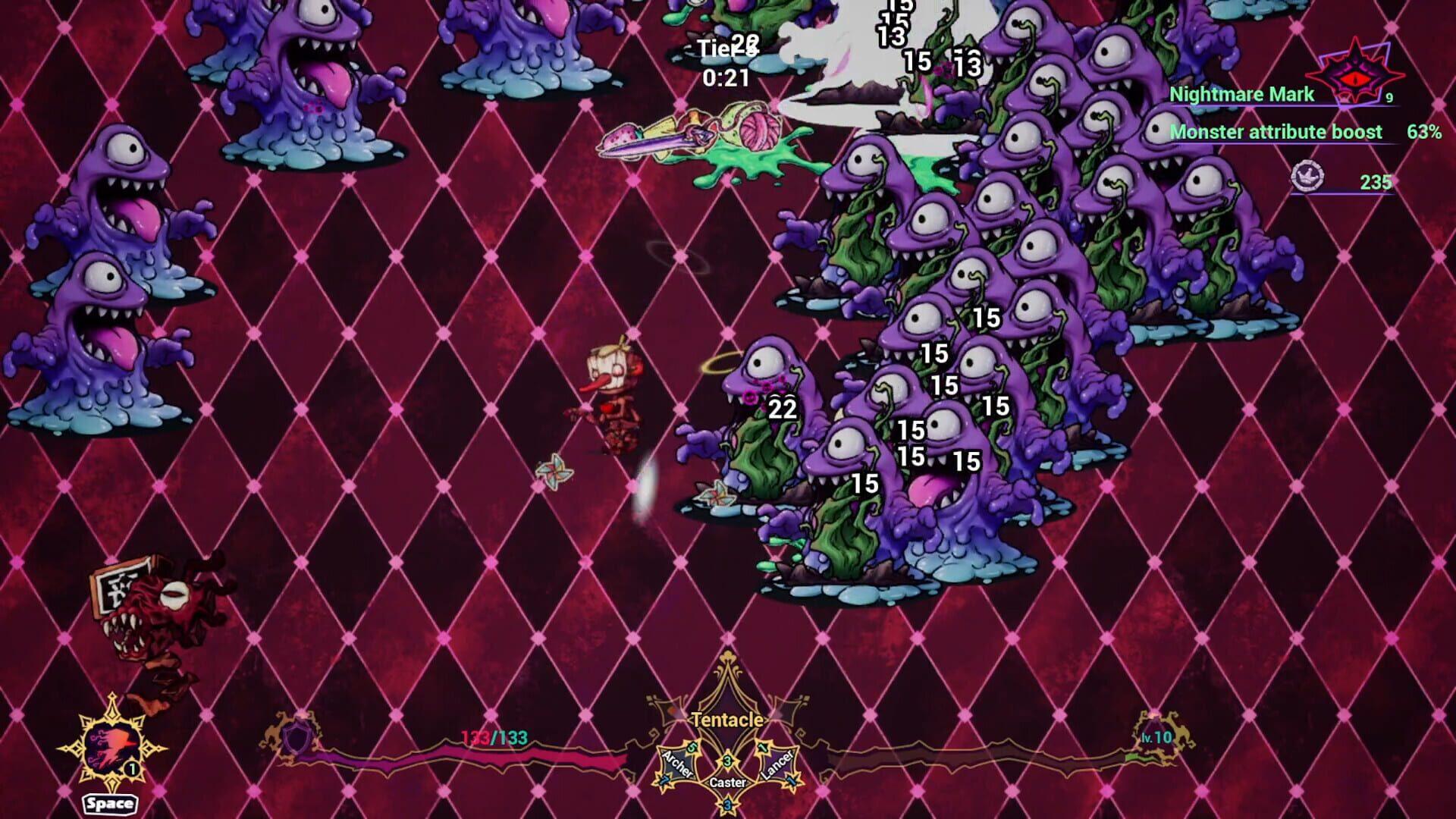
Dark Fairy Tale: Dreamland Survivors is a top-down auto-shooter roguelike from developer BINGOBELL, released on June 19, 2025, for Windows PC. The premise is simple and strange in equal measure: Pinocchio has fallen into a corrupted dreamworld and needs to fight his way back to reality by collecting Dream Eggs, slaughtering warped fairy tale creatures, and building increasingly unhinged combat styles along the way. It draws clear inspiration from Vampire Survivors but carves out its own identity through the Dream Egg mechanics and a Tarot card stage system that keeps each run feeling distinct.
[VIDEO]
The game is playable entirely one-handed, which sounds like a gimmick until you realize the auto-shooting format actually supports it naturally. Pinocchio moves, the weapons fire automatically, and your job is managing your build in real time. That design choice makes it accessible without dumbing down the strategic layer underneath.
How does the Dream Egg system work?
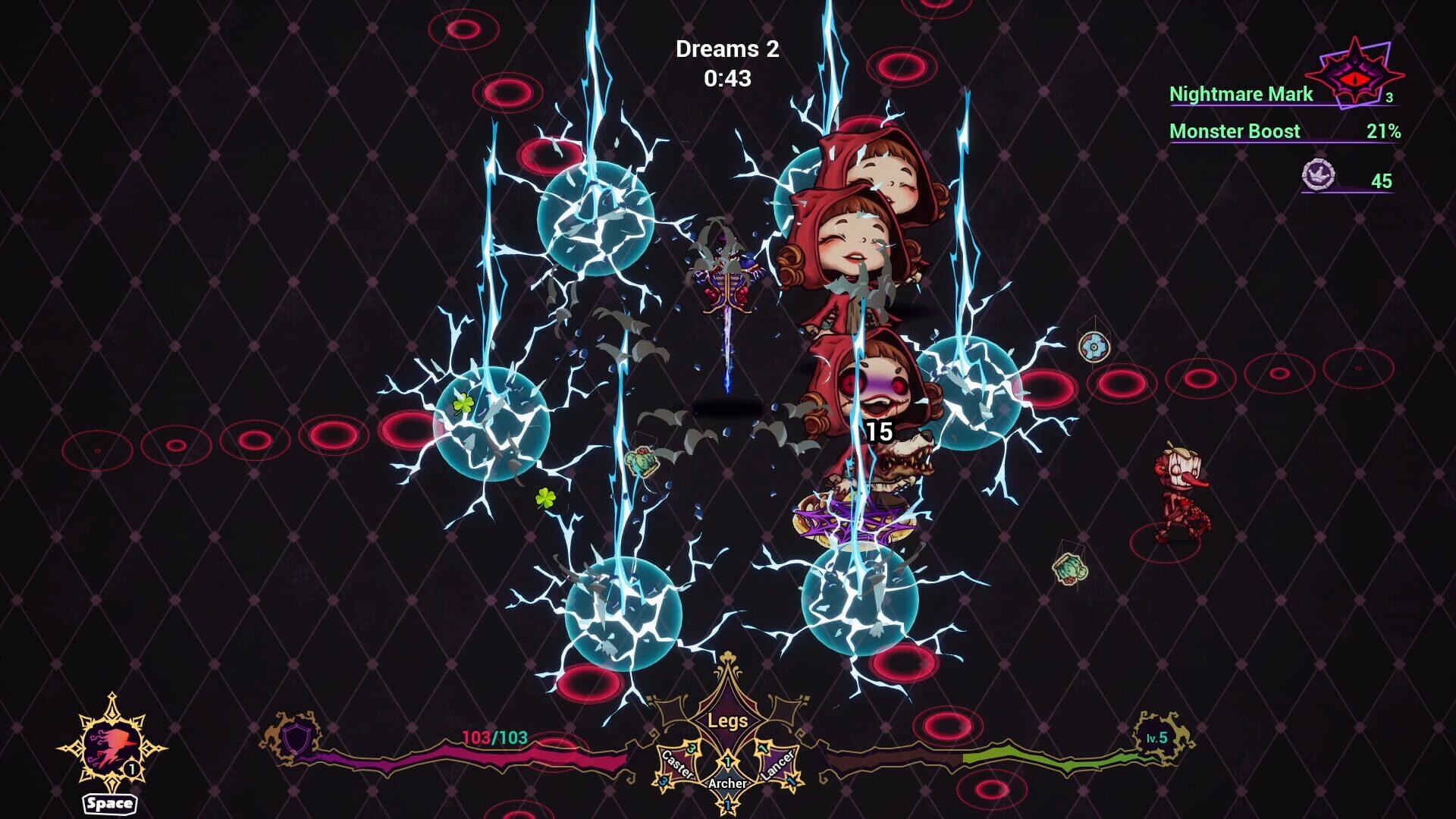
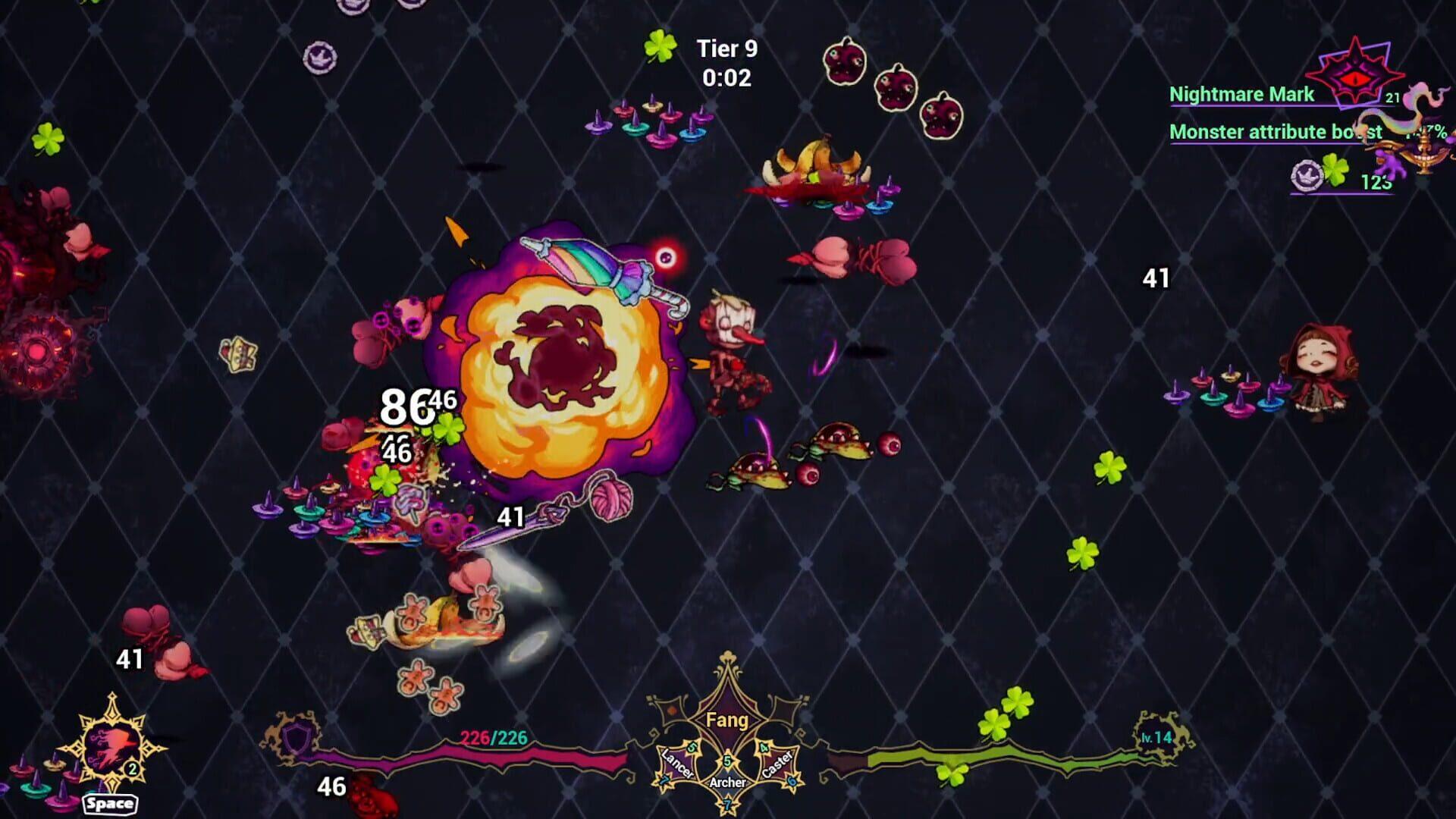
Dream Eggs are the core progression mechanic, and they do more than just buff your stats. There are over 100 unique eggs, and each one can either be activated in your inventory for passive effects or devoured for a completely different self-boosting result. That dual-use design means every egg pickup is a small decision point. Do you slot it for the passive, or eat it for the immediate power spike? The answer changes depending on your current build, your health, and what stage you're on.
Key features of the Dream Egg system:
- Over 100 unique eggs to collect
- Activate or devour each egg for different effects
- Obtainable through leveling, shop purchases, or loot drops
- Fully manageable mid-run for flexible builds
- Synergizes with weapon types and Tarot abilities
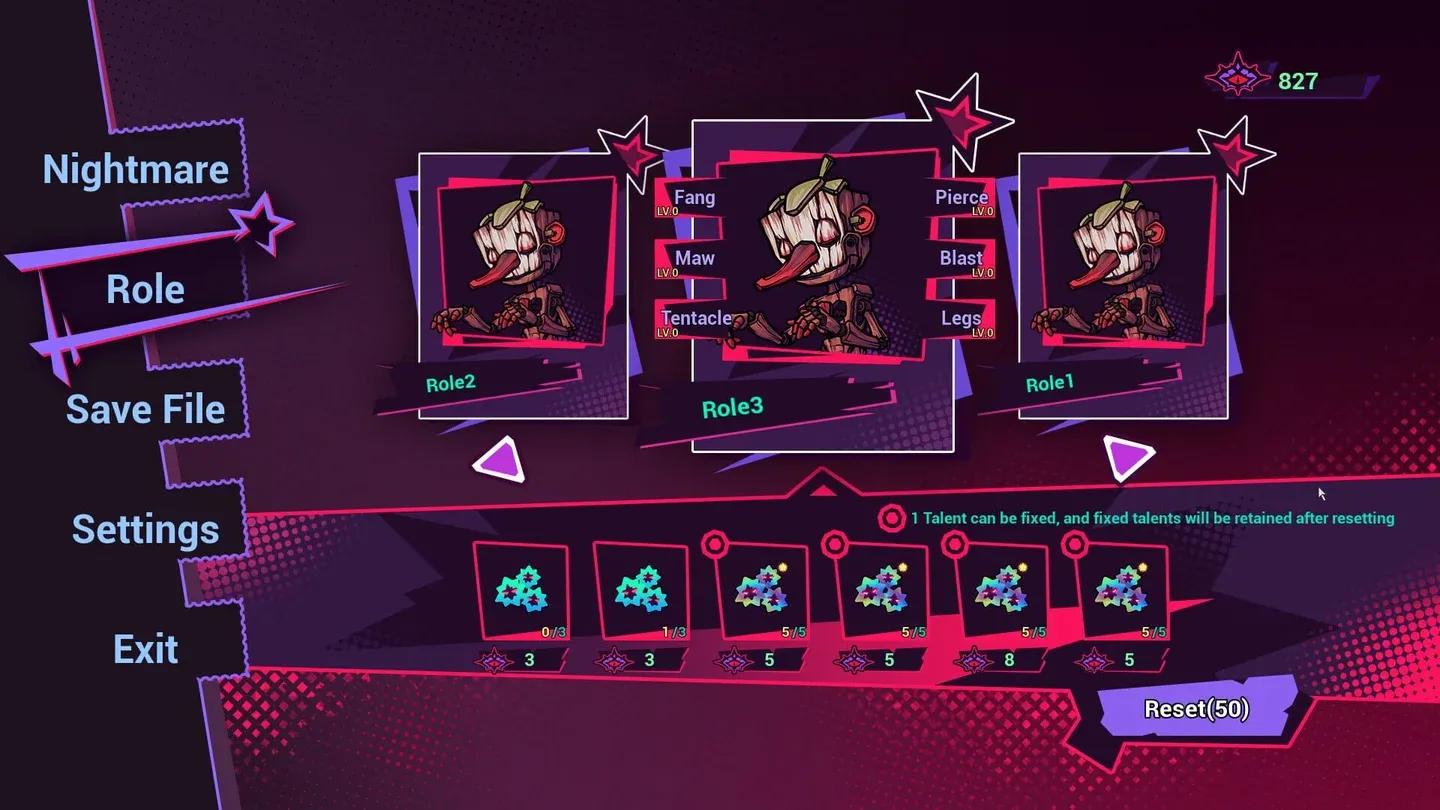
Pinocchio carries 3 weapon types, and the order you combine them determines which of 6 attack styles you end up with. Each style unlocks 3 exclusive talents, giving 18 total talent options that stack against the Dream Egg pool and Tarot abilities. The build space is genuinely wide for a game this compact.
Tarot Dream stages and replayability
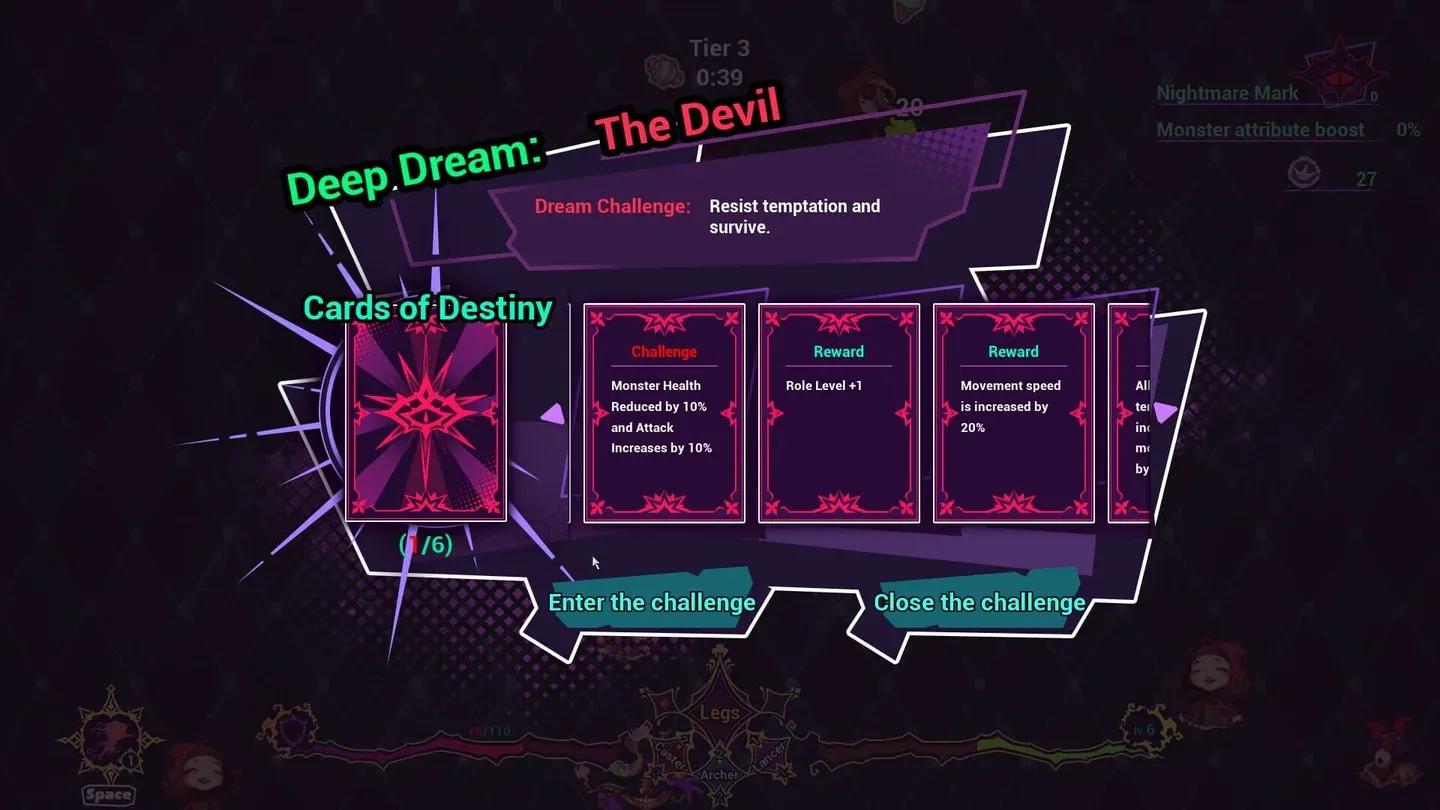
The 22 Tarot Dream stages (currently expanding to 23) are where the game earns its replay value. Each Tarot card stage brings a different set of enemies, mechanics, and challenges, so clearing them requires more than just stacking the same overpowered build every time. Completing a stage rewards a shard of that card's power, and once all shards are collected, Pinocchio transforms into Tarot Pinocchio, a distinct form with its own ability set that opens up another layer of build crafting.
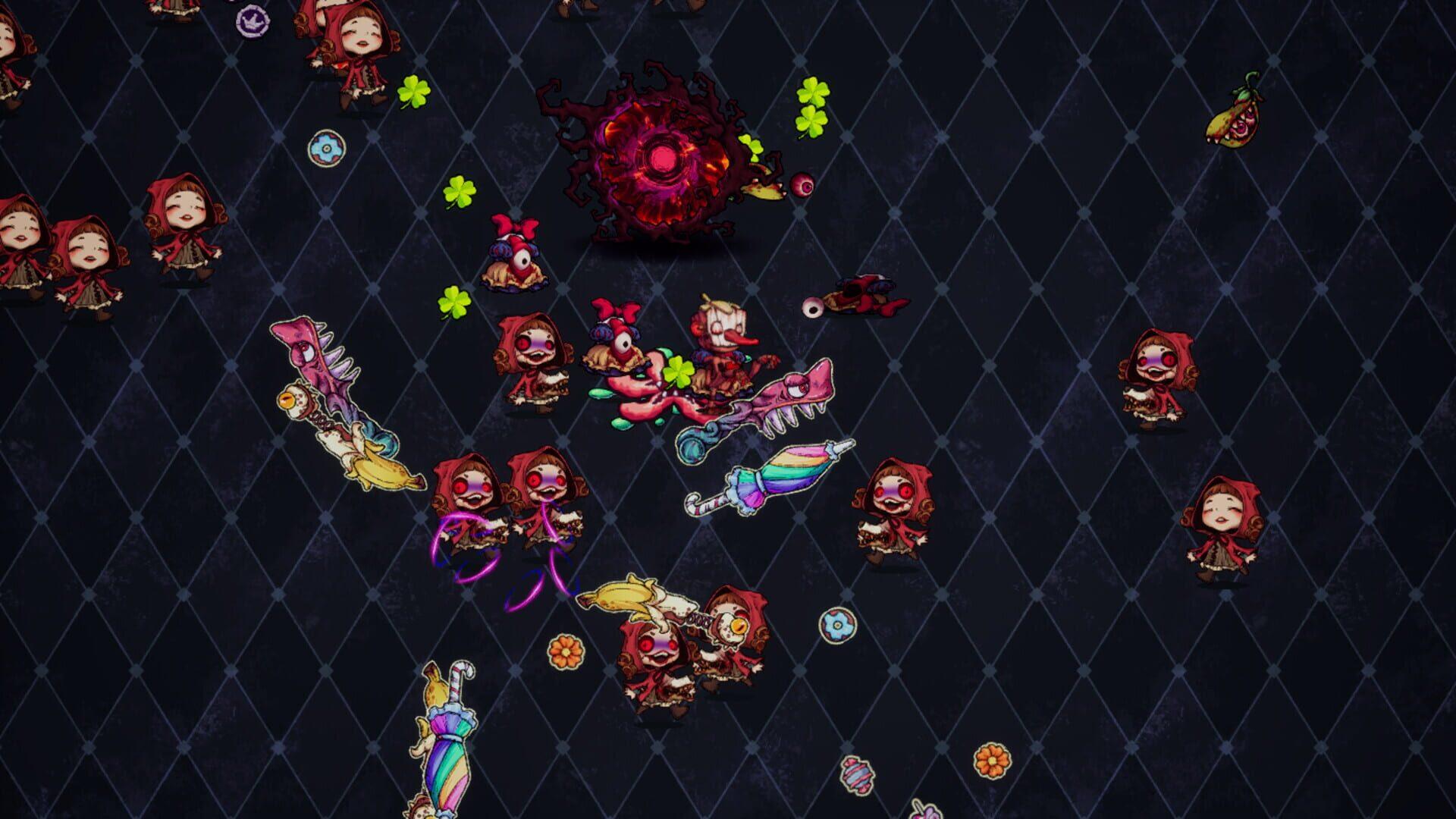
Endless Dream Mode sits alongside the stage system as the pure power-fantasy option, letting players push their builds past the point where normal stages would end. It's the right call to include both modes: the Tarot stages provide structure and challenge, while Endless Dream is where you find out just how broken your build can get.
World and setting
The fairy tale dreamworld aesthetic does real work here. Familiar characters from classic stories show up in corrupted, mutated forms, and the contrast between recognizable source material and nightmare execution gives the game a specific tone that straightforward fantasy roguelikes don't have. The soundtrack leans into the whimsy-meets-chaos angle, keeping the energy up without tipping into generic action game territory.
Conclusion
Dark Fairy Tale: Dreamland Survivors is a focused, replayable roguelike that uses its Dream Egg system and Tarot stage structure to build genuine depth on top of an accessible auto-shooter foundation. The one-handed design, 100-plus item pool, 18-talent build space, and distinct Tarot Pinocchio transformation give it more mechanical range than its Vampire Survivors inspiration might suggest. BINGOBELL is actively updating the game, with the codex and additional stages already confirmed in progress. For fans of build-crafting roguelikes with a dark and offbeat aesthetic, this one is worth the time.