Overview
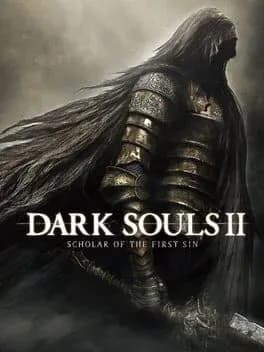
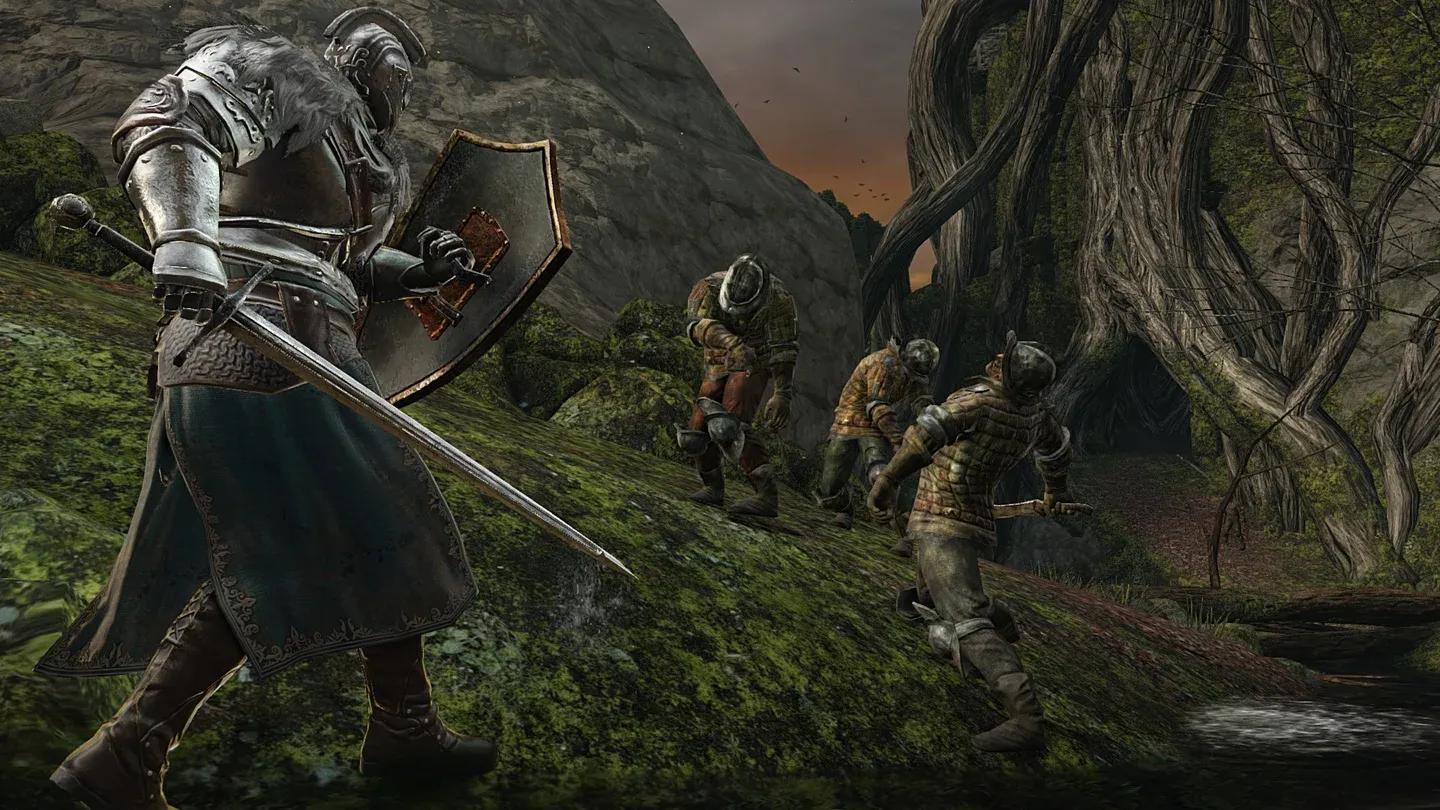
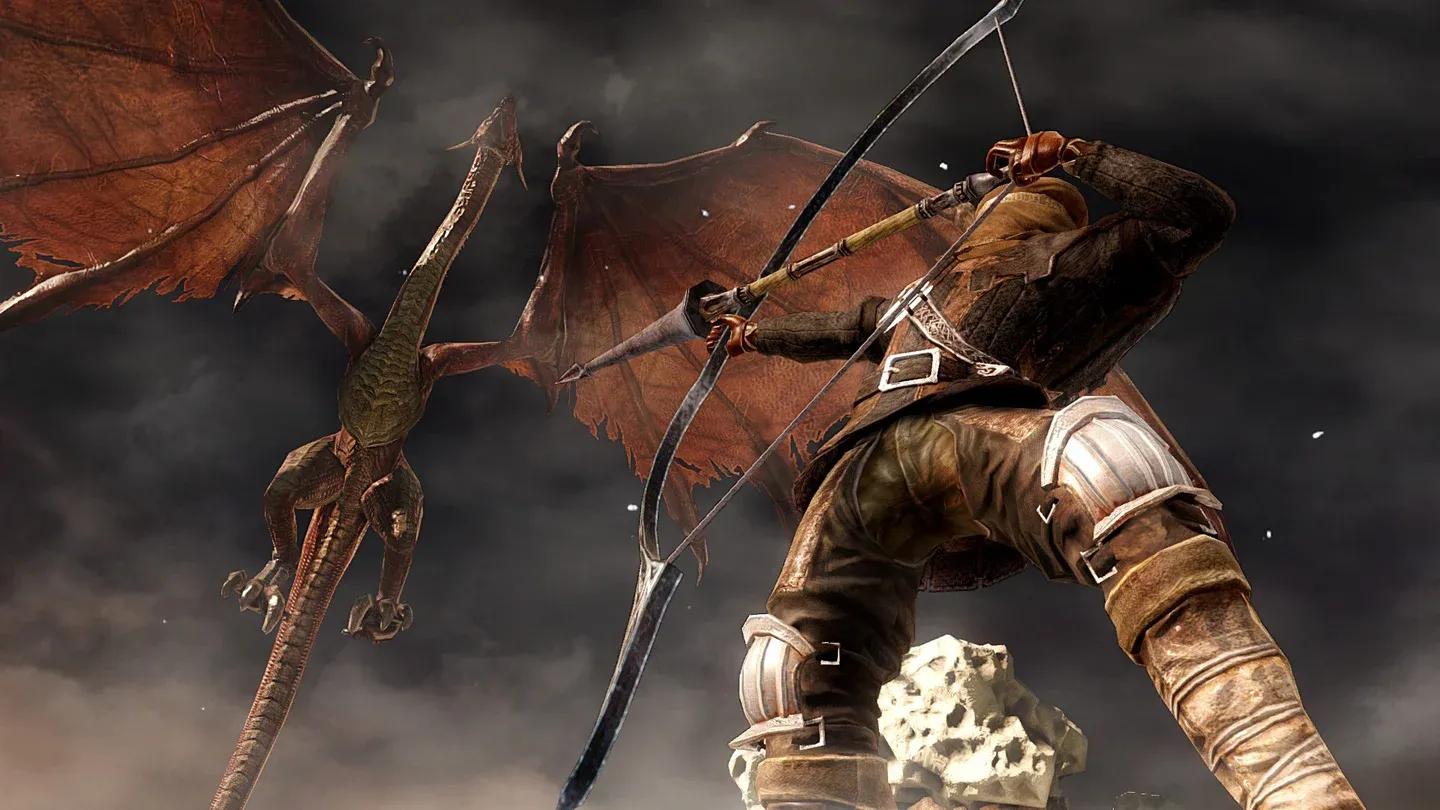
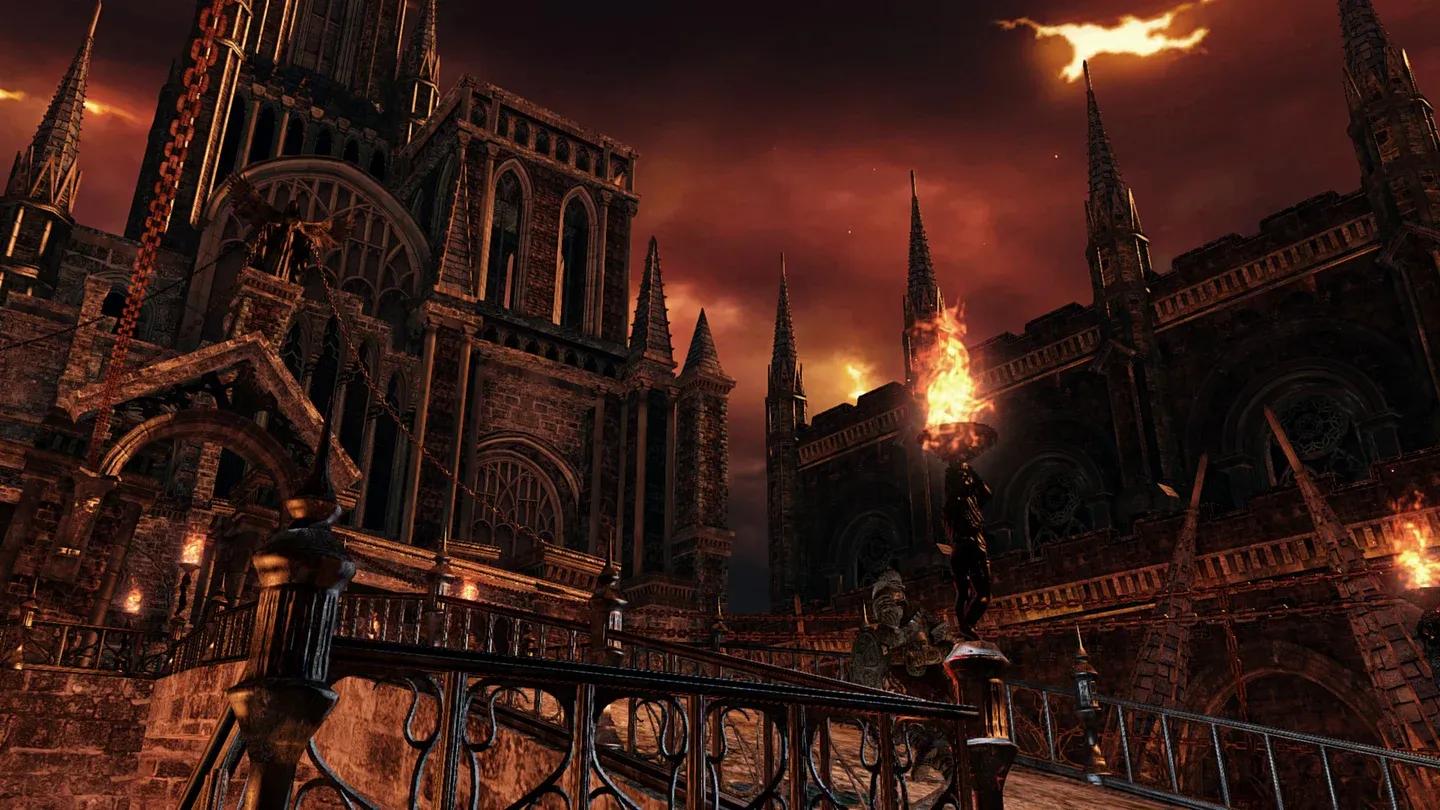
Dark Souls II is a third-person action RPG developed by FromSoftware and published by BANDAI NAMCO Entertainment, originally released on April 25, 2014. Players take on the role of the Bearer of the Curse, an undead traveler who arrives in the decaying kingdom of Drangleic searching for a cure to their affliction. The world is interconnected, hostile, and deliberately cryptic, rewarding patience and careful observation over button-mashing aggression.
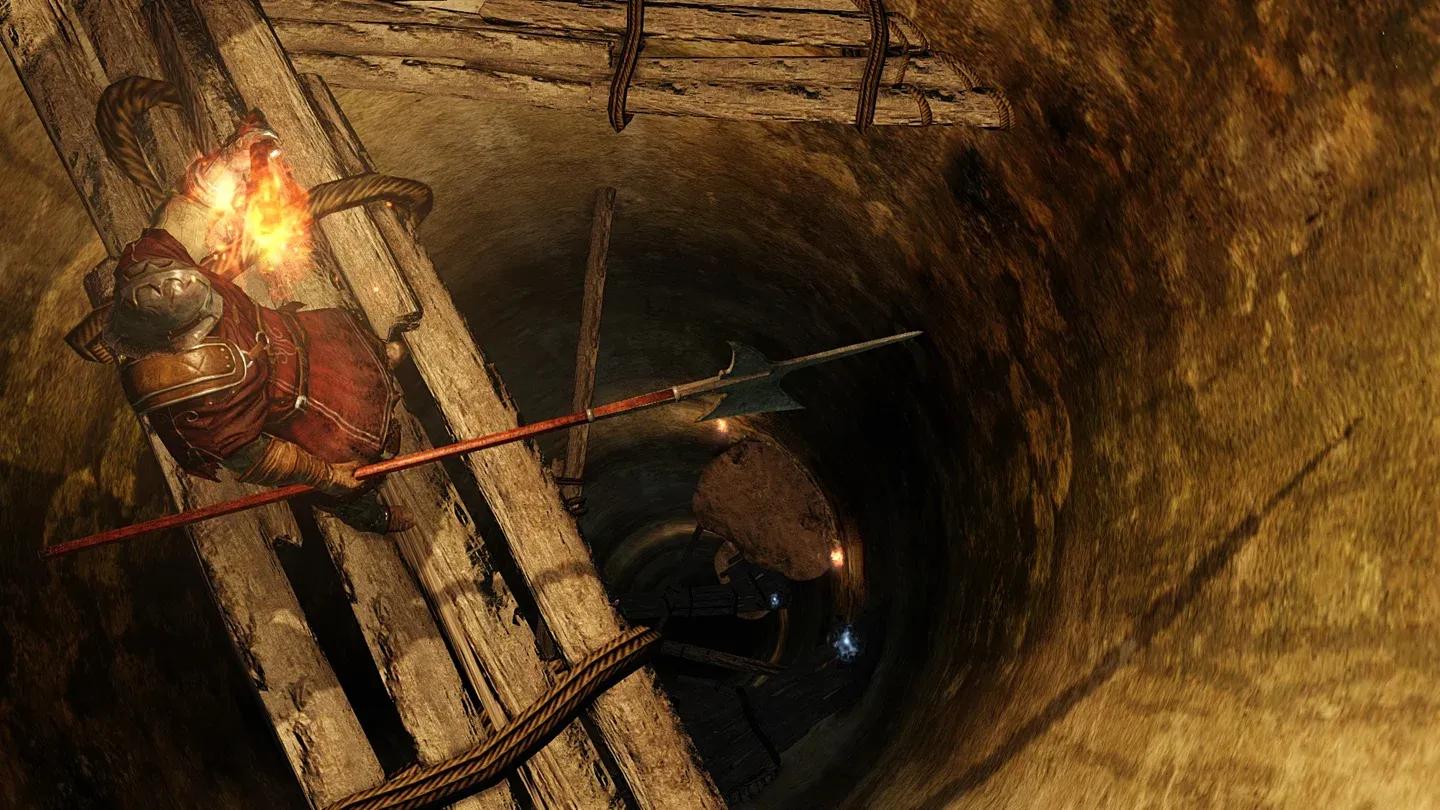
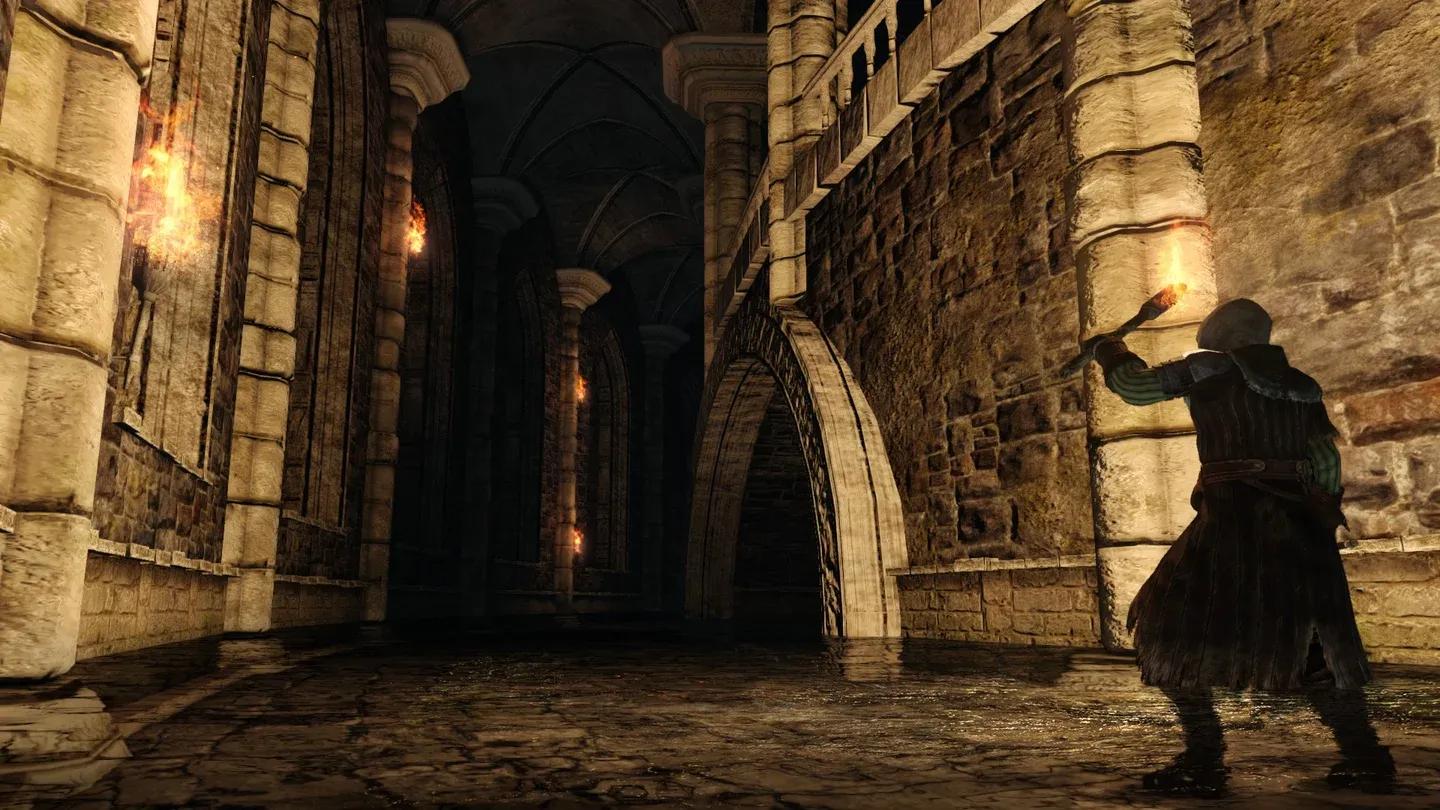
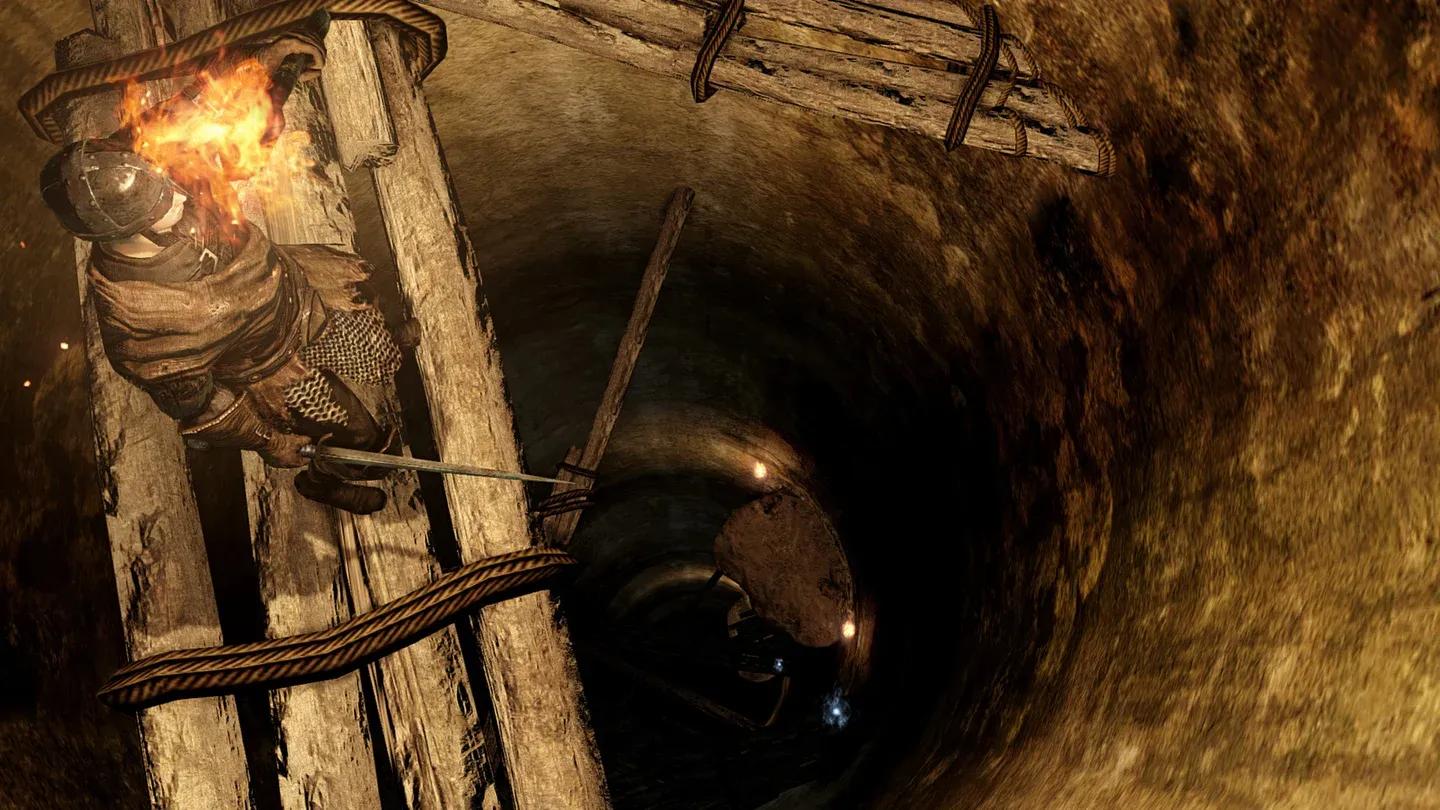
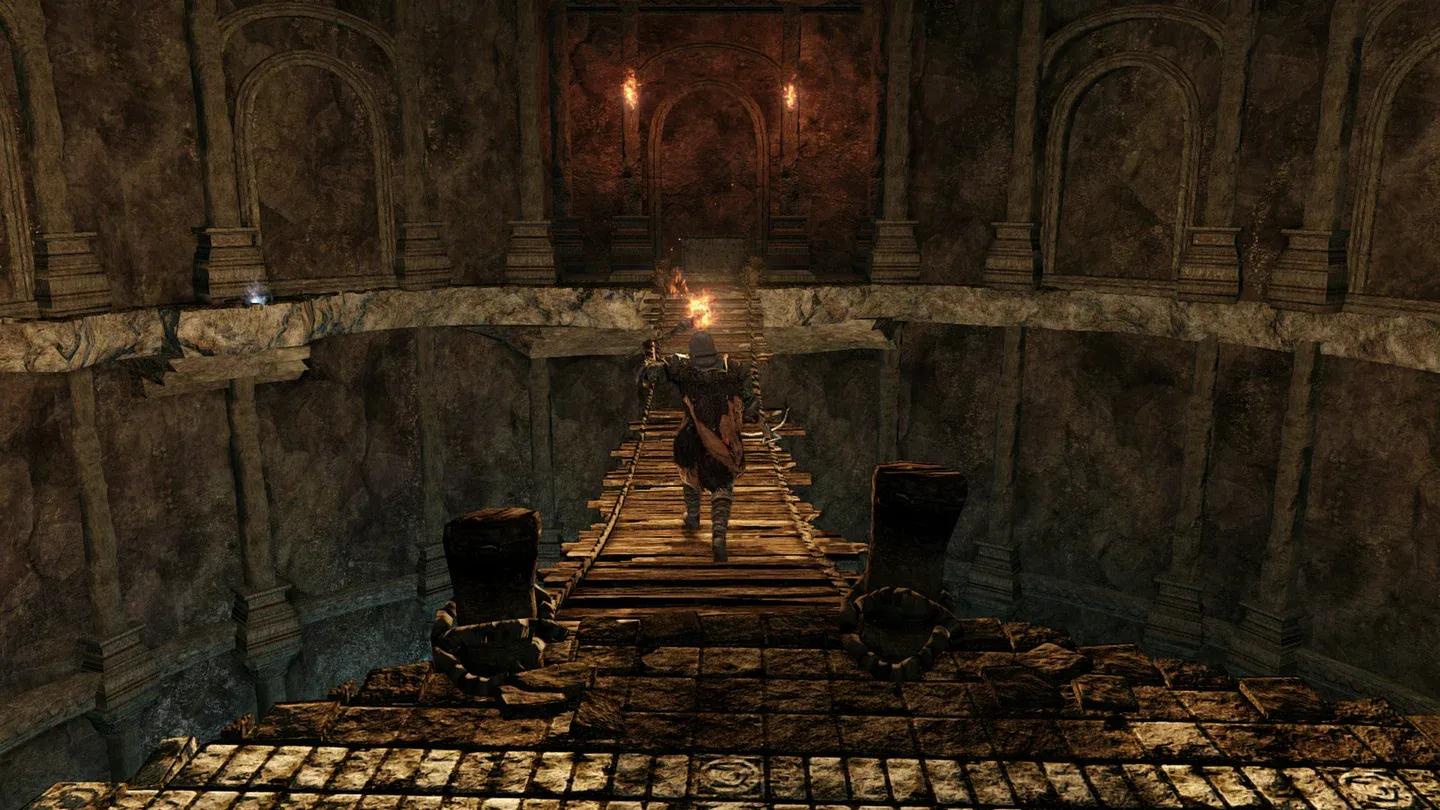
The game sits in an interesting position within the Dark Souls trilogy. It was developed by a different internal team at FromSoftware than the first game, which gives it a distinct feel, particularly in its level design philosophy and enemy encounter structure. Some areas lean heavily into attrition, placing large numbers of enemies in tight corridors, while others open up into sprawling ruins that reward thorough exploration.
Gameplay and mechanics
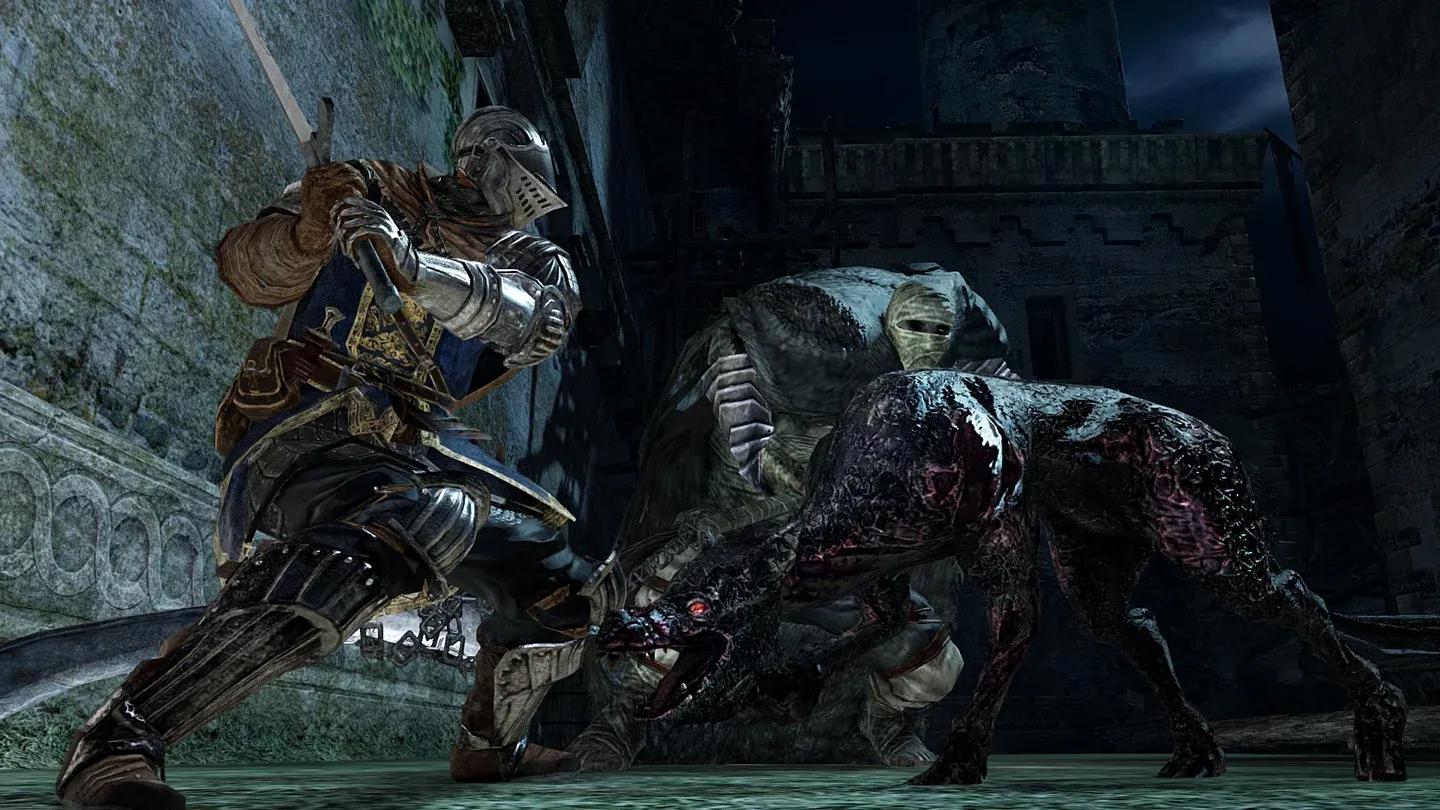
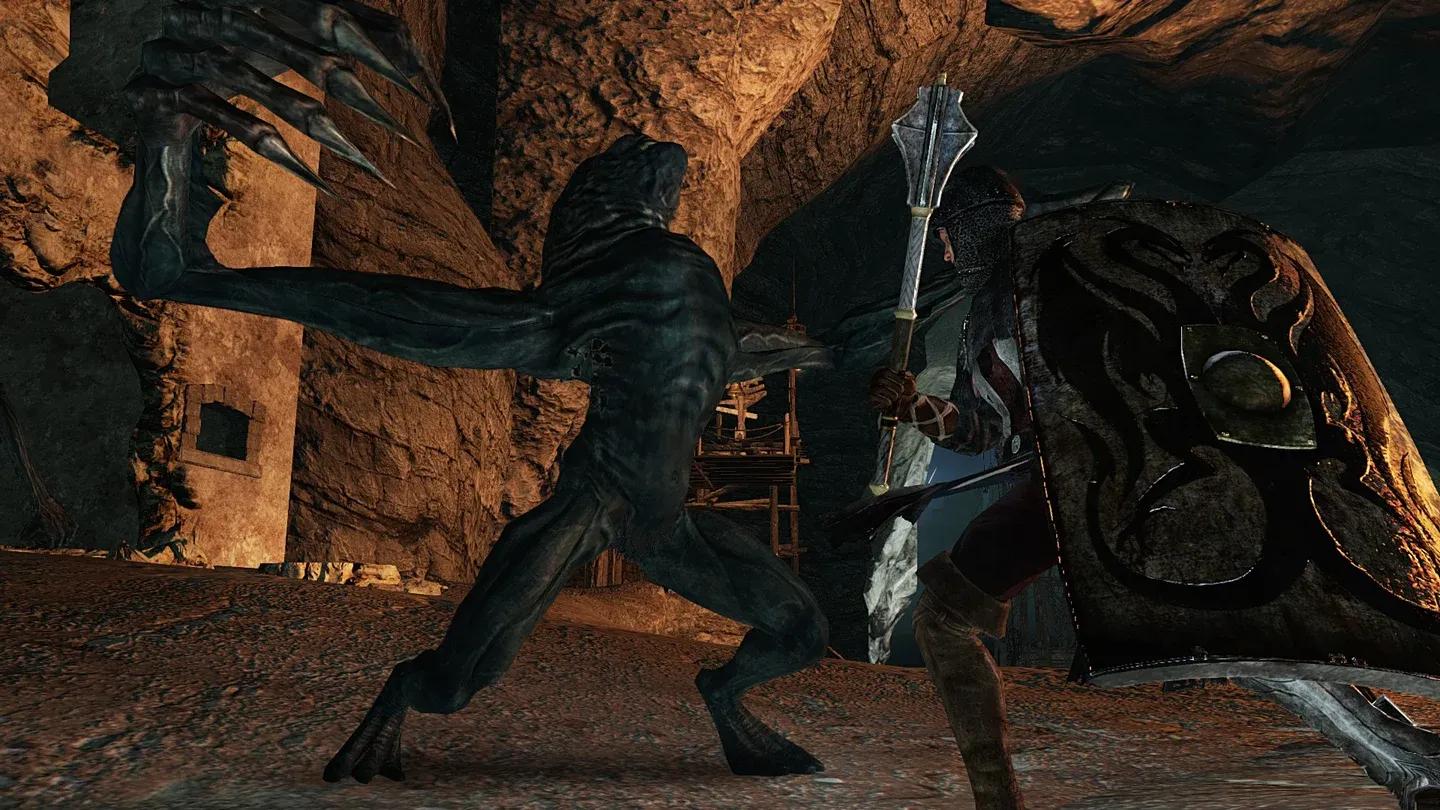
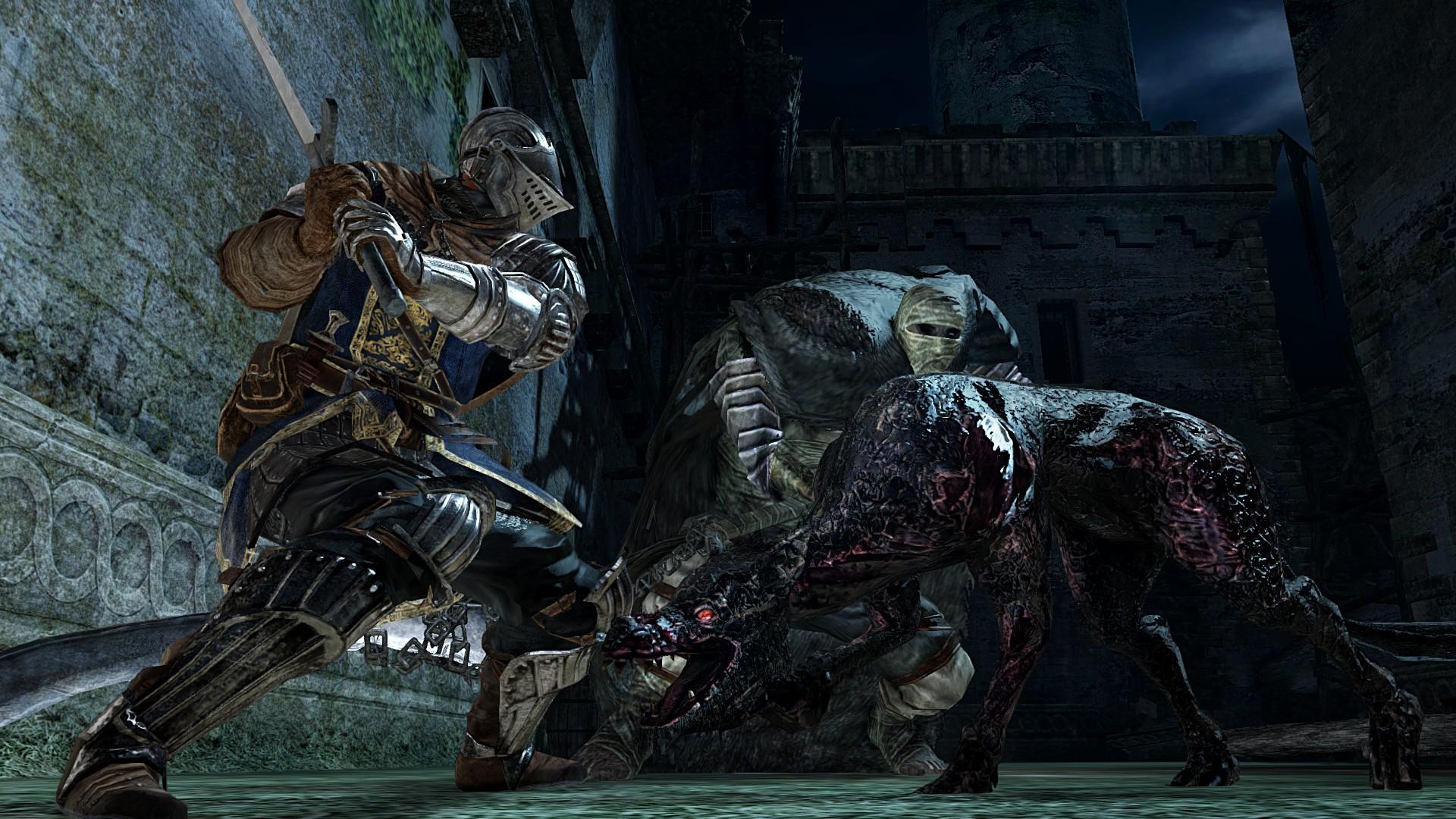
Combat in Dark Souls II centers on stamina management, positional awareness, and learning enemy patterns through repetition. The core mechanics that define the experience include:
- Dual-wielding with the Power Stance system
- A wide weapon and armor variety affecting poise and roll speed
- Adaptability stat governing i-frame duration on rolls
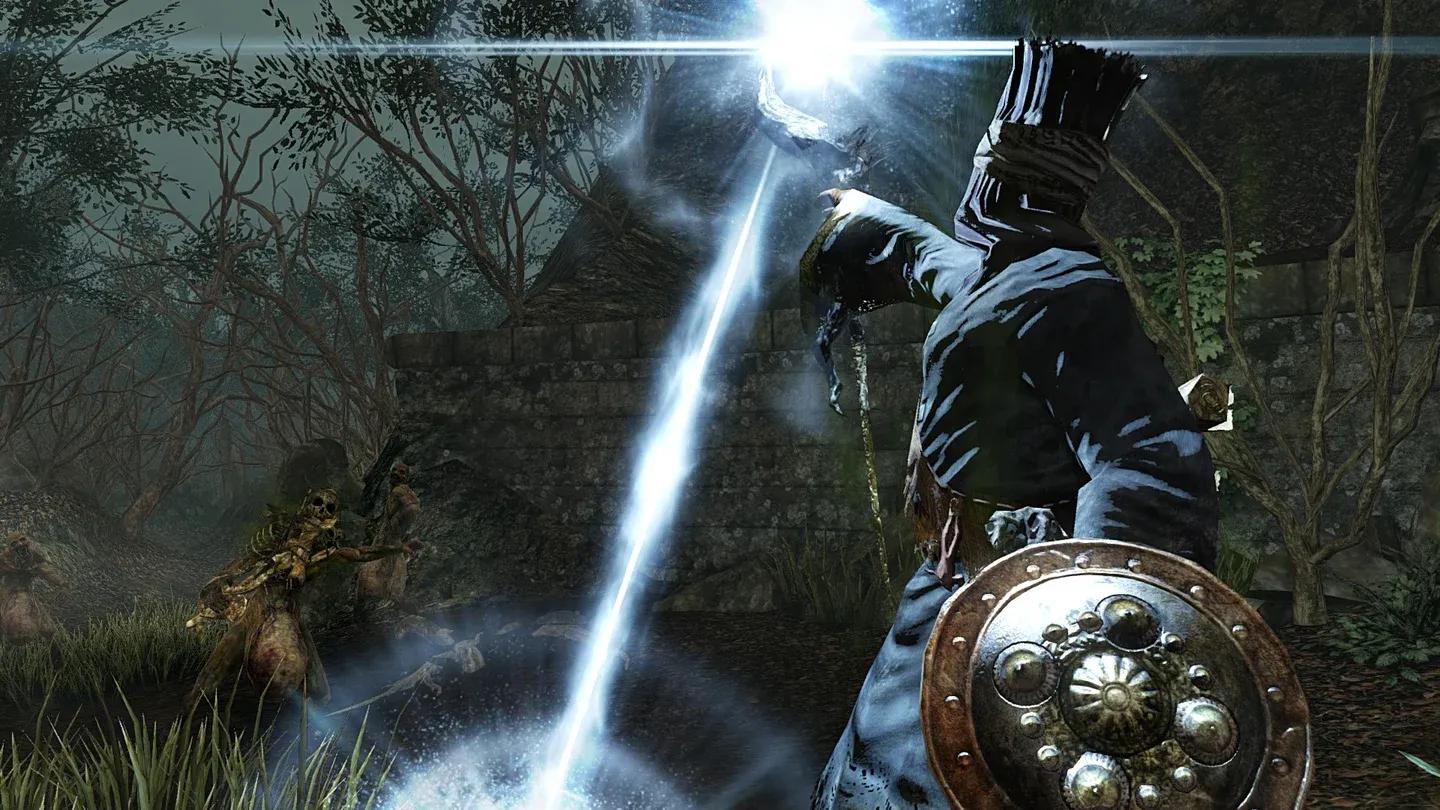
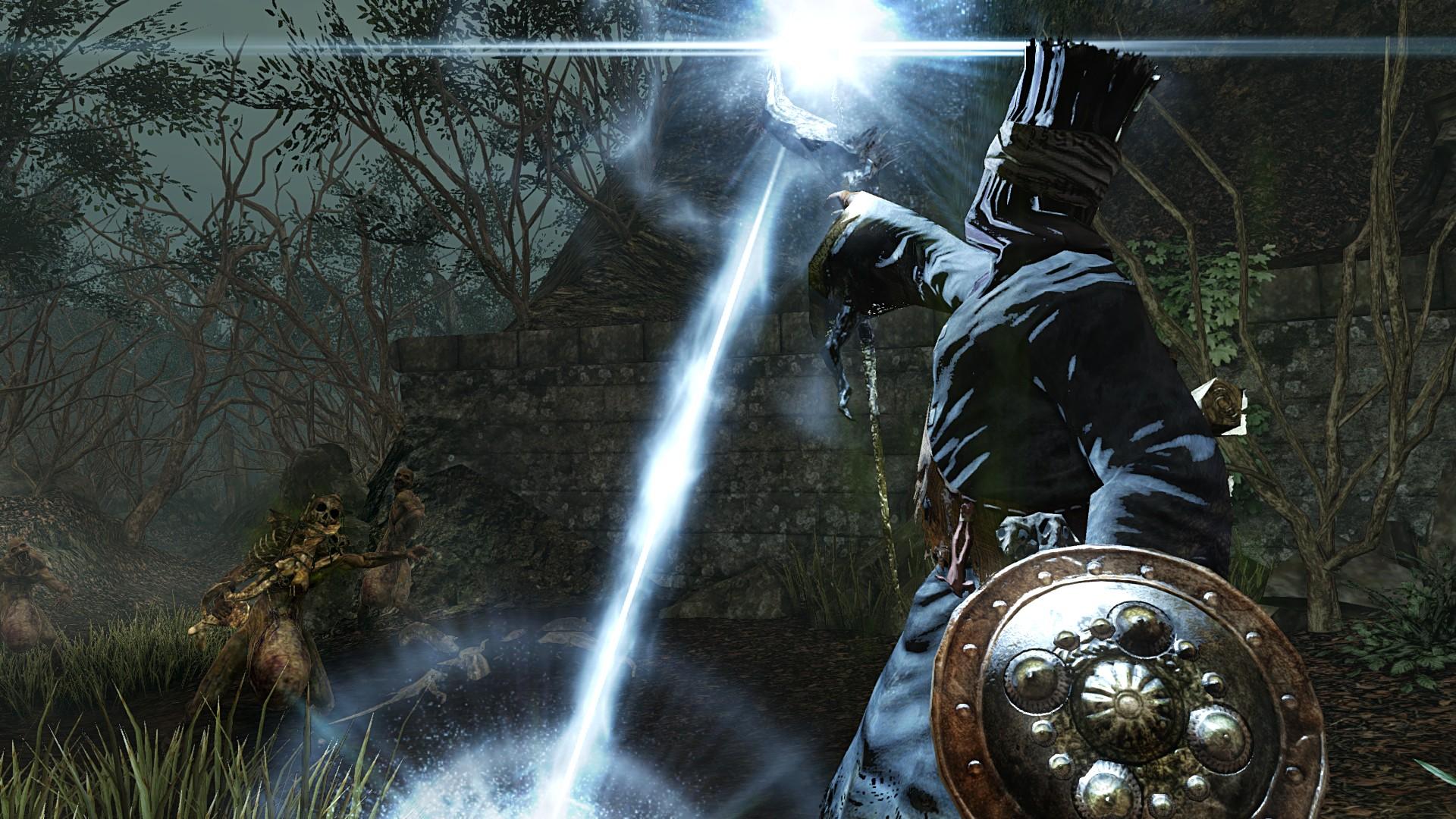
- Multiple magic schools: sorcery, miracles, and pyromancy
- Soul Memory system affecting online matchmaking
The Power Stance mechanic deserves particular attention. Equipping two weapons of the same category and holding both trigger buttons simultaneously unlocks unique attack animations, adding a layer of build experimentation that the original Dark Souls didn't offer. This single system alone accounts for a significant portion of the build diversity players still explore today.
World and setting
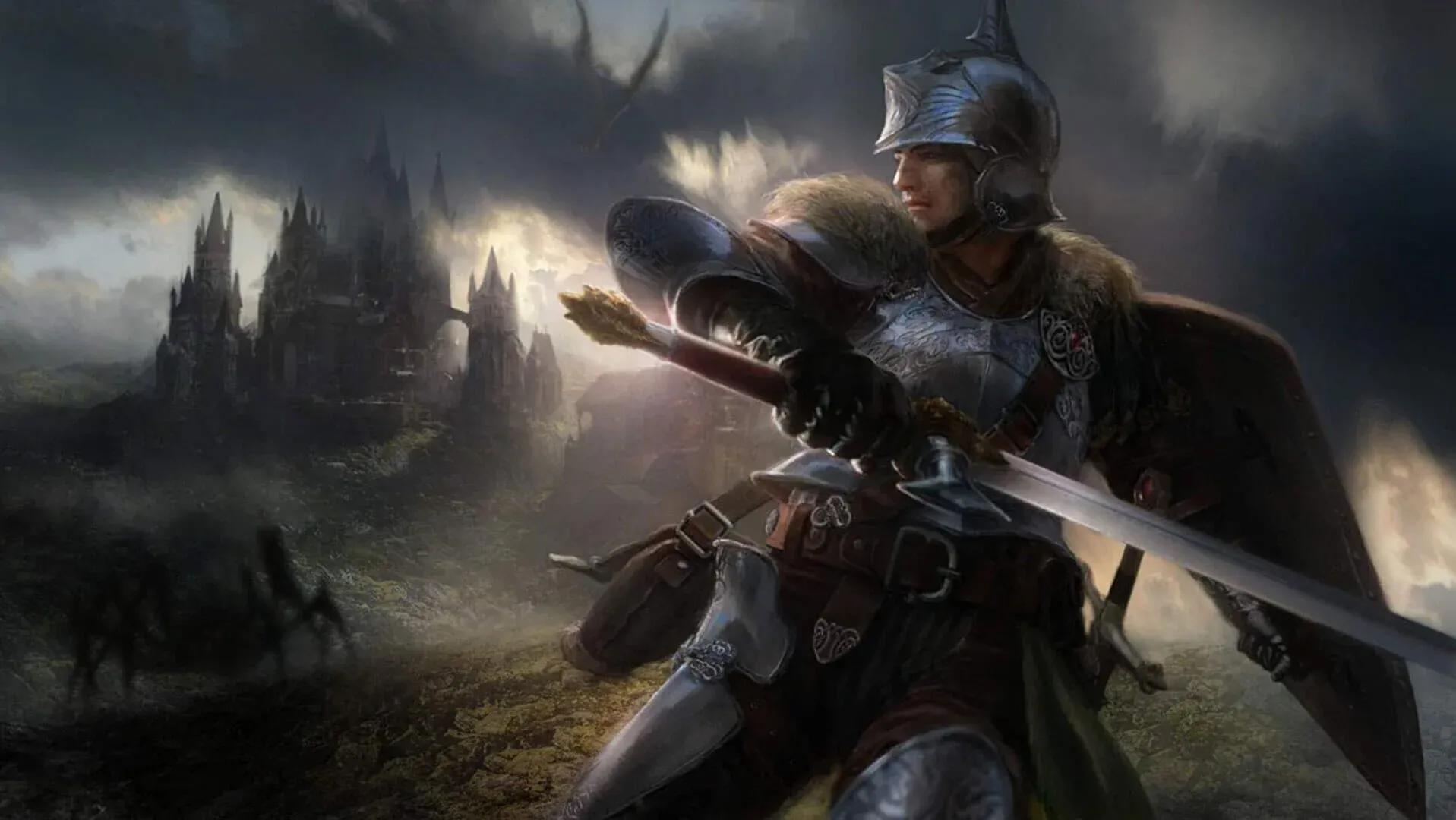
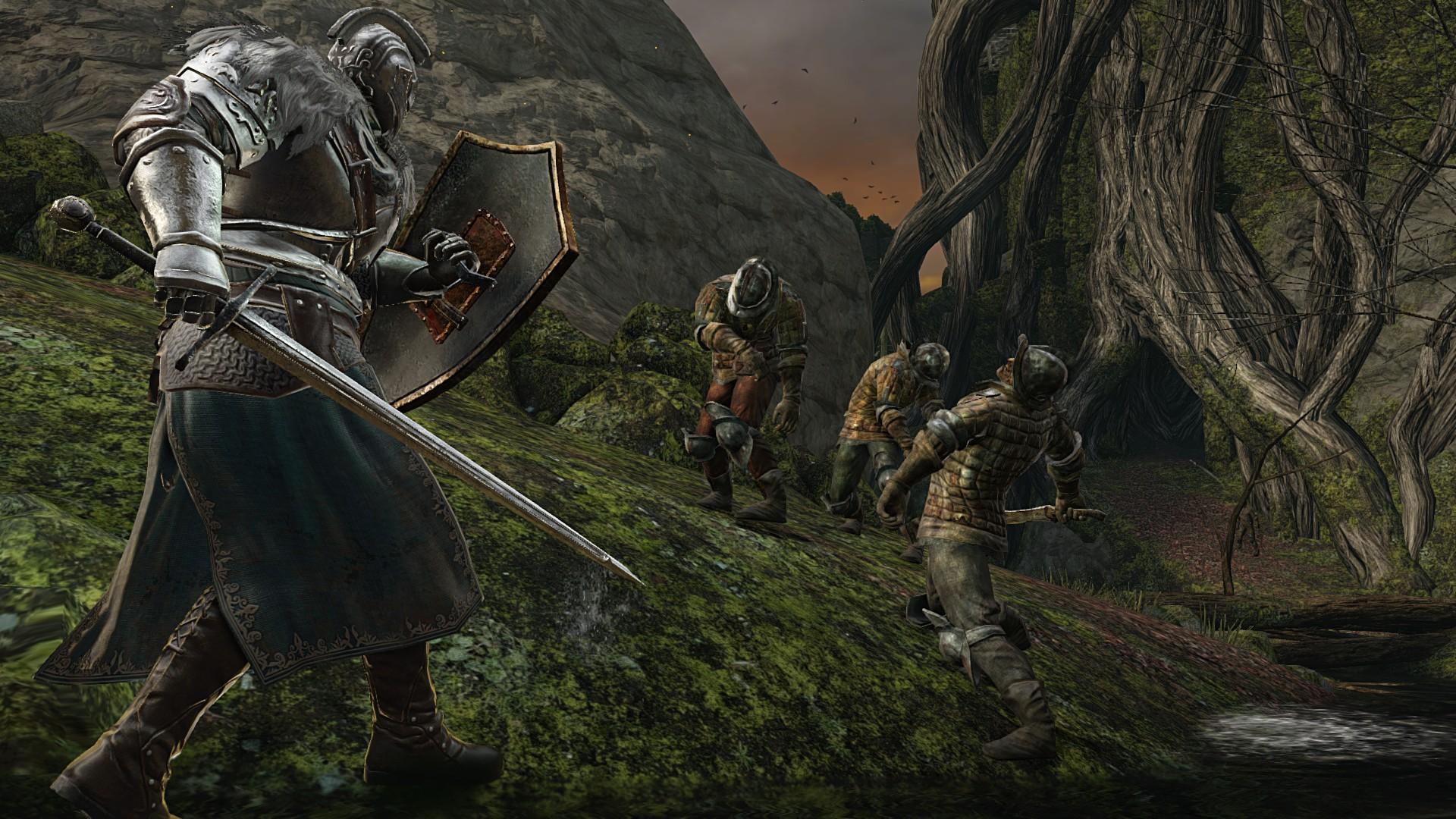
Drangleic was once a prosperous kingdom under King Vendrick, but war with giants, the spread of the Undead Curse, and Vendrick's mysterious disappearance have left it a hollow shell. The lore is delivered almost entirely through item descriptions and environmental storytelling, following the FromSoftware tradition of letting players piece together the narrative themselves.
The kingdom spans a range of biomes, from poison-soaked swamps to ancient fortresses and sunken ruins, each with its own enemy faction and visual identity. Majula, the game's central hub, stands out as one of the more atmospheric safe zones in the series, a cliffside settlement overlooking the ocean that carries a genuine sense of melancholy.
How does multiplayer work in Dark Souls II?
Dark Souls II supported asynchronous and real-time online features, including co-op summoning, PvP invasions, and covenant-based multiplayer objectives. However, the online servers were permanently shut down on March 31, 2024. The game is now a purely offline experience on all platforms, which means the covenant progression systems tied to online play are no longer accessible in their original form.
The offline experience remains complete in terms of core content. All three DLC expansions (Crown of the Sunken King, Crown of the Old Iron King, and Crown of the Ivory King) are included in the Scholar of the First Sin edition, which also adjusts enemy placements and adds new NPC questlines across the base game.
Content and replayability
New Game Plus in Dark Souls II functions differently than in most action RPGs. Enemies gain new item drops and deal increased damage, but the game also introduces new enemy placements in NG+ cycles, giving returning players genuinely different encounters rather than just a flat difficulty multiplier. The Scholar of the First Sin edition extends this further with its revised enemy layouts even on a first playthrough.
Build variety is the engine that keeps players returning. The flexible stat system allows for viable strength builds, dexterity builds, hybrid spellsword approaches, and dedicated caster runs, each requiring meaningfully different approaches to the same bosses and areas. For players willing to engage with its systems on their own terms, Dark Souls II offers more replayable content than its runtime suggests.
System Requirements
| Requirement | Minimum | Recommended |
|---|---|---|
| Processor | AMD® Phenom II™ X2 555 3.2Ghz or Intel® Pentium Core ™ 2 Duo E8500 3.17Ghz | Intel® CoreTM i3 2100 3.10GHz or AMD® A8 3870K 3.0GHz |
| Memory | 2 GB RAM | 4 GB RAM |
| Graphics | NVIDIA® GeForce® 9600GT, ATI Radeon™ HD 5870 | NVIDIA® GeForce® GTX 750 or ATI Radeon™ HD 6870 or higher |
| DirectX | Version 9.0c | Version 9.0c |
| Network | Broadband Internet connection | Broadband Internet connection |
| Storage | 12 GB available space | 15 GB available space |