

Overview
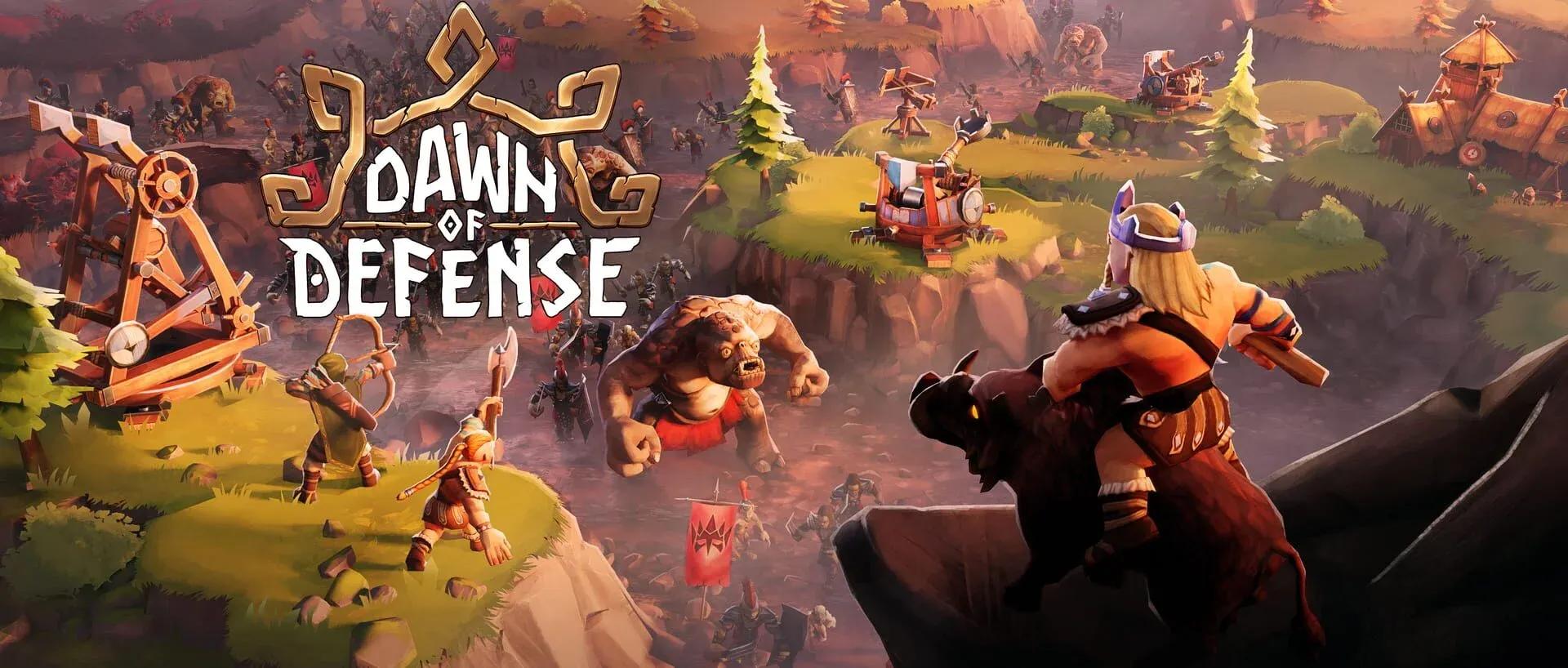
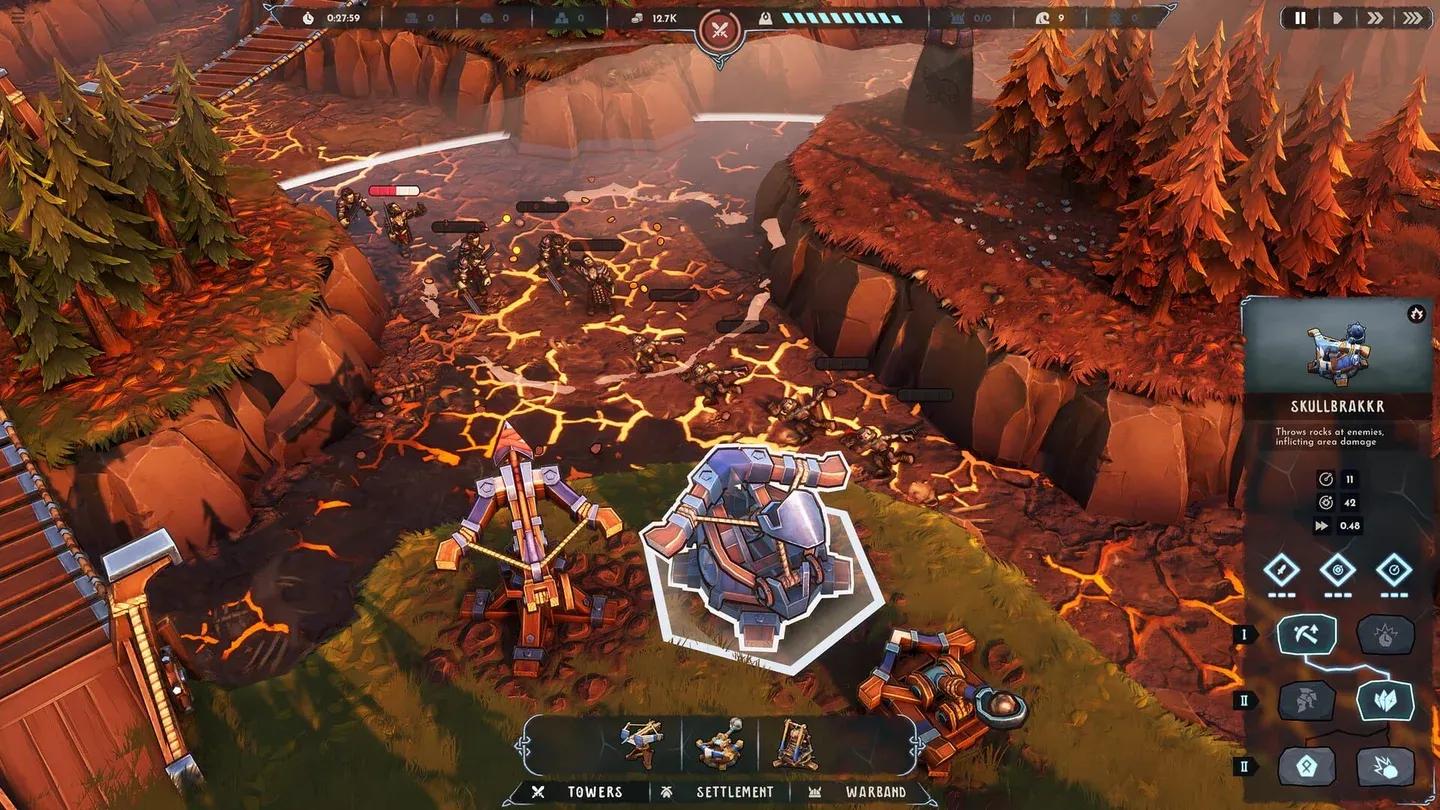
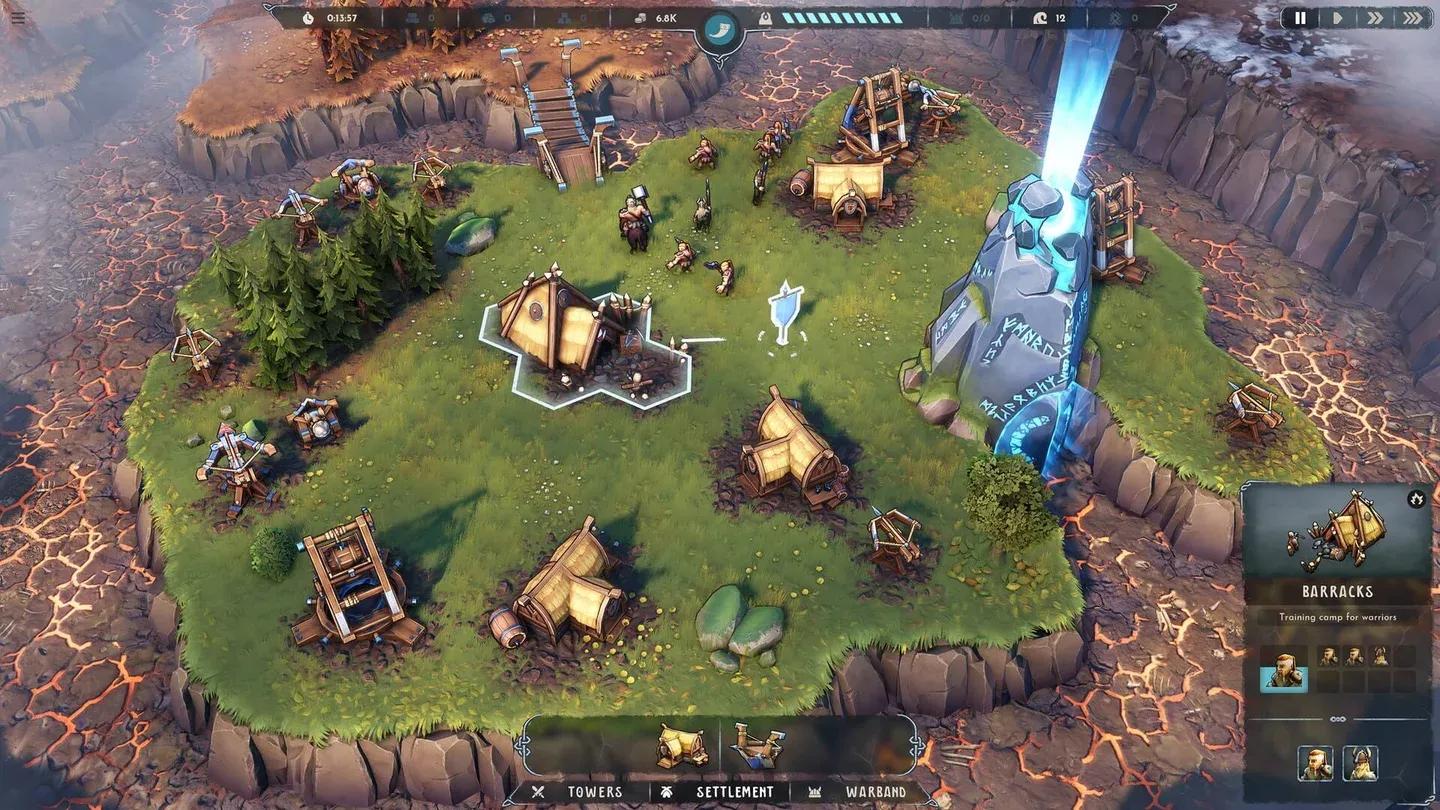
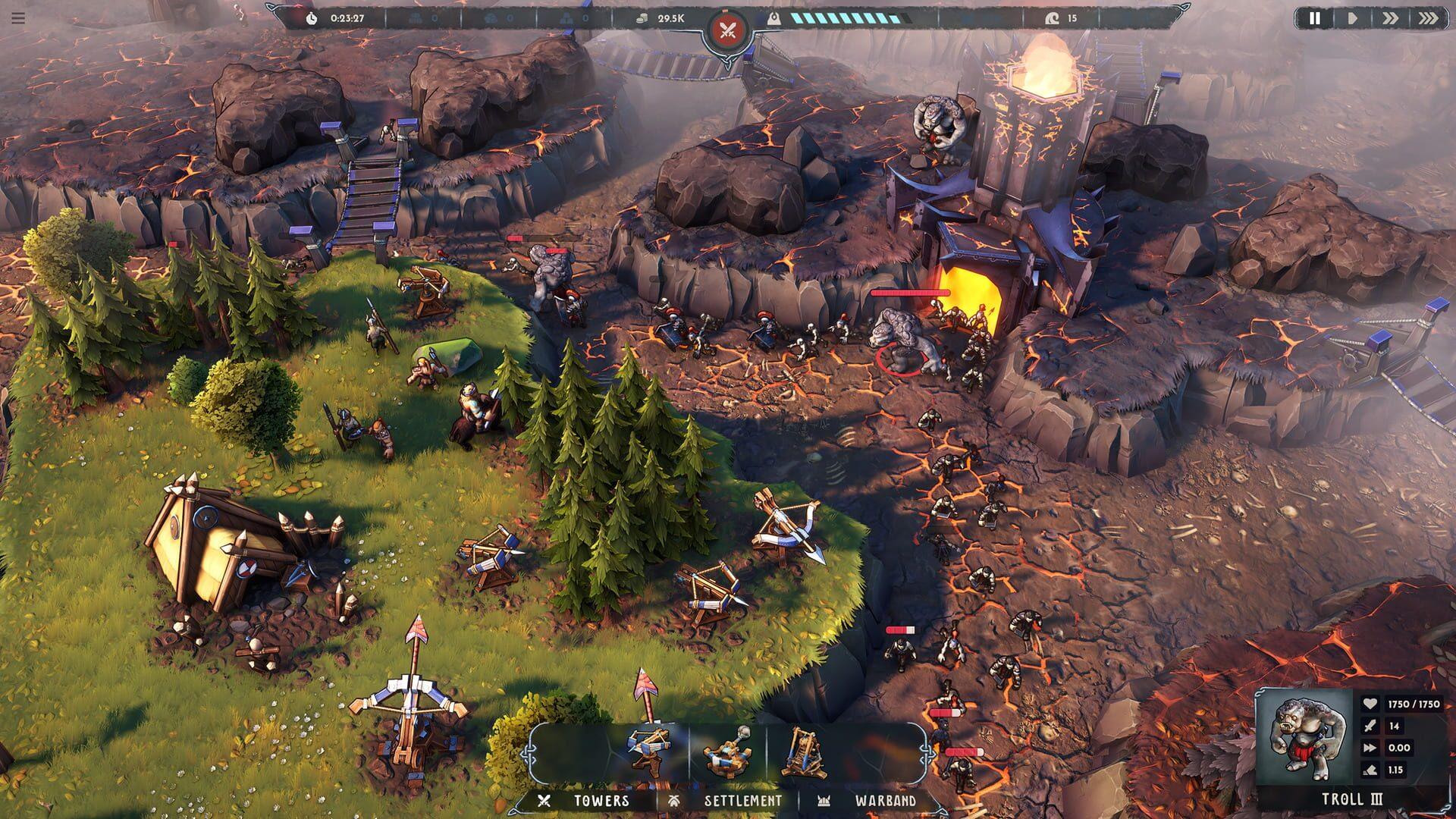
Dawn of Defense is a genre-blending strategy game from indie developer 6side Studio that combines tower defense, real-time strategy, and roguelite progression into a single, layered experience. You command a tribe making its final stand against the Imperium Aeternum, a sprawling empire whose legions push relentlessly toward your sacred Spirit-Tower. The core loop asks you to hold defensive lines while simultaneously managing an economy and training warriors for counterattacks.
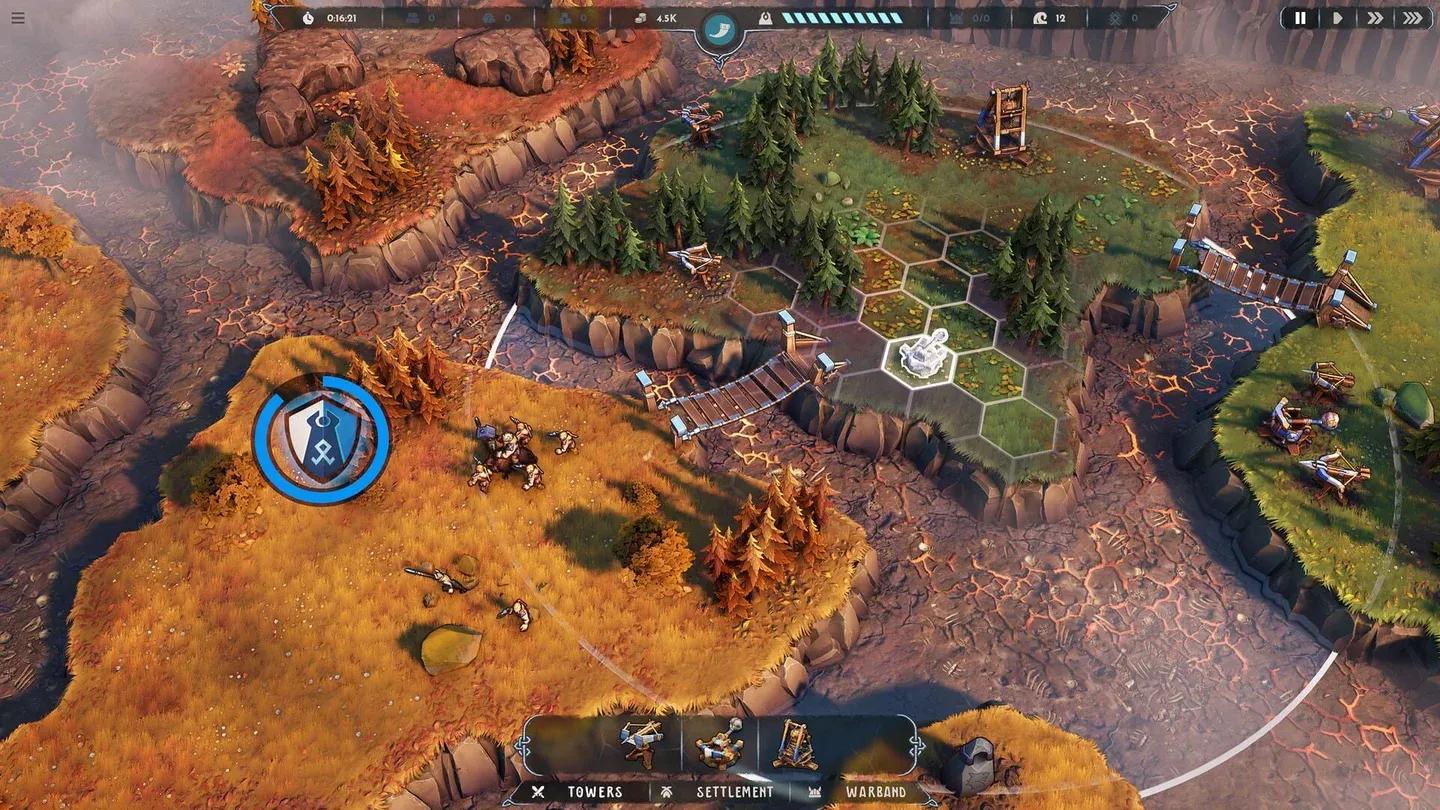
The setting draws on Norse-inspired mythology. Your base of operations is the Spiridun, the divine nexus of your ancestors, and every decision you make radiates outward from it. This isn't a passive tower-placement puzzle; the RTS layer means you're actively commanding units in the field while your defenses handle the bulk of enemy waves.
Gameplay and mechanics
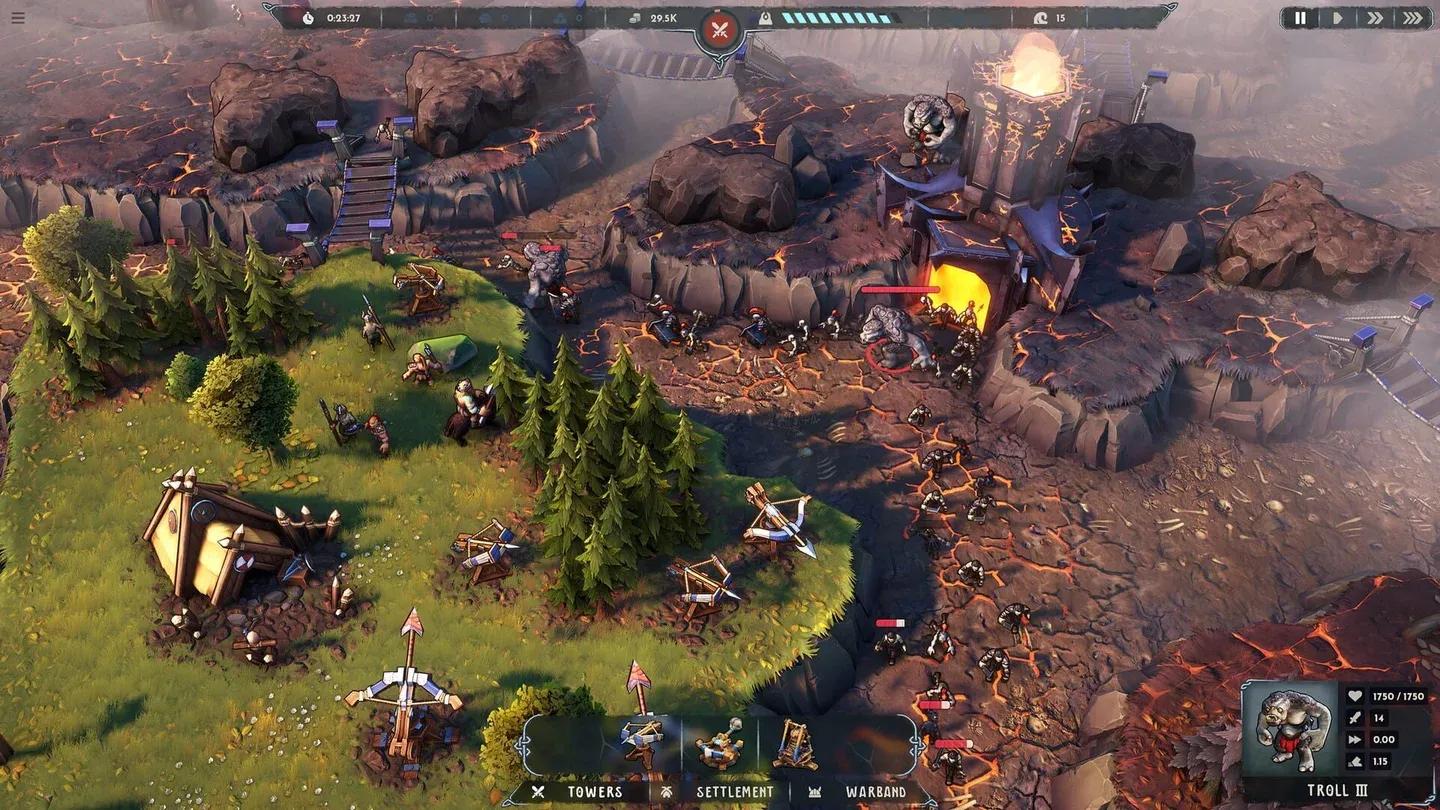
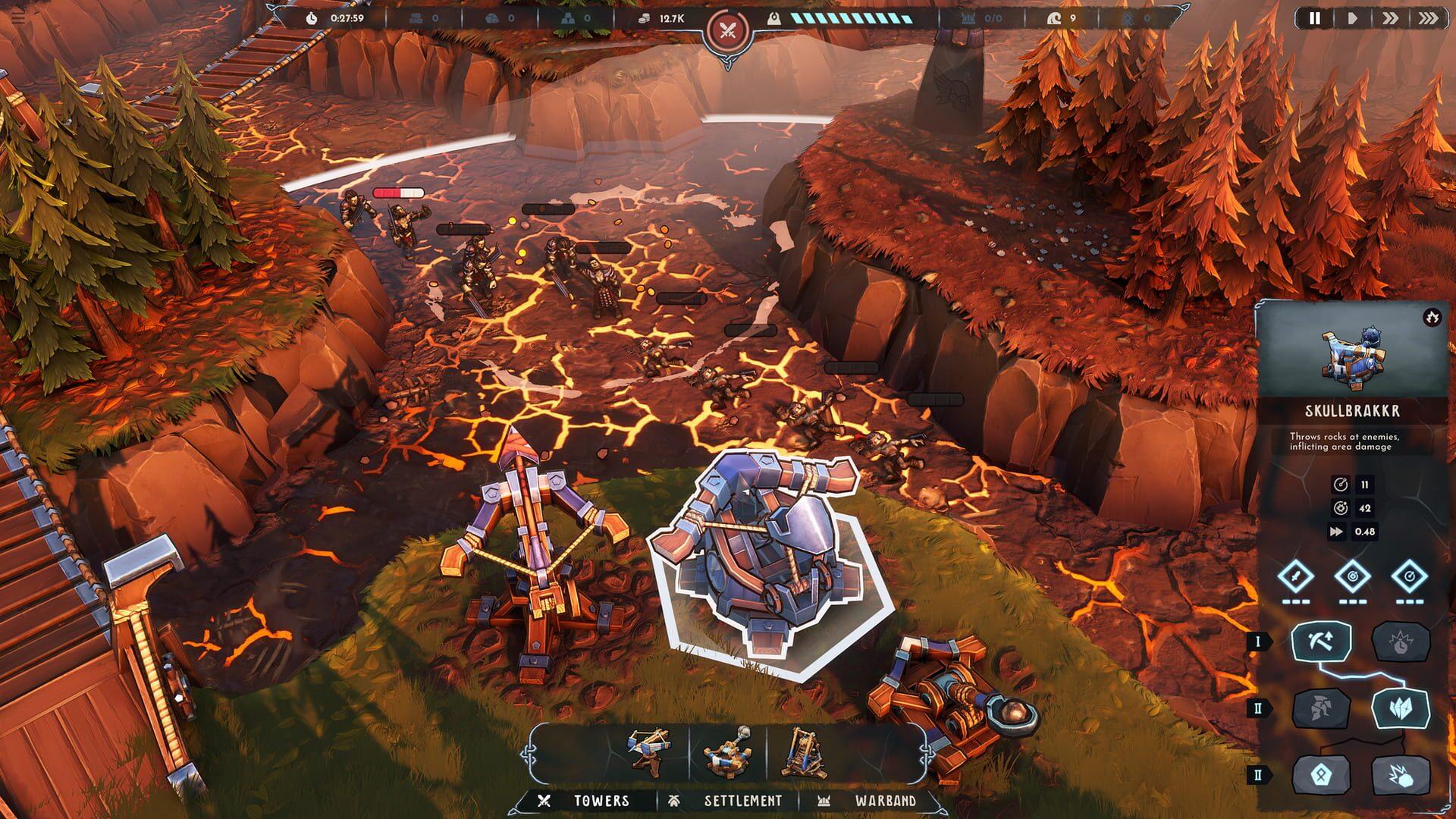
Dawn of Defense's moment-to-moment play splits across three interconnected systems:
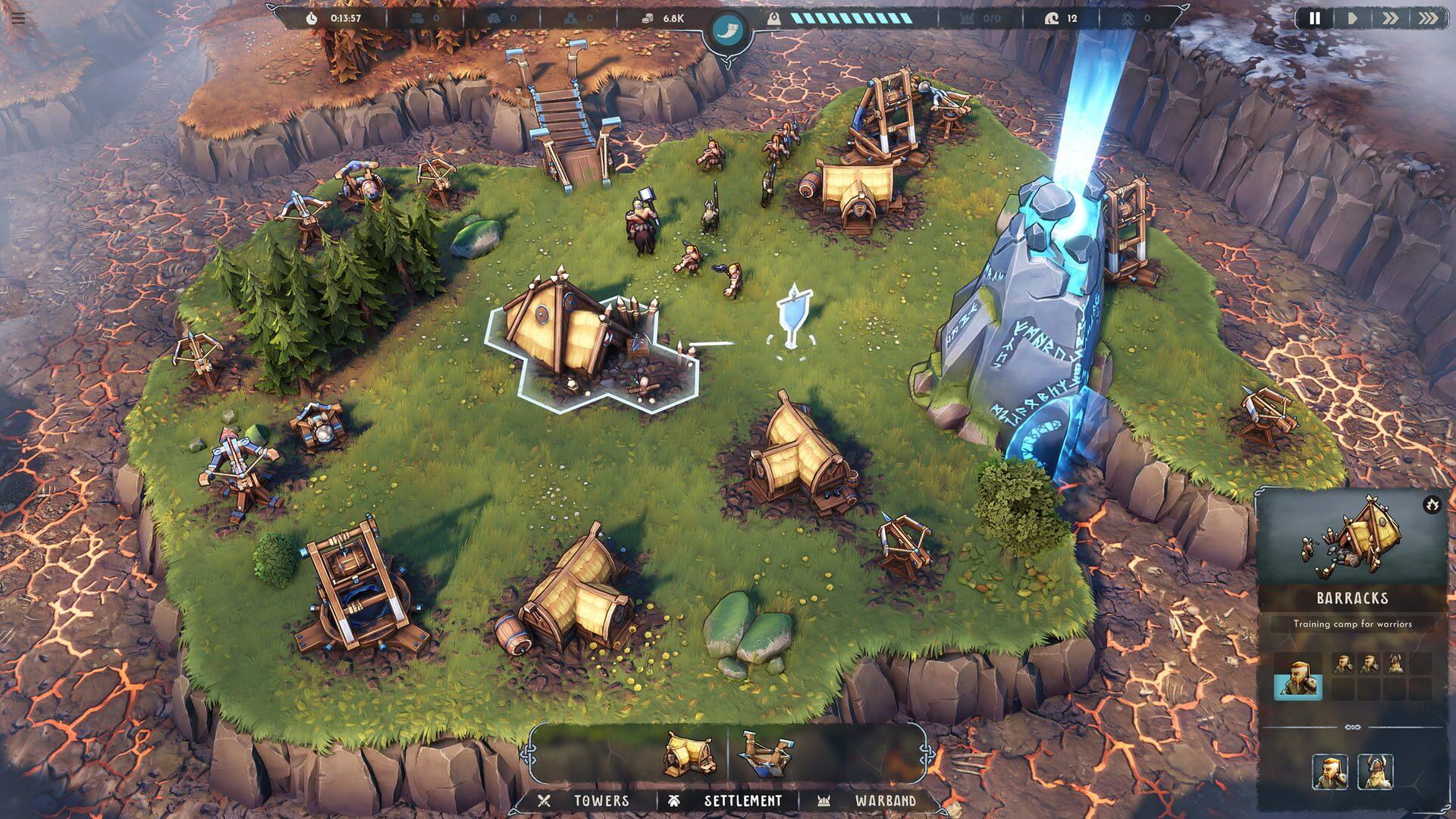
- Build defense towers to funnel and stop enemy troops
- Train and command warriors for offensive pushes
- Manage your economy to sustain both simultaneously
- Unlock runestones that reshape your strategy each run
- Protect the Spirit-Tower at all costs
The roguelite layer means no two runs play out identically. Ancient runestones unlock forgotten powers as you progress, and because these upgrades stack differently depending on what you've unlocked, you're always building toward a slightly different strategic identity. A run where you lean into tower upgrades early plays completely differently from one where you rush warrior production and go aggressive.
What makes the runestone system work?
Runestones are the engine behind Dawn of Defense's replayability. Each one awakens a specific power tied to your tribe's mythology, and the combinations available shift with every attempt. The design encourages you to adapt rather than optimize a single fixed strategy, which is exactly what keeps roguelite games from going stale after the first few hours. The divine trial framing also gives the progression loop a narrative justification: you fall, you rise, and the gods take notice.
World and setting
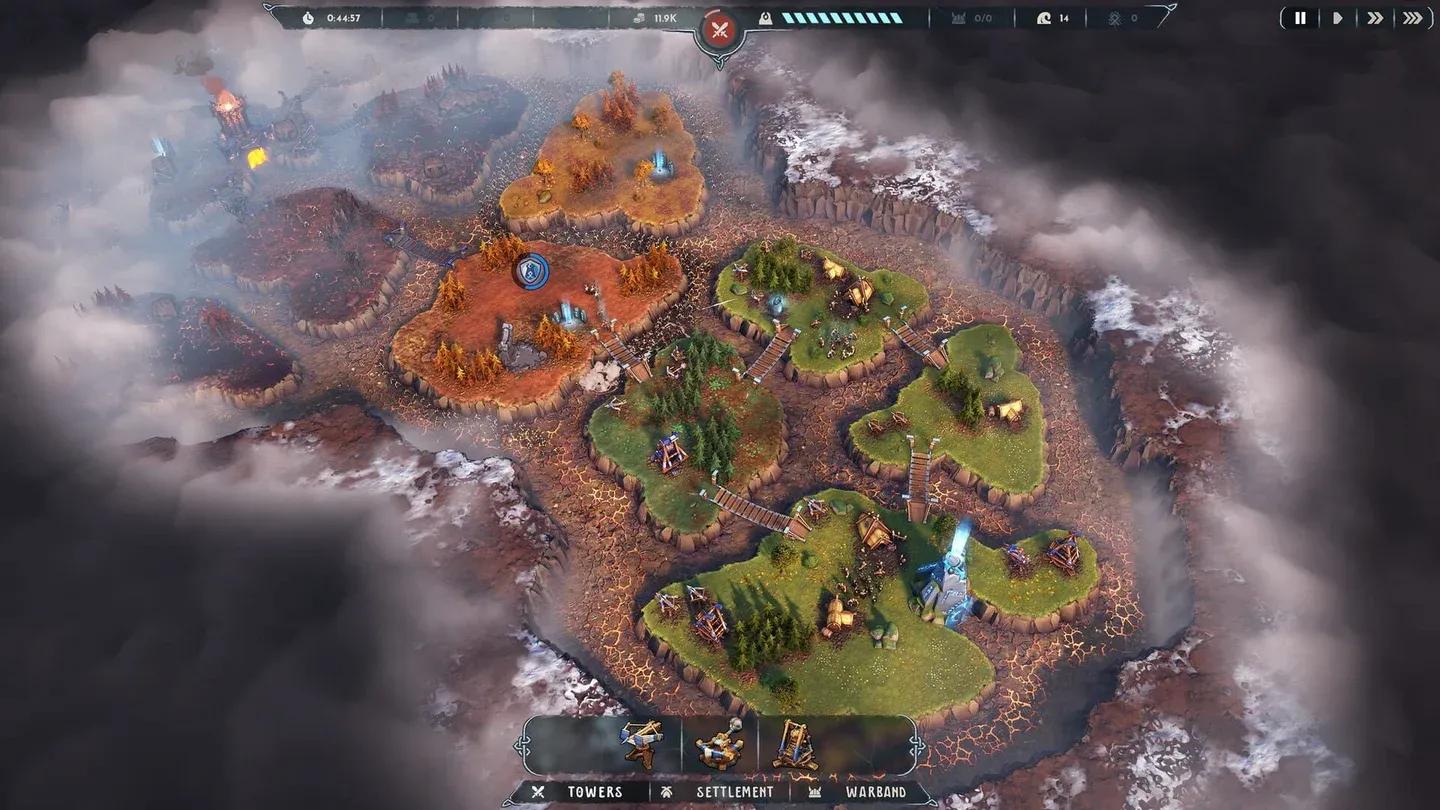
The Imperium Aeternum isn't just a faceless enemy army. The game frames them as a force actively trying to silence the North's gods, which gives the conflict more weight than a standard "defend your base" premise. Your tribe fights not just for survival but to preserve an entire cultural and spiritual identity. The Spiridun sits at the center of this struggle, and protecting it feels meaningful rather than arbitrary.
The world expands as you push back against the empire. Exploration reveals allies, enemies, and unknowns, adding a layer of discovery to what could otherwise be a purely defensive experience.
Content and replayability
For an indie tower defense RTS, Dawn of Defense is built around long-term engagement. The roguelite structure ensures that failure isn't a dead end; it's a data point. Each run teaches you something about enemy patterns, resource timing, or which runestone combinations synergize well under pressure. The game is planned for release on Windows via Steam, and its design philosophy clearly prioritizes depth over breadth. Players who enjoy squeezing optimization out of layered systems will find plenty to work with here.