

Dead or Alive 6 Last Round is one of the most mechanically layered fighting games available, packing a 30+ character roster, interactive stage hazards, and a three-way combat system that punishes mindless button mashing harder than almost anything else in the genre. Whether you just picked it up or you've been grinding ranked for months, there's always another layer to unpack.
What is the Fighting Triangle and why does it matter?
The entire game is built around a single core concept: Strikes beat Throws, Throws beat Holds, and Holds beat Strikes. This is the Fighting Triangle, and it's not just flavor text in the tutorial. Every high-level read, every mixup, and every comeback moment in DOA6 Last Round traces back to this system.
Unlike traditional fighting games where you're mostly managing neutral and punishes, DOA forces you to model your opponent's mental state in real time. You land a combo, they start holding on wakeup, you throw instead. They expect the throw, they go for a strike, you hold. The game is a constant psychological poker match layered on top of technical execution.

How does the Critical System work?
The Critical System is where DOA6 separates itself from every other 3D fighter. Landing certain attacks puts opponents into Critical State, a staggered condition that opens the door for extended Critical Burst combos. These aren't just damage extensions; they're momentum swingers that can flip a round from losing to winning in seconds.
Managing the Break Gauge sits alongside the Critical System as a resource layer. The Break Gauge feeds into special moves and defensive options, so you're constantly making decisions about when to spend it offensively versus holding it for a defensive burst. Burning it at the wrong moment leaves you exposed; saving it too long means you're leaving damage on the table.
After testing the Critical System across multiple characters, the pattern becomes clear: fighters with fast, multi-hit strings build Critical State faster and get more mileage out of the gauge. Characters with slower, heavier hits tend to rely on single big confirms rather than extended burst windows.
How do dynamic stages change the game?
Stages in DOA6 Last Round aren't just backdrops. Danger zones, wall combos, and stage transitions are active tools you should be building your gameplan around. Positioning near a wall turns a standard combo into an extended wall-splat sequence. Danger zones trigger environmental damage that adds free hits to your strings.
Stage transitions move the fight to a completely different area of the arena, often resetting positioning in ways that favor the player who forced the transition. Learning which stages have transitions and where the danger zones sit is as important as knowing your character's frame data.
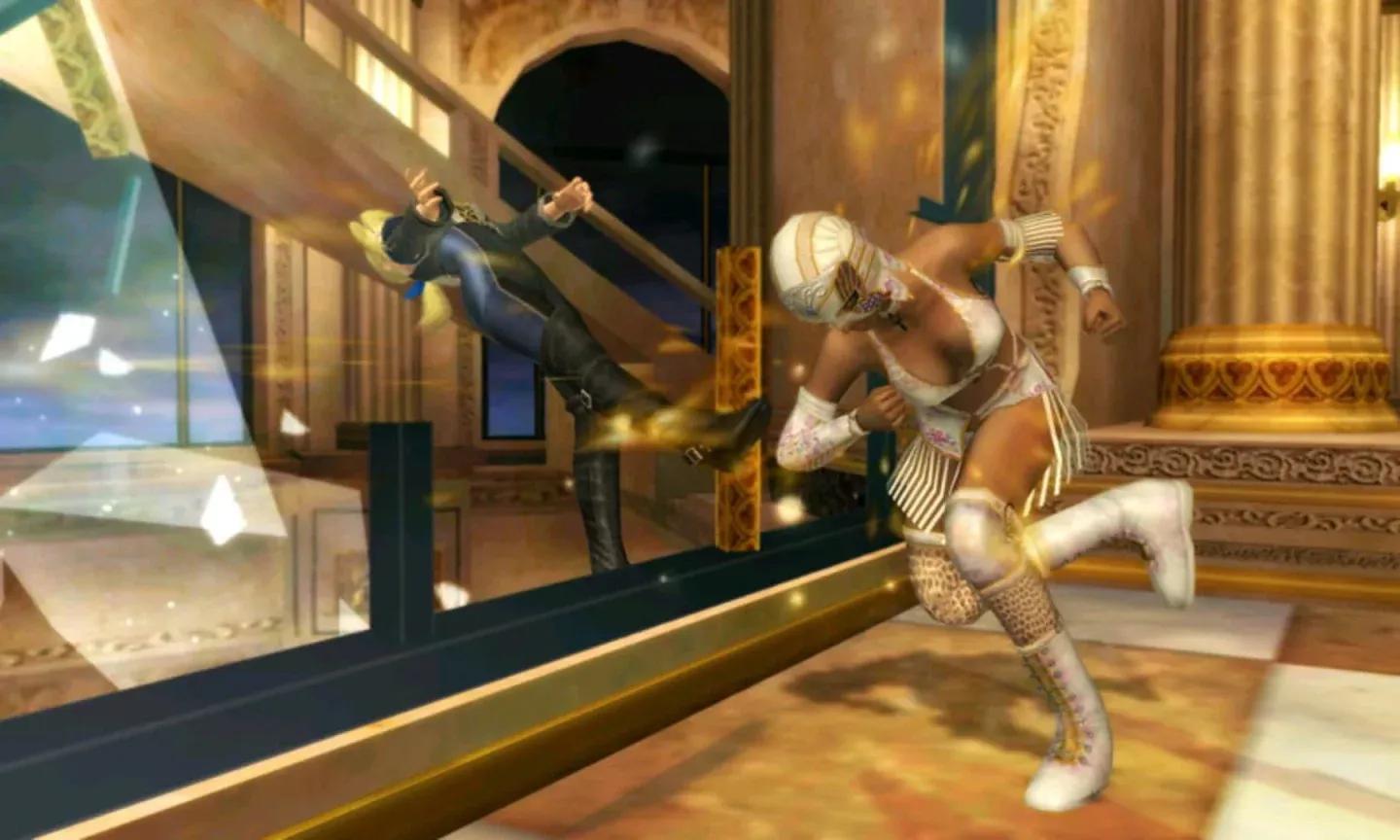
Danger zones extend your combos
What's the full DOA6 Last Round roster?
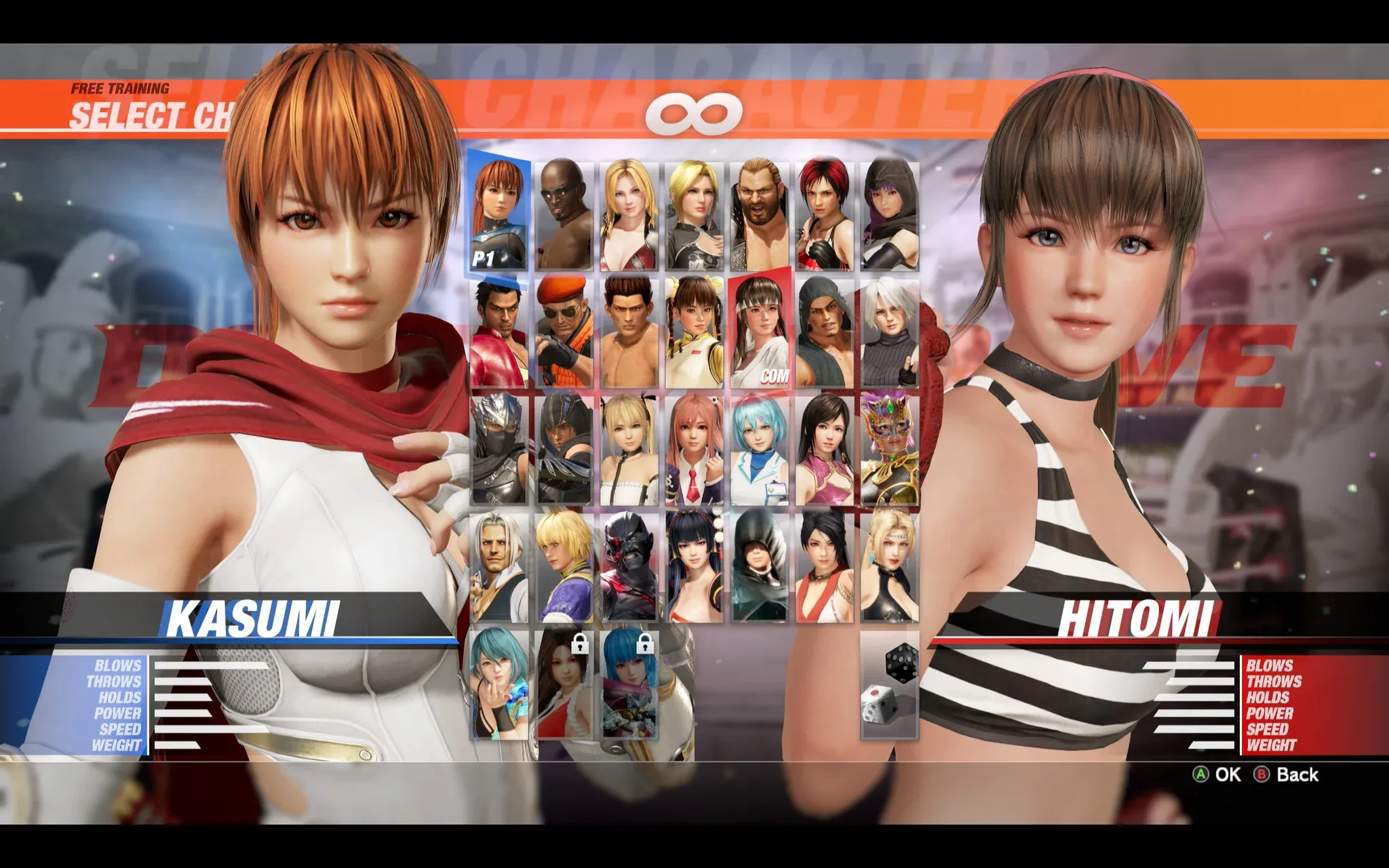
The roster runs to 30+ fighters, and Last Round includes all DLC characters in one package. The lineup spans ninjas, wrestlers, Muay Thai specialists, and Chinese kenpo practitioners, among other styles. DLC additions include Mai Shiranui, Kula Diamond, Tamaki, Momiji, Rachel, Phase 4, and Nyotengu, bringing the total to 31 characters.
Every character plays differently enough that character selection genuinely matters. A Muay Thai character like Bayman operates on completely different timing windows than a fast ninja like Kasumi. The game doesn't let you autopilot one gameplan across the whole roster.
| Character Type | Playstyle Focus | Difficulty |
|---|---|---|
| Ninja (e.g., Kasumi) | Fast strings, evasion | Beginner-friendly |
| Wrestler (e.g., Bass) | Throw-heavy, power damage | Intermediate |
| Muay Thai (e.g., Jann Lee) | Strike pressure, combos | Intermediate |
| Chinese Kenpo | Balanced, versatile | Advanced |
| DLC Characters | Varied, unique mechanics | Varies |
Is DOA6 Last Round good for beginners?
The short answer is yes, with caveats. Dead Rush combos and simplified input options lower the barrier to entry enough that you can start playing and winning without memorizing frame data. The Fighting Triangle is intuitive once you internalize it, and the tutorial does a reasonable job explaining the basics.
The depth is real, though. Veterans can spend thousands of hours on frame data, matchup theory, and advanced combo routing without running out of things to learn. The gap between casual play and competitive play is wide, but the on-ramp is gentle enough that beginners don't hit a wall immediately.
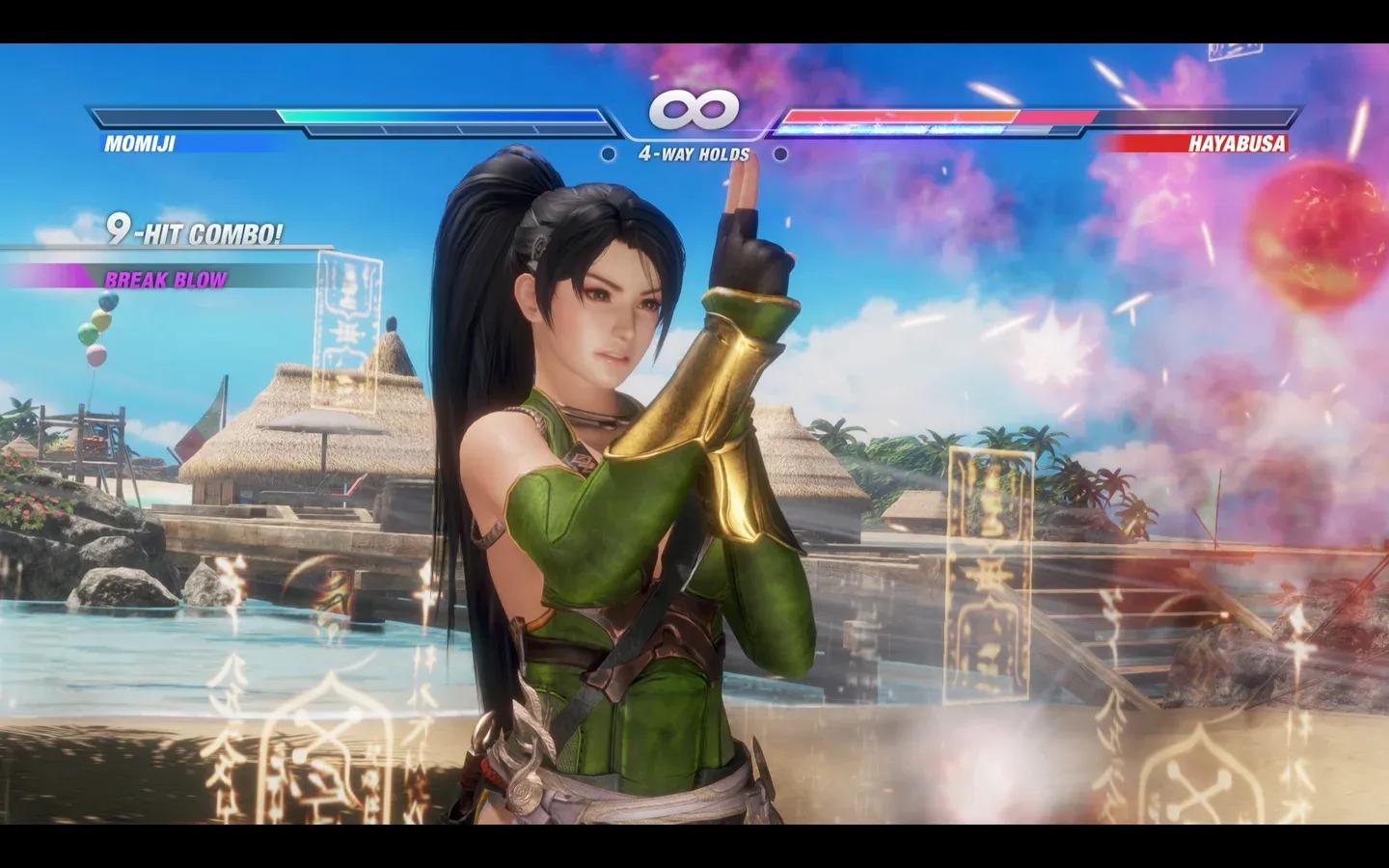
Dead Rush eases new players in
Competitive play and online modes
Last Round ships with Ranked Matches and online lobbies, and the competitive balance reflects years of patches and refinement. Ranked play uses a standard ranking system that tracks your progression across matches, and lobbies support larger groups for more casual competitive sessions.
For anyone serious about competing, the netcode quality matters as much as character knowledge. Optimizing your connection settings before jumping into ranked is worth the five minutes it takes. Lag at the wrong moment during a Hold input can turn a correct read into a whiffed punish.
For a deeper look at the online systems, the DOA6 Last Round online multiplayer guide covers ranked structure, lobby setup, and netcode optimization in full detail.
Where to go next
The Fighting Triangle is your foundation, the Critical System is your win condition, and stage awareness is the multiplier that ties both together. Spend time in training mode with one character before expanding to the rest of the roster. The game rewards specialization early on.
For broader coverage of mechanics, combos, and boss strategies across the full game, the Dead as Disco guides collection has everything organized by topic. If you're building toward a specific playstyle, the Dead as Disco best builds and tier list guide breaks down which setups perform best at each stage of the game. New to rhythm-based combat systems entirely? The Dead as Disco beginner's guide covers the fundamentals that carry over into more advanced play.
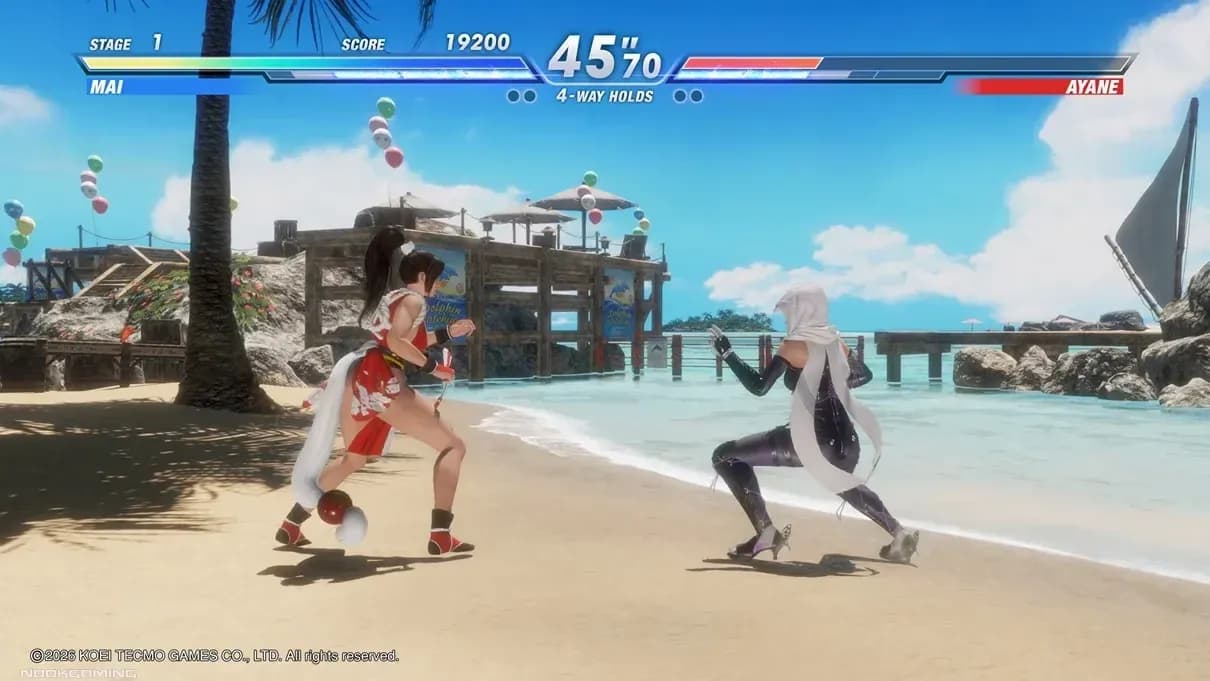
Ranked and lobby modes available