
How upgrade negotiation actually works in Rogue Core
Deep Rock Galactic: Rogue Core takes the shared upgrade concept further than most co-op roguelikes dare. Every time the team hits an upgrade draft, all four Reclaimers pull from the same pool of options. One player picks, the slot refreshes with a new choice, and the next player goes. The idea is that everyone walks away with something, but the order you pick in and the quality of what remains after earlier picks can make or break your run.
The system sounds straightforward on paper. In practice, it generates more friction than almost any other mechanic in the game. The core tension is real: if a teammate snags the upgrade you were building toward, you are stuck with whatever is left. That is not a hypothetical edge case. It happens regularly, especially on Depth 4 runs where every upgrade point matters.
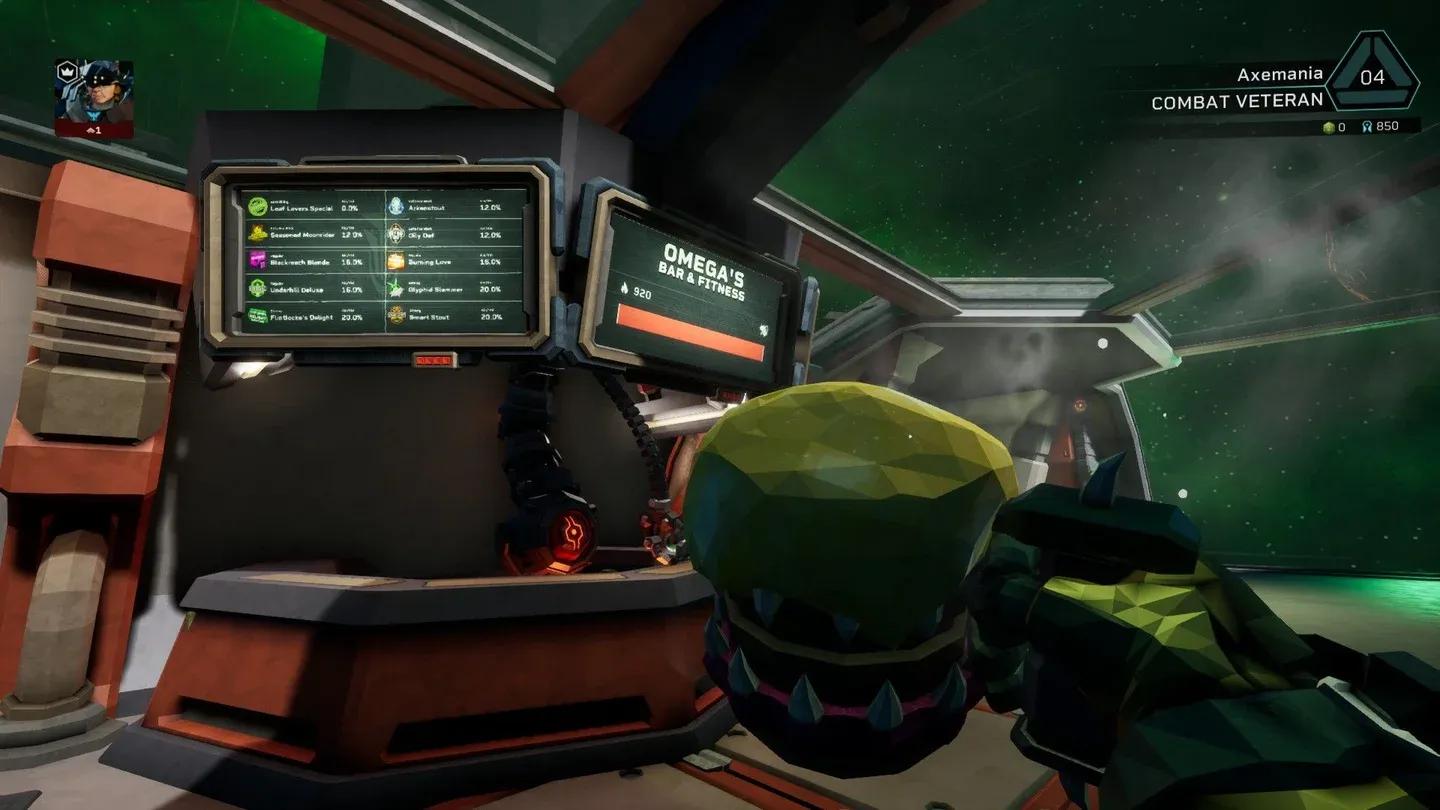
Ellis upgrade draft screen

What does the Update 1 rework change?
Ghost Ship Games acknowledged the friction directly and announced a rework arriving in Update 1. The key changes are:
- When a player selects an upgrade, that slot is immediately replaced with a new option, so the pool does not shrink as players pick
- The "Skip for Health" option has been removed entirely
- Health upgrades now appear alongside all other upgrade options rather than as a separate category
- All upgrades within a single draft now share the same rarity tier, eliminating the situation where one legendary dominates the pool and everyone fights over it
- The development team has committed to ongoing rebalancing to make every upgrade choice feel worth taking
The rarity-parity change is the one that matters most for public lobbies. A significant portion of negotiation friction comes from a single high-rarity upgrade sitting next to three mediocre ones. When every option in the draft is the same tier, the stakes per pick drop considerably, and players are less likely to grab something purely because it looks better than everything else.
Why does negotiation feel worse than other co-op roguelikes?
The honest answer is that most successful co-op roguelikes sidestep this problem entirely by giving each player their own instanced loot. Gunfire Reborn, Ember Knights, and Slay the Spire 2 all handle upgrades per-player, meaning your build is yours and nobody else can accidentally or deliberately dismantle it. Rogue Core's shared draft is a genuine design outlier.
The comparison to Risk of Rain 2 that often comes up in community discussions is partially valid but incomplete. In Risk of Rain 2, chests drop one non-instanced item, and yes, players implicitly negotiate over who takes it. The difference is that Risk of Rain 2 generates a much larger volume of items across a run, so missing one rarely derails a build. Rogue Core's upgrade count per run is lower, which means each draft carries more weight and a bad outcome stings proportionally more.
Ellis upgrades are also not the only power source in a run, which is worth remembering. Bio Boosters and Workbenches both deliver substantial improvements that are unique to each individual player rather than shared. Learning how to hack a Bio-Booster and prioritizing those interactions gives you a meaningful power floor that no teammate can touch.
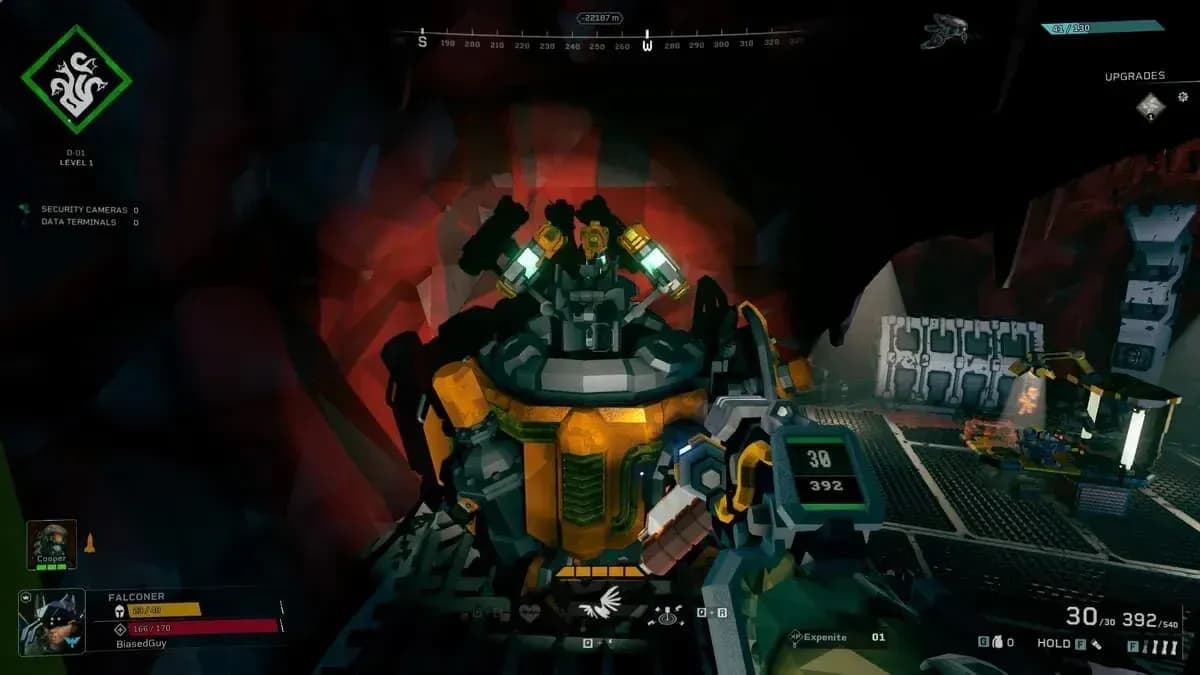
Bio-Booster personal upgrade path
How to negotiate effectively with randoms
Public lobbies are where the system earns its reputation. Here are the approaches that actually reduce friction:
Use the heart/favorite system. Before anyone picks, mark the upgrades you want. Most players read these signals and respect them. The majority of public lobby drafts resolve without conflict because players communicate through the UI rather than just grabbing.
Pick fast on upgrades you do not care about. If you genuinely have no preference in a draft, pick quickly and get out of the way. Sitting on a mediocre choice while others wait only slows the run and builds resentment.
Accept that some runs are not yours. On a four-player team, you will occasionally be fourth pick on a draft where the three best options are gone. That is not a failure state. Bio Boosters, Workbenches, and Expenite upgrades can compensate for a weak Ellis draft. Check the full Expenite upgrades list to understand what personal power options you have outside the shared draft.
Coordinate roles before the run starts. Teams that agree on class roles before dropping in negotiate far more smoothly because everyone understands which upgrade types belong to which player. A dedicated support Guardian does not need to contest damage upgrades.
Upgrade negotiation comparison across co-op roguelikes
| Game | Upgrade Distribution | Can You Be Denied an Upgrade? |
|---|---|---|
| Deep Rock Galactic: Rogue Core | Shared draft, sequential picks | Yes, if picked first by another player |
| Risk of Rain 2 | Non-instanced chests, first-come | Yes, but high item volume softens impact |
| Gunfire Reborn | Fully instanced per player | No |
| Slay the Spire 2 | Shared relics with simultaneous voting | Randomized tie-break, not first-come |
| Ember Knights | Mixed (gold shared, relics instanced) | No for relics |
The table makes clear that Rogue Core's sequential pick system is genuinely uncommon. Most games either instance loot entirely or use simultaneous selection with a fair tie-break. The Update 1 rework moves toward a fairer outcome by refreshing slots after each pick, but the sequential order itself remains.
Should you play solo to avoid negotiation entirely?
Solo play bypasses the shared draft friction completely, and it is a legitimate option if the multiplayer system frustrates you. The trade-off is that solo runs are harder and the game's cooperative design means some mechanics do not shine without a team.
For players who want the full experience without the friction, a coordinated four-player squad is still the strongest setup. The team composition guide covers which class combinations create the clearest upgrade lanes, reducing the chance that two players are competing for the same draft options in the first place.
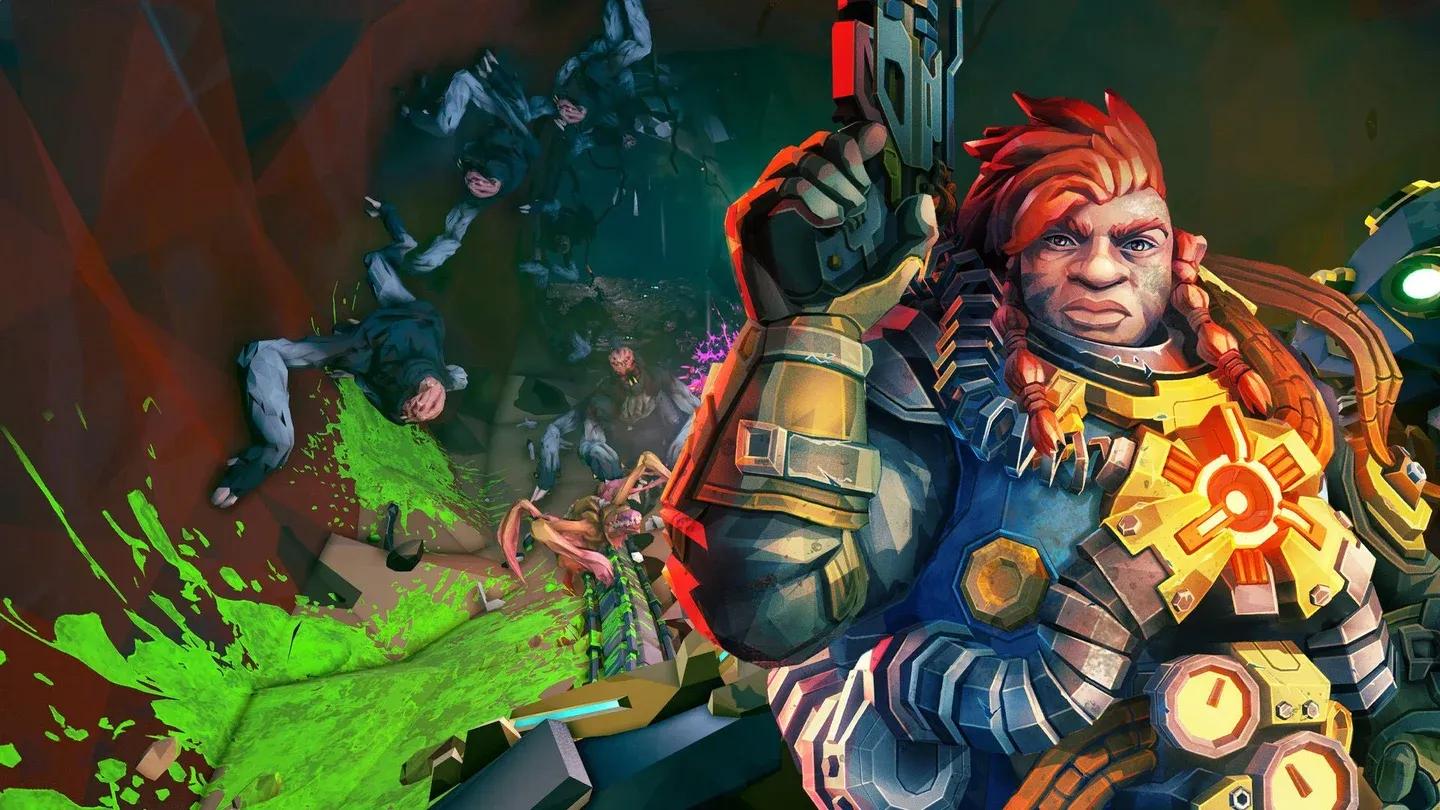
Squad class selection screen
What most players miss about the system
The negotiation draft is not the only upgrade vector, and treating it as the primary measure of run strength leads to bad decisions. A player who loses two Ellis drafts but hits every Bio-Booster and Workbench in a run can still carry their weight. The system rewards players who understand the full upgrade picture rather than fixating on a single source.
The devs have also signaled that upgrade balance is an ongoing process. Several upgrades currently sit below their tier in terms of impact, and the Update 1 notes explicitly mention continued rebalancing. Upgrades that feel like a waste today may be meaningfully stronger after the next balance pass.
For a full breakdown of every system in the game, the Rogue Core strategy guides collection covers everything from graphics optimization to co-op setup, so you can go into each run with every advantage available.
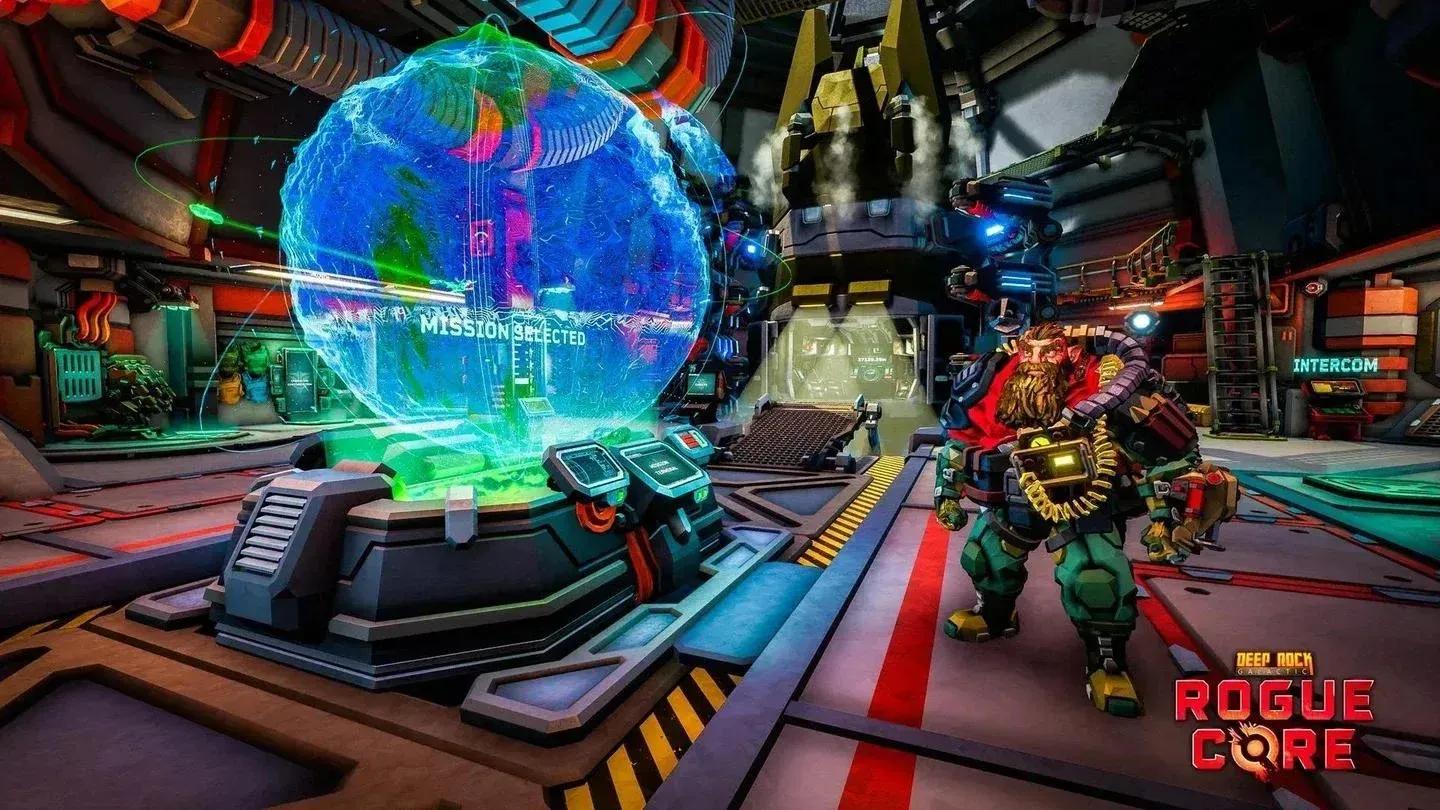
Workbench personal upgrade menu