
Overview
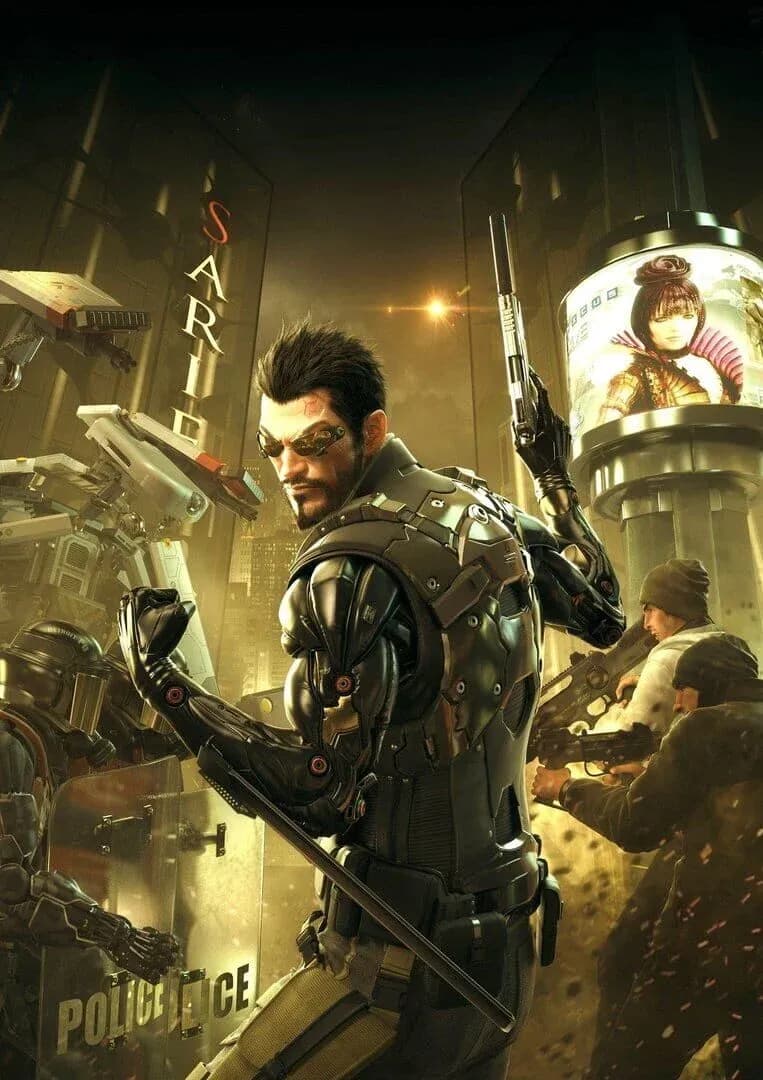
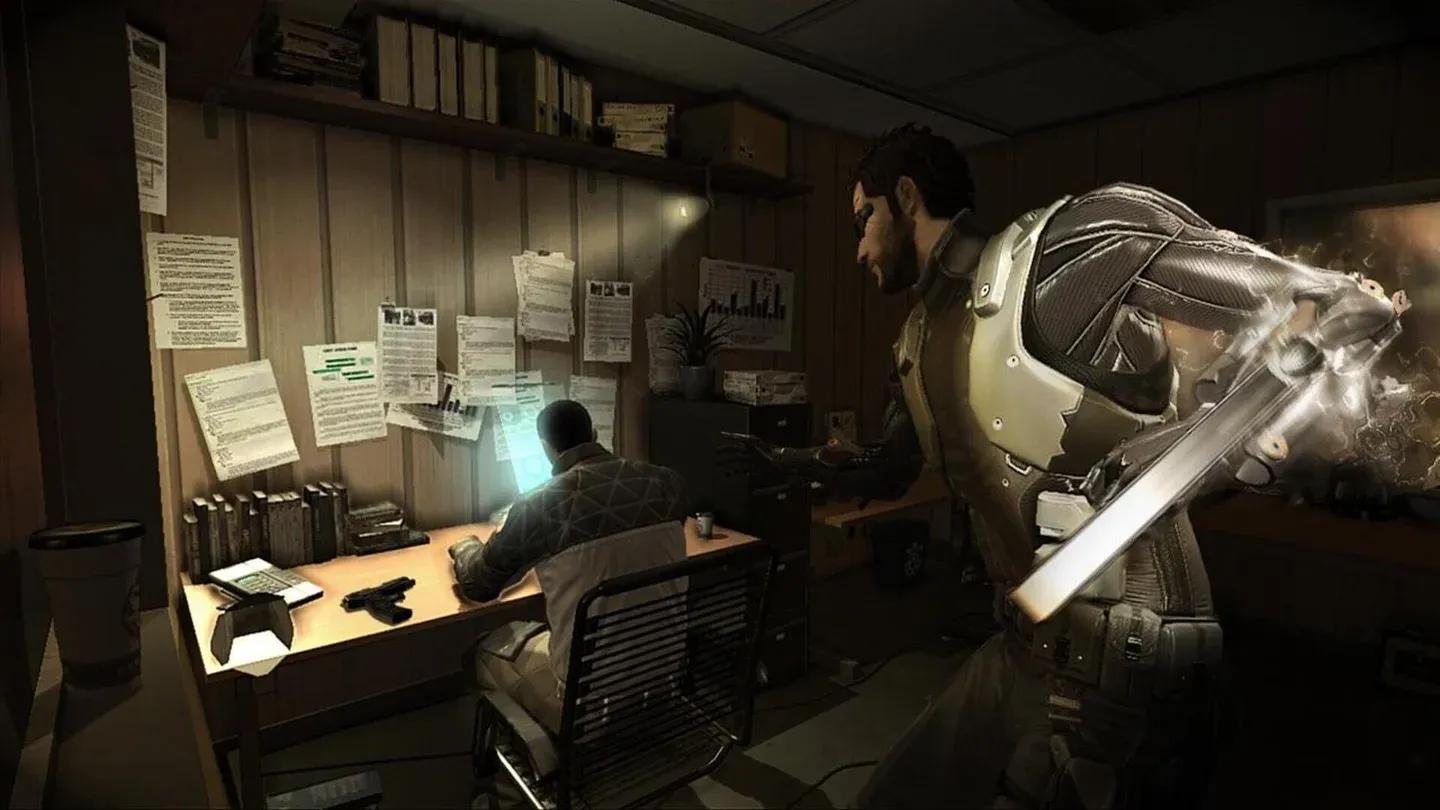
Deus Ex: Human Revolution, developed by Eidos Montréal, is a prequel to the original Deus Ex set in 2027, a near-future where human augmentation technology has split society into factions with violently opposing views. You play Adam Jensen, a private security chief at Sarif Industries, one of the leading biotech firms pushing the boundaries of what the human body can become. When a black ops team tears through the facility and leaves Jensen for dead, he wakes up rebuilt, augmented against his will, and pointed at a conspiracy that reaches far deeper than corporate espionage.
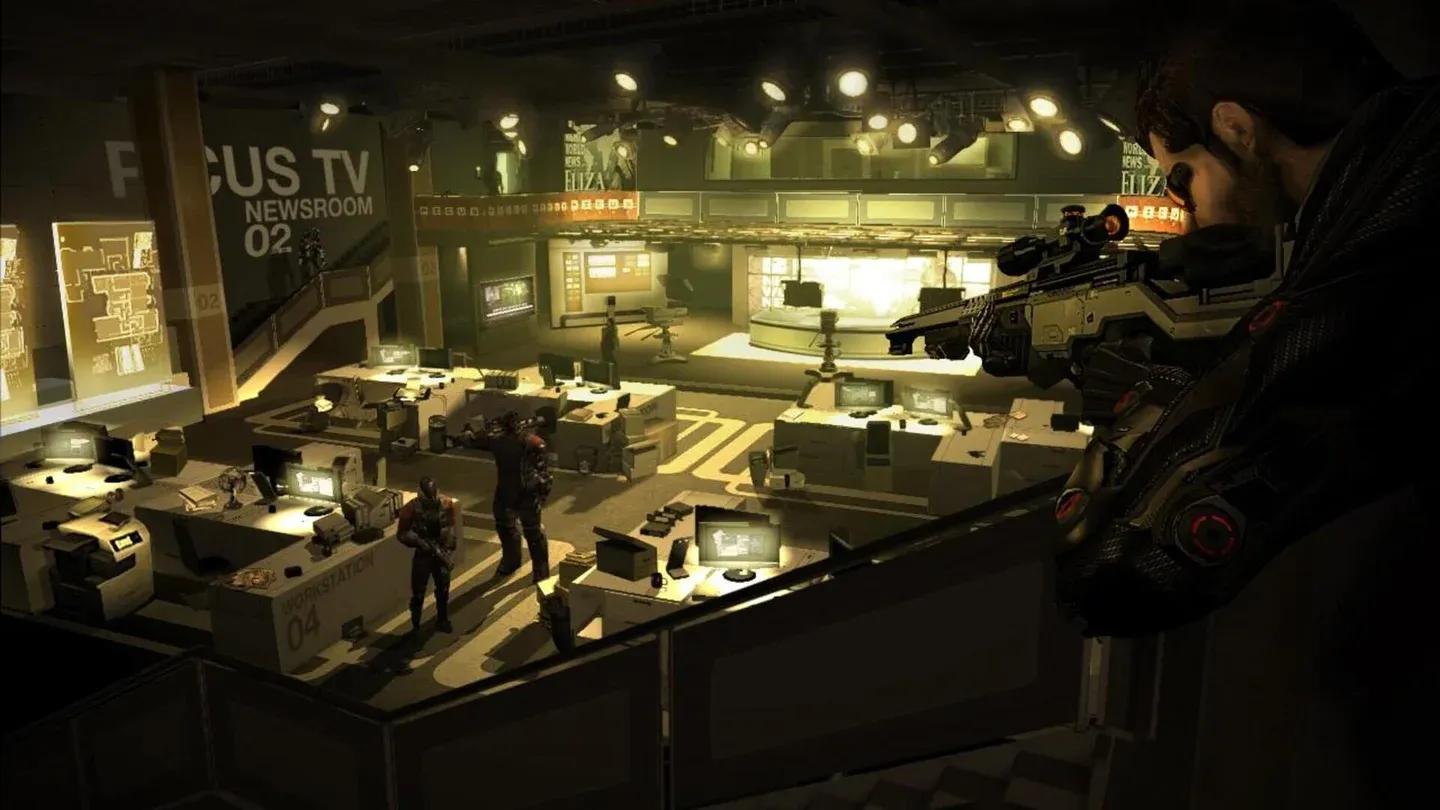
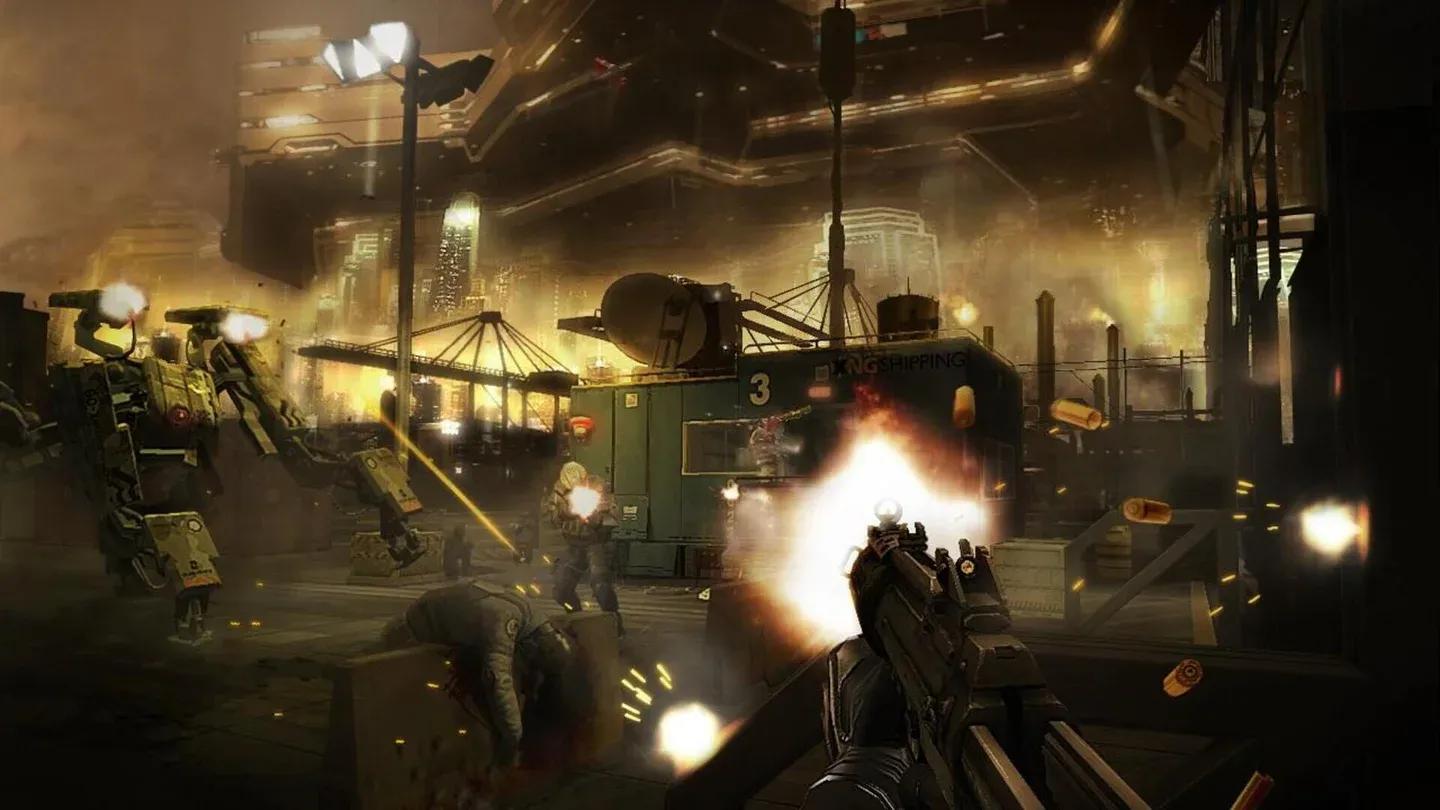
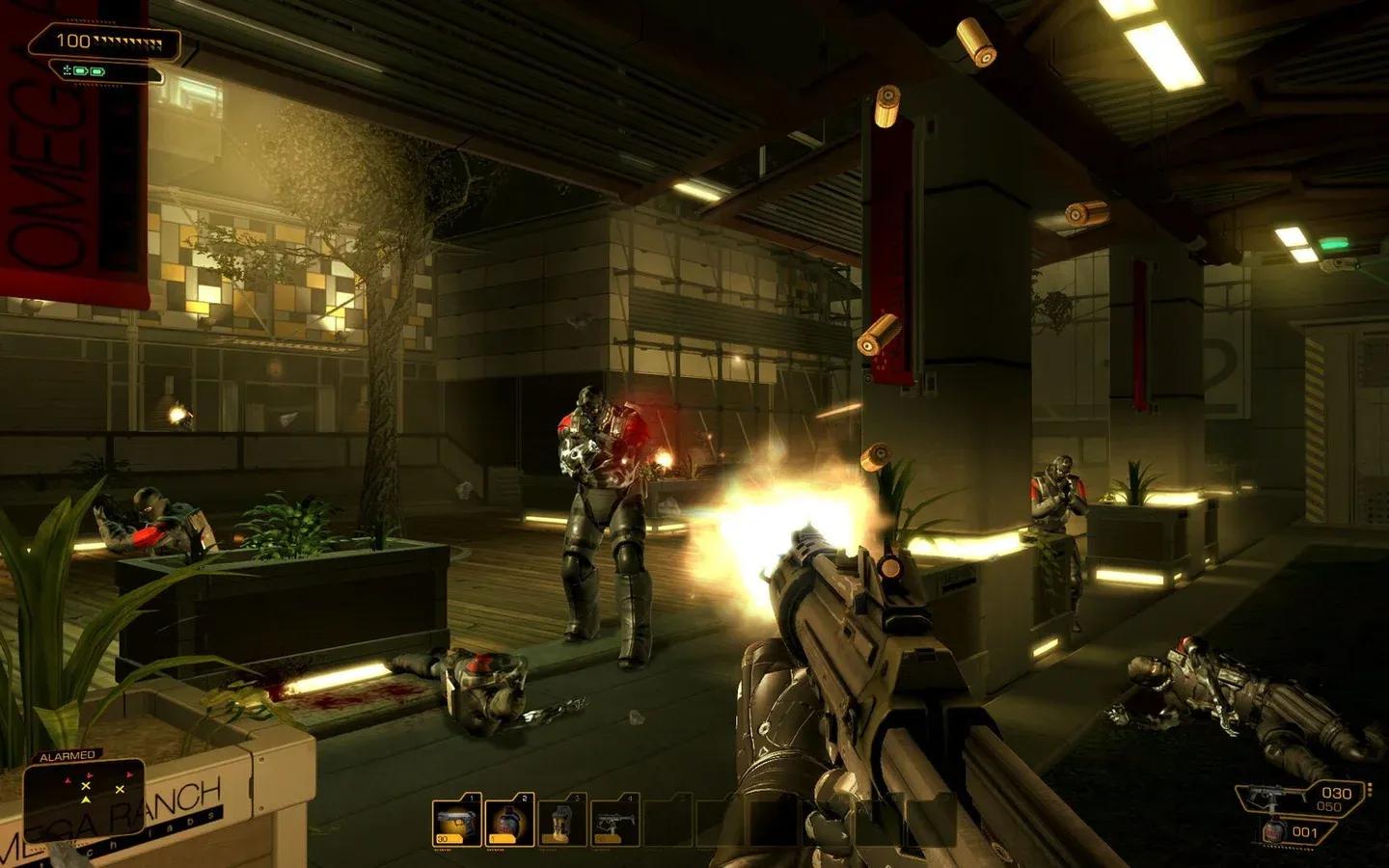
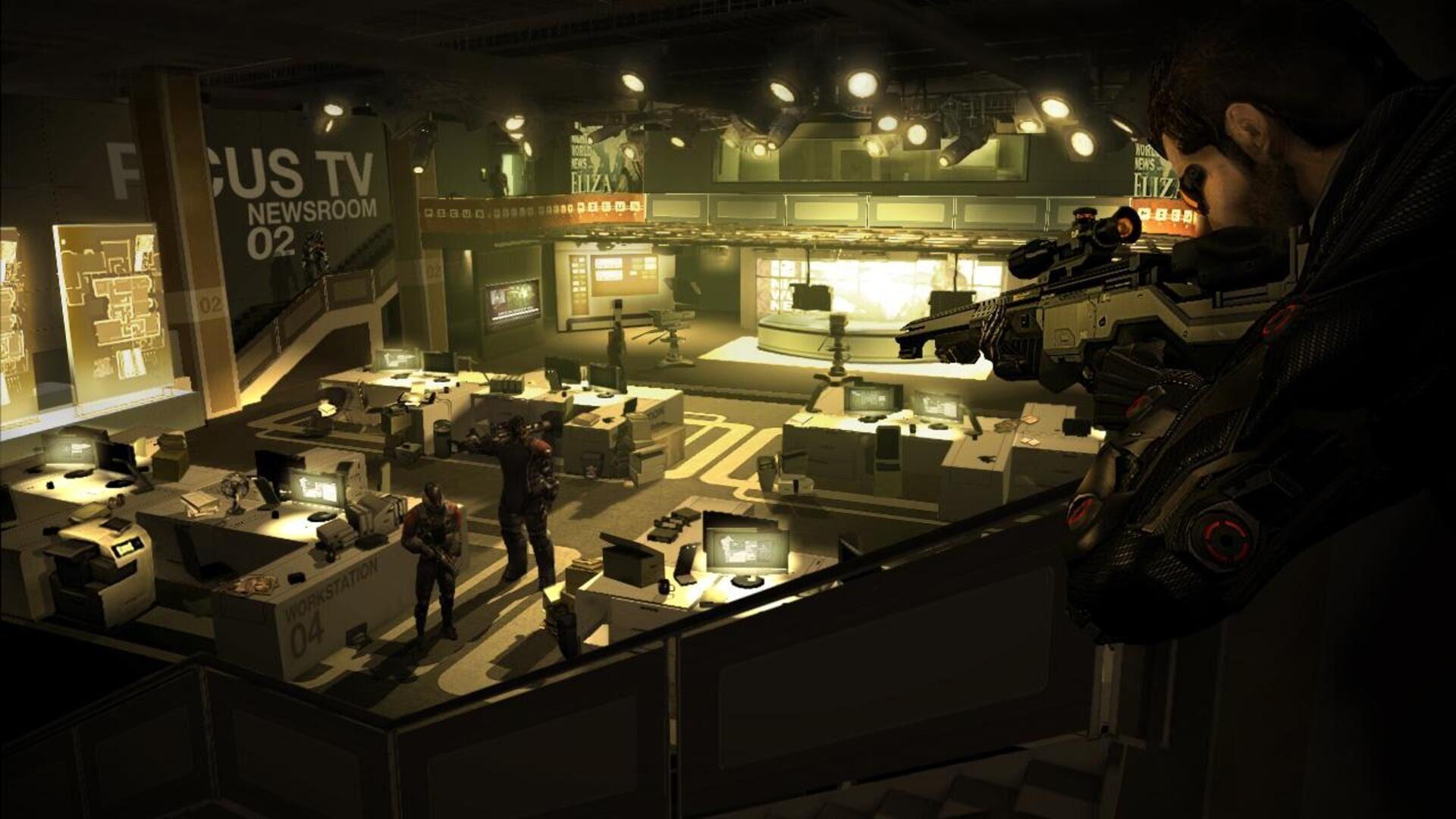
The game sits at the crossroads of first-person shooter, stealth, and RPG, letting players approach almost every situation through multiple lenses. Combat is there if you want it, but so is a ghost run where enemies never know you passed through. Hacking terminals, bypassing security, talking your way out of confrontations, or dropping guards silently from the shadows are all equally valid paths. That flexibility is the core of what Human Revolution gets right.
Gameplay and mechanics
Human Revolution's progression system is built around Praxis Points, the in-game currency used to unlock and upgrade augmentations. These range from practical tools like hacking software and stealth cloaking to combat upgrades like typhoon explosive systems and armor plating. The choices you make here shape the kind of operative Jensen becomes.

Key augmentation categories include:
- Stealth and movement: cloaking, silent running, and wall-punching
- Combat: armor upgrades, targeting reticles, and the typhoon system
- Social: CASIE module for reading and influencing NPCs
- Hacking: Capture, Nuke, and Fortify software upgrades
- Exploration: icarus landing, jump enhancement, and wall-climbing
The hacking minigame deserves a mention on its own. It plays out as a real-time node capture sequence against a ticking detection clock, and it appears constantly, from door panels to security terminals. It never gets old because the stakes always feel immediate.
World and setting
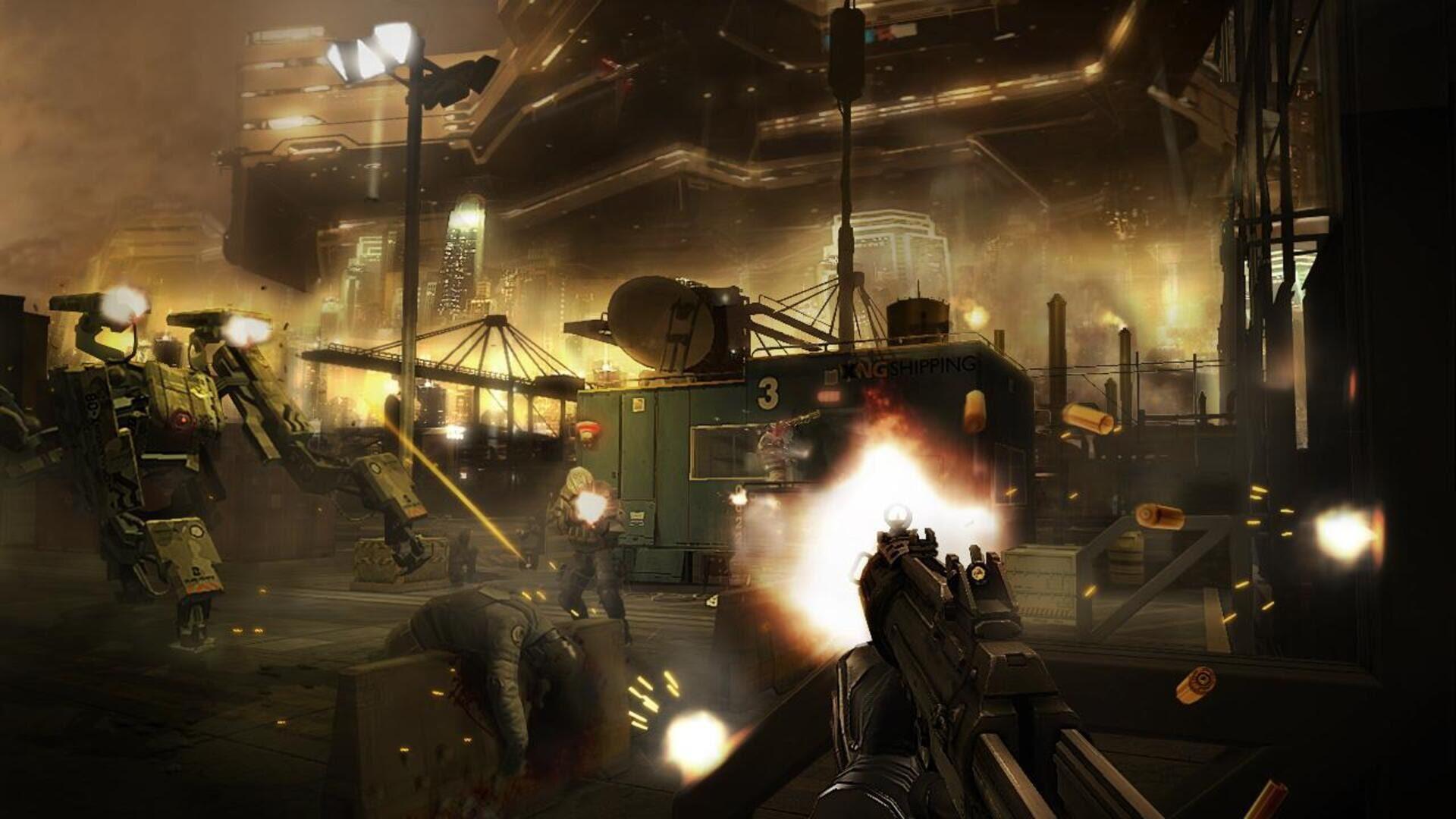
The game takes Jensen across four major locations: Detroit, Hengsha (a double-layered megacity built above and below ground), Montreal, and Singapore. Each city has its own visual identity and social texture. Hengsha in particular stands out as one of the more memorable cyberpunk environments in the genre, a city where the poor live beneath a literal ceiling of the wealthy.
The story leans hard into transhumanist philosophy, asking whether augmentation is a form of human progress or a tool of control. These questions come through in side quests and NPC conversations, not just cutscenes, which makes the world feel like it has something to say beyond the main plot.
Does Deus Ex: Human Revolution hold up?
Released in August 2011, Human Revolution remains one of the strongest examples of player agency in a linear RPG. The boss fights drew criticism at launch for feeling inconsistent with the stealth-friendly design, and that criticism still stands. The Director's Cut version addresses this somewhat by reworking those encounters, but the base game's bosses are a weak point against an otherwise tight package.
The conversation system, built around reading NPC personality types and responding accordingly, holds up better than most dialogue mechanics from the same era. Conversations feel like puzzles with real consequences rather than stat checks dressed up as choices.
Impact and legacy
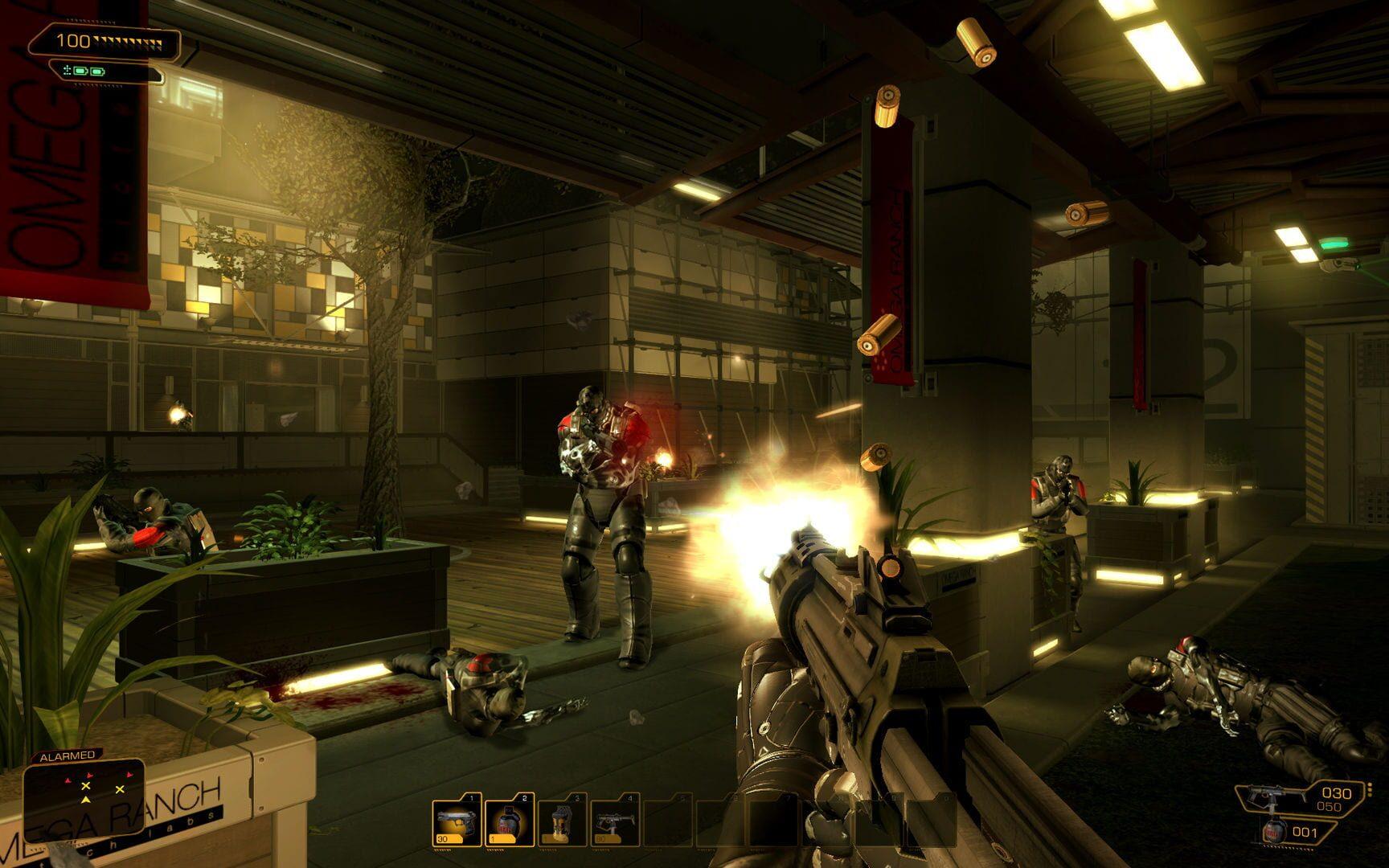
Human Revolution revived a franchise that had been dormant for nearly a decade and proved that deep systemic RPG design could work in a modern commercial release. It influenced a generation of immersive sims and helped set the template for Deus Ex: Mankind Divided in 2016. The game is available on PC via Steam, PlayStation, Xbox, macOS, iOS, and Android, making it one of the more accessible entries in the cyberpunk RPG genre. For players who want a game where every choice in stealth, combat, and dialogue carries weight, Human Revolution still delivers.