Overview
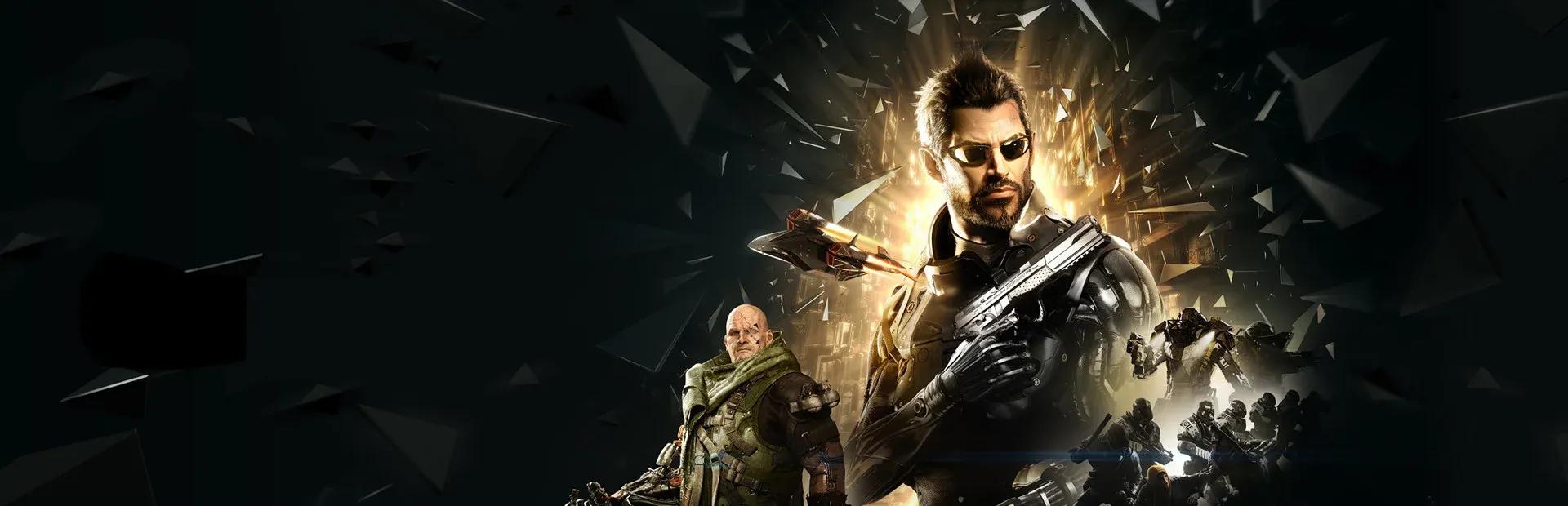
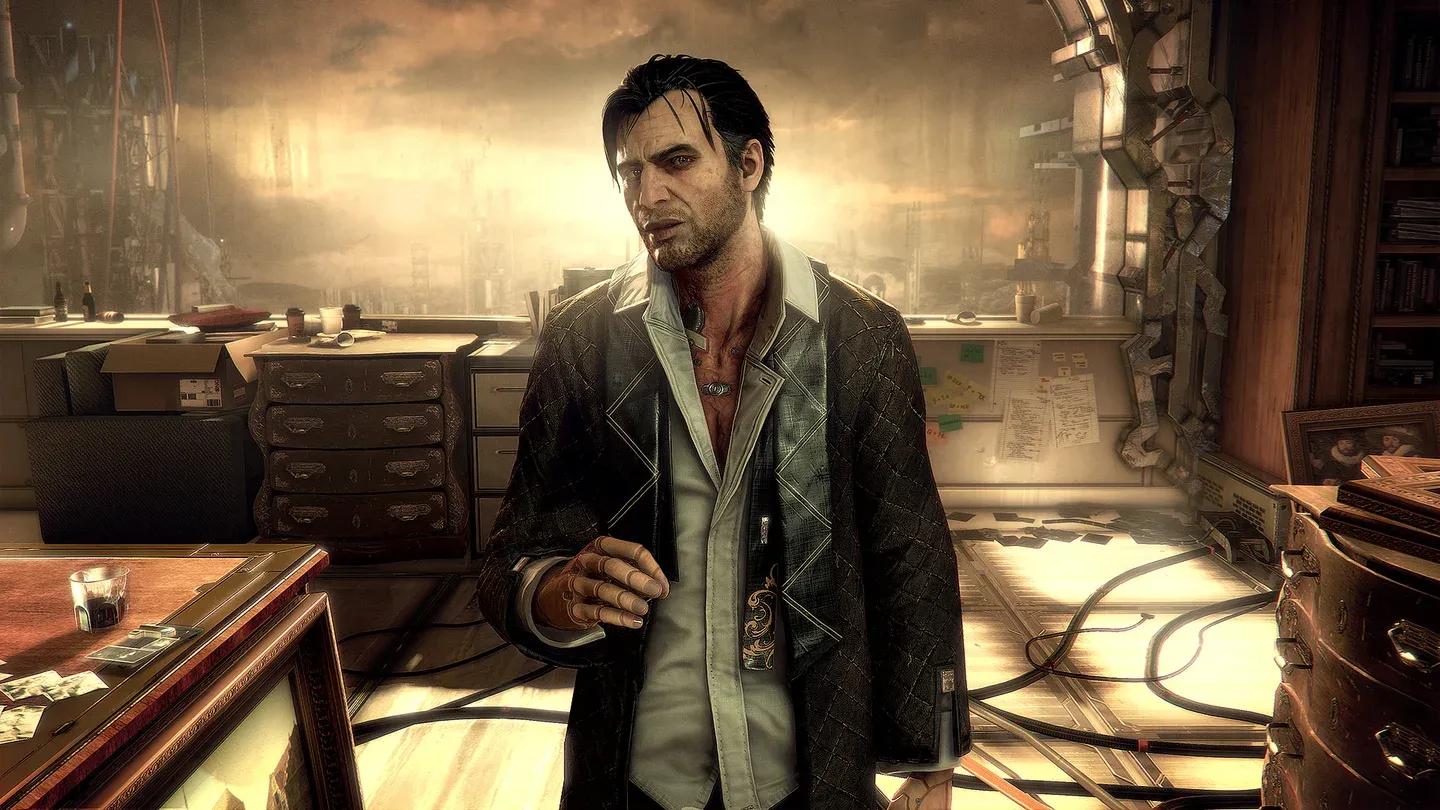
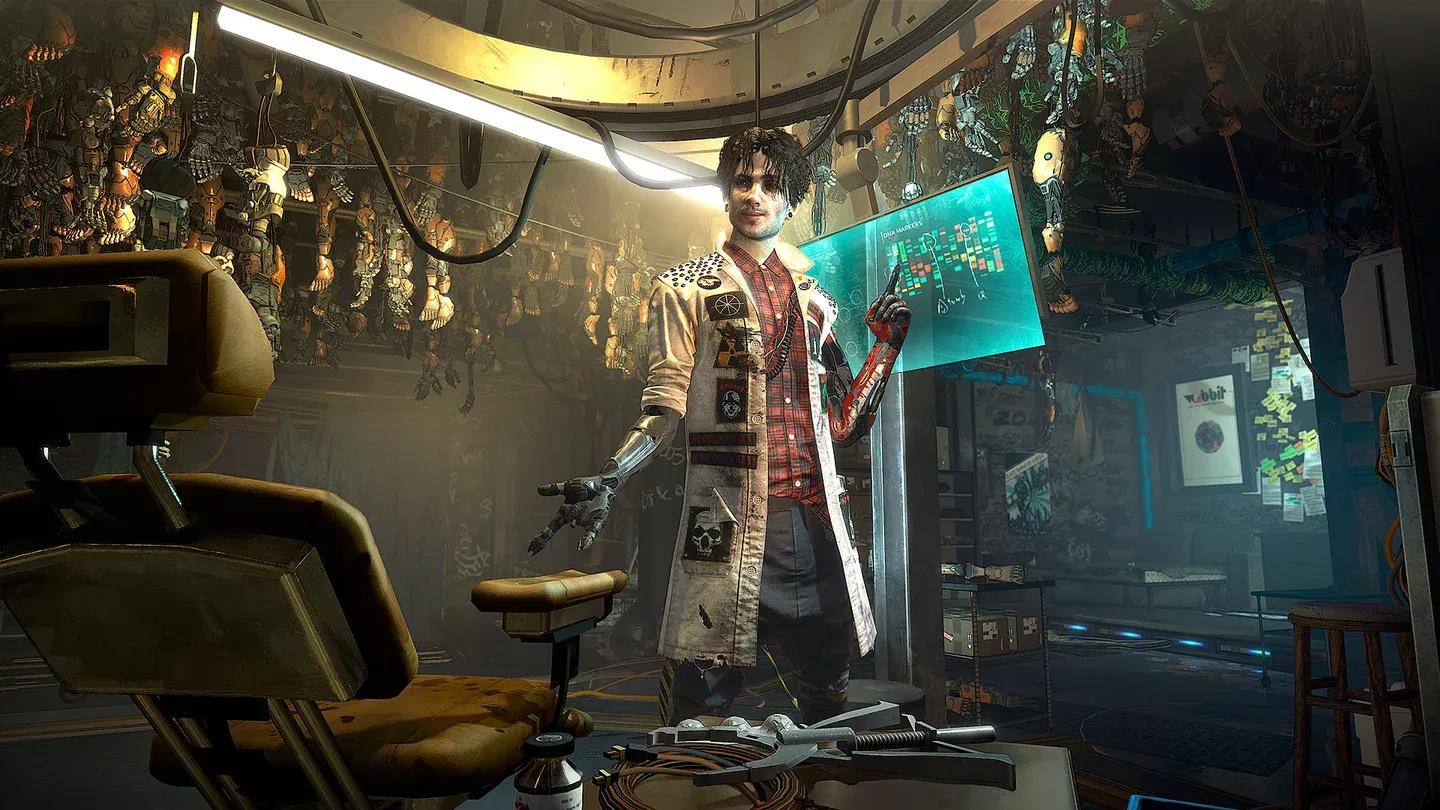
Deus Ex: Mankind Divided picks up directly after the Aug Incident of 2027, when augmented humans worldwide were remotely hijacked and forced to attack those around them. Millions died. The survivors were blamed. By 2029, mechanically augmented people live under strict segregation, treated as second-class citizens in a world that fears and resents them. Adam Jensen, now working as a covert operative with Interpol's Task Force 29, finds himself caught between factions with very different ideas about what humanity's future should look like.
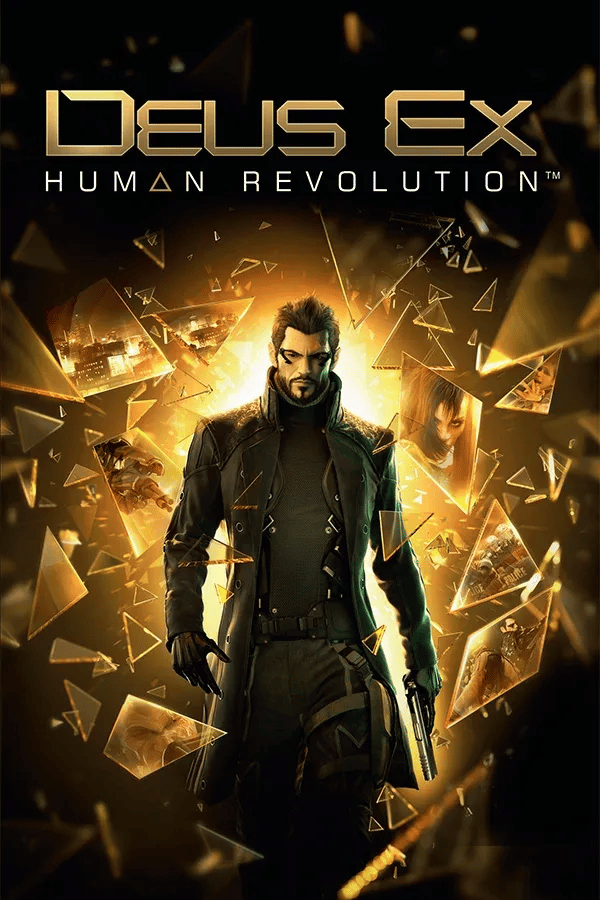
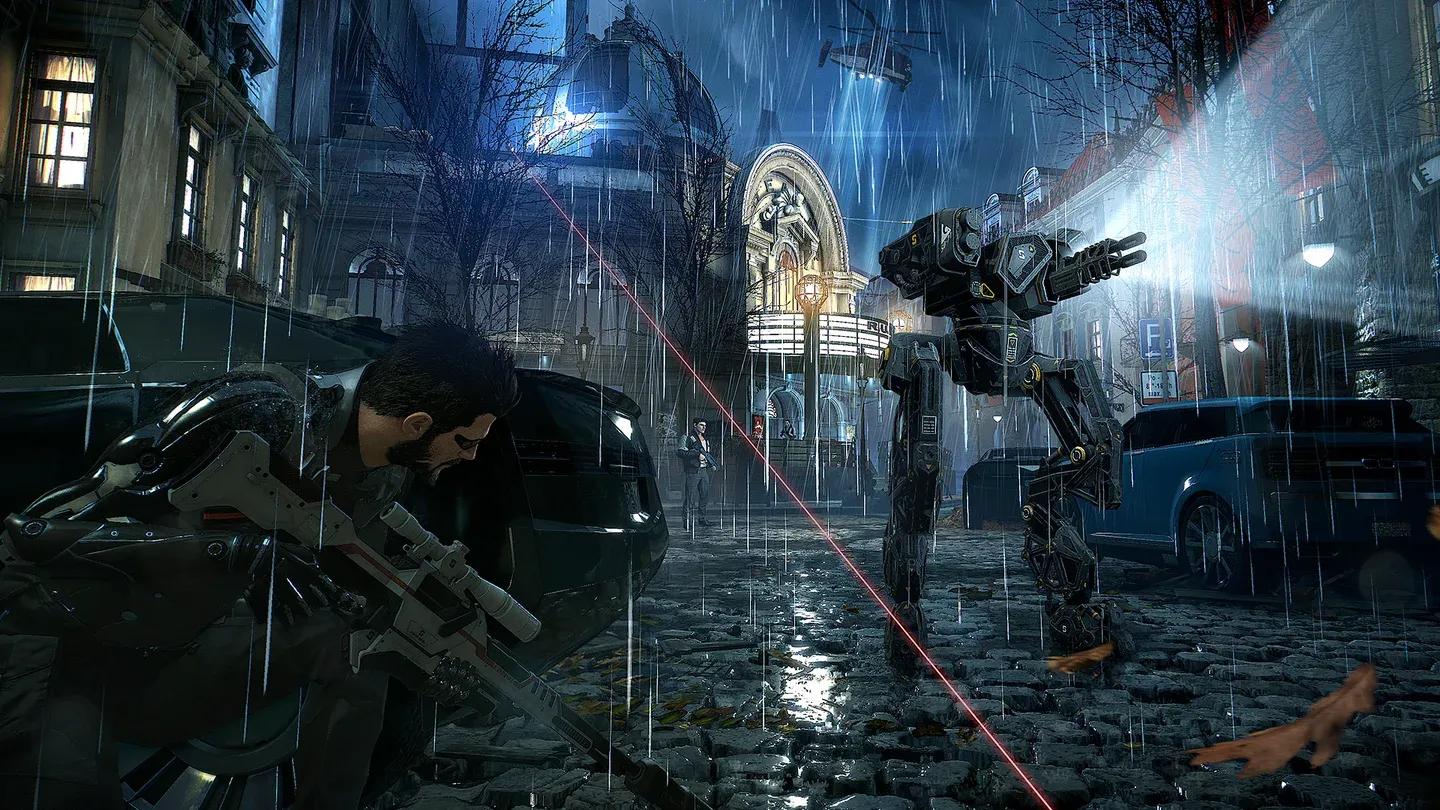
Eidos Montreal built Mankind Divided on the foundation laid by Human Revolution, but tightened almost every system in the process. Prague serves as the game's central hub, a dense, multi-layered city where side missions, hidden areas, and environmental storytelling reward players who take their time. The level design is some of the best in the genre, stacking vertical paths, ventilation routes, social engineering opportunities, and direct confrontation into spaces that feel genuinely open rather than scripted.
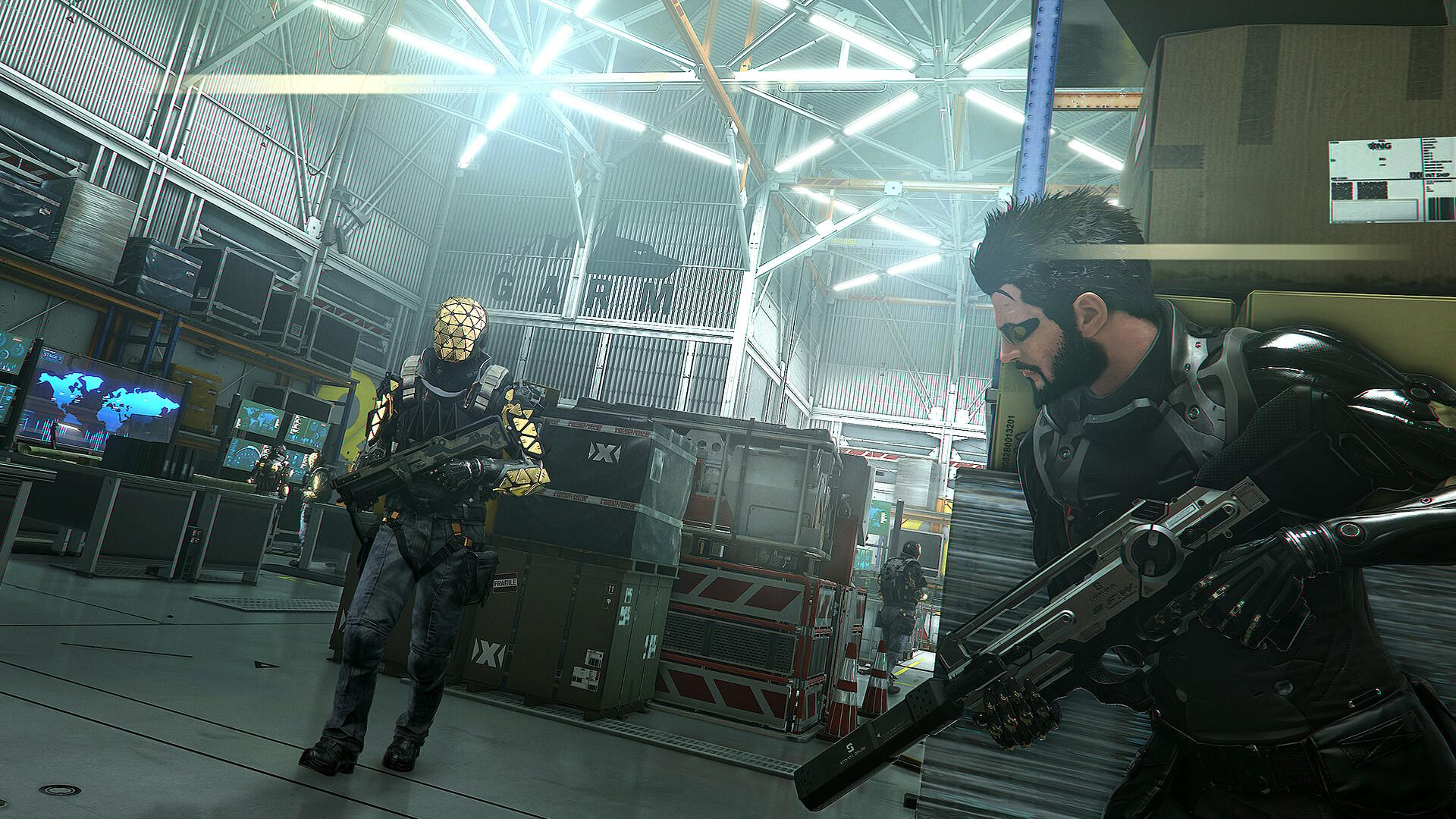
Gameplay and mechanics: how does Mankind Divided actually play?
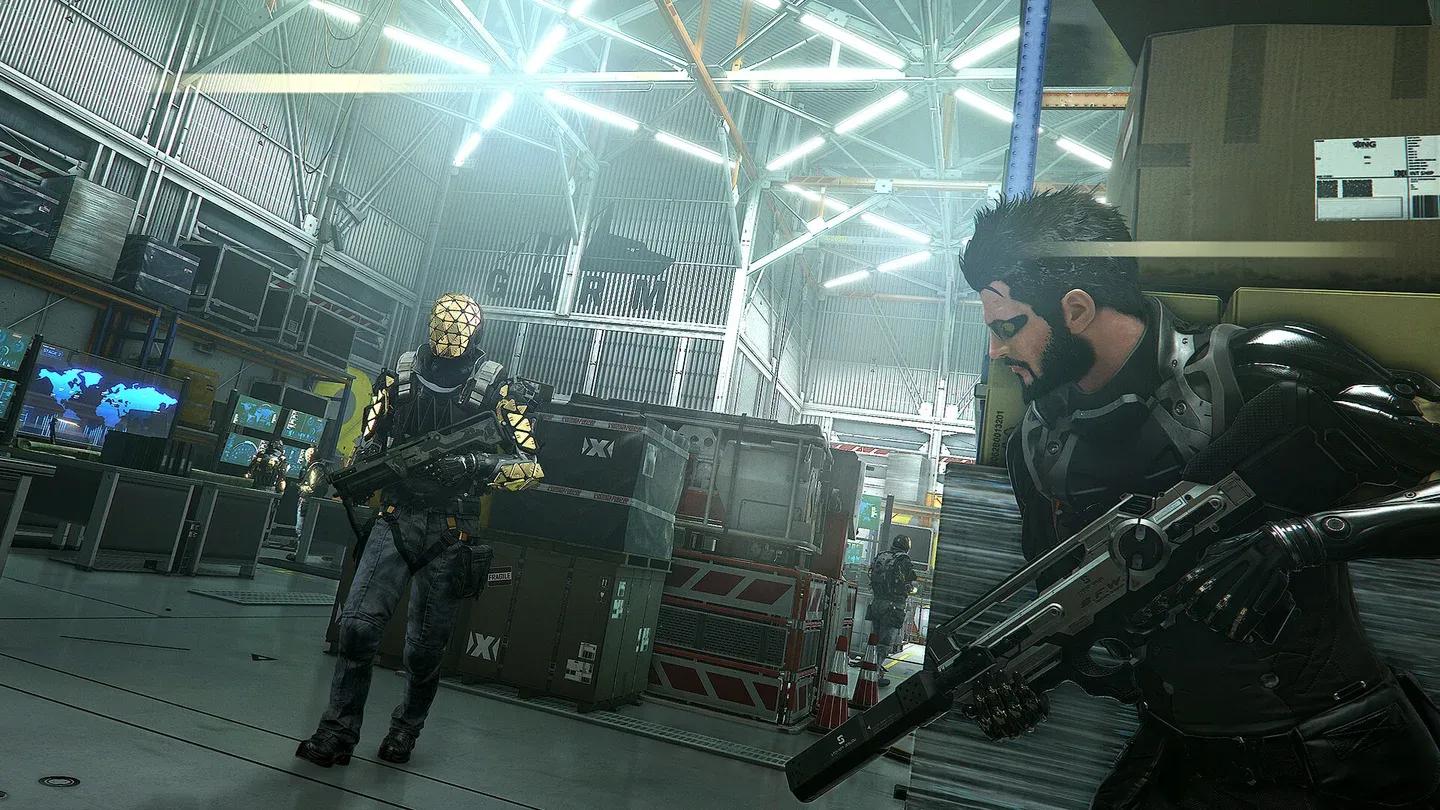
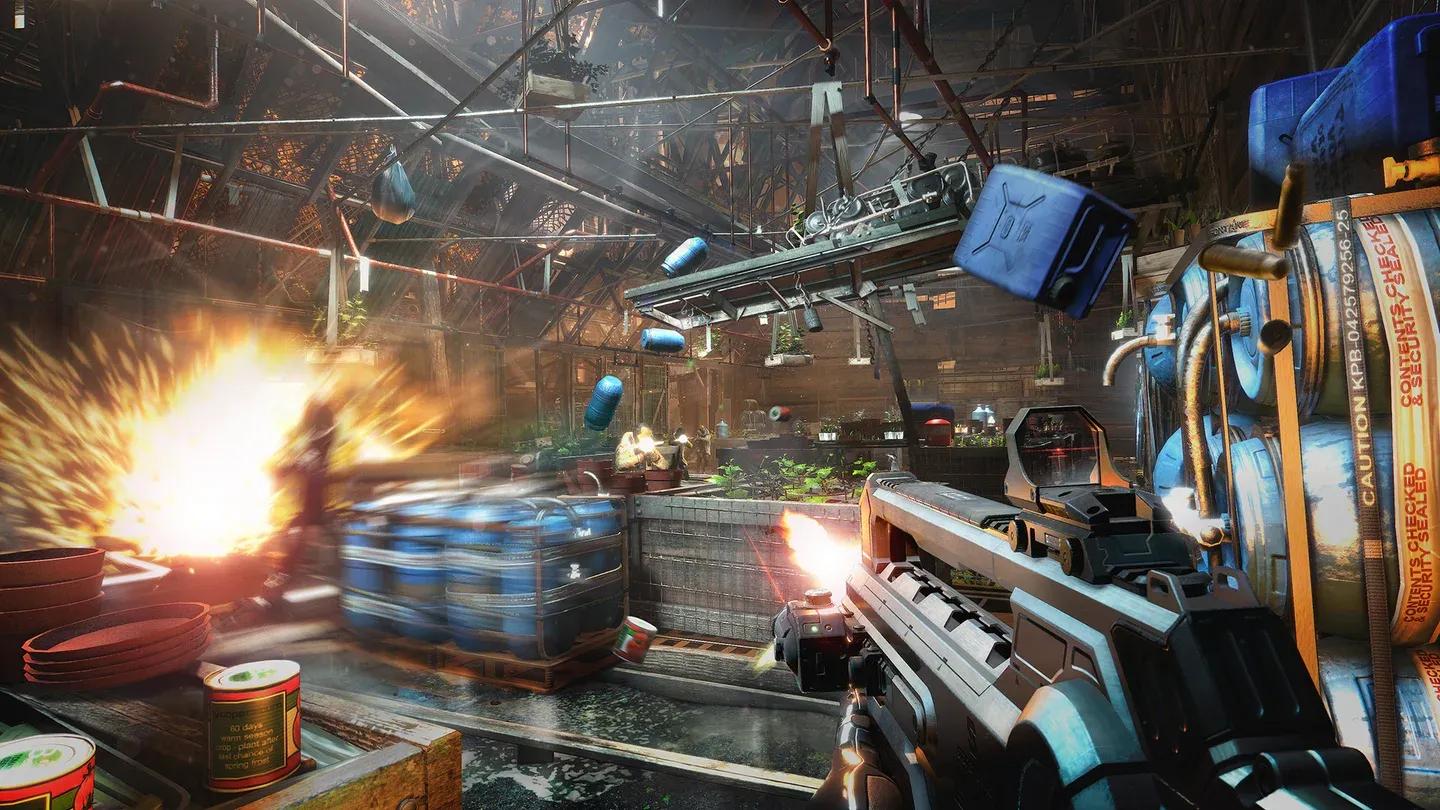
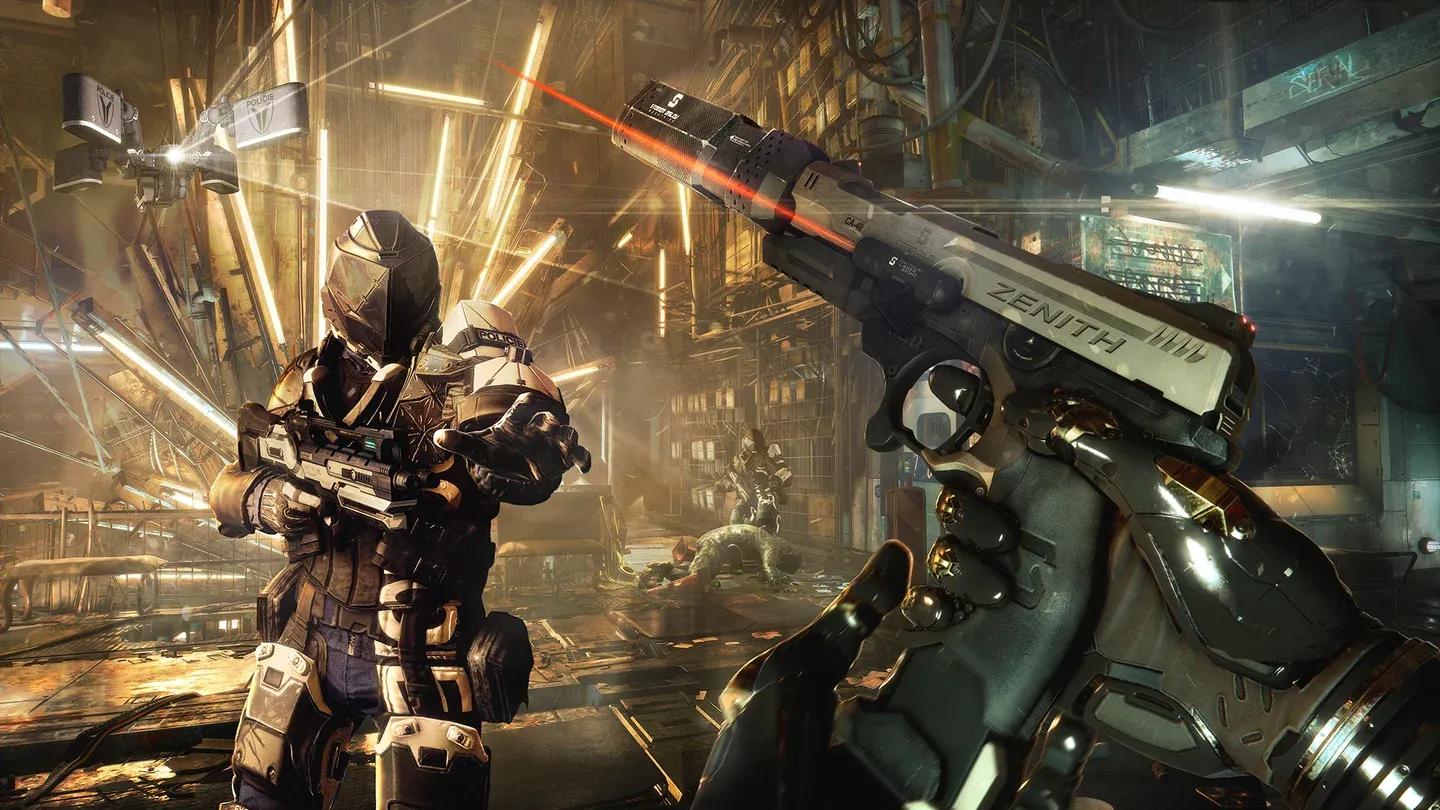
Mankind Divided is a first-person action-RPG built around player agency. The core loop involves moving through mission areas while deciding, moment to moment, whether to ghost past enemies, hack systems, talk your way through checkpoints, or fight outright. No single approach is locked off, and the game tracks your methods without judging them.
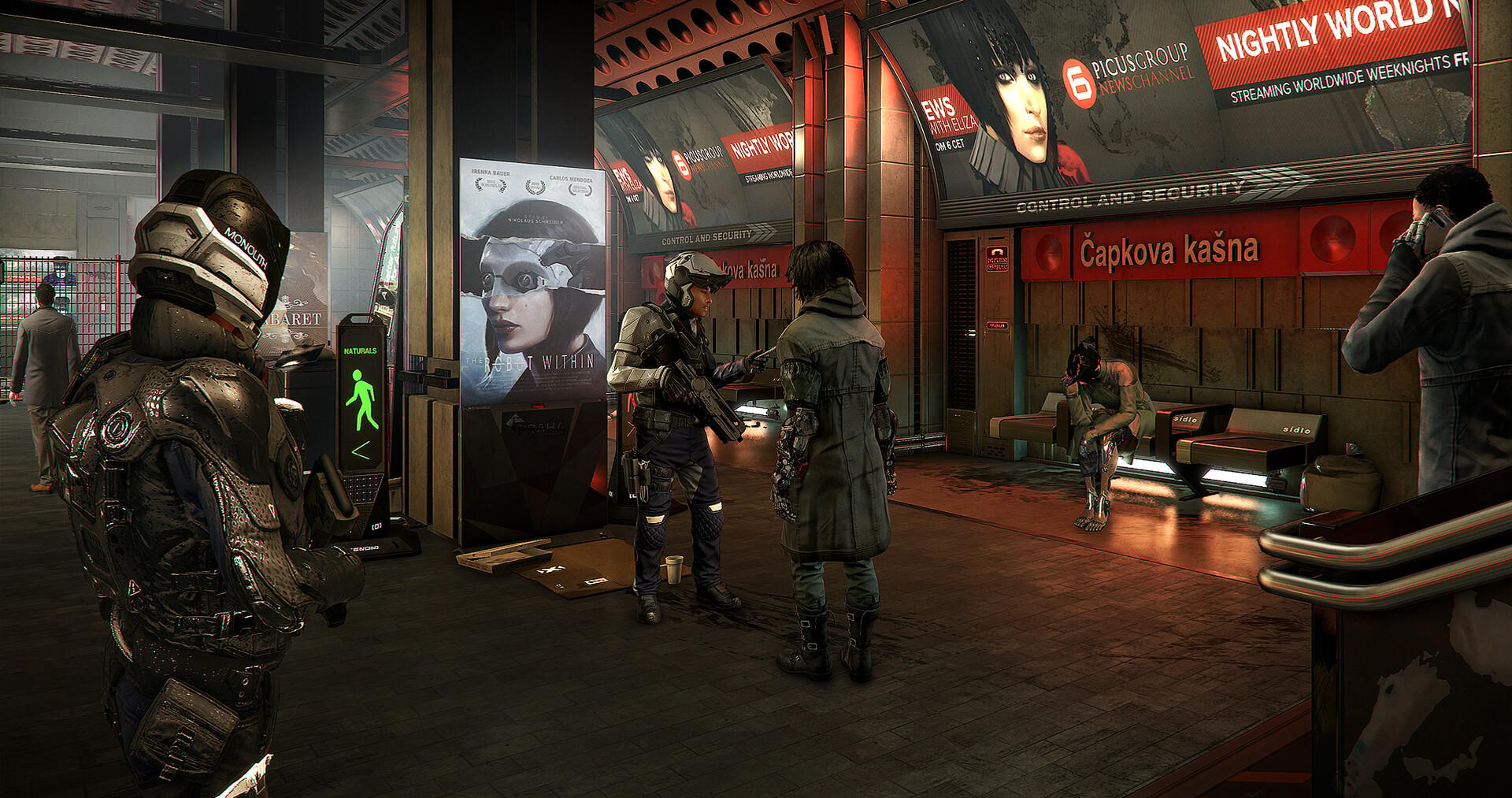
Key mechanics include:
- Praxis-based augmentation upgrades across stealth, combat, hacking, and social skills
- Environmental hacking that opens new paths and reveals hidden intel
- Takedown system with lethal and non-lethal options
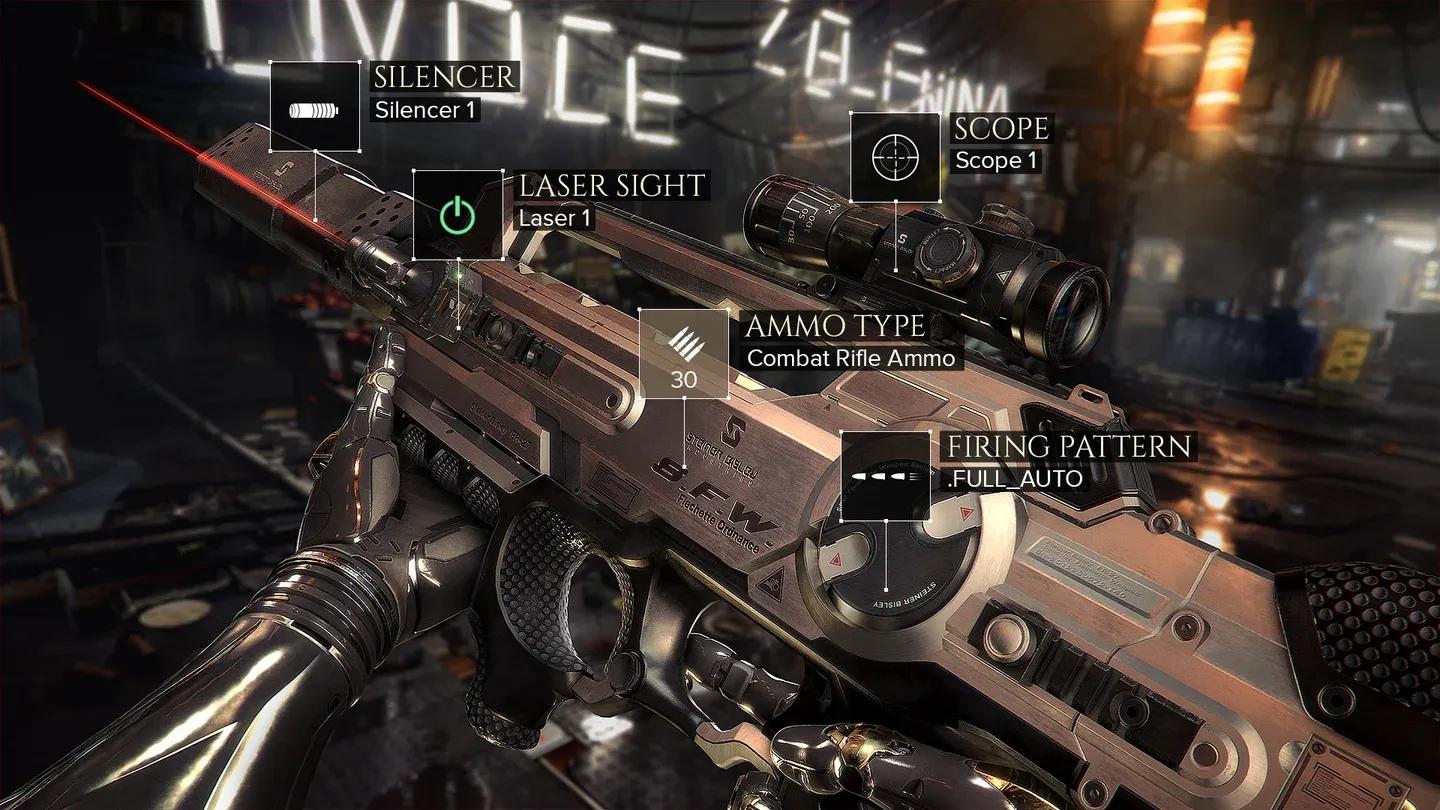
- Inventory management that affects what gear you carry into missions
- Branching dialogue that can resolve or escalate conflicts
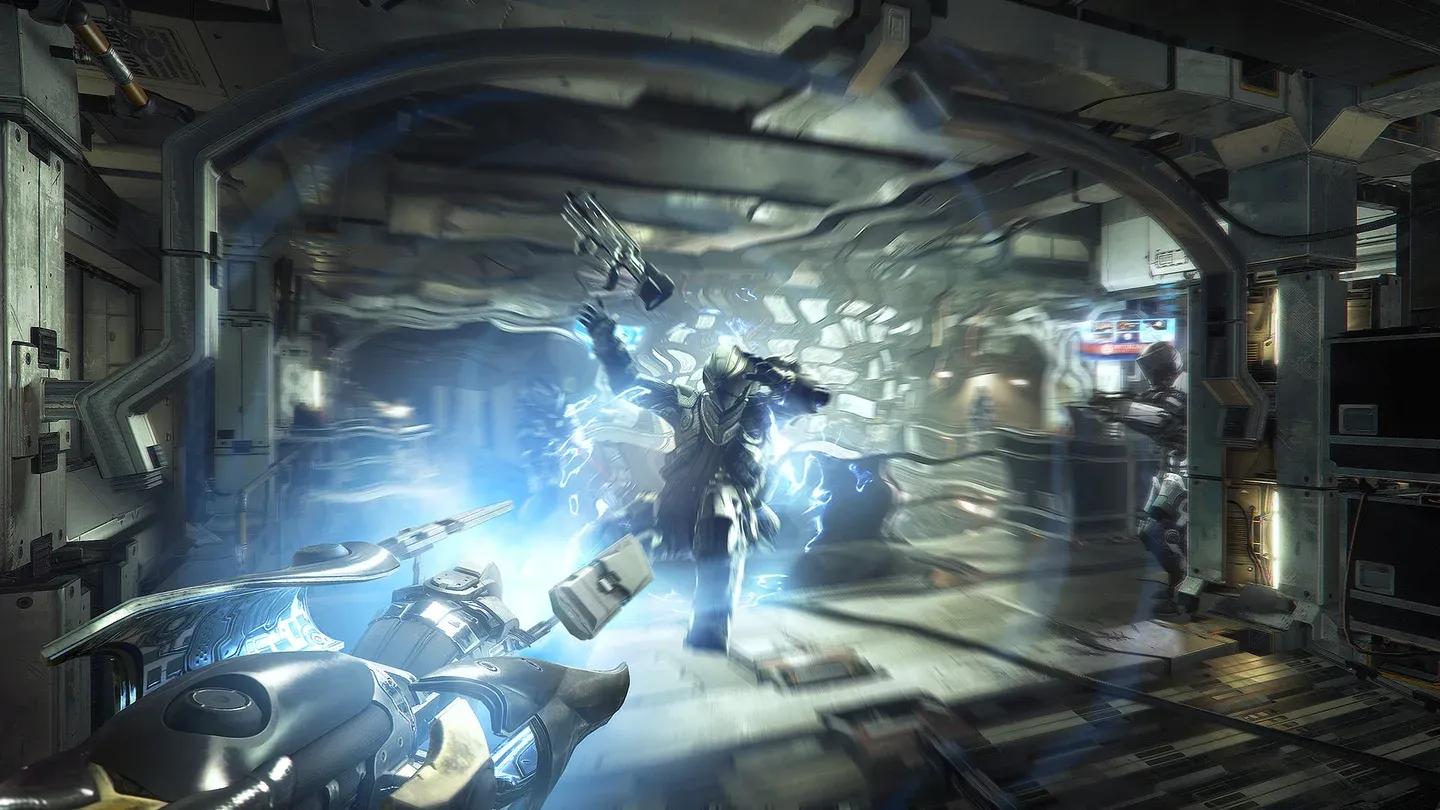
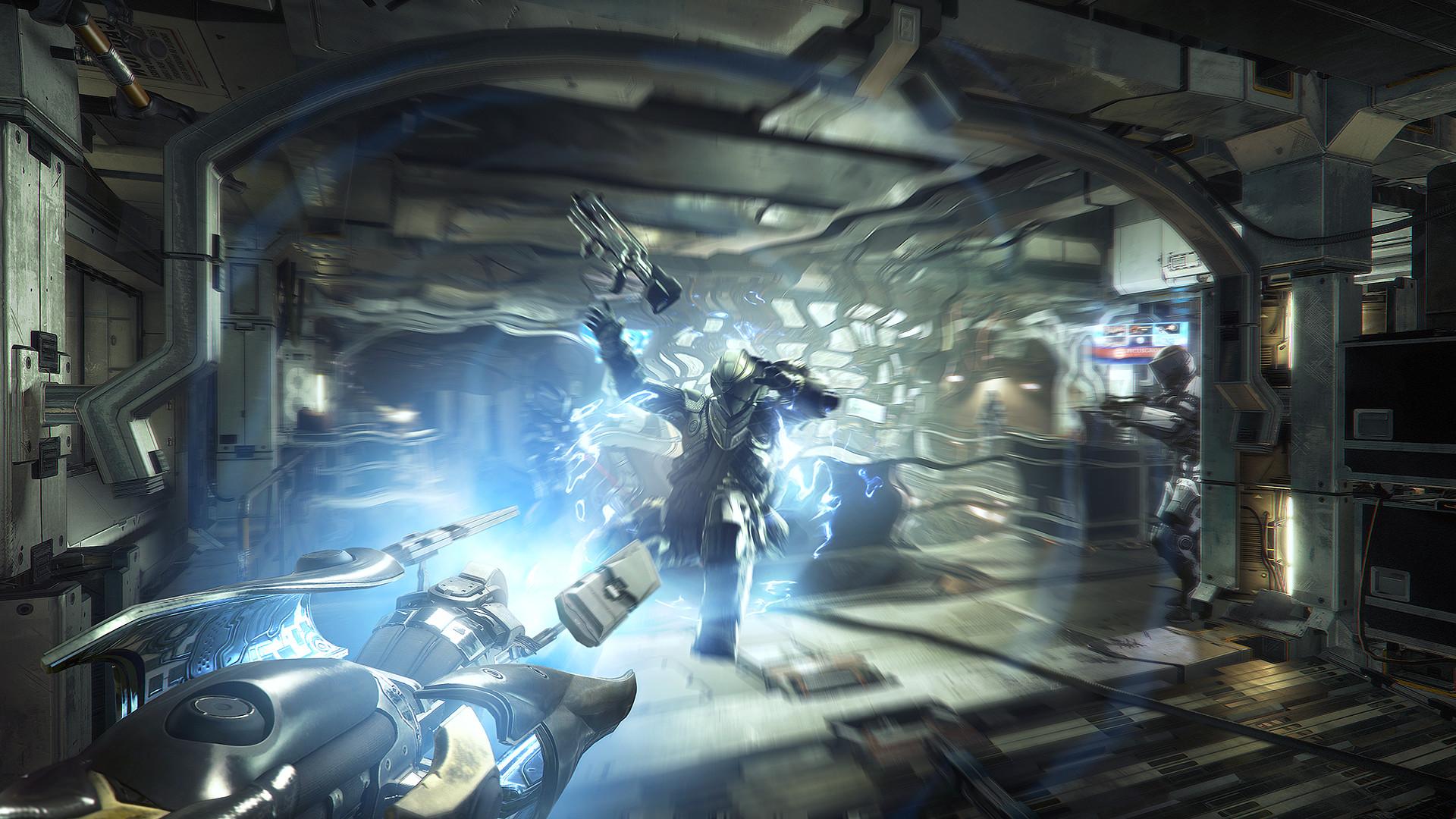
Jensen's augmentation suite is meaningfully expanded from Human Revolution. The Titan Shield, Icarus Dash, and PEPS Energy Wave are among the new tools that open up approaches unavailable in the previous game. Managing your energy bar and Praxis points creates real tradeoffs that shape how each playthrough feels.
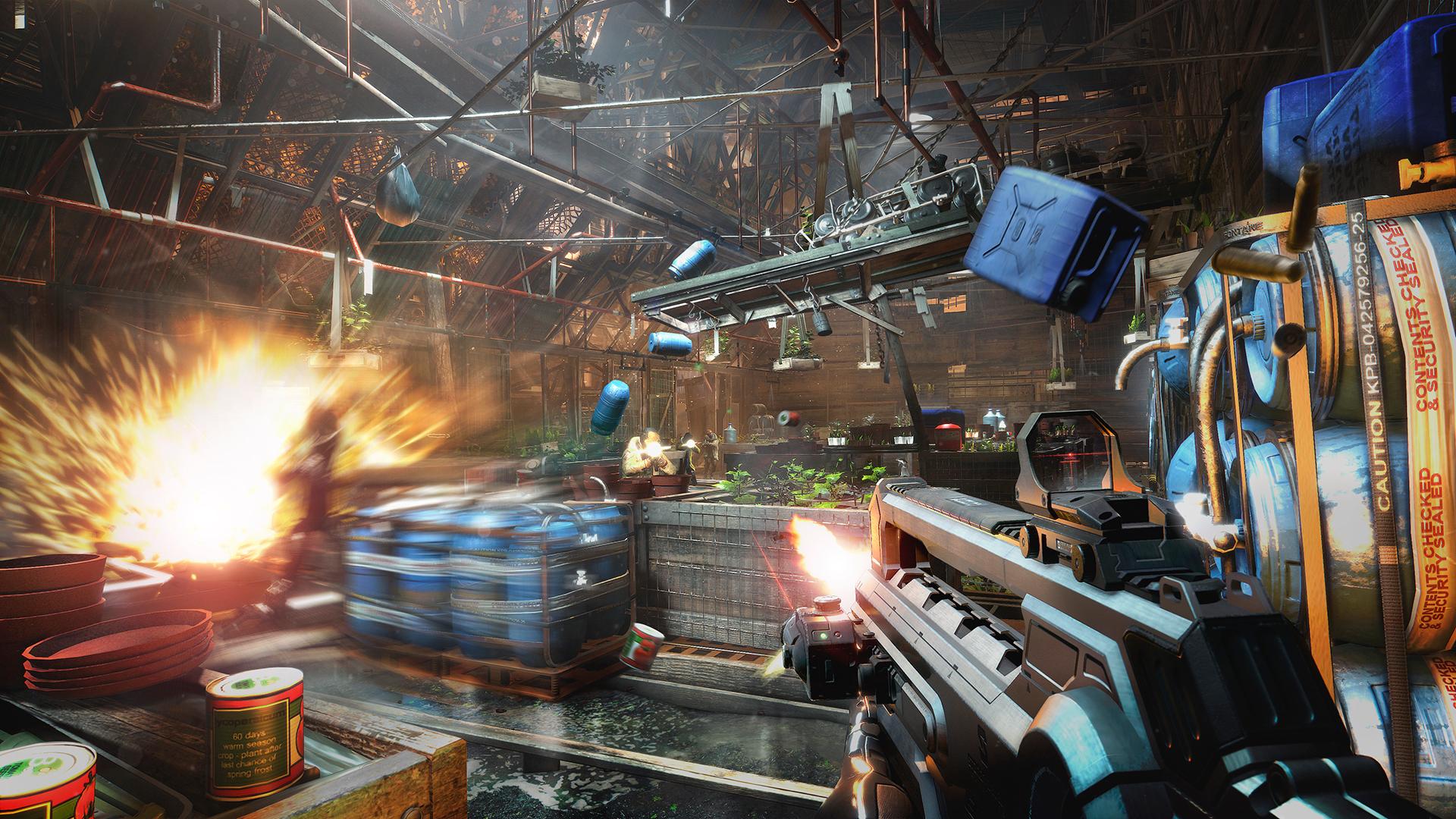
World and setting
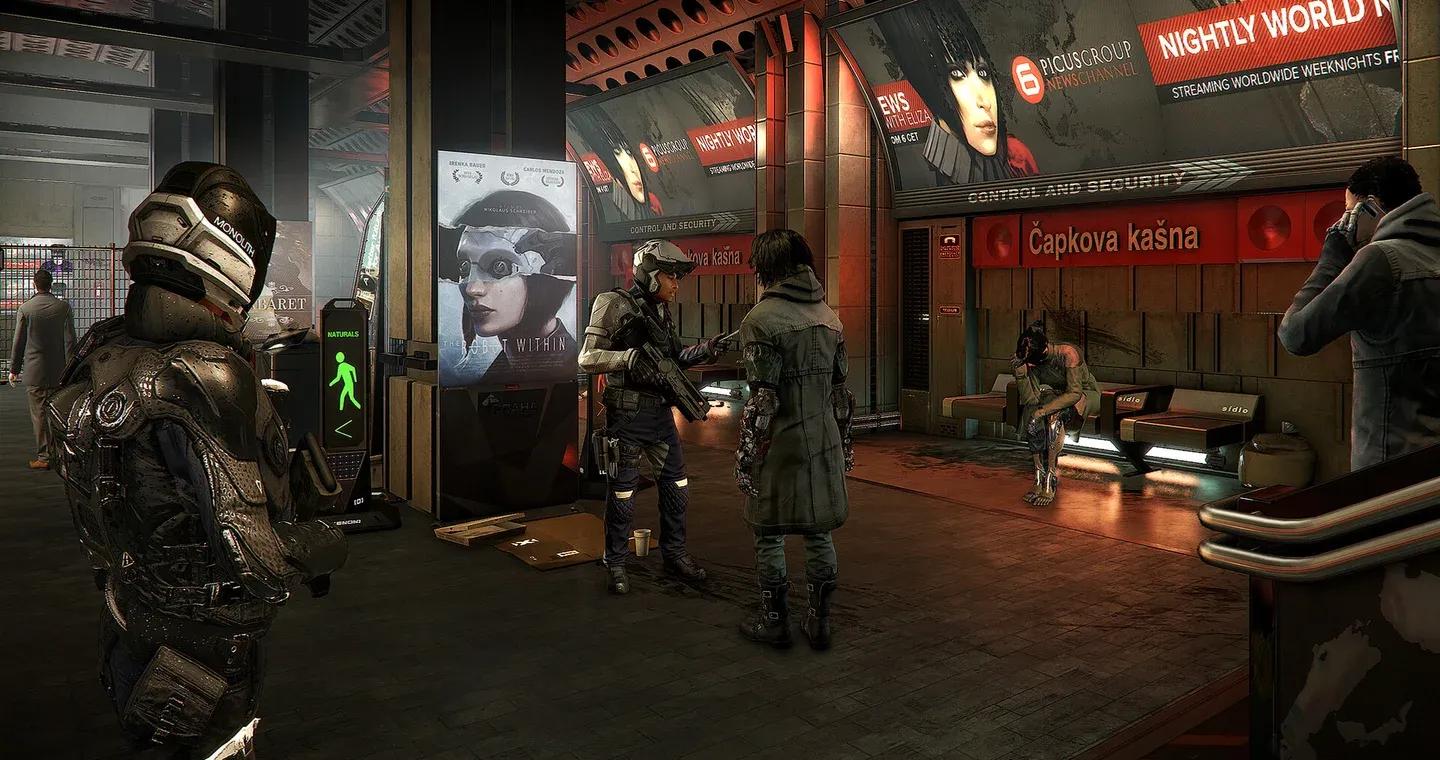
Prague is the standout achievement here. The city feels lived-in and politically charged, with aug checkpoints, protest graffiti, and NPC conversations that reflect the social fracture at the story's core. Mankind Divided draws obvious parallels to real-world discrimination and civil rights tension, and the setting makes those themes land harder than any cutscene could.
Beyond Prague, missions take Jensen to locations including Golem City, a sprawling shantytown built inside a collapsed arcology where augmented refugees have been effectively warehoused. The contrast between these environments does a lot of narrative work without spelling anything out.
Meaningful choices and replayability
Mankind Divided is built for multiple playthroughs. Missions branch based on how you approach them, who you help, and what information you uncover. Side missions in particular carry surprising narrative weight, occasionally feeding back into the main story in ways that feel earned rather than mechanical.
The "Desperate Measures" bonus mission adds an additional operation that sits cleanly within the main timeline, and the Covert Agent Pack provides starter gear loadouts that suit different playstyles from the opening hours. Two paid story DLC episodes, System Rift and A Criminal Past, extend Jensen's story with self-contained missions that explore different corners of the setting.
For players who want to see everything Mankind Divided has to offer, a completionist run comfortably exceeds 30 hours. A focused playthrough lands closer to 15. The game holds up across both approaches because the systems are deep enough to make repeat runs feel genuinely different rather than just cosmetically varied.
System Requirements
| Requirement | Minimum | Recommended |
|---|---|---|
| OS | - | Windows 10 64-bit |
| Processor | Intel Core i3-2100 or AMD equivalent | Intel Core i7-3770K or AMD FX 8350 Wraith |
| Memory | 8 GB RAM | 16 GB RAM |
| Graphics | AMD Radeon HD 7870 (2GB) or NVIDIA GeForce GTX 660 (2GB) | AMD Radeon RX 480 - 1920 x 1080 or NVIDIA GTX 970 - 1920 x 1080 |
| Storage | - | 55 GB available space |