Overview
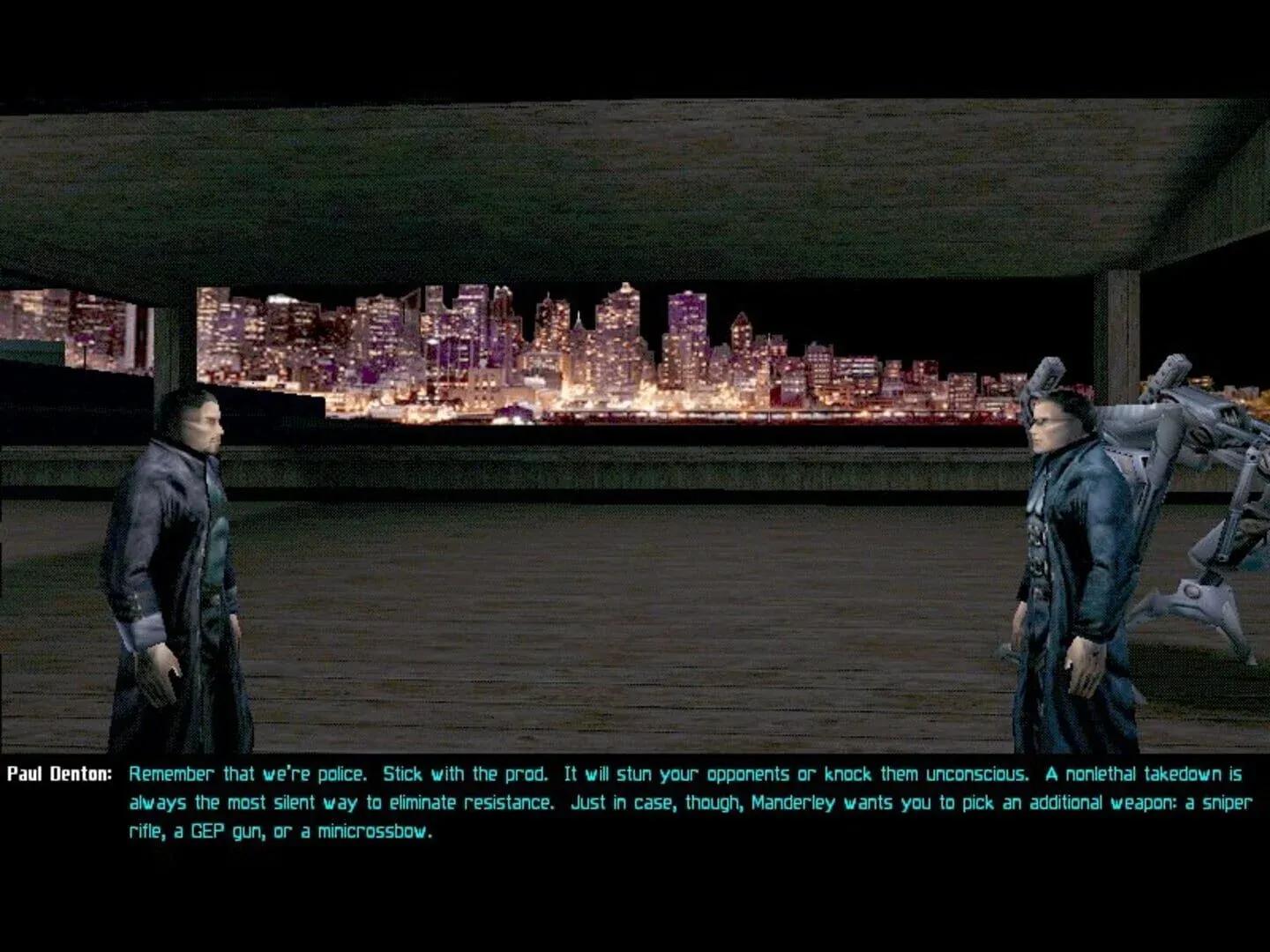
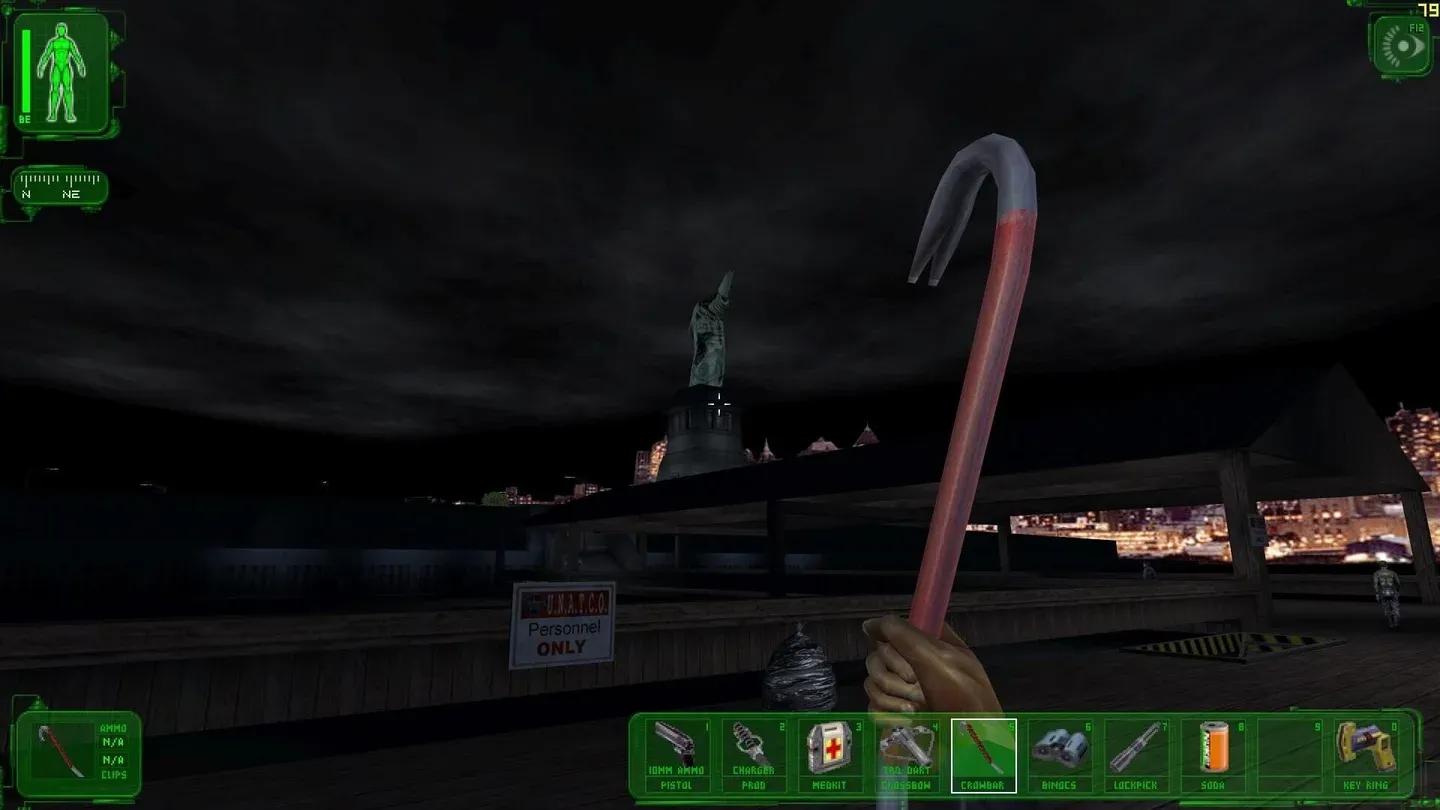
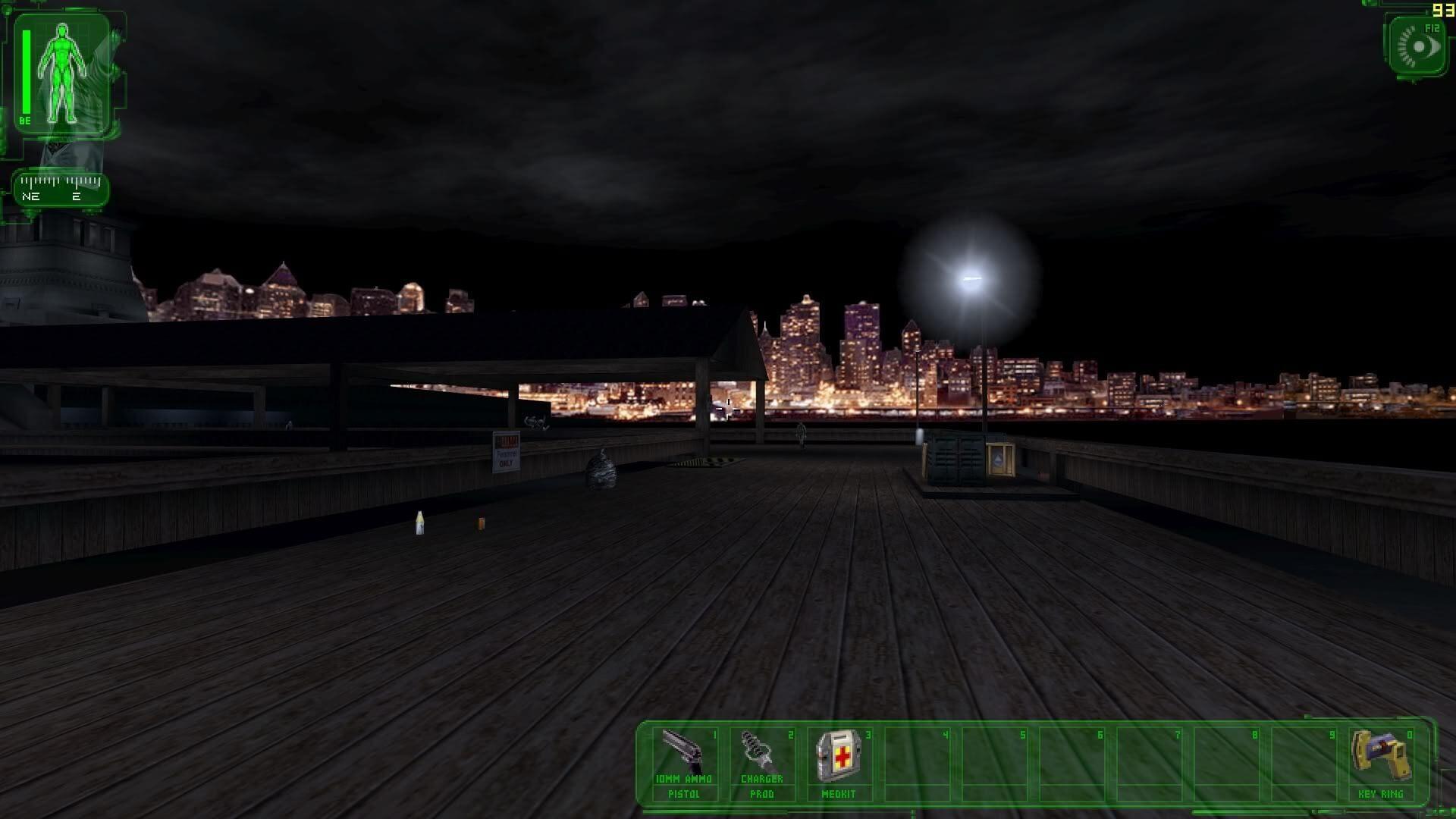
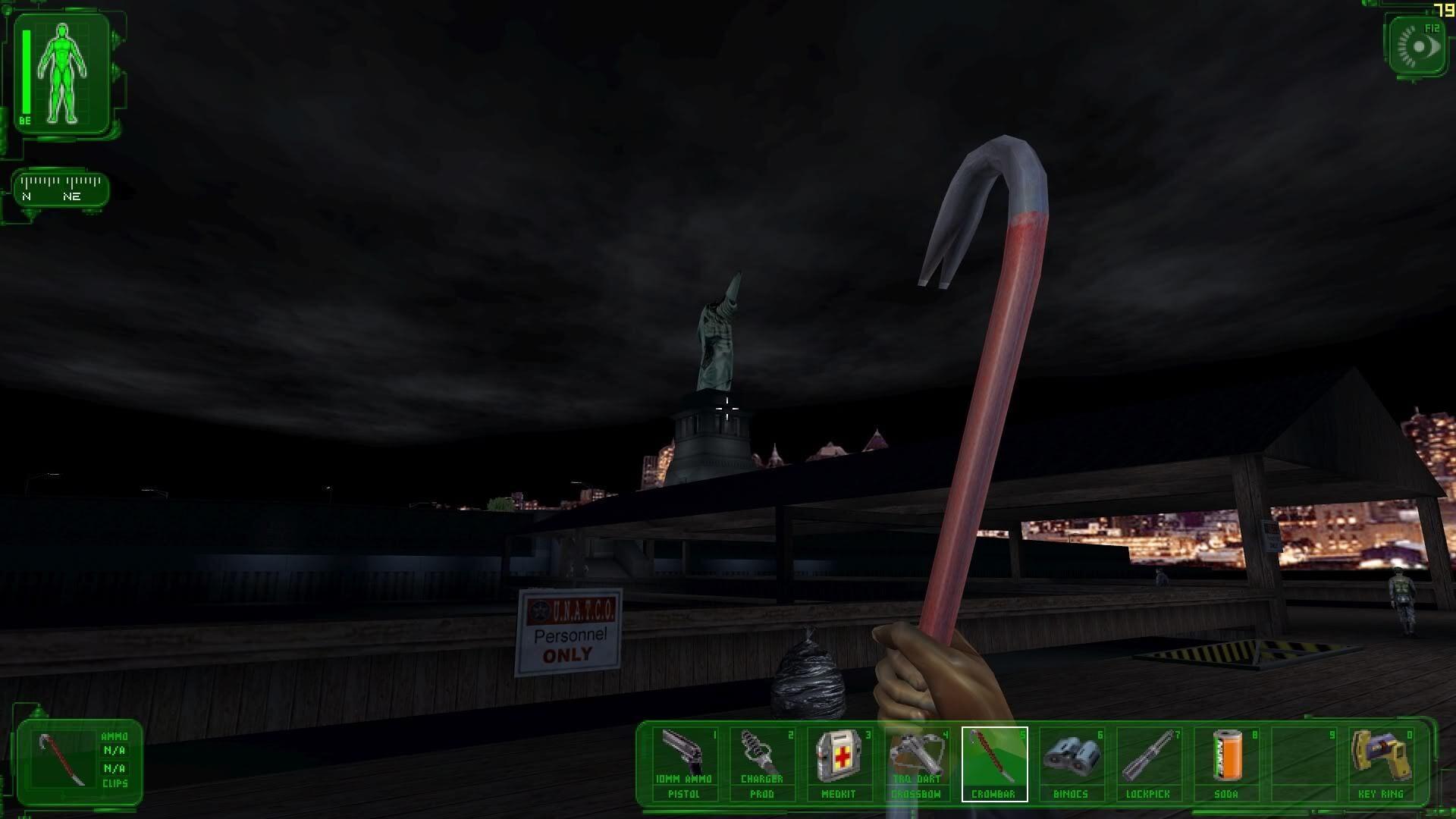
Deus Ex drops players into 2052, a world crumbling under the weight of a mysterious plague called the Gray Death and the political chaos surrounding the only vaccine that can treat it. JC Denton, a freshly deployed agent for UNATCO, starts out fighting terrorists on Liberty Island and ends up questioning whether the organization he works for is any better than the people he's hunting. Ion Storm, led by Warren Spector, built the game around a single design philosophy: let the player decide how to handle every situation.
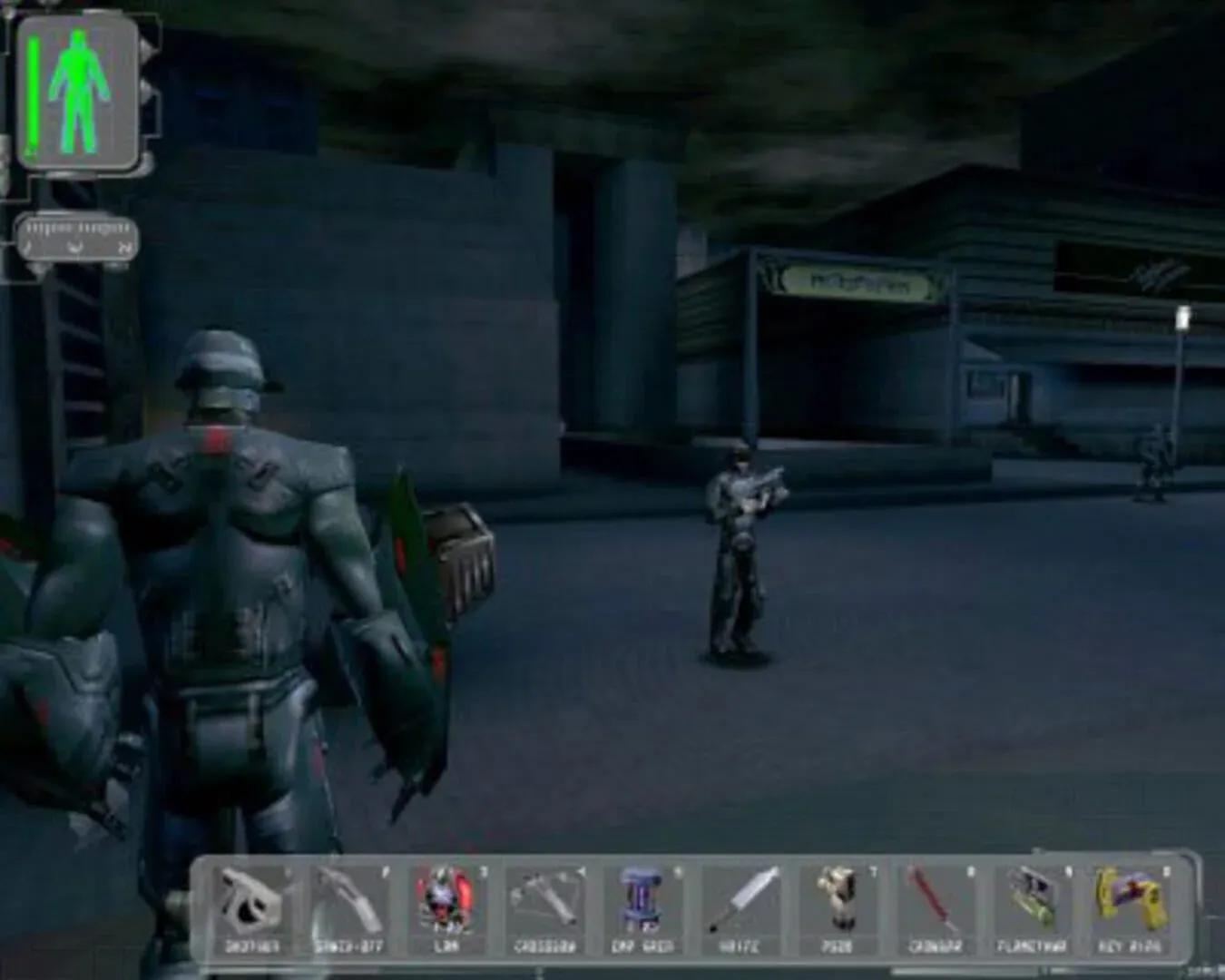
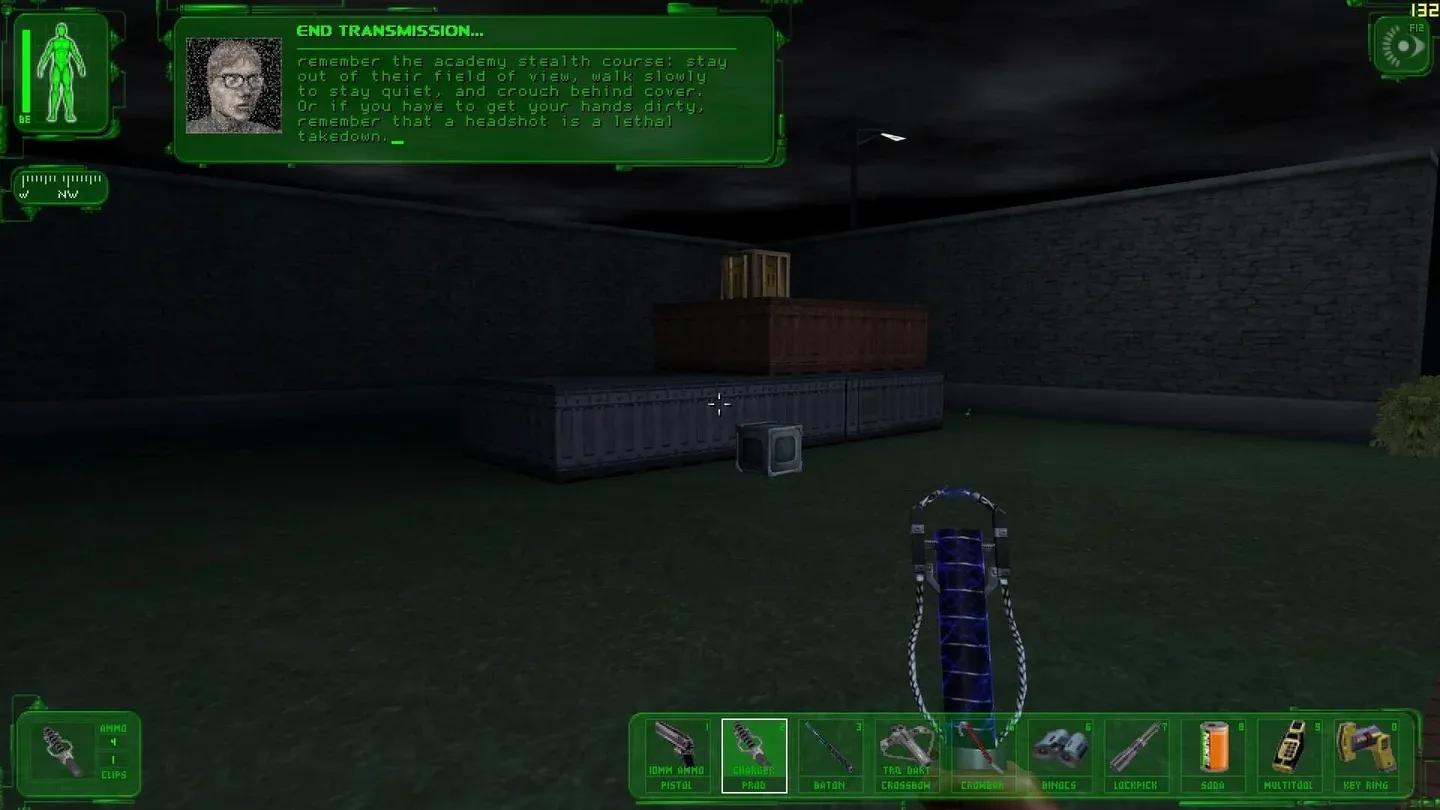
The game draws from immersive sim design principles, meaning the environment itself is the puzzle. Air vents, locked doors, security terminals, and patrolling guards are all problems with multiple valid answers. Shoot your way through, sneak past, hack the cameras, or talk your way around it. None of these approaches are wrong, and the game rarely punishes you for picking one over another.
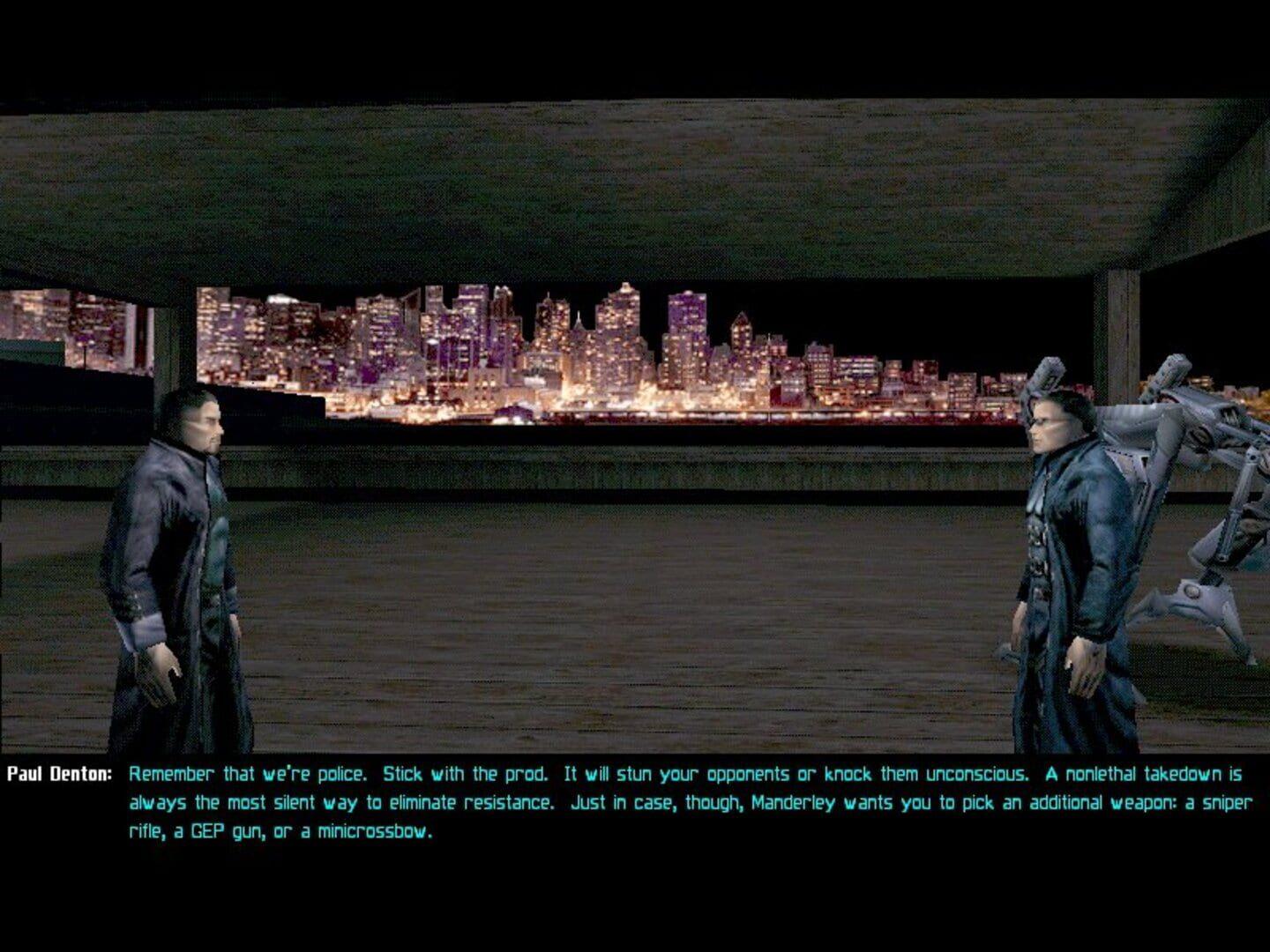
What makes Deus Ex hold up is that its systems have genuine depth. Skill points let you specialize in areas like computers, weapons, or lockpicking. Nano-augmentations, installed in specific body slots, give JC passive and active abilities ranging from thermal vision to bullet-time reflexes. The combination of skills and augs means two players can finish the same mission with completely different toolkits and barely overlap.
Gameplay and mechanics
The core loop in Deus Ex rewards preparation and experimentation. Key features that define the experience:
- Skill-based progression across weapons, tech, and stealth
- Nano-augmentations with slotted body-part customization
- Multi-path level design with environmental problem solving
- Branching dialogue that affects mission outcomes
- Non-lethal and lethal playstyle support throughout
Combat itself is deliberately imperfect at the start. Miss a shot and the bullet spread reminds you that JC is a person, not a video game avatar. As skills improve, accuracy tightens. It's a system that punishes players who treat Deus Ex like a standard shooter, which is exactly the point.
World and setting
The dystopian future Ion Storm built feels less like science fiction and more like a magnified version of real anxieties. Economic collapse, surveillance states, privatized medicine, and secret societies running governments from the shadows. The Gray Death plague and its controlled vaccine supply sit at the center of everything, and the conspiracy JC uncovers connects the NSF terrorists, a shadowy global elite, and organizations that predate modern governments.
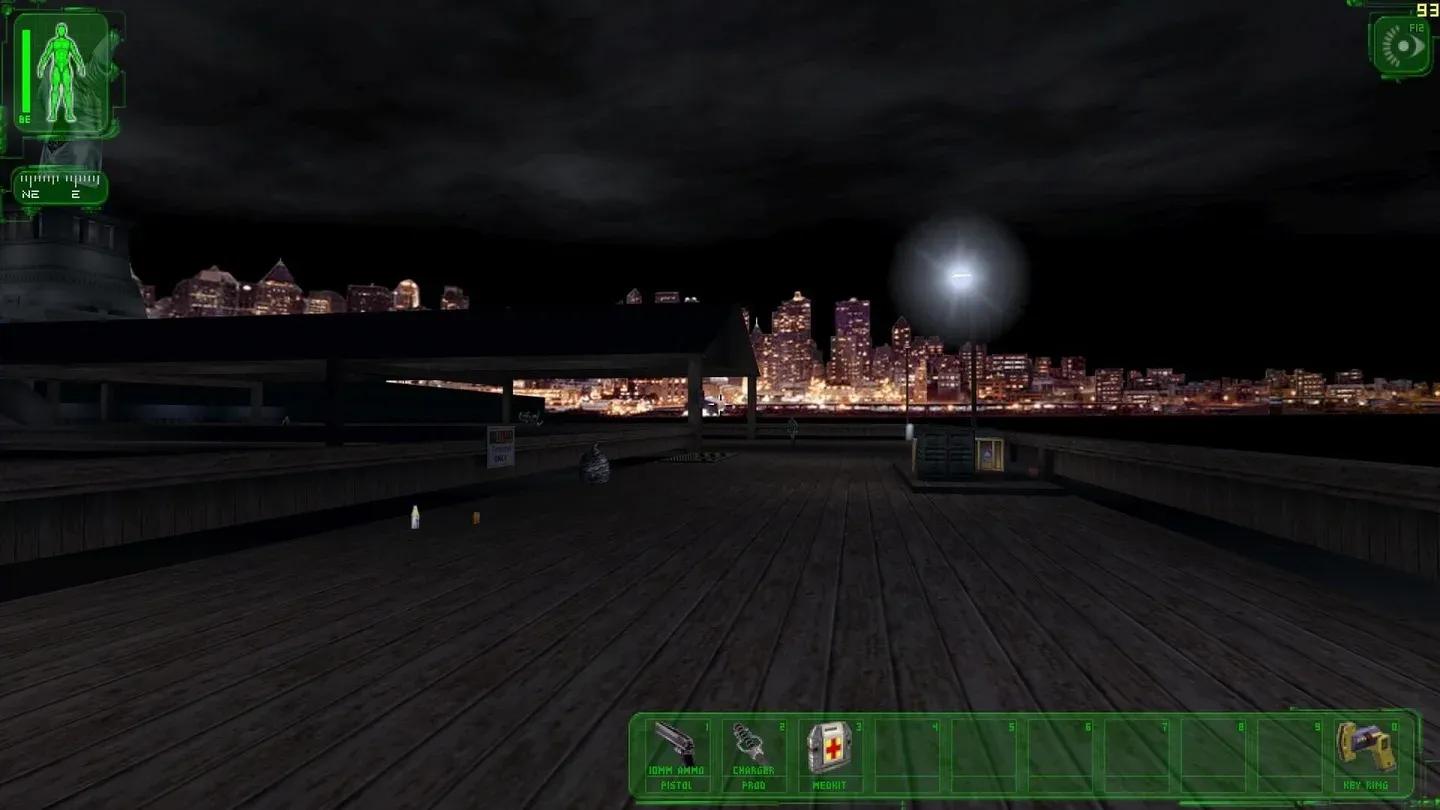
Locations range from the streets of a flooded New York City to Hong Kong back alleys and a Paris under curfew. Each area is dense with readable text, overheard conversations, and environmental storytelling. The world rewards players who read every email on every terminal and talk to every NPC twice.
Impact and legacy
Deus Ex won multiple Game of the Year awards in 2000 and is regularly cited as one of the most influential PC games ever made. It effectively defined what the immersive sim genre could be, setting a template that games like Dishonored and Prey have built on in the decades since. The RPG mechanics layered onto a first-person action framework proved that the two genres didn't need to compromise each other.
The game runs on PC and macOS, and its age hasn't diminished what it offers. The writing is sharp, the conspiracy gets genuinely strange in the best way, and the freedom to approach every encounter on your own terms still feels rare. For anyone interested in narrative-driven RPG games with real systemic depth, Deus Ex remains the standard against which others get measured.