
Advertisement

Overview
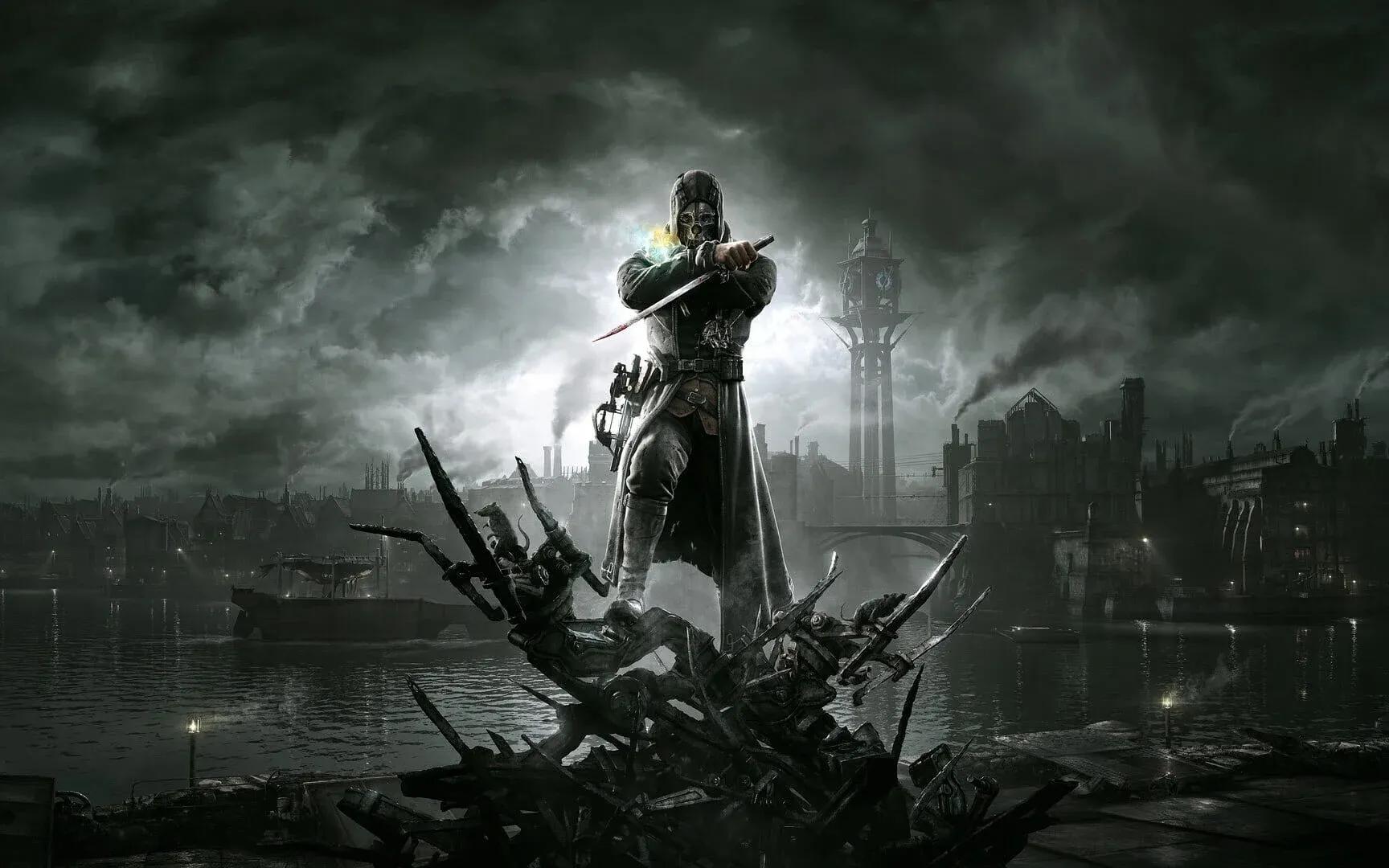
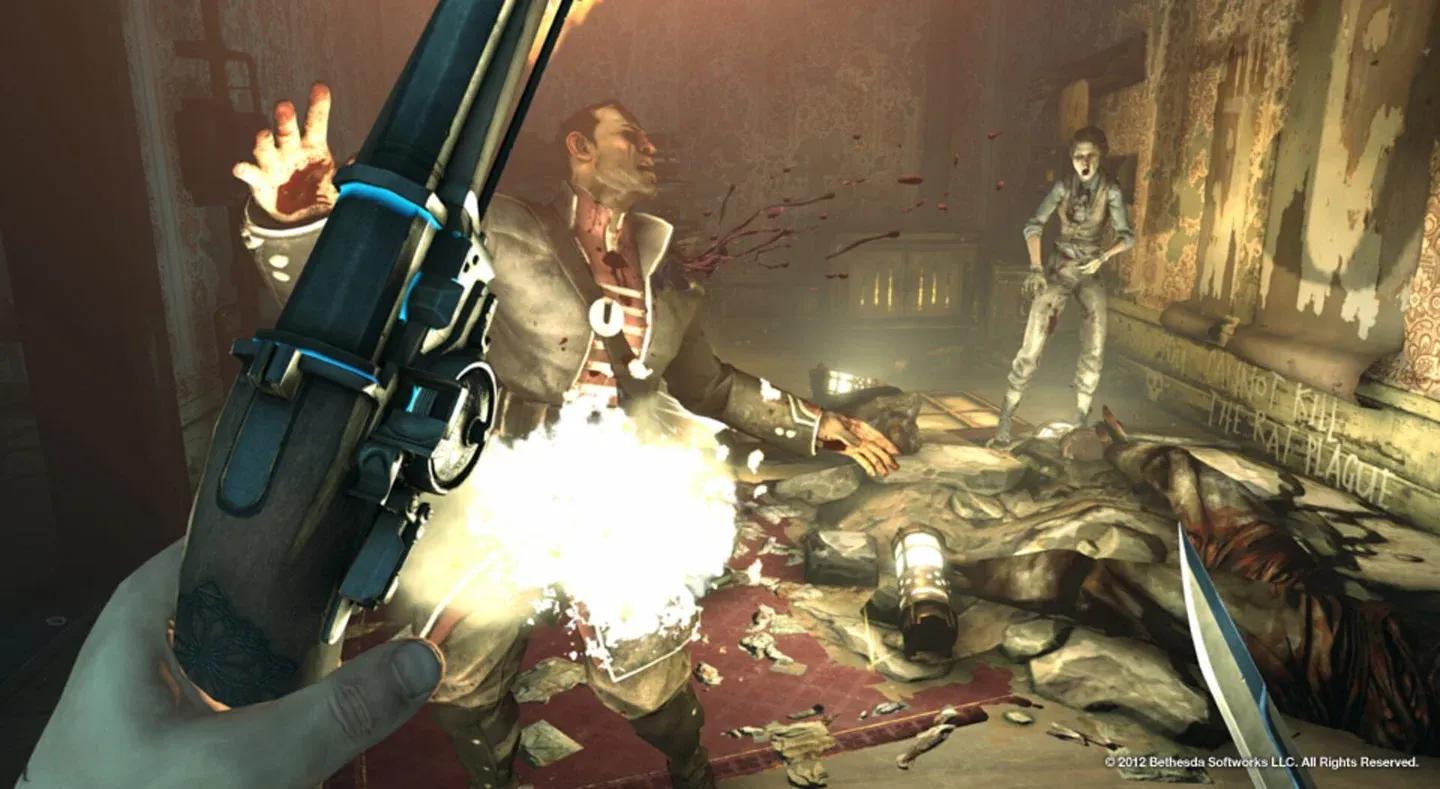
Released in October 2012, Dishonored arrived as one of the most original first-person action games in years. Developed by Arkane Studios and published by Bethesda Softworks, it drops players into Dunwall, a city rotting from the inside out. Plague runs through the streets, a corrupt government tightens its grip, and you play as Corvo Attano, the Empress's bodyguard framed for her murder and left to rot in a cell.
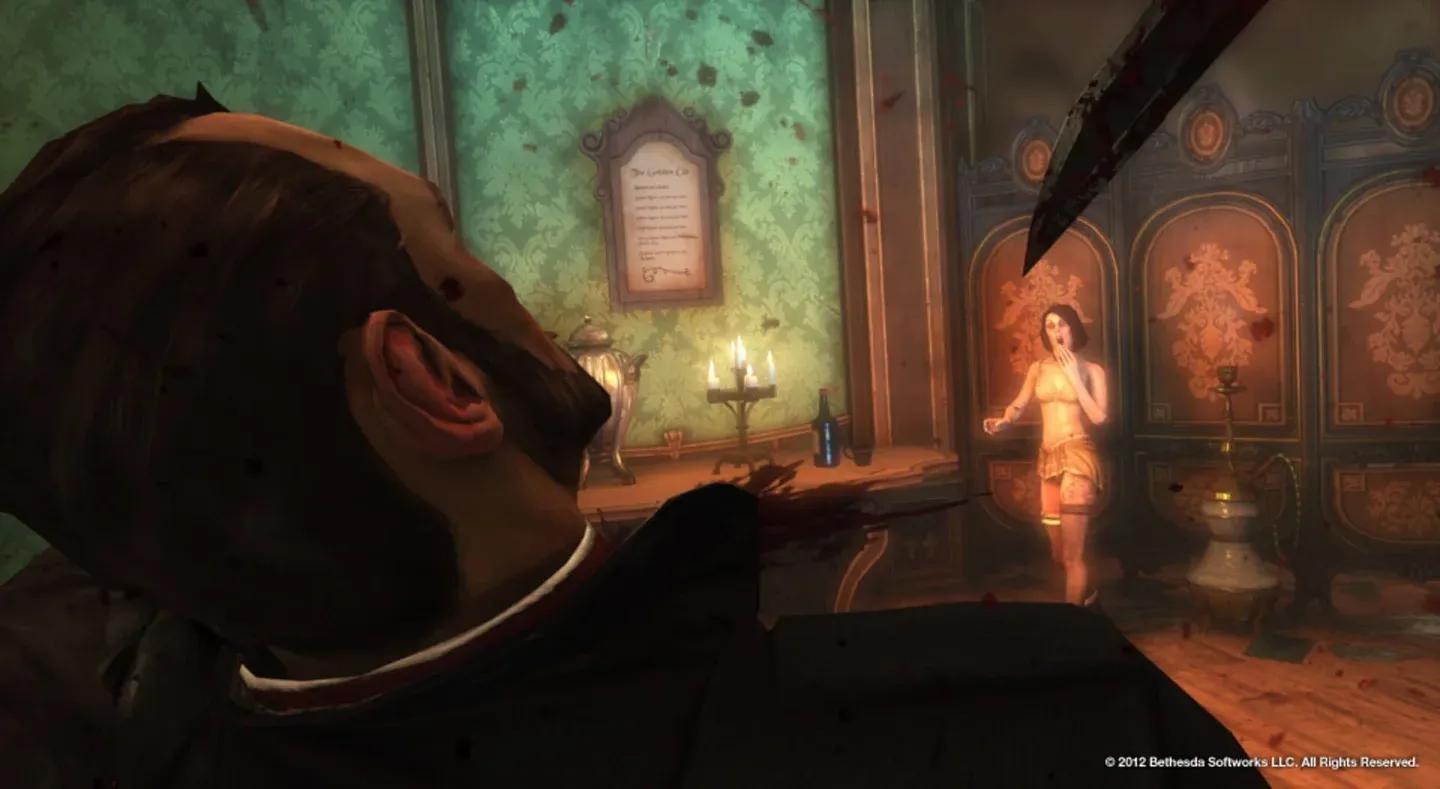
The setup is a classic revenge story, but what Dishonored actually delivers is a systems-driven sandbox disguised as a linear mission game. Each level is a self-contained puzzle with multiple solutions, and the game tracks your violence closely. Kill too many people and Dunwall grows darker, rat swarms multiply, and the world reflects the chaos you caused. Spare your enemies and the city holds a faint, grim hope.
Gameplay and mechanics
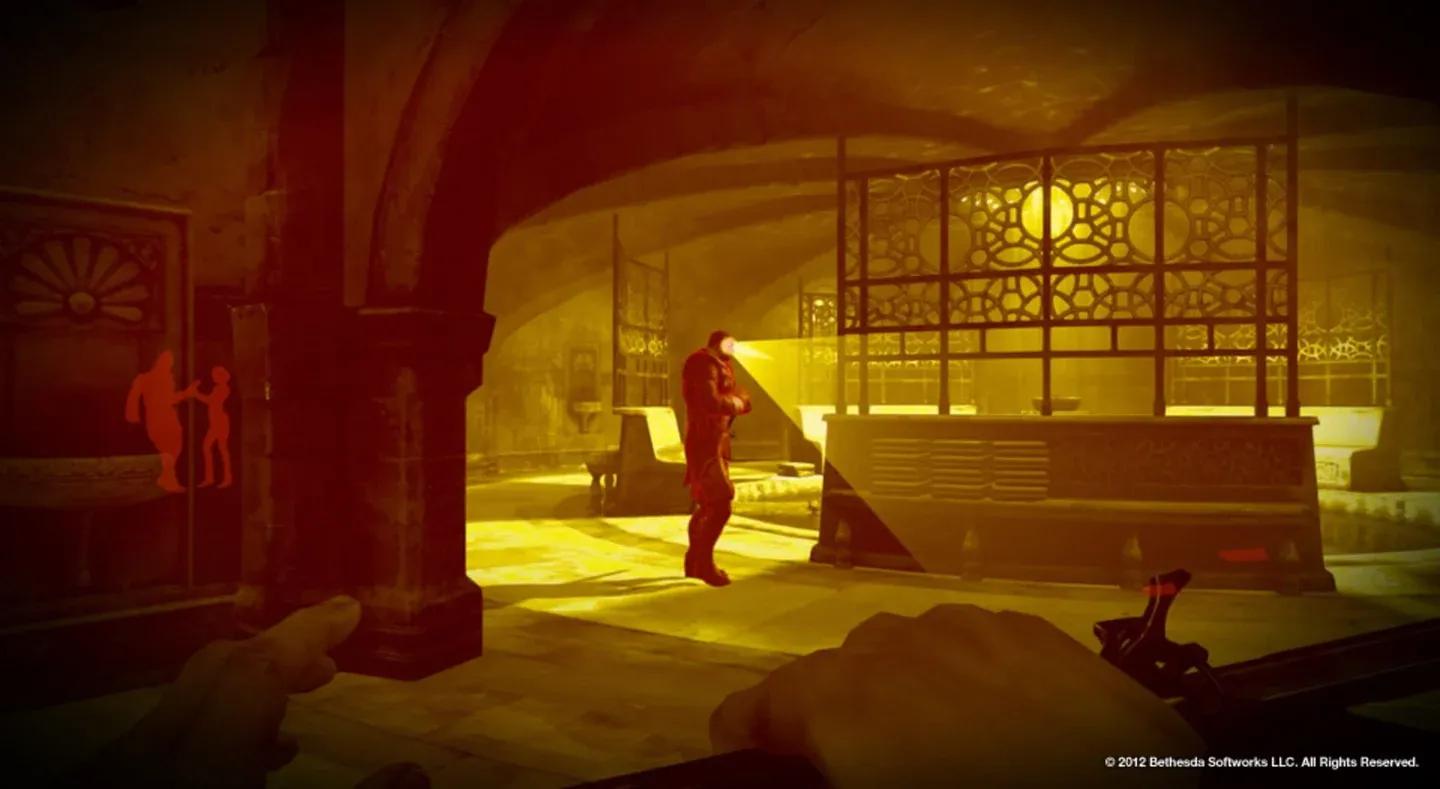
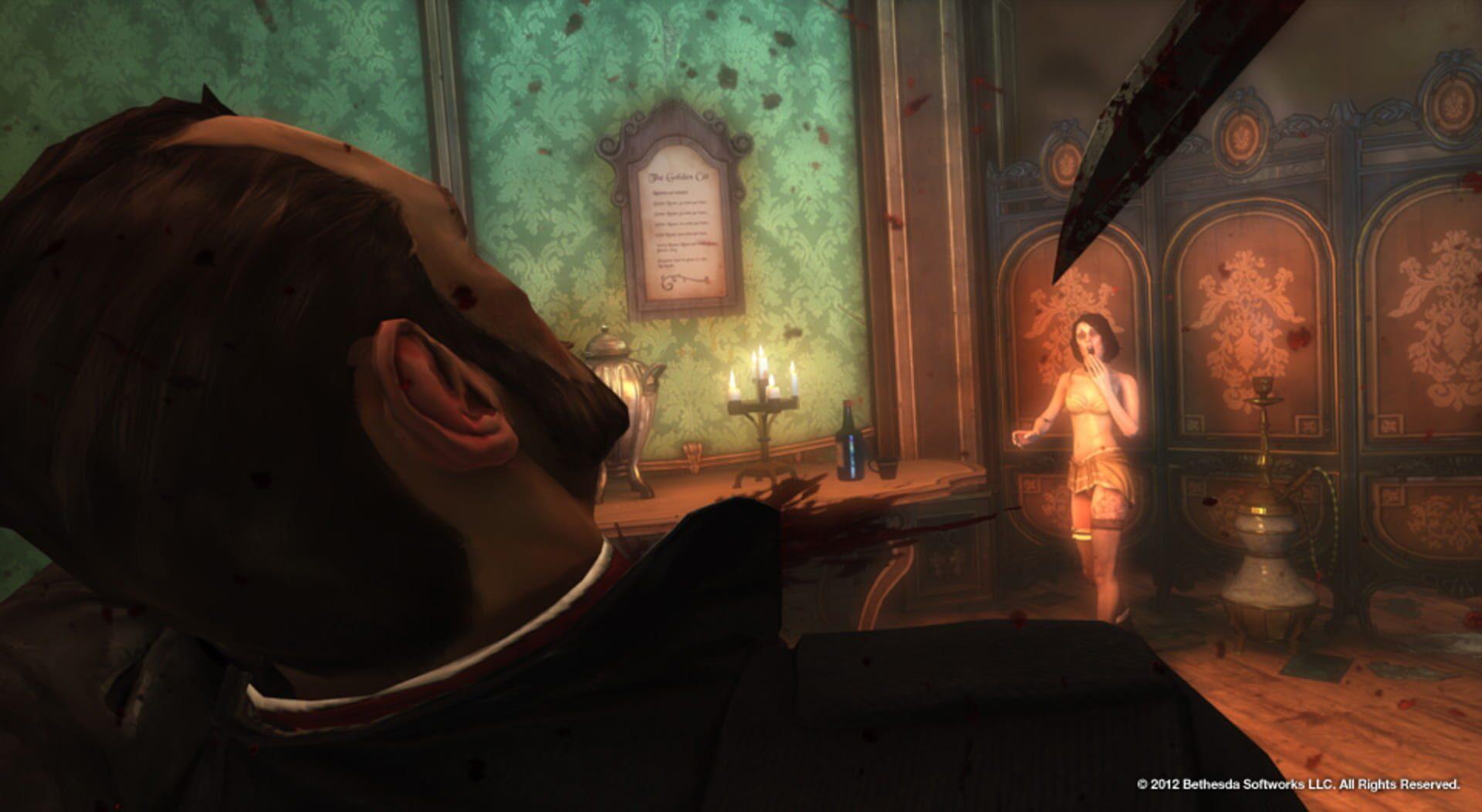
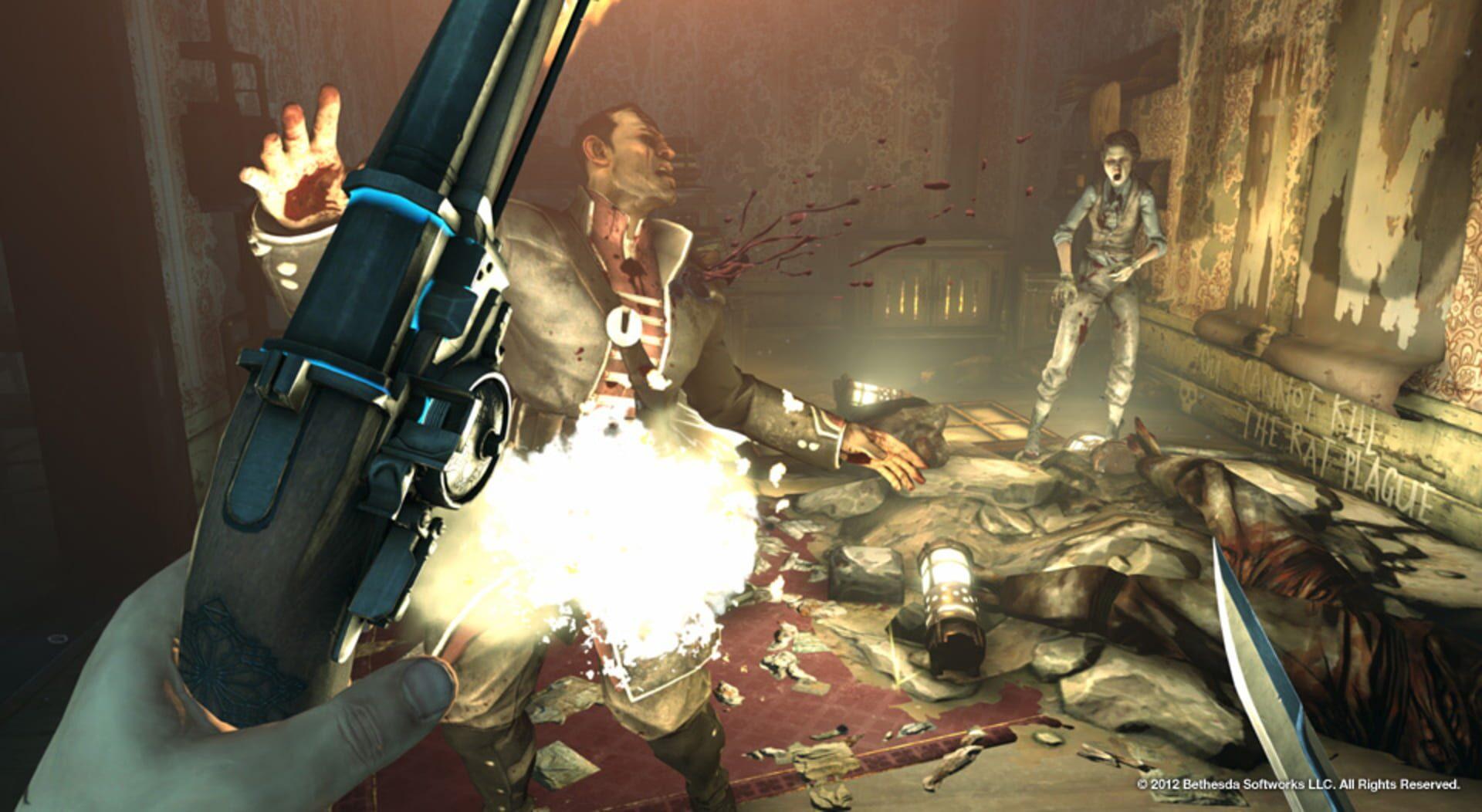
Dishonored's combat system is built around flexibility, and that word earns its place here. Corvo has access to a sword, a pistol, crossbow bolts, grenades, and a collection of supernatural powers granted by a mysterious figure called the Outsider. The core abilities include:
- Blink, a short-range teleport for traversal and escape
- Possession, letting Corvo inhabit animals or humans
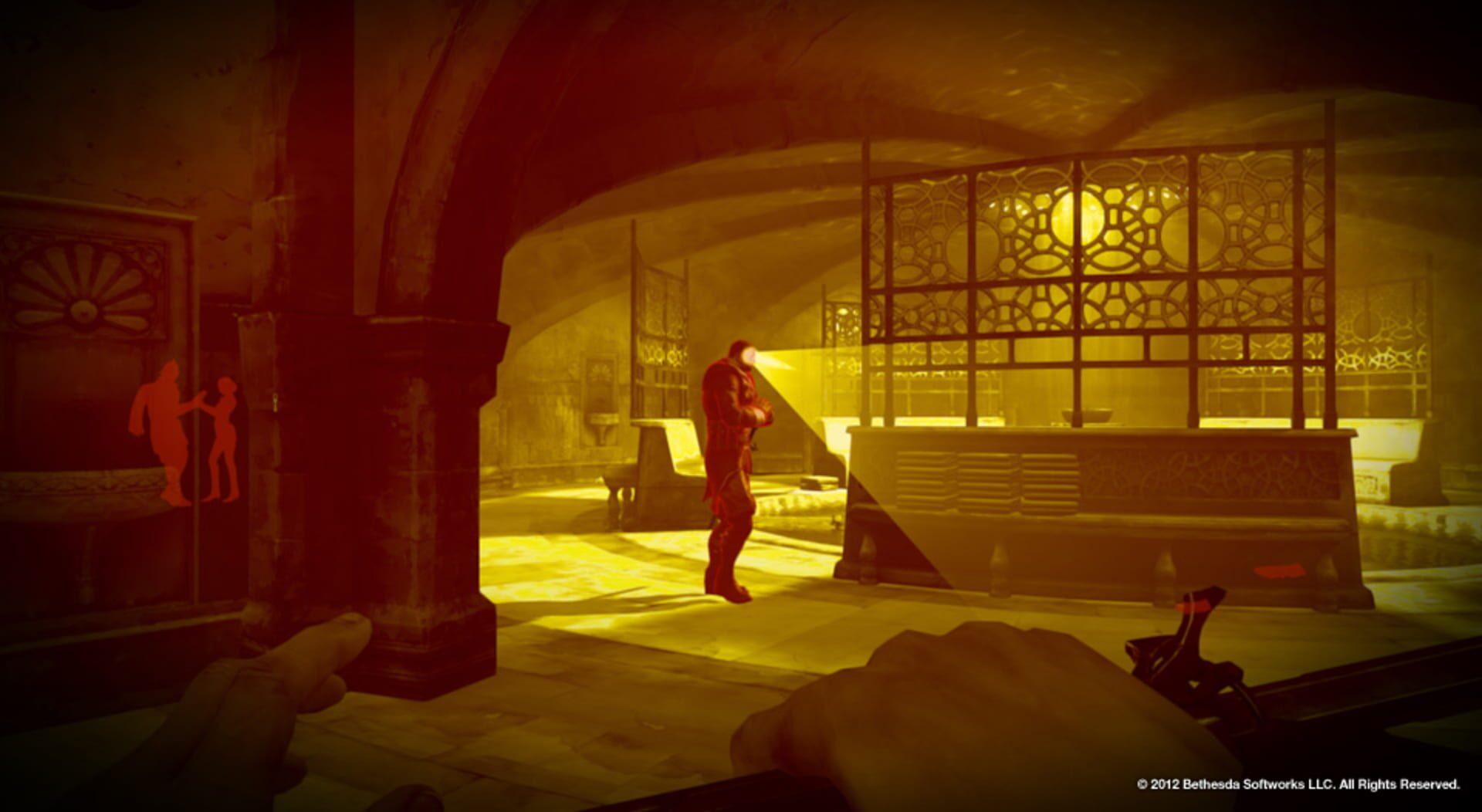
- Dark Vision, which reveals enemies through walls
- Windblast, a force push that staggers or kills
- Time Bend, which slows the world to a crawl
These powers stack and combine in ways the game actively encourages. Possess a fish to swim past a sea wall, blink onto a rooftop, slow time to line up a non-lethal dart, and drop into a room without a soul noticing. Or walk through the front door and stab everyone. Both approaches are fully supported.
World and setting
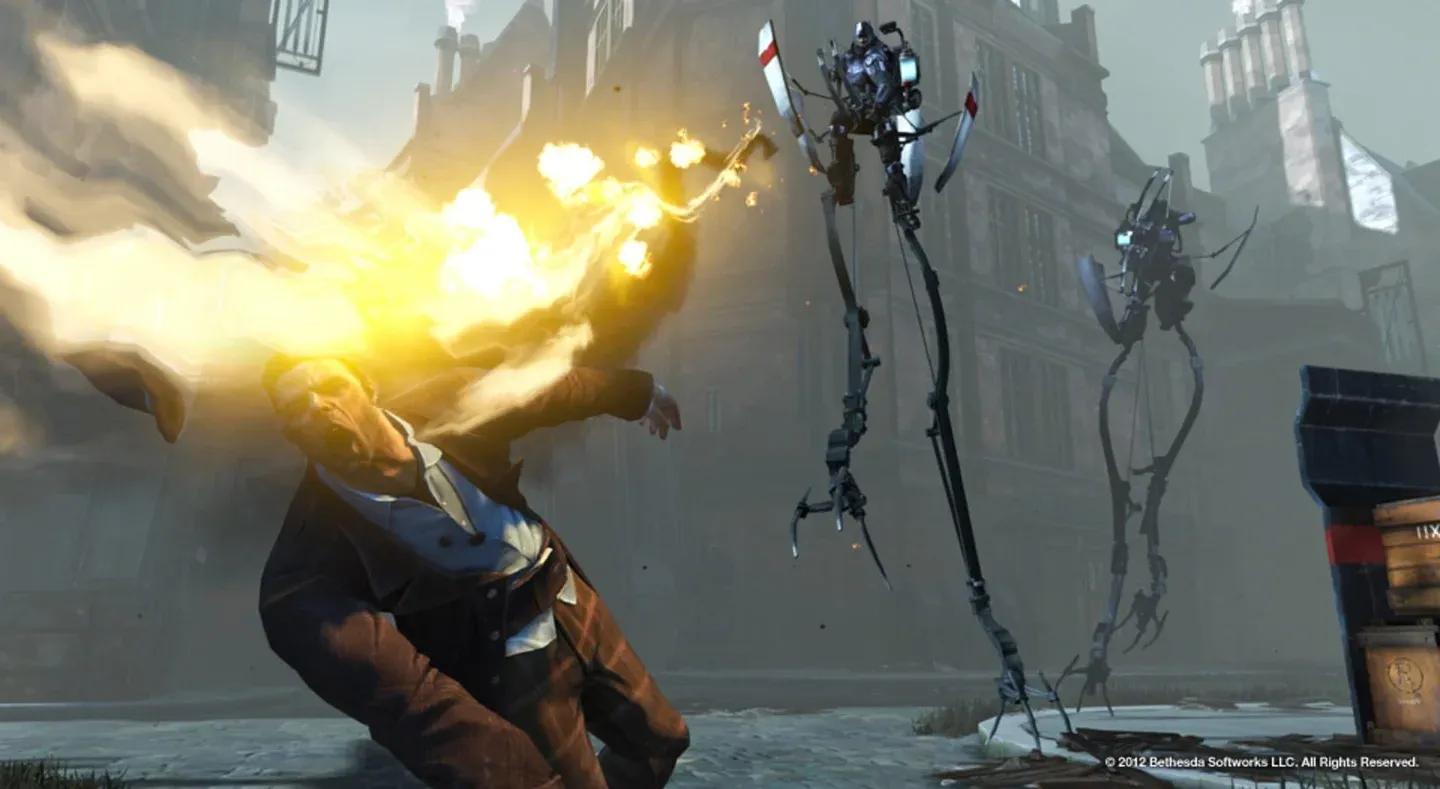
Dunwall is one of the most convincing fictional cities in action gaming. Its aesthetic pulls from Victorian London and early 20th-century industrial ports, filtered through a steampunk sensibility that feels coherent rather than decorative. Whale oil powers the city's technology. The streets are patrolled by Tall Boys, stilted mechanical guards that loom over the alleyways. The plague has created zones of quarantine and collapse that make even routine navigation feel tense.
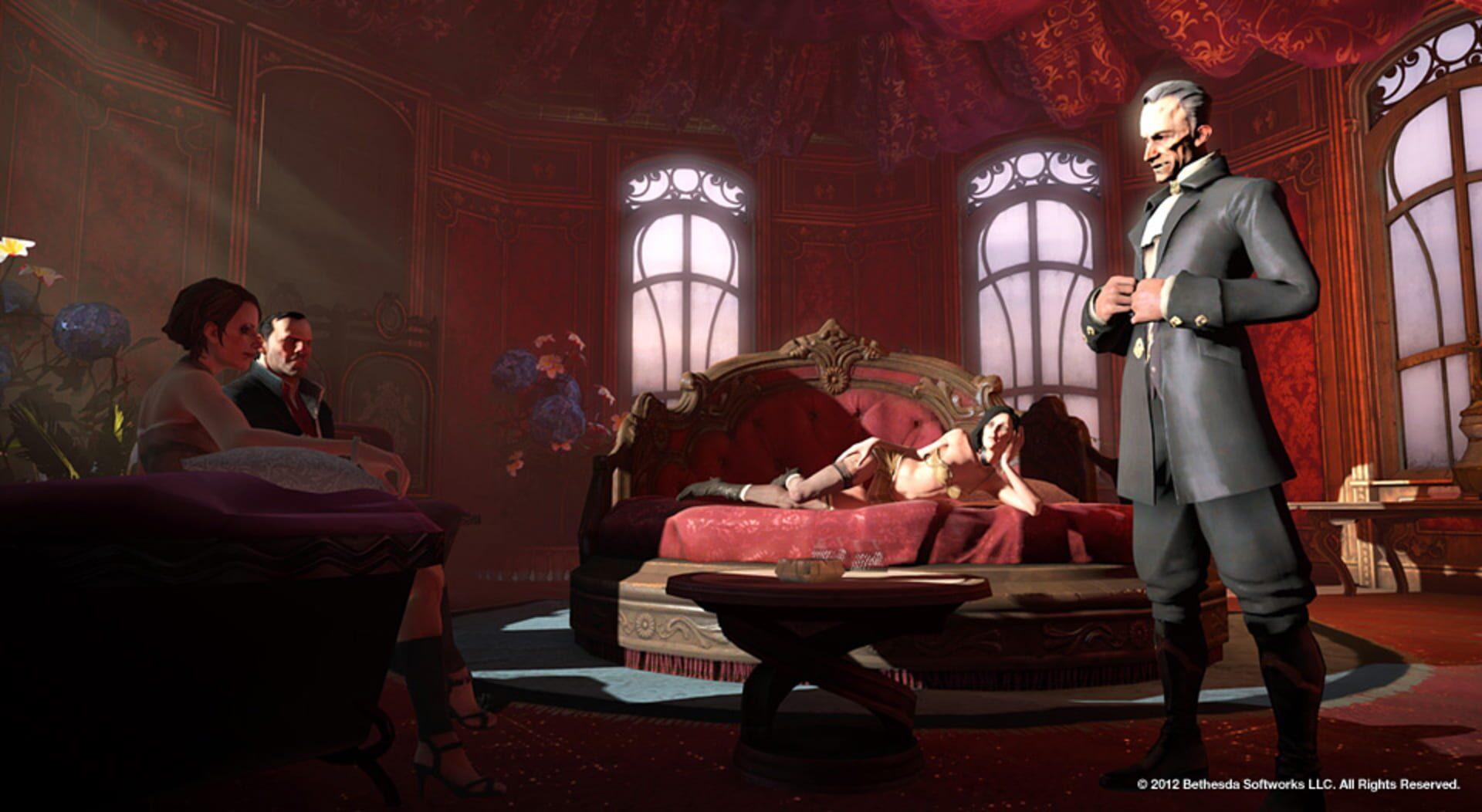
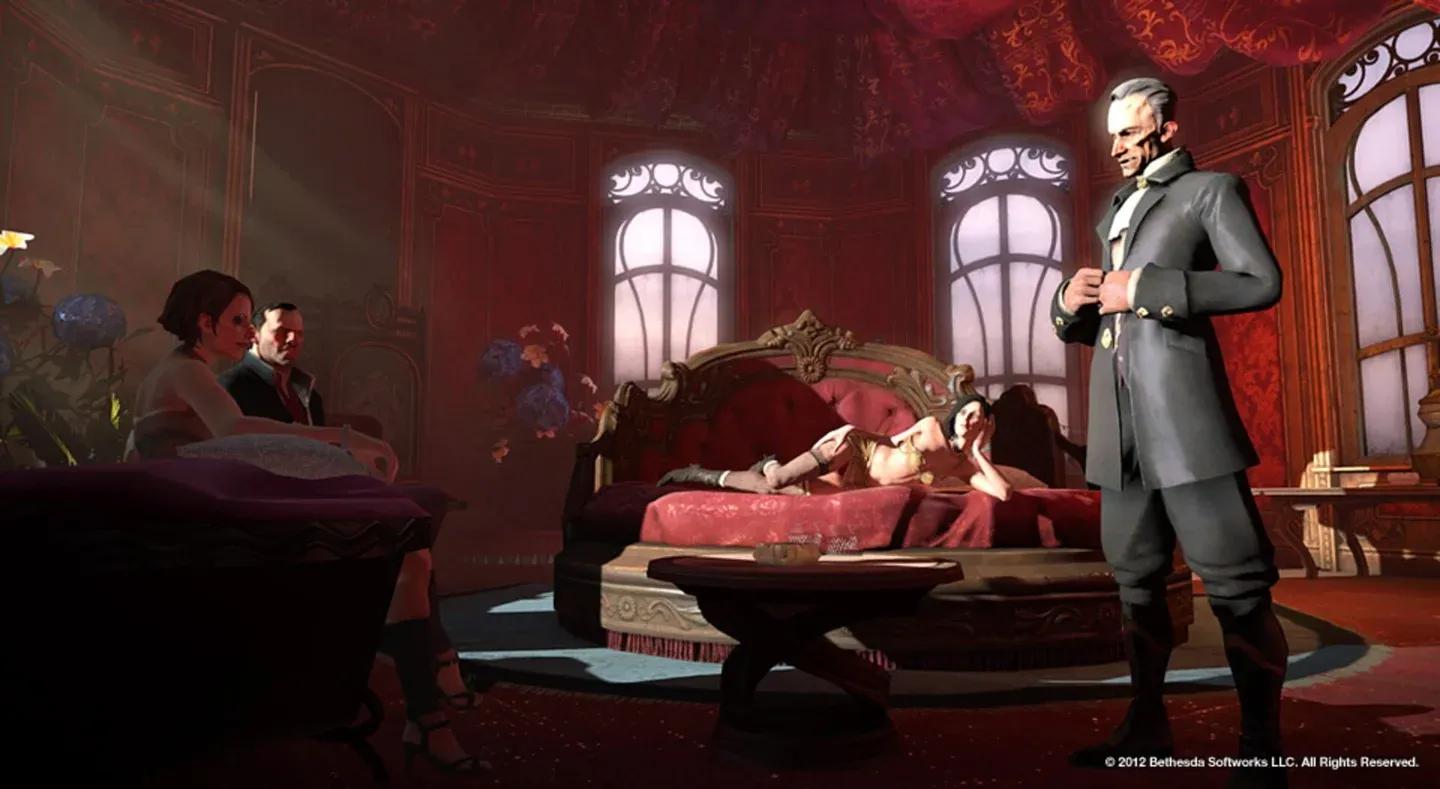
The writing holds up. Collectible journals, overheard conversations, and environmental details fill in Dunwall's history without front-loading exposition. Characters like Piero Joplin, the Loyalists' paranoid engineer, feel like people with their own agendas rather than quest dispensers.
Does player choice actually change the game?
Yes, in measurable ways. Dishonored's chaos system tracks kills across every mission. High chaos increases enemy patrol density, raises the number of weepers (plague victims) in the streets, and shifts dialogue from supporting characters who begin to question whether Corvo is worth protecting. Two different endings reflect whether the city was saved or further destroyed by your approach.
The non-lethal options are genuinely creative rather than a pacifist tax. One mission lets you manipulate a target's own allies into disposing of him. Another involves a public duel that can be won without a fatal blow. These solutions require more effort than simply drawing the sword, which makes choosing restraint feel like a real decision rather than a difficulty setting.
Impact and legacy
Dishonored won over 100 Game of the Year awards in 2012, a number that reflects how much it stood out in a year crowded with big releases. Its influence on the immersive sim genre is visible in games that followed, and Arkane built directly on its foundation with Dishonored 2 and Prey. The original game remains the clearest expression of the studio's design philosophy: give players a dense, reactive space and trust them to find their own path through it. That philosophy has aged better than most.