Overview
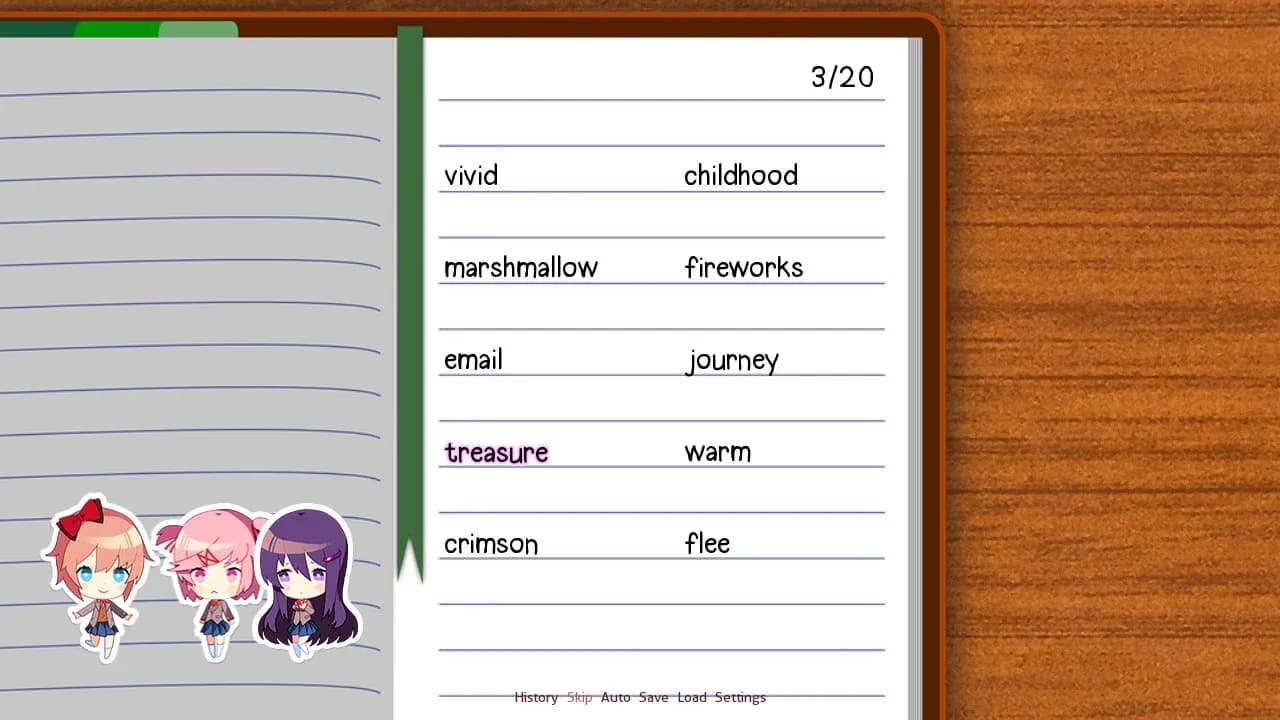
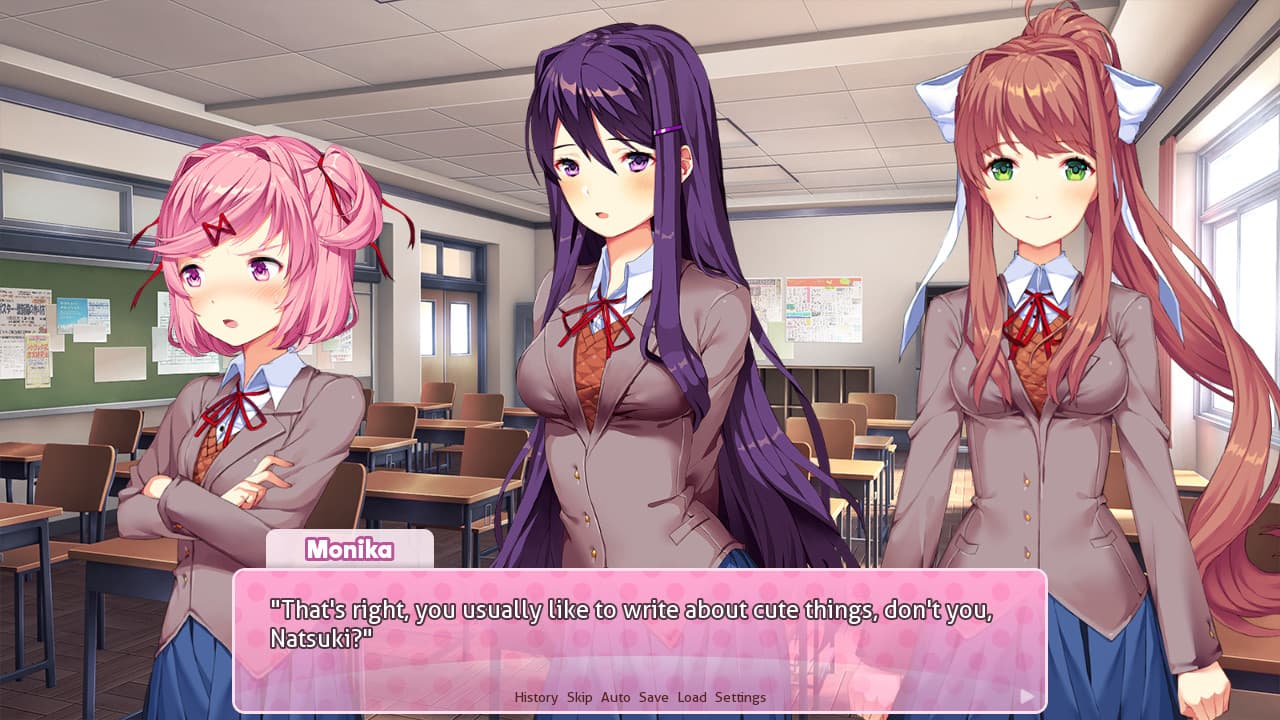
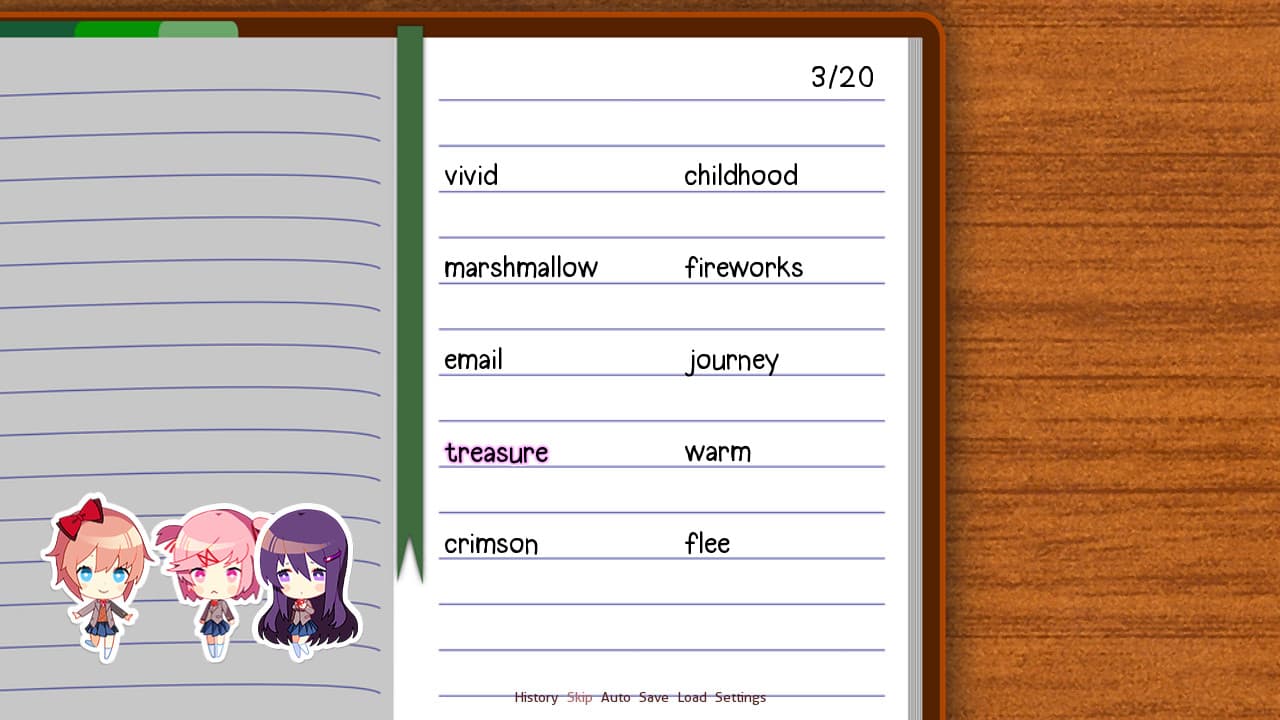
Doki Doki Literature Club! launched on Steam in October 2017 as a free-to-play visual novel from solo developer Dan Salvato under the Team Salvato label. On the surface, it presents exactly what the name suggests: a school-based literature club with four distinct female characters, light romance routes, and a poem-writing mechanic where players select words to appeal to specific club members. The game carries a content warning for a reason, and that warning is not decoration.
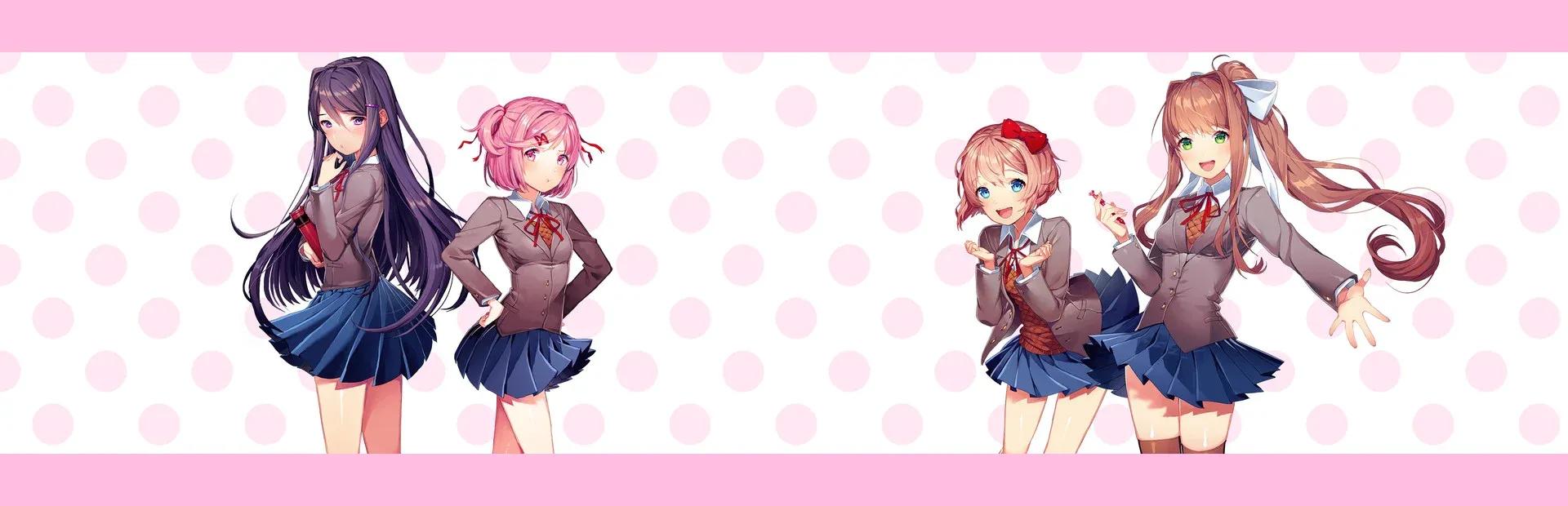
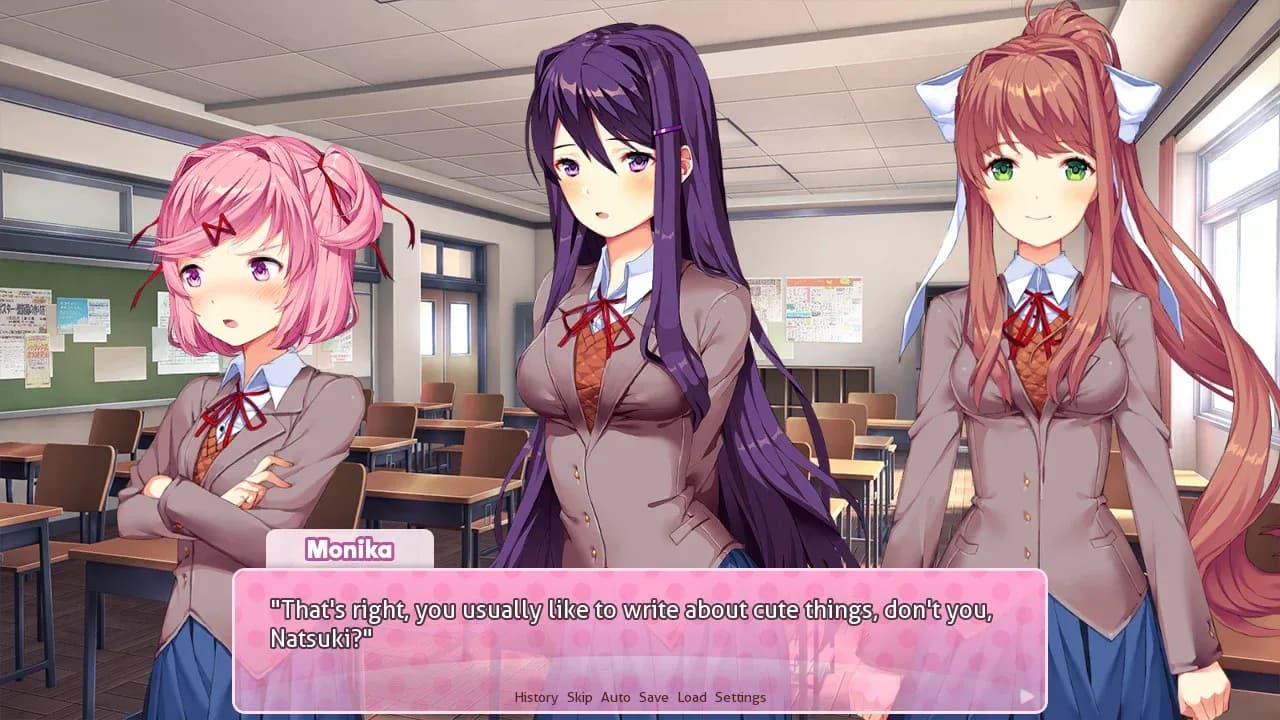
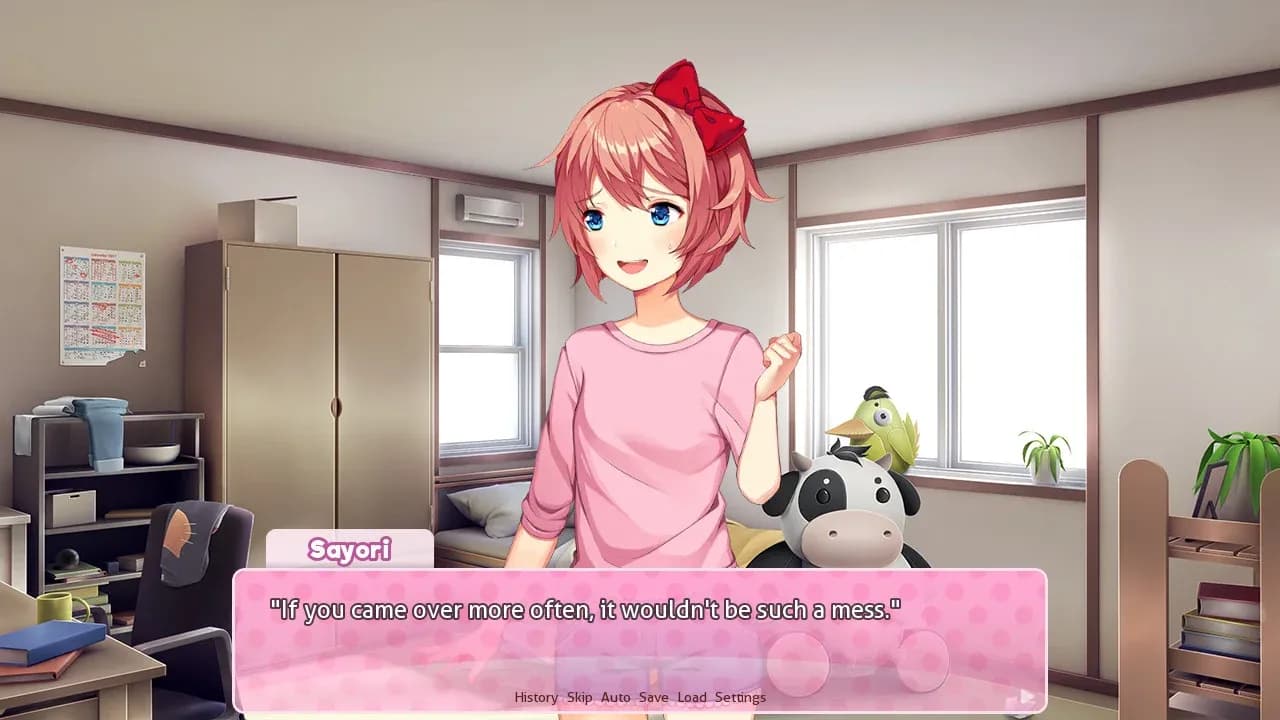
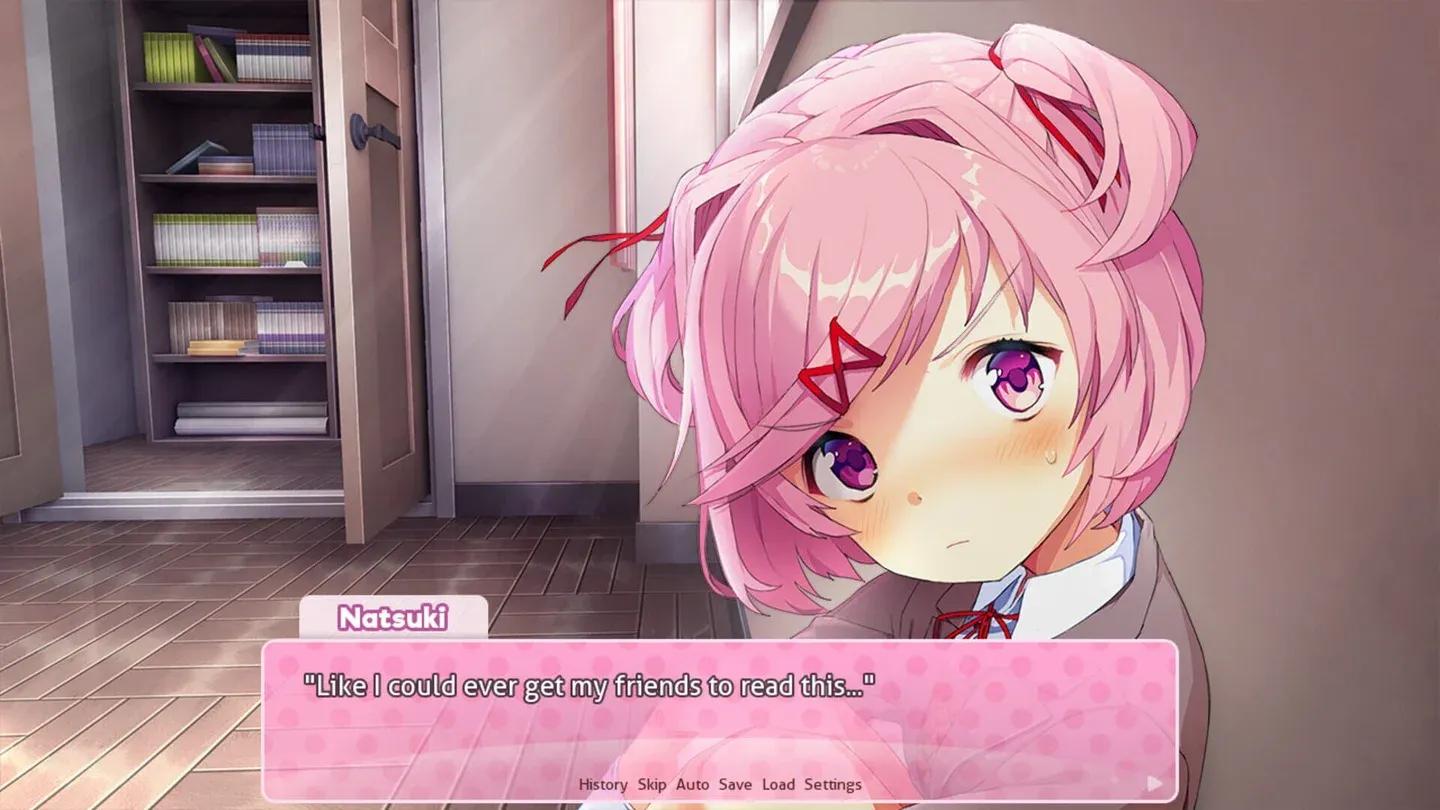
The premise is straightforward enough. You join the after-school literature club at the invitation of your childhood friend Sayori, meet the sharp-tongued Natsuki, the quiet and book-obsessed Yuri, and club president Monika. Each character has a clearly defined personality archetype pulled straight from the dating sim playbook. That familiarity is the point. The game spends its first act building genuine attachment to these characters before pulling the floor out entirely.
What kind of game is Doki Doki Literature Club! really?
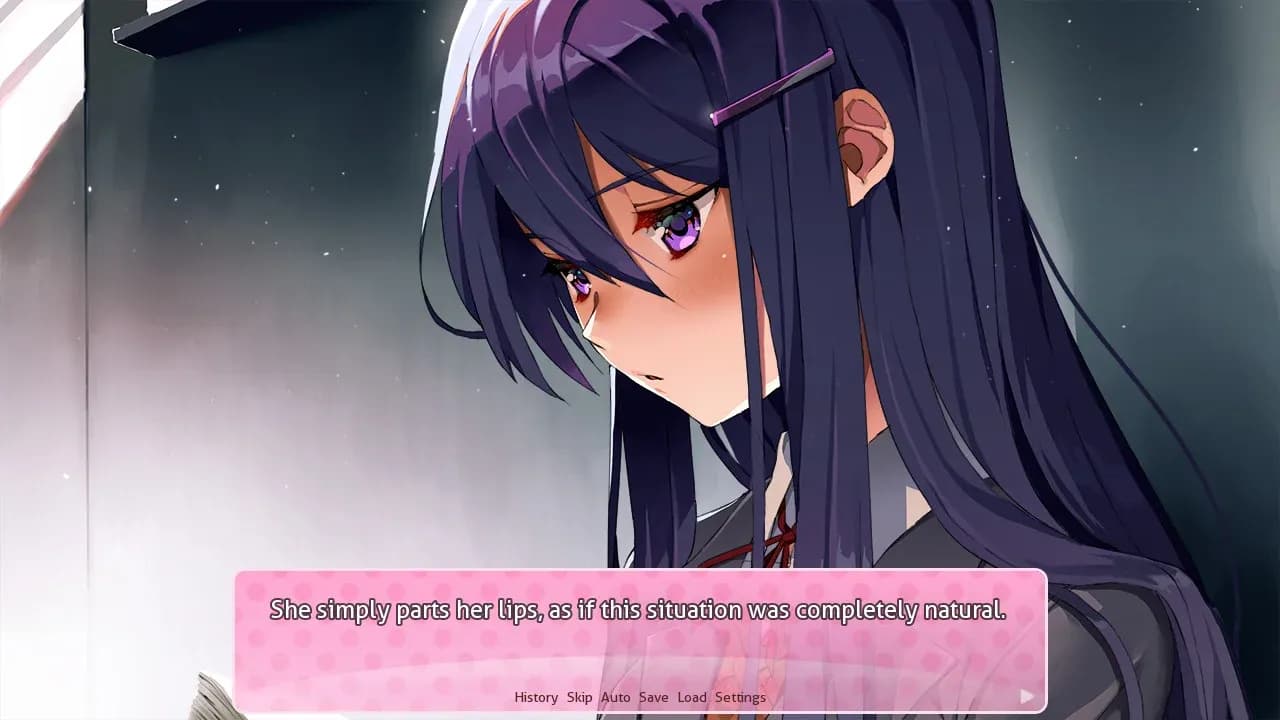
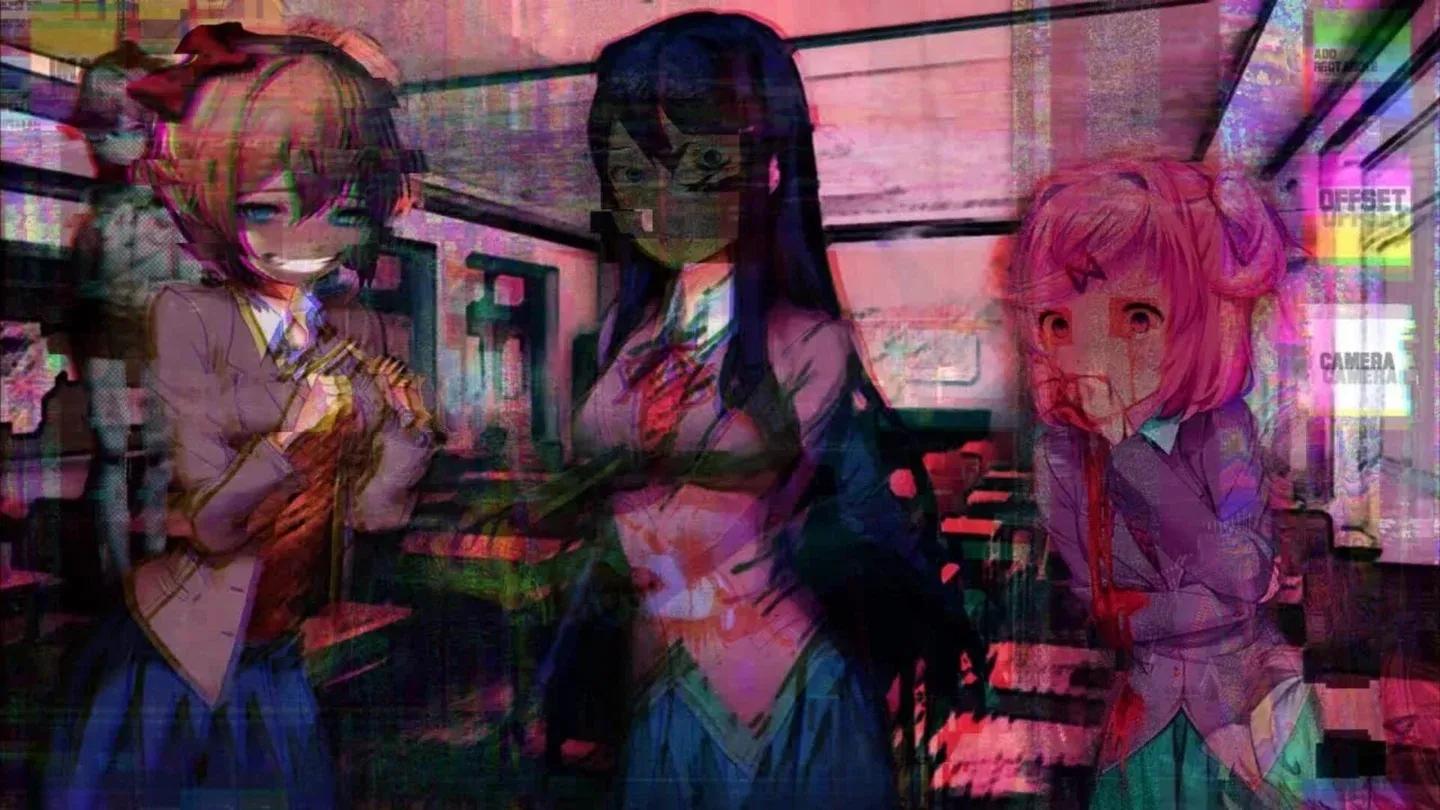
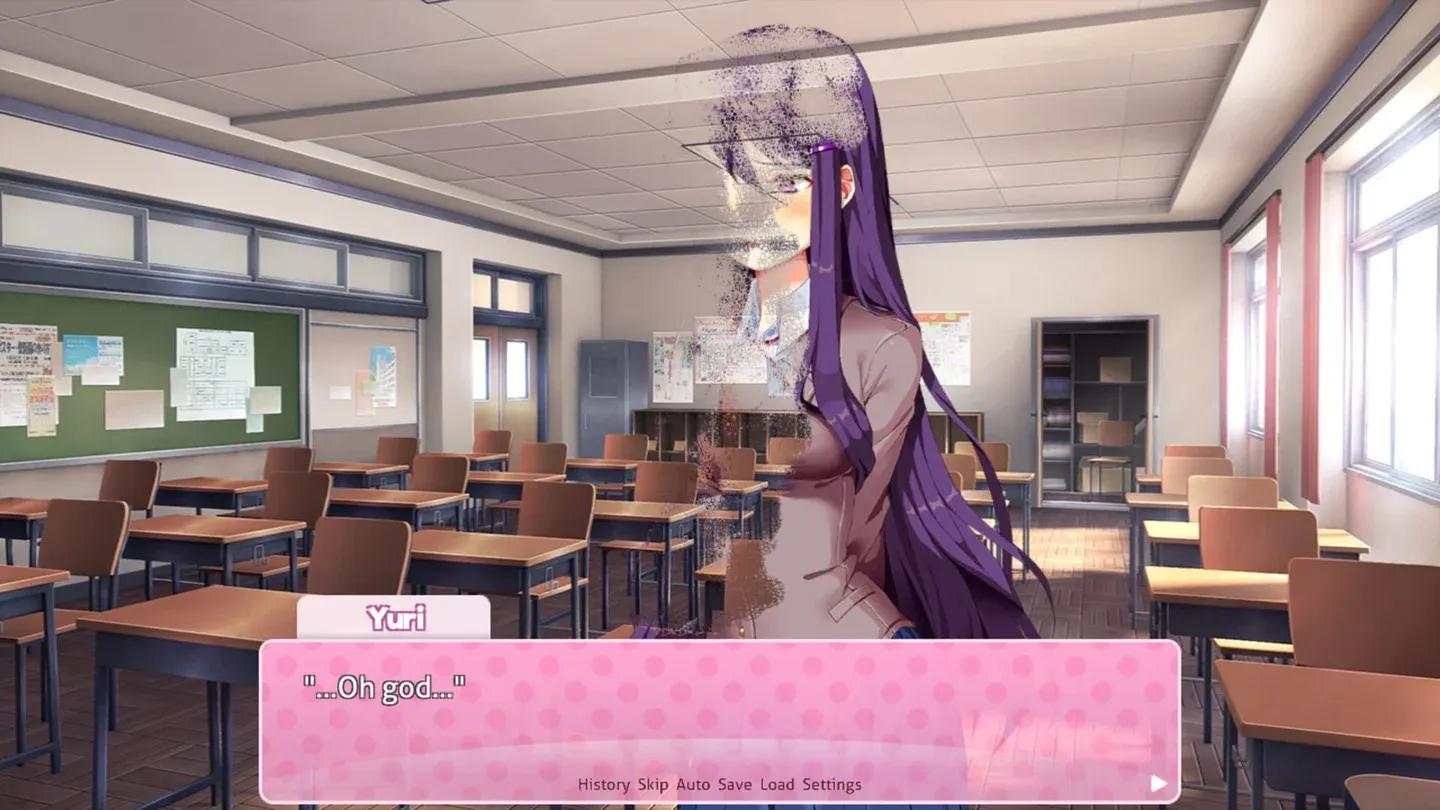
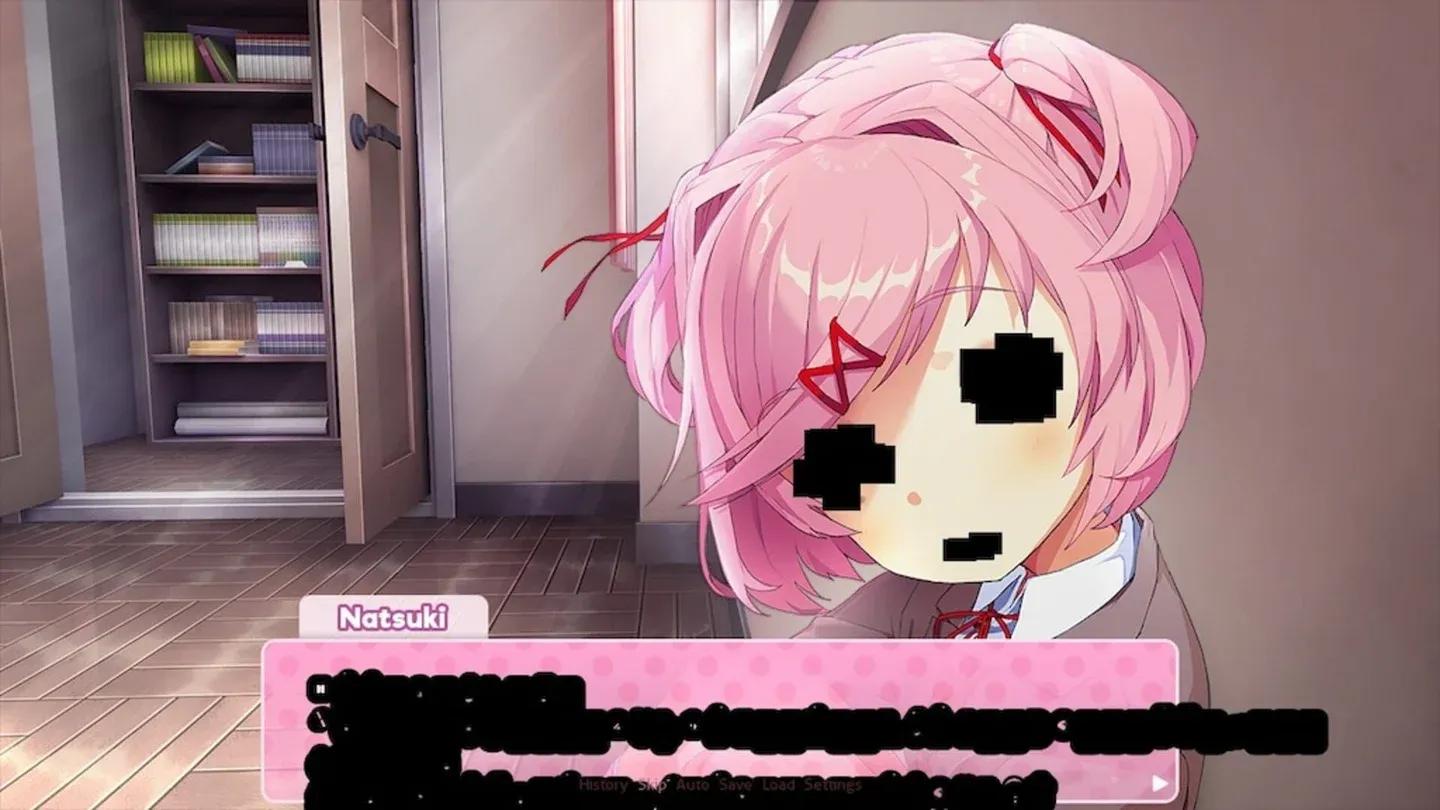
The honest answer: it's a psychological horror game wearing a dating sim costume. The visual novel format, typically a low-stakes genre built around choice and character affinity, becomes the mechanism for something far more unsettling. DDLC manipulates save files, breaks the fourth wall in ways that feel genuinely invasive, and has characters who appear to become aware they exist inside a game. The horror here is not jump scares. It's dread.
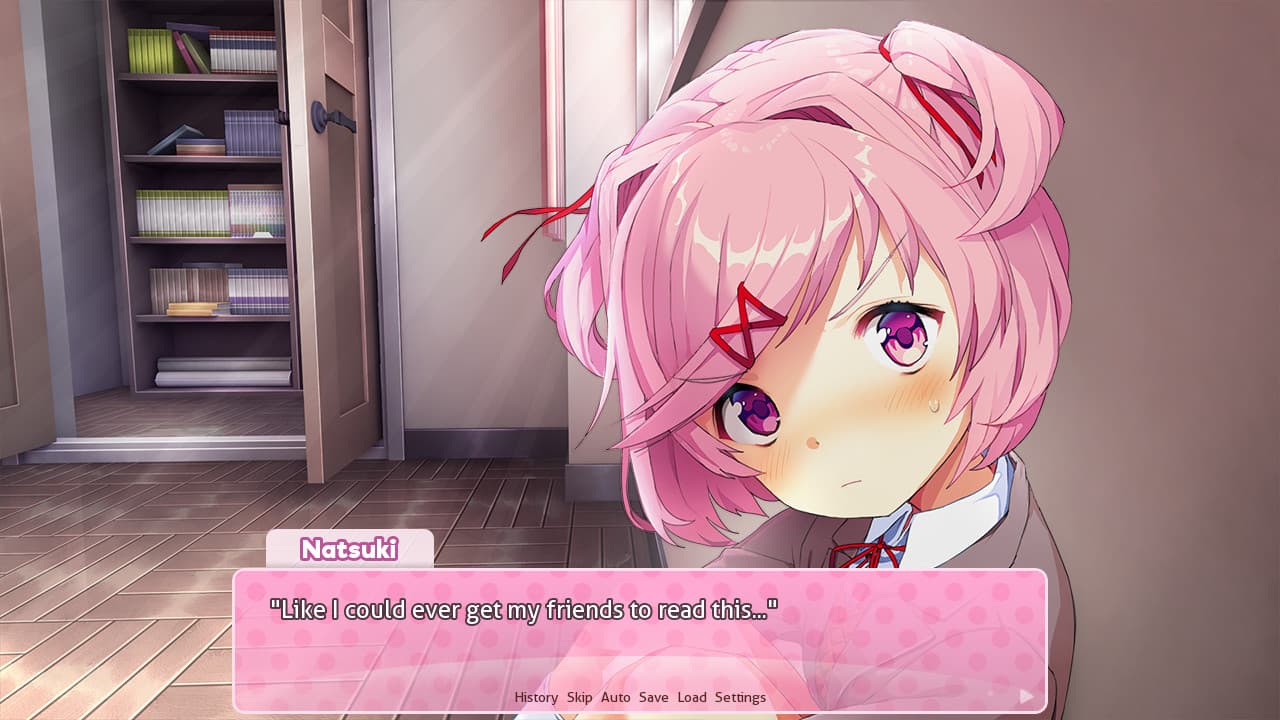
Key gameplay elements include:
- Poem word selection to build character affinity
- Branching dialogue and character-specific story paths
- Meta-narrative sequences that interact with game files
- Multiple playthroughs required to access the full story
- A hidden true ending that requires specific actions
Visual and audio design
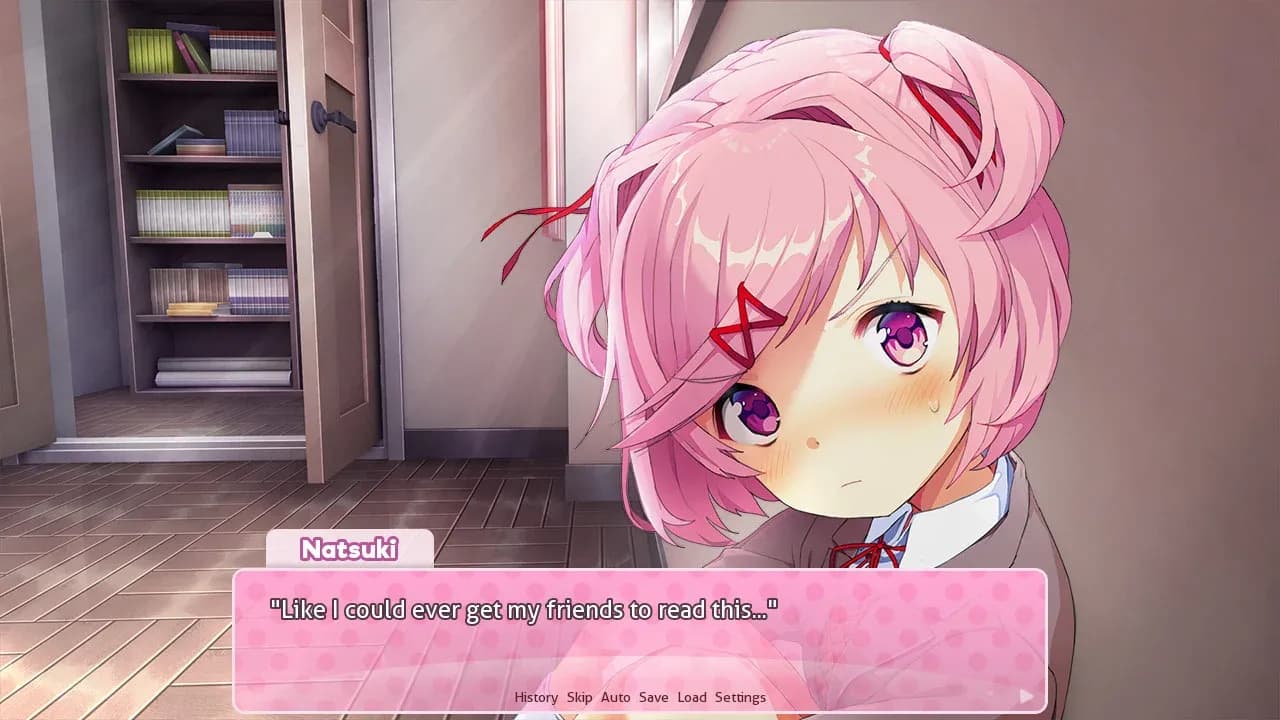
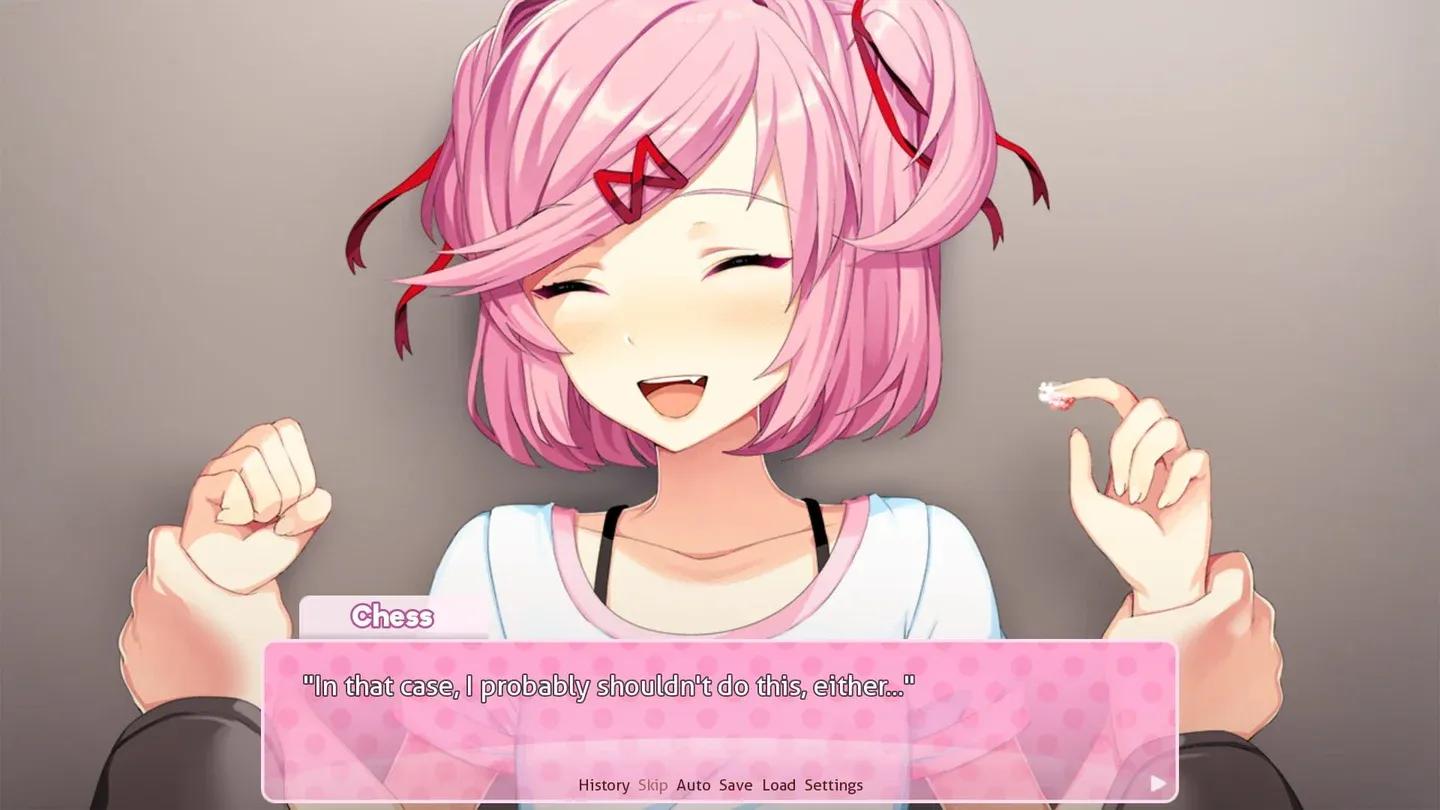
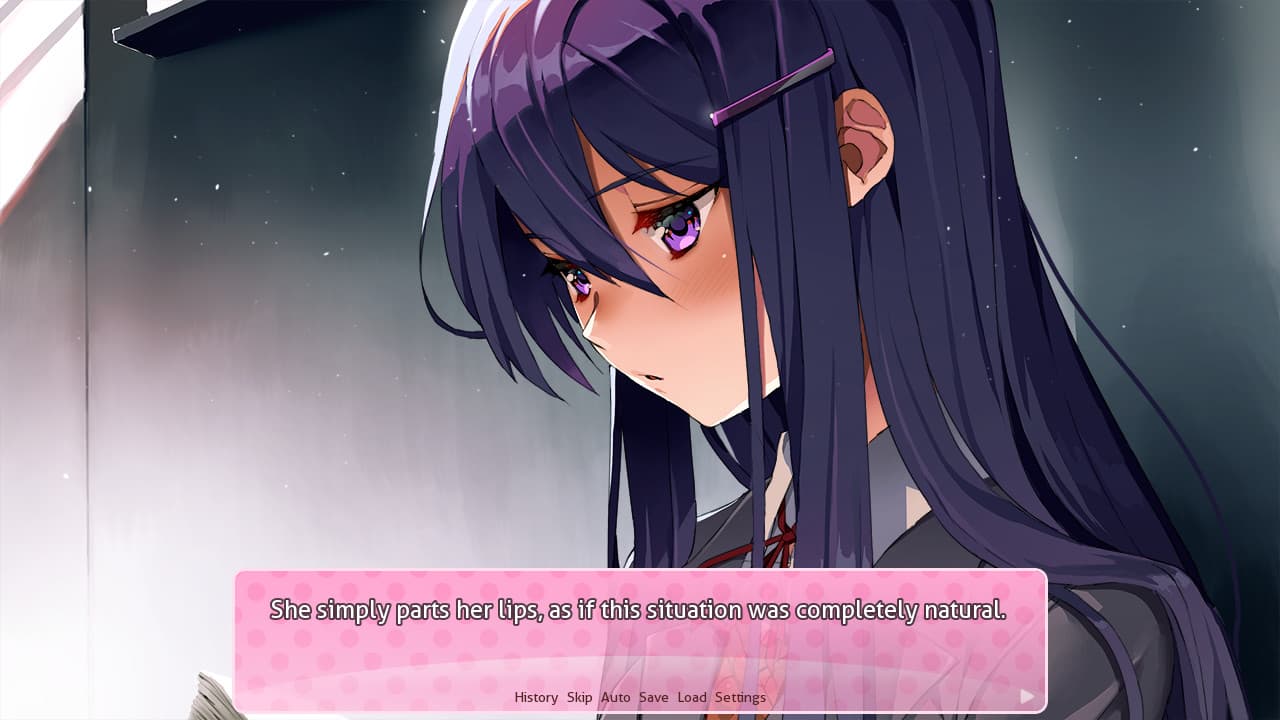
Team Salvato built DDLC using the Ren'Py visual novel engine, and the art style leans hard into the anime-adjacent aesthetic that defines the genre. Character sprites are expressive and well-drawn, shifting between emotional states in ways that start to feel wrong once the tone shifts. The soundtrack by Dan Salvato and composer Terence Ma does serious heavy lifting. Tracks like "Your Reality" function as genuine earworms in the first act, which makes their later distorted versions hit harder than almost any horror game sound design has a right to.
Impact and legacy
Few free games have generated the cultural footprint that DDLC has. The game accumulated over 1.5 million downloads within the first few months of release and spawned an enormous fan community, extensive fan fiction, and a dedicated wiki with thousands of entries documenting its meta-narrative details. A paid expanded version, Doki Doki Literature Club Plus!, arrived in 2021 through publisher Serenity Forge, adding six new side stories, HD sprites, a music player, and console releases across PlayStation 4, PlayStation 5, Nintendo Switch, and PC.
The original game remains free on Steam, itch.io, and the official website. Its influence on the visual novel genre is measurable: the wave of meta-horror visual novels that followed owe a clear debt to DDLC's approach of using genre conventions as a weapon. For a game that costs nothing to play and takes roughly four to six hours to complete, the impact-to-price ratio is difficult to argue with.
System Requirements
| Requirement | Minimum |
|---|---|
| Processor | 1.8GHz Dual-Core CPU |
| Memory | 4 GB RAM |
| Graphics | Integrated graphics |