
Overview
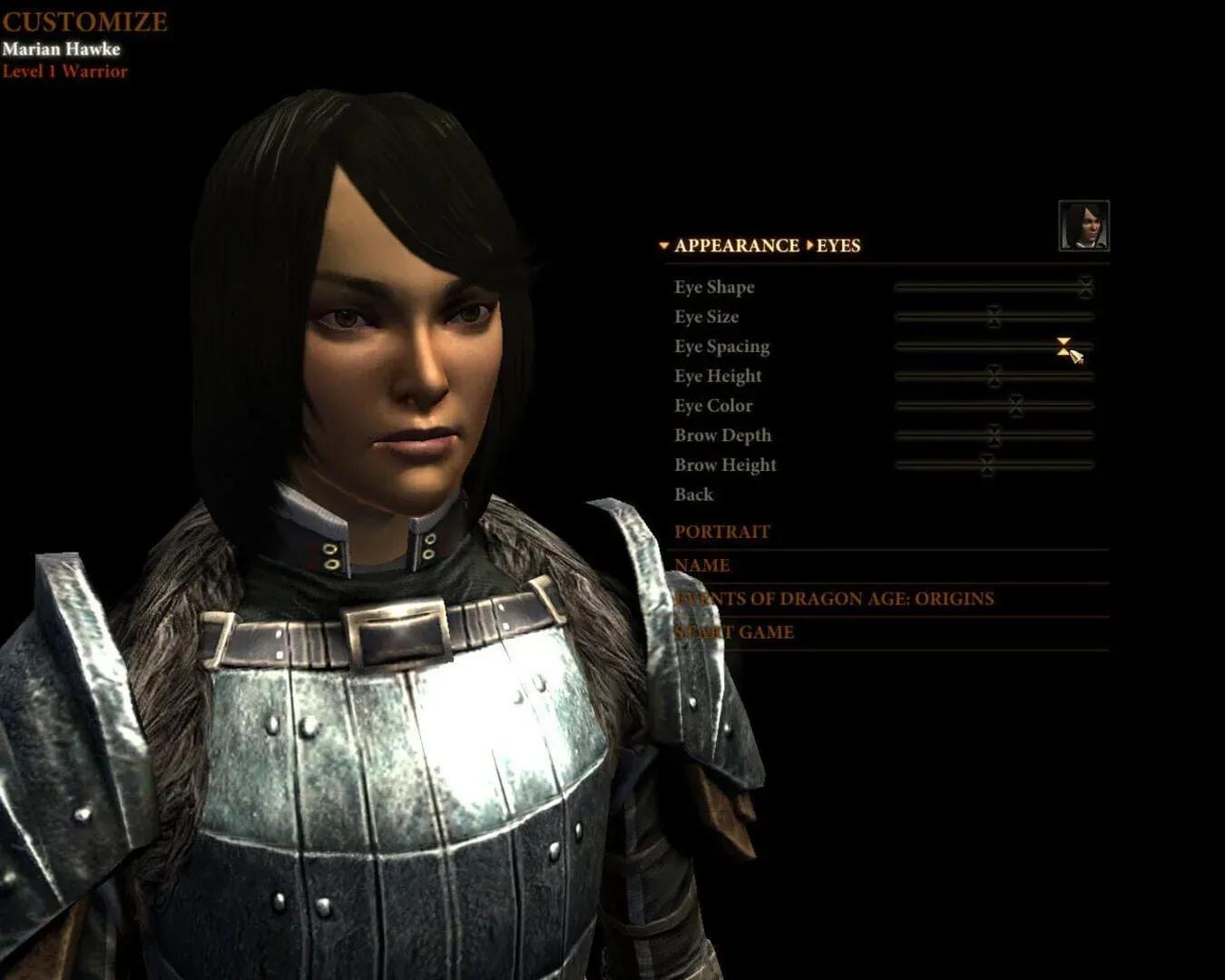
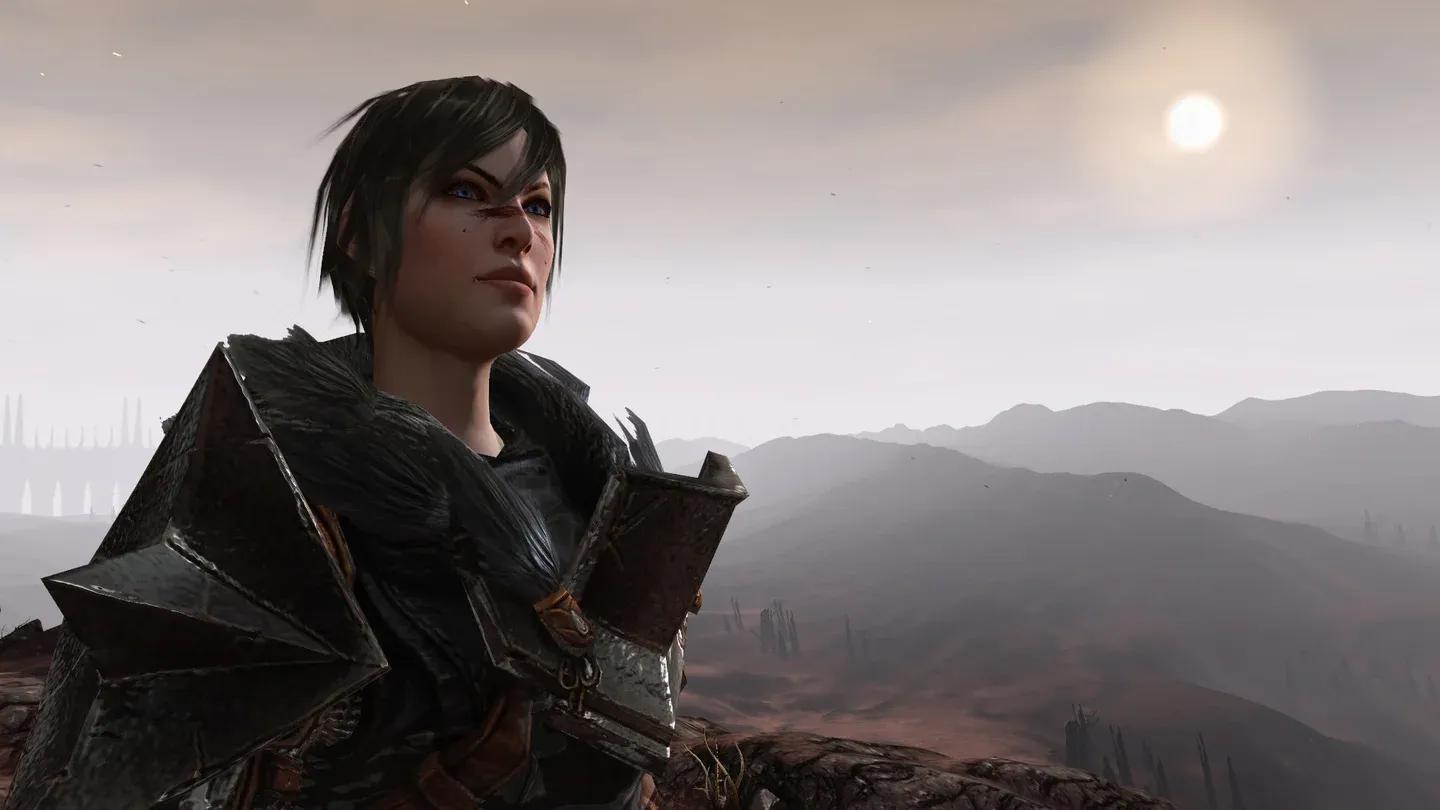
Dragon Age II is BioWare's 2011 action RPG sequel to Dragon Age: Origins, re-released as the Ultimate Edition on Steam and Epic Games Store in June 2020. The game casts players as Hawke, a human who arrives in the city of Kirkwall as a refugee fleeing darkspawn devastation and rises to become the city's champion across a decade of political and social upheaval. The narrative is framed as a retrospective account, told through a nonlinear structure that keeps the story moving at a pace most RPGs struggle to match.
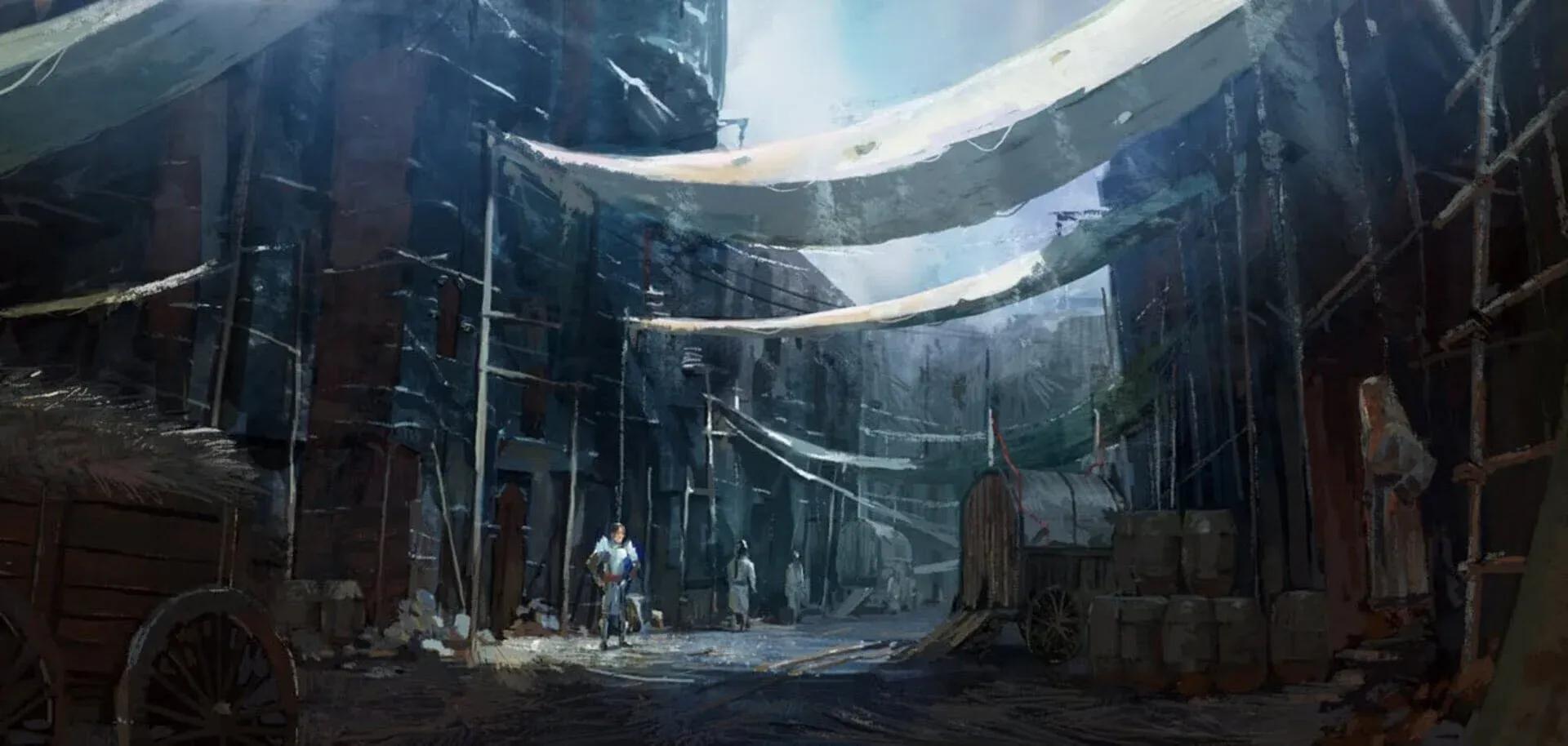
The setting is deliberately contained compared to Origins. Kirkwall itself becomes a character, shifting from a place of desperate survival to a powder keg of mage-templar tensions, criminal underworld politics, and religious extremism. That focus gives the story a density that rewards players who pay attention to the city's factions and the personal histories of Hawke's companions.
Dragon Age II: Ultimate Edition content image
Gameplay and mechanics
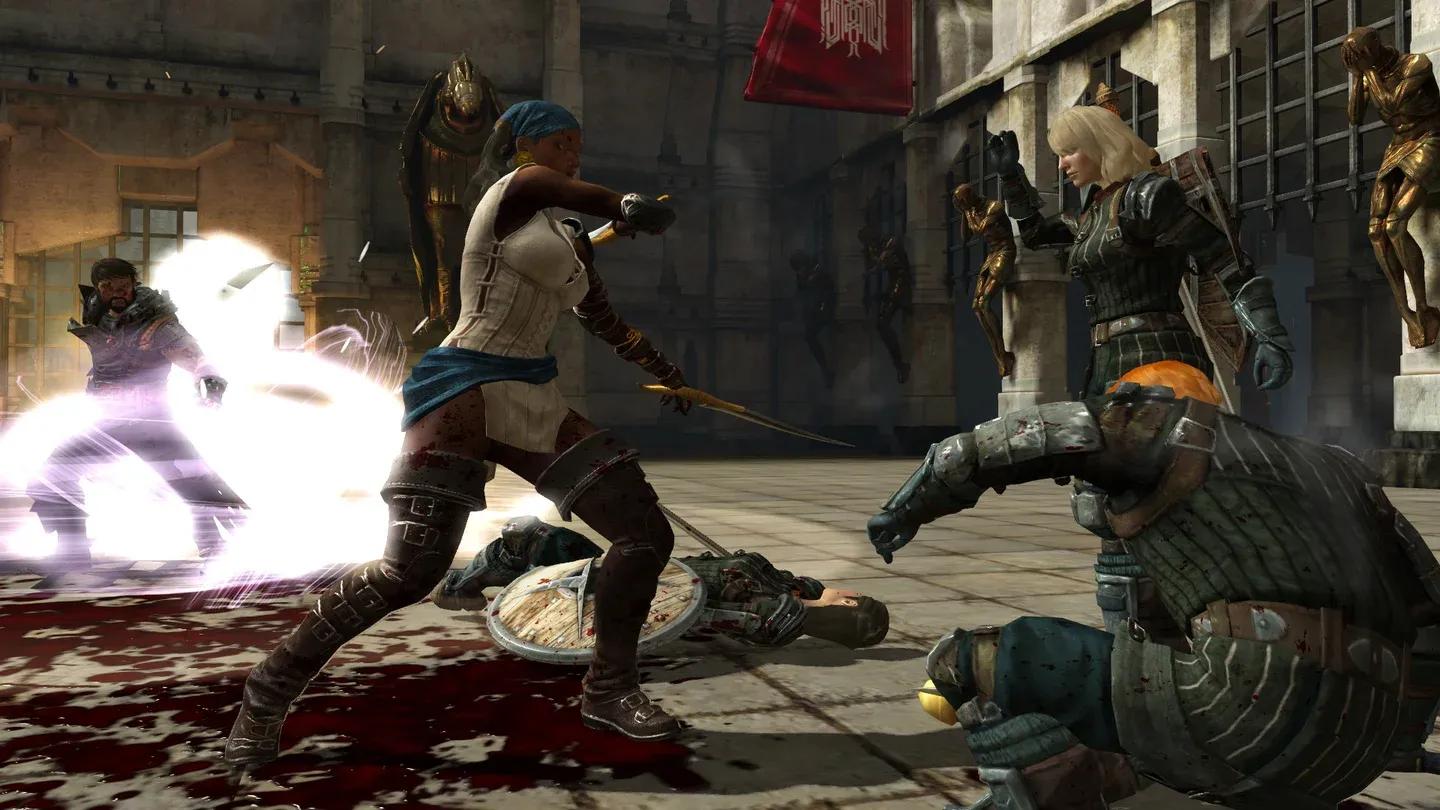
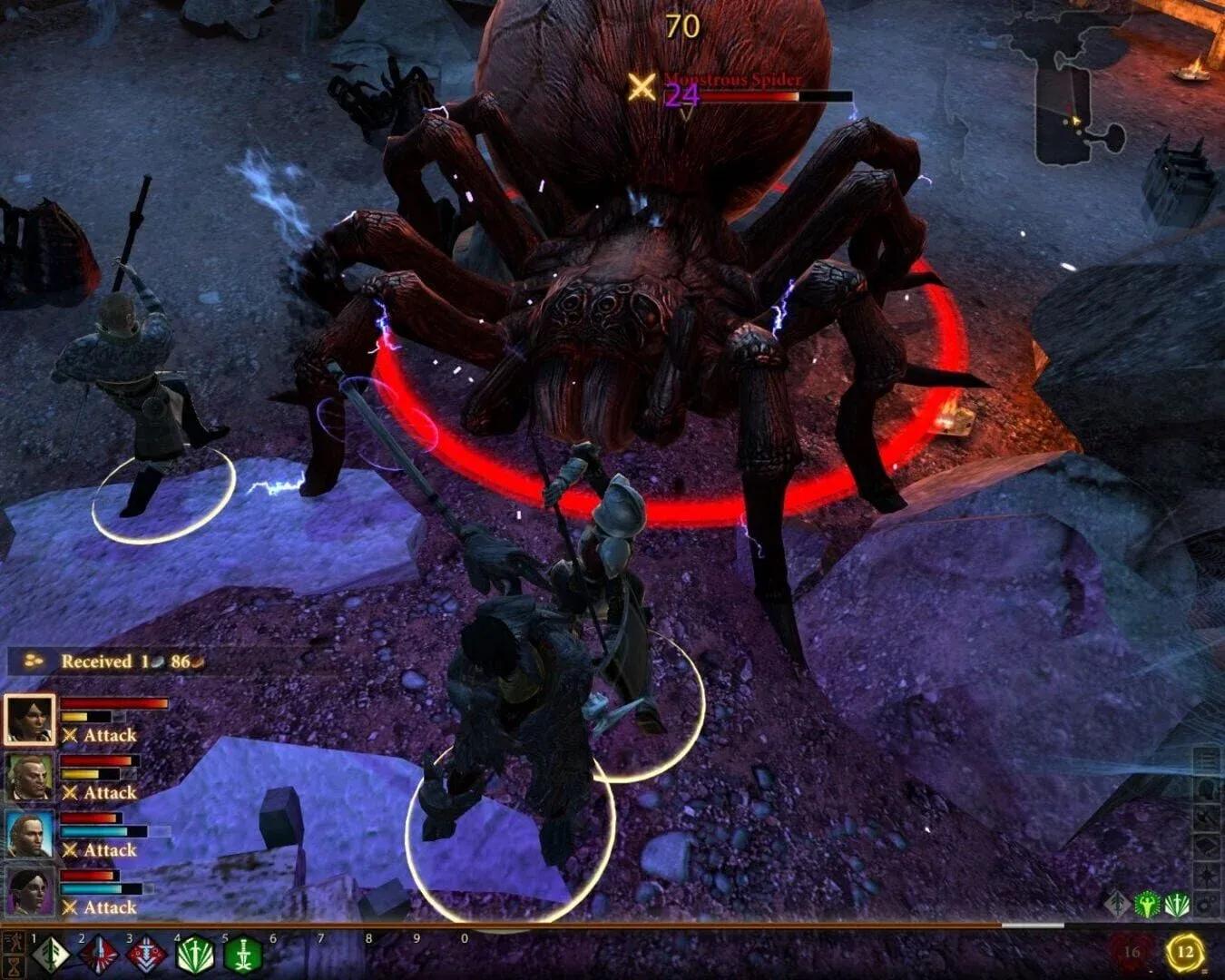
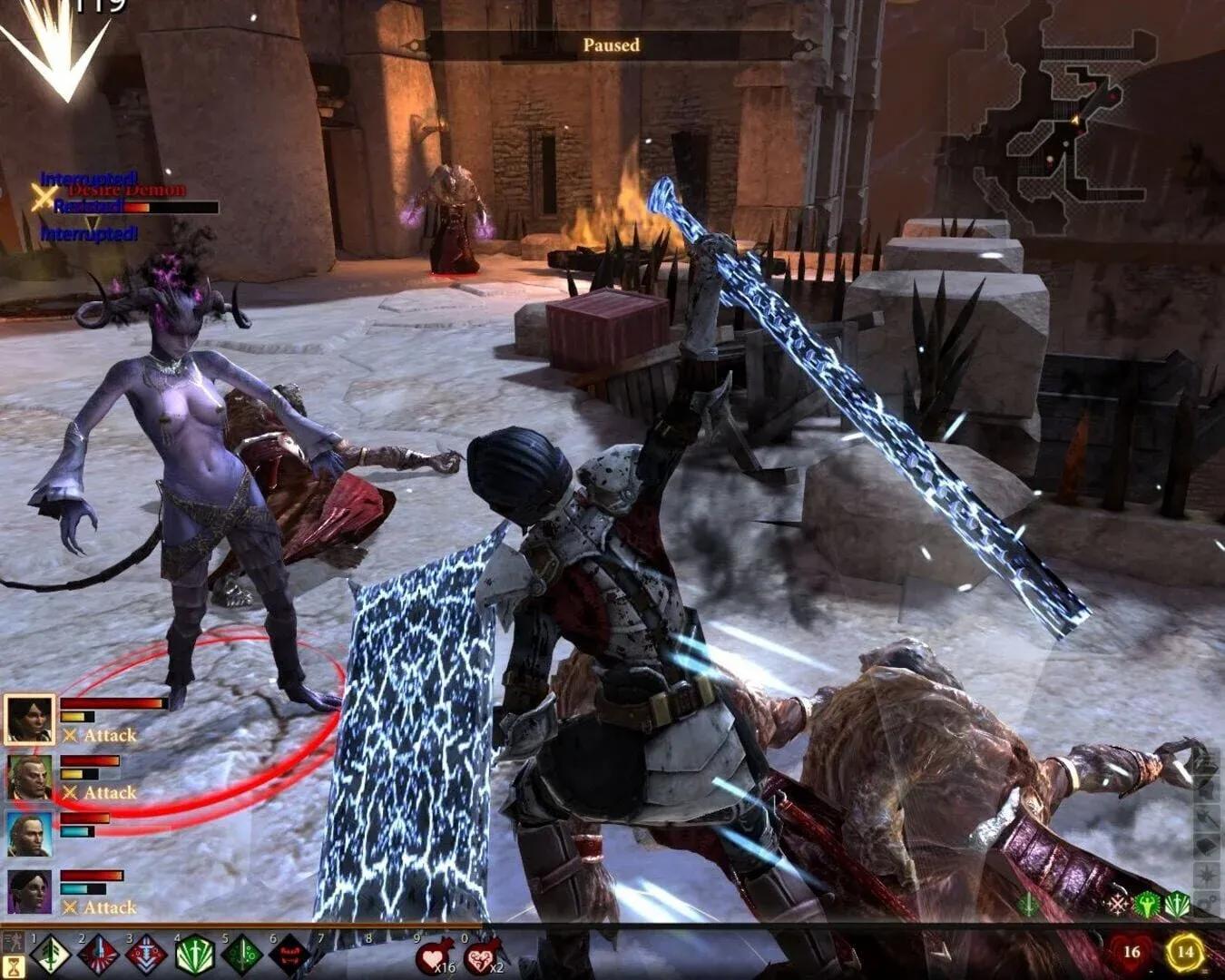
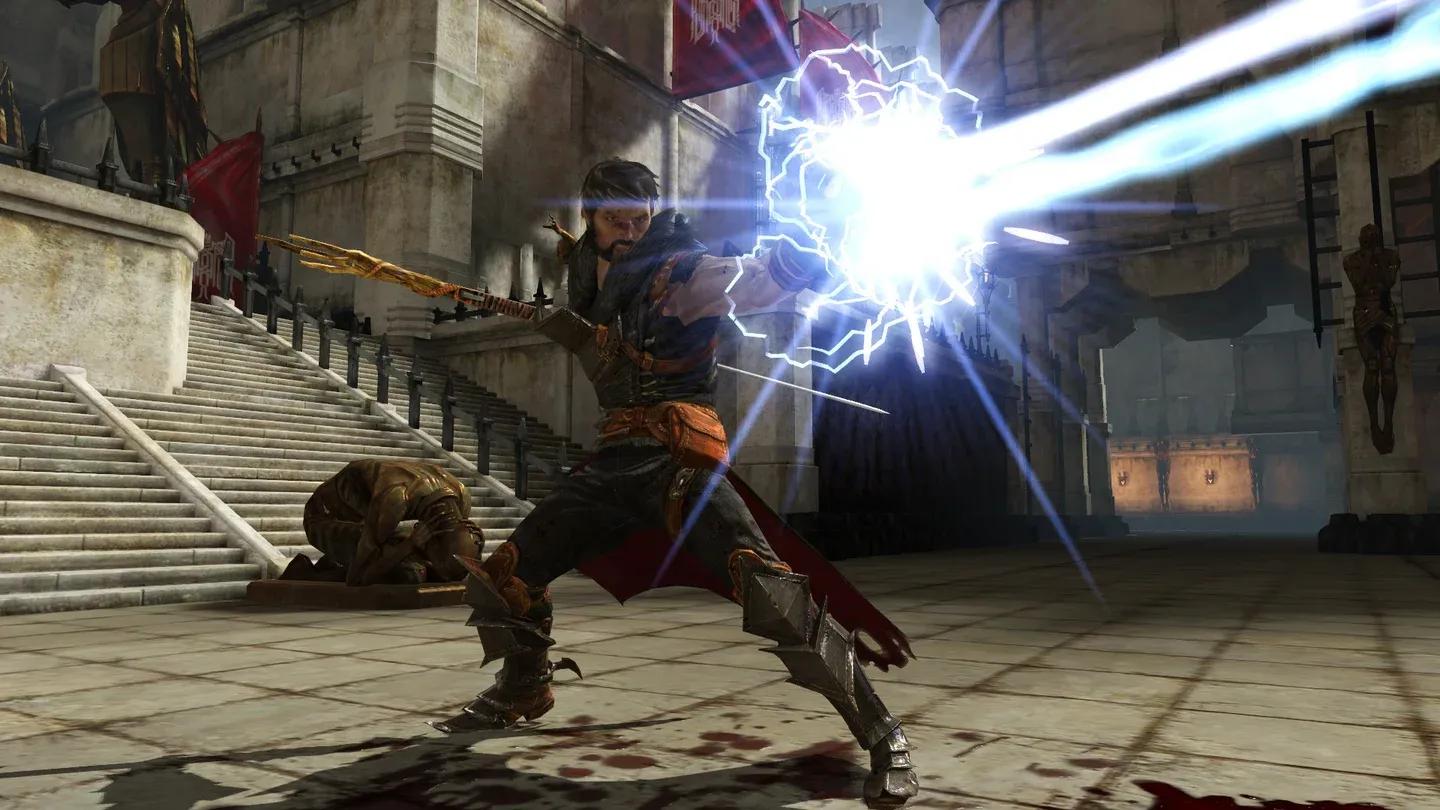
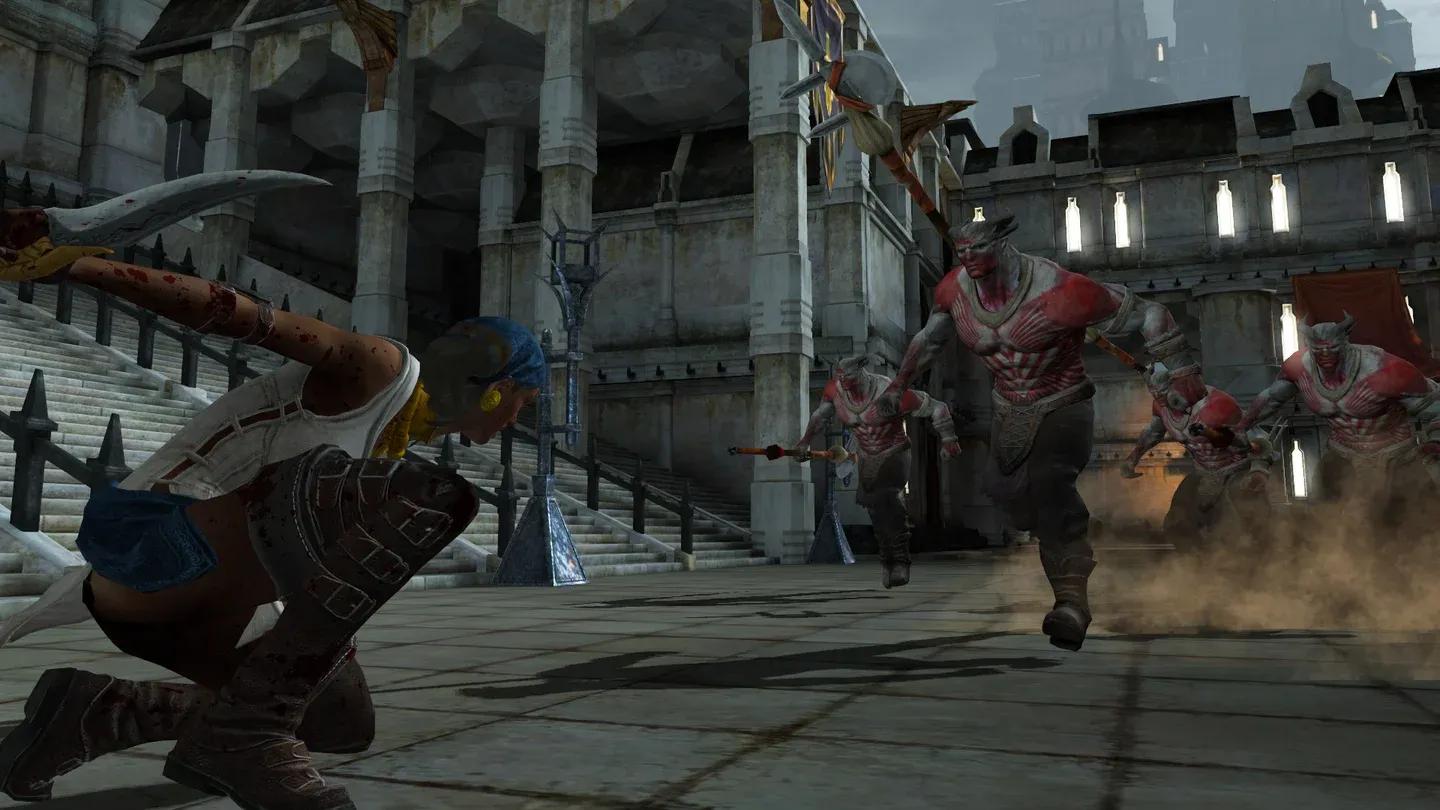
The combat in Dragon Age II runs noticeably faster than Origins, leaning toward real-time action while still supporting tactical pausing for players who want to issue individual orders. Hawke can be built as a mage, rogue, or warrior, with dozens of spells and abilities to unlock across each class. Up to 3 companions accompany Hawke in battle, each with their own skill trees and combat roles.
Dragon Age II: Ultimate Edition content image
Key systems include:
- Friendship and rivalry tracking per companion
- Tactical pause for manual ability targeting
- Wheel-based dialogue with tone-based response options
- Class-specific ability trees with branching specializations
- Real-time combat with optional tactical camera
The companion relationship system is one of the more distinctive mechanics in the game. Every dialogue choice and combat decision shifts each companion toward friendship or rivalry, and both states unlock unique bonuses and story outcomes. Rivalry is not a failure state; it produces its own meaningful dynamic.
World and setting
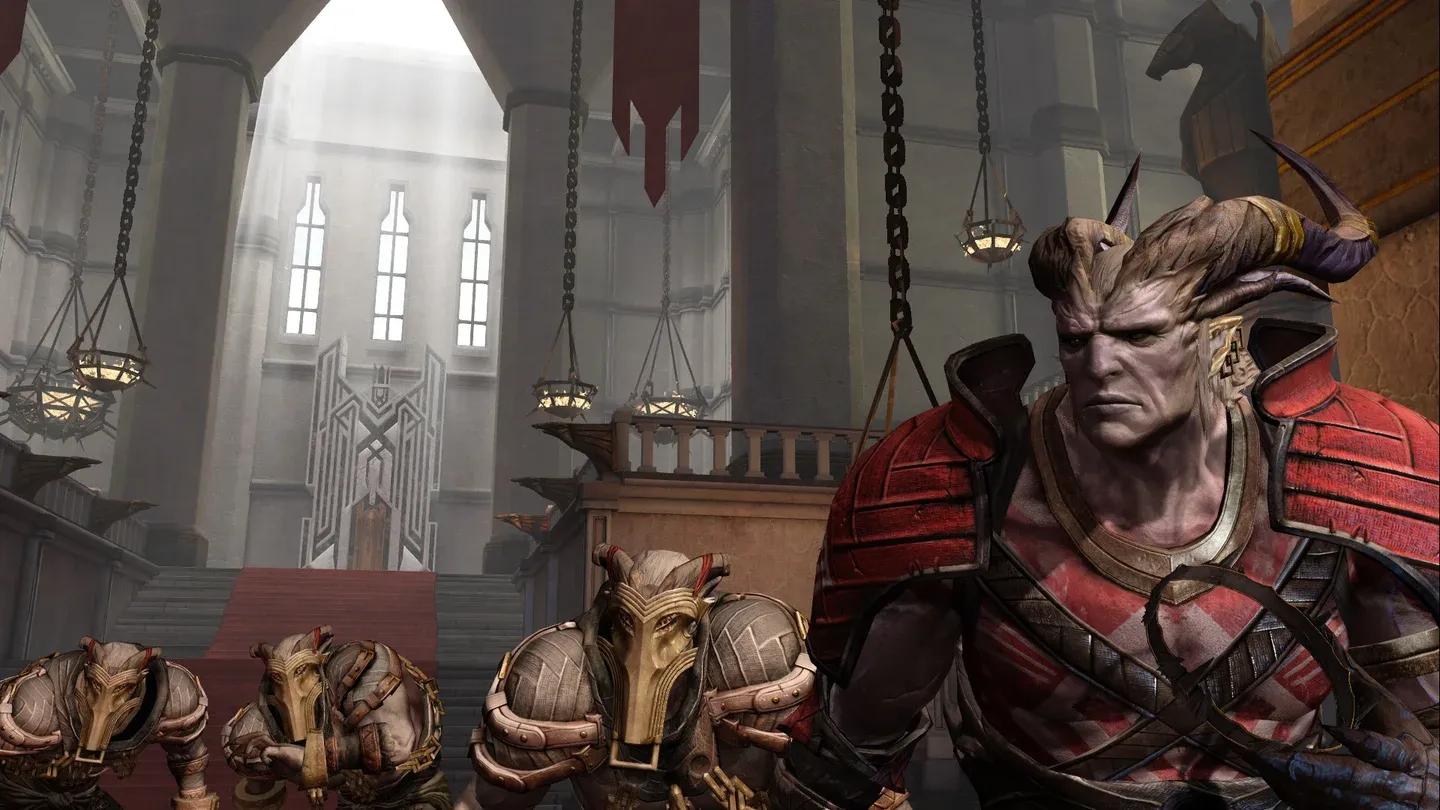
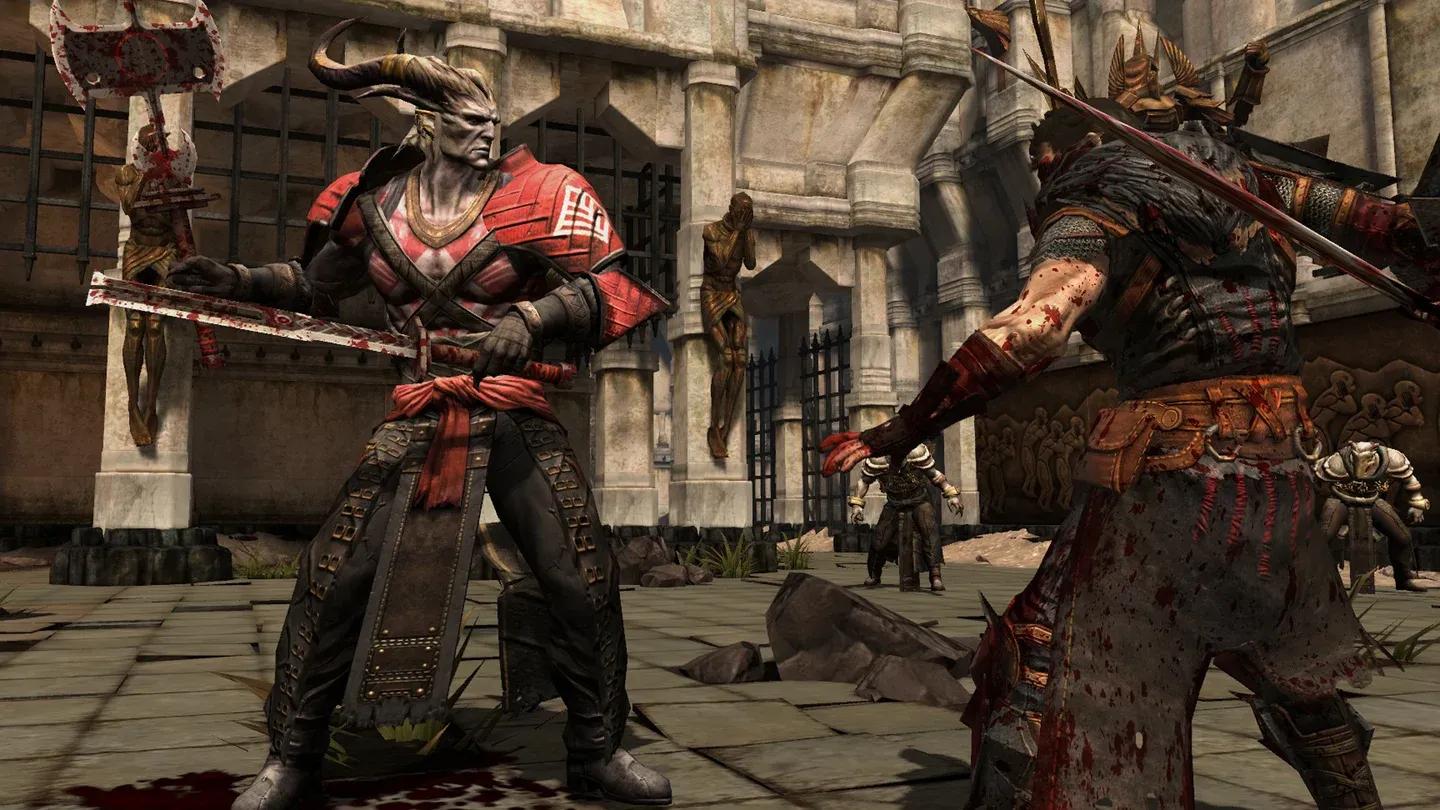
Thedas is a world with genuine political texture, and Dragon Age II leans into that harder than most fantasy RPGs. The mage-templar conflict at the heart of Kirkwall's story is not a simple good-versus-evil setup. Both sides have legitimate grievances, and the game forces Hawke to navigate that tension without easy answers. Companion characters like Anders, Merrill, and Fenris each represent different positions in that conflict, and their personal quests flesh out the stakes in ways the main plot alone cannot.
Dragon Age II: Ultimate Edition content image
The decade-long timeline is one of the game's structural strengths. Watching Kirkwall change around Hawke, seeing characters age and circumstances shift based on earlier decisions, gives the story a weight that shorter RPGs rarely achieve.
What does the Ultimate Edition include?
The Ultimate Edition packages the base game with every piece of released DLC, making it the definitive way to play Dragon Age II. The three major expansions each add meaningful content:
- The Exiled Prince: adds Sebastian Vael as a recruitable companion
- Legacy: explores the Hawke family bloodline with new dungeon content
- Mark of the Assassin: introduces Tallis, a new elf assassin party member
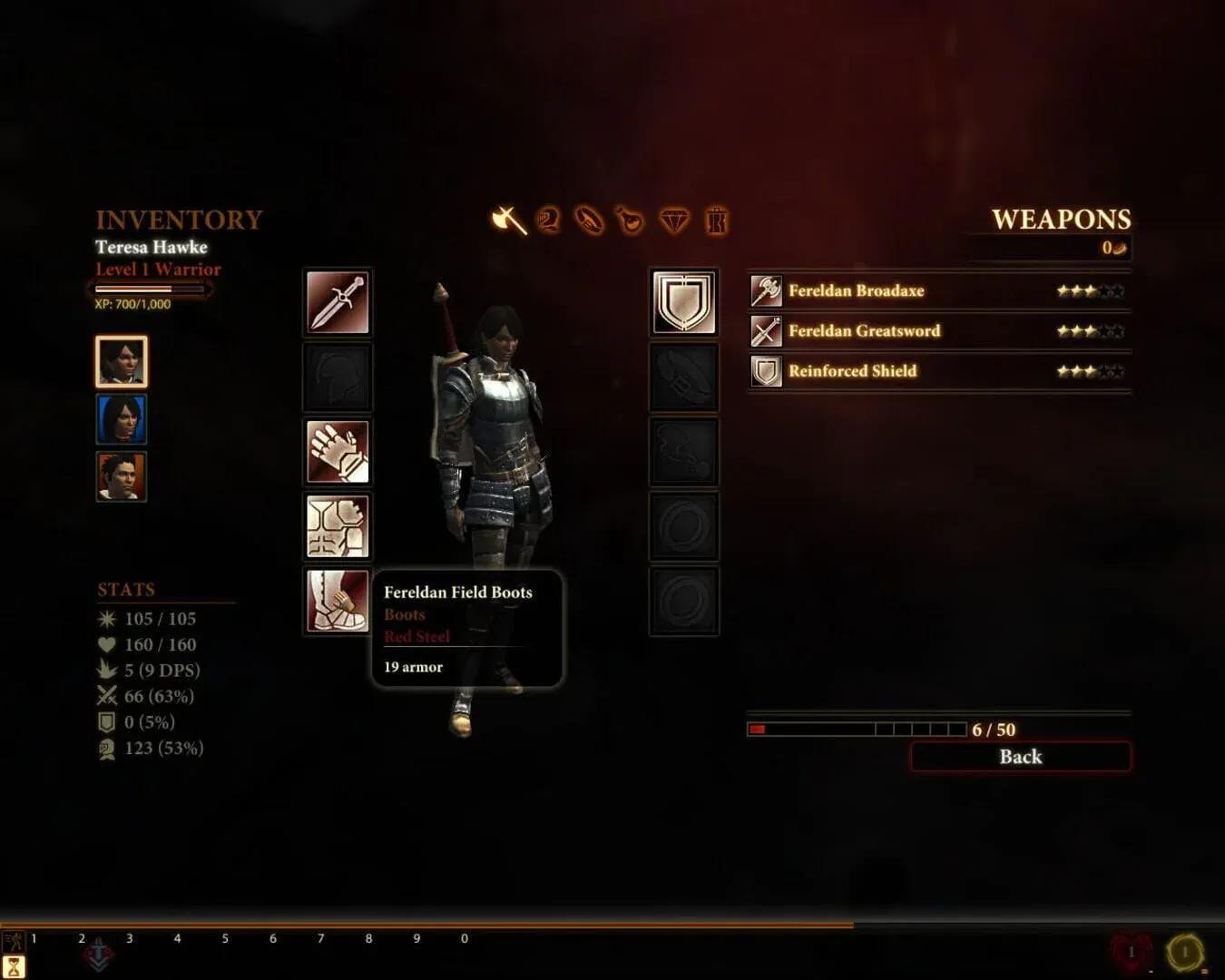
Beyond the expansions, the edition includes the Black Emporium item shop, the Blood Dragon and Ser Isaac armor sets, the BioWare Signature Edition weapons and armor pack, an armory bundle with over 20 unique items, two All-Class Item Packs covering mage, rogue, and warrior gear, a High Resolution Texture Pack, and the full game soundtrack. For anyone coming to Dragon Age II fresh, the Ultimate Edition removes any reason to piece together the DLC separately.
Dragon Age II: Ultimate Edition content image
Content and replayability
Class choice meaningfully changes the experience. A mage Hawke navigates the central conflict from a very different personal position than a warrior or rogue, and the tone options in the dialogue wheel let players shape Hawke's personality across dozens of hours of conversation. Companion approval states, faction allegiances, and key story decisions all feed into an ending that varies based on accumulated choices rather than a single final selection. That structure gives Dragon Age II genuine replay value for players who want to see how different paths play out across the full ten-year arc.