
Advertisement

Overview
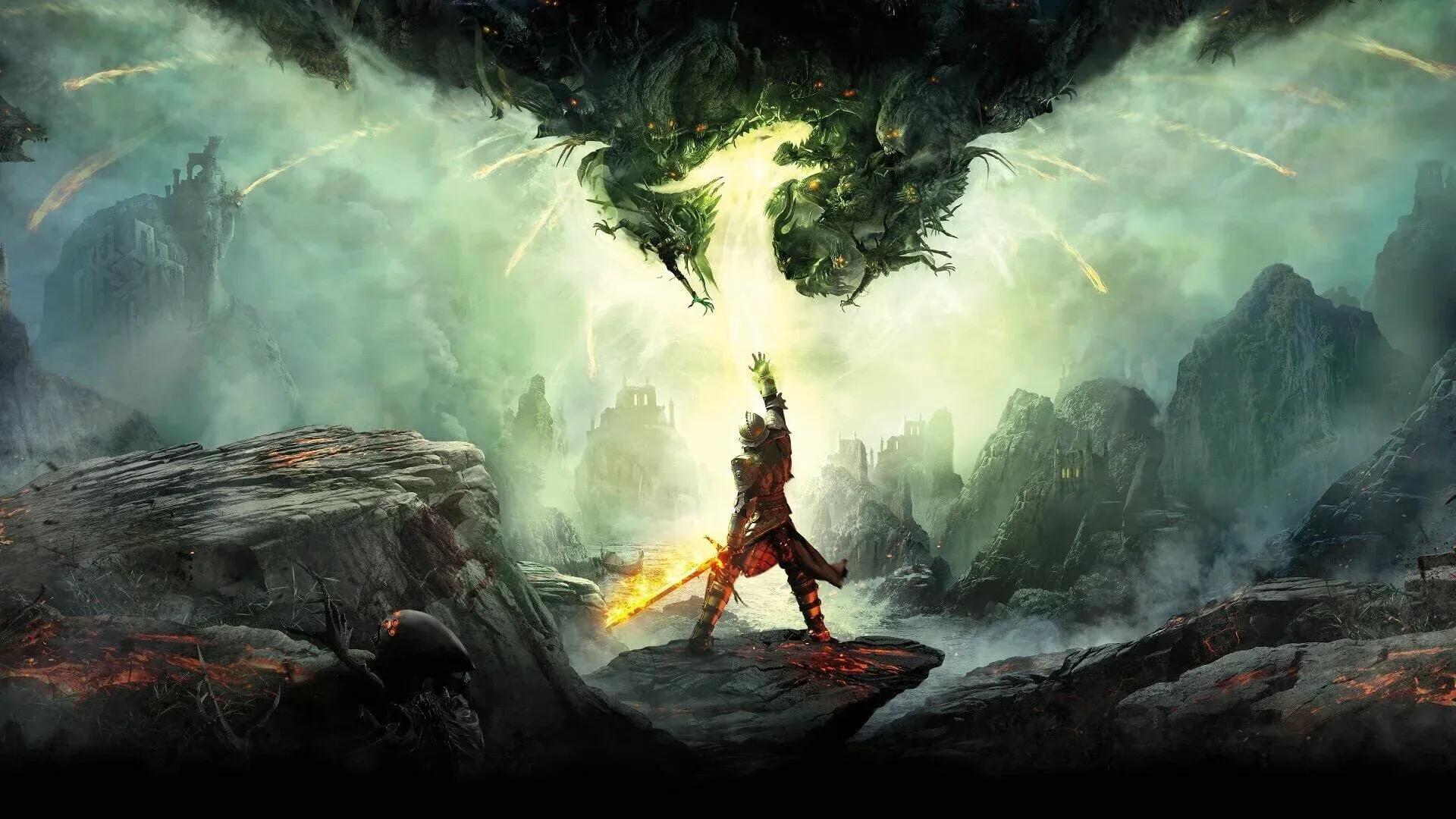
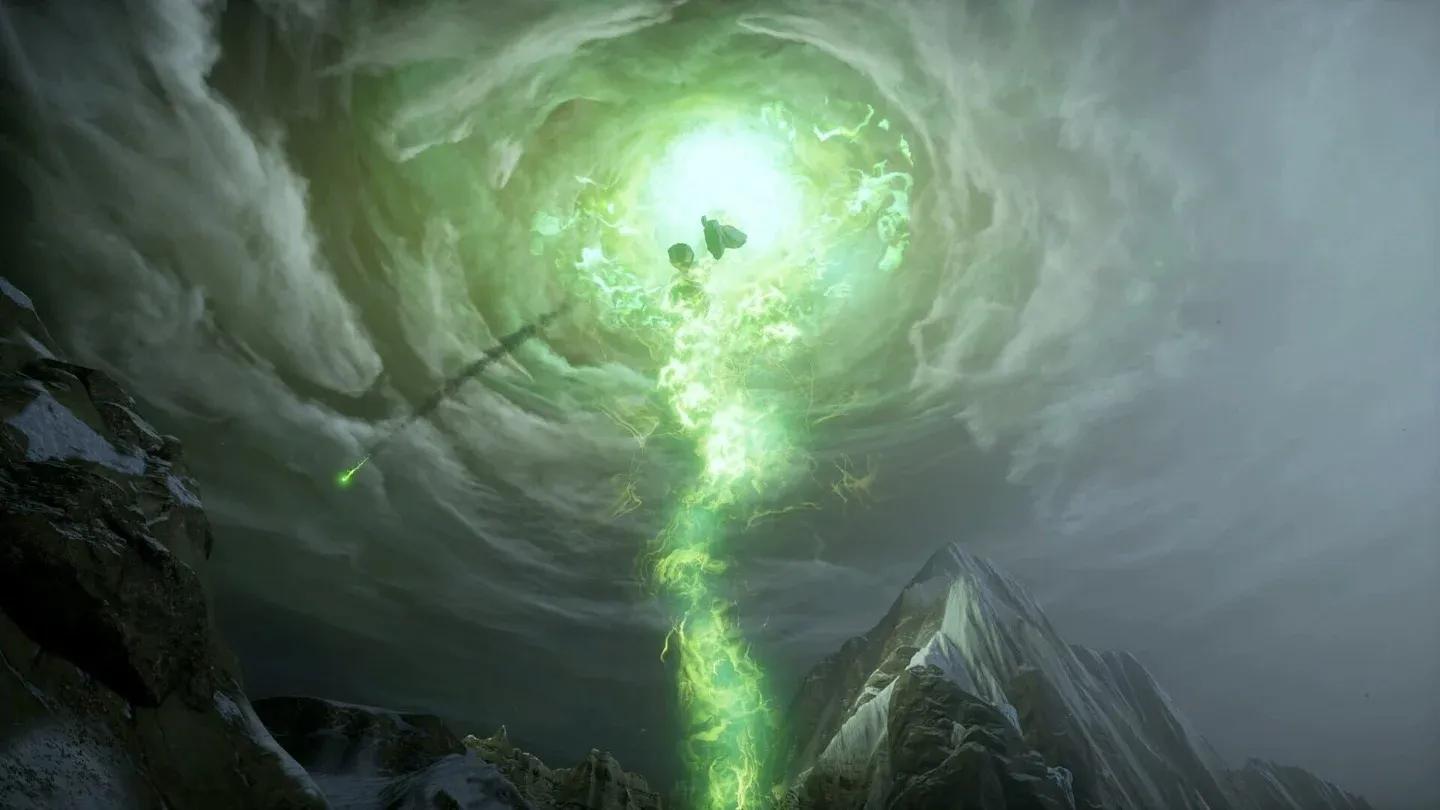
Dragon Age: Inquisition, released in November 2014 by BioWare Edmonton and published by Electronic Arts, is the third entry in the Dragon Age series and the most ambitious in scope. Set across the continent of Thedas, the game spans two major nations, Ferelden and Orlais, connected by sweeping open regions filled with quests, secrets, and conflict. Players take on the role of the Inquisitor, the sole survivor of a catastrophic explosion at the Temple of Sacred Ashes, marked with a mysterious power called the Anchor that can seal the rifts tearing the sky apart.
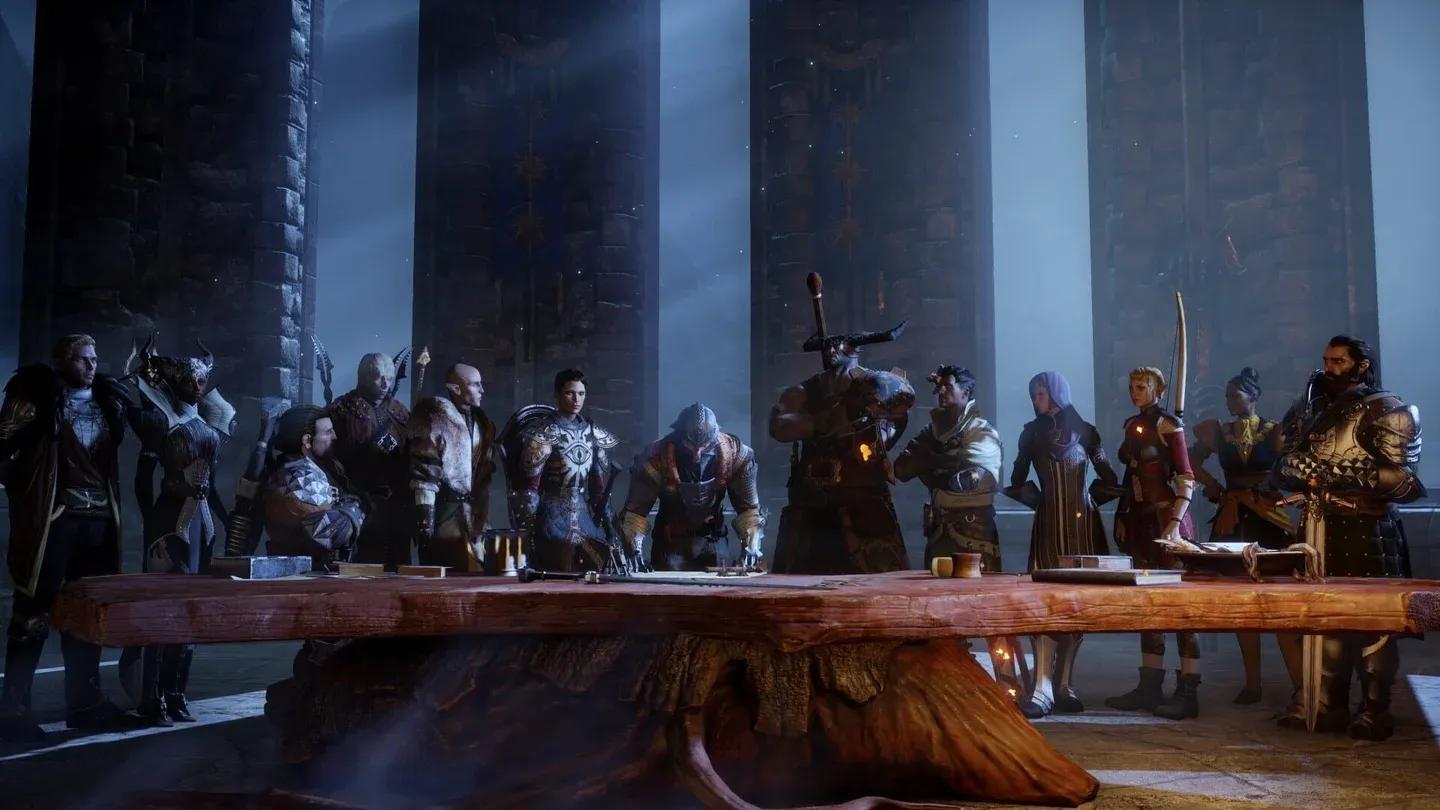
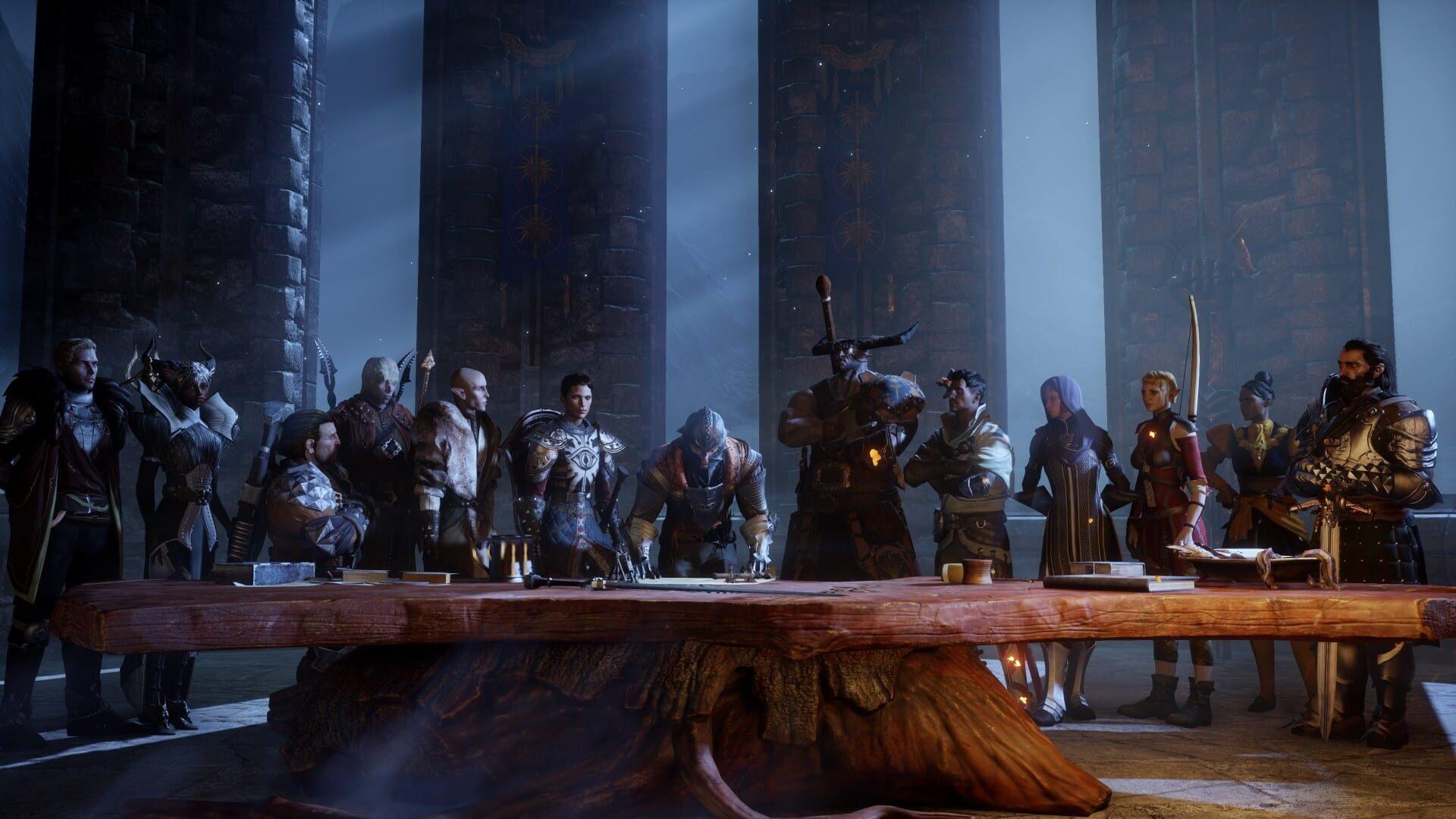
The story puts political maneuvering front and center alongside the fantasy combat. The Inquisition itself functions as a growing organization, and every decision made in the field or in the war room has consequences for alliances, territories, and the broader world. With nine companions to recruit, each carrying their own backstory and personal quests, the cast gives the narrative real texture.
Gameplay and mechanics
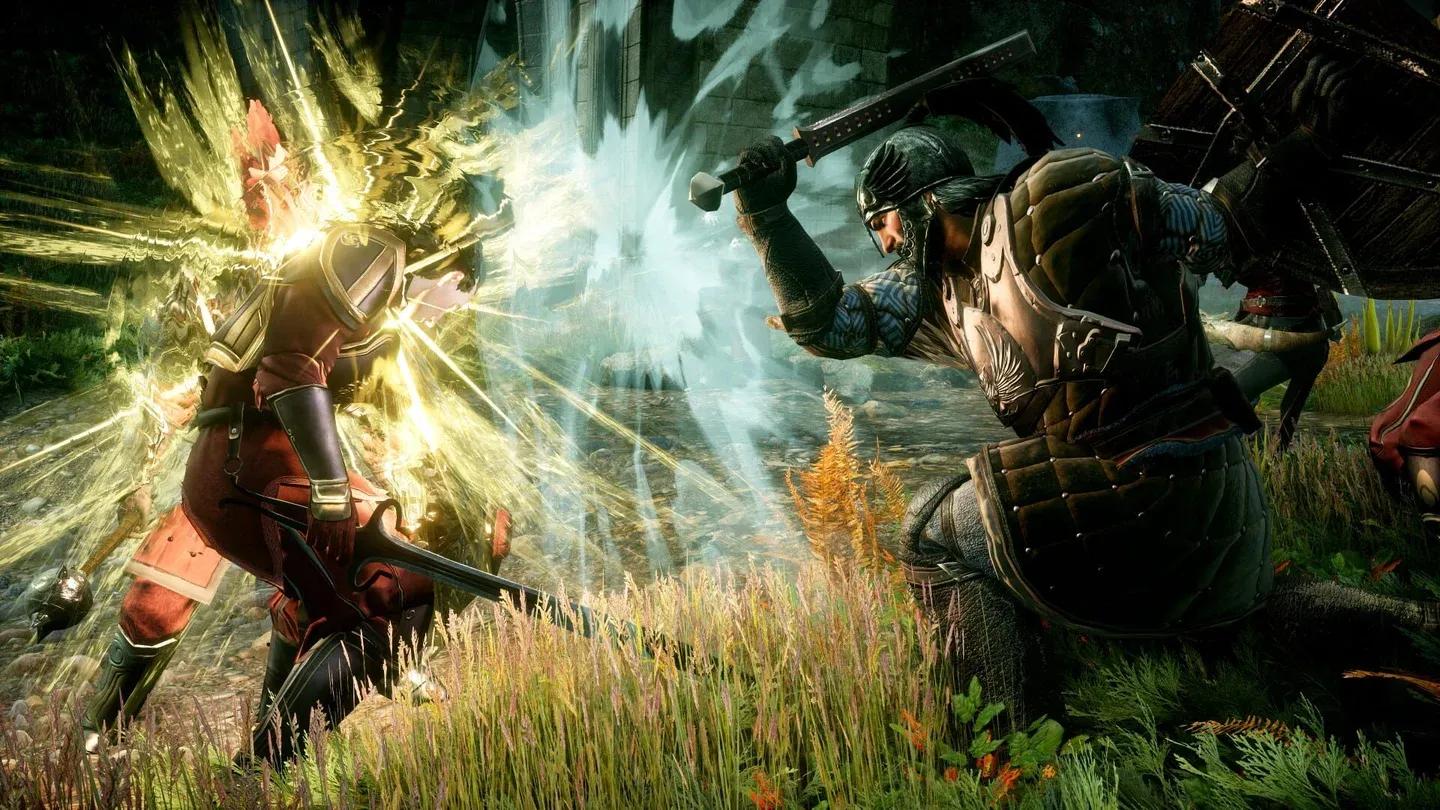
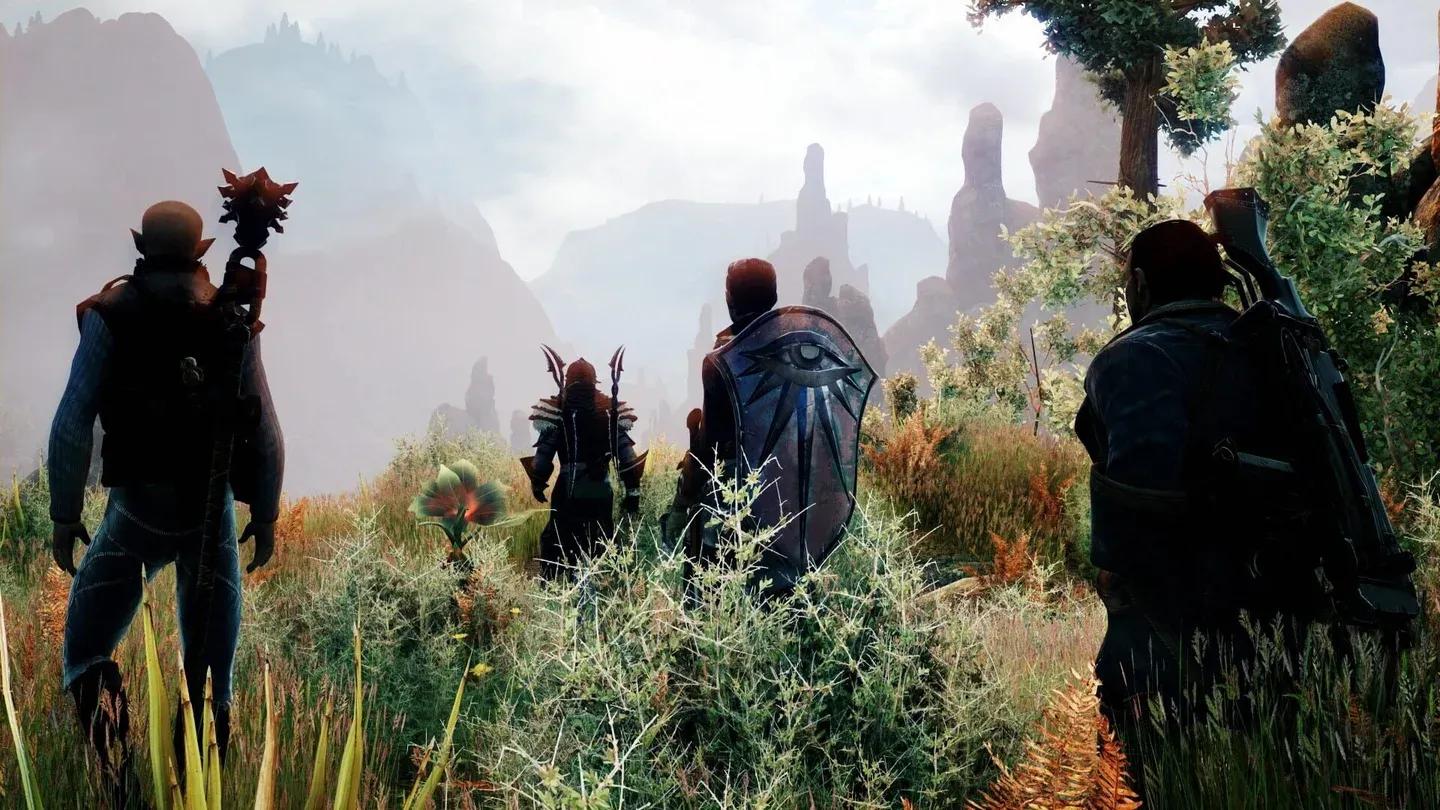
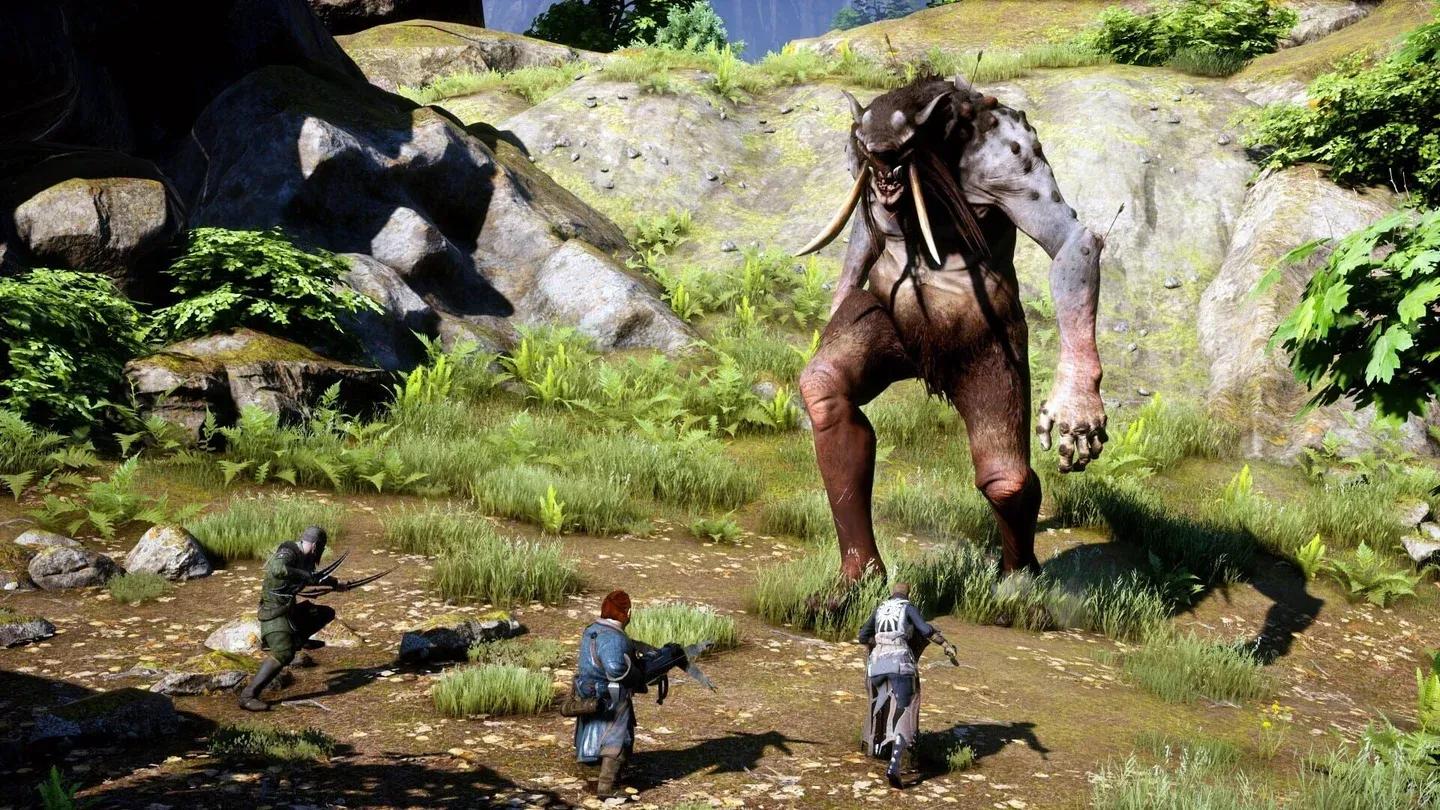
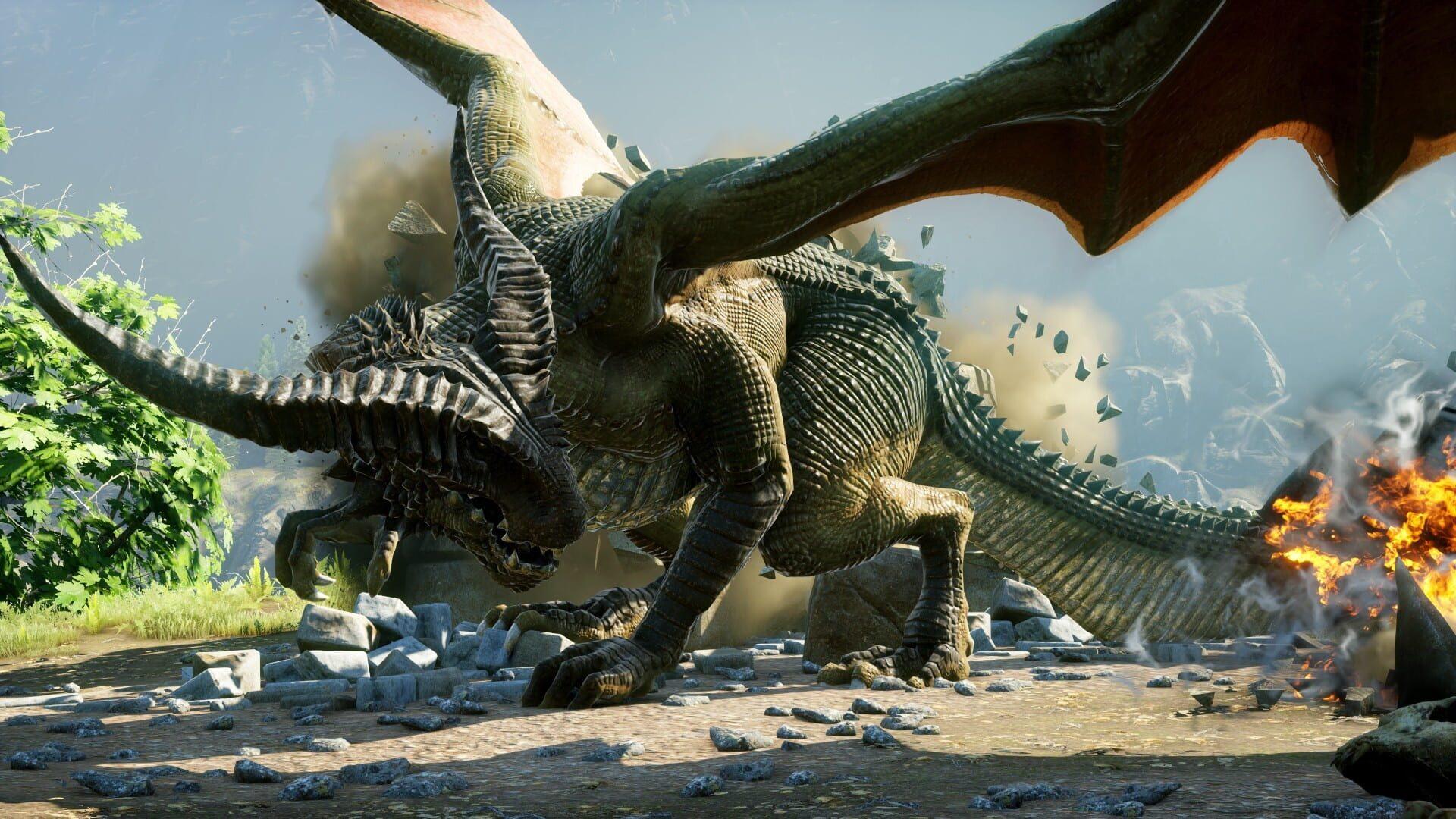
At its core, Inquisition blends real-time combat with a tactical overlay that lets players pause the action and issue precise orders to each party member. The three available classes are:
- Mage: spell-based damage and support
- Rogue: agility, stealth, and ranged attacks
- Warrior: frontline tanking and melee damage
Each class branches into three specializations, giving builds meaningful identity. Character creation also lets players choose from four races, human, elf, dwarf, and Qunari, with race affecting both dialogue options and specific story beats.
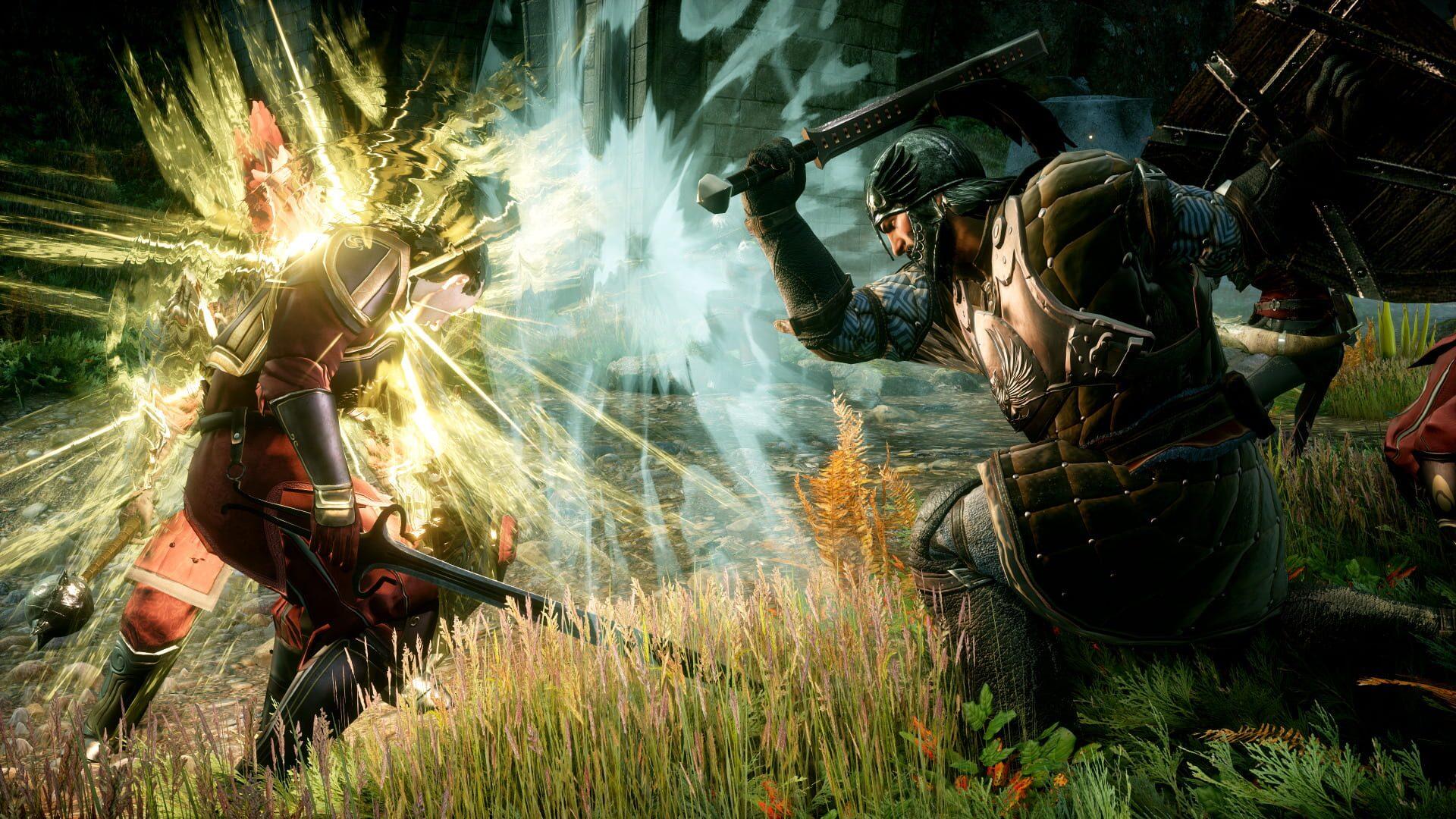
Progression runs through two parallel systems. Experience levels up individual characters and unlocks abilities, while Power points open new regions and story missions. Inquisition points, earned through completing operations and quests, feed into perks that benefit the entire organization. The result is a loop that keeps multiple progression tracks active at once.
World and setting
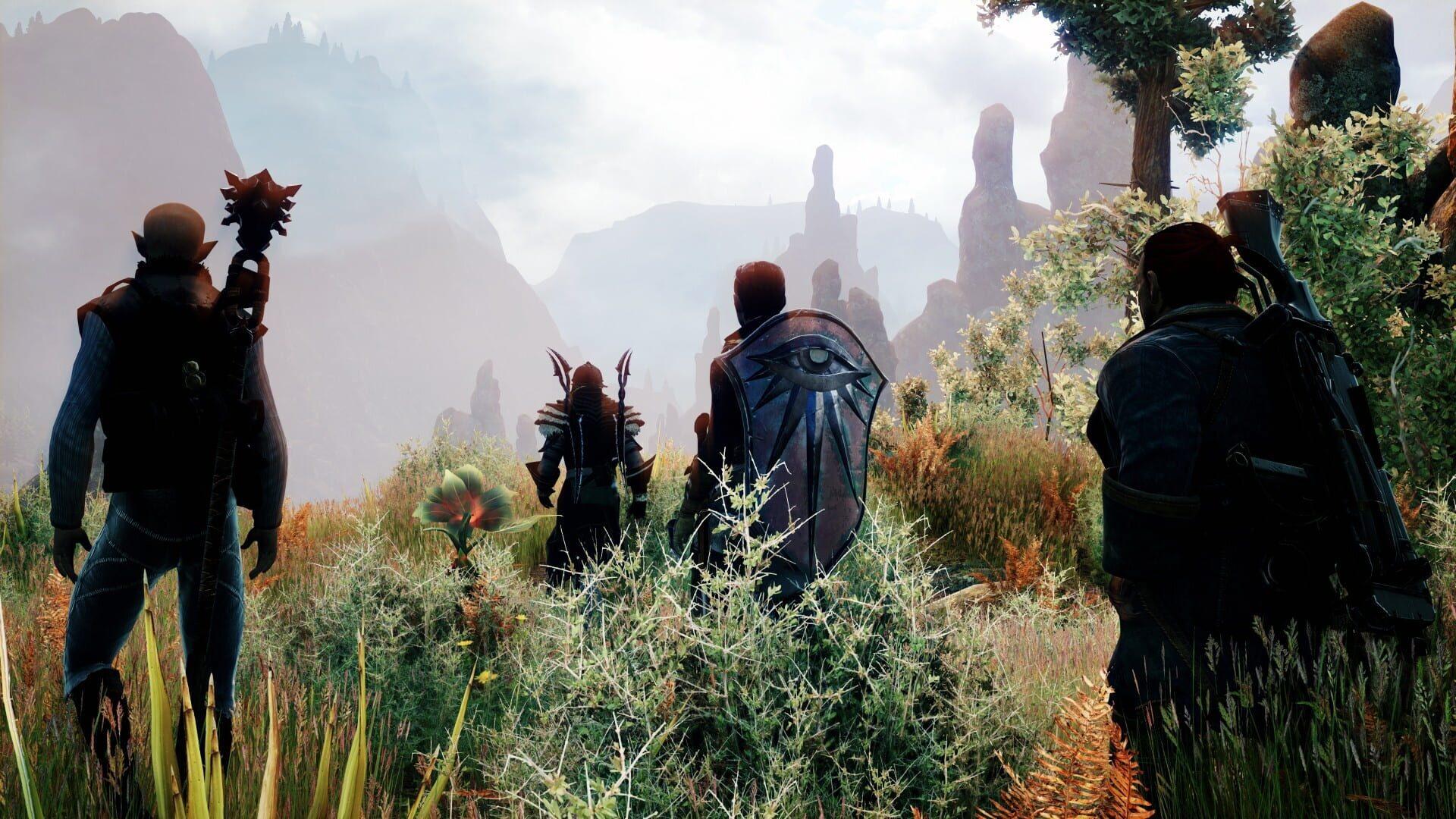
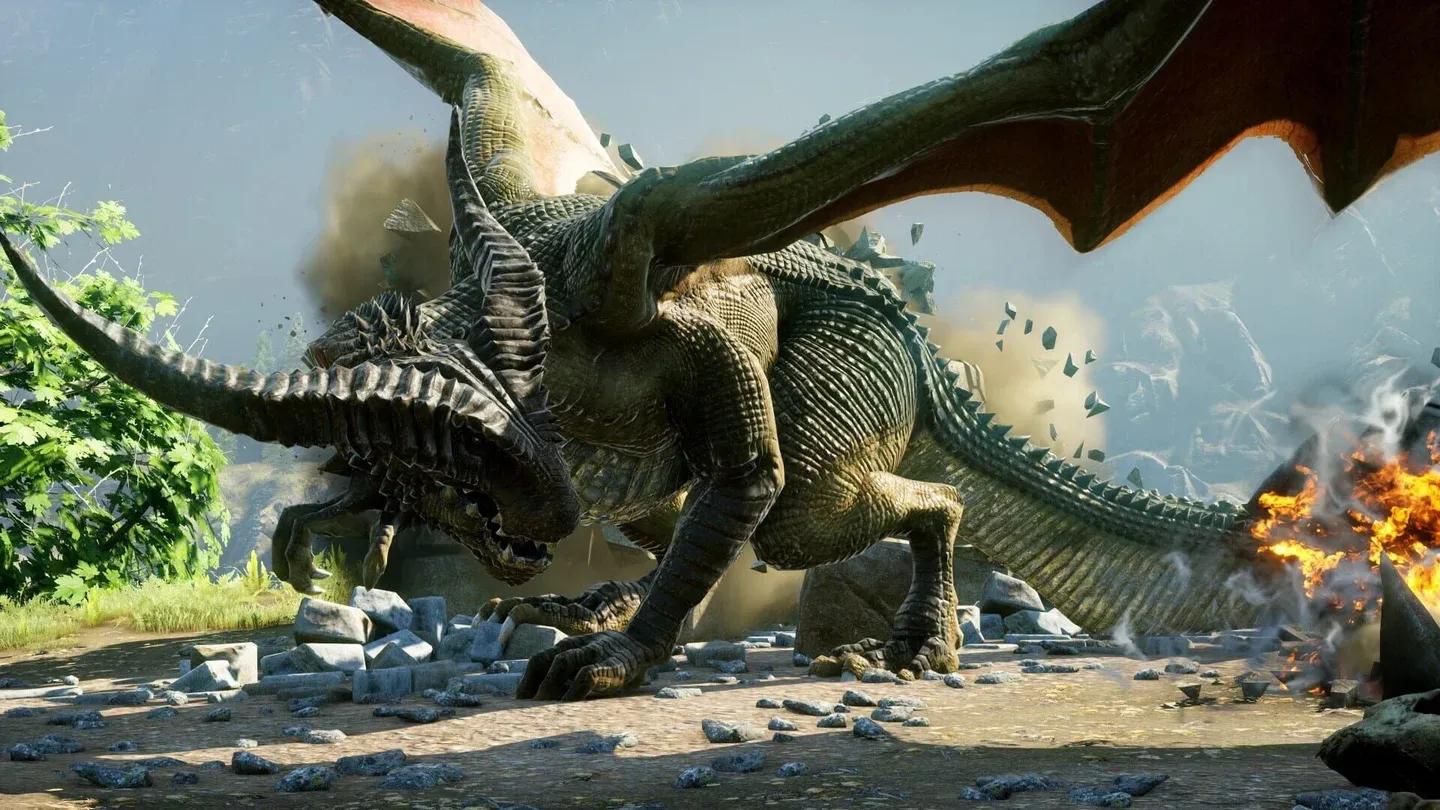
Thedas is the kind of fantasy world that rewards attention. Ferelden, familiar to players from Dragon Age: Origins, sits alongside the politically charged empire of Orlais, and the contrast between the two countries is sharp. Orlais runs on court intrigue and masked nobility; Ferelden is rougher, more straightforward. The regions between them, from the Hinterlands to the Emerald Graves, each carry distinct visual identities and local conflicts that feed into the broader war.
Dialogue is central to how the world unfolds. Conversations with companions and political figures directly influence faction allegiances and can alter the game's ending. Romances are available with several companions, adding personal stakes to a story that is already dense with consequence.
Content and replayability
The base game alone runs well past 80 hours for players who engage seriously with side content, and the Game of the Year Edition bundles in all three major DLC packs: Jaws of Hakkon, The Descent, and Trespasser. Trespasser in particular functions almost as an epilogue to the main story and sets up threads that carry forward in the series.
Race and class combinations, along with major branching decisions, give Inquisition strong replay value. A mage Qunari Inquisitor navigates Thedas very differently from a human rogue, and certain story paths are locked behind specific choices made hours earlier. The tactical RPG framework holds up across multiple playthroughs because the variables shift enough to make returning feel worthwhile.