

Biggest discounts, free games, and limited-time offers across every major gaming store.
Never pay full price again.
Overview
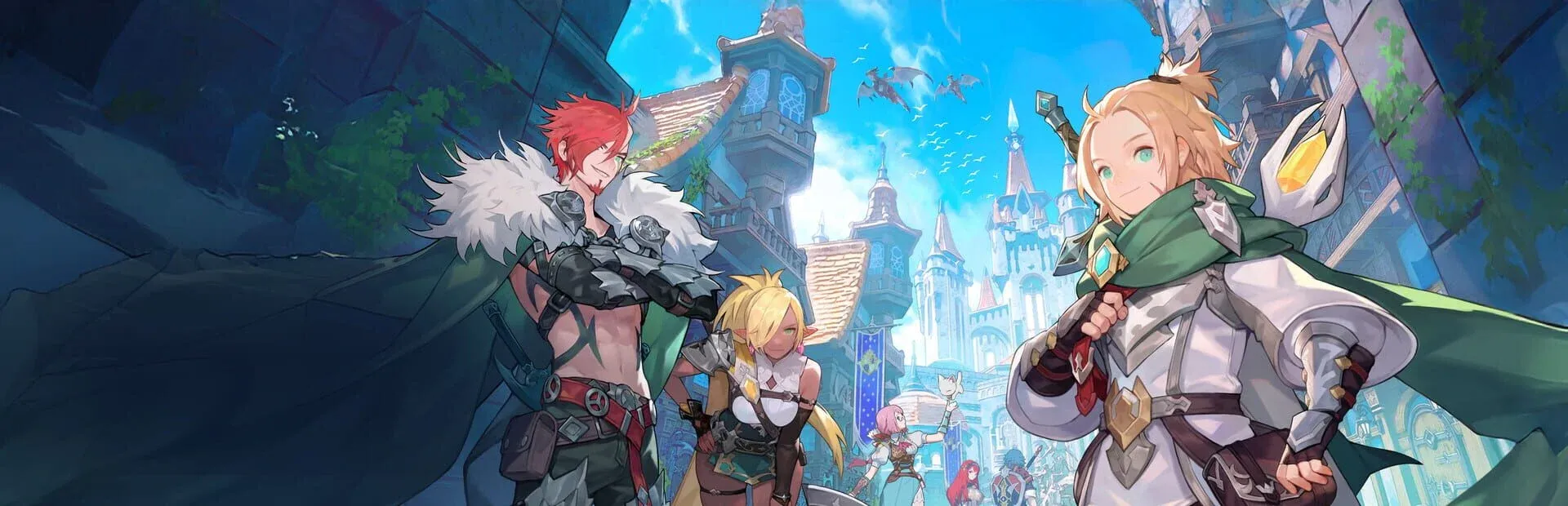
DragonSword: Awakening is an anime-style open-world RPG developed and published by Hound13, released on July 23, 2026, for PC via Steam. Set on the Continent of Orbis, the game builds its premise around a Dragon that slept for six decades before waking up with catastrophic intent. Players assemble a party of unique companions and push back against that threat across a world rendered in Unreal Engine 5.
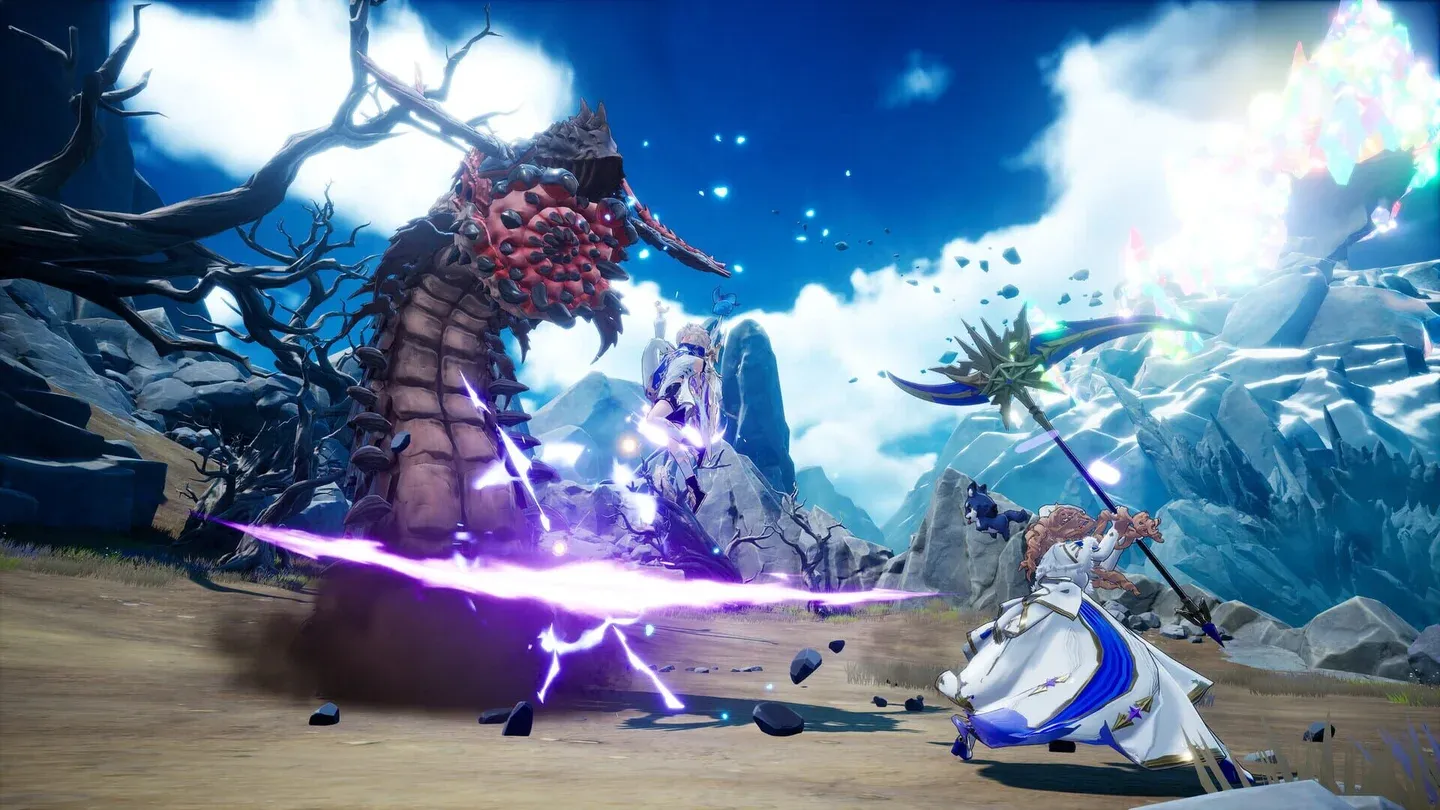
The core identity here sits at the crossroads of exploration and party-based combat. Orbis is built to be traversed, not just passed through, and the game leans into the anime RPG tradition of giving each companion a distinct personality and role in battle. Status ailments are not just passive debuffs either; they are the backbone of the combat system.
DragonSword: Awakening content image
Gameplay and mechanics
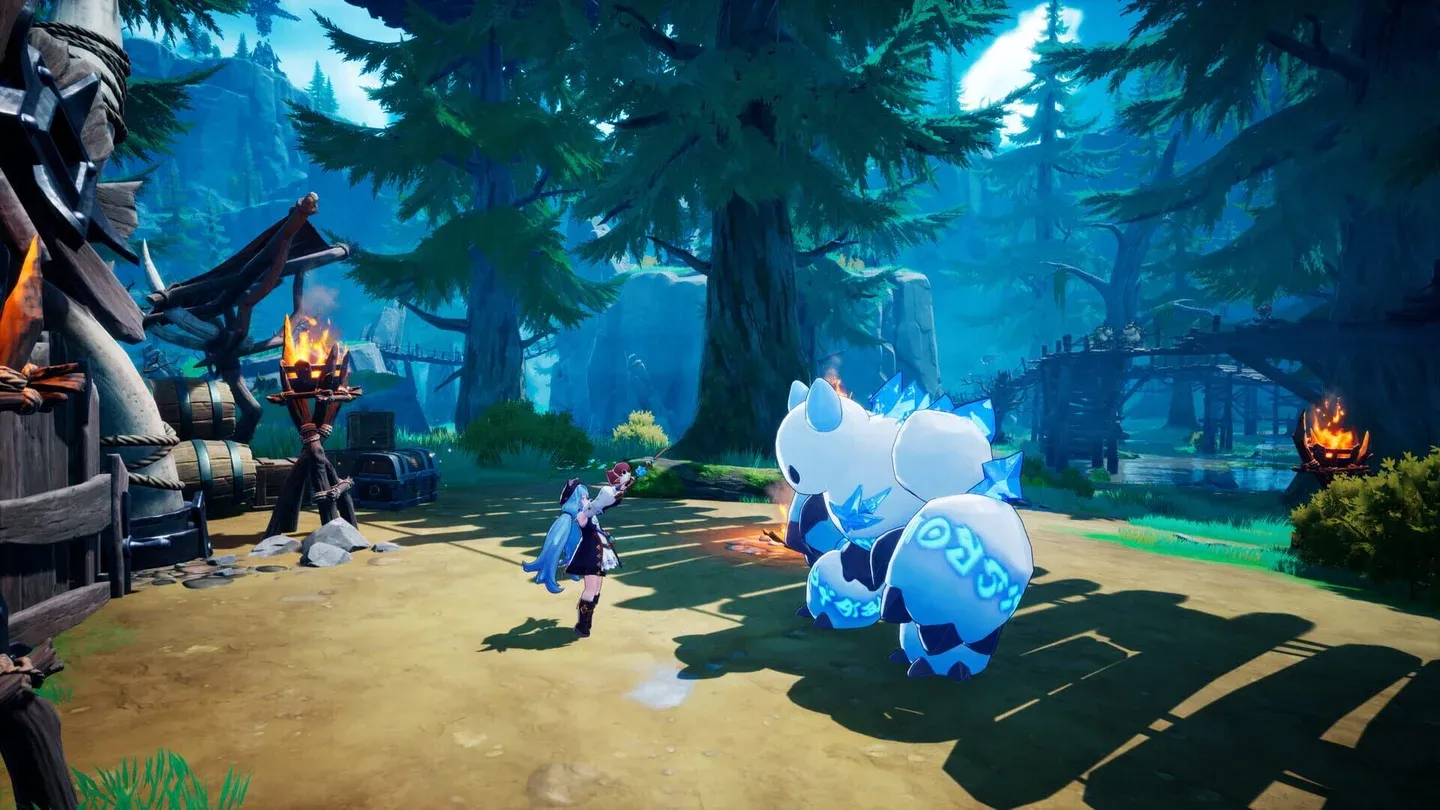
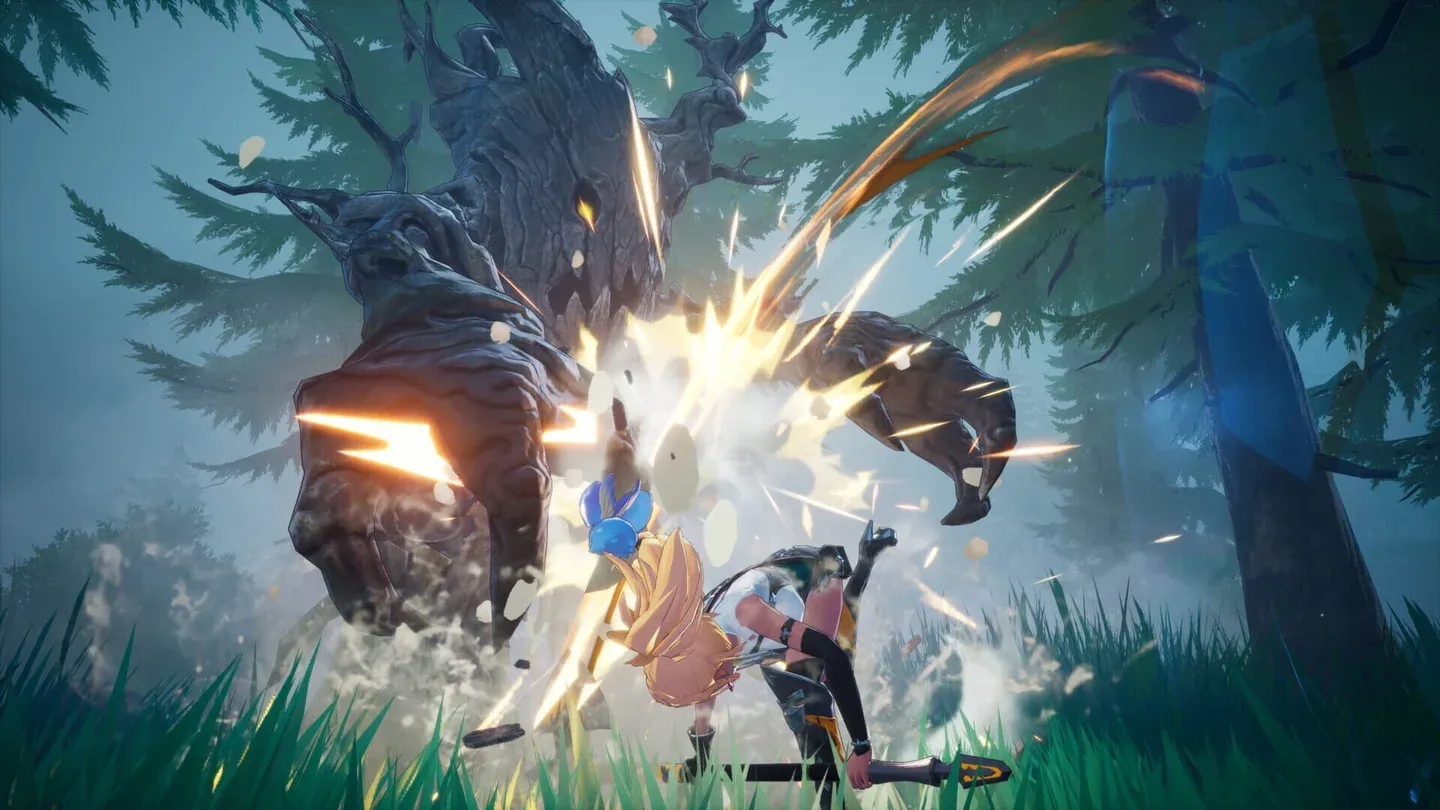
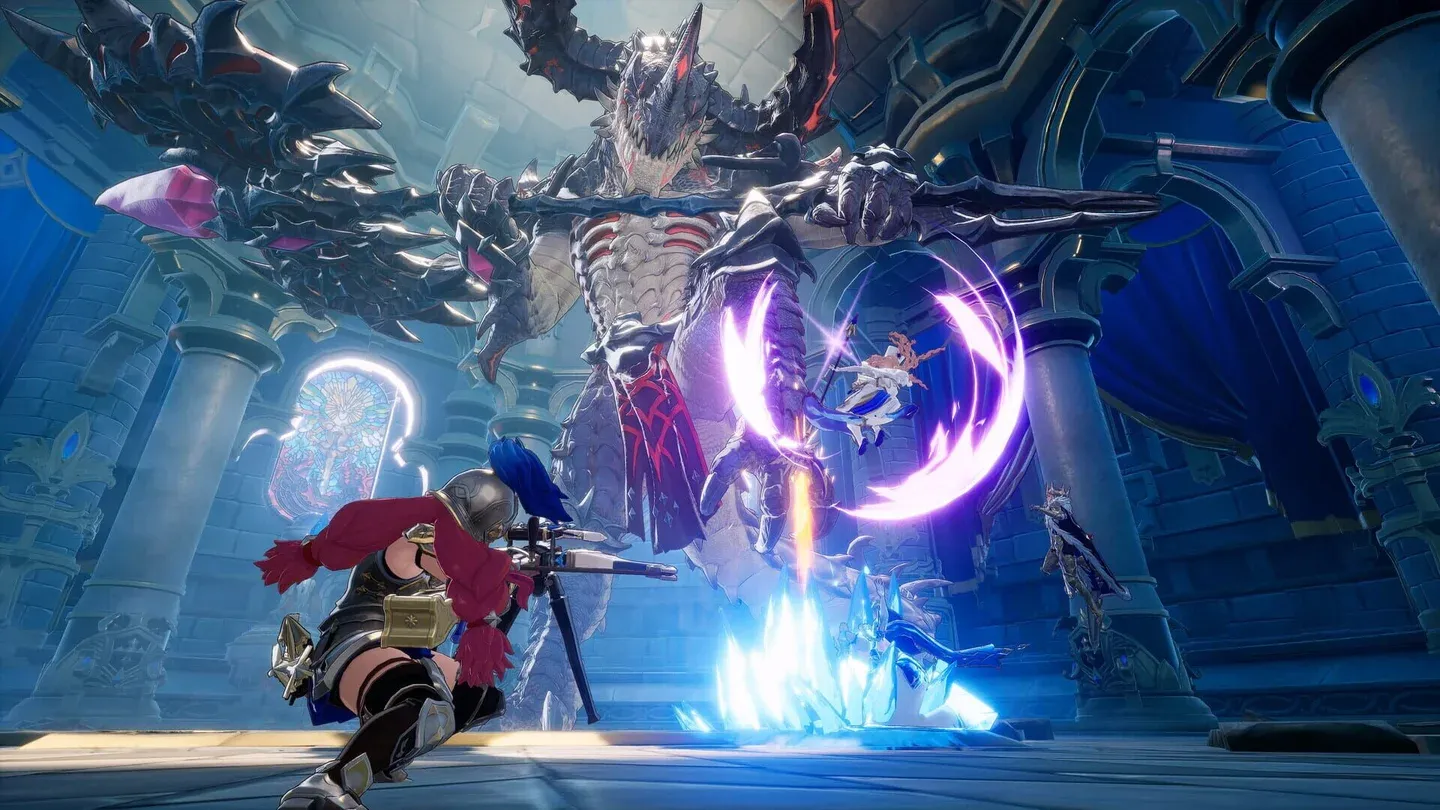
The combat in DragonSword: Awakening centers on a status ailment tag-team system that rewards players for coordinating across their party roster. Key mechanics include:
DragonSword: Awakening content image
- Status ailment chaining between party members
- Tag-team action sequences during combat
- Companion recruitment and party building
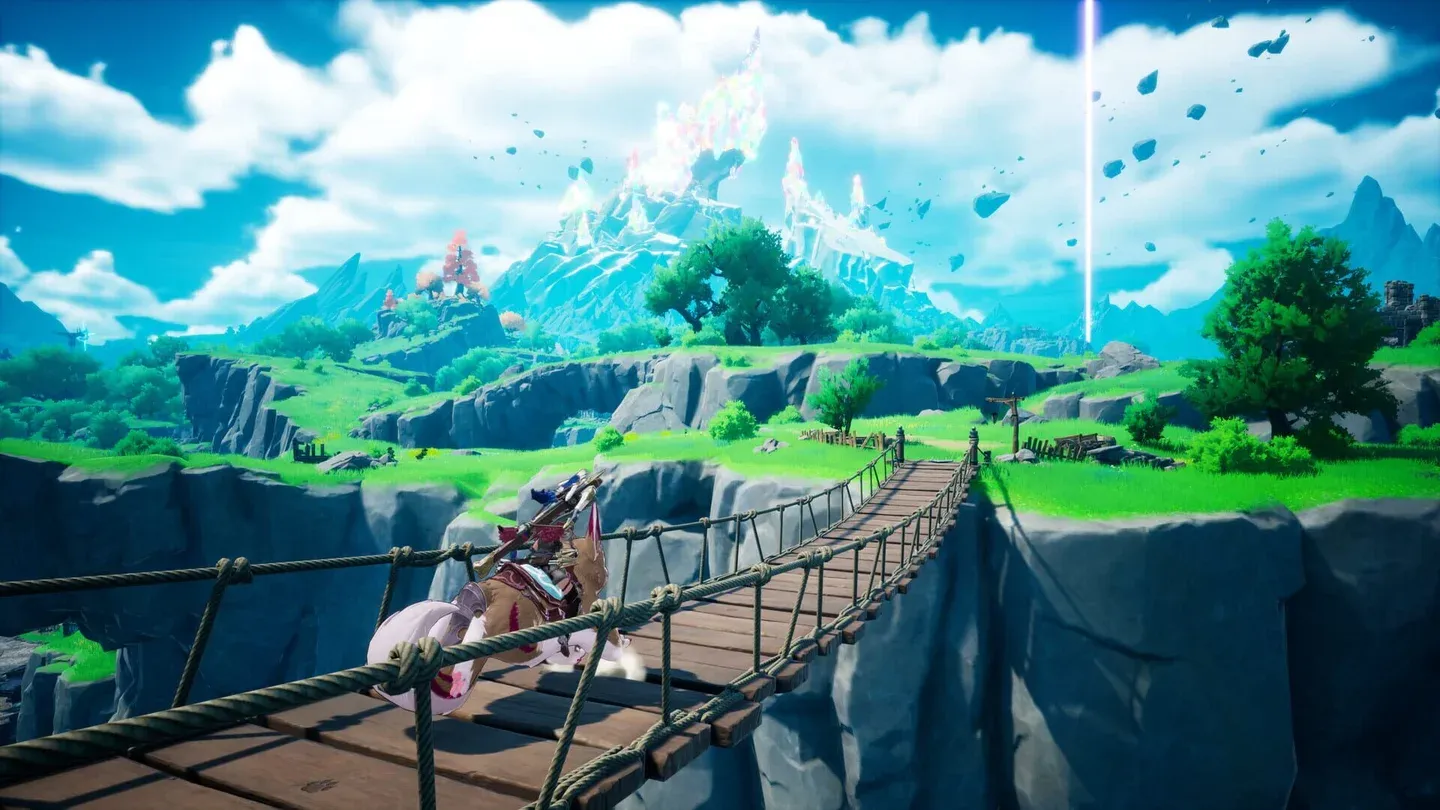
- Open-world exploration across Orbis
- Spectacular combo finishers tied to ailment states
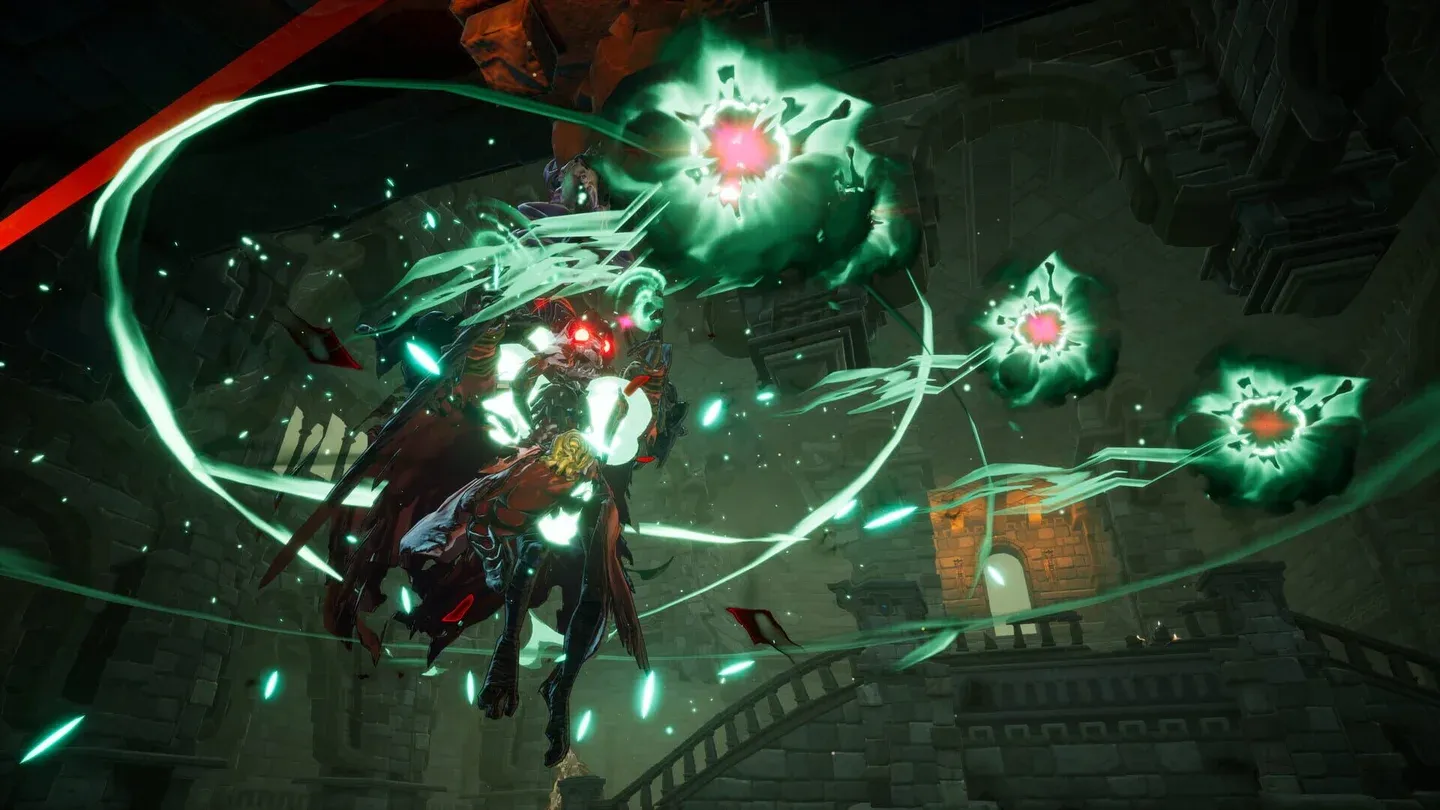
This is not a system where you can brute-force your way through encounters. Building a party that covers multiple ailment types and then sequencing those effects through tag switches is where the depth lives. Players who invest time in understanding the synergies between companions will find the combat opens up considerably.
DragonSword: Awakening content image
World and setting
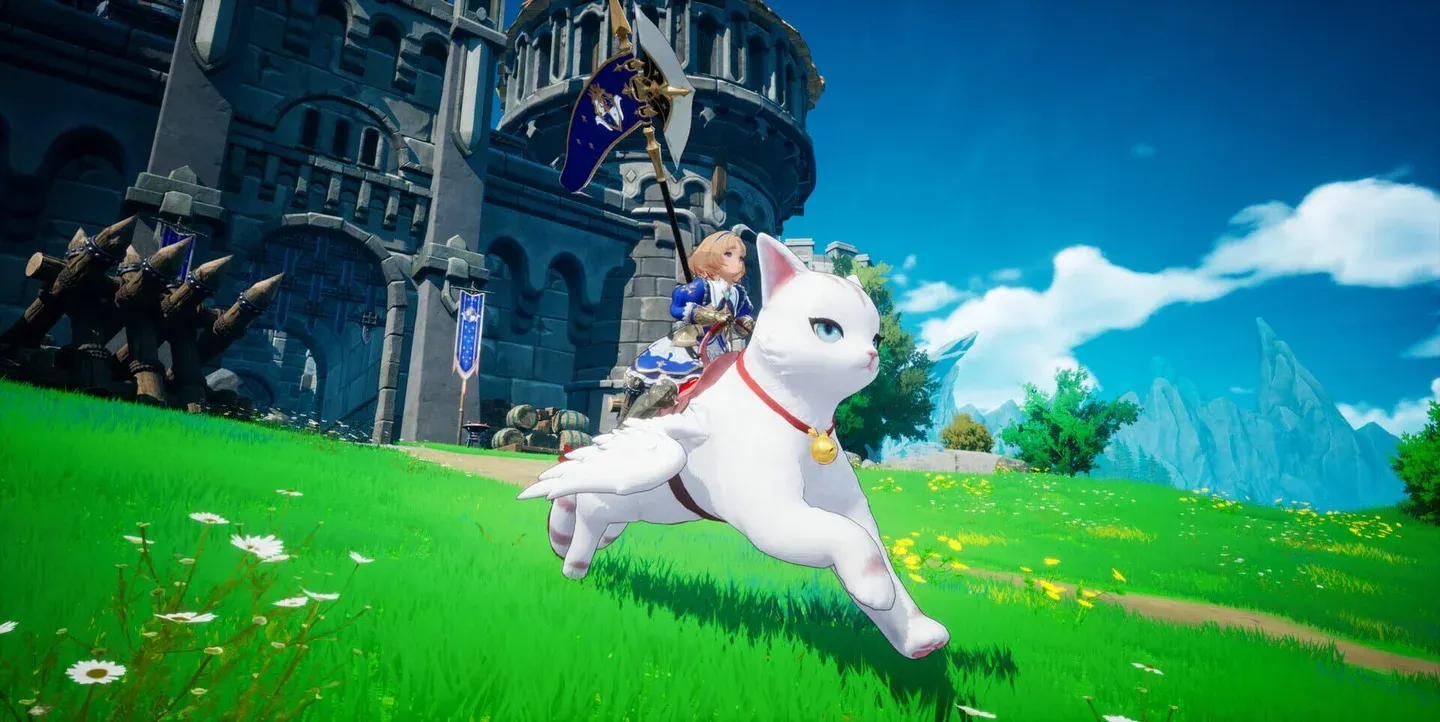
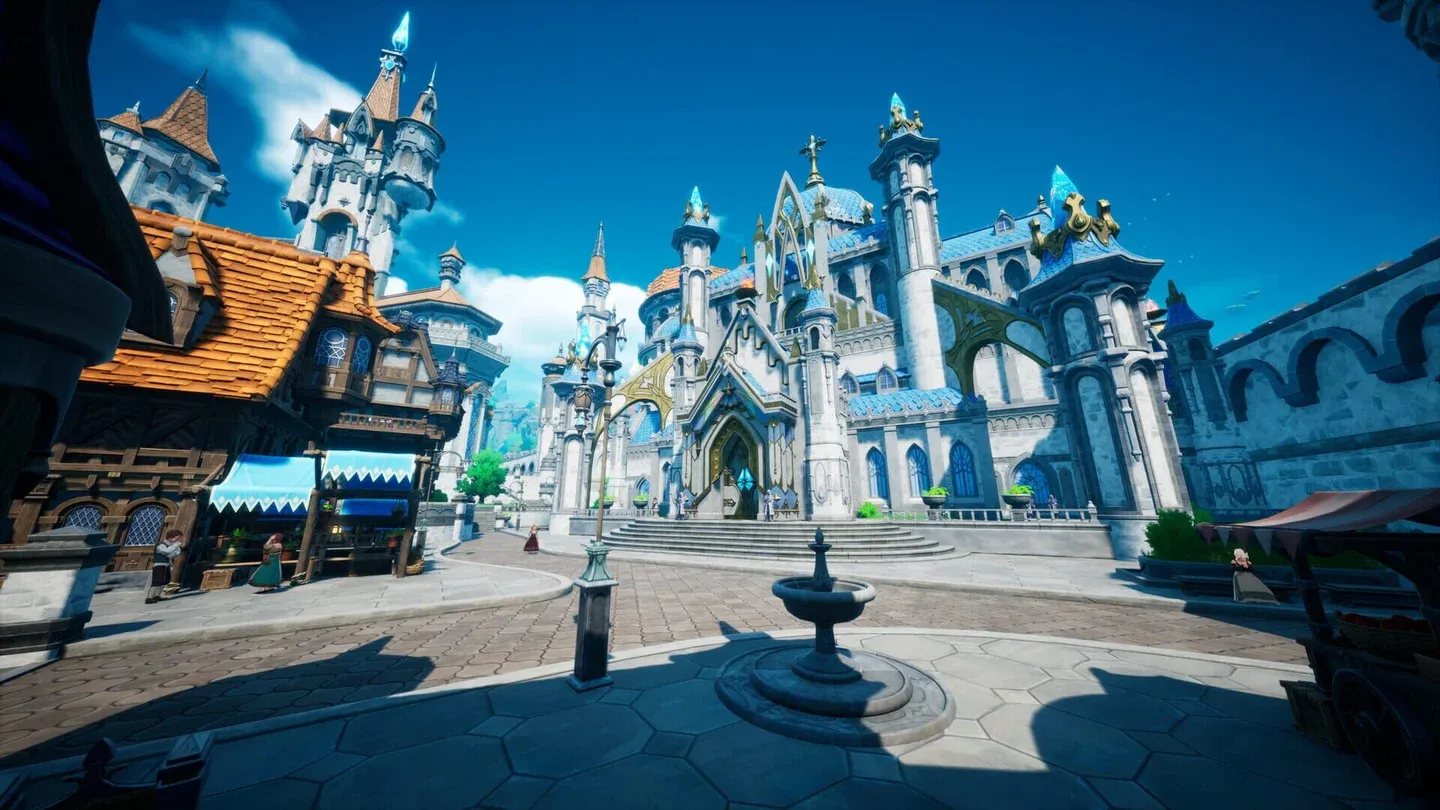
The Continent of Orbis is the kind of open world that benefits from Unreal Engine 5's visual fidelity. The anime art direction is consistent throughout, giving the environment a stylized quality that avoids the photorealistic uncanny valley some UE5 titles fall into. The 60-year gap since the Dragon's last appearance is woven into the world itself, with civilizations that have grown complacent in the long peace.
The story does not treat the Dragon as a mystery to be slowly revealed. The threat is established early, and the journey is about building the strength and the alliances needed to actually face it.
What makes the companion system worth your time?
Recruiting companions in DragonSword: Awakening is not a checkbox exercise. Each character brings a specific set of status ailment capabilities that change how you approach combat encounters. The tag-team mechanic means party composition directly affects which combo chains are available mid-fight, so swapping in a new recruit is not just a roster update but a mechanical shift in how battles play out.
For players who enjoy optimizing party builds in anime RPGs, this is the system that will keep them experimenting well past the opening hours.
DragonSword: Awakening content image
Visual and audio design
Hound13 built DragonSword: Awakening on Unreal Engine 5, and the anime-style presentation takes full advantage of the engine's lighting and rendering capabilities without abandoning the stylized look that defines the genre. Character designs carry the expressive quality you expect from anime RPGs, and the combat animations sell the spectacle of status ailment chains landing in sequence. The world of Orbis reads as a place with history, which makes the Dragon's return feel like a genuine disruption rather than a scripted set piece.