



Overview
EA Sports UFC 6, developed by EA Vancouver and released on June 19, 2026, is the latest entry in EA's flagship MMA simulation series. The game runs on evolved striking and motion systems designed to capture how individual UFC fighters actually move, not just how a generic brawler does. Every athlete on the roster carries distinct footwork patterns, guard styles, and signature combinations that reflect their real-world technique.
The result is a fighting game that rewards study. Casual players can still throw down, but the depth reveals itself the longer you spend in the Octagon. Reading your opponent's stance, timing counters, and managing stamina across rounds all feed into a combat loop that feels closer to chess than button-mashing.

Gameplay and mechanics
The striking system in UFC 6 is where the biggest changes land. EA Vancouver rebuilt how punches, kicks, and elbows connect, with hit reactions that respond to the angle, speed, and power behind each strike rather than triggering canned animations. Clinch work and ground transitions carry the same attention to physical logic.

Key mechanics at the core of the experience:
- Fighter-specific motion capture
- Stamina-based striking degradation
- Reactive hit and stagger animations
- Clinch and grapple position chains
- Real-time damage modeling
Stamina management is genuinely punishing at higher difficulties. Throwing wild combinations early drains your gas tank fast, and a tired fighter takes more damage and loses power on their shots. The game communicates this clearly through visual cues on the fighter's movement and breathing animations.
What story modes does UFC 6 offer?
UFC 6 introduces story-driven game modes that add narrative context to fights in a way the series previously avoided. Rather than treating career progression as a stat spreadsheet with occasional cutscenes, the new modes build personal stakes around each bout. Rivalries, pre-fight tension, and post-fight consequences shape the experience beyond just win-loss records.

The storytelling approach makes the career feel less like a management sim and more like a sports drama. Specific fighters on the roster have storylines built around them, and the game uses real UFC branding, arenas, and presentation to ground those narratives in the sport's actual culture.
Visual and audio design
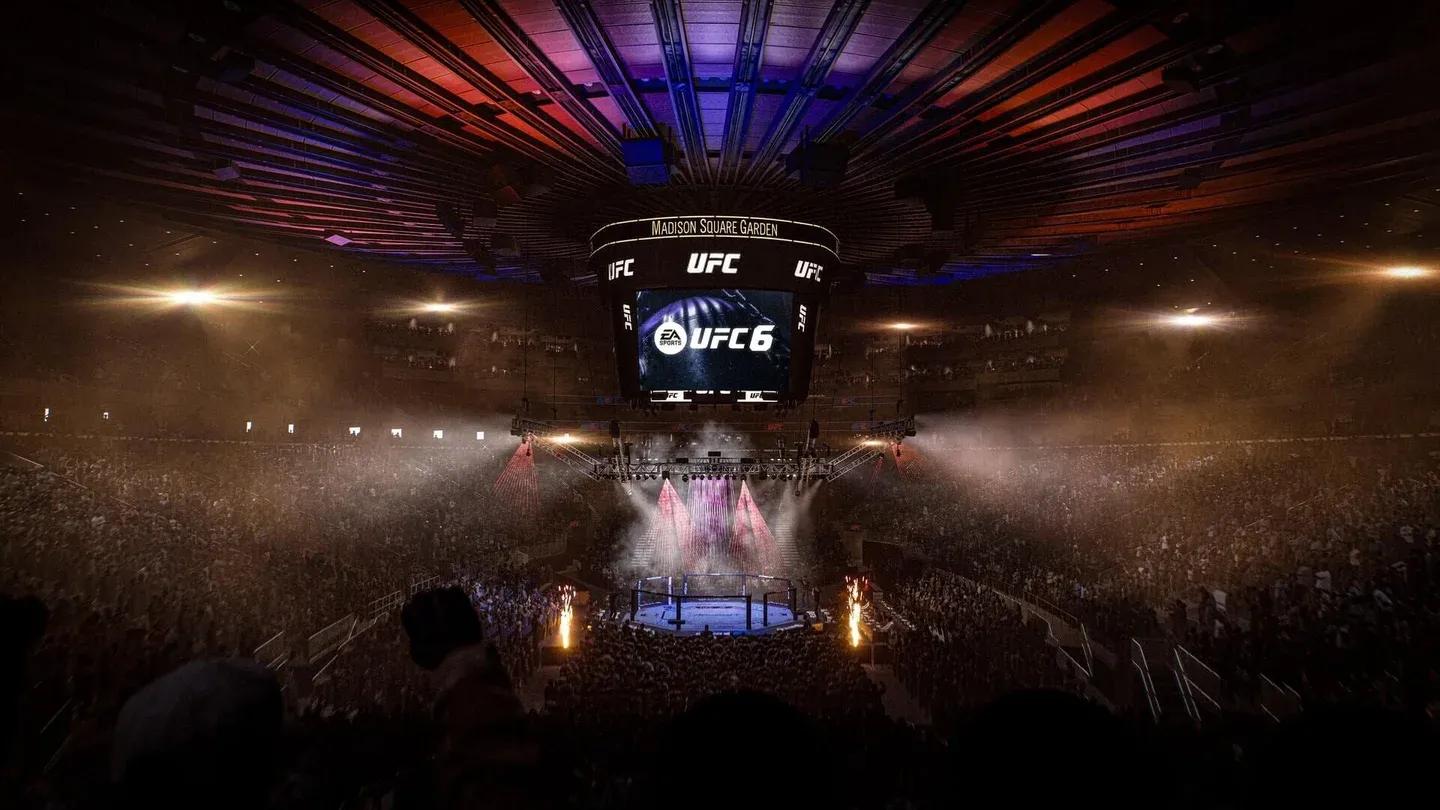
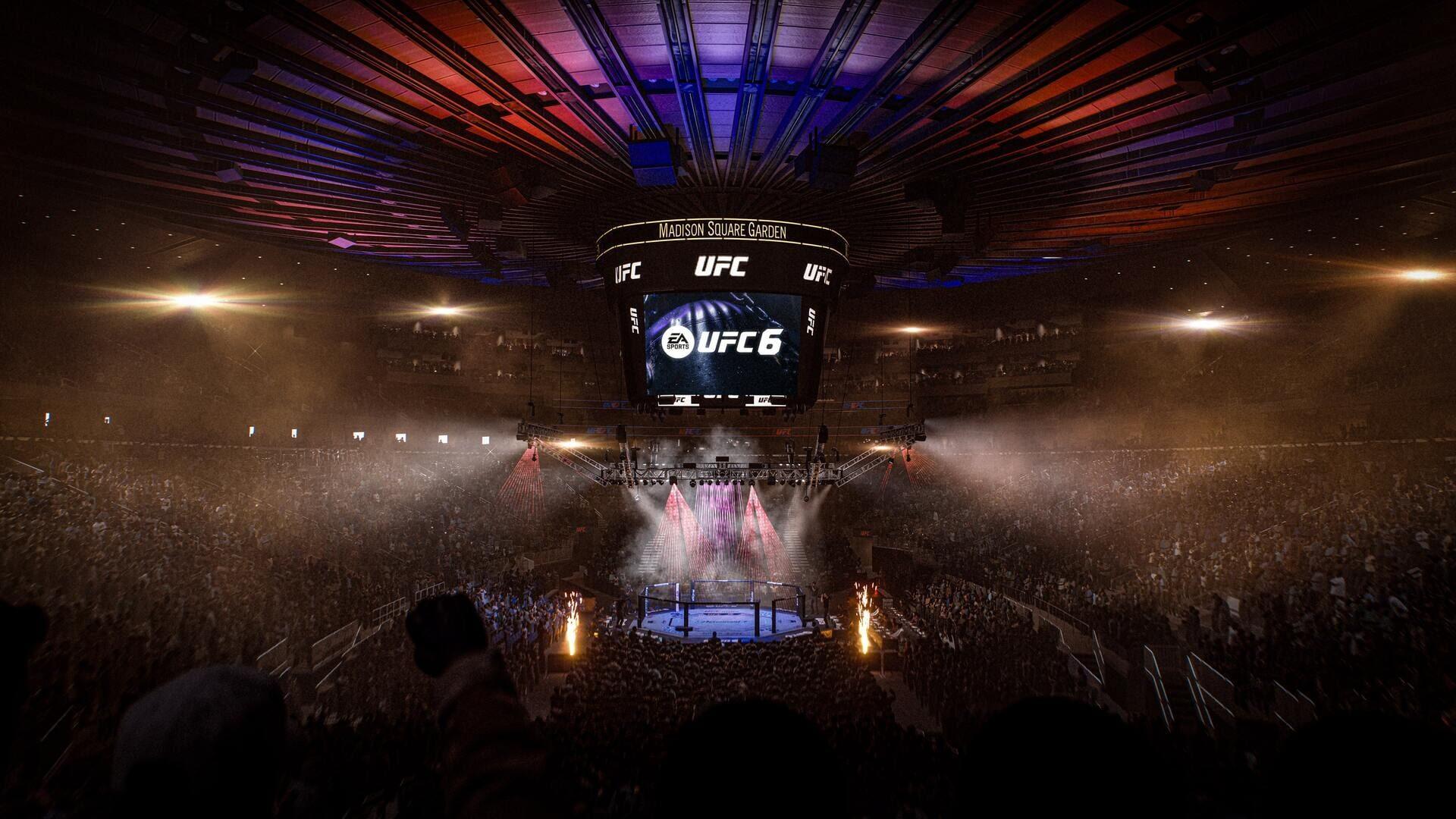
The fighter models in UFC 6 are the best the series has produced. Facial animation during clinches and knockdowns captures the physical toll of a fight in a way that earlier entries glossed over. Sweat, cuts, and bruising accumulate visibly across rounds, and the Octagon environments reflect the broadcast-quality production of a real UFC event.
Audio design matches the visual fidelity. Crowd reactions scale with the action in the ring, going from tense murmurs during a ground-and-pound sequence to eruptions when a clean knockout lands. Commentary stays relevant to the specific fighters involved rather than recycling generic lines.
Multiplayer and competitive play
UFC 6 supports online multiplayer across PlayStation and Xbox, letting players take their trained fighters or roster picks into ranked and casual matches. The evolved striking system means online bouts carry genuine tactical depth, with the same stamina and positioning rules that govern single-player modes fully intact in competitive play.
The roster covers the current UFC landscape with a broad selection of weight classes and fighting styles, giving competitive players real variety in how they build and approach matchups. Whether you're grinding ranked or running exhibition bouts, the fight-specific movement systems ensure that picking Poirier plays nothing like picking Adesanya.