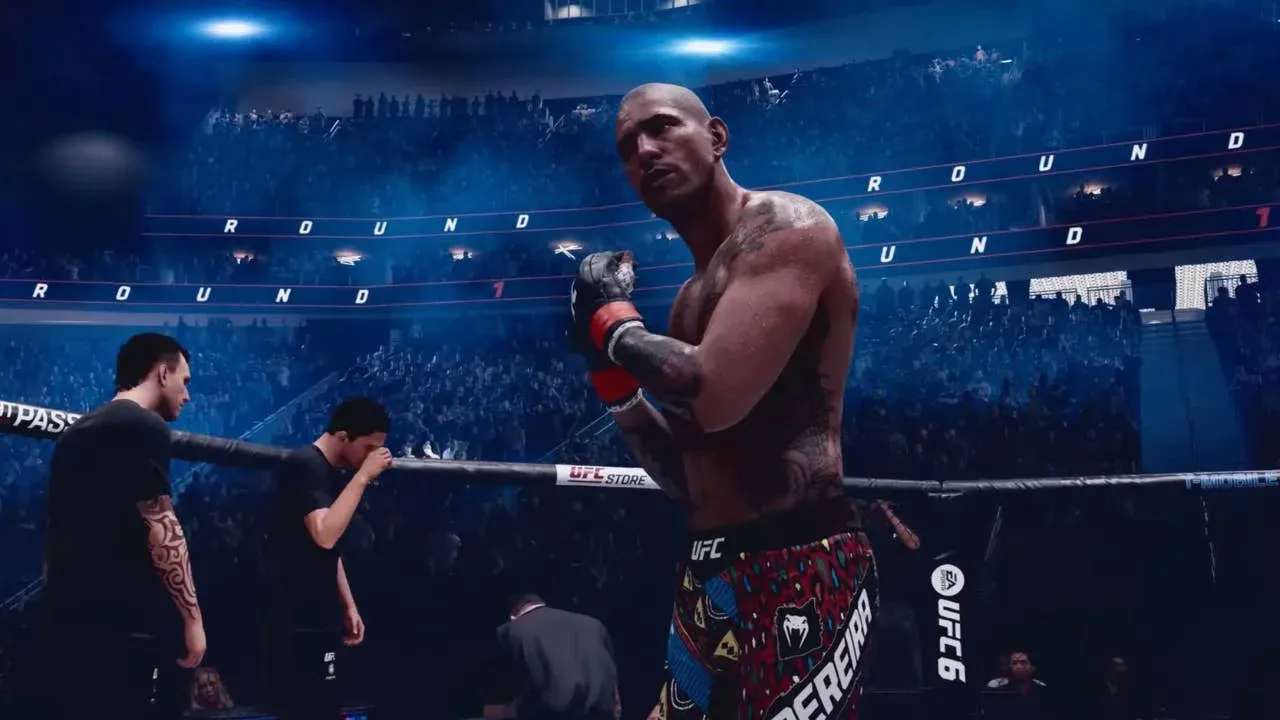

EA Sports UFC 6 has the most fluid stand-up game in the series so far, but that fluidity cuts both ways. Your opponent moves better, hits harder, and punishes sloppy habits faster than in any previous entry. Mindlessly throwing punches while walking forward into your opponent's range is a fast track to the canvas. The good news: once you understand the defensive toolkit available to you, the stand-up game opens up considerably.
Why movement matters more than power
The single biggest mistake new players make is treating the left stick like a gas pedal pointed straight at their opponent. Pushing forward constantly does two things that hurt you: it reduces the damage output of certain strikes, and it narrows the range of attacks you can throw. Standing still at the right distance actually gives you access to harder-hitting options and lets you read incoming attacks more clearly.
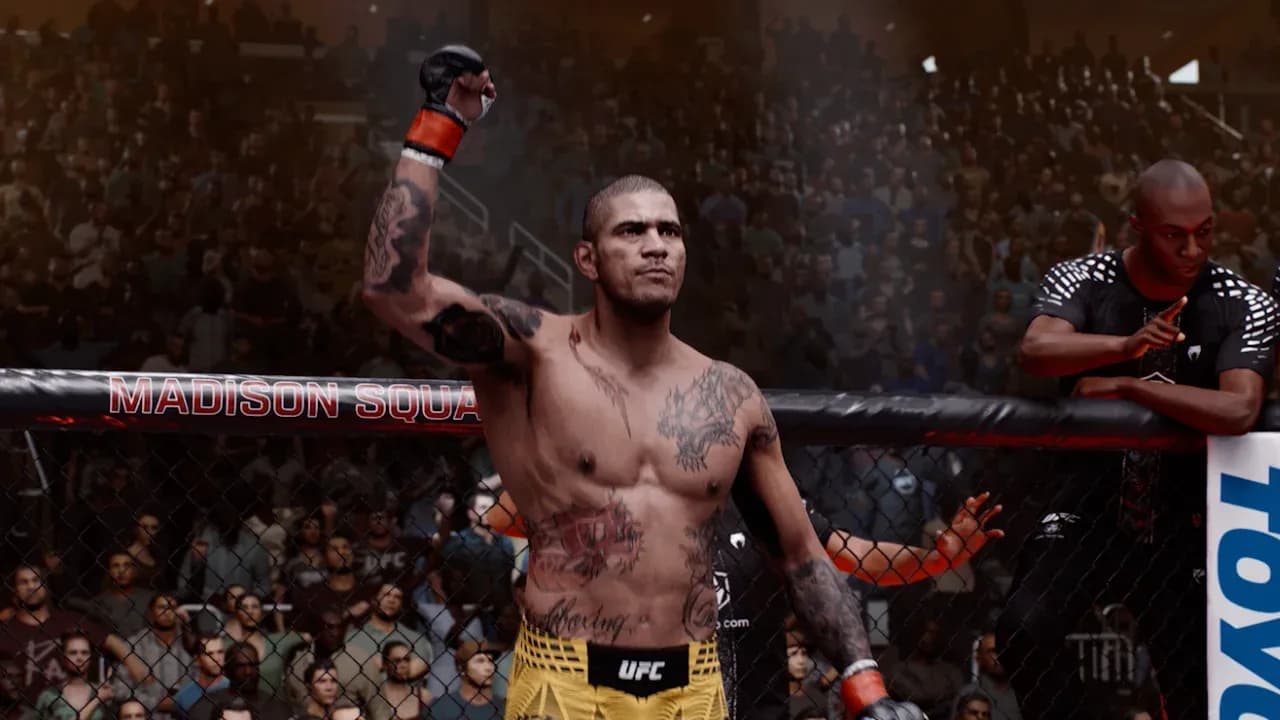
Movement in UFC 6 is about controlling the space between you and your opponent, not just chasing them around the ring. Use the left stick to step laterally or reset your position rather than always closing distance. Steps are performed by lightly flicking the left stick in a cardinal direction, and they're excellent for creating unexpected angles of attack while avoiding incoming strikes with minimal stamina cost.
Footwork controls your range
How do you defend straight attacks like jabs and crosses?
Slips are your primary answer to straight-line strikes. Jabs, crosses, front kicks, and spinning side kicks all travel directly toward your fighter's head, which means moving off the center line takes you out of their path entirely and sets up an immediate counter. On both PS5 and Xbox, slips are executed by moving the right stick left or right.
Pulls also work against head strikes, but they're most effective when timed at the end of a punch's range rather than as a first reaction. Pulling too early against a jab-cross combination can leave you standing in front of your opponent with your head in a bad position.
How do you defend hooks, overhands, and uppercuts?
Looping punches need a completely different defensive approach. Since hooks travel along an arc rather than a straight line, slipping to the outside of the punch is the cleanest answer. Ducking works well against hooks and other round strikes by dropping your head below the punch's path.
Overhands can often be avoided by slipping to the outside, similar to hooks, but the timing window is tighter. The important thing to watch for is the follow-up: pulling against uppercuts leaves your body exposed to follow-up attacks, so mixing your defensive responses keeps opponents guessing.
| Strike Type | Best Defense | Input (PS5/Xbox) | Watch Out For |
|---|---|---|---|
| Jab / Cross | Slip | RS Left or Right | Follow-up hooks |
| Front Kick / Spinning Side Kick | Slip | RS Left or Right | Combo extensions |
| Hook | Duck or Outside Slip | RS Down / RS Left or Right | Uppercuts up the middle |
| Overhand | Outside Slip | RS Left or Right | Body shots |
| Uppercut | Duck | RS Down | Knees, front kicks |
| Flying Knee | Back Lunge or Major Lunge | L1+LS Back / LB+LS Back | Counter window after miss |
What's the best way to defend kicks?
For leg kicks, checking is the correct response whenever possible. A successful check reduces the damage you take, damages the attacker's leg health in return, and repeated checks can trigger a leg-health event that significantly impacts your opponent's movement and striking power. On PS5, checking is done with L2 + R2 simultaneously; on Xbox, that's LT + RT.
Against head kicks and spinning attacks, movement-based defense is generally safer than standing and blocking. Ducking (RS Down), pulling (R2/RT + RS Back), and back lunging (L1/LB + LS Back) all get your head out of the kick's path. Blocking spinning attacks is risky because it drains block meter quickly and still allows some damage through.

Checking kicks damages attacker
How does the parry block work?
The parry block is one of UFC 6's most useful defensive tools, especially when your block meter is running low. Timing the right trigger to block while simultaneously flicking the right stick toward the rear of your fighter executes a lean-back parry that reduces incoming damage. The key advantage over a standard block is the stamina cost: parries cost almost nothing compared to absorbing shots on your guard.
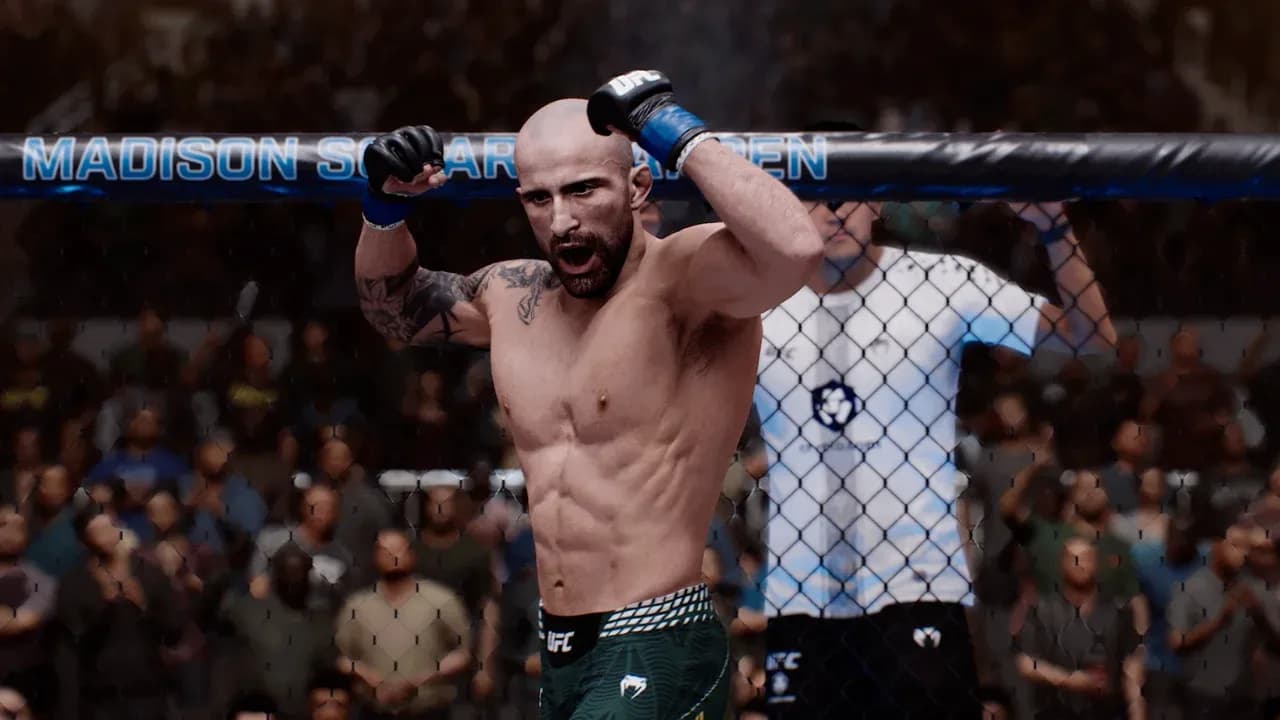
Lunges extend this further. Holding the left bumper (L1/LB) and pushing the left stick in a cardinal direction executes a lunge, and when timed correctly alongside a parry block, it provides even greater damage mitigation if an attack connects. Note that some fighters have different lunge behaviors, so spend time in Practice Mode learning your specific character's options.
How do you defend flying knees?
Flying knees are among the most dangerous attacks in UFC 6 because of their speed and damage potential, but they create a large counter window when they miss. The goal is to avoid the strike cleanly rather than block it. Back lunges (L1/LB + LS Back) and major lunges (L1/LB + LS Direction) both move your fighter out of range effectively. Head movement works too, but the timing margin is smaller.
When an opponent misses a flying knee, they land in a committed position with a recovery animation. That's your moment to counter. Players who learn to bait flying knees and punish the whiff will win a lot of exchanges against aggressive opponents.
Lunges create counter windows
Settings that actually help you improve
Two settings are worth adjusting before you spend serious time in Practice Mode. First, turn off Strike Assist. It creates inconsistencies between how strikes behave online versus offline, and building habits around assisted inputs will hurt you in competitive play.
Second, Time Dilation is not available in multiplayer, but it's a genuinely useful training tool. Combined with the Frame Timing Meter, it gives you a visual representation of strike timing windows so you can see exactly when your defensive inputs need to land. Practice with it, then remove it once the timing becomes instinctive.
For Practice Mode specifically, the most effective setup for learning defense is recording common opponent combinations using the AI Strike Recording feature, then having the AI replay them repeatedly. Set Health and Stamina to On, keep Damage Indicator active, and leave Vulnerability Overlay and Frame Timing off once you've internalized the basics. Repetition against realistic combo patterns builds the reaction speed that matters in real matches.
Building a complete defensive game
No single defensive mechanic covers every situation, and opponents who identify your patterns will exploit them. The fighters who are hardest to hit mix slips, ducks, pulls, lunges, kick checks, and parry blocks across a match rather than defaulting to one option repeatedly. Each tool has a specific situation where it excels, and knowing which to reach for is the difference between a clean defensive exchange and eating a counter shot.
After spending time testing all of these options against different strike types, the consistent takeaway is that movement-based defense (slips, ducks, lunges) creates more counter opportunities than reactive blocking, while the parry block is best saved as a block-meter management tool rather than a primary defense. Kick checks should be automatic whenever a leg kick is incoming.
For more EA Sports titles, check out the full EA SPORTS FC 26 coverage on GAMES.GG, including guides on meta formations and custom tactics, defending positioning and jockeying, and the complete EA SPORTS FC 26 strategy guide collection if you want to sharpen your skills across EA's sports lineup.