Overview
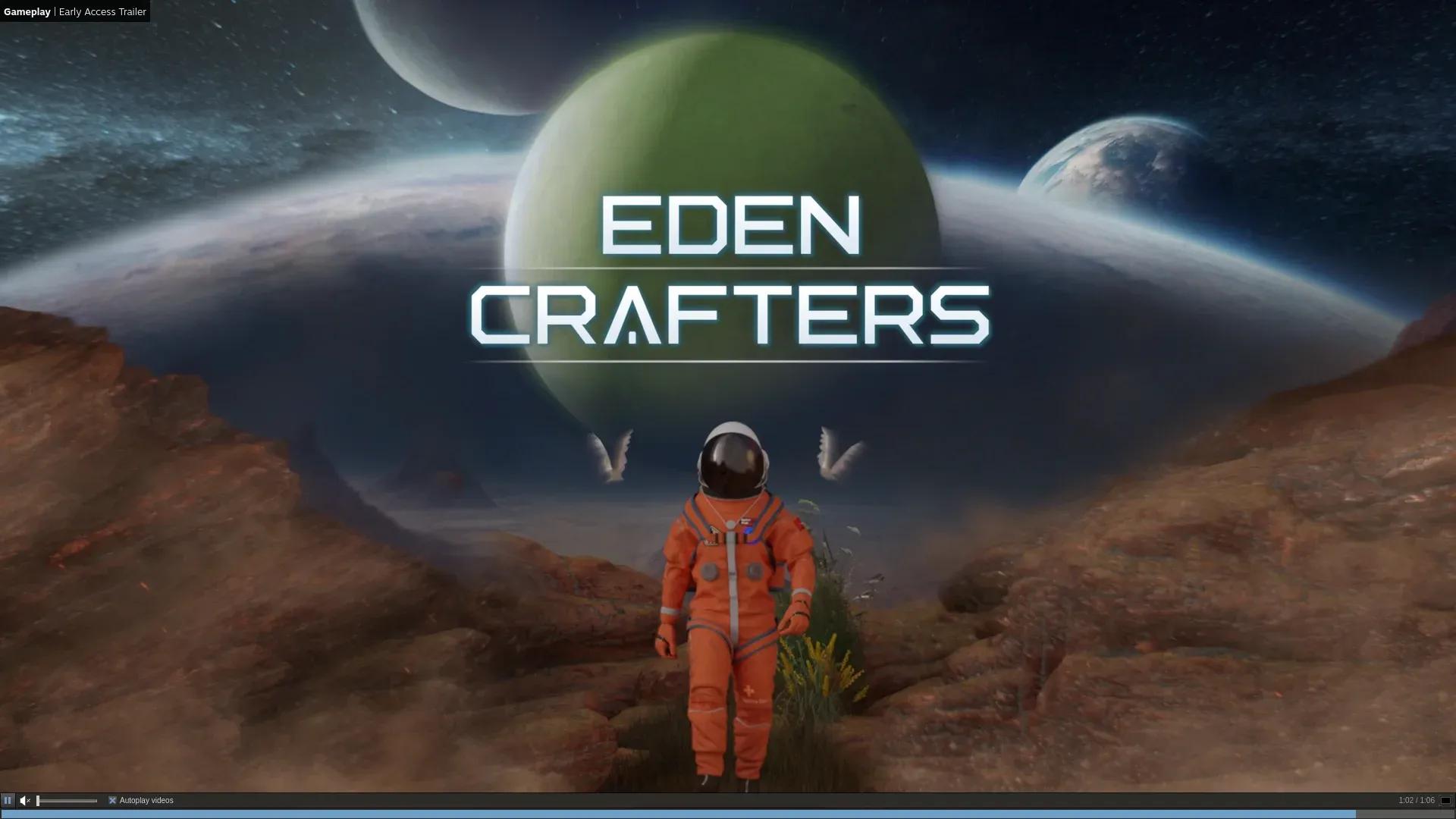
Eden Crafters, developed and published by Osaris Games, launched on Steam on May 7, 2026. It sits at the intersection of survival crafting, factory building, and planetary terraforming, asking players to do far more than survive. The mission is transformation: take a world actively trying to kill you and remake it from the ground up. Radioactive zones, toxic lakes, and volatile weather caused by nearby moons are the starting conditions. A breathable atmosphere and a flourishing biosphere are the destination.
[VIDEO]
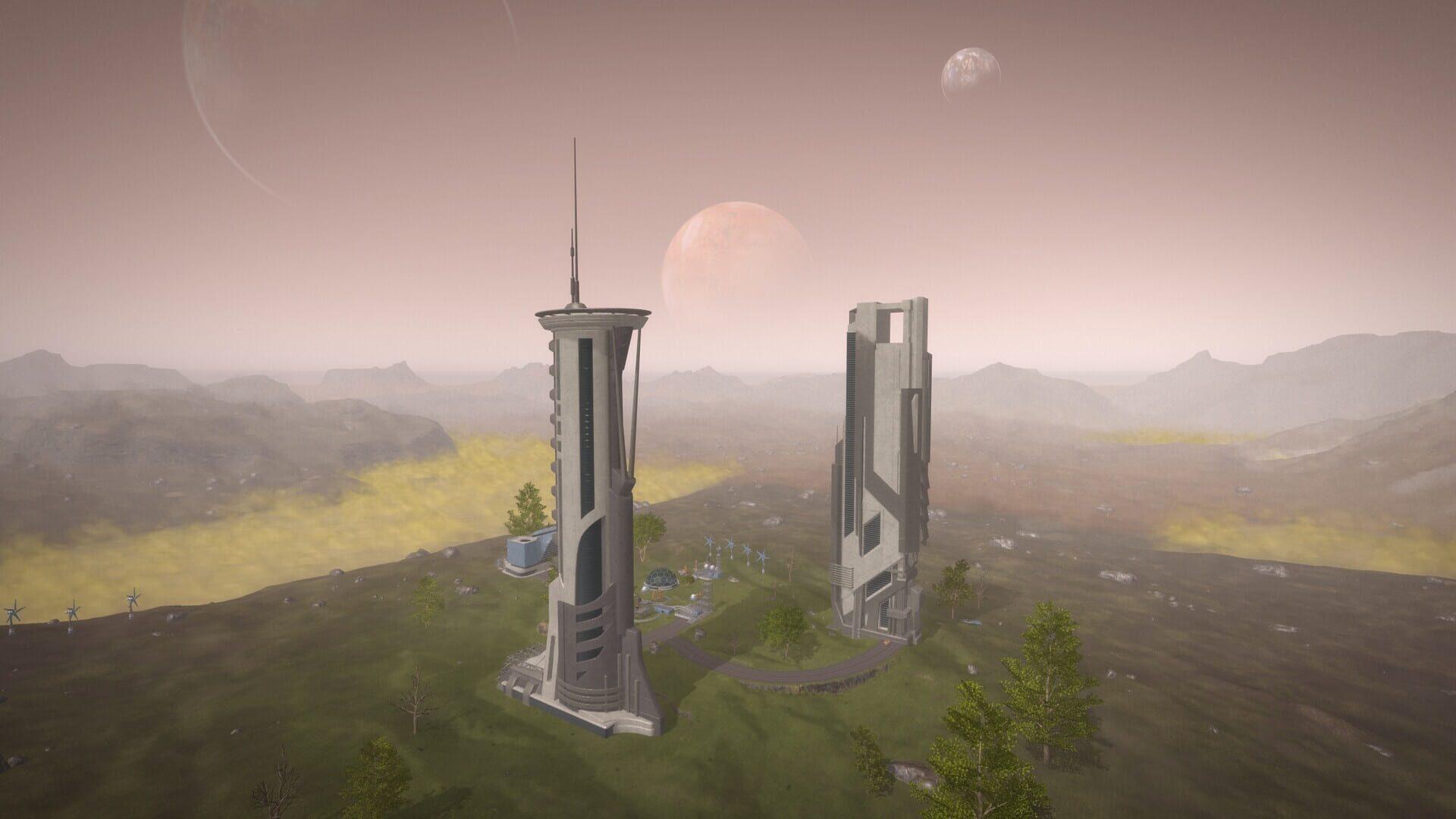
What separates Eden Crafters from standard survival games is the scale of the objective. This isn't about building a shelter and farming food. Every action feeds into a larger system of environmental change. Crafting tools leads to automated factories, automated factories drive terraforming machines, and terraforming machines slowly tip the planet's climate toward something livable. The progression loop has real weight because the planet itself is the progress bar.
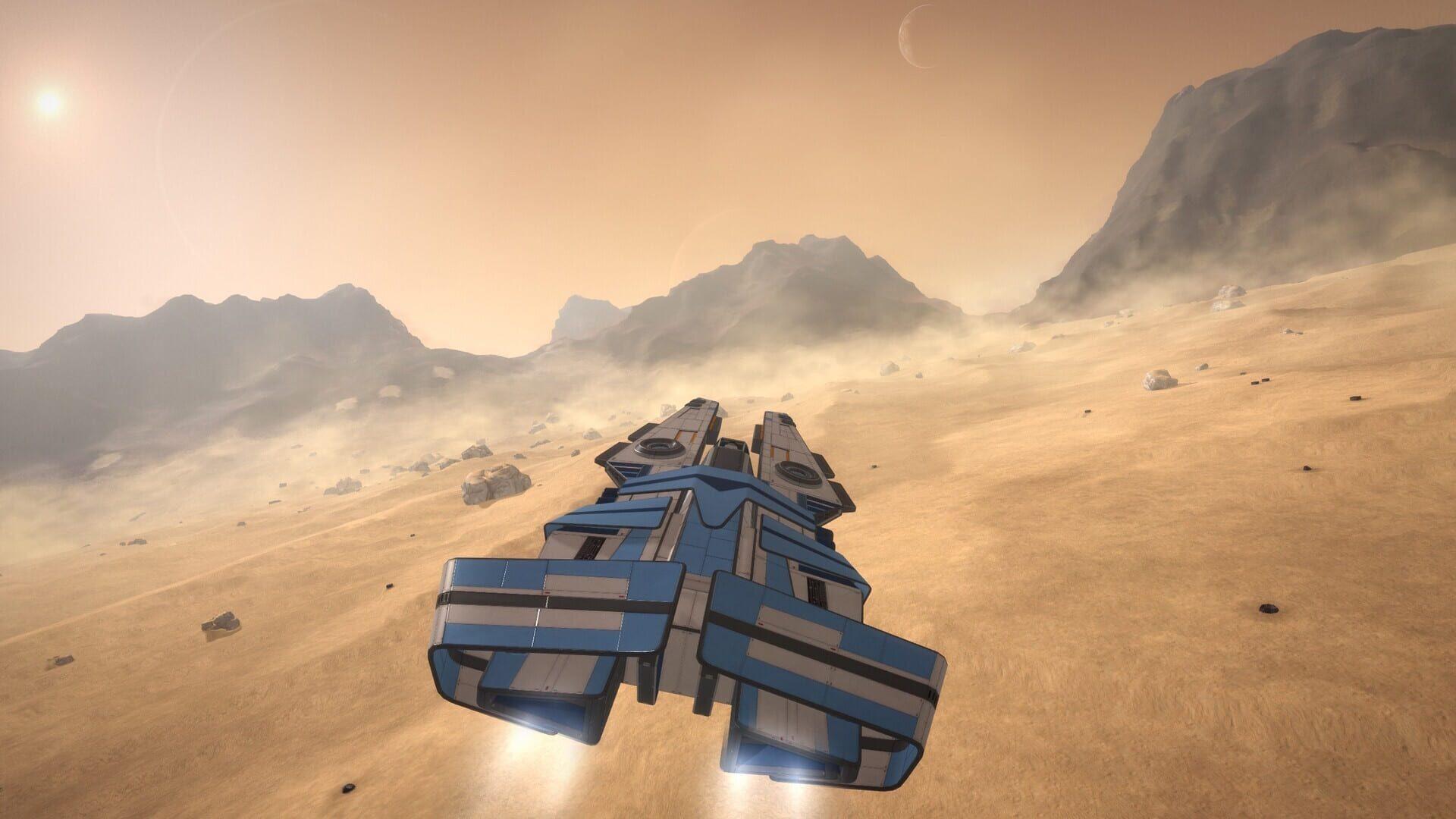
Planet selection adds variety from the start. Each world comes with its own environmental hazards and challenges, so no two playthroughs begin from the same baseline. One planet might punish you with giant tidal waves from a close-orbiting moon; another might be defined by its radiation belts or toxic atmosphere. The choice shapes the entire arc of the run.
Gameplay and mechanics: how does terraforming actually work?
Terraforming in Eden Crafters operates through interconnected systems rather than a single button. Players gather raw materials, craft tools and machines, and then chain those machines together using conveyors and automated pipelines. The goal is building factory networks efficient enough to process the planet at scale. Key mechanics include:
- Resource gathering and crafting
- Conveyor and machine automation
- Climate and atmosphere management
- Toxic water purification
- Vehicle-based exploration
Efficiency matters here. Getting your factory layout right isn't just satisfying; it's the difference between a planet that slowly greens over time and one that stalls out. The game rewards players who think in systems and plan their production chains carefully.
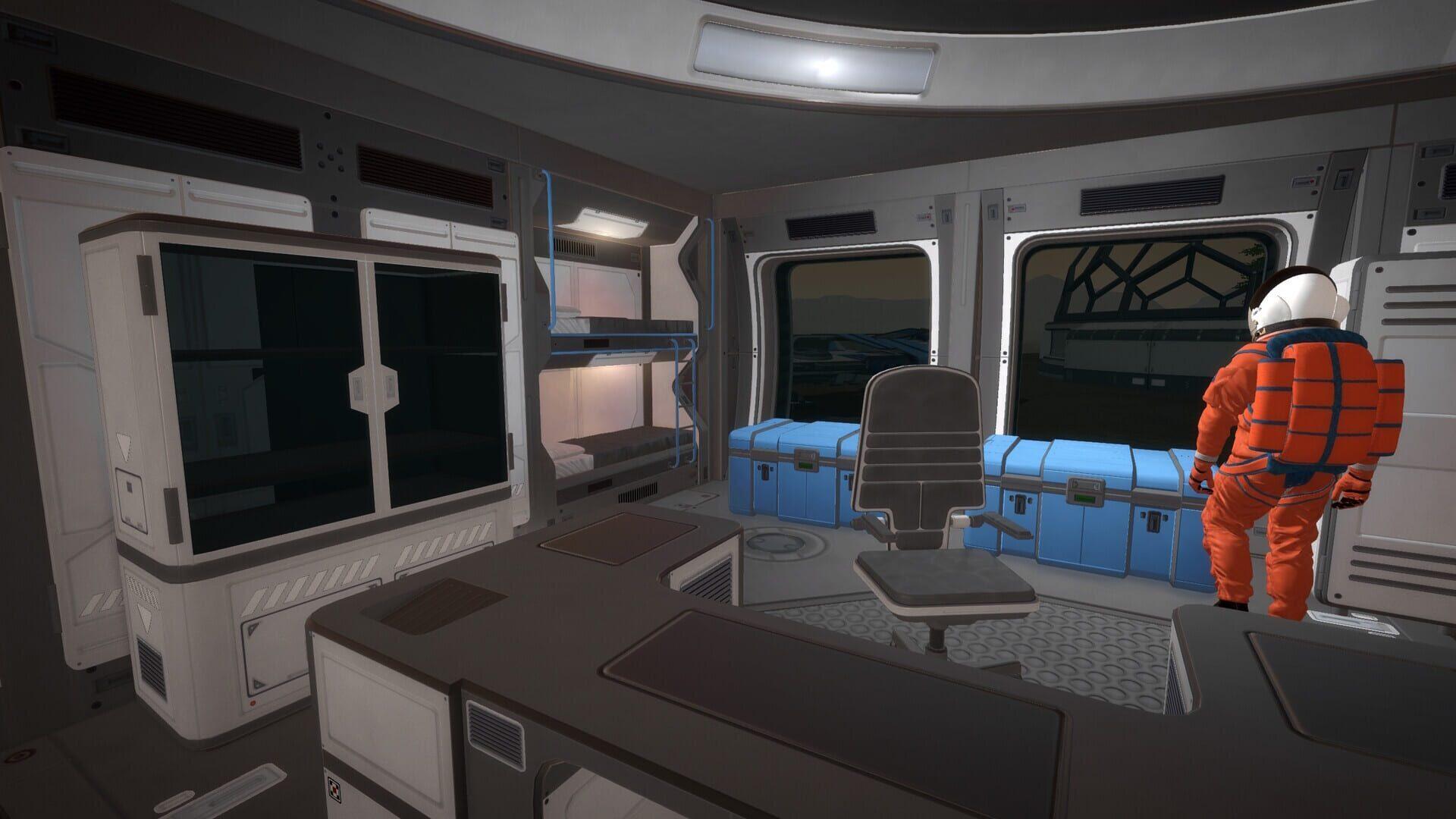
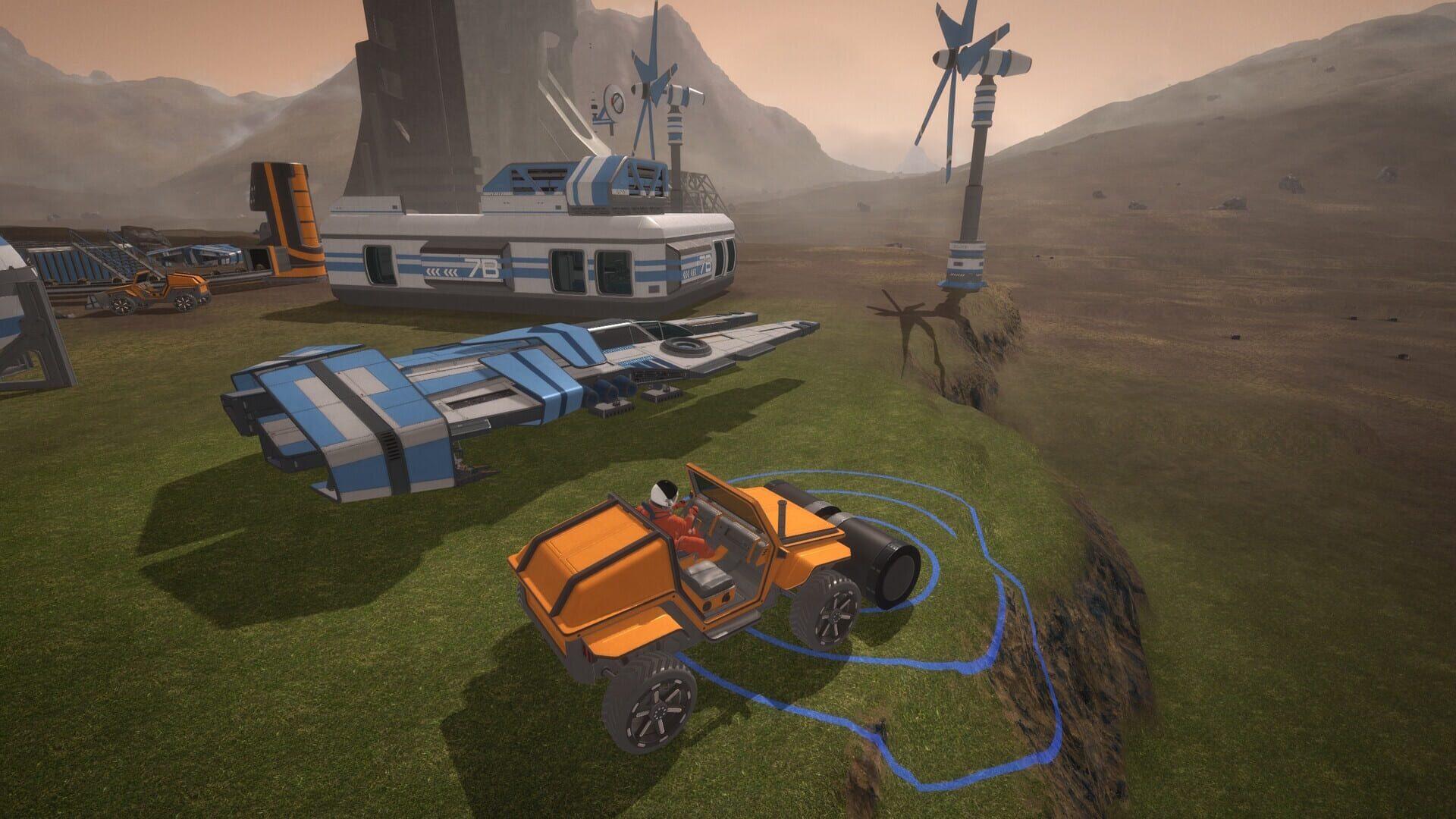
Vehicles expand the scope of what's reachable. Exploration on foot has limits when you're dealing with a planet-sized open world full of hazardous terrain. Driving out to new resource deposits or scouting terraforming zones on wheels makes the world feel genuinely large without making traversal feel like a chore.
Multiplayer and social: is Eden Crafters better with friends?
Eden Crafters supports both singleplayer and online co-op multiplayer, and the co-op side is where the factory-building ambition really opens up. Splitting responsibilities across a team, where one player handles resource extraction while another optimizes the processing chain, reflects how the game's systems are designed. The terraforming goal scales naturally with more hands involved, making larger and more complex factory setups feel achievable.
Singleplayer is fully supported, though the scope of the planetary transformation goal means solo runs demand more patience and careful planning. Both modes share the same open world and progression systems.
Content and replayability
The planet selection system is the core replayability hook. Different starting worlds mean different environmental problems to solve, different hazards to navigate, and different resource distributions to work around. Players who want to optimize their factory layouts or try more hostile starting conditions have a clear reason to return after finishing one run.
The open-world structure also means there's no single correct path through the game. Prioritizing atmospheric processors over water purification, or rushing vehicle tech before locking down a stable resource loop, leads to meaningfully different experiences each time.
Conclusion
Eden Crafters carves out a specific space in the survival crafting genre by making terraforming the entire point rather than a side feature. The factory automation systems give it depth beyond typical crafting games, and the planet selection keeps runs from feeling identical. For players who want their base-building to mean something at a planetary scale, solo or in co-op, it delivers a clear and satisfying progression from hostile wasteland to functional civilization.