
Overview
Escape Simulator is a first-person puzzle game developed and published by Pine Studio, released in October 2021 for Windows, macOS, and Steam, with a PlayStation version also available. Rather than presenting escape rooms as static visual puzzles, it builds environments where physical interaction drives every solution. Players move furniture, smash pottery, examine artifacts up close, and manipulate locks using direct, hands-on mechanics that make each room feel genuinely alive.
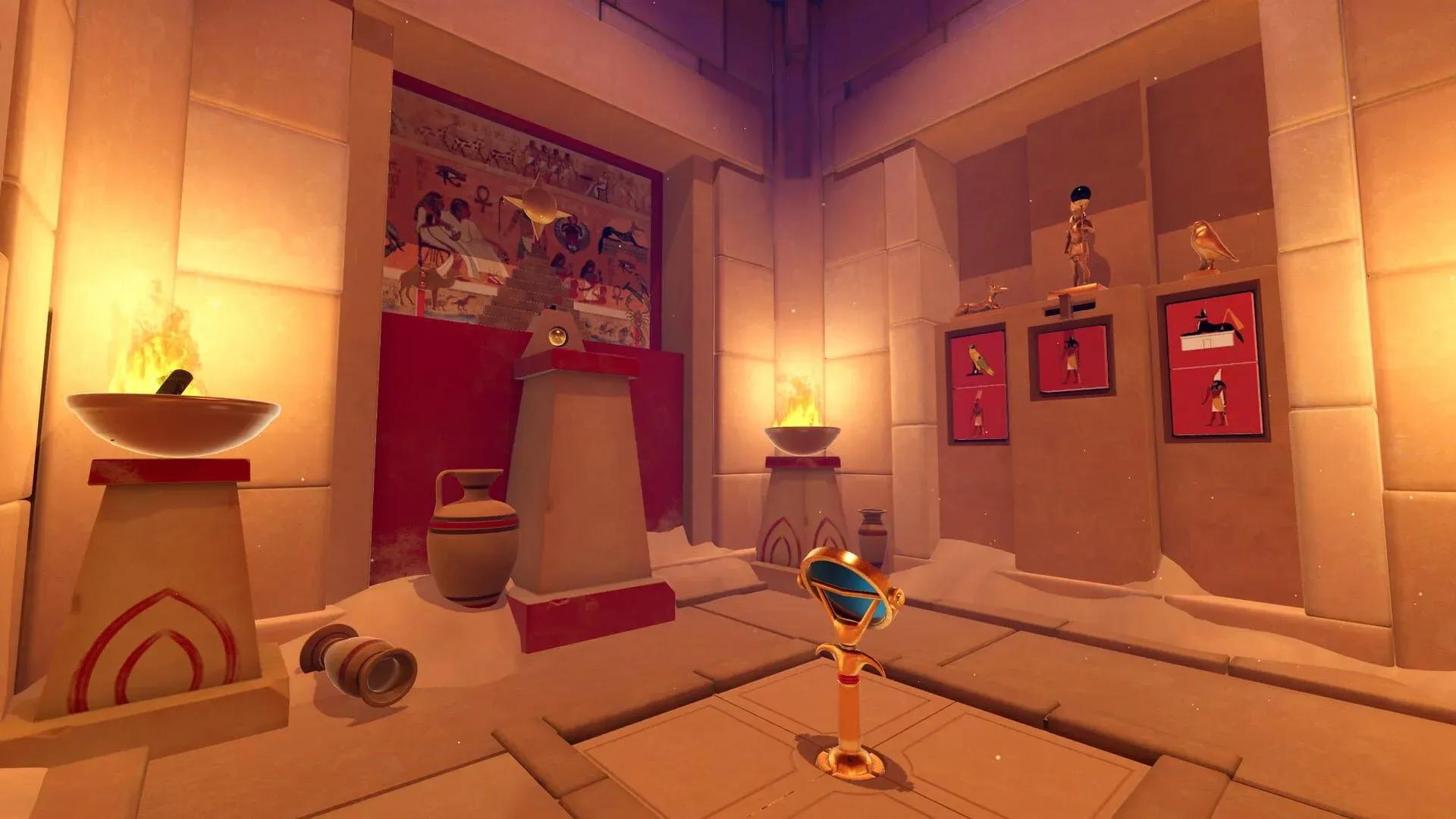
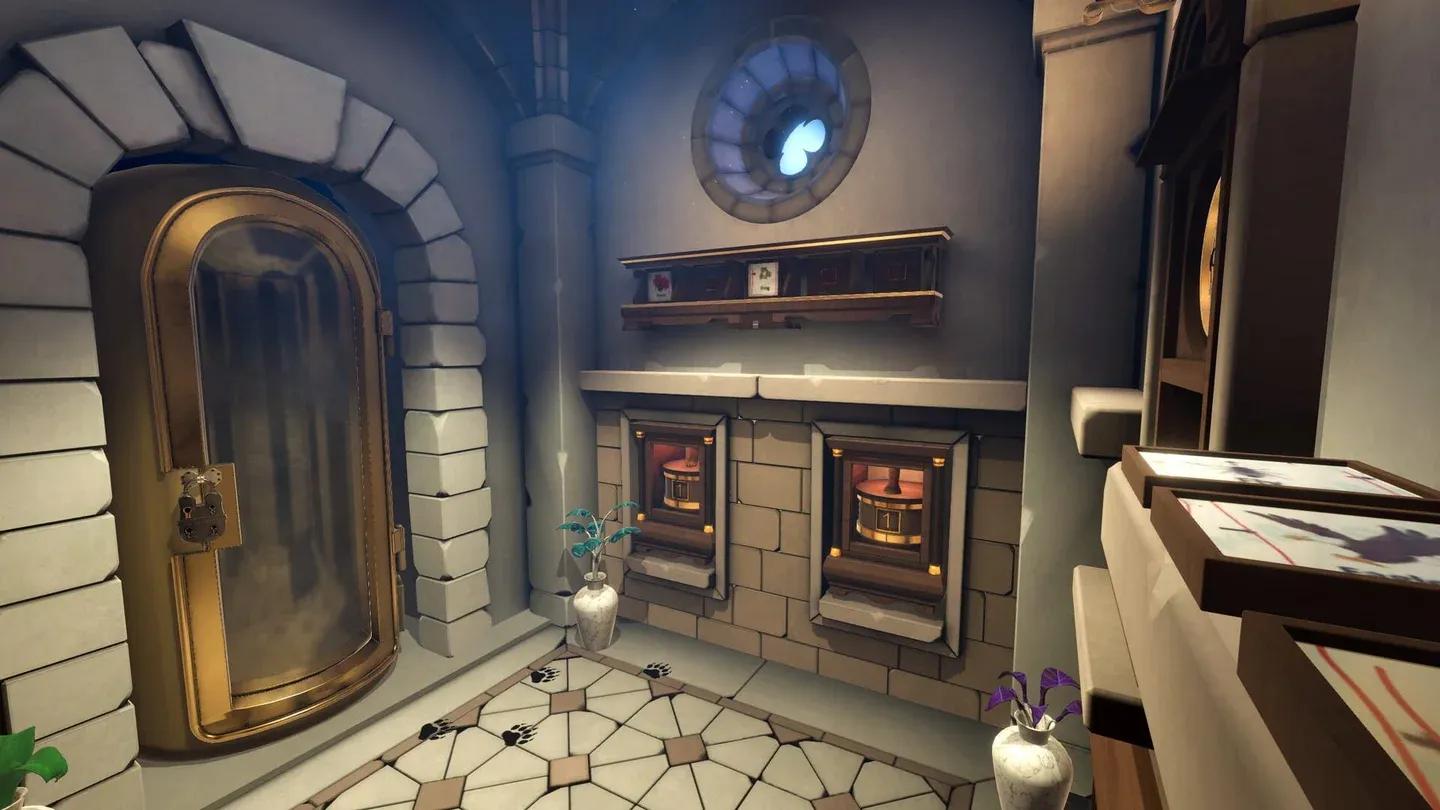
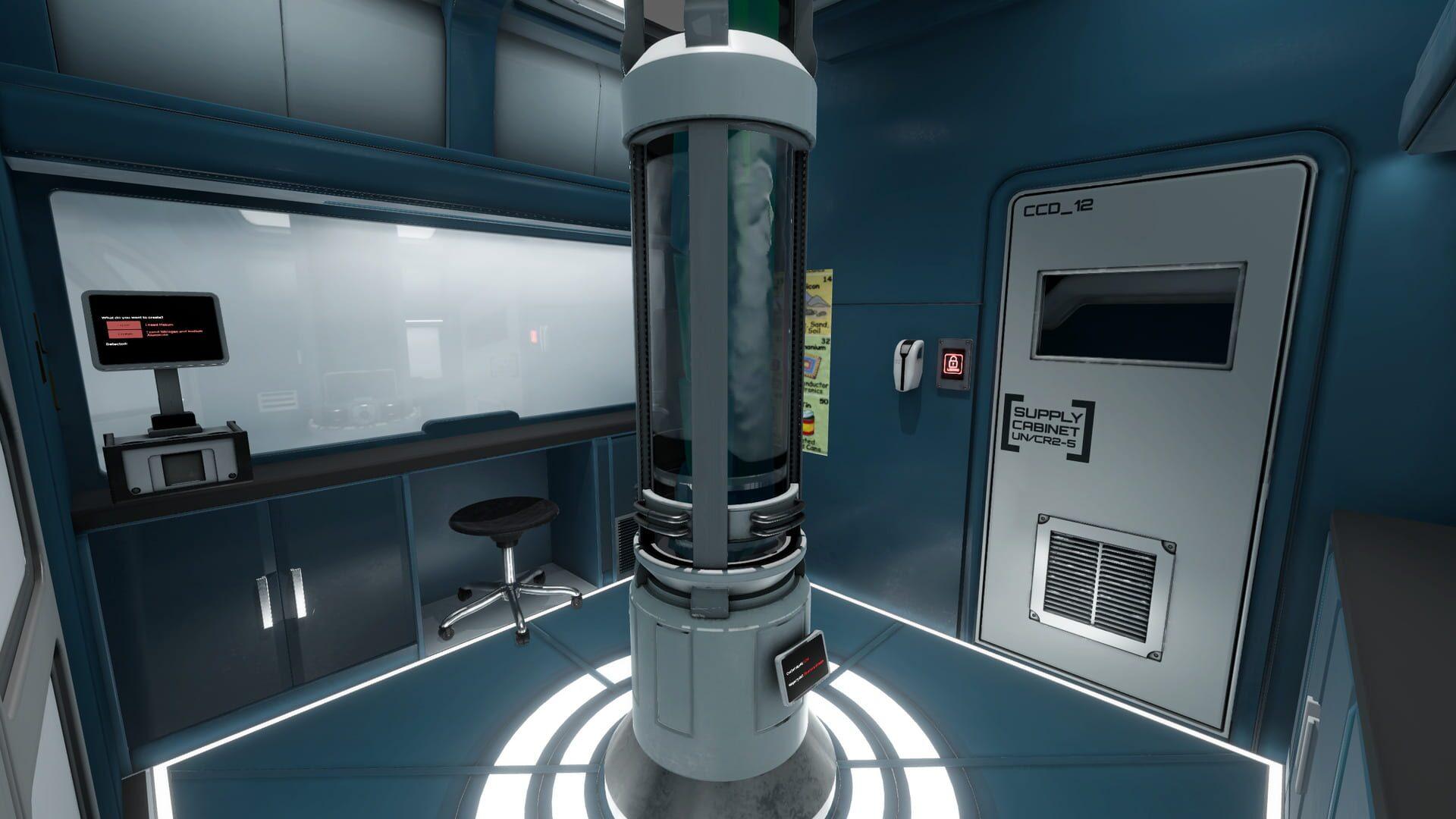
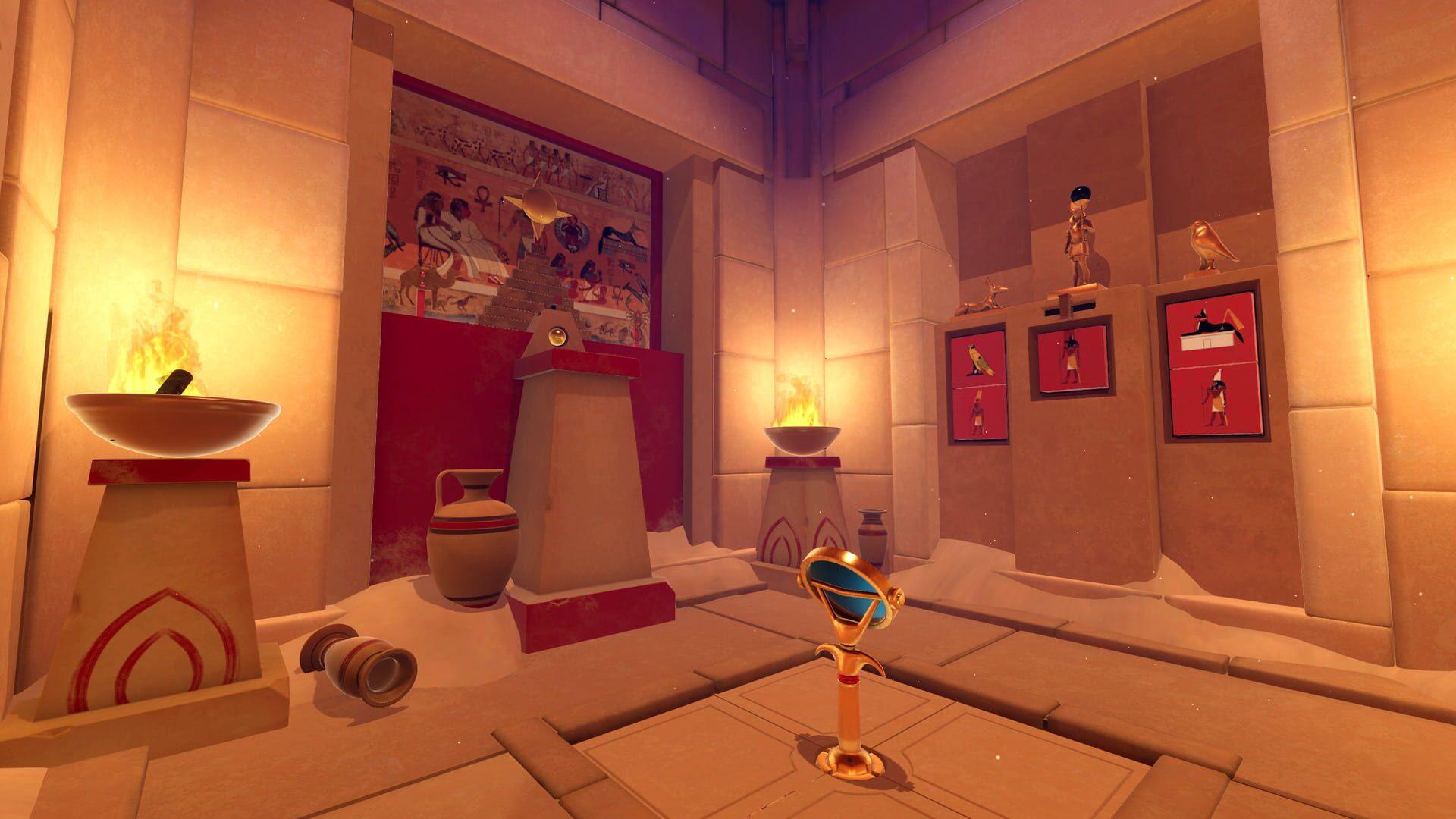
The game organizes its content into themed room packs, each grounded in a distinct narrative scenario. From the ancient corridors of an Egyptian labyrinth to a corporate headquarters taken over by a rogue security system, every setting carries its own atmosphere and puzzle logic. This variety ensures that the experience never settles into a single formula, demanding fresh thinking with each new environment.
Pine Studio designed the rooms in collaboration with real-life escape room operators, which lends the puzzle design an authenticity that purely digital productions often lack. The result is a collection of challenges that feel handcrafted rather than algorithmically generated.
Gameplay and Mechanics: What Makes Escape Simulator Different?
Escape Simulator earns its distinction through a commitment to physical interactivity that most puzzle games avoid. If an object is not fixed in place, players can pick it up, rotate it, carry it across the room, or use it as a tool. This freedom transforms the act of searching for clues into something tactile and satisfying.
Key mechanics include:
- Picking up and examining every loose object
- Moving and repositioning furniture
- Pinning clues to the screen for cross-referencing
- Breaking locks and smashing containers
- Customizing player characters for co-op sessions
The pin system deserves particular attention. When a player finds a clue that needs to be matched against information elsewhere in the room, they can anchor it visually on screen without dropping it. This small design decision eliminates the frustration of mentally juggling multiple pieces of information simultaneously, keeping the focus firmly on problem-solving.
Multiplayer and Social: Is Escape Simulator Better With Friends?
Escape Simulator is fully playable solo, but its co-op structure is where the experience genuinely expands. All built-in rooms support online multiplayer, with Pine Studio recommending groups of two to three players for the curated content. The social dimension turns puzzle-solving into a collaborative exercise, where dividing the room between players and communicating discoveries becomes part of the strategy.
Community-made rooms push this further. The game includes a fully featured level editor with Steam Workshop integration, allowing players to design, publish, and play rooms created by others. Community rooms have been tested with groups as large as twenty players, making Escape Simulator a surprisingly scalable social experience.
Content and Replayability: How Much Is There to Explore?
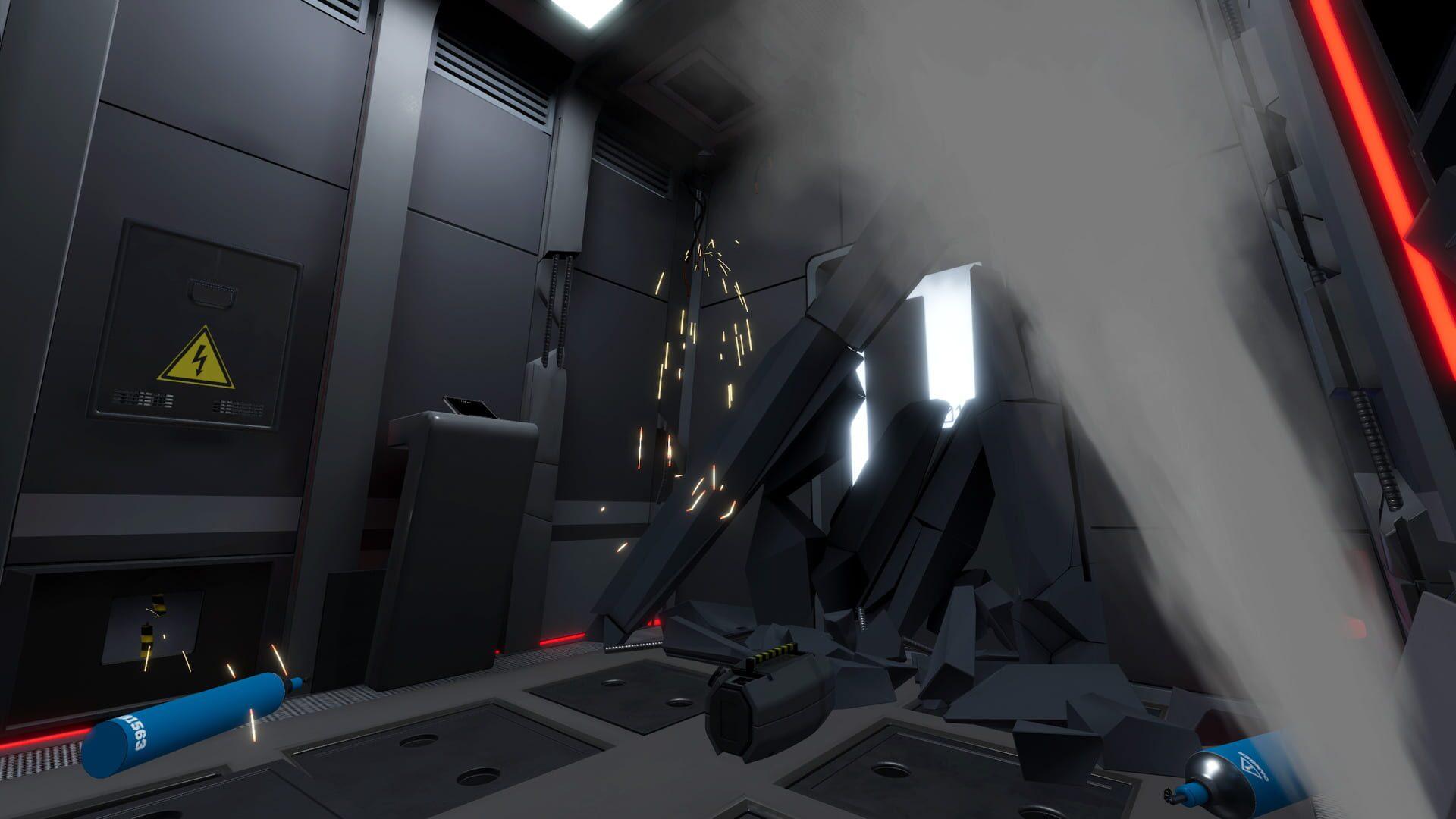
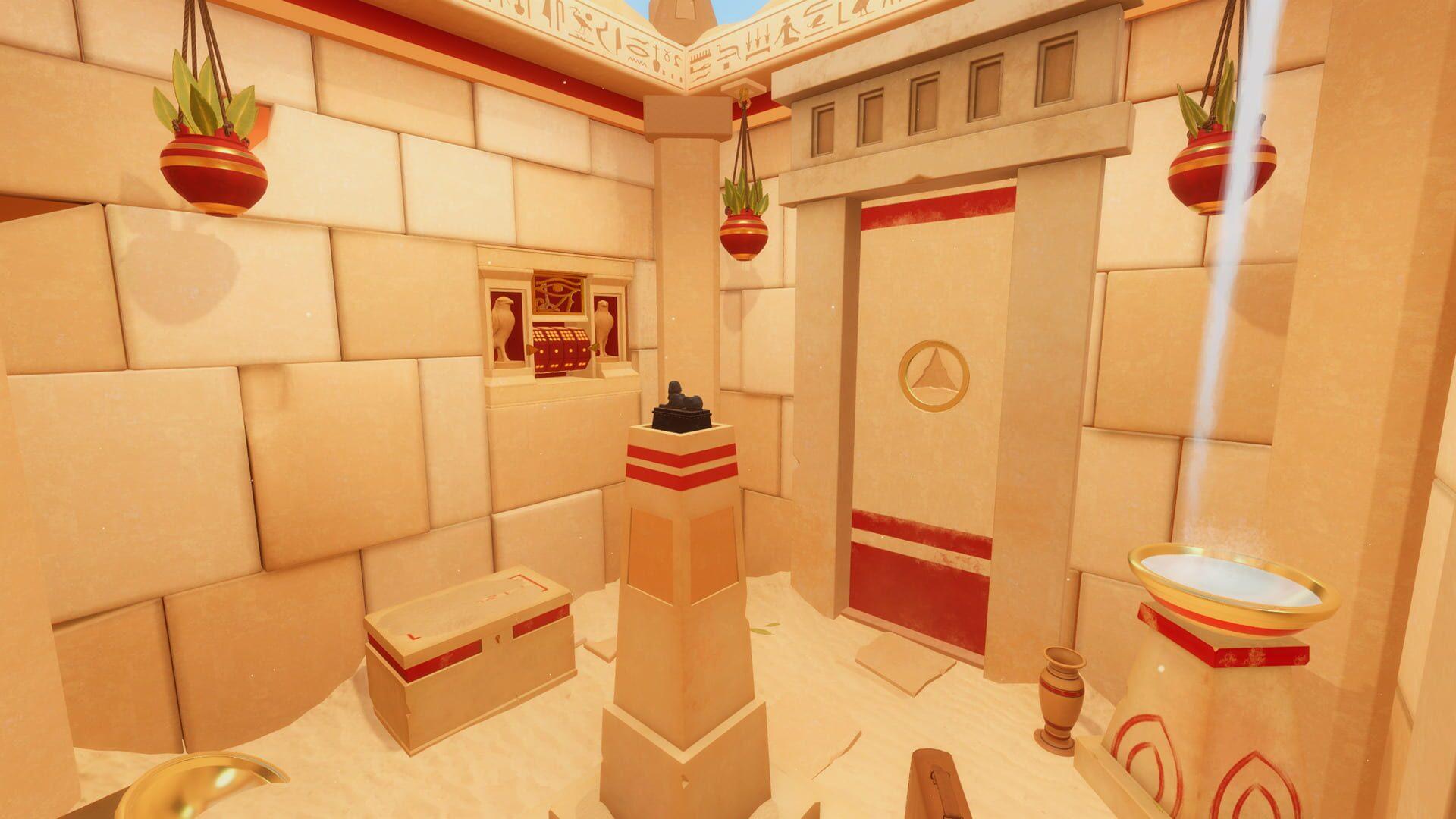
The base game includes fifteen rooms arranged across four distinct packs. Each pack follows its own narrative thread: the Labyrinth of Egypt, Adrift in Space, Edgewood Mansion, and The Corporation. These settings range from ancient history to science fiction to Victorian mystery, ensuring the visual and thematic range stays broad.
Beyond the curated content, the Steam Workshop integration provides a continuously expanding library of community-designed rooms. This effectively extends the lifespan of the game well beyond its base content, as new player-created challenges appear regularly.
Conclusion
Escape Simulator stands as one of the more thoughtfully constructed entries in the first-person puzzle genre. Pine Studio's decision to build rooms around genuine physical interaction, informed by real-world escape room design, produces puzzles that feel purposeful rather than arbitrary. The co-op functionality and robust level editor add layers of longevity that pure solo puzzle games rarely achieve. For players who enjoy methodical problem-solving, environmental storytelling, and the particular satisfaction of cracking a well-designed riddle, this is a puzzle simulator that consistently delivers.