Advertisement

Overview
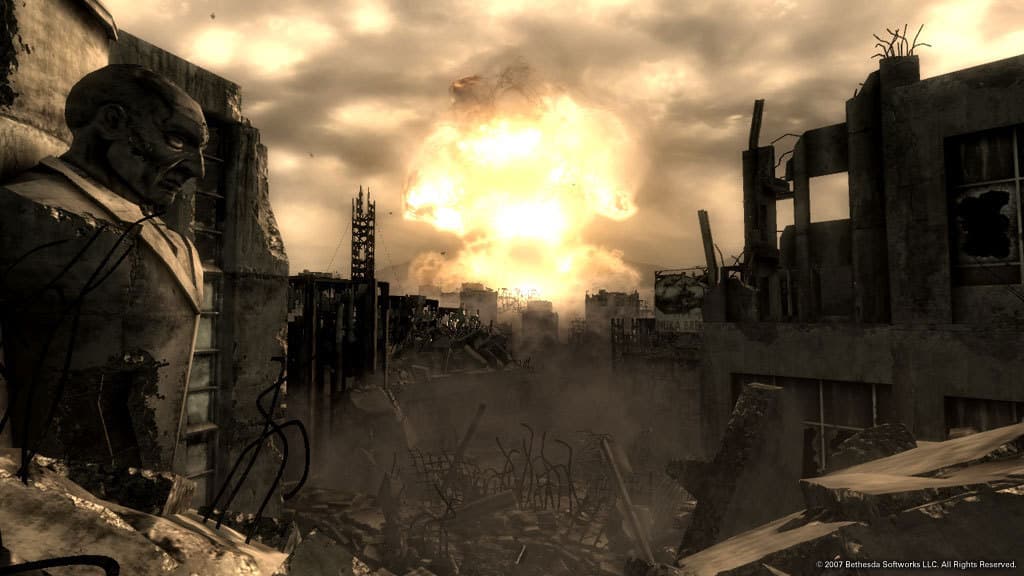
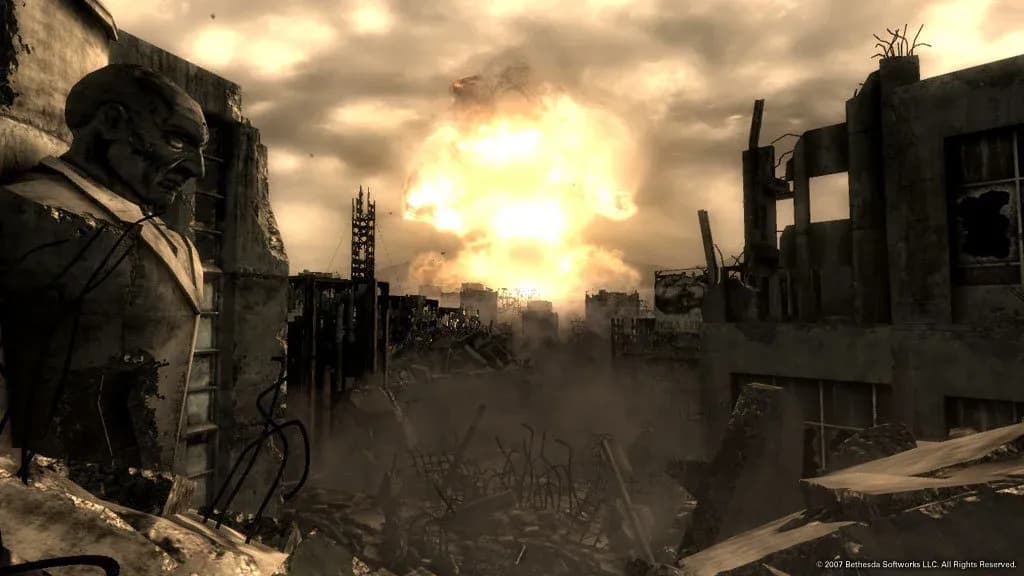
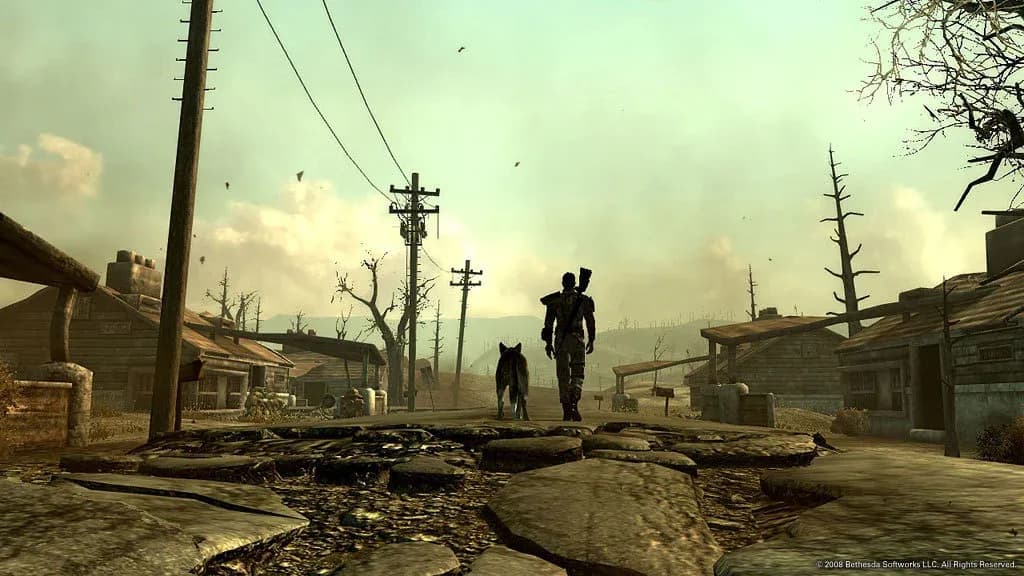
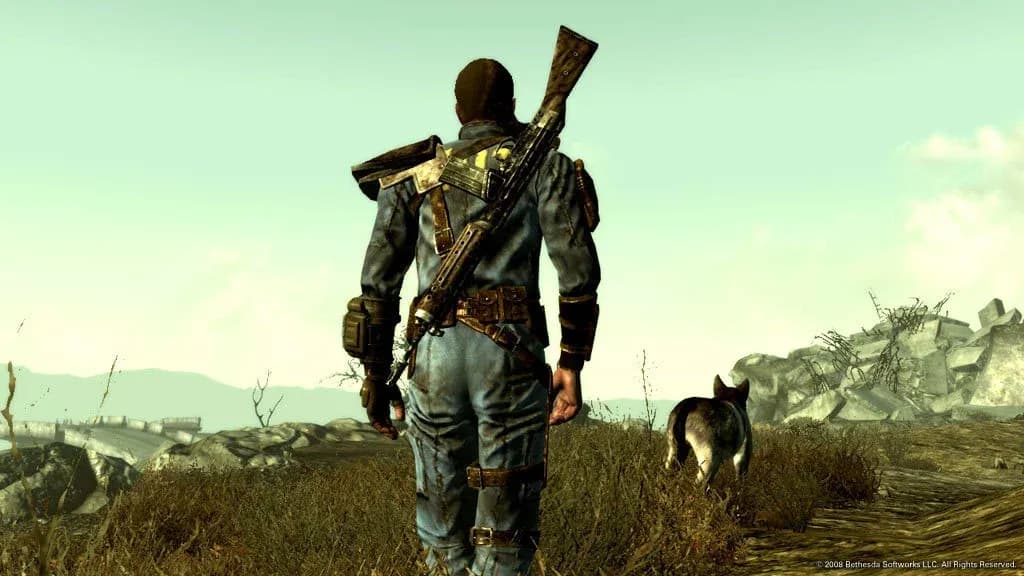
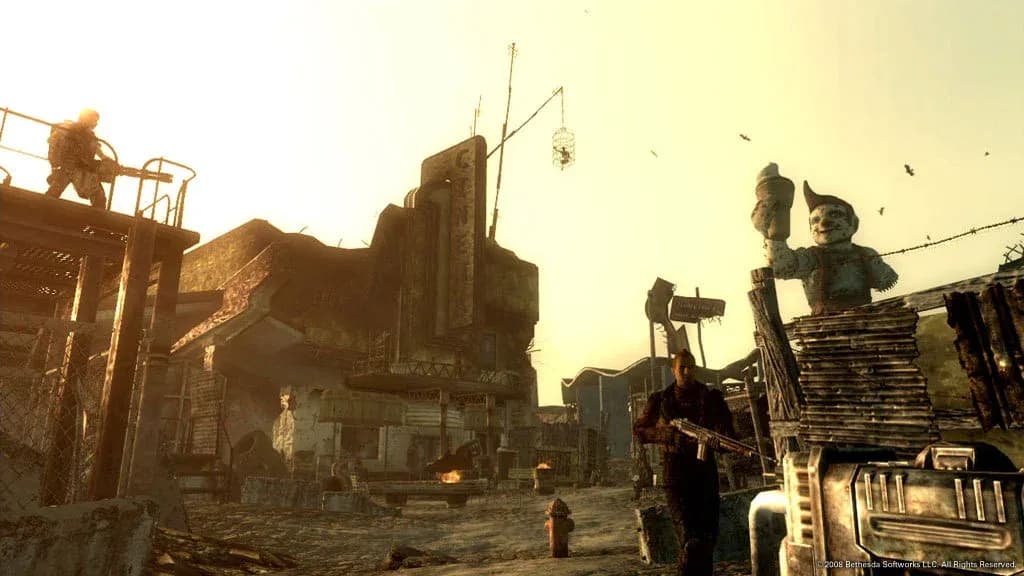
Fallout 3 is Bethesda Game Studios' 2008 action RPG that transplanted the Fallout franchise into a fully three-dimensional open world for the first time in the series' main line. Set in the ruins of Washington D.C. in the year 2277, two centuries after a nuclear war between the United States and China reduced civilization to ash, the game casts players as the Lone Wanderer, a vault-raised survivor searching the Capital Wasteland for a missing father named James.
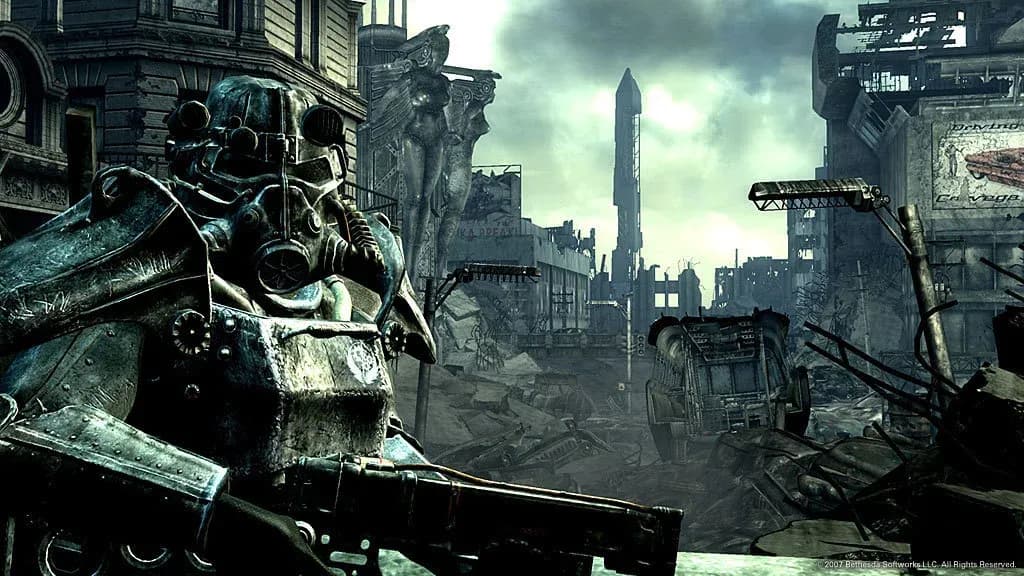
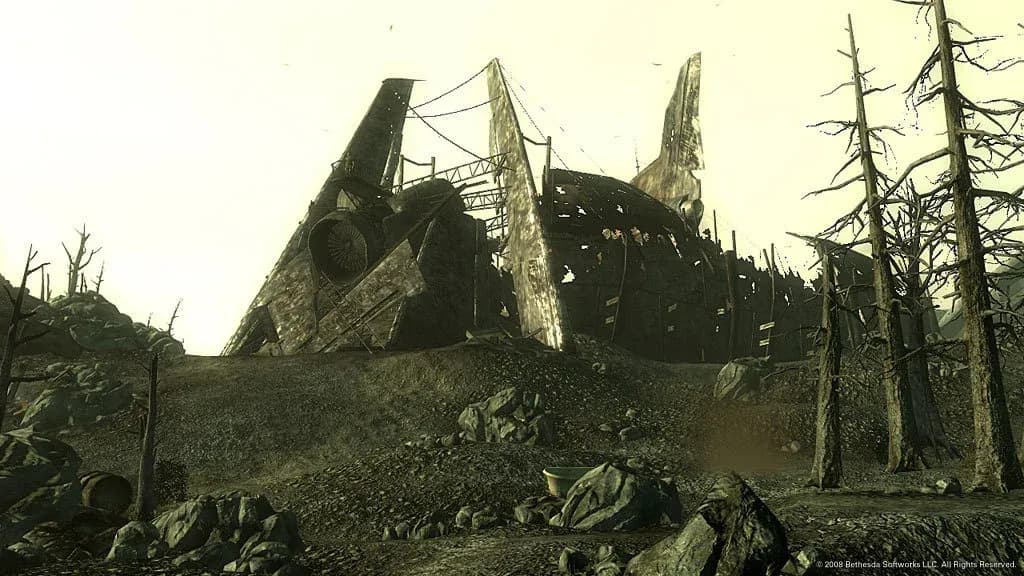
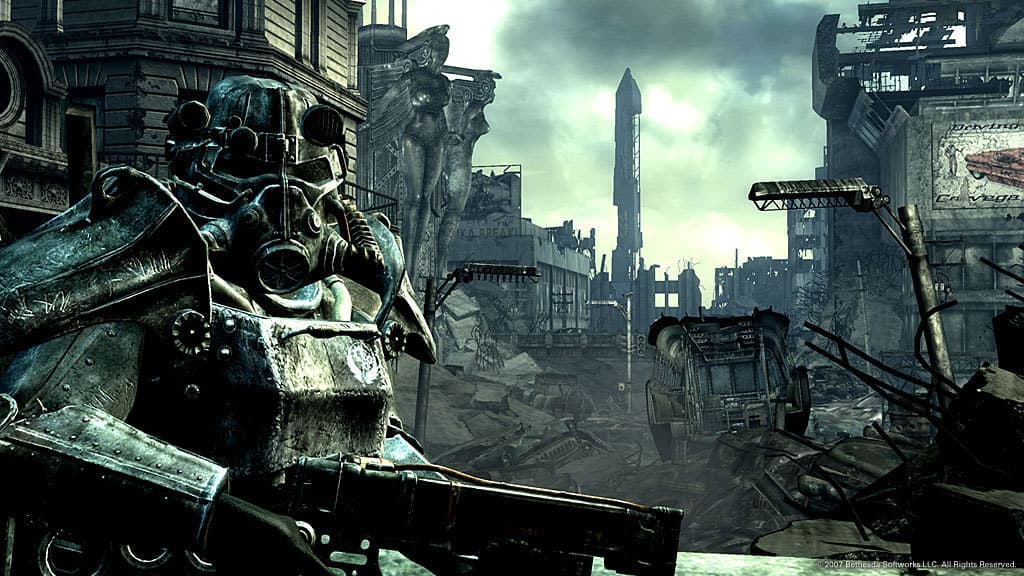
The scope of the world is genuinely hard to overstate even now. The Capital Wasteland stretches across D.C., Northern Virginia, and Maryland, with recognizable landmarks like the Washington Monument and Jefferson Memorial lying in various states of ruin. Metro tunnels serve as treacherous corridors connecting the surface zones, and the contrast between those claustrophobic underground passages and the wide-open irradiated sprawl above ground gives the world a real sense of physical geography.
Gameplay and mechanics
At the center of Fallout 3's design is the S.P.E.C.I.A.L. character system, which governs seven core stats: Strength, Perception, Endurance, Charisma, Intelligence, Agility, and Luck. These stats feed into a skill tree covering everything from small arms and explosives to speech and lockpicking, while perks earned on level-up add more targeted bonuses. The result is a character build system with genuine flexibility.
Key mechanics that define the experience:
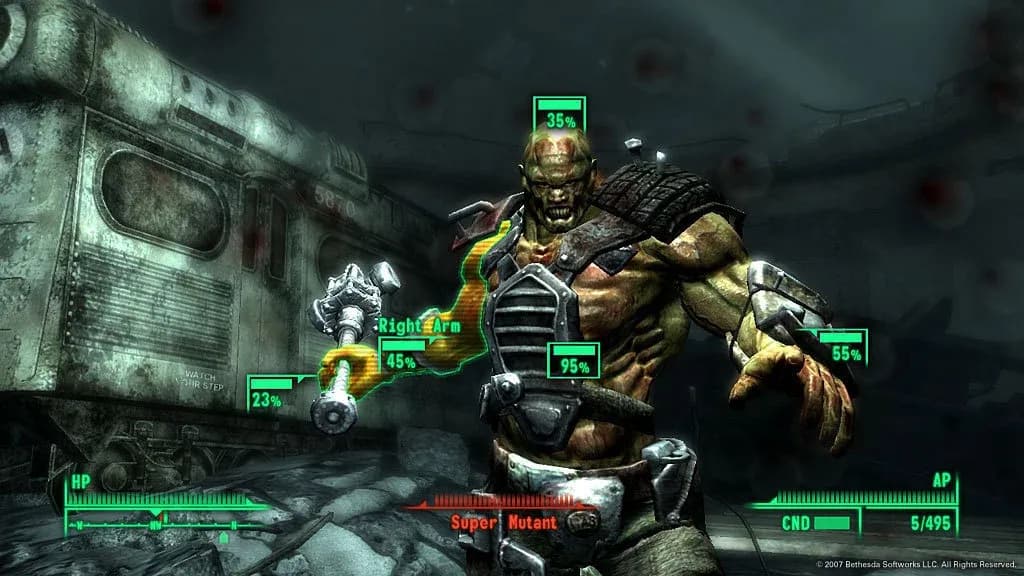
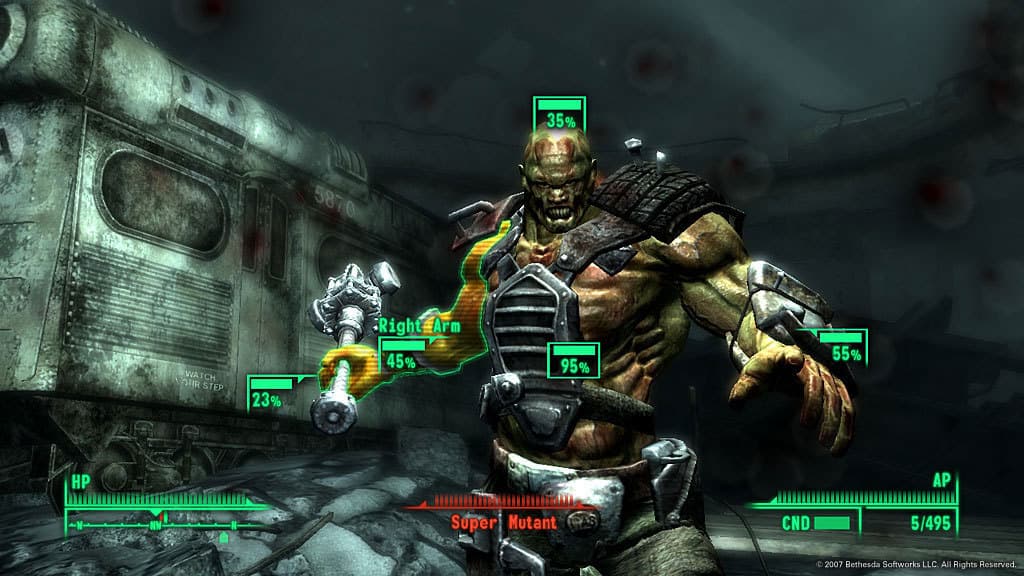
- V.A.T.S. targeting system pauses combat to queue attacks on specific body parts
- Karma system tracks moral choices and shifts NPC reactions
- First and third-person perspective toggle
- Real-time and turn-based hybrid combat
- Dialogue trees with skill-gated conversation options
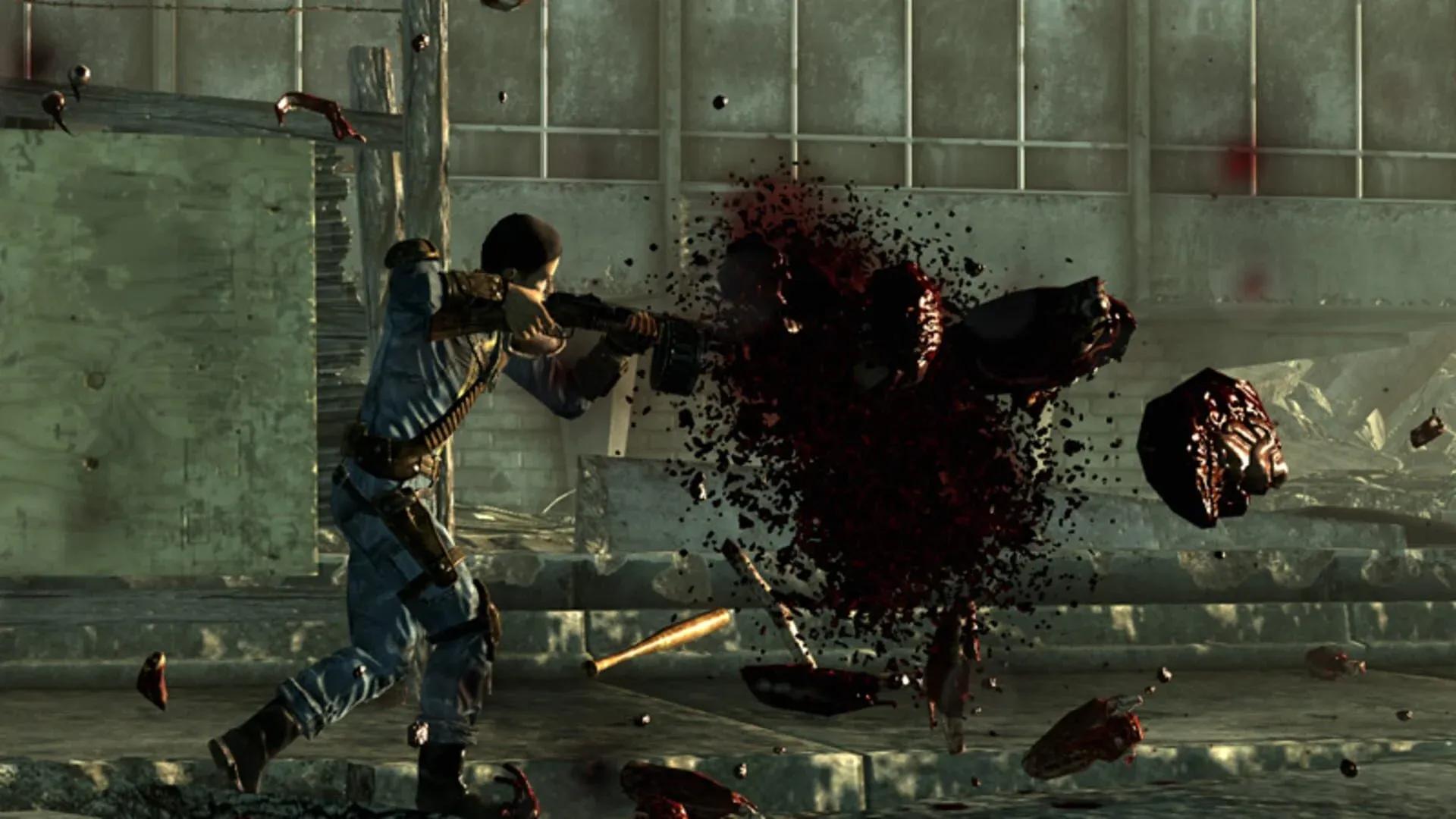
V.A.T.S. (Vault-Tec Assisted Targeting System) is the most distinctive combat feature. Freezing time to line up a shot at an enemy's leg or weapon hand gives fights a tactical dimension that pure real-time shooting would miss, and the cinematic camera that plays out the queued attacks adds a satisfying punctuation to each exchange.
World and setting
The story structure is more linear than the open world implies. The main quest follows a clear chain of locations, from the town of Megaton with its undetonated atomic bomb centerpiece, to the fortified aircraft carrier settlement of Rivet City, to the Brotherhood of Steel's Pentagon base known as the Citadel. The Enclave, a remnant of the pre-war U.S. government, serves as the primary antagonist faction, and the central conflict over Project Purity, a plan to clean the Potomac River's water supply, gives the narrative a concrete goal that ties personal stakes to wider consequences.
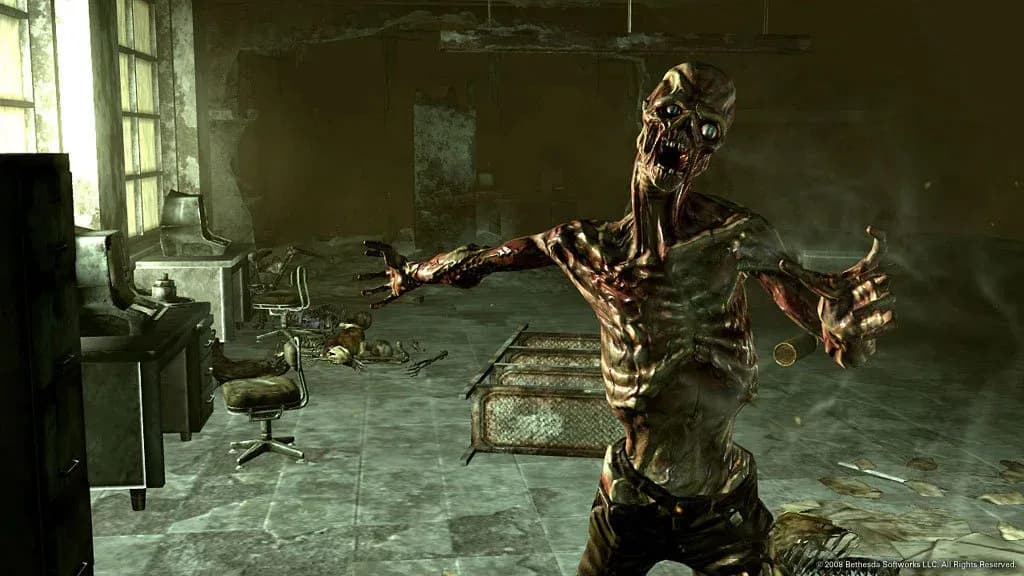
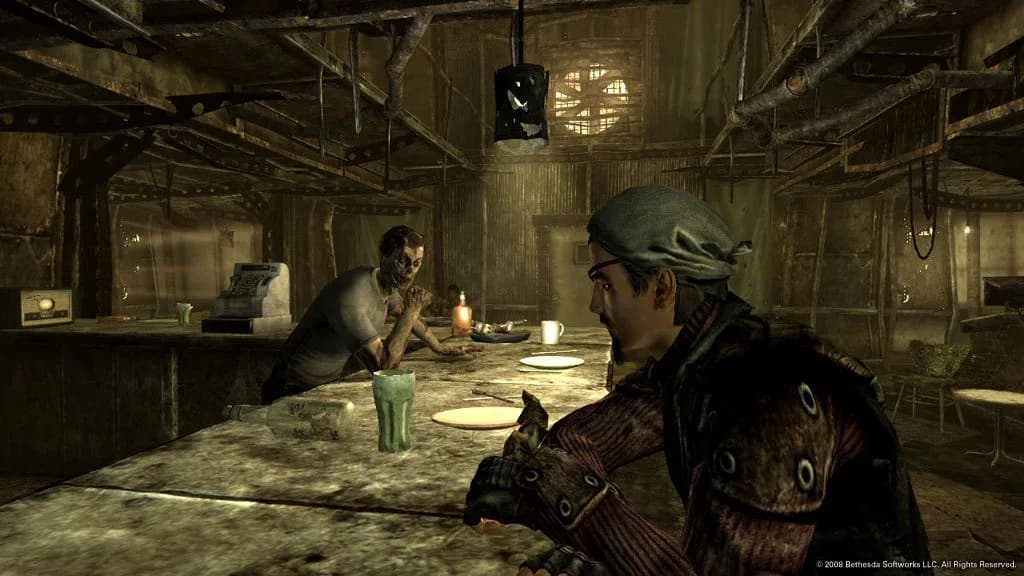
The tonal blend the game strikes is specific and hard to replicate. 1950s American nuclear propaganda aesthetics sit alongside genuine post-apocalyptic horror. Galaxy News Radio broadcasts jazz and big band music across the wasteland while Three Dog narrates the player's progress. Rusted-out cars and pre-war advertisements paper a world that feels like it froze mid-century before everything exploded.
Impact and legacy
Fallout 3 arrived with a Metacritic score in the mid-90s across platforms and won numerous game of the year awards for 2008, cementing Bethesda's approach to open-world RPG design as the template the studio would refine through Fallout 4 and beyond. The game's five DLC expansions, including Operation: Anchorage and Broken Steel, extended both the story and the level cap, and the complete Game of the Year edition remains the definitive way to experience everything on offer. For players who want a post-apocalyptic RPG with real narrative weight and a world that rewards exploration at every turn, the Capital Wasteland still delivers.