
Advertisement

Overview
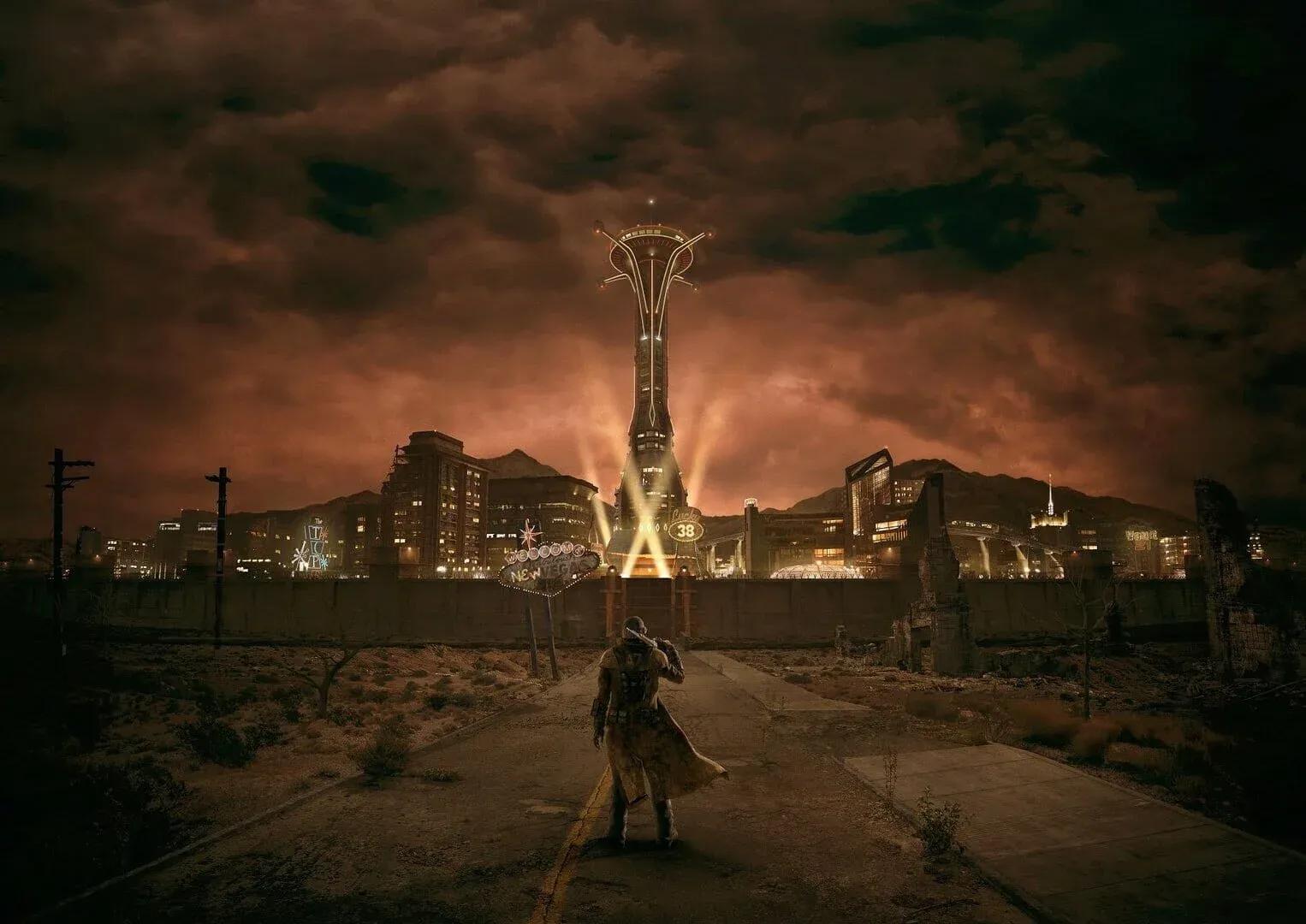
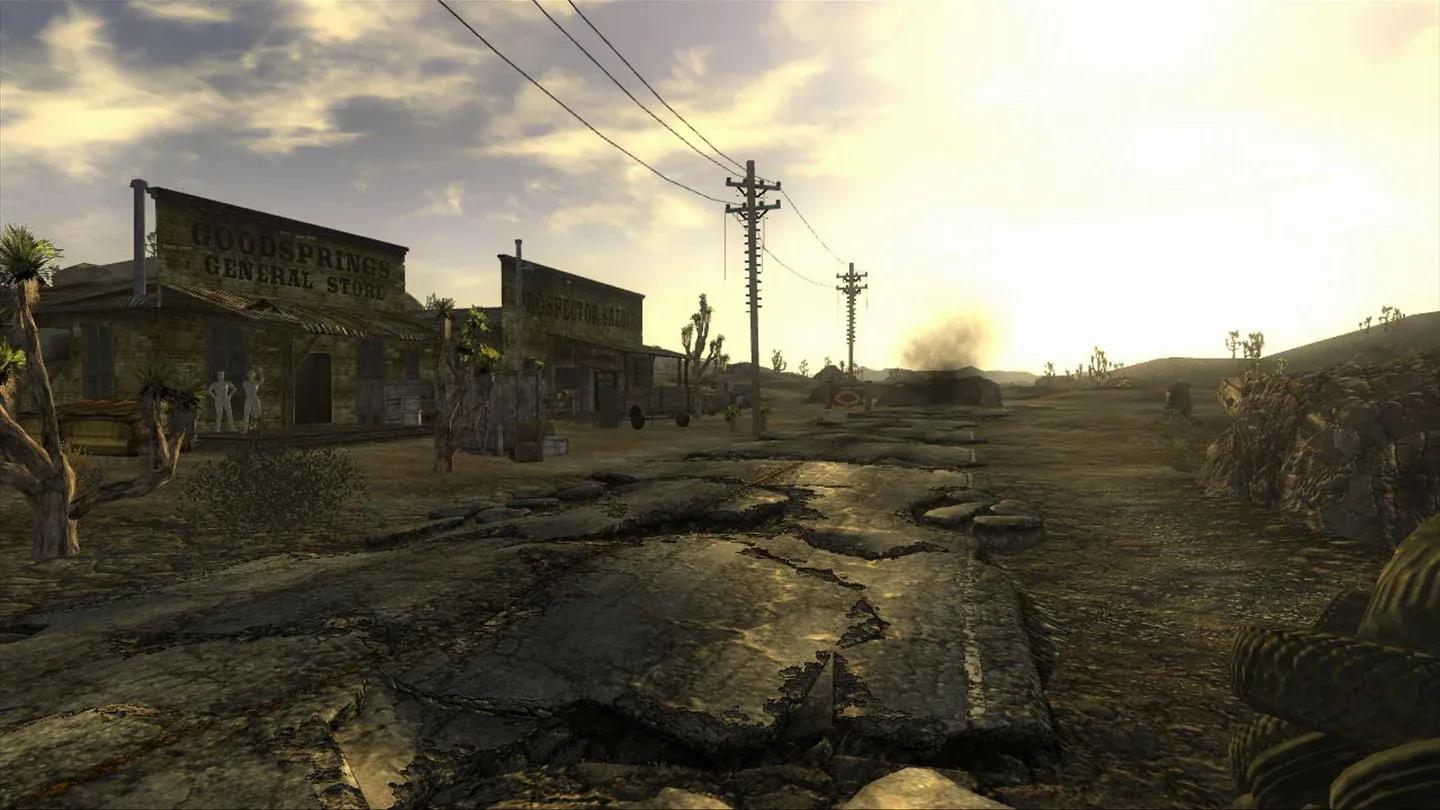
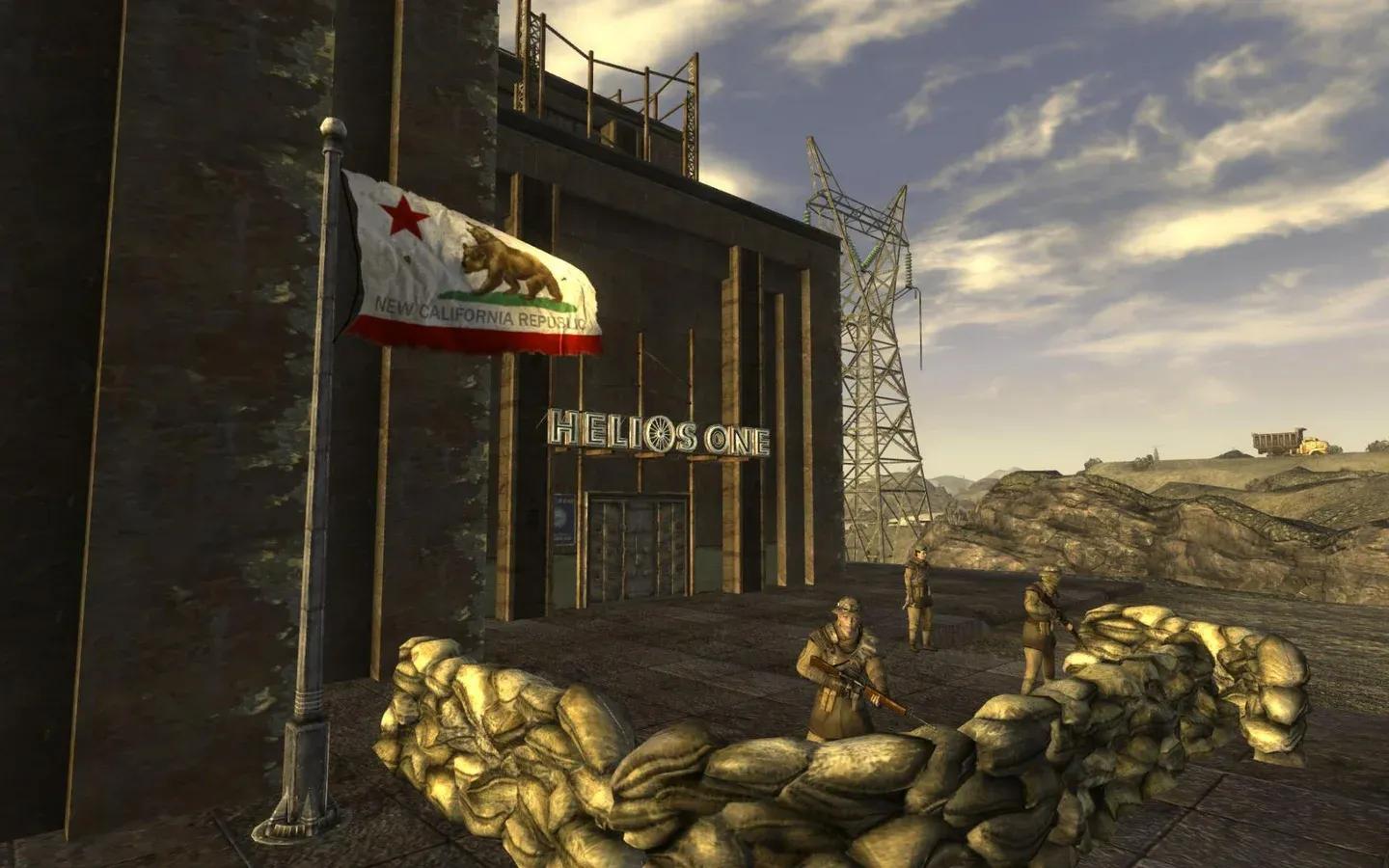
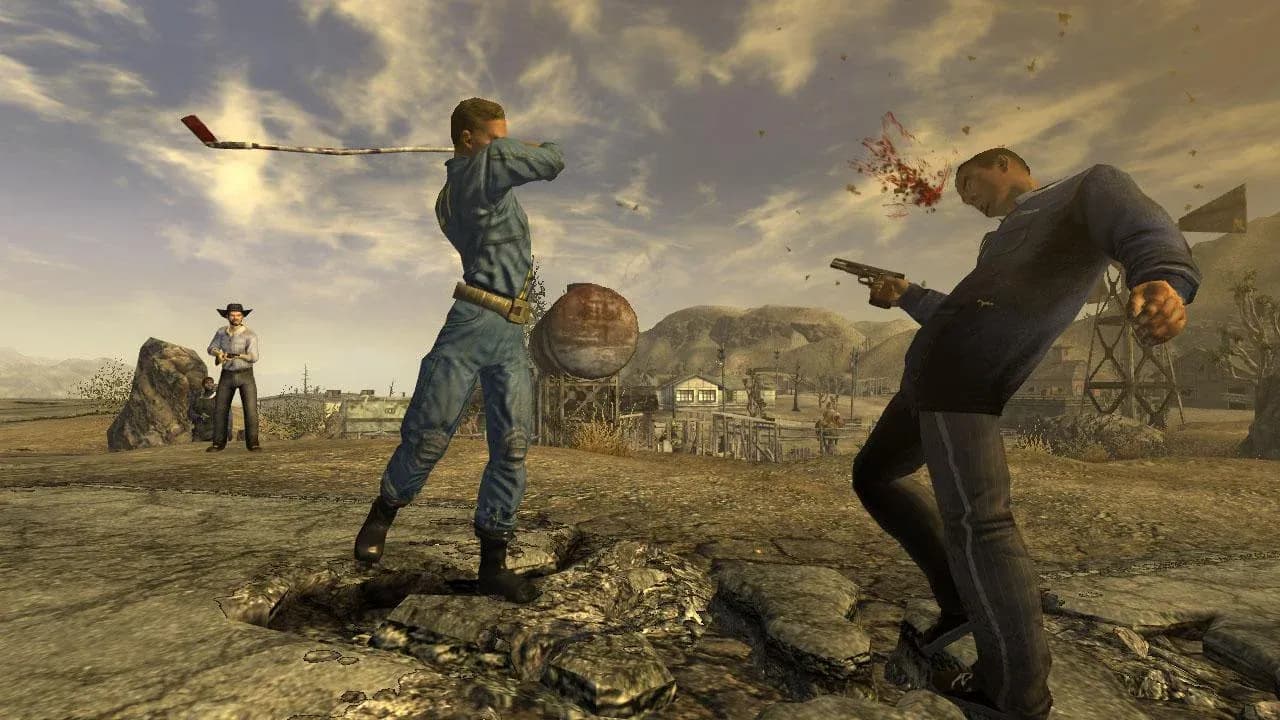
Fallout: New Vegas casts players as Courier 6, a delivery runner left for dead in a shallow grave by a man named Benny after he steals a mysterious Platinum Chip. Nursed back to health by Doc Mitchell in the small town of Goodsprings, the Courier sets out across the Mojave Wasteland chasing revenge and answers. What starts as a personal mission quickly spirals into a full-scale ideological conflict between the New California Republic, Caesar's Legion, the enigmatic Mr. House, and the player's own Wild Card path.
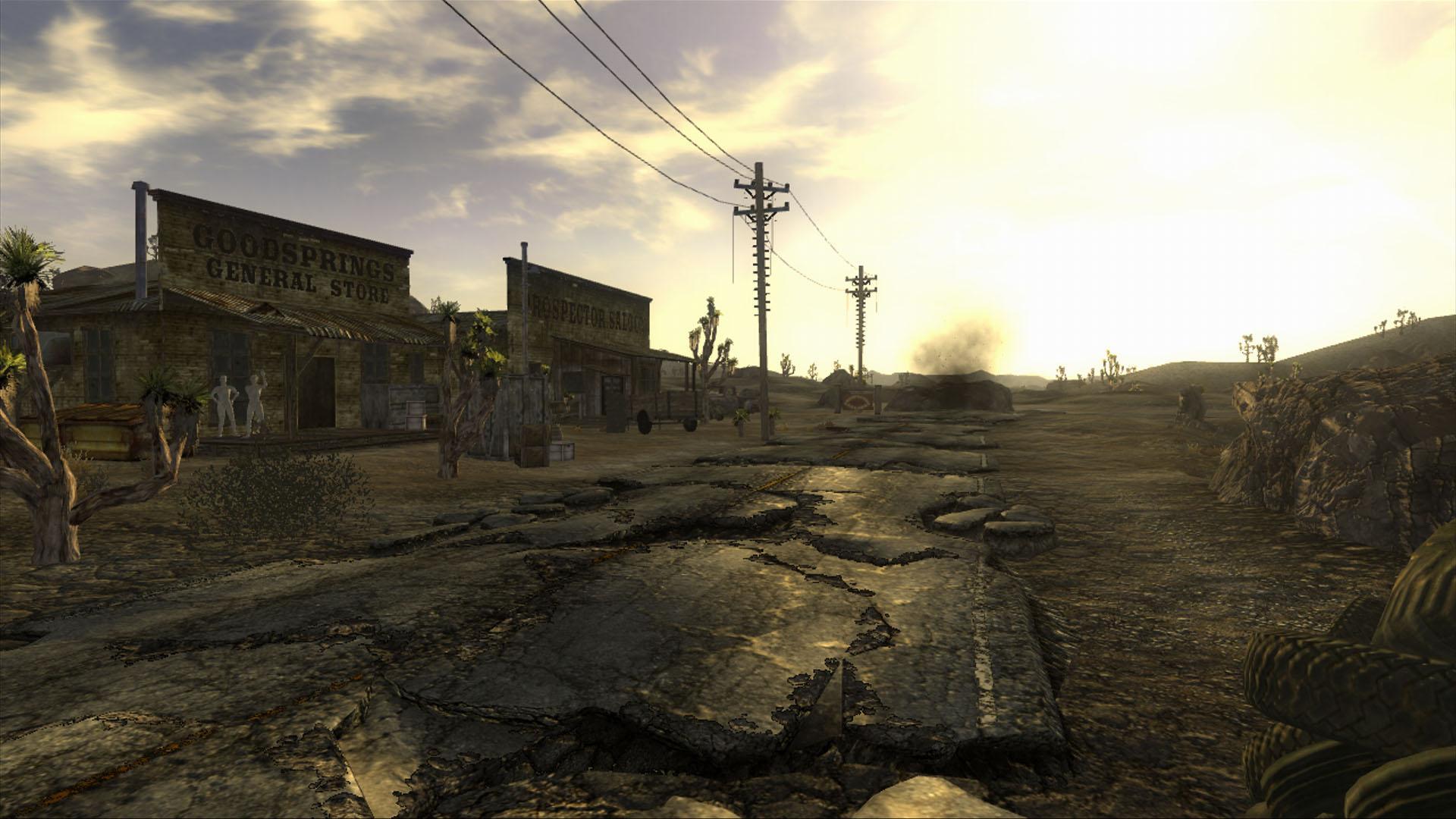
The setting does a lot of heavy lifting here. The Mojave isn't just a reskinned Capital Wasteland; it has its own texture, its own history, and its own grim sense of humor. Neon-lit casino floors sit a short walk from sun-baked desert towns where factions have carved out uneasy truces. The Hoover Dam looms over the entire narrative as the ultimate prize, and every major decision the player makes tilts the balance of power toward whoever controls it.
Gameplay and mechanics
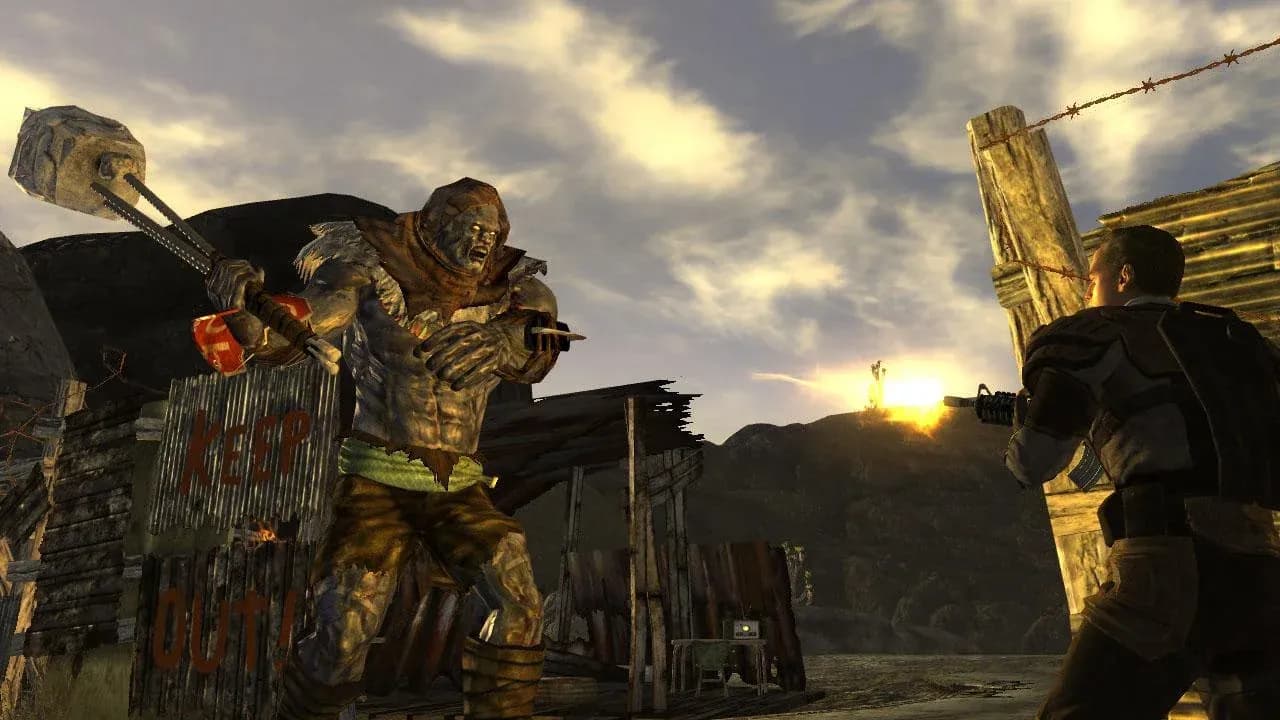
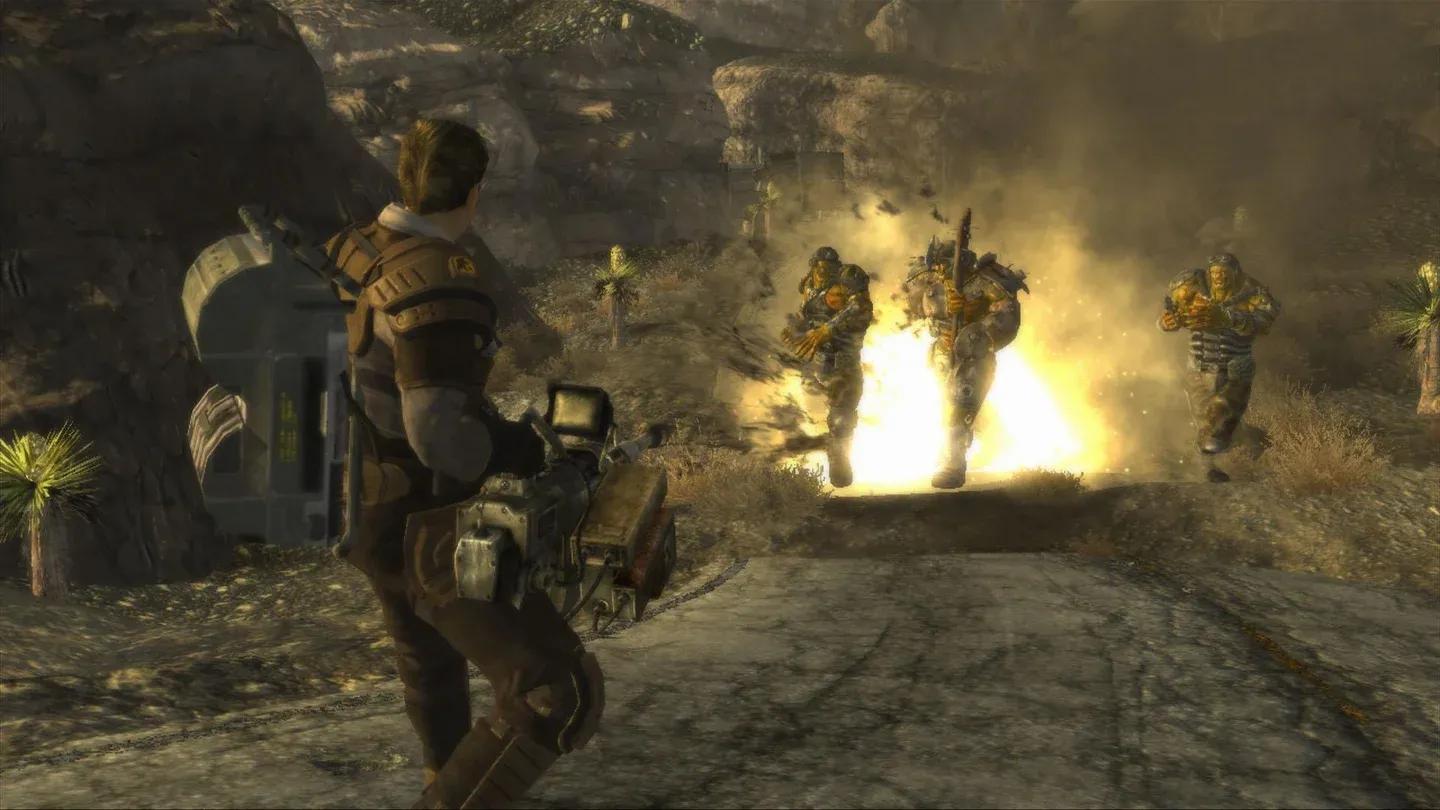
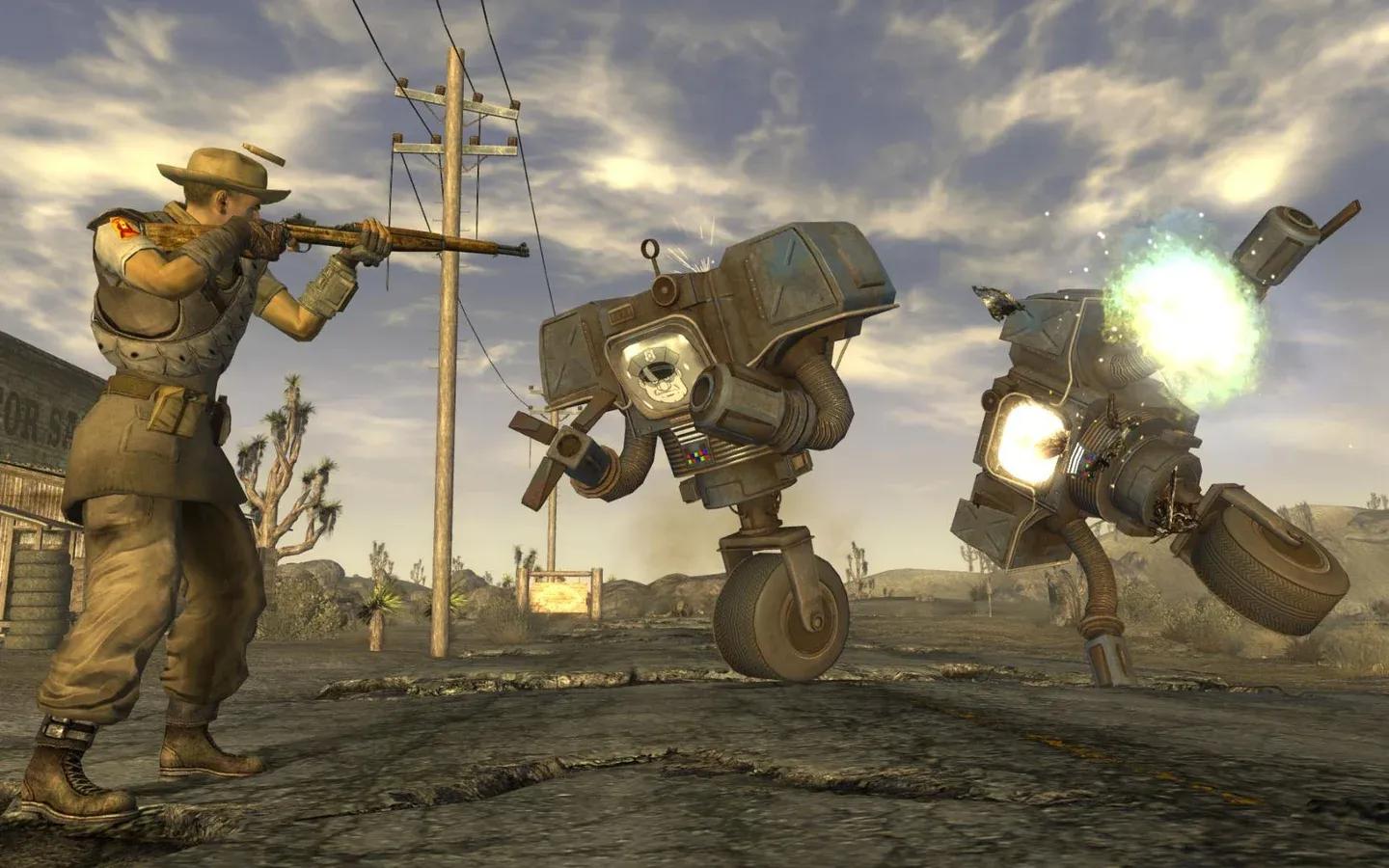
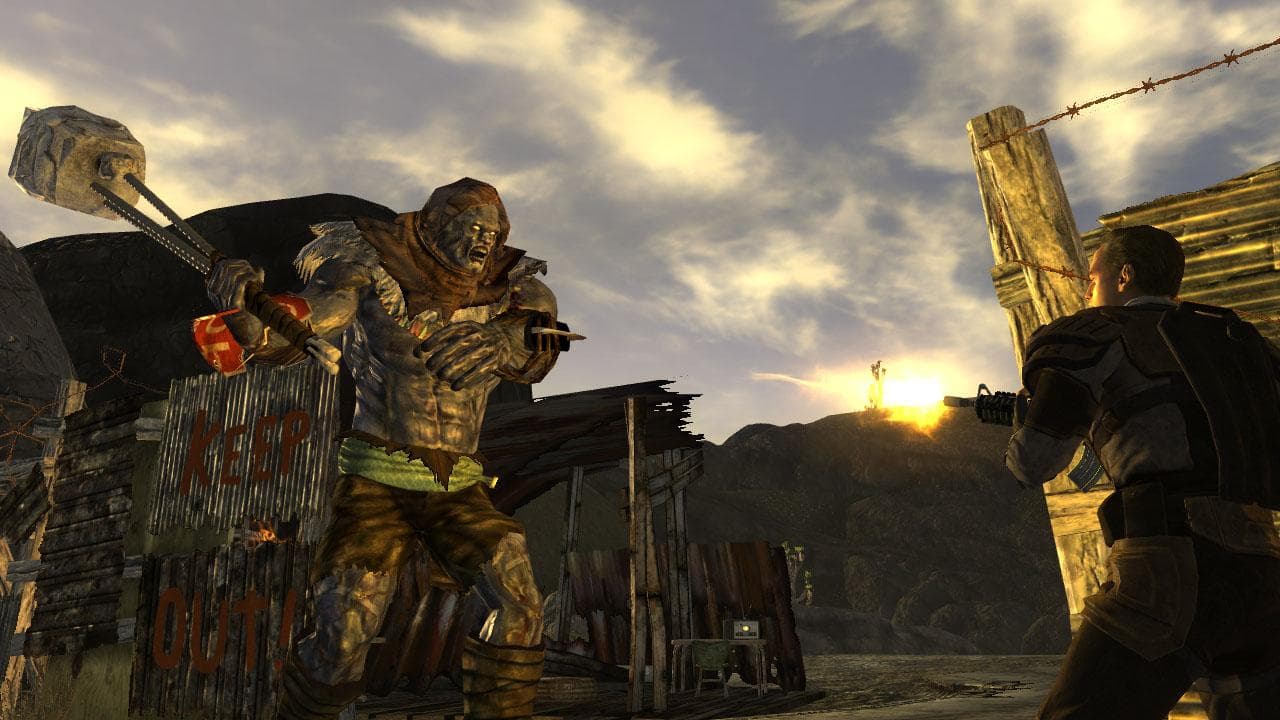
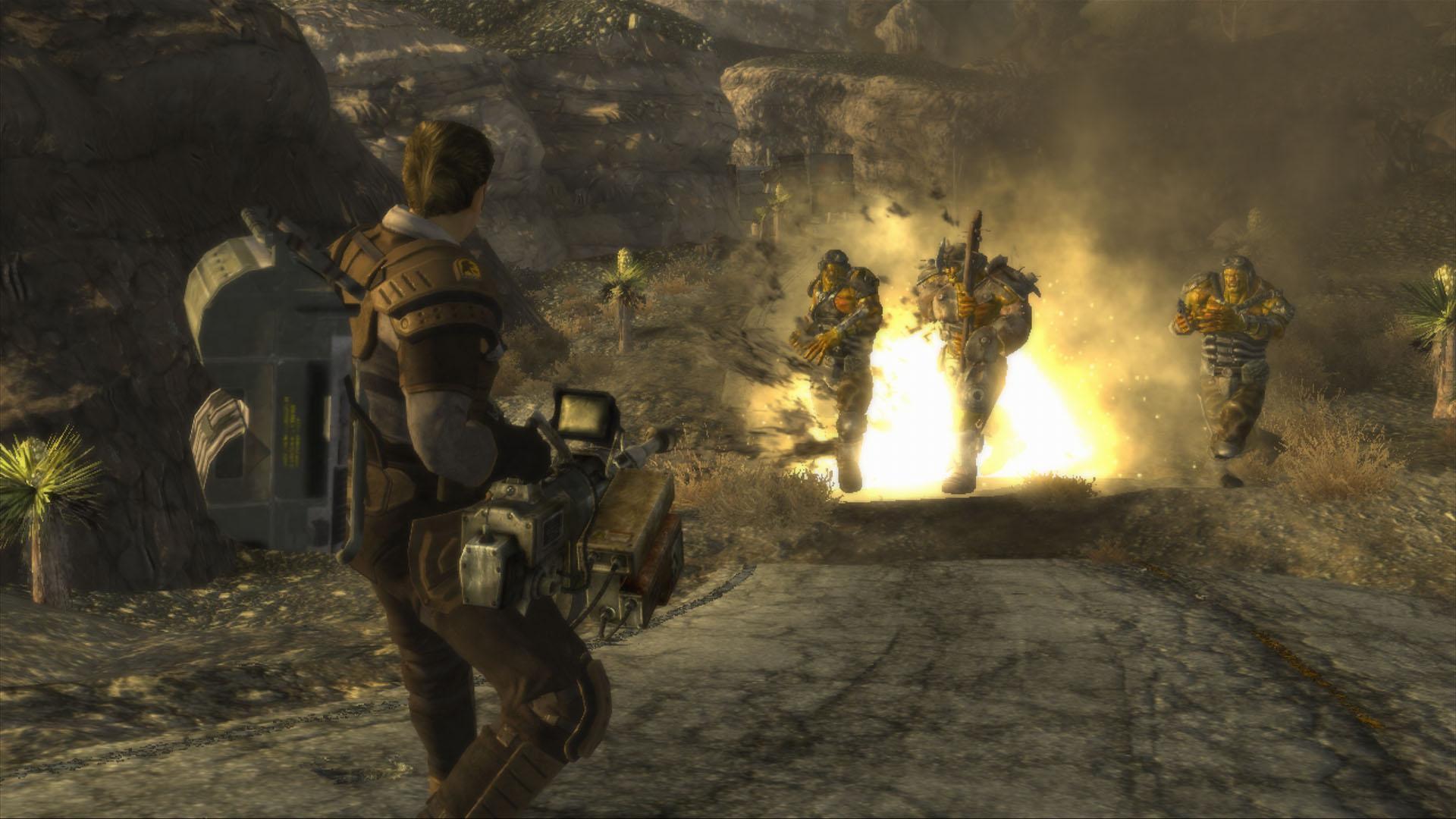
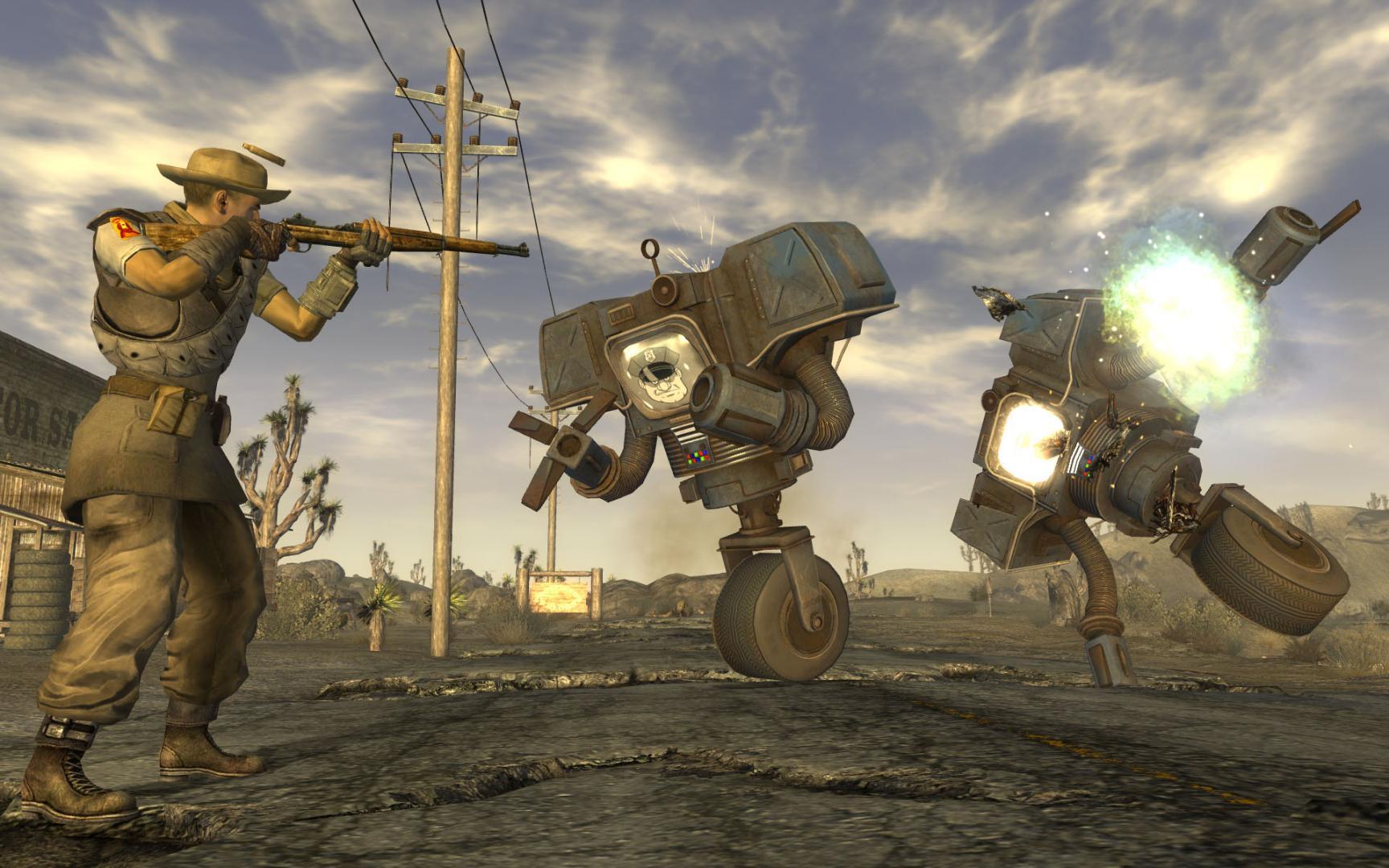
New Vegas refines the first-person RPG combat loop Fallout 3 established while adding several systems that reward deliberate play:
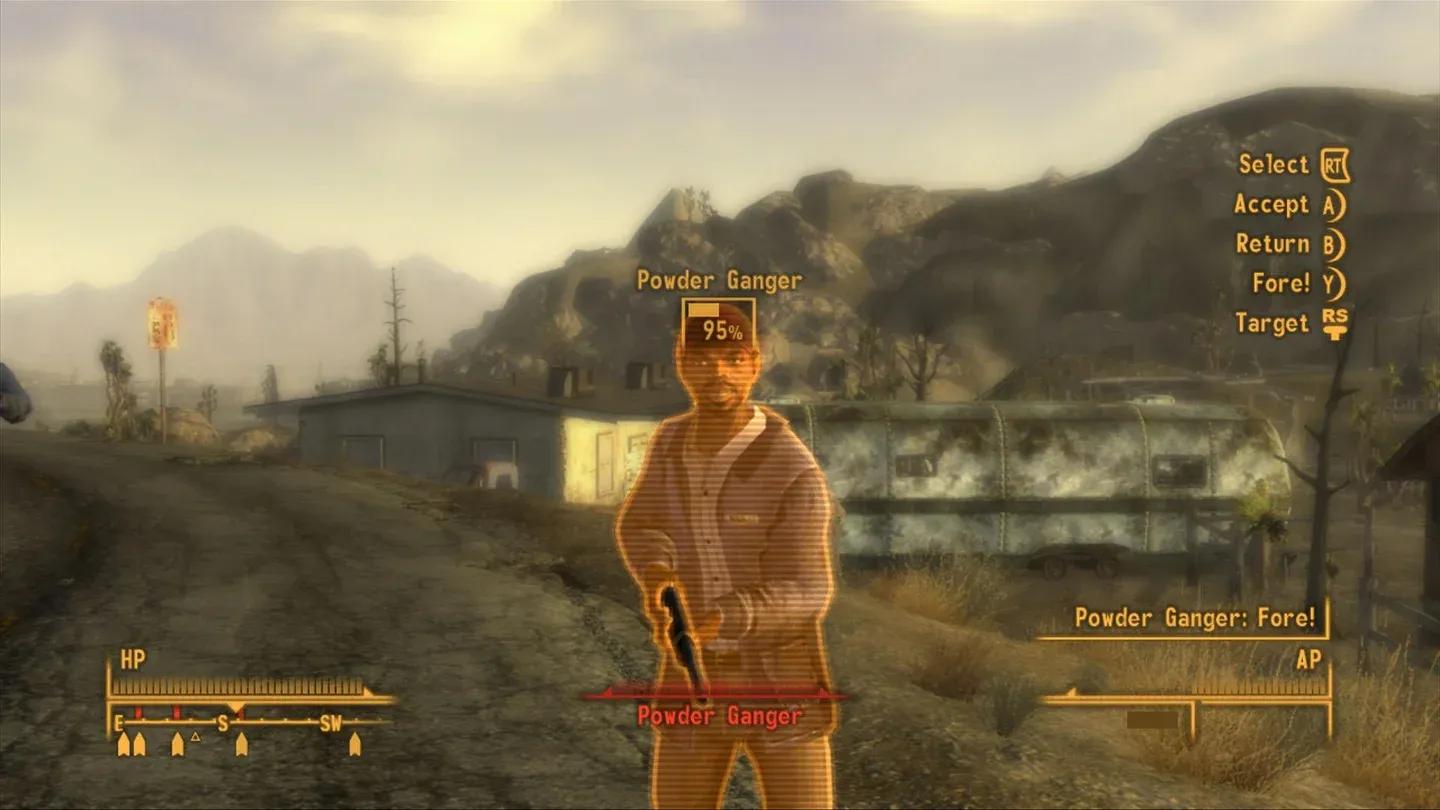
- V.A.T.S. lets players pause combat and target specific enemy body parts
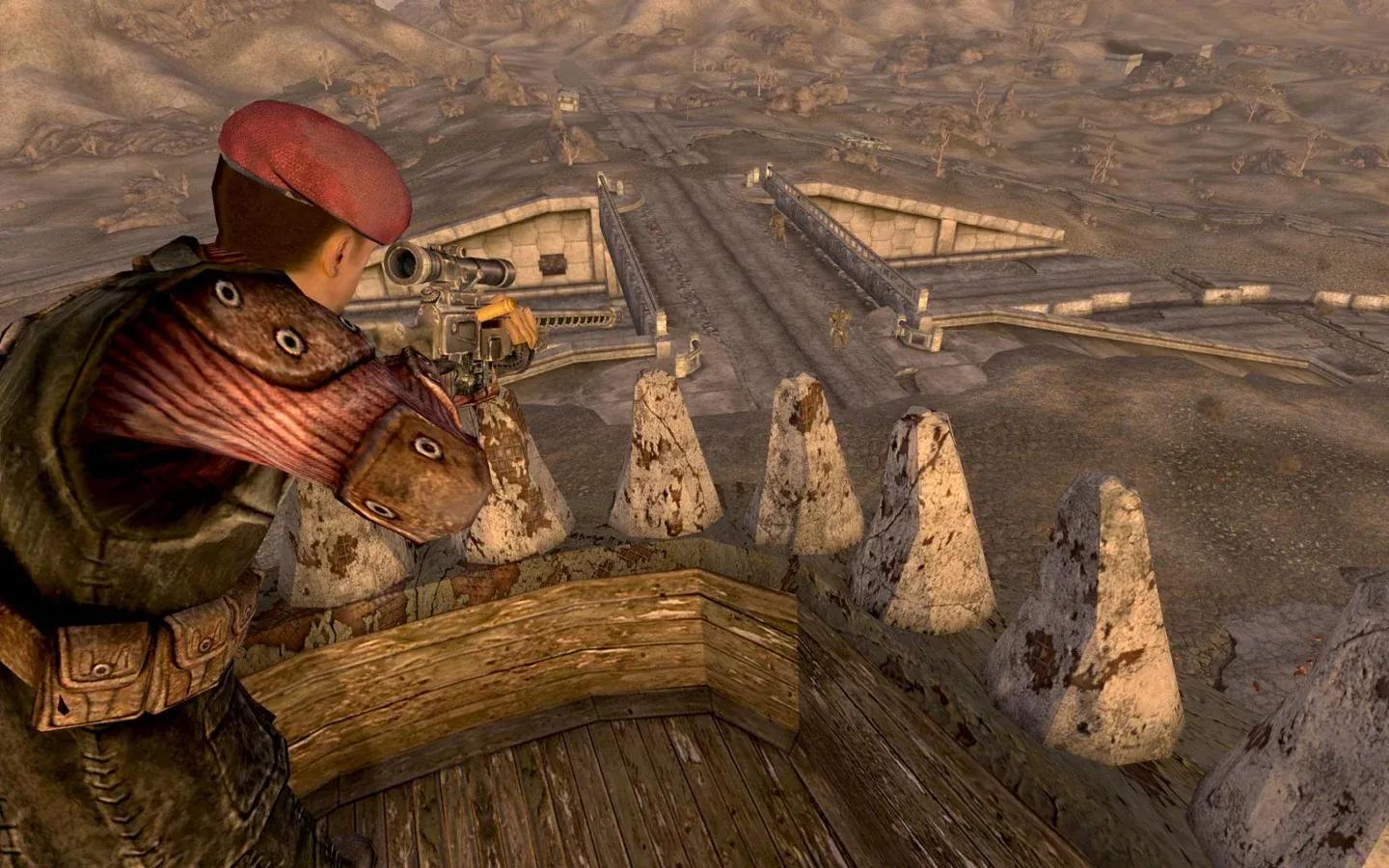
- Iron sights on most weapons add real-time aiming precision
- Hardcore Mode forces players to manage hunger, thirst, and sleep deprivation
- The Reputation System tracks how each faction views the Courier separately
- A weapon modification system lets players upgrade guns with real-time visual feedback
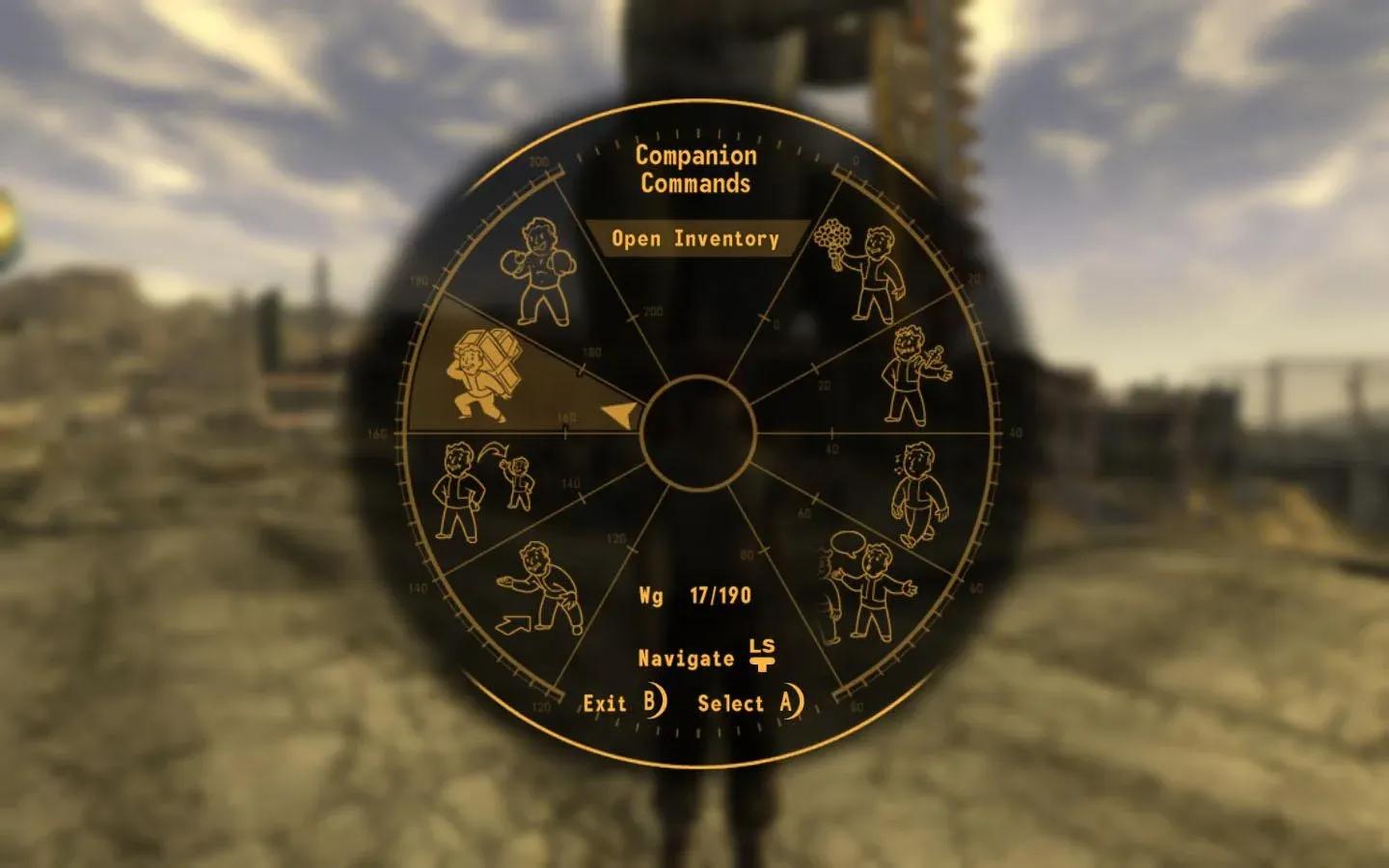
The Companion Wheel streamlines managing up to two party members at a time, and each companion carries a personal questline that fleshes out the world beyond the main story. Karma still matters, but the faction reputation system adds a second layer of consequence that Fallout 3 never had. Helping the NCR while quietly undermining Caesar's Legion creates a very different experience than playing both sides for personal gain.
World and setting
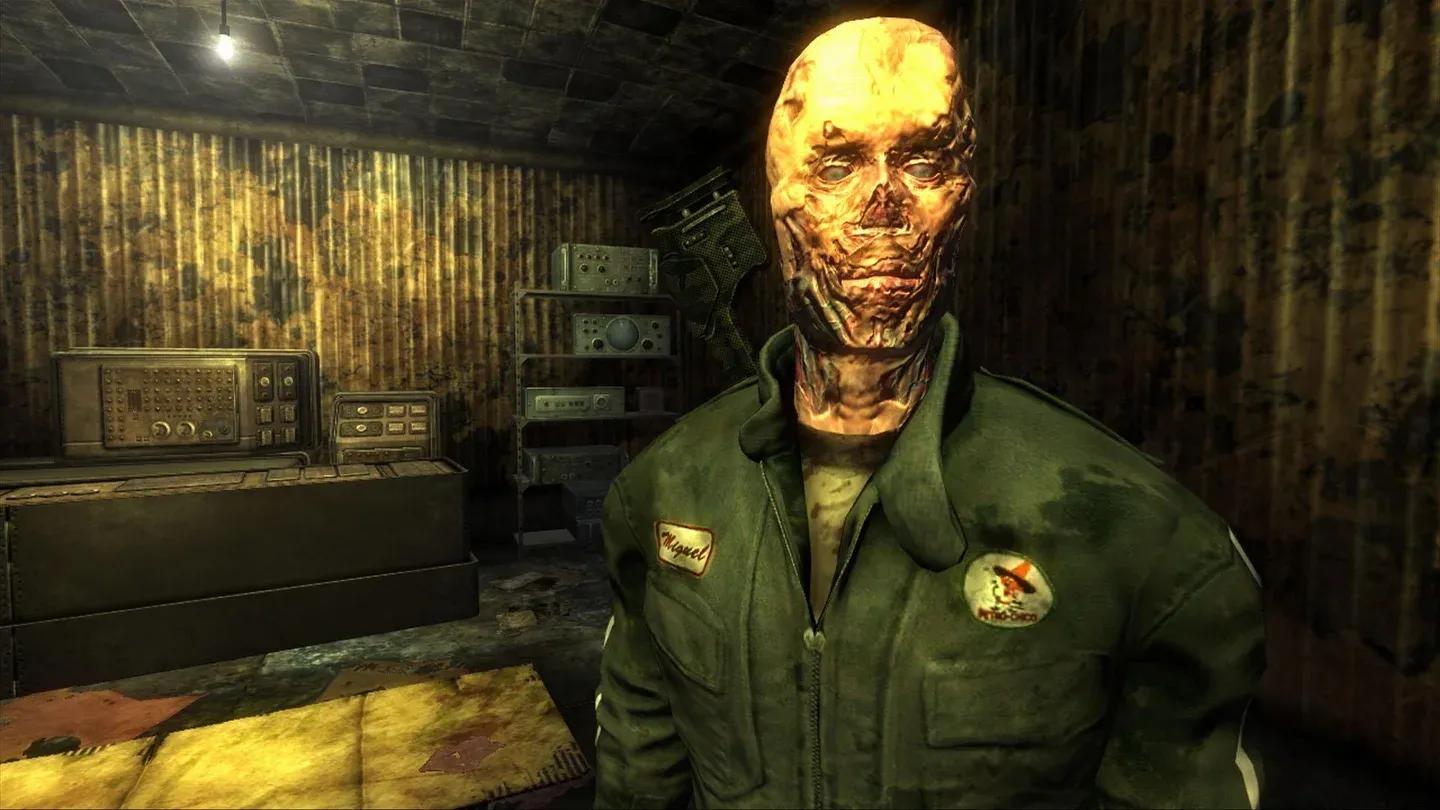
The Mojave Wasteland covers a large open map spanning desert highways, irradiated canyons, tribal settlements, and the neon excess of the New Vegas Strip itself. Obsidian populated this space with characters who feel like they belong to a functioning (if broken) society rather than set dressing. The writing throughout is sharp and specific; factions have coherent philosophies, not just color-coded armor.
The Strip's casinos are fully playable, offering blackjack, roulette, and slot machines that feed into the game's economy in ways that actually matter. Caps are scarce enough early on that gambling feels like a genuine risk rather than a throwaway feature.
What makes New Vegas worth playing in 2026?
New Vegas remains one of the most replayable RPGs ever made because the four main faction endings are genuinely distinct. Siding with the NCR, Caesar's Legion, Mr. House, or going it alone as the Wild Card each produces a different final battle and a different epilogue narrated for dozens of individual characters and settlements. The game tracks what the player did across the entire run and reflects it back in specific, sometimes surprising detail.
The modding community on PC has kept the game alive well past its 2010 release, with stability patches, graphical overhauls, and content expansions that address the original's technical rough edges. Four DLC packs, including Dead Money and Lonesome Road, extend the story in directions that recontextualize the main quest in meaningful ways. For fans of choice-driven open-world RPGs, New Vegas still sets a standard that most games in the genre haven't cleared.