
Overview
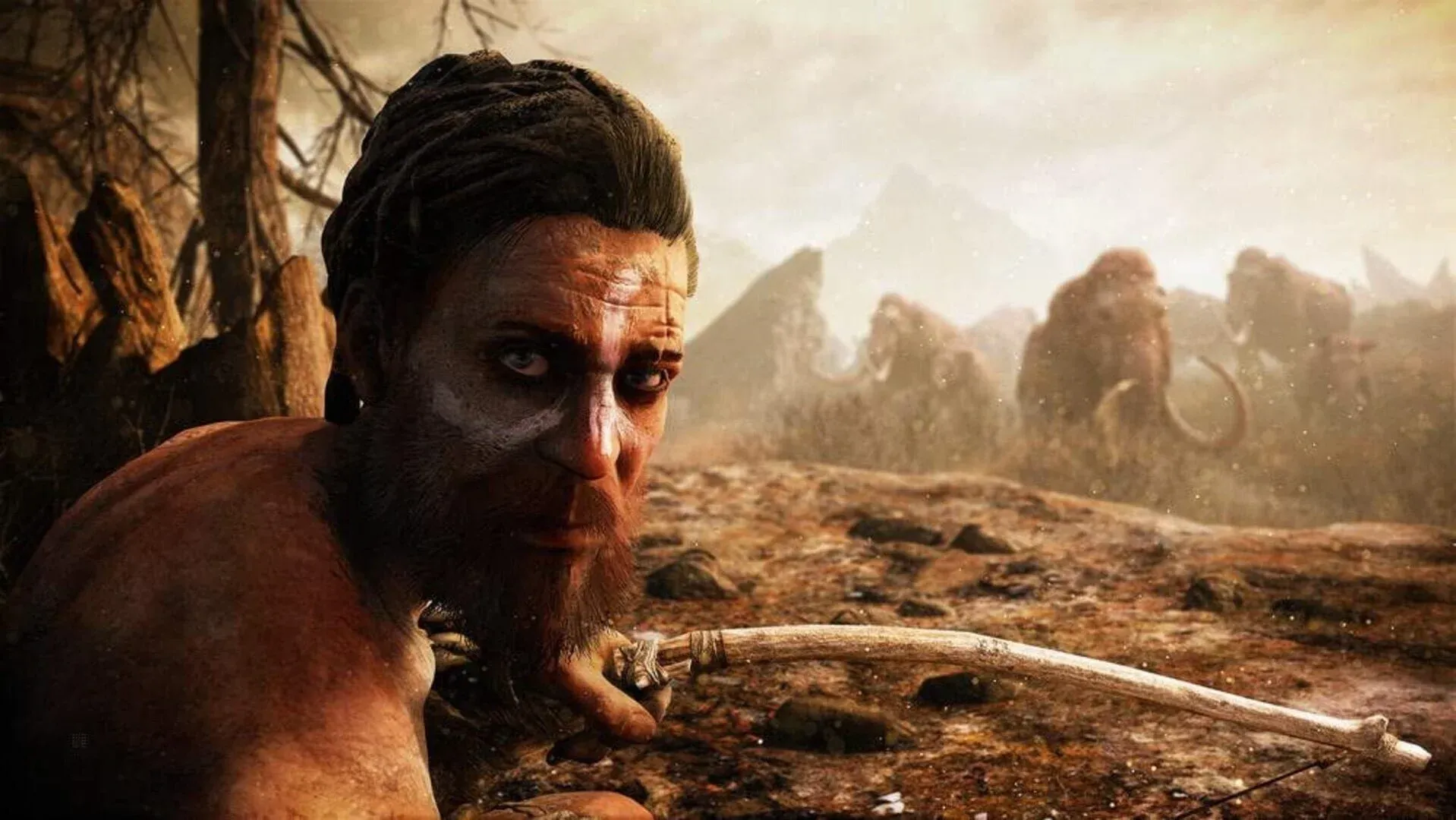
Far Cry Primal represents one of the boldest creative risks in the franchise's history. Ubisoft strips away the modern weaponry and vehicles that define the series, replacing them with an arsenal of clubs, spears, and bows while setting the action in 10,000 BCE. Players step into the role of Takkar, a Wenja tribesman and skilled hunter who must rebuild his scattered people while surviving the brutal prehistoric landscape of Oros. The game retains the signature open-world sandbox design Far Cry fans expect while introducing revolutionary beast-taming mechanics that fundamentally change how players approach combat and exploration.
Far Cry® Primal
[VIDEO]
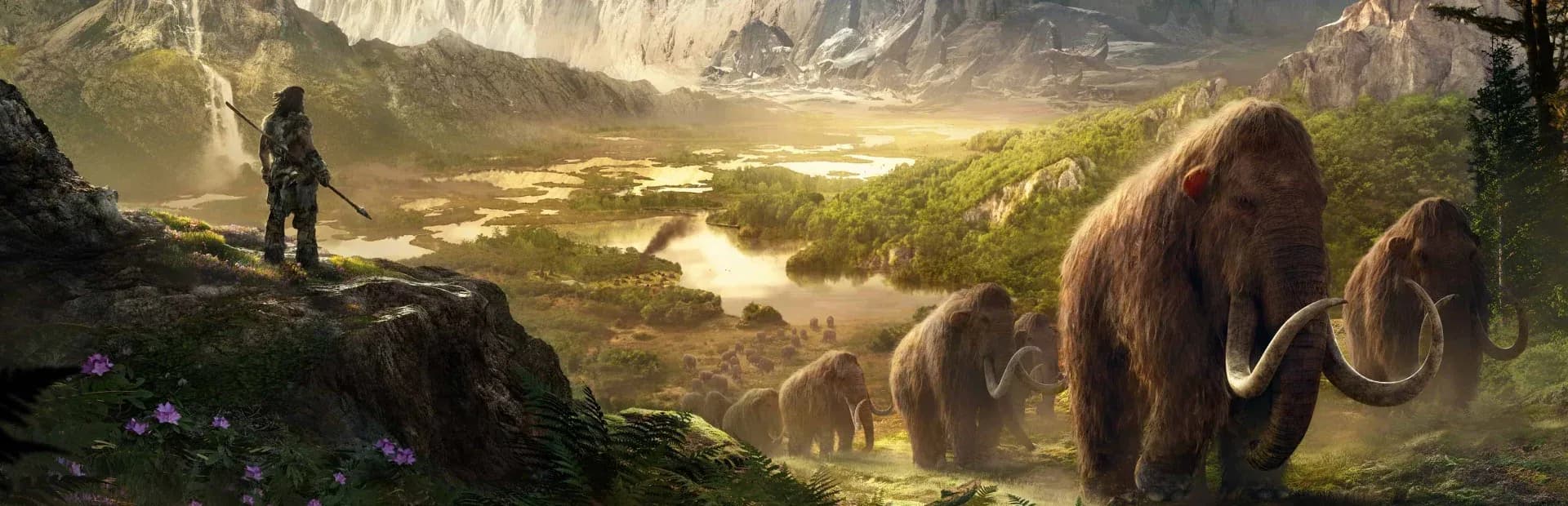
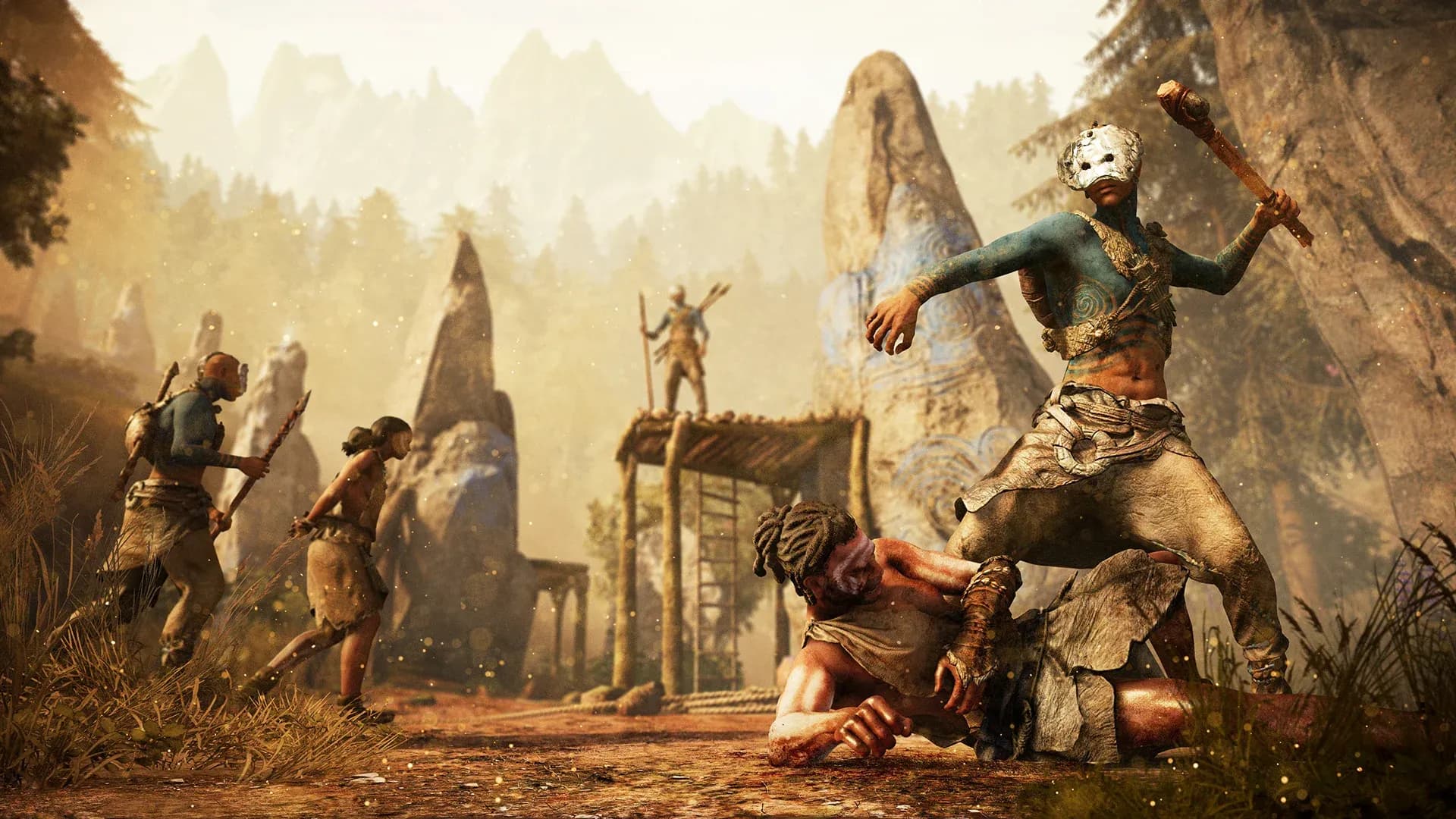
The land of Oros serves as a character unto itself. Towering redwood forests give way to harsh taiga, while glacial mountains loom over humid swamps teeming with prehistoric life. Every environment presents unique dangers and opportunities, from hunting grounds rich with resources to enemy encampments ripe for assault. The attention to historical authenticity extends to the dialogue—all speech uses a constructed language inspired by Proto-Indo-European, creating an atmosphere of genuine primordial immersion.
How Does Beast Taming Change the Far Cry Formula?
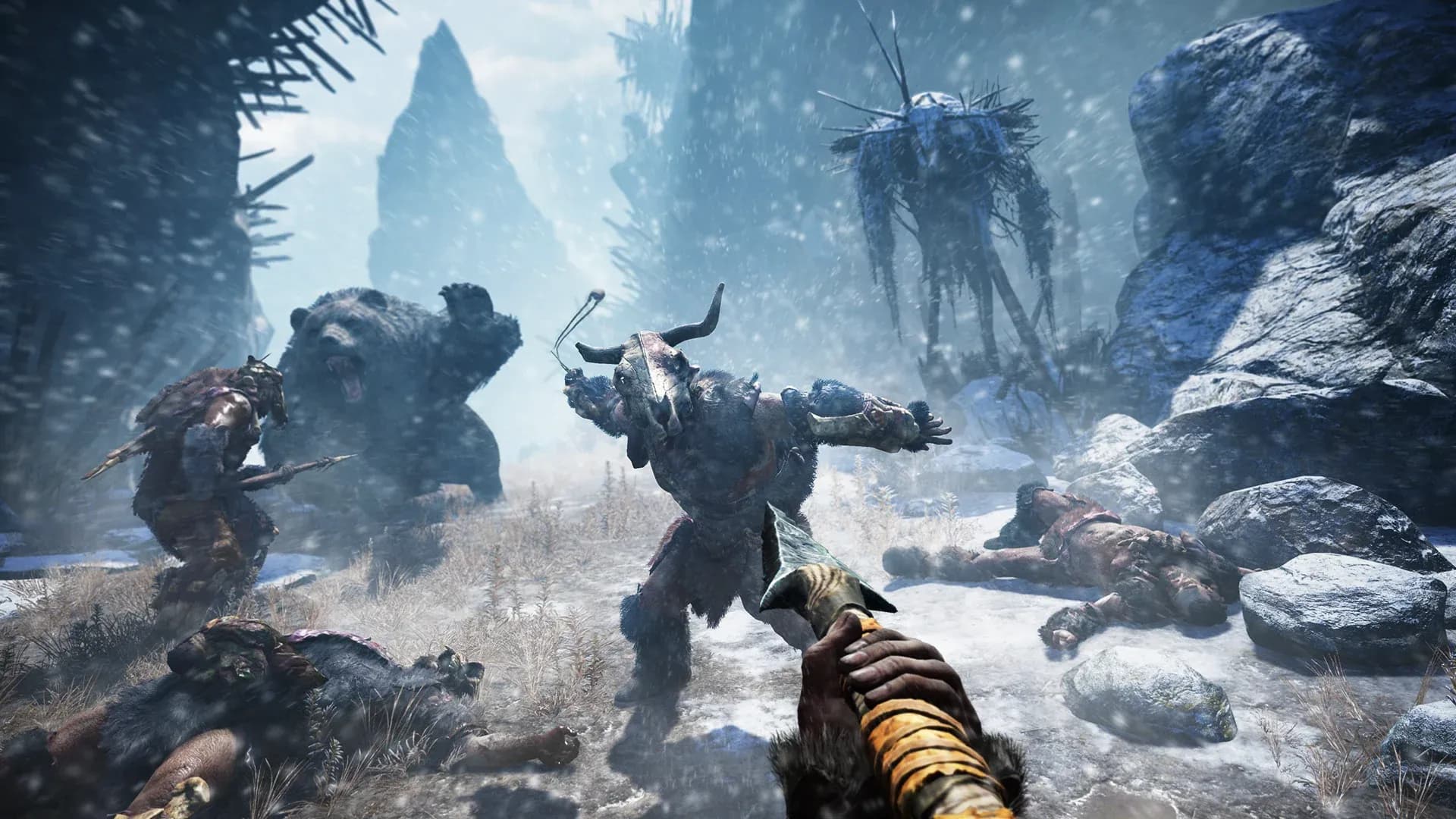
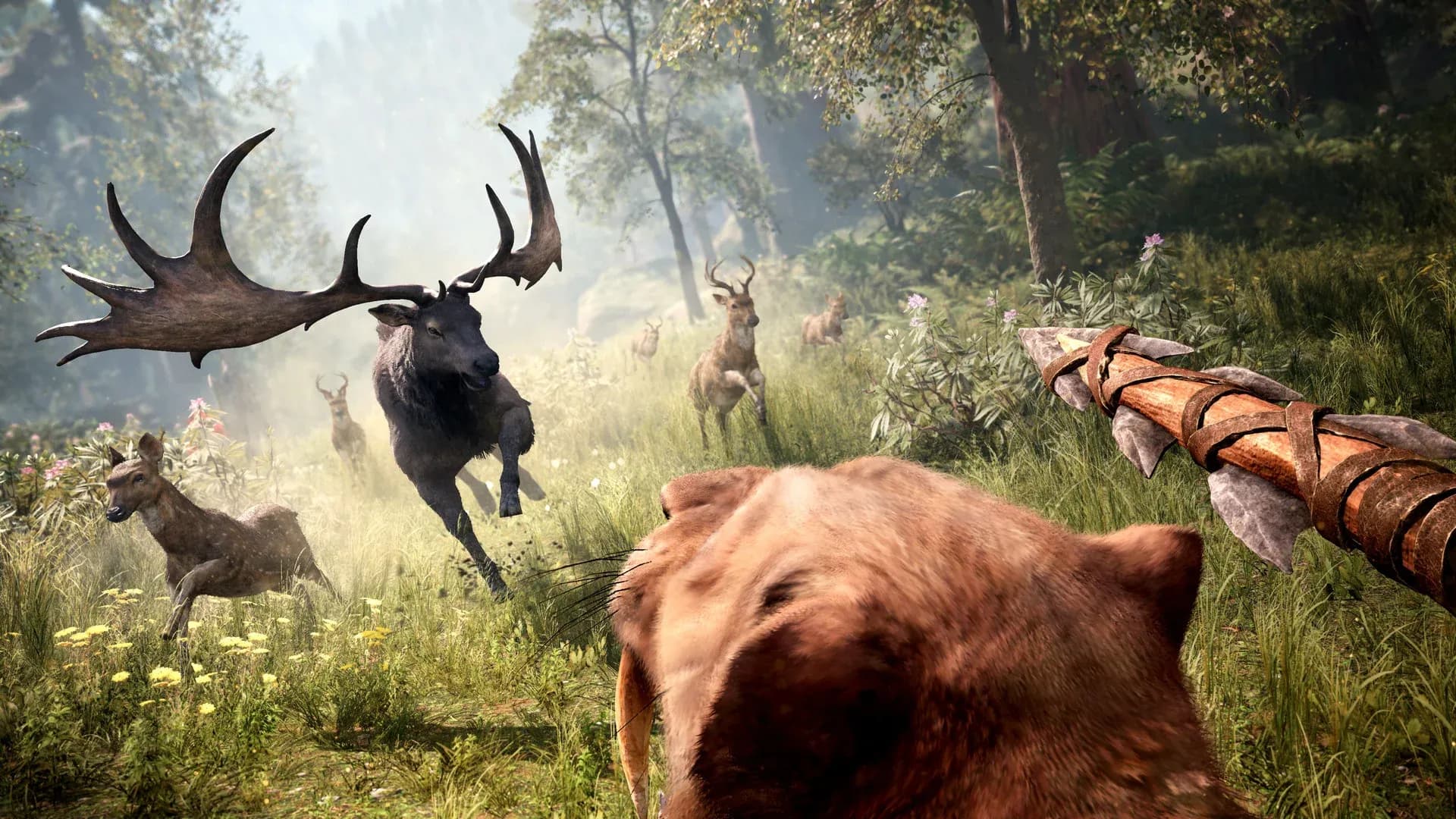
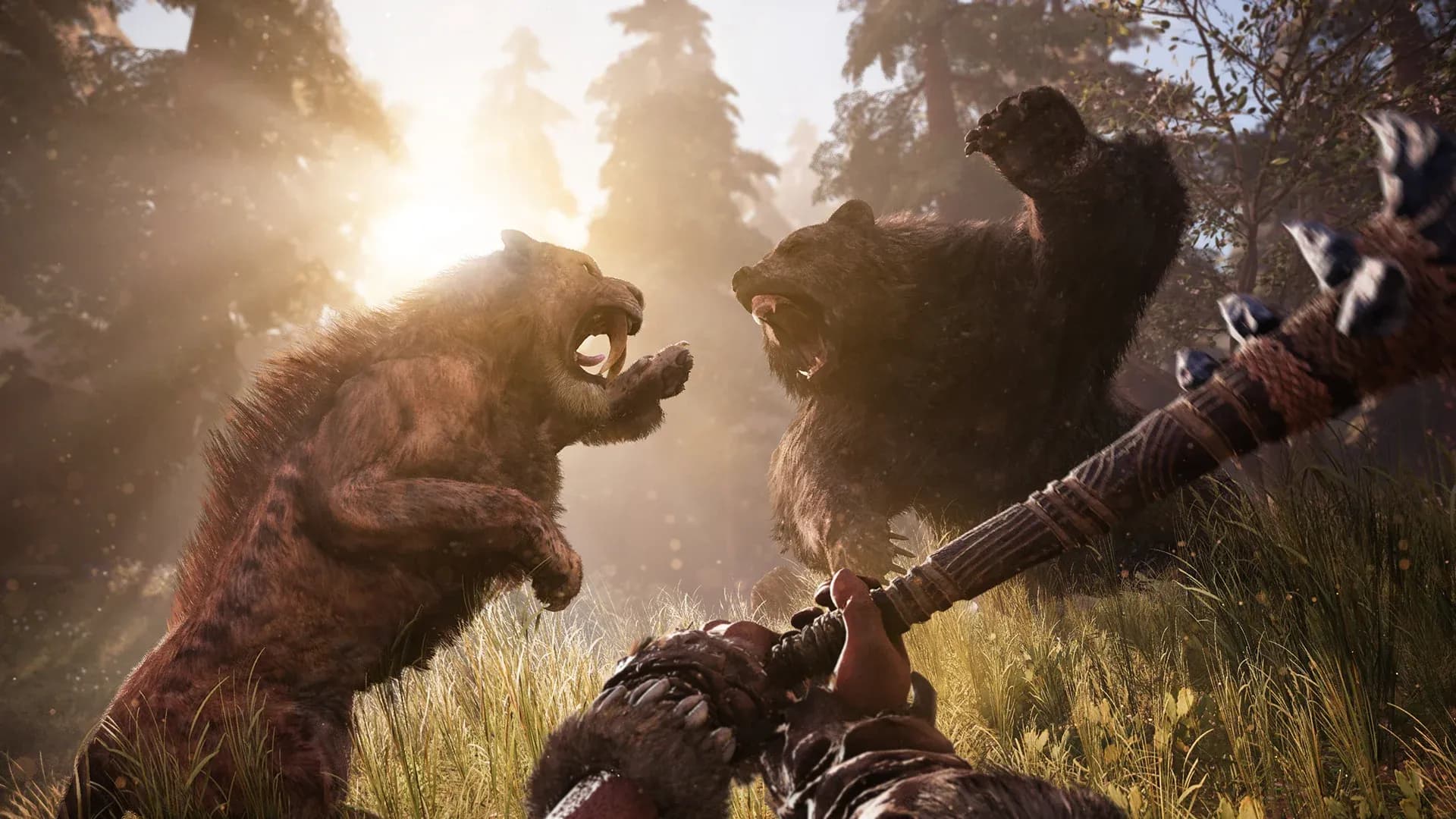
Beast taming stands as Far Cry Primal's most significant mechanical innovation. Takkar possesses the rare ability to forge bonds with wild animals, transforming deadly predators into loyal companions. Sabretooth tigers become devastating assault partners, wolves scout ahead and mark enemies, and bears absorb punishment while dealing crushing blows.

Far Cry® Primal
Key beast companion features include:
- Unique abilities for each tameable species
- Companion upgrades through progression
- Strategic deployment options for stealth or combat
- Riding capabilities for larger animals
- Owl reconnaissance for enemy tagging
The owl companion deserves special mention. This aerial ally allows players to scout locations from above, marking enemies and hazards before engaging. Players can even direct the owl to attack targets or drop weapons, adding tactical depth unavailable in previous Far Cry entries.
Crafting and Survival in the Stone Age
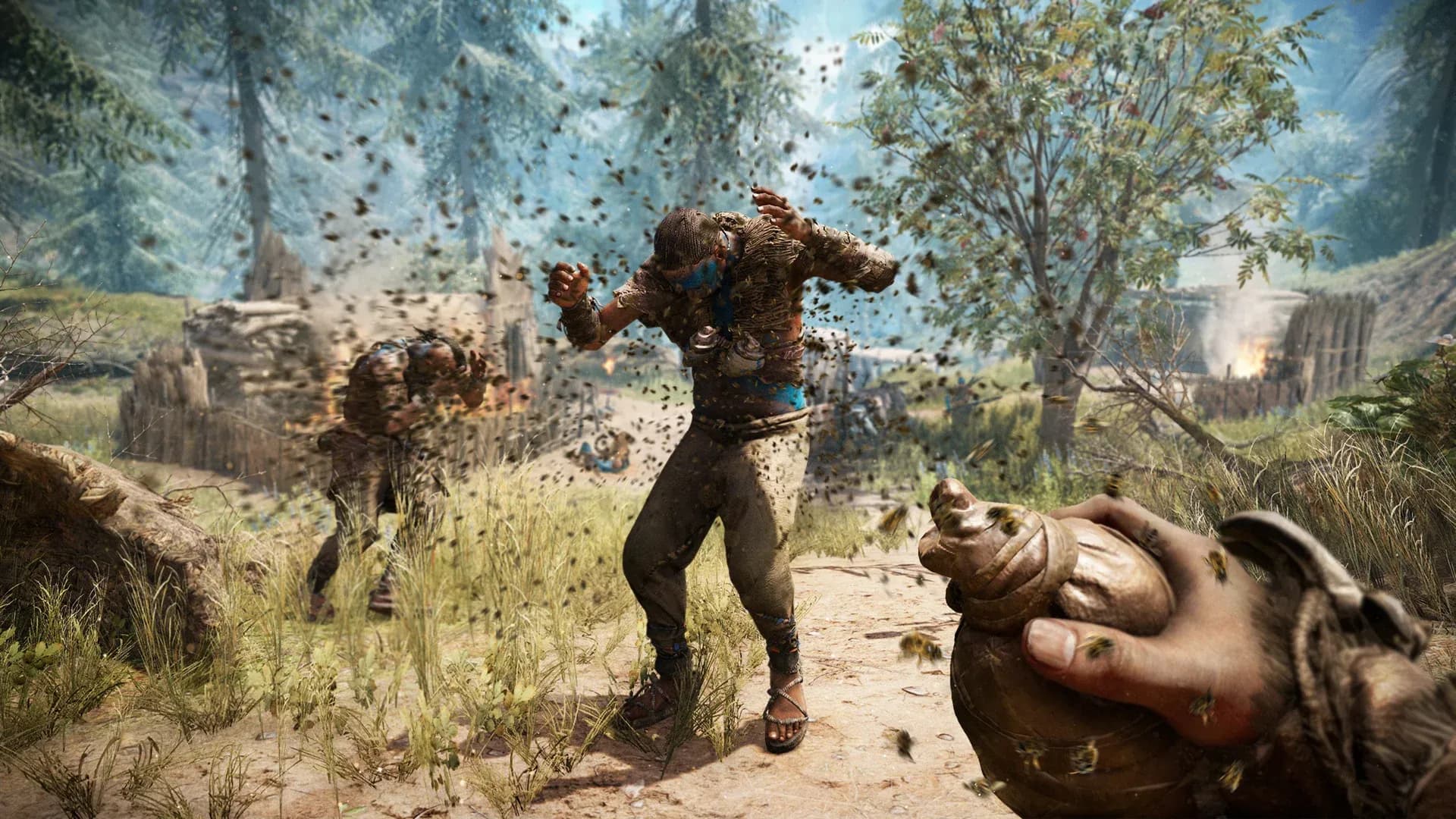
Without access to weapon shops or supply drops, survival depends entirely on resource gathering and crafting. Takkar must hunt animals for hides, harvest plants for healing remedies, and scavenge materials for weapon construction. The crafting system encourages exploration and creates meaningful decisions about resource allocation.
Far Cry® Primal
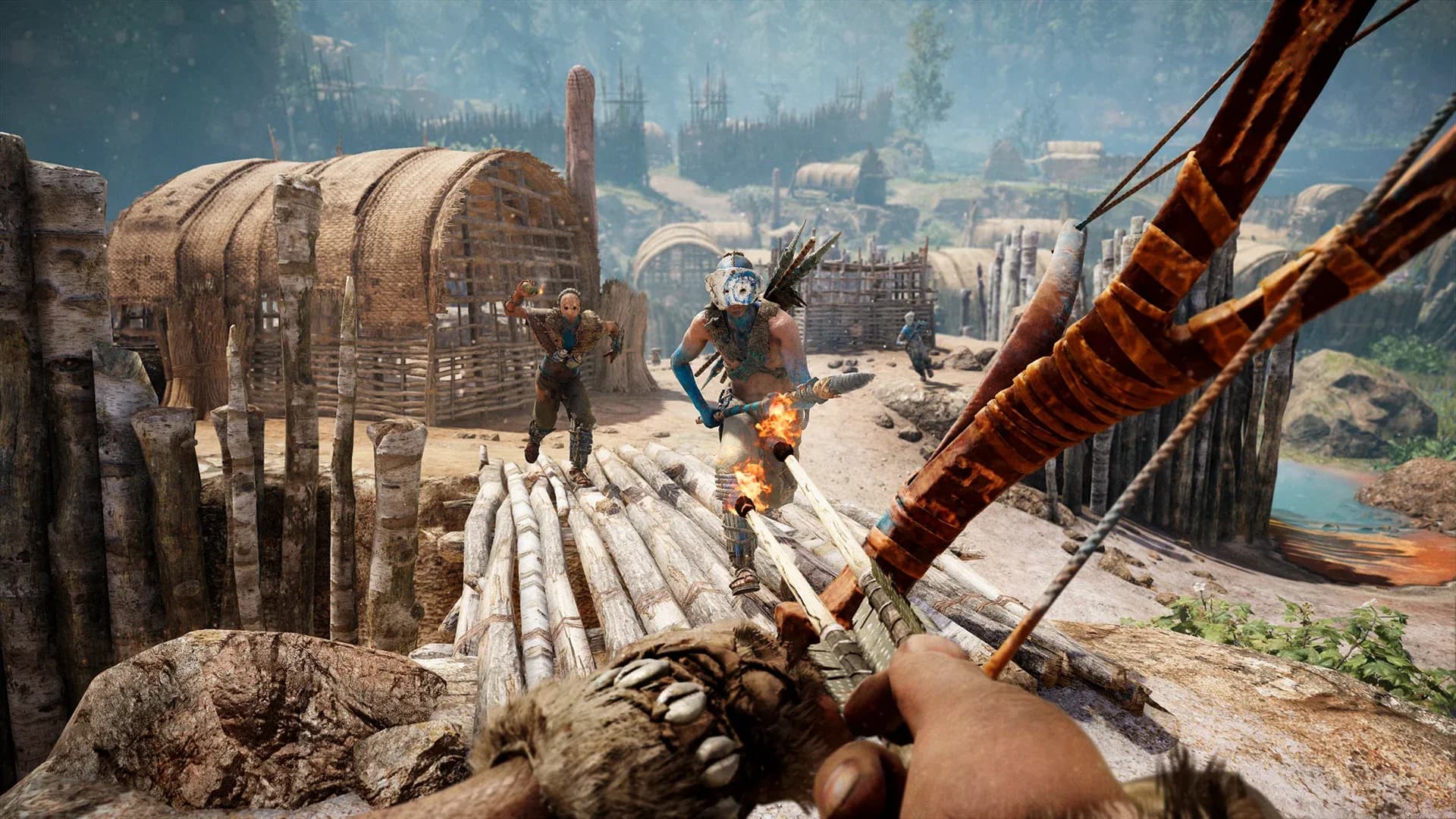
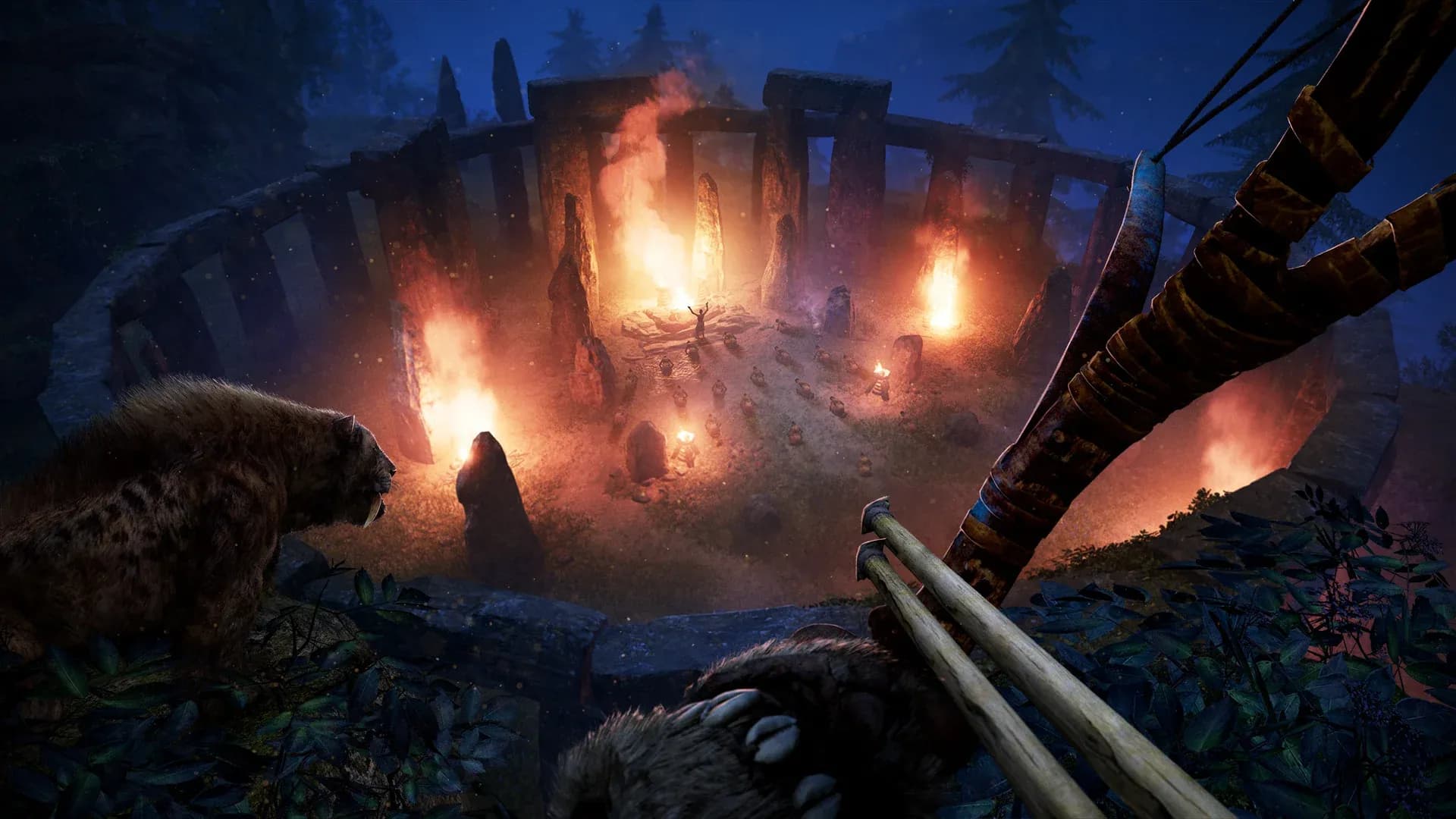
Weapons range from simple clubs to sophisticated compound bows, each requiring specific materials and unlocked recipes. Fire becomes a crucial tool—torches illuminate dark caves, burning arrows flush enemies from cover, and campfires ward off nocturnal predators. The day-night cycle dramatically affects gameplay, with deadlier creatures emerging after sunset and visibility becoming a genuine tactical concern.
Village building adds another progression layer. Recruiting specialists to the Wenja settlement unlocks new abilities, weapons, and upgrades. Each specialist rescued from the wilderness brings unique knowledge, from advanced crafting techniques to powerful combat skills.
Visual and Audio Design
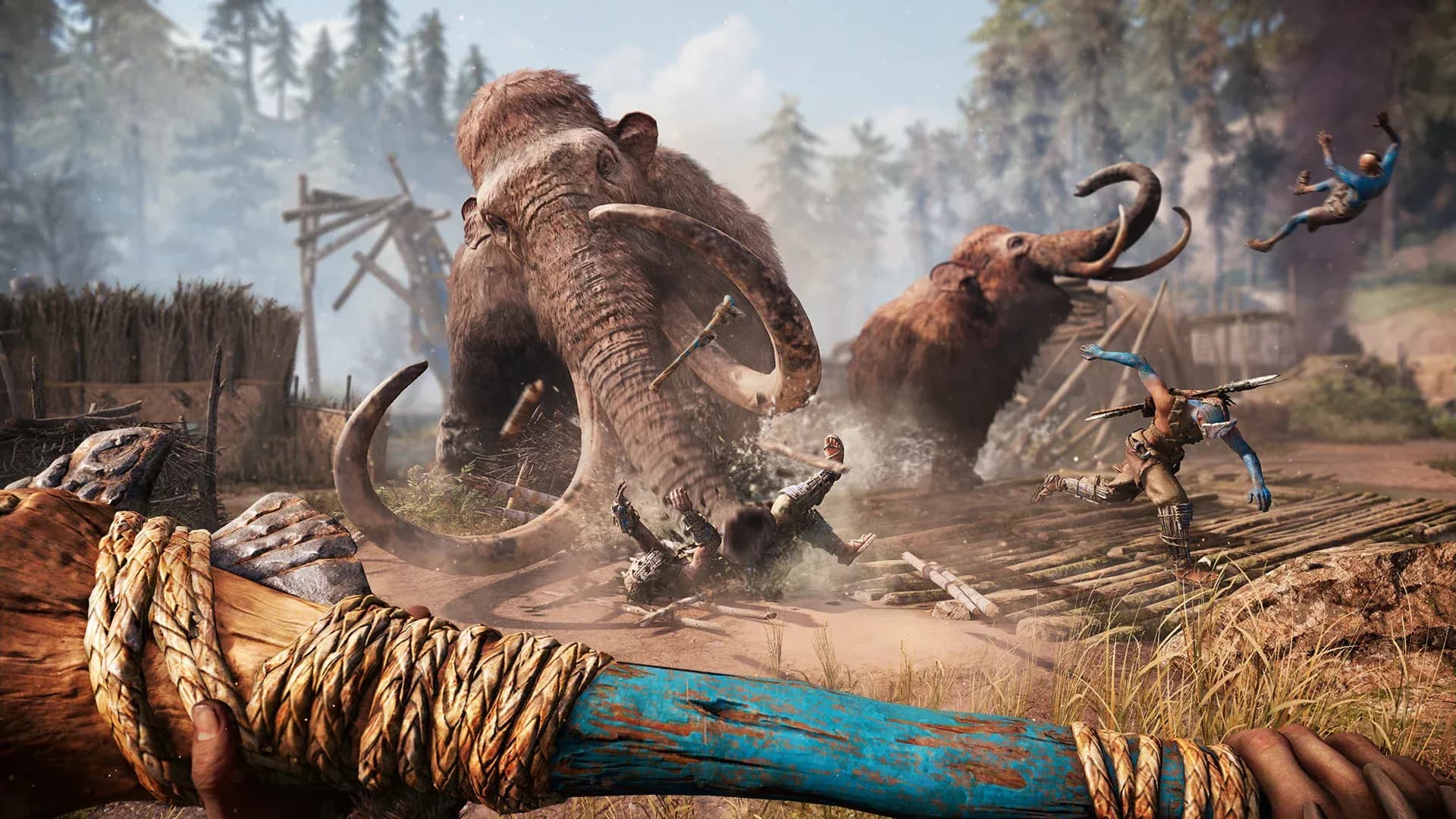
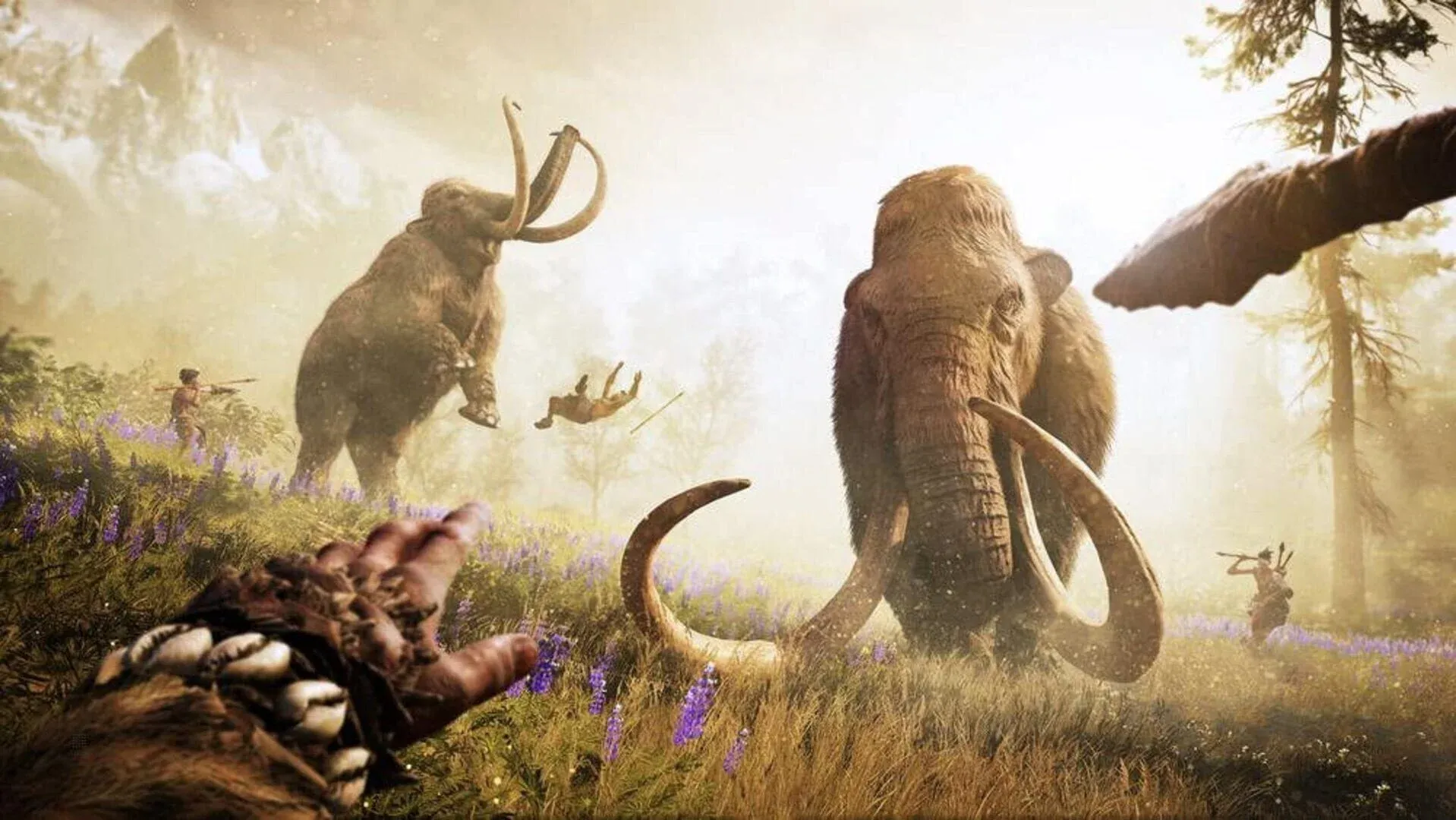
Oros showcases impressive environmental artistry. Dense vegetation reacts to movement, dynamic weather systems transform landscapes, and wildlife behaves with convincing ecological logic. Mammoths travel in protective herds, predators stalk prey through underbrush, and scavengers circle above fresh kills.
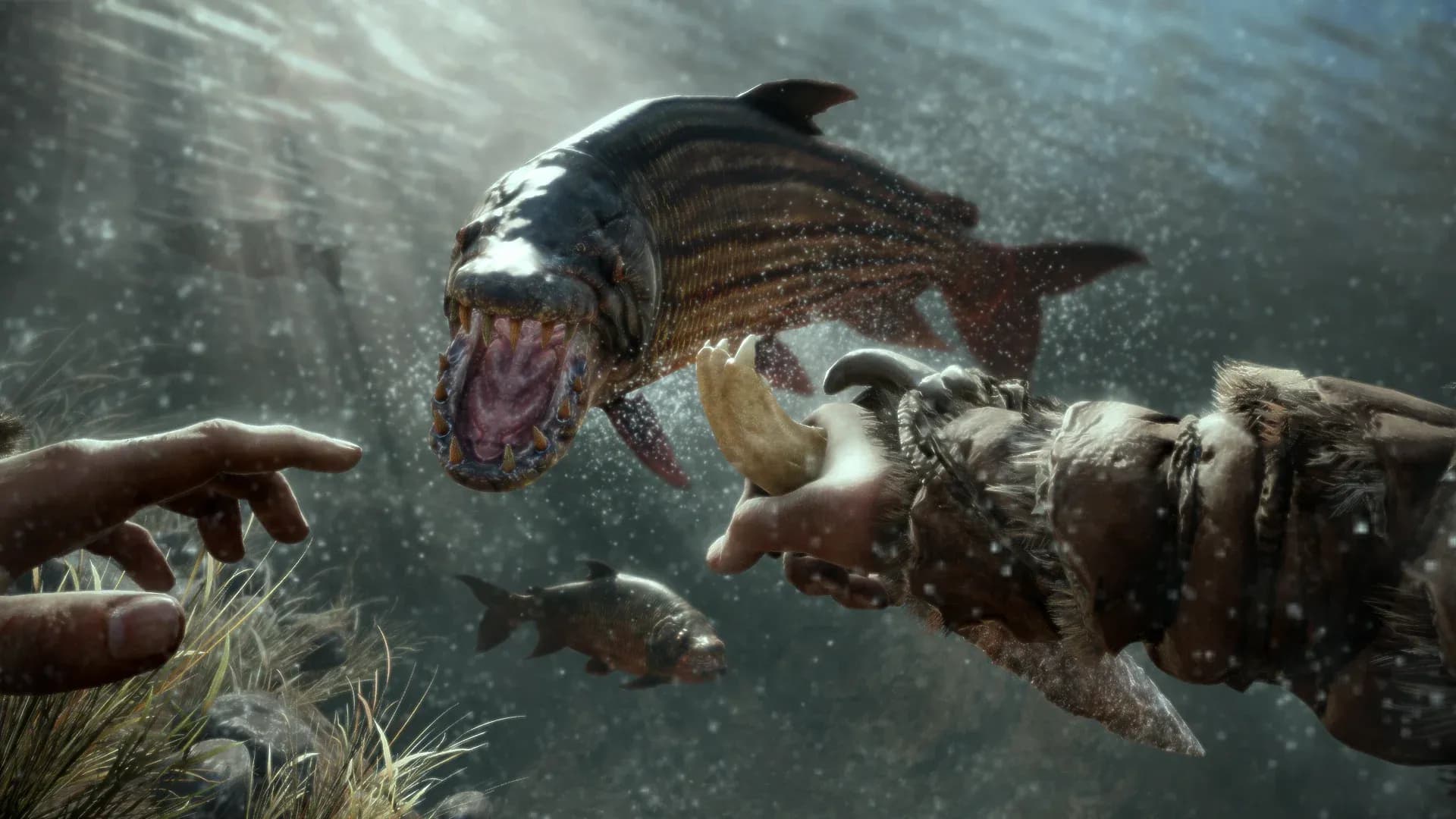
Far Cry® Primal
The audio design reinforces the prehistoric setting. Ambient soundscapes capture the chorus of ancient wildlife, while the constructed Proto-Indo-European dialogue adds authenticity rarely attempted in mainstream gaming. Musical accompaniment uses period-appropriate instrumentation, building tension during hunts and swelling during tribal victories.
System Requirements
Conclusion
Far Cry Primal delivers a distinctive Stone Age survival experience within the proven Far Cry framework. The beast-taming mechanics provide fresh tactical options, while the prehistoric setting offers environmental variety and atmospheric immersion difficult to find elsewhere in open-world gaming. Players seeking action-adventure gameplay without the typical modern military trappings will find Oros a compelling destination. The combination of survival crafting, animal companions, and tribal warfare creates a unique entry in the franchise that stands apart from its contemporaries.