Overview
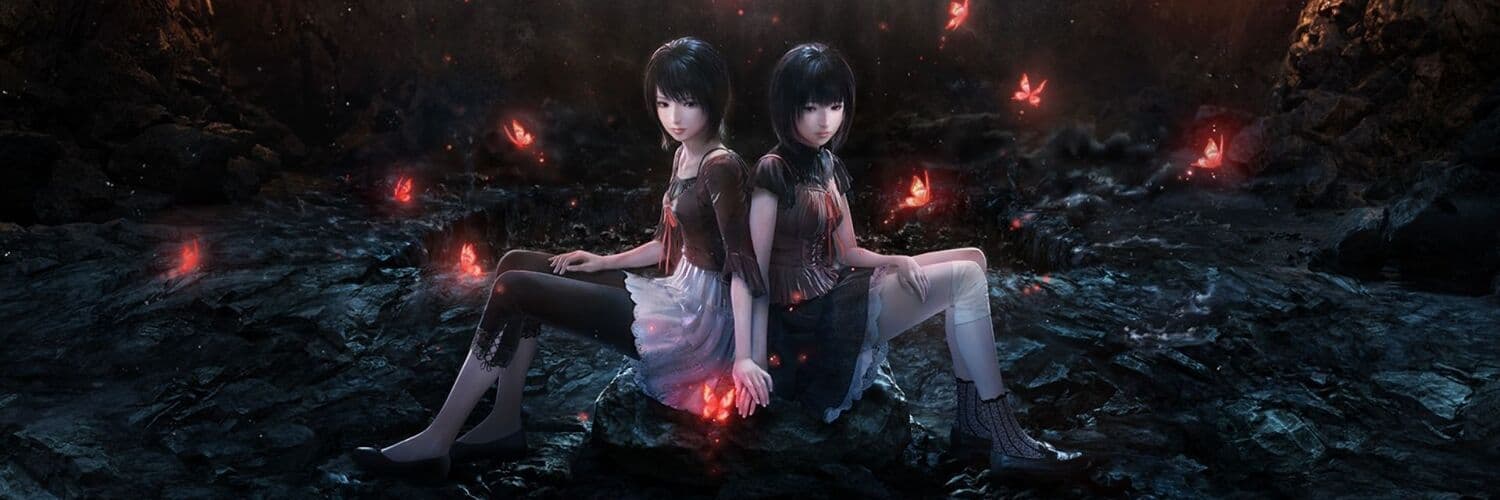
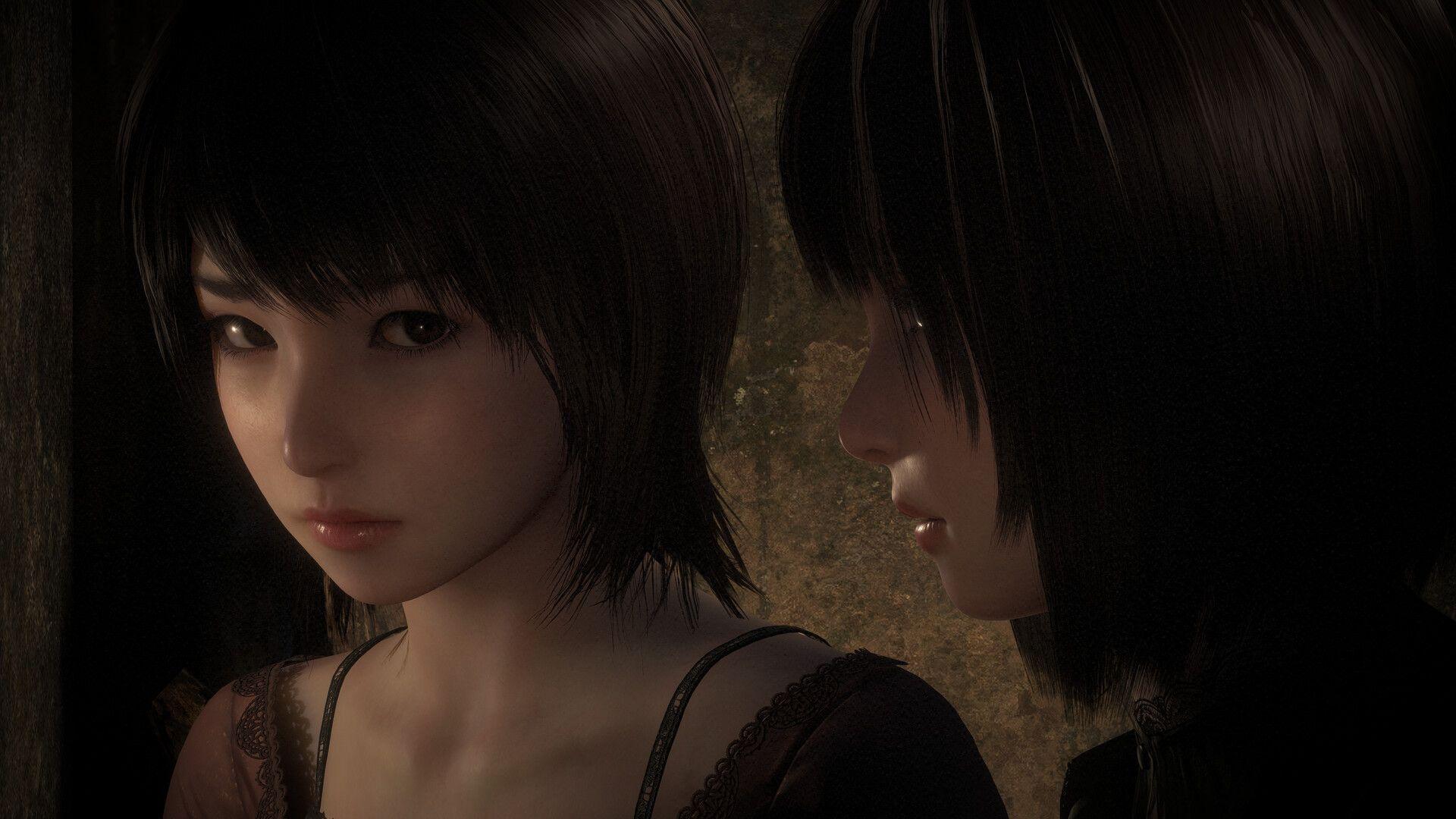
Fatal Frame II: Crimson Butterfly is the second entry in Tecmo's acclaimed survival horror series, released in 2003. The game follows twin sisters Mio and Mayu Amakura, who wander into the cursed Minakami Village while revisiting a childhood haunt before it disappears beneath a dam reservoir. What begins as a nostalgic excursion descends into a nightmare rooted in failed ritual, vengeful spirits, and the terrifying bond between twins. The story stands independent of the first Fatal Frame, making it fully accessible as a standalone experience while deepening the series' mythology.
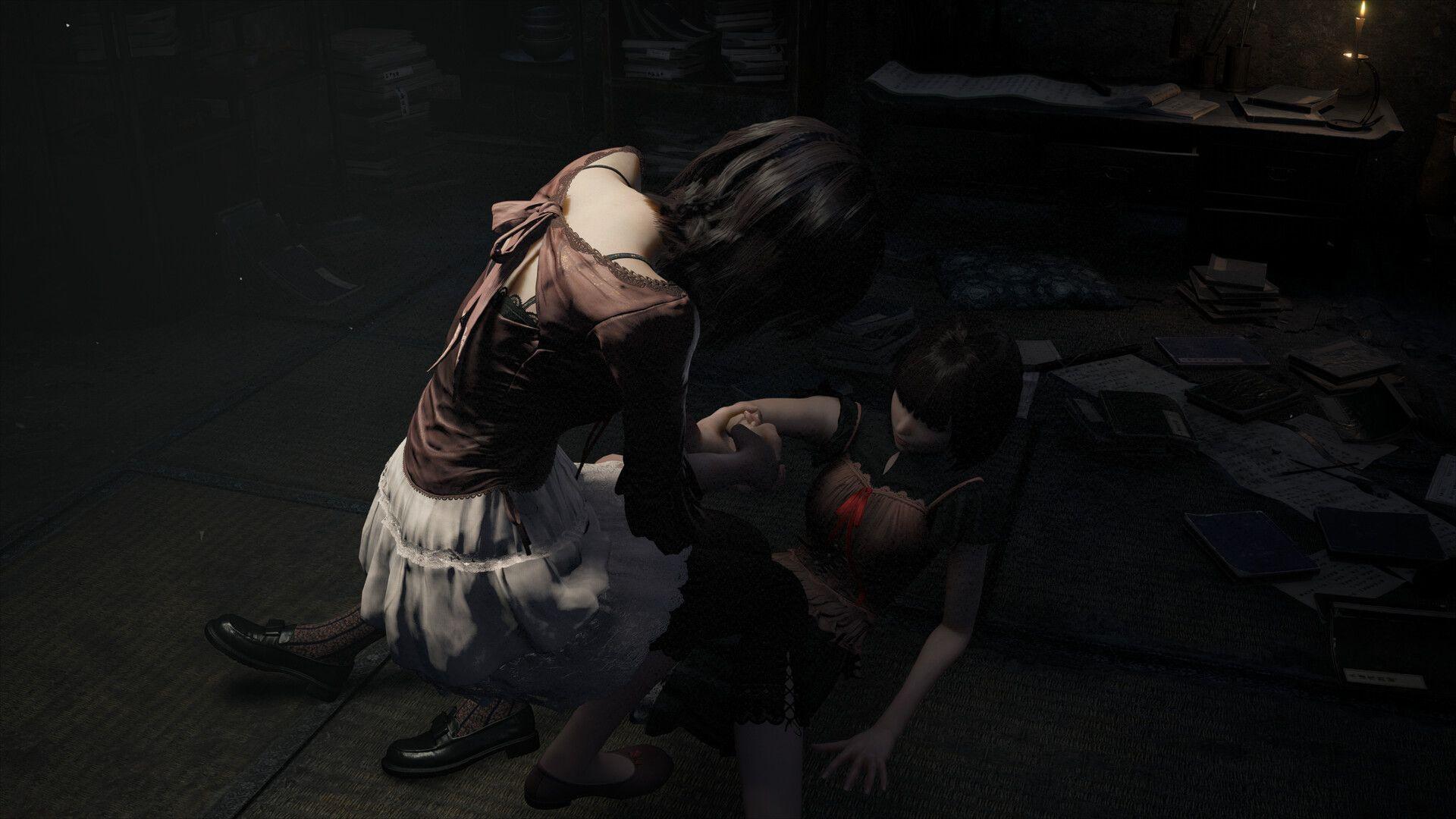
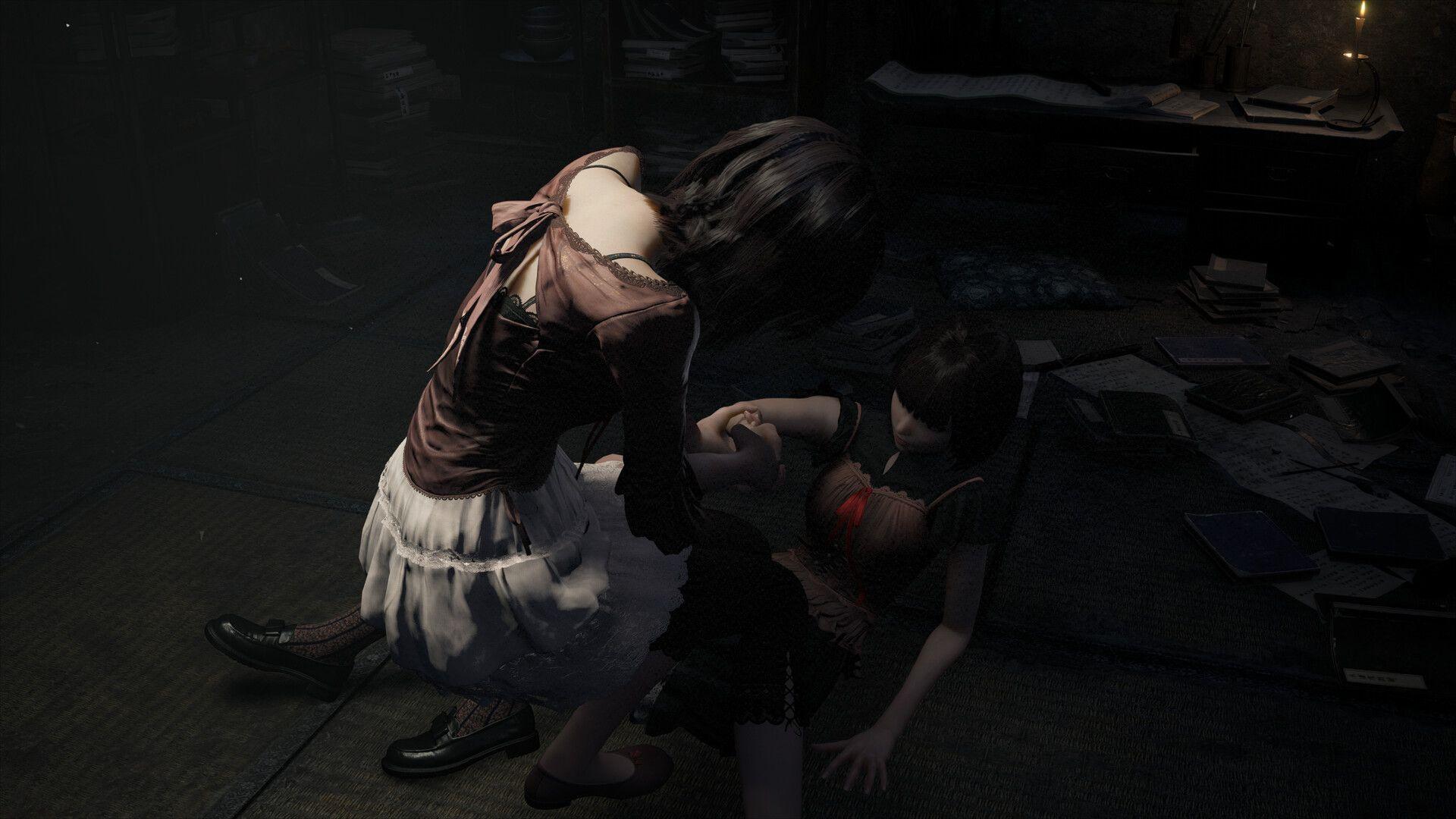
The narrative centers on the Crimson Sacrifice Ritual, an ancient ceremony that required one twin to strangle the other as an offering to the Abyss. When the ritual failed generations ago, Minakami Village vanished from the world, trapping its residents in a liminal state between the living and the dead. The game's central antagonist, the spirit of Sae Kurosawa, drives the conflict forward with heartbreaking and terrifying purpose. She mistakes Mio for her lost twin Yae and manipulates Mayu to complete what was never finished. The folklore underpinning the story draws from genuine Japanese spiritual traditions, giving the horror a weight that feels grounded rather than arbitrary.
How Does the Camera Obscura Work?
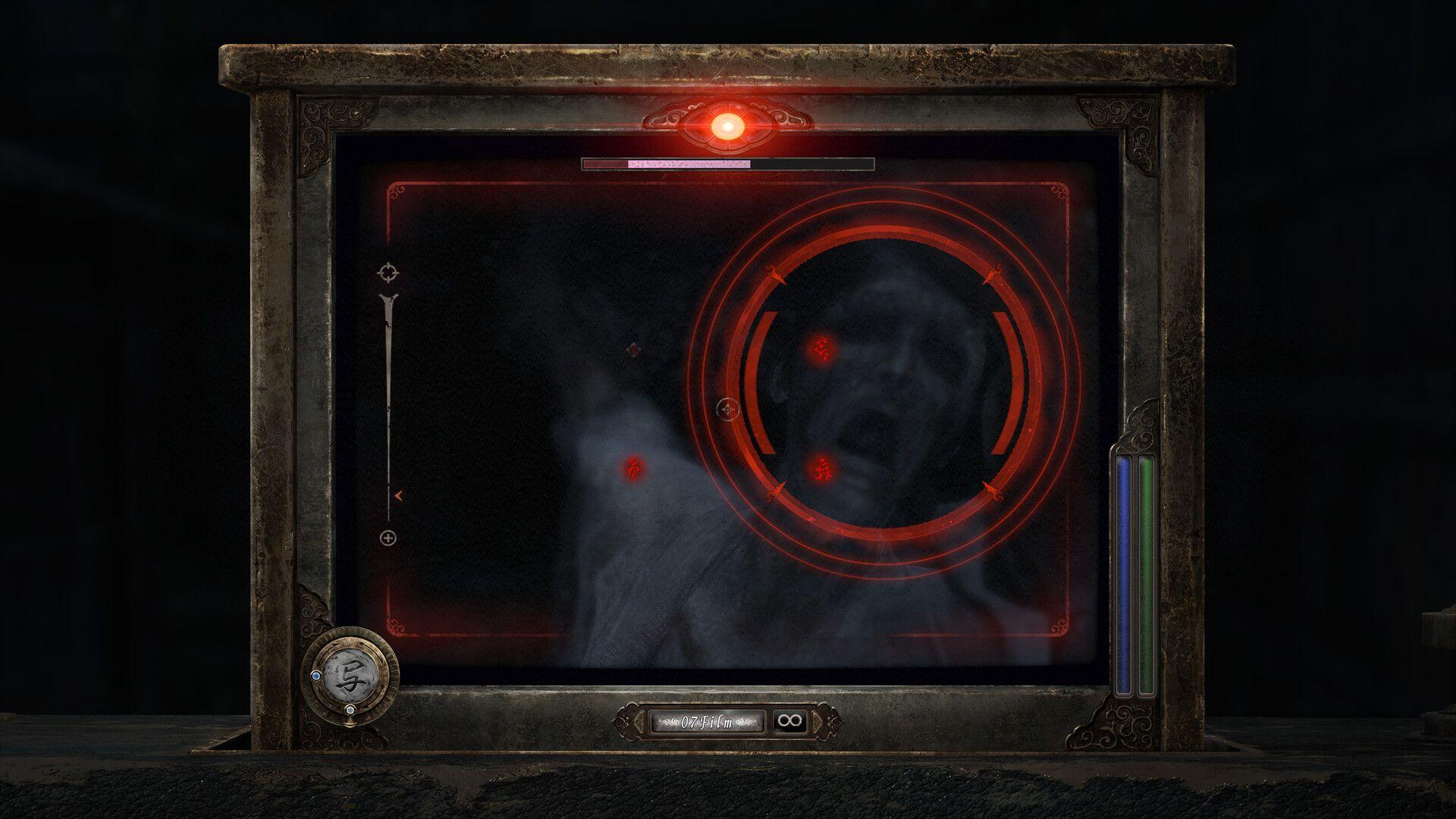
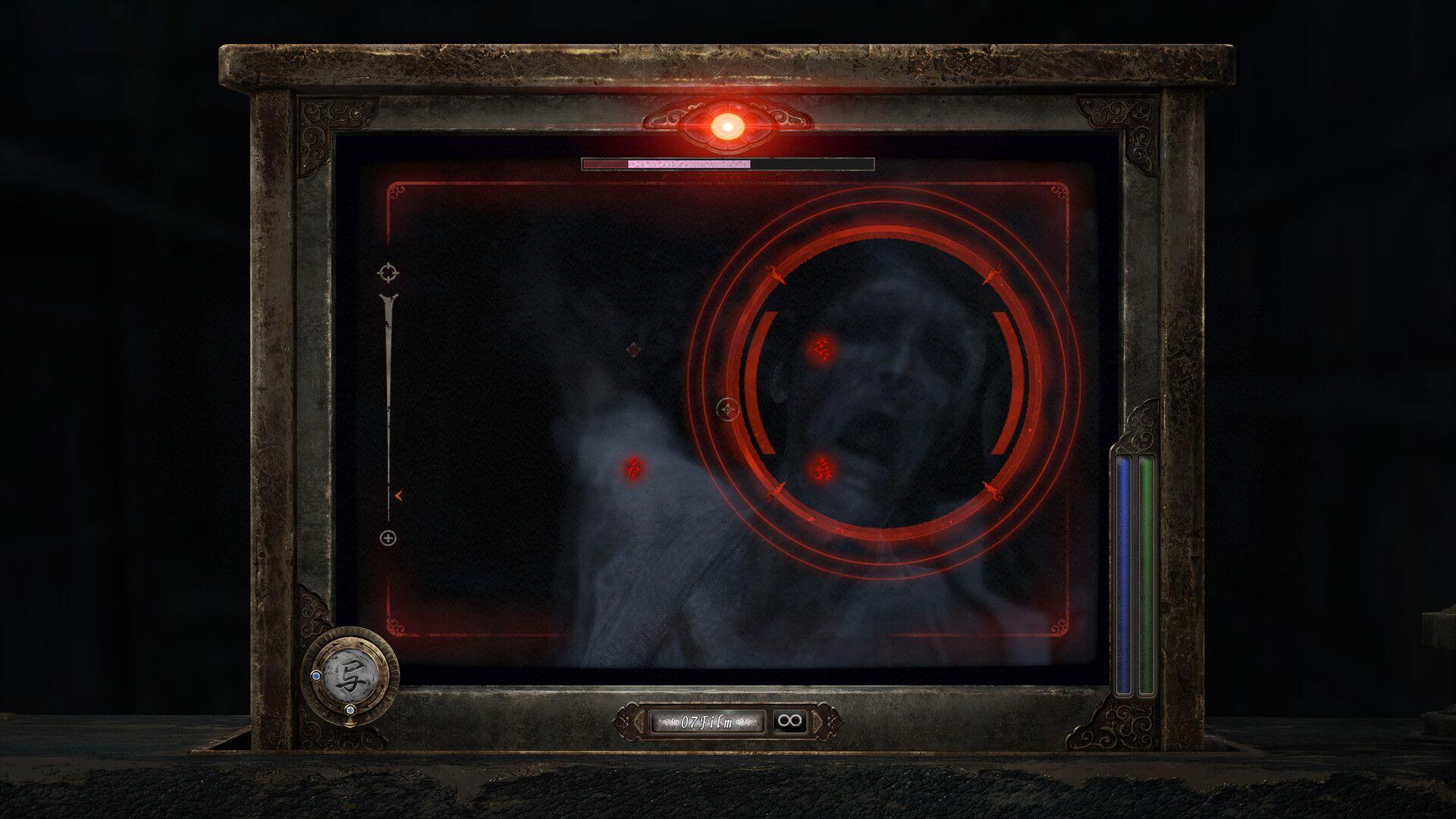
The Camera Obscura is the game's defining mechanic and its most original contribution to the survival horror genre. Rather than firearms or melee weapons, players use this antique camera to fight ghosts by photographing them directly. The closer and more centered a ghost appears in the frame at the moment of capture, the more damage the shot inflicts. Chaining multiple captures during a single ghost approach triggers a "Fatal Frame" shot, dealing maximum damage and rewarding precision under pressure.
Fatal Frame II: Crimson Butterfly Remake
Key mechanics include:
- Spirit Stone Flashlight for ghost detection
- Fatal Frame combo shots for bonus damage
- Upgradeable film types with varying power
- Spirit Orb currency for ability upgrades
- Obstacle and puzzle solving tied to ghost lore
Combat requires players to stand their ground as spirits rush toward them, timing each shot for maximum effect rather than retreating. This creates a tense push-and-pull rhythm unique among horror games. The camera also serves an exploratory purpose: photographing environmental details and spiritual echoes unlocks lore fragments, deepening the player's understanding of what happened in Minakami Village.
A Village Frozen in Ritual
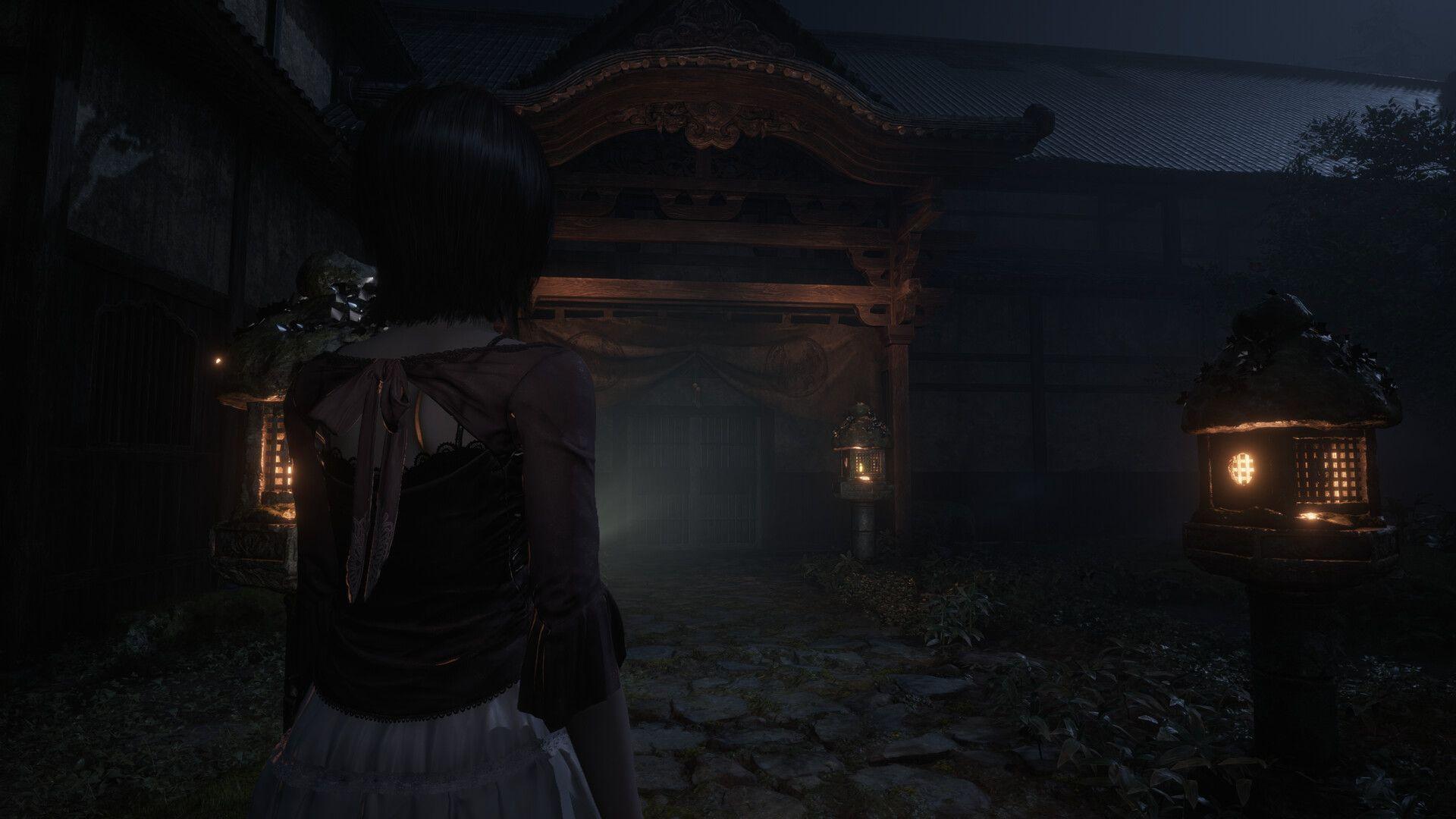
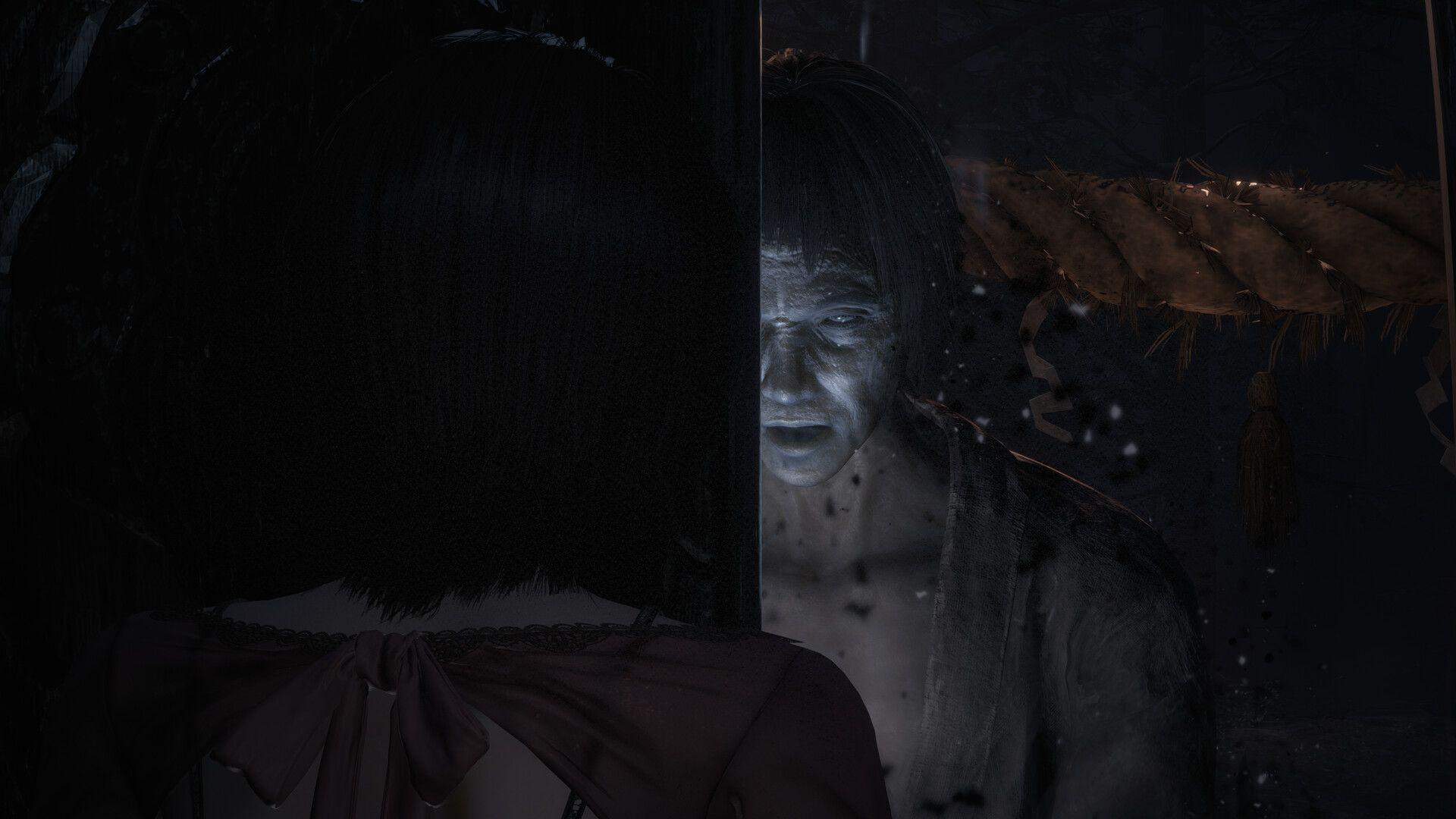
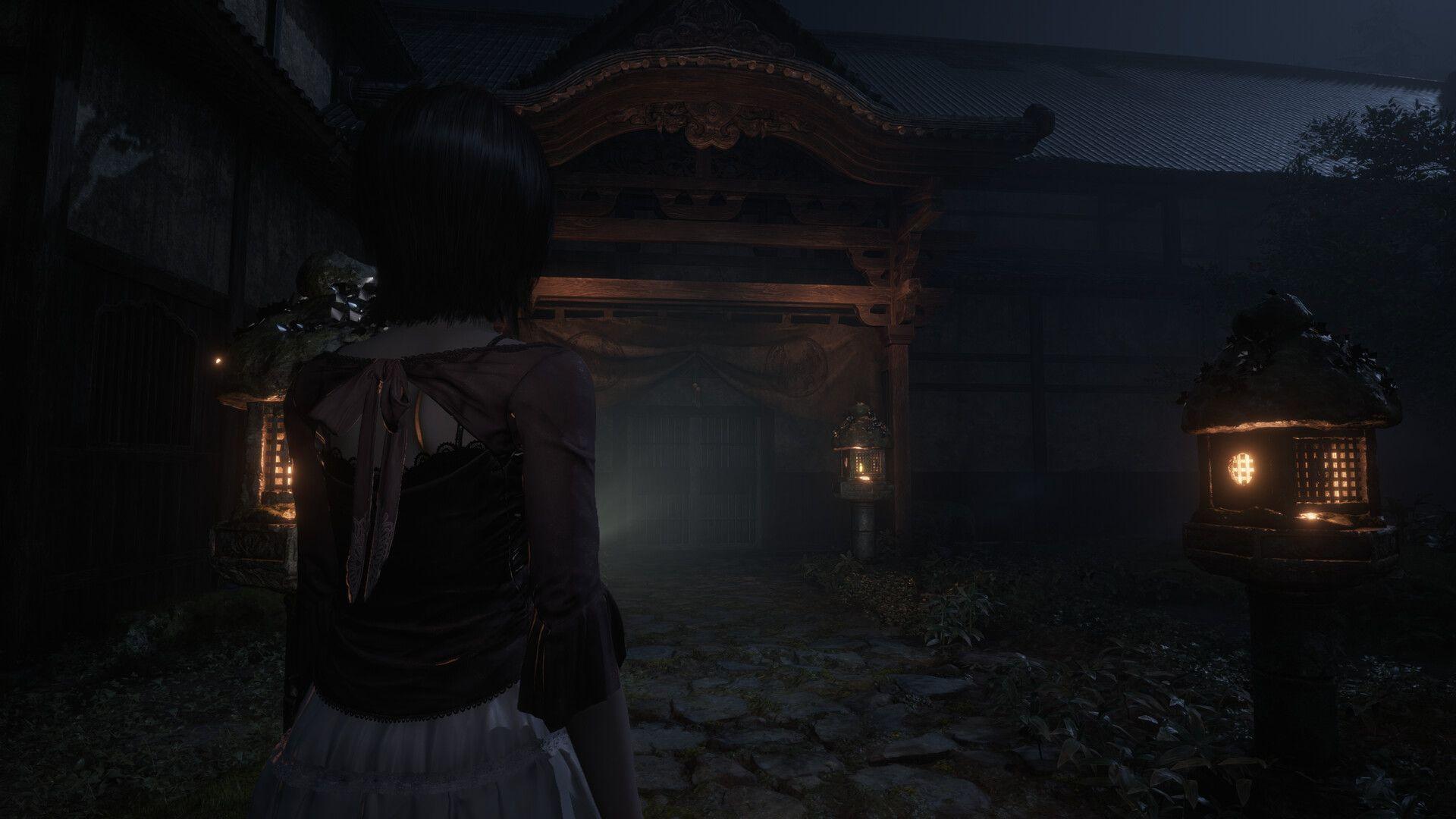
Minakami Village is one of horror gaming's most atmospheric environments. The village is rendered as a labyrinth of traditional Japanese architecture: wooden corridors, shrine gates, and dark ceremonial chambers that shift between the present and spiritual echoes of the past. The game uses these "Stone Mirror" visions to layer its timeline, revealing the village's history through ghostly reenactments rather than cutscenes alone.
The setting benefits from a coherent internal mythology. Every location connects to the Crimson Sacrifice Ritual, from the twin shrine maidens' quarters to the Hellish Abyss beneath the village. Folklorist Seijiro Makabe's notes, scattered throughout the game, provide historical context that transforms simple exploration into archaeological horror.
Fatal Frame II: Crimson Butterfly Remake
Impact and Legacy
Fatal Frame II earns its reputation as one of the most psychologically effective horror games ever made. Its influence appears in the design philosophy of countless subsequent horror titles that prioritize atmosphere and vulnerability over combat power. The game received a Director's Cut on Xbox in 2004 with additional content, and a Wii remake titled Project Zero 2: Wii Edition launched in Europe and Japan in 2012. A full remake, Fatal Frame II: Crimson Butterfly Remake, is now available for PS5 and Nintendo Switch 2, introducing the experience to a new generation of players.
Fatal Frame II: Crimson Butterfly Remake
Conclusion
Fatal Frame II: Crimson Butterfly remains a landmark in survival horror, distinguished by its inventive Camera Obscura combat, deeply researched Japanese folklore, and a story that uses the bond between twins as both its emotional core and its most disturbing weapon. The game's atmosphere is meticulous and its horror is purposeful, building dread through restraint rather than spectacle. For anyone drawn to psychological horror rooted in cultural mythology, this is essential.