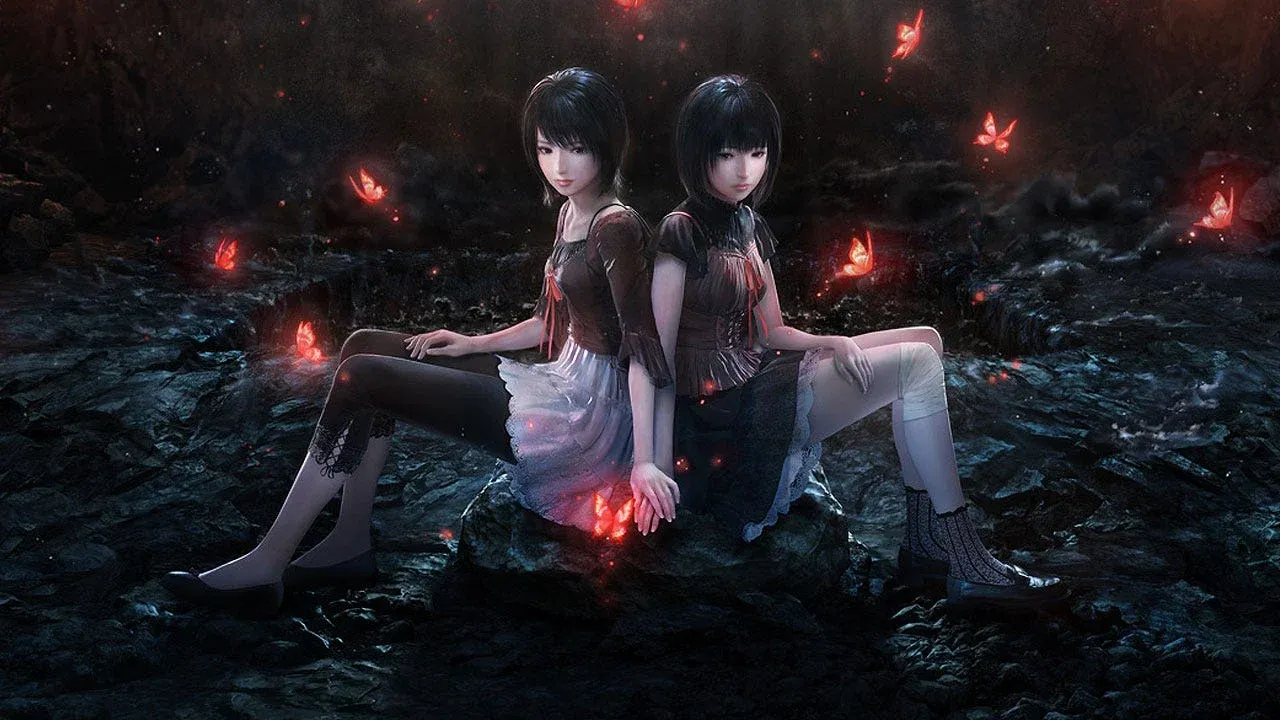


Fatal Frame II: Crimson Butterfly Remake drops you into Minakami Village, a place soaked in ritual, tragedy, and genuinely terrifying ghost encounters. Whether you're a series newcomer or a veteran returning for the Remake, the game's dense Japanese folklore and upgraded combat systems can catch you off guard fast. This guide breaks down everything you need, from the key lore terms that shape the story to the ghost types that will absolutely end your run if you misread them.
What Is the Camera Obscura and Why Does It Matter?
The Camera Obscura (射影機, shaeiki, meaning 'shadow-catching mechanism') is your only real weapon in Crimson Butterfly Remake. Mio Amakura finds it in the Ōsaka House, and it's one of many prototypes built by Dr. Asō Kunihiko. The name itself is a made-up compound in Japanese, which makes the English title feel like a perfect fit for a device that captures spiritual energy through a lens.
The camera works by photographing ghosts, dealing damage through the act of framing and shooting. The closer a ghost is when you fire, and the more precisely timed your shot, the more damage you deal. Mastering this timing is the difference between surviving a Wraith encounter and getting knocked out on Normal difficulty.
Who Are the Ghosts in Minakami Village?
Not every spirit in the village wants to hurt you, and knowing the difference matters a lot for both survival and completion. The Remake uses updated terminology that stays closer to the original Japanese, so here's a breakdown of every ghost type you'll encounter.
Wraiths (怨霊, onryō): The Ones That Want You Dead
Wraiths are the hostile, crimson-glowing spirits that actively hunt Mio. In Japanese, the term onryō translates roughly to 'vengeful spirit', and these entities have been consumed by sorrow, resentment, and fury. Their red glow signals active hostility, and they hit hard.
The most important mechanic to understand is the Aggravated state. If you fail to reduce a Wraith's health quickly enough, it enters a more dangerous, empowered phase. In this state, the ghost becomes significantly more aggressive and harder to manage. Players on the r/fatalframe subreddit have noted that the Remake's combat feels noticeably harder than previous entries, with some dying for the first time on Normal difficulty when facing multiple Wraiths simultaneously.
Specters (浮遊霊, fuyūrei): The Wandering Guides
Specters are the blue-glowing, non-hostile spirits drifting through the village. The Japanese kanji translates literally to 'wandering ghosts', which captures exactly what they do. They guide Mio toward new areas, whisper fragments of their past lives, and disappear within seconds of appearing.
Snapping a photo of a Specter before it vanishes adds it to your Ghost List, a separate collectible record distinct from combat encounters. Speed and readiness are essential here since these spirits don't wait around.
Revenants (地縛霊, jibakurei): Bound to Their Location
Revenants, or 'earthbound ghosts' in direct translation, are tied permanently to specific locations where they died. Sudō Miyako, for example, is bound to the Ōsaka House. The Remake connects Revenants specifically to the yellow-tinted Exposure Filter, one of the new camera filters added in this version.
Kusabi: The Untouchable Ones
The Kusabi are in a category entirely their own. These are interim sacrifices fed to the Gate to Hell when twin sacrifices weren't available. Their deaths temporarily sealed the Gate, making them deeply tormented entities. The word itself means 'wedge' or 'lynchpin' in Japanese, reflecting their role as a stopper.
In gameplay terms, Kusabi Wraiths like Kurosawa Sae are completely unkillable. When you see one, the only correct response is to run and hide immediately. A single touch from a Kusabi kills Mio outright.
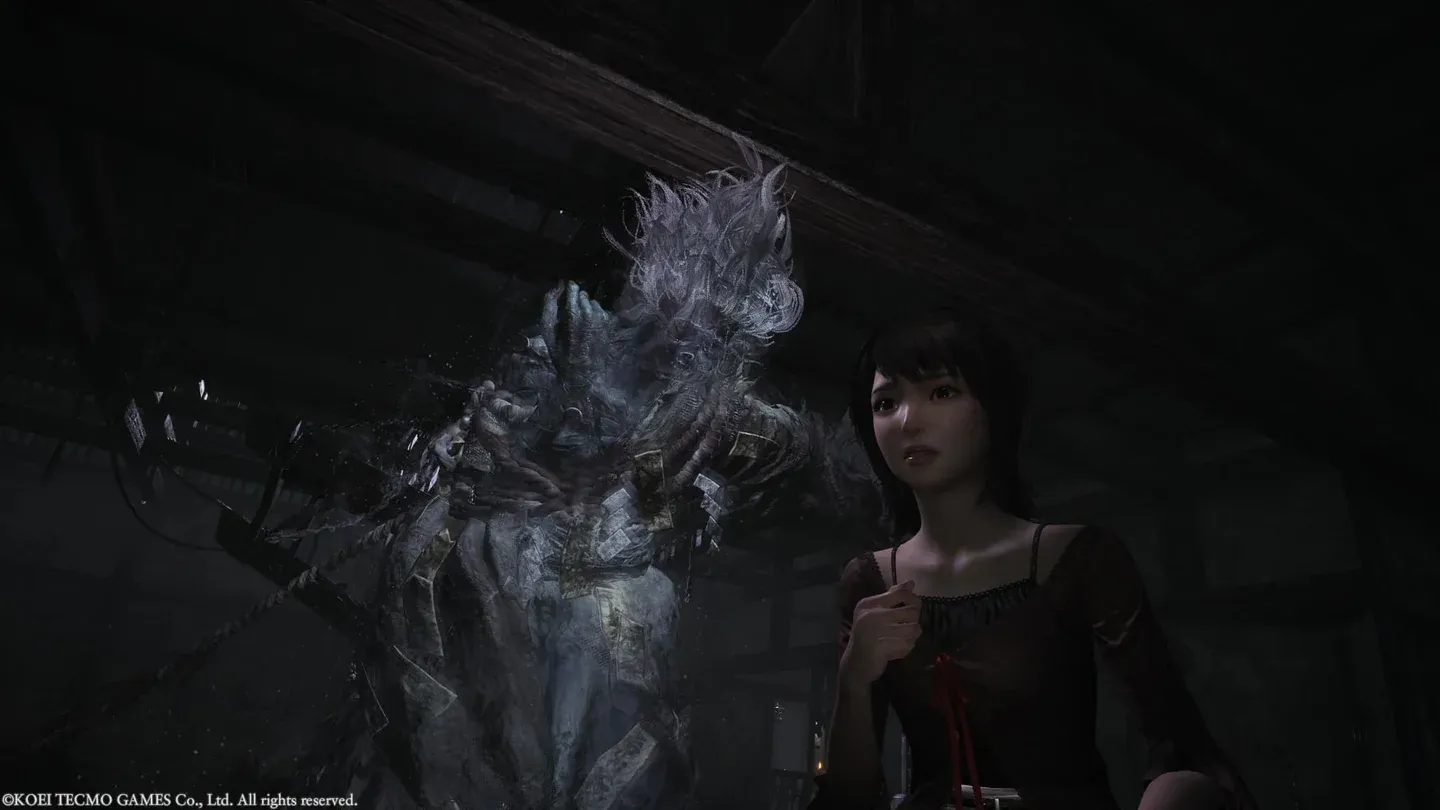
Fatal Frame II: Crimson Butterfly Remake: What to Know Before You Play
Key Lore Terms Every Player Should Know
The Remake's script does a strong job of balancing accessibility with authentic Japanese terminology. Understanding these terms before you play makes the story significantly more impactful.
What Is the Crimson Sacrifice Ritual?
The Crimson Sacrifice Ritual (紅贄祭) is the central event driving the entire story. One twin willingly dies to seal the Gate to Hell and protect the village from disaster, primarily earthquakes. The Japanese term translates to 'Crimson Offering Festival', and the localization choice of 'Sacrifice' carries important nuance: this is framed as a choice, not a murder, reflecting the Japanese cultural value of community over the individual.
When the ritual fails, the Repentance (大償) occurs, which is the catastrophic consequence that turned Minakami Village into the haunted ruin Mio and her sister Mayu Amakura stumble into.
Who Are the Twin Shrine Maidens?
The Twin Shrine Maidens (双子巫女, futago miko) are a recurring figure in Minakami's ritual history. While the game implies the most important pairing is Kurosawa Yae and Sae, the lore suggests female twins were preferred for the ritual, with male twins used only as a last resort before resorting to Kusabi sacrifices.
Fatal Frame II: Crimson Butterfly Remake: What to Know Before You Play
How Hard Is Ghost Combat in the Remake?
The short answer: harder than you might expect, even if you've played previous entries. Community feedback confirms that the Remake's ghost combat is a genuine step up in difficulty. Players who completed earlier Fatal Frame titles without dying have reported deaths on Normal mode in this version, particularly when multiple Wraiths appear simultaneously.
Here's what separates players who struggle from those who manage encounters cleanly:
- Prioritize single targets. When multiple Wraiths spawn together, focus all shots on one ghost to eliminate it before switching. Splitting attention lets all of them escalate toward the Aggravated state at once.
- Use the Fatal Frame shot deliberately. Don't spam the shutter. Wait for the proximity indicator to signal maximum damage output before capturing.
- Manage film types early. Different film types deal varying damage. Conserve your most powerful film for boss encounters and Kusabi-adjacent areas.
- Know when to run. Mio is not a fighter. Some encounters are designed to be escaped, not won.
Understanding the Minakami Faith and Its Architecture
The village's physical spaces reflect its spiritual beliefs directly. Knowing the difference between a Shrine (神社, jinja) and a Temple (寺, tera) helps you read the environment as you explore.
Shrines are Shintō spaces, typically located on elevated ground and marked by torii gates. They enshrine kami as guardian spirits. In Minakami, Kureha Shrine is the primary example, named for a Remaining who served there. It features butterfly motifs throughout, though years of neglect have left it in ruins.
Temples are Buddhist in character and focus on Buddhas and bodhisattva figures. The closest analogue in Minakami is Eikadō Hall, where twin bodhisattva-like figures are enshrined.
The Gate to Hell (黄泉の門, yomi no mon) sits beneath the village itself. In the Remake, direct references to this location are marked with a smudge symbol rather than the asterisk used in the original, reflecting how sacred and unspoken the term is within the Minakami Faith.
Series Comparison: How Does This Entry Stack Up?
For context on where Crimson Butterfly Remake sits within the broader series, here's a quick reference based on community consensus:
The original Fatal Frame II is widely considered one of the scariest entries in the series, with Sae frequently cited as the most traumatic ghost encounter across all five games. The Remake preserves that reputation while adding new content and modernized visuals.