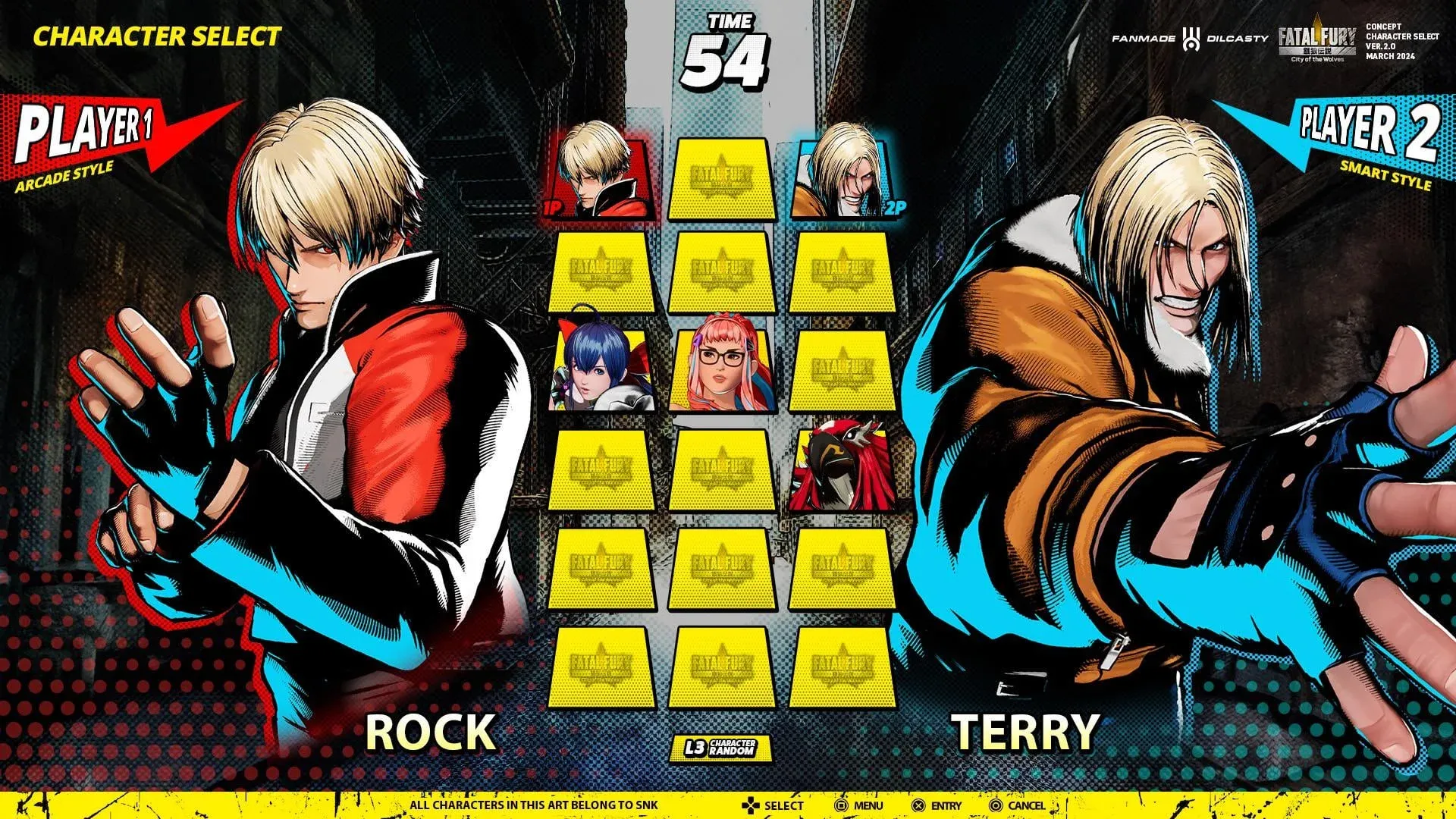
FATAL FURY: City of the Wolves landed in January 2026 after a 26-year gap since Garou: Mark of the Wolves, and SNK made a deliberate choice to build two separate control schemes into the game from day one. Smart Style and Arcade Style aren't just difficulty toggles. They represent genuinely different ways of interacting with the same fighter, and picking the wrong one for your skill level can make the game feel either frustrating or shallow before you've had a fair chance to learn it.
What's the difference between Smart Style and Arcade Style?
The split is straightforward on paper. Arcade Style uses the traditional fighting games input system: quarter-circle motions, charge inputs, and precise directional sequences that have defined the genre since the early 90s. If you've put time into Street Fighter, Tekken, or any SNK game from the past three decades, Arcade Style will feel familiar.
Smart Style replaces those motion inputs with directional presses combined with single button presses. You can execute flashy special moves and combos without memorizing motion sequences. The output on screen can look identical to what Arcade Style produces, but the path to get there is significantly shorter.
Neither scheme locks you out of the REV System, which is the core offensive toolset in City of the Wolves. REV Arts, REV Accel, and REV Blows are all accessible regardless of which control scheme you choose.
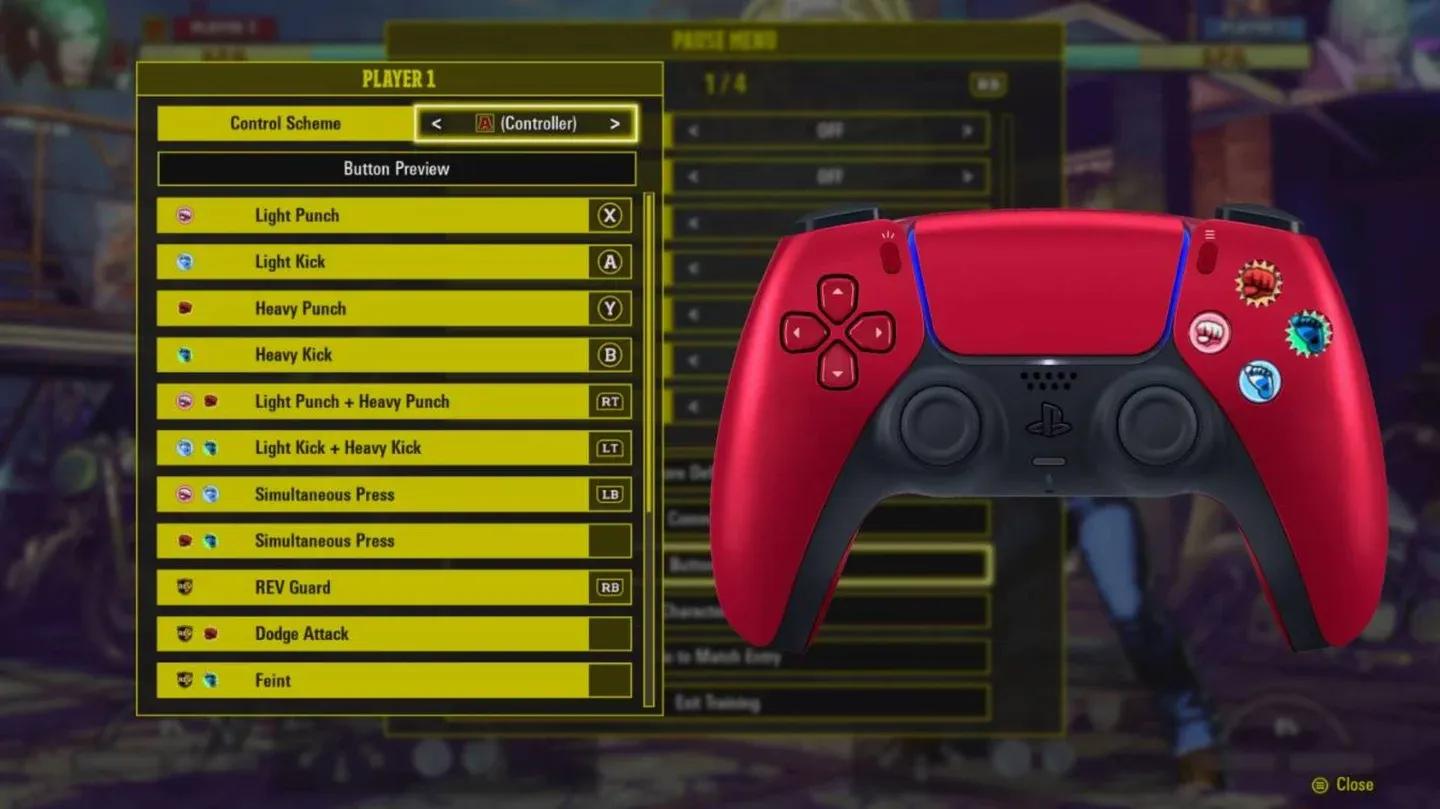
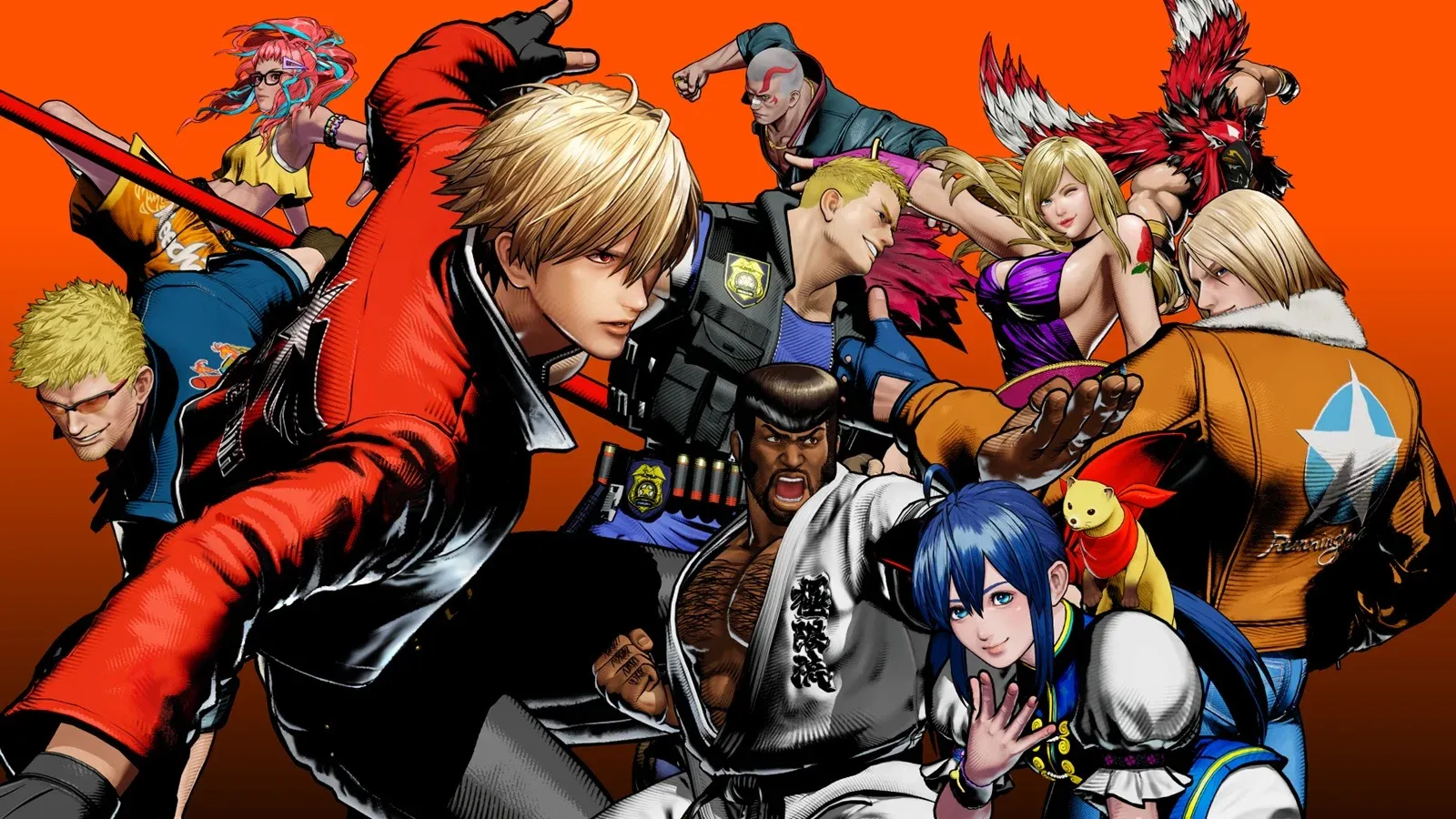
Control scheme selection screen

Who should use Smart Style?
Smart Style exists for two groups: players who are new to fighting games entirely, and returning fans who want to enjoy the game without drilling input execution for hours first.
The scheme is genuinely useful, not a stripped-down demo mode. You can run full matches online, progress through the single-player Episodes of South Town RPG mode, and use the complete REV System toolkit. The tradeoff is that some of the expressive depth that comes from mastering Arcade Style inputs isn't there yet, but that depth takes real time to develop.
After spending sessions testing both schemes against the Episodes of South Town opponent roster, Smart Style holds up well for learning character matchups and understanding the REV Meter without execution barriers getting in the way.
Who should use Arcade Style?
Arcade Style rewards players who already have motion input muscle memory or who are willing to build it. The precision it demands also gives you more granular control over the timing and spacing of your moves, which matters more as you climb the competitive ladder.
For anyone looking at the FATAL FURY: City of the Wolves tier list and thinking seriously about tournament play, Arcade Style is the expected standard at high-level competition. The ceiling is higher, but so is the entry cost in terms of practice time.
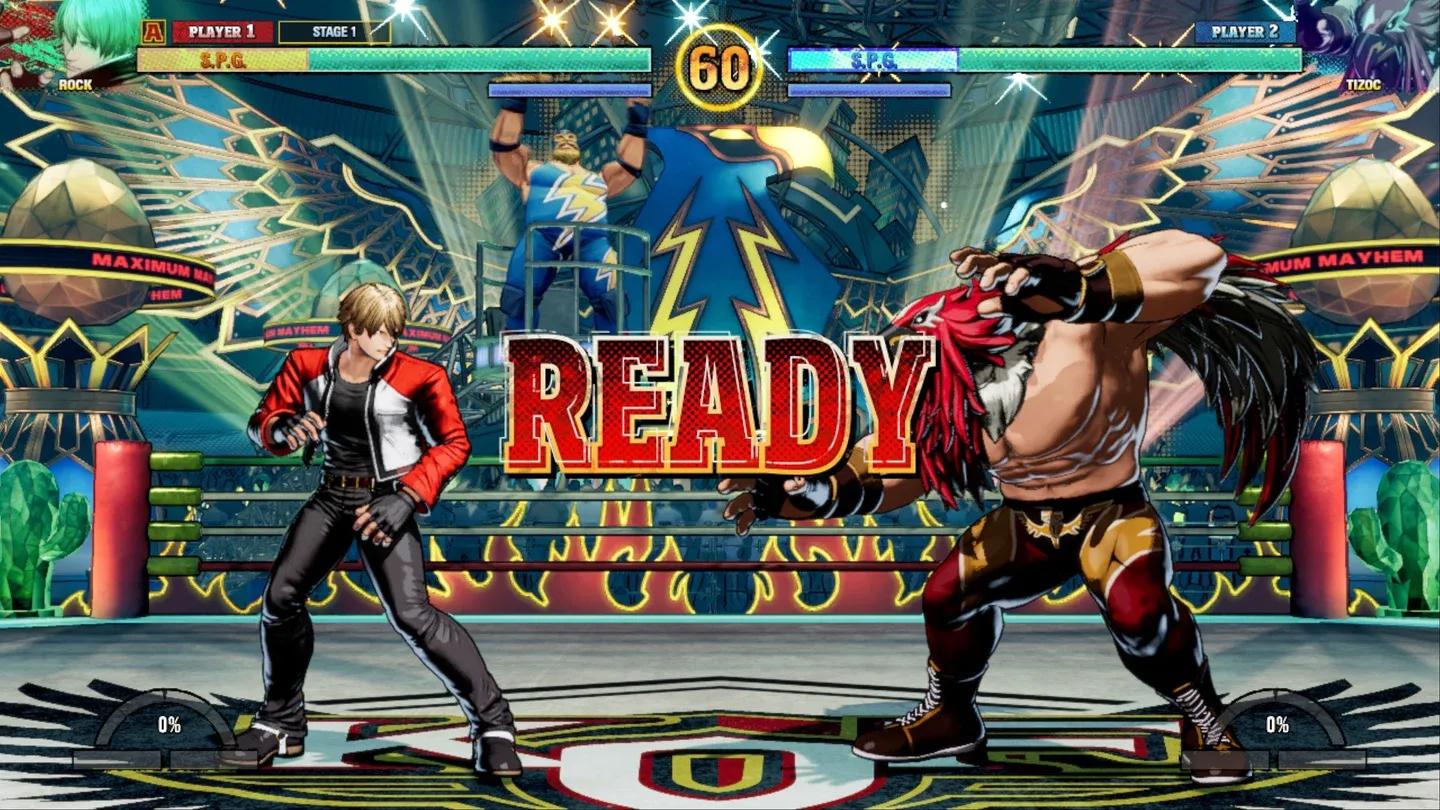
REV Meter mid-match display
Smart Style vs Arcade Style: side-by-side comparison
| Feature | Smart Style | Arcade Style |
|---|---|---|
| Input method | Directional + single button | Traditional motion inputs |
| Special moves | Simplified | Full motion sequences |
| REV System access | Full | Full |
| Combo execution | Easier | Technical |
| Competitive ceiling | Lower | Higher |
| Best for | New players, casual play | Veterans, competitive play |
How does the REV System interact with both schemes?
The REV System is City of the Wolves' biggest mechanical addition, and it works the same way regardless of your control scheme. You build REV Meter through aggressive play and spend it on REV Arts, REV Accel, and REV Blows. The catch is that the meter overheats if you push it too far, cutting off access to those tools temporarily.
Smart Style players can access all of this from the start, which is actually a meaningful advantage for learning the system. You can focus entirely on when to spend REV Meter and when to hold back, rather than splitting attention between execution and decision-making simultaneously.
Arcade Style players face the same REV Meter management decisions, but they're handling execution at the same time. That dual load is part of why Arcade Style has a steeper learning curve, especially for newer players.
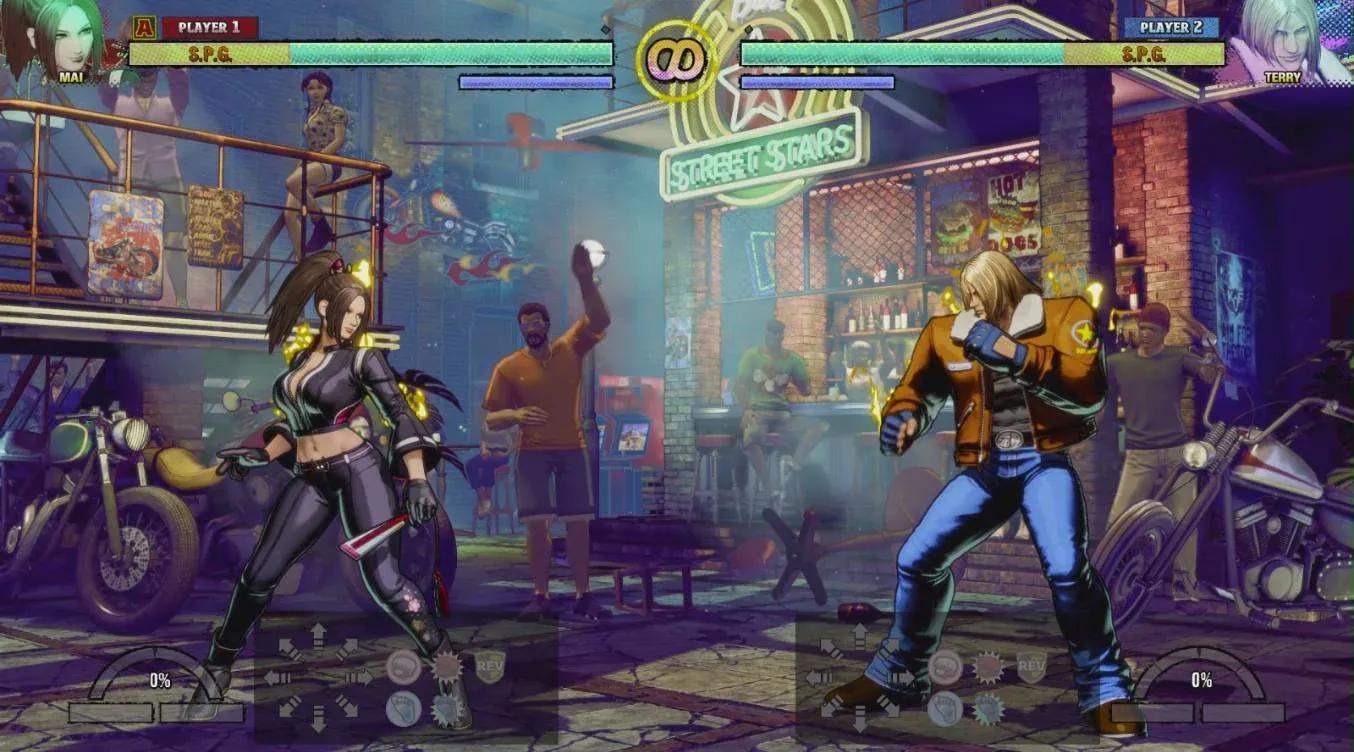
REV Arts activation prompt
What about Episodes of South Town?
Episodes of South Town (EOST) is the solo RPG mode where you fight opponents under varied conditions, earn XP, level up your fighter, and build out a skill kit. Both control schemes are fully supported here, and this mode is genuinely the best place to develop your fundamentals regardless of which scheme you're on.
The mode requires an internet connection and a game update to access. Once you're in, the XP and progression systems give you a reason to keep playing beyond casual matches, which helps new players on Smart Style stay engaged long enough to consider transitioning to Arcade Style later.
Should you switch from Smart Style to Arcade Style?
The honest answer: yes, eventually, if you want to compete seriously. Smart Style will take you far in casual and single-player contexts, but the competitive meta in City of the Wolves operates on Arcade Style inputs at the high end.
The right time to switch is when you know what your character's moves do and roughly when to use them. At that point, the transition to Arcade Style is about relearning the how, not the what, which is a much smaller task.
For character-specific breakdowns that assume Arcade Style inputs, the Terry Bogard character guide is a solid reference for seeing how motion inputs map to practical pressure tools and combo routes.
The full roster and what it means for your choice
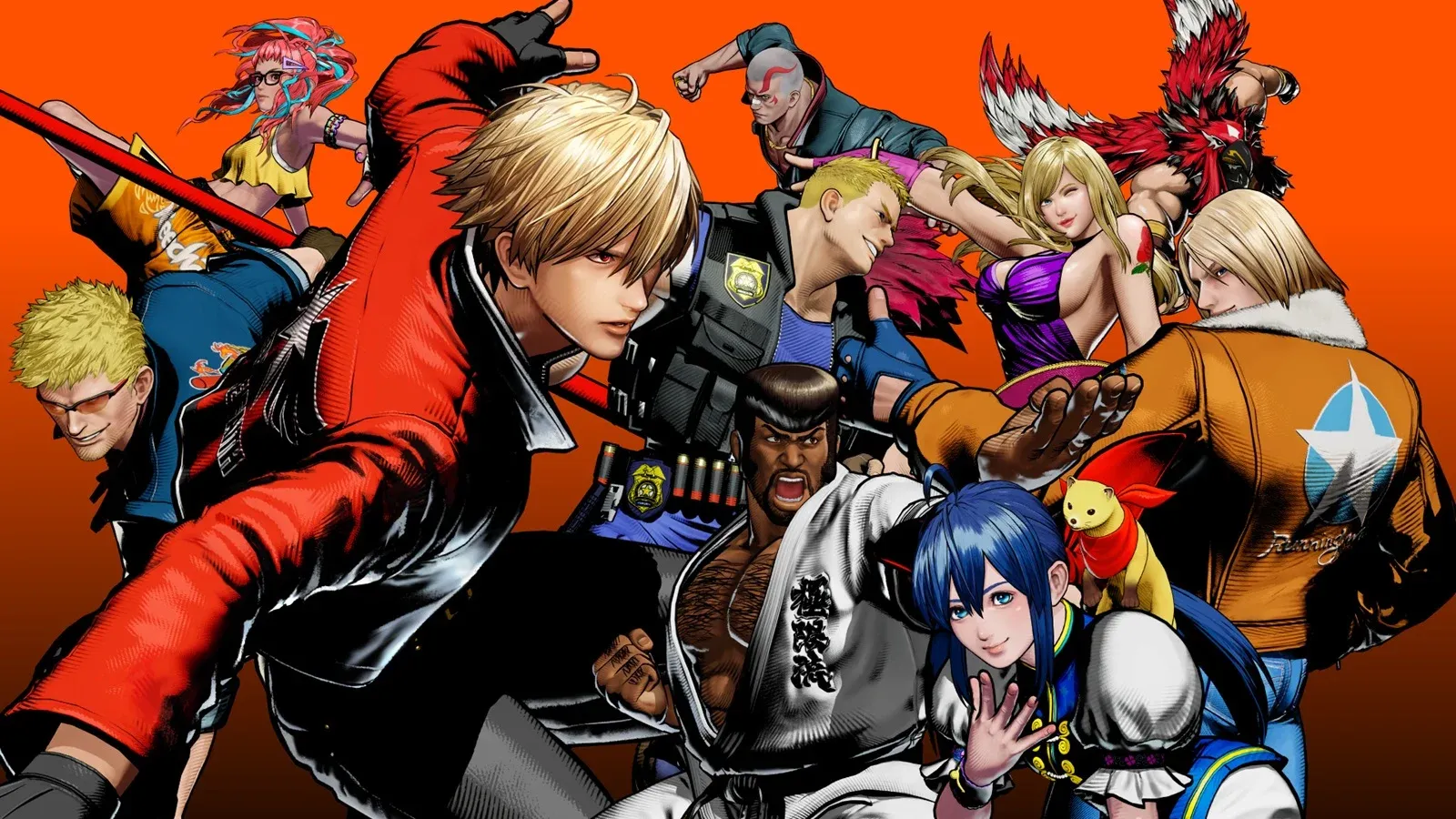
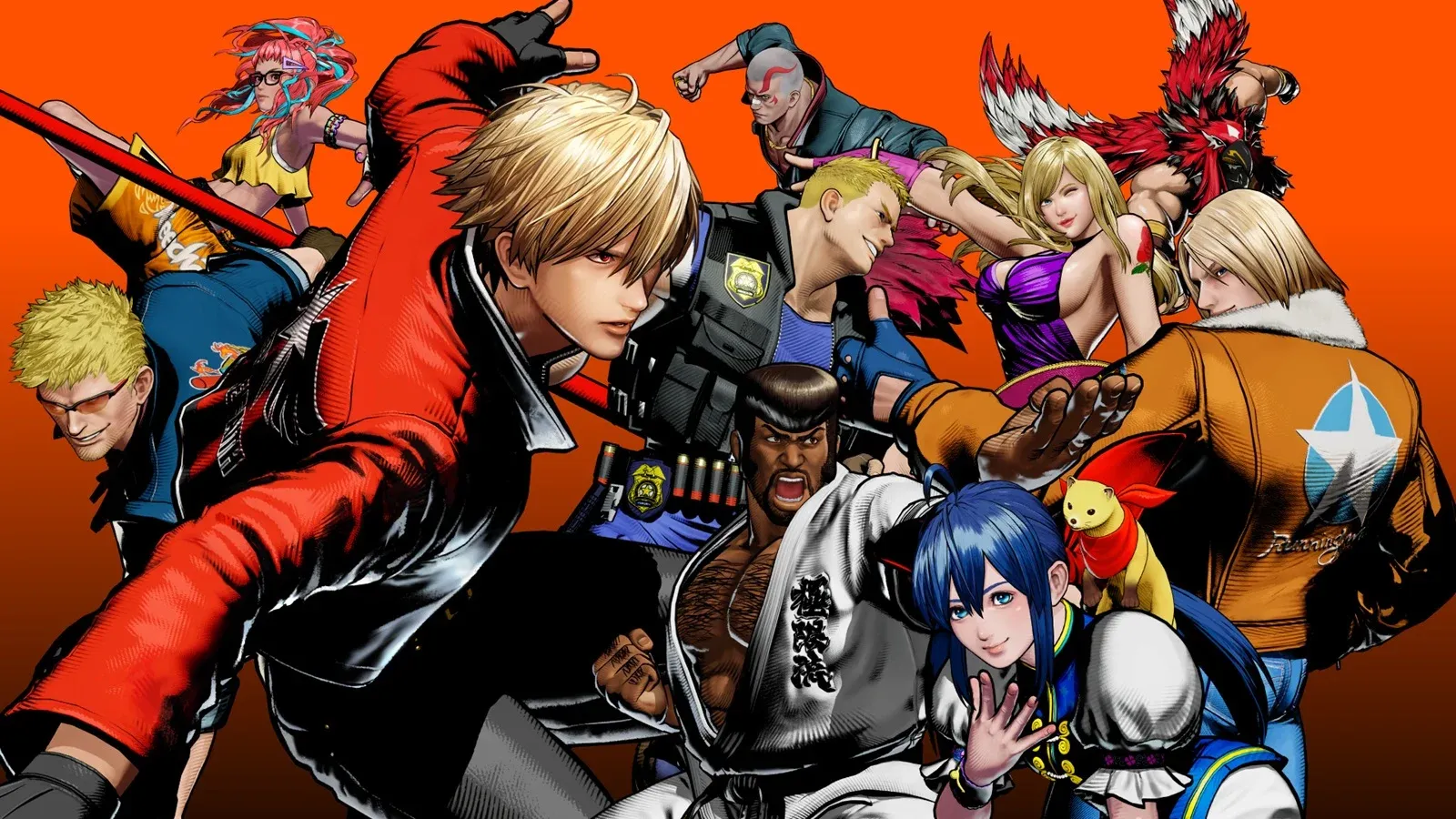
City of the Wolves launched with 17 base characters, and the Season Pass content has been expanding that number steadily. Season Pass 1 added Andy Bogard, Ken, Joe Higashi, Chun-Li, and Mr. Big. Season Pass 2 is adding Kim Jae Hoon, Nightmare Geese, Blue Mary, Wolfgang Krauser, and more through mid-2026.
Different characters have different execution demands in Arcade Style. Some fighters are more forgiving for players transitioning from Smart Style, while others have motion inputs that require consistent practice. Checking the full FATAL FURY: City of the Wolves roster and DLC rundown before picking your main is worth the time, since your character choice will shape how demanding the Arcade Style transition actually feels.
For everything else, including mode breakdowns, platform options, and what to expect from the game before committing, the full FATAL FURY: City of the Wolves guide collection has you covered.