Overview
Final Fantasy X arrived in 2001 as a landmark entry in the long-running series, marking the franchise's first leap onto sixth-generation hardware and its first full 3D environments without pre-rendered backdrops. Square Product Development Division 1 built something that felt genuinely new at the time: a story-driven JRPG with cinematic presentation, fully voiced cutscenes, and a battle system that rewarded strategic thinking over raw grinding.
The story centers on Tidus, a star athlete from the futuristic city of Zanarkand, who finds himself transported to Spira after the colossal creature known as Sin destroys his home. He joins Yuna, a young summoner on a sacred pilgrimage to defeat Sin and bring peace to the world. What follows is a 40-plus-hour journey through one of the most carefully constructed worlds in JRPG history, built around themes of sacrifice, faith, and the weight of legacy.
World and setting: what is Spira?
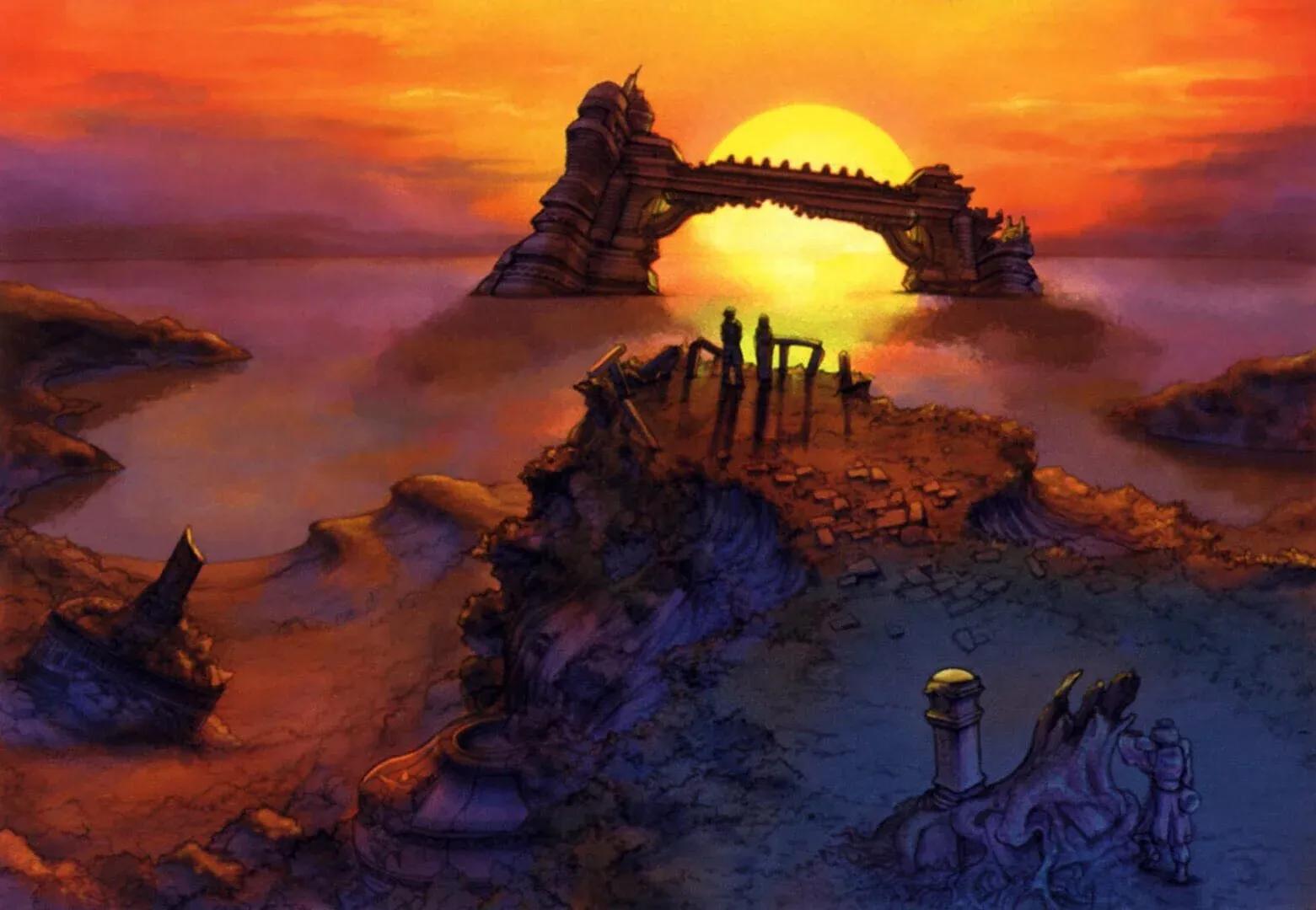
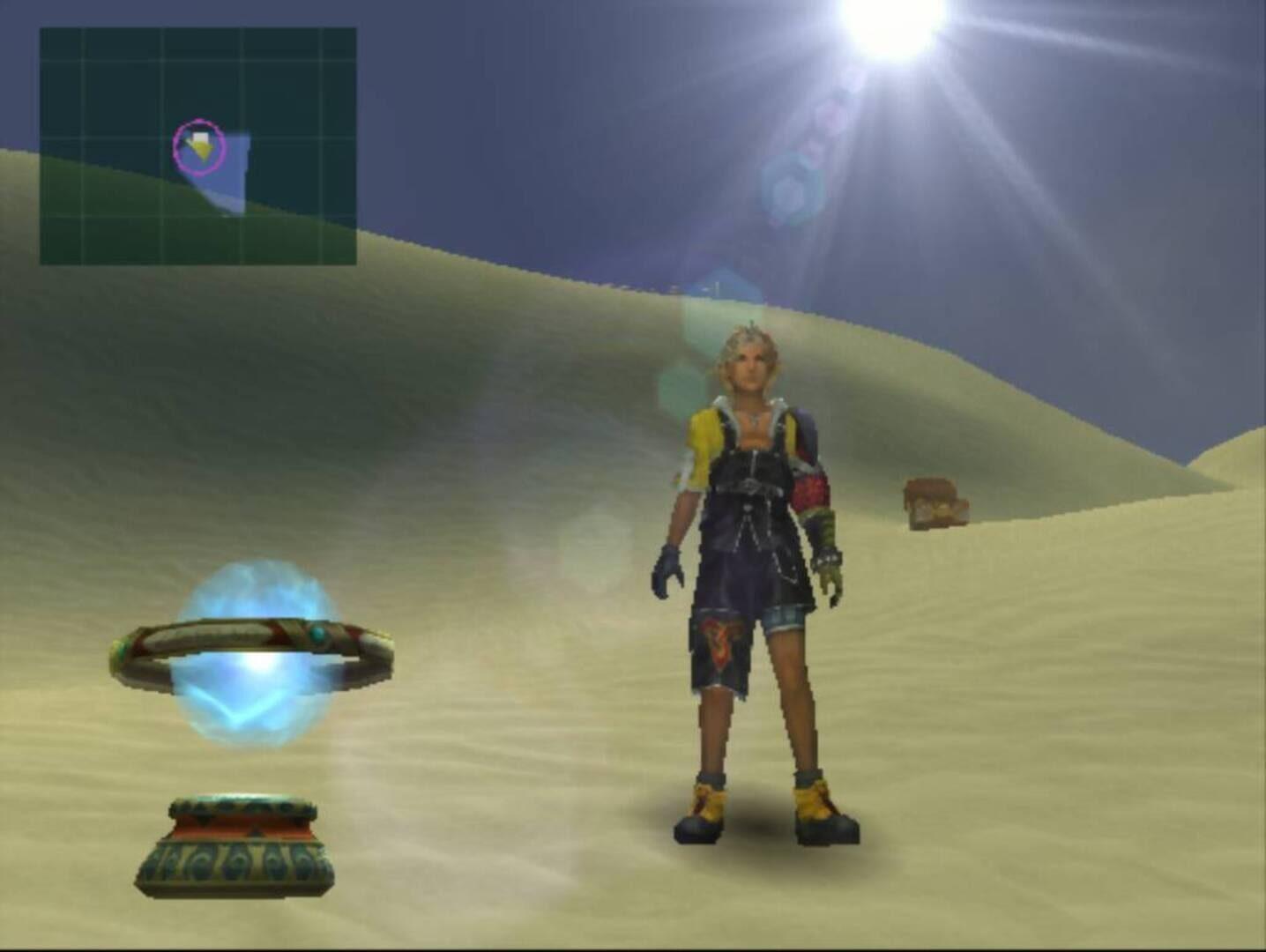
Spira is a world defined by cycles of destruction. Sin periodically resurfaces to devastate civilization, and the only way to stop it is through the summoners' pilgrimage, a journey that carries a heavy personal cost for everyone involved. The world is split between tropical island communities, militarized city-states, and ancient temples, each with its own culture shaped by generations of loss.
The tension between Spira's religious institution, the Yevon church, and the truth Tidus and Yuna gradually uncover gives the narrative real teeth. This is not a story about defeating a monster. It is a story about confronting systems built on lies.
Gameplay and mechanics
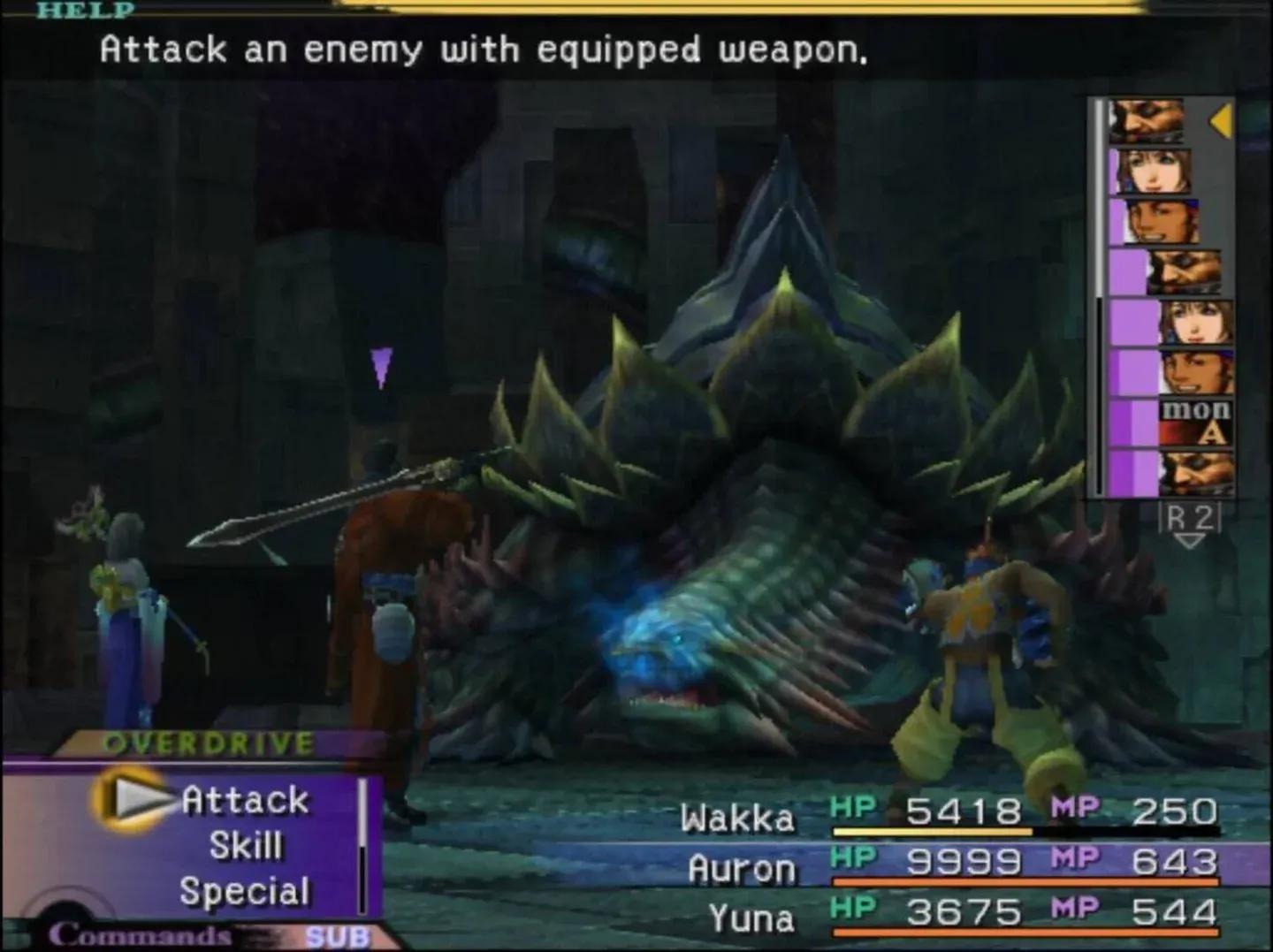
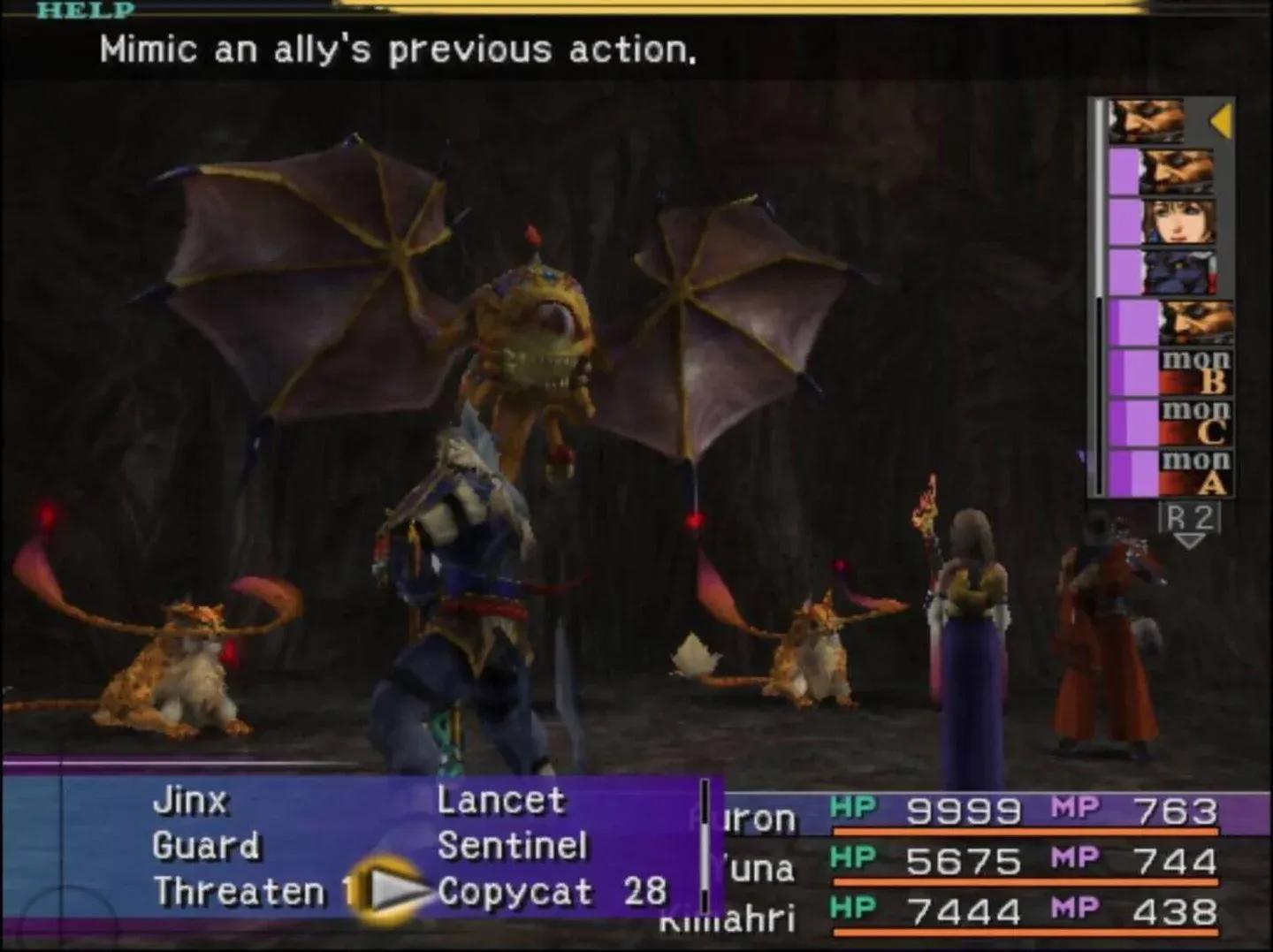
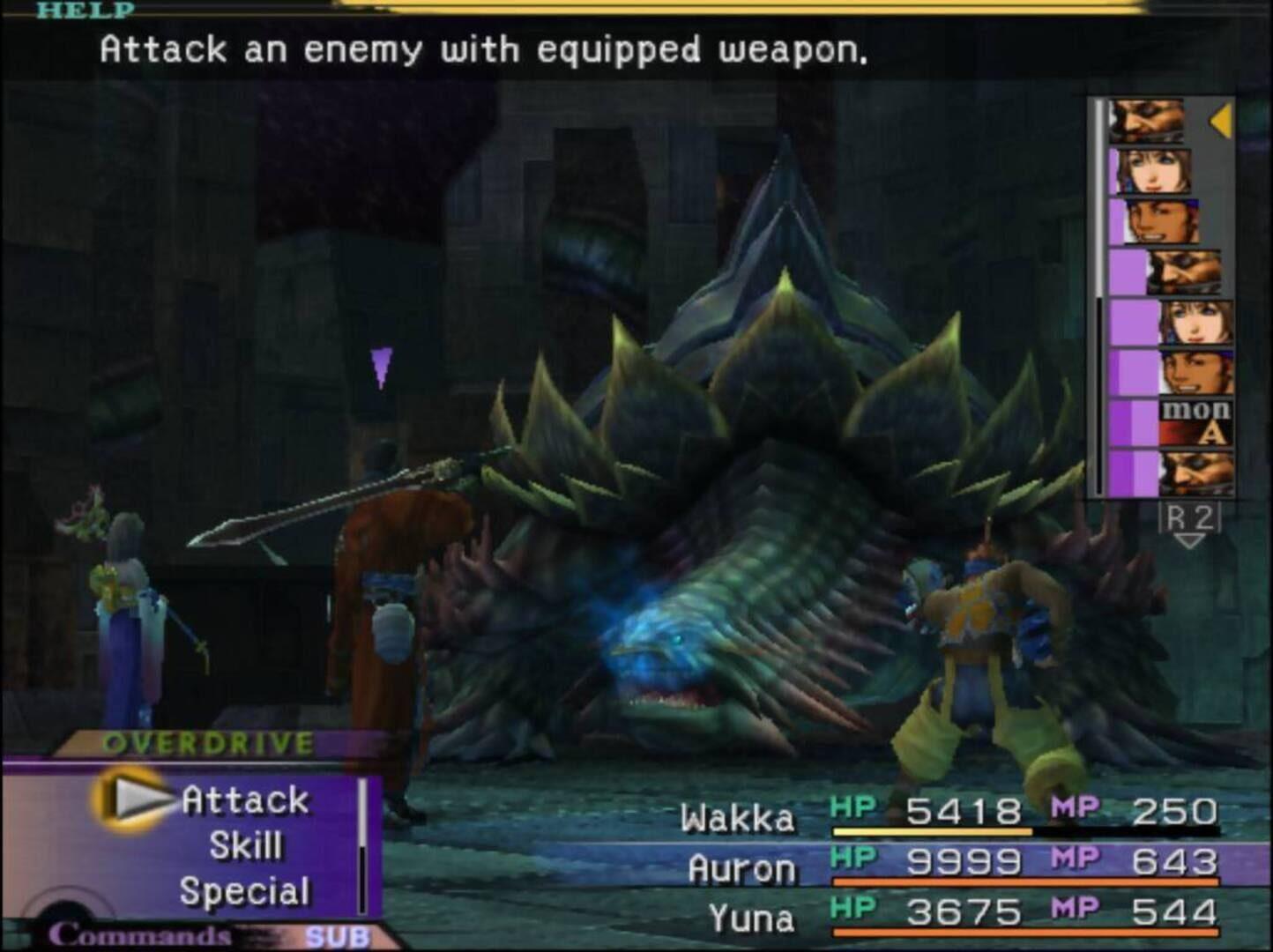
The turn-based combat in Final Fantasy X uses a Conditional Turn-Based Battle (CTB) system, which displays the turn order for all characters and enemies on screen at once. This transparency makes every decision meaningful. Swapping party members mid-battle costs no penalty, so building a team that covers elemental weaknesses and status ailments is genuinely worth doing.
Key mechanics include:
- Aeon summons with independent health pools
- Overdrive meters that charge through damage taken or dealt
- Enemy-specific weaknesses requiring targeted strategies
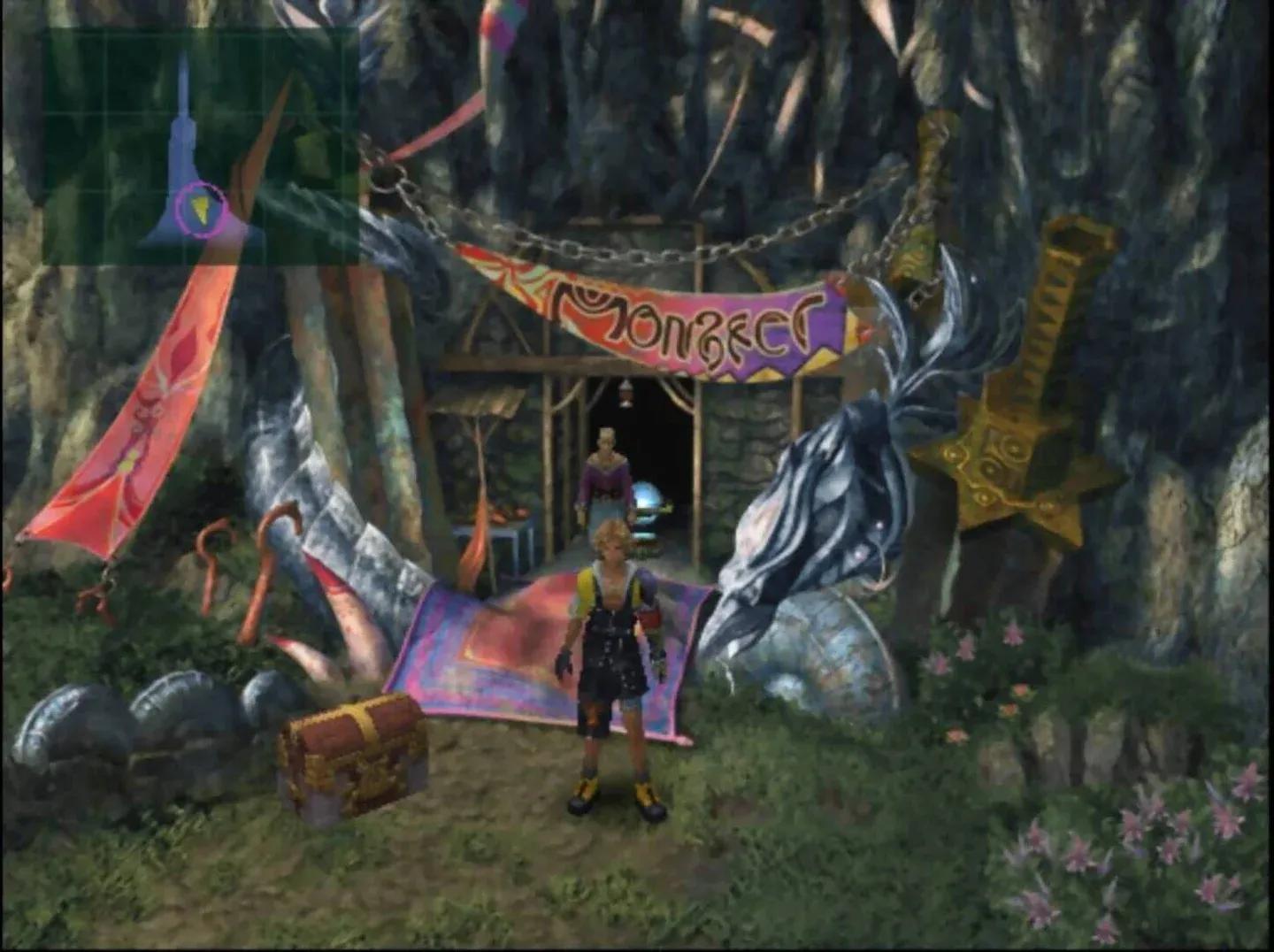
- Sphere Grid progression for character customization
- Trigger commands for unique contextual actions
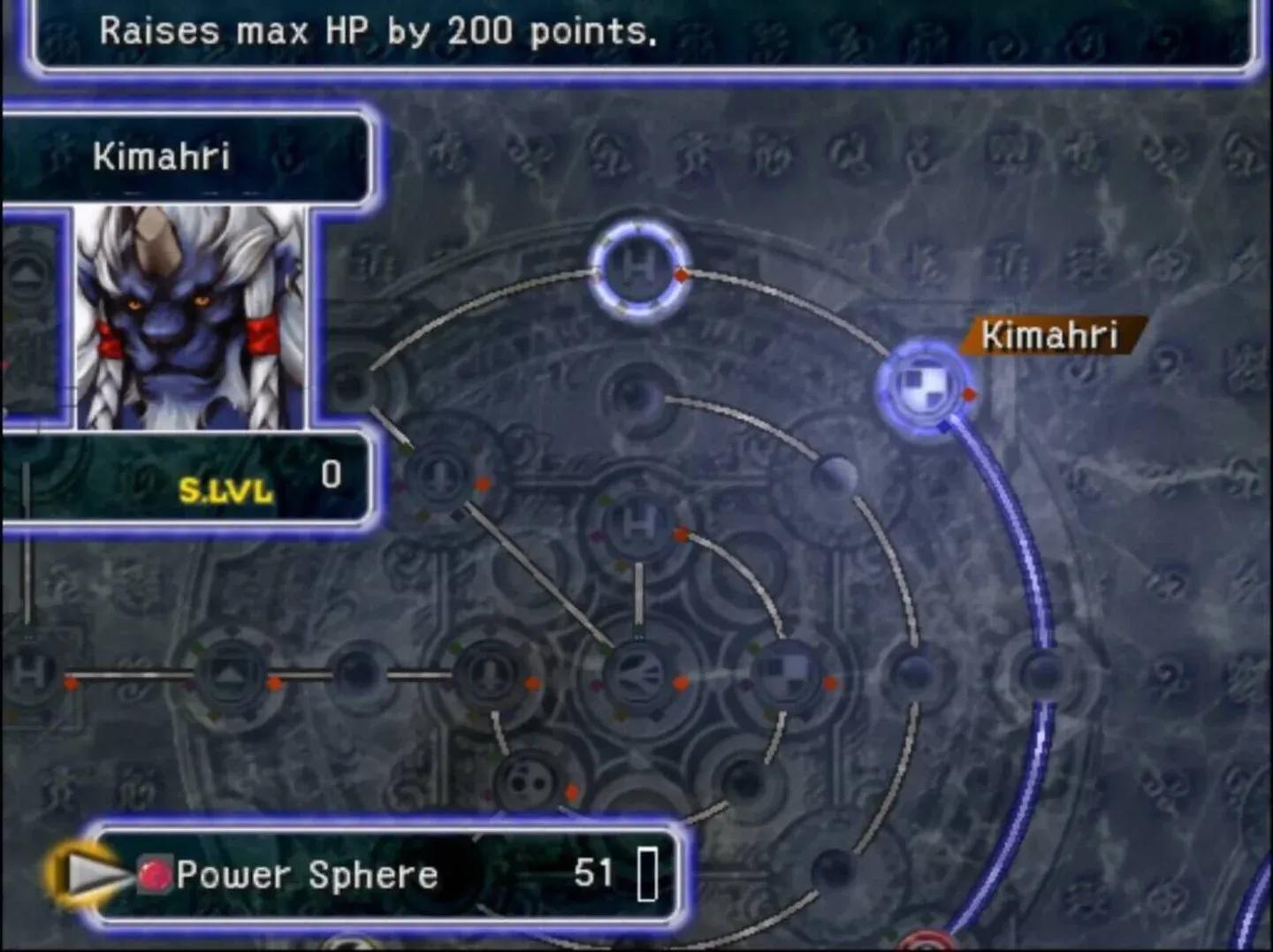
The Sphere Grid, the game's character progression system, replaces traditional leveling. Each character moves along a grid of nodes, unlocking stat boosts and abilities by spending sphere items earned in battle. Two grid variants exist in the HD Remaster: the original layout and an Expert version that offers more flexibility from the start.
Visual and audio design
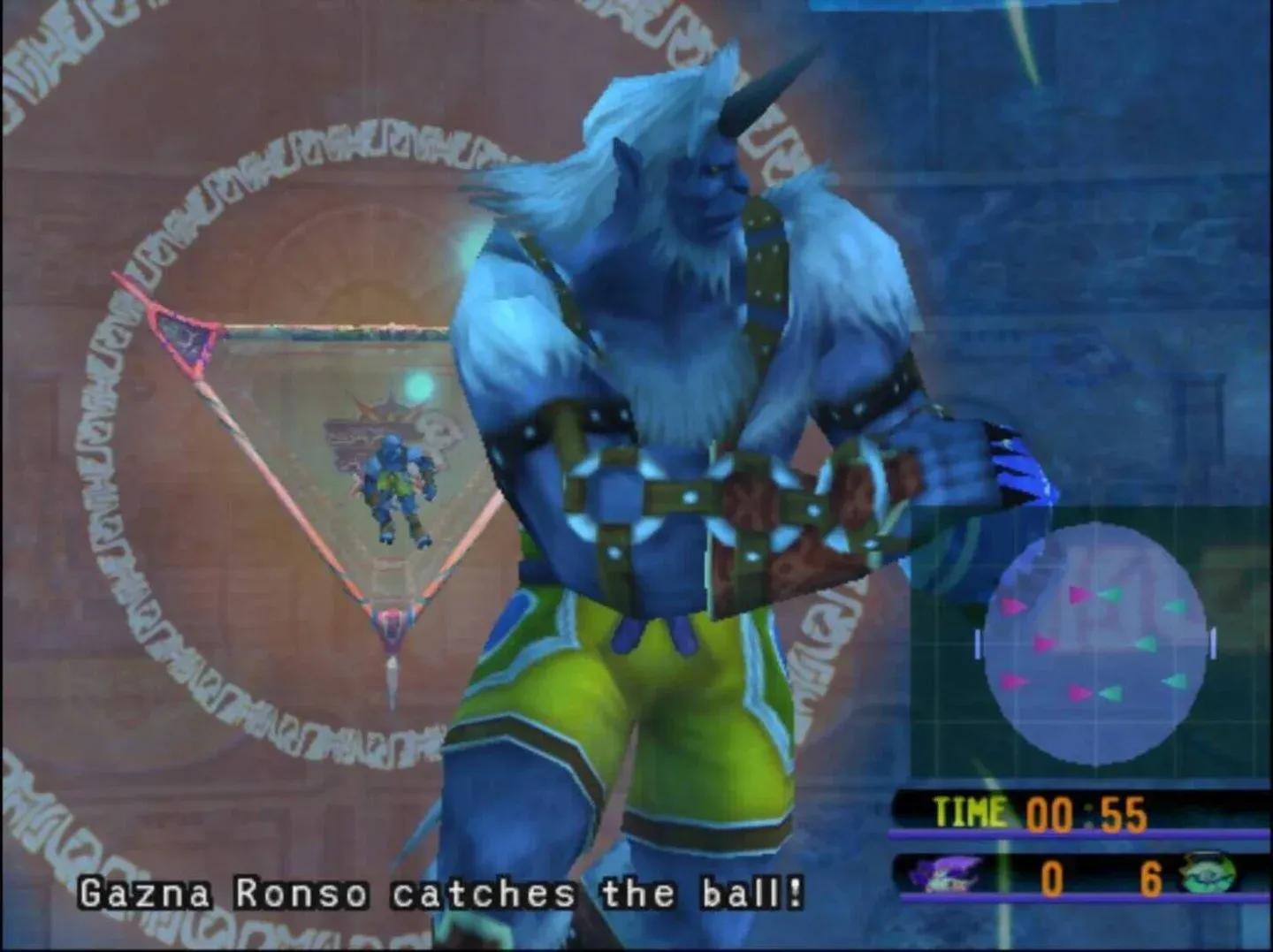
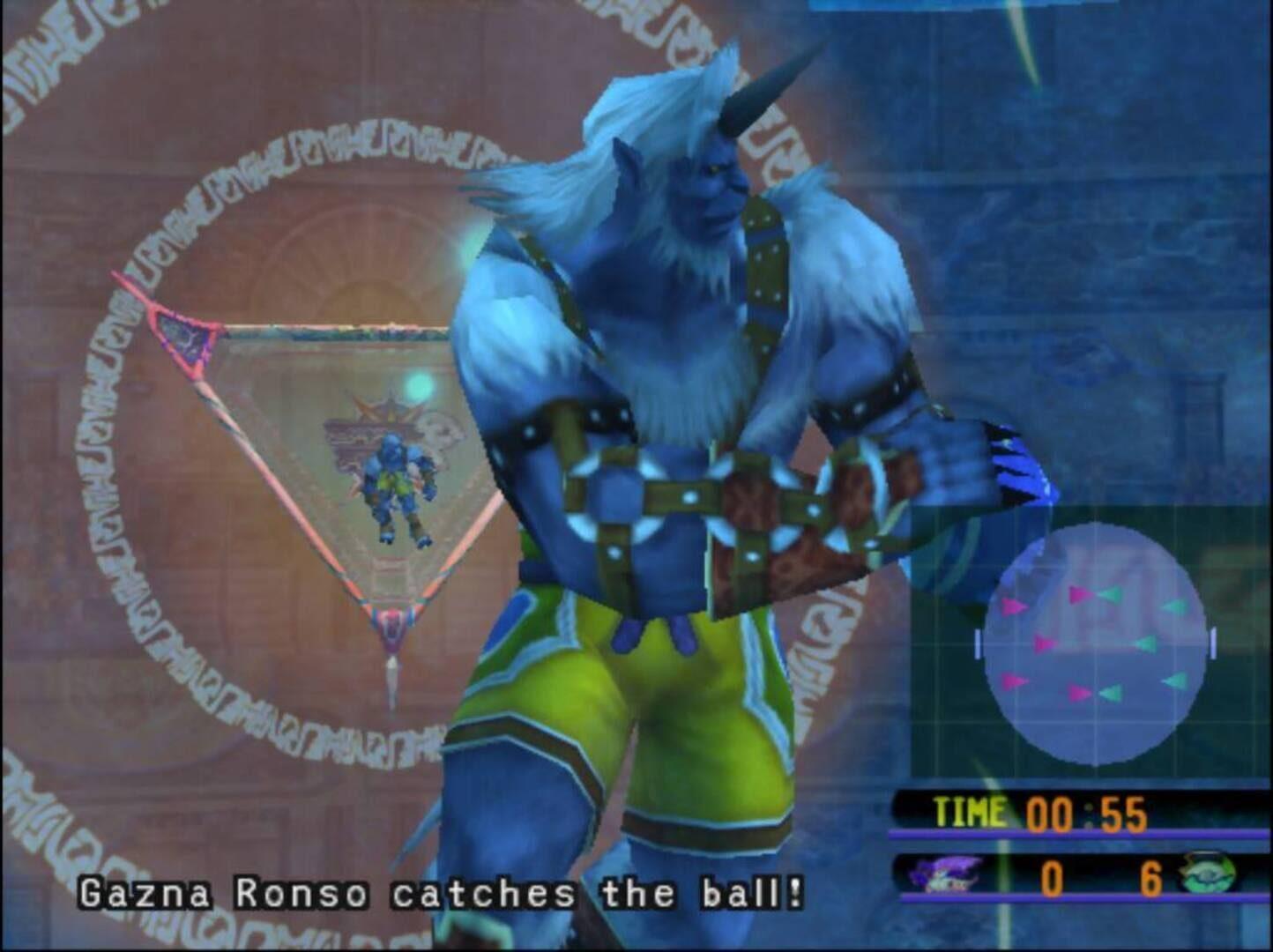
The HD Remaster, available on Nintendo Switch and Steam, updates the original PlayStation 2 visuals with higher-resolution character models and cleaner textures. The environmental art holds up well given the source material's age, particularly the underwater Blitzball arenas and the Macalania snowfields.
Nobuo Uematsu and Masashi Hamauzu co-composed the soundtrack, producing one of the most recognized scores in the series. Tracks like "To Zanarkand" remain genuinely affecting decades after release, and the remaster includes a toggle between the original score and a re-recorded version.
Content and replayability
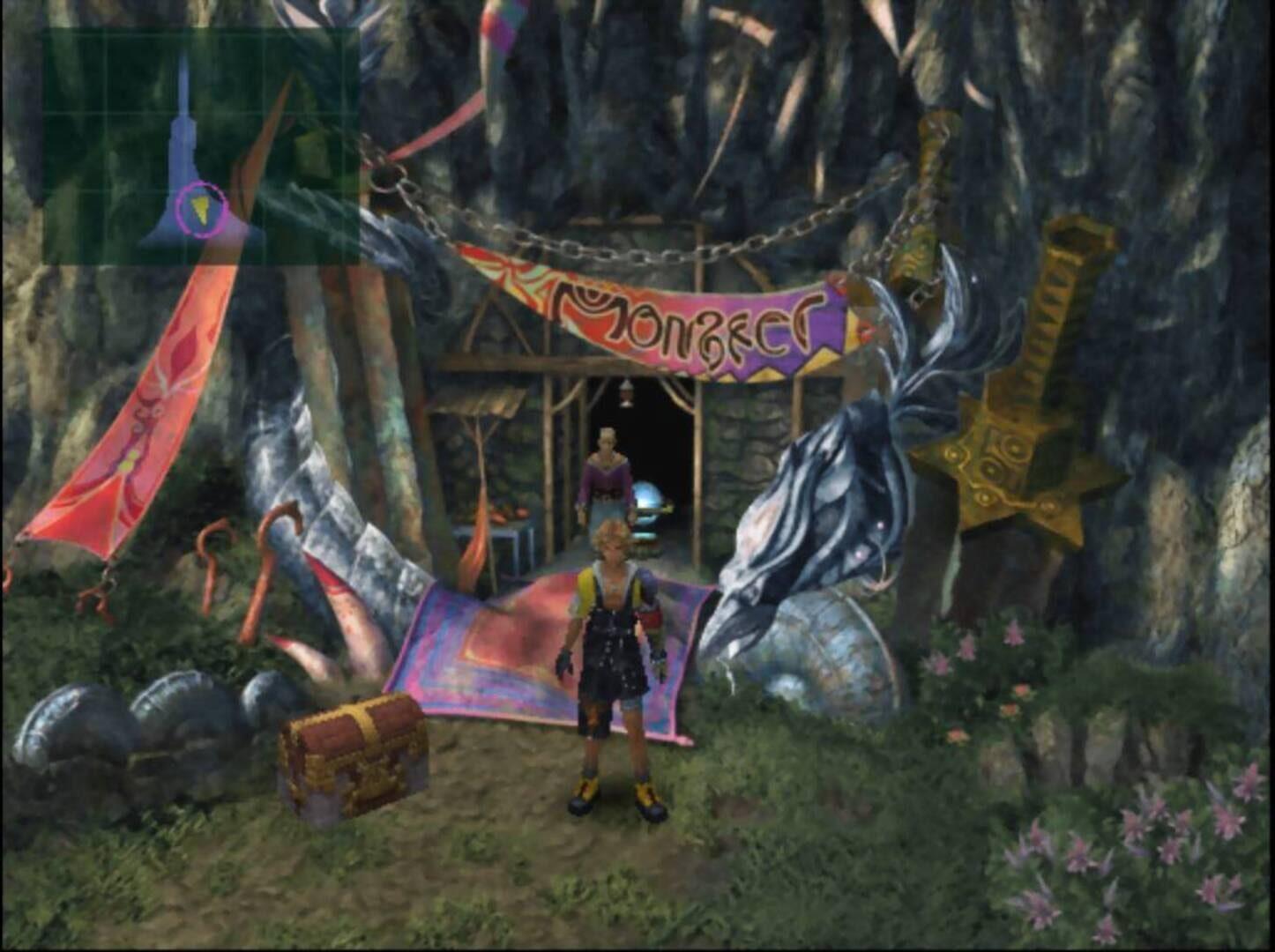
The HD Remaster bundles Final Fantasy X with its direct sequel, Final Fantasy X-2, adding considerable runtime to an already lengthy package. Side content in FFX alone includes the Celestial Weapons quest chain, Monster Arena hunting, and the brutally difficult Dark Aeons, optional superbosses that push the CTB system to its limits. Players chasing a complete Sphere Grid and all Aeon overdrives can expect well over 100 hours from this package, making it one of the most content-dense entries in the classic Final Fantasy library.