
Overview
Gecko Gods launched on April 16, 2026, across PC, PlayStation, and Nintendo Switch. The premise sounds simple enough: you're a gecko exploring a forgotten archipelago, sailing between islands on a small wooden boat, climbing walls and ceilings, eating insects, and piecing together what happened to the ancient civilisation that once called this place home. But the execution is what makes it worth paying attention to. Inresin has built something that treats movement as its own reward, where the act of scurrying up a mossy cliff face or threading through a cave feels genuinely satisfying before any puzzle even enters the picture.
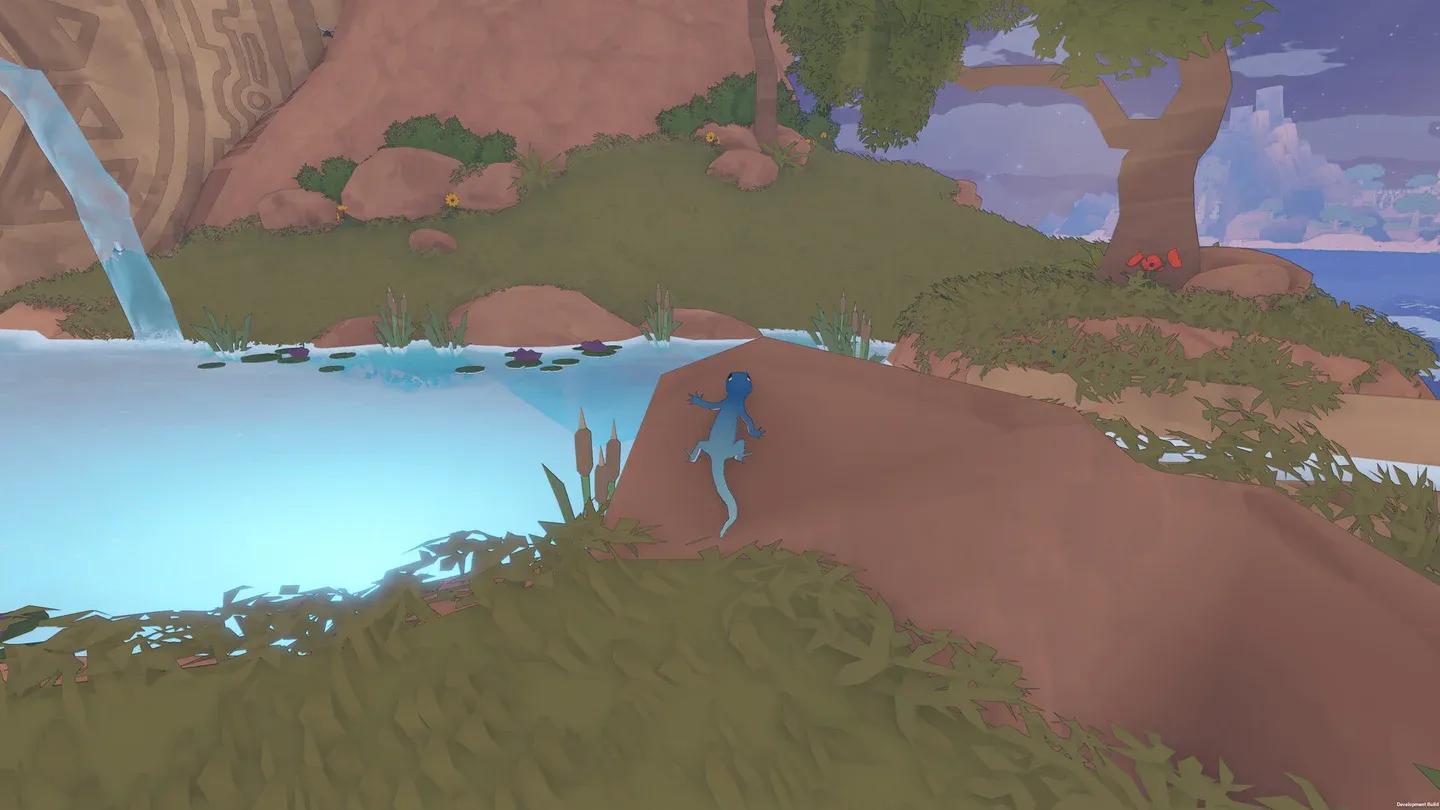
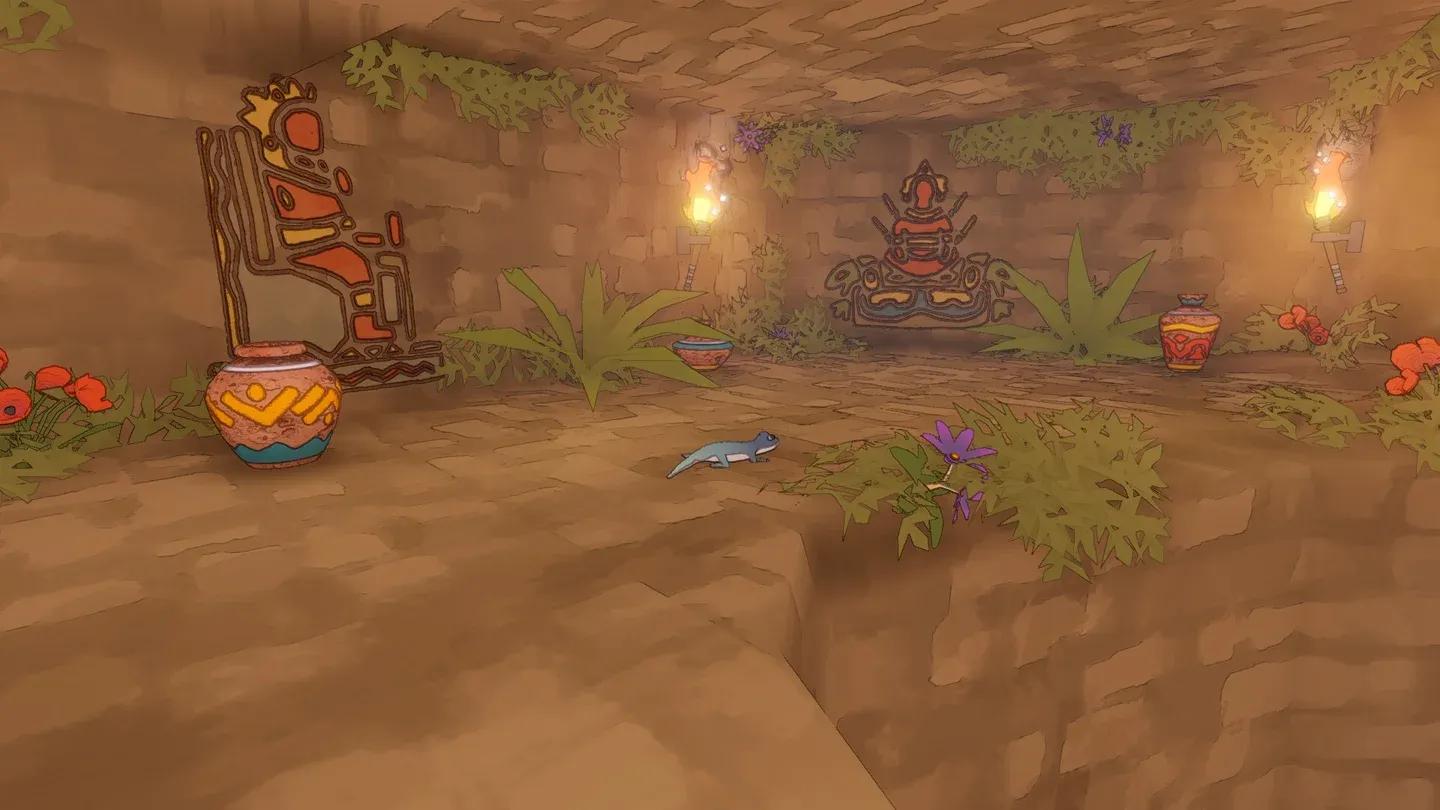
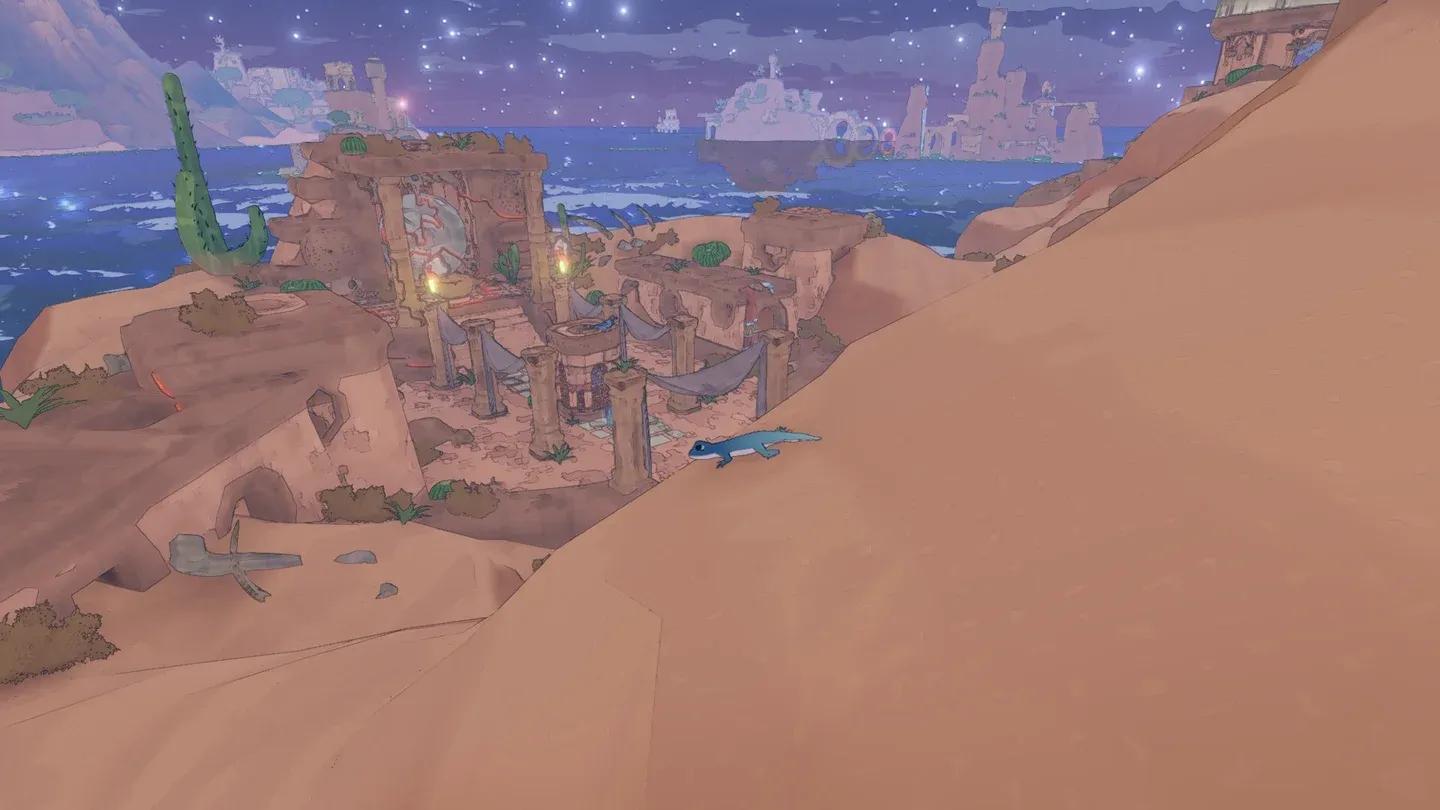
The setting is an archipelago frozen in quiet decay. Sunlit ruins, lush cave systems, and crumbling temples are scattered across multiple islands, each with its own atmosphere and its own collection of environmental puzzles to untangle. There's no combat, no timer, no pressure. The game is deliberately paced, designed for players who want to look at things closely rather than sprint past them.
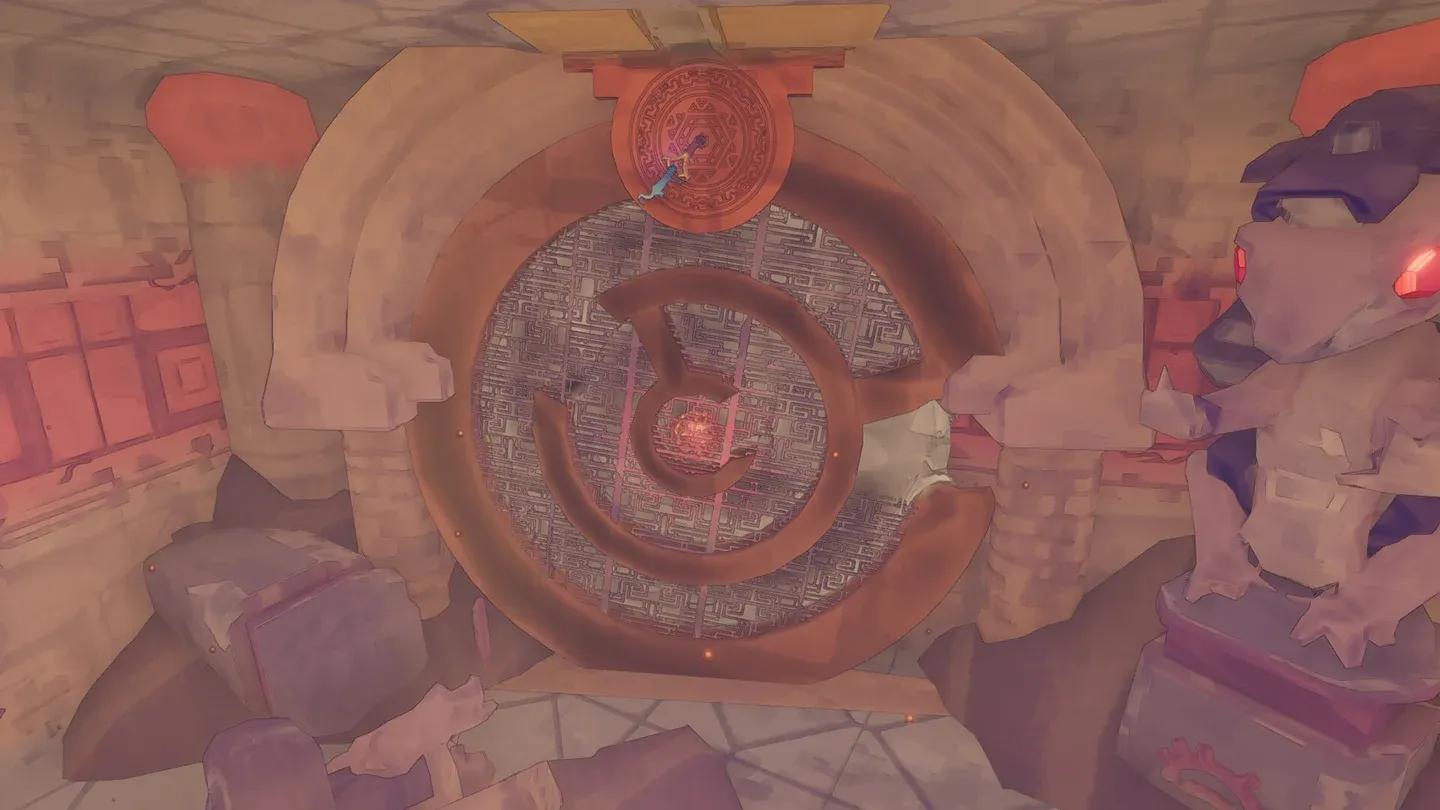
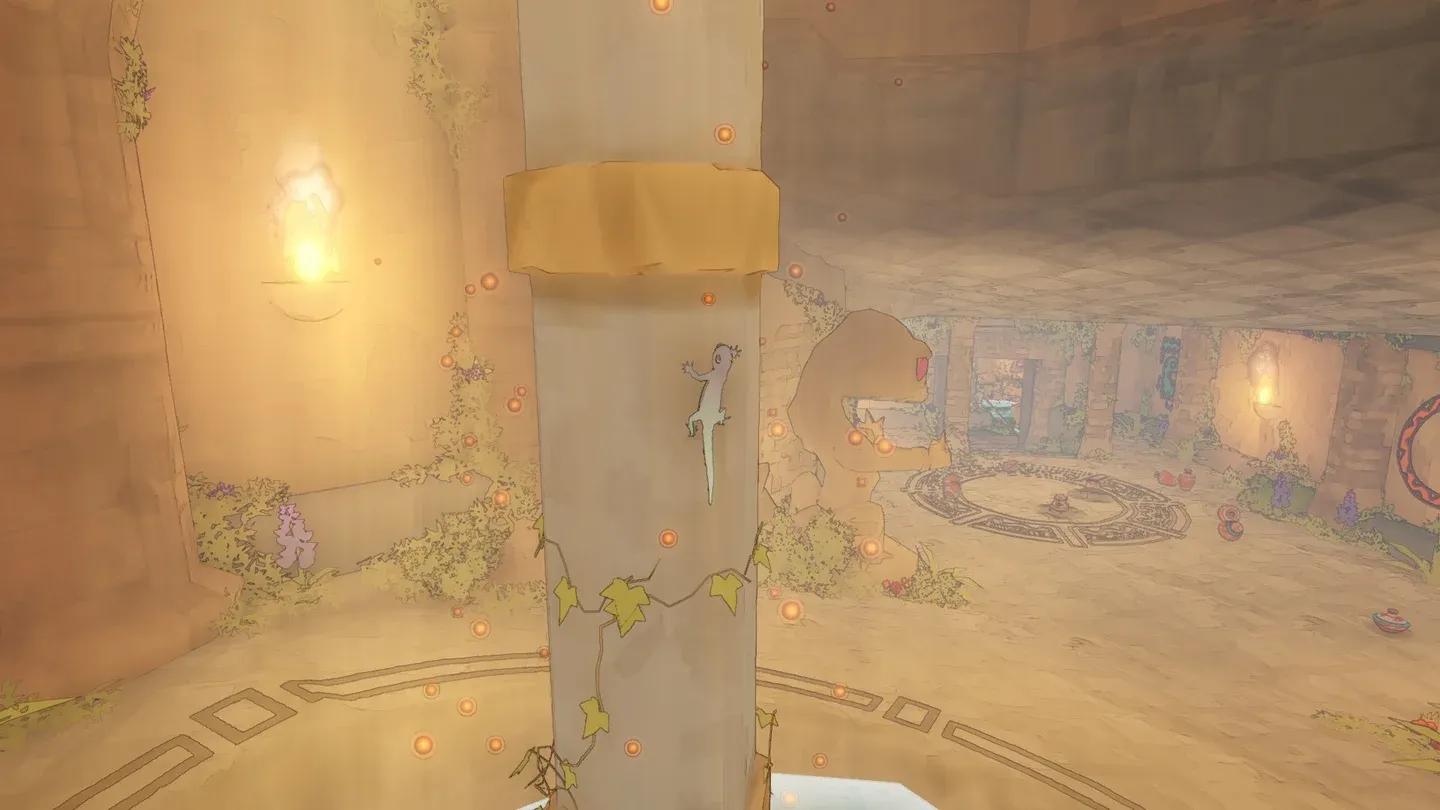
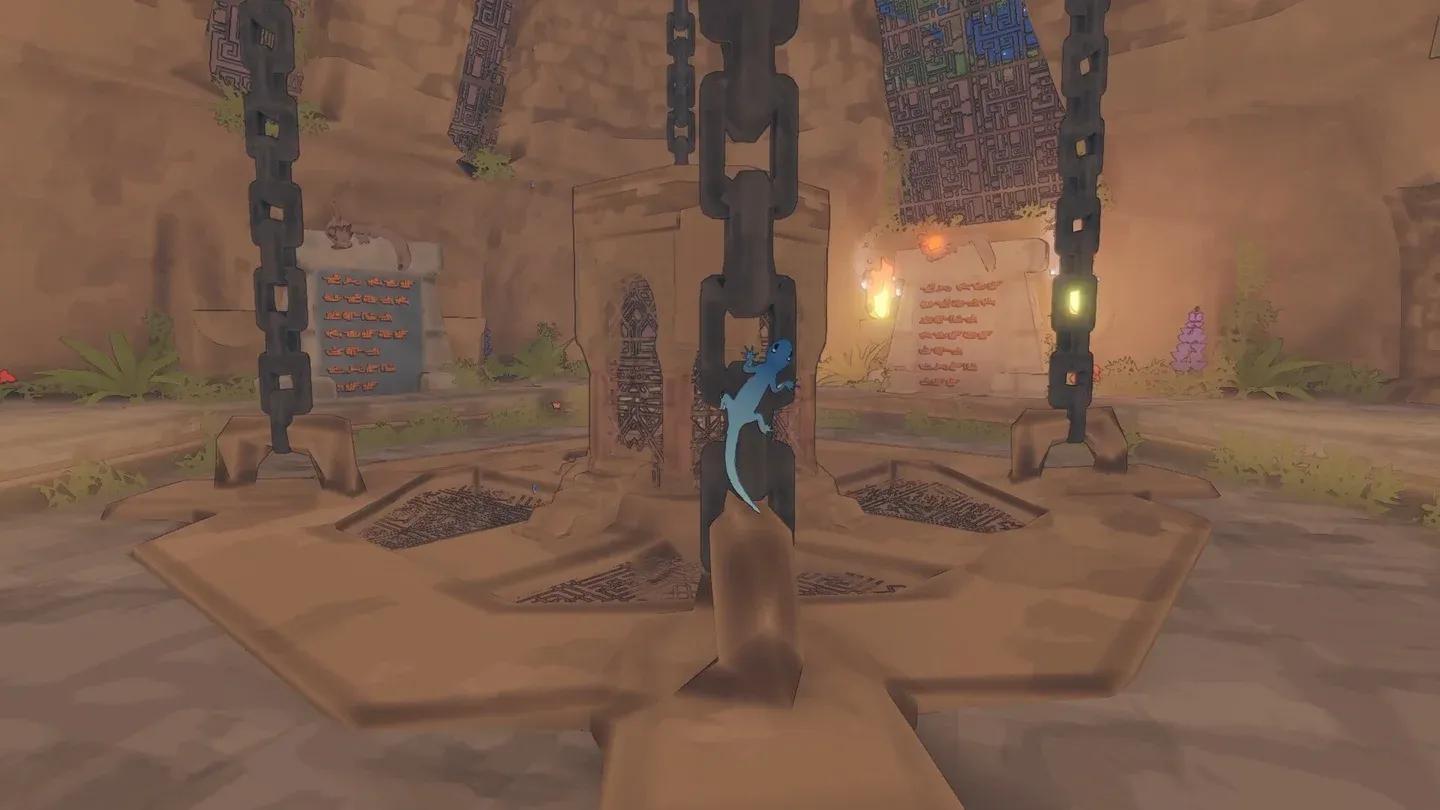
What ties it all together is the gecko's movement system. Climbing is effortless by design. Walls, ceilings, vertical cliff faces, none of it slows you down the way it would in a traditional platformer. That freedom changes how you read every space. A puzzle that looks unsolvable from the ground might have an obvious answer from the ceiling. The game knows this and builds its challenges around the assumption that you'll think in three dimensions.
Gameplay and mechanics: what does Gecko Gods actually play like?
Gecko Gods is a puzzle-adventure platformer where exploration and environmental puzzle-solving are the two central activities, with fluid wall-climbing traversal connecting them. Here's what that looks like in practice:
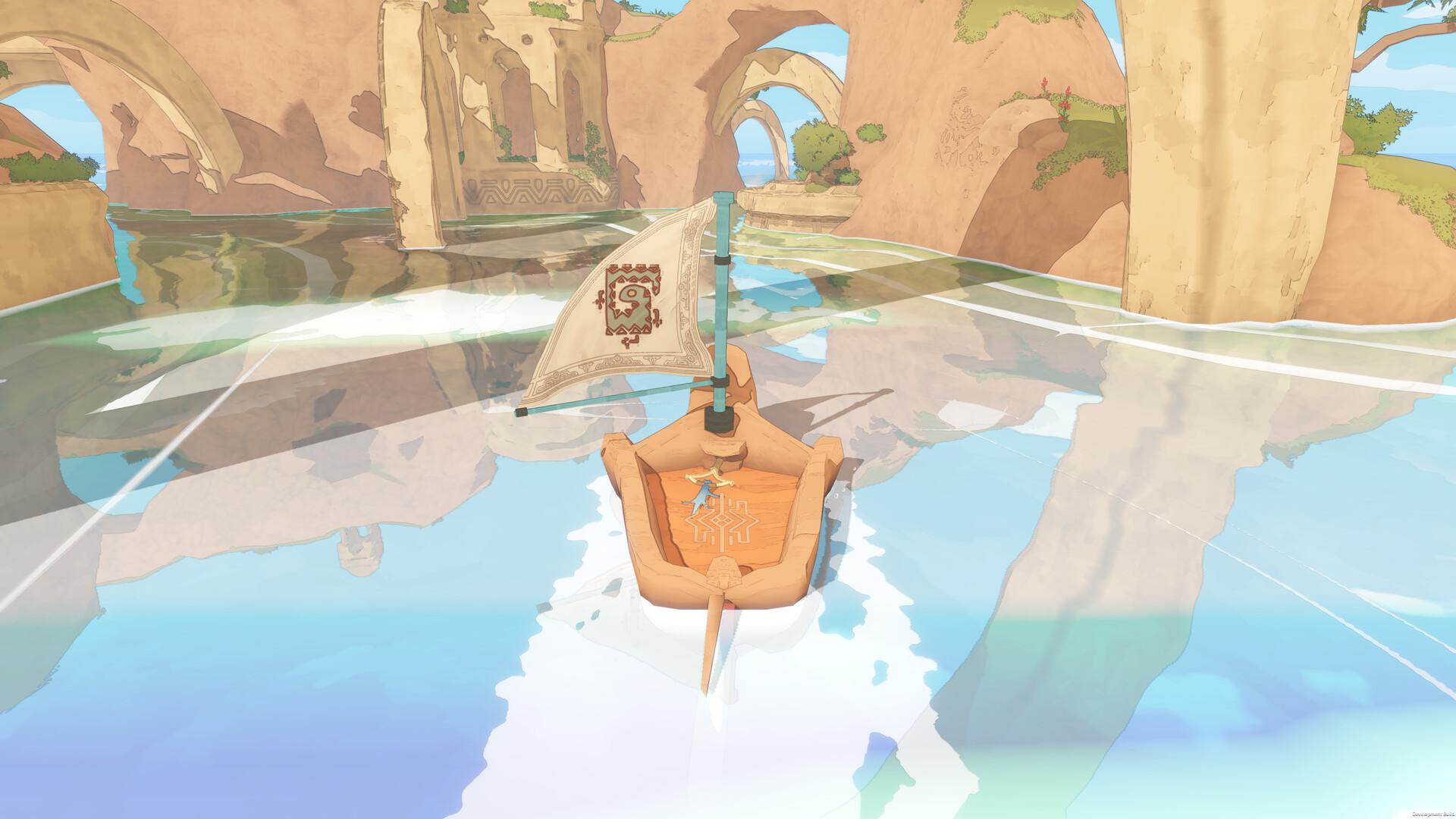
- Sail between islands on a small wooden boat
- Climb any surface, including walls and ceilings, without restriction
- Solve environmental puzzles tied to ancient ruins and temples
- Discover hidden secrets and collectible insects across each island
- Explore at your own pace with no fail states or time pressure
The puzzles themselves are described as intuitive and environmental, meaning solutions come from observing the world rather than memorising mechanics. That design philosophy suits the game's unhurried tone. You're not being tested so much as invited to notice things.
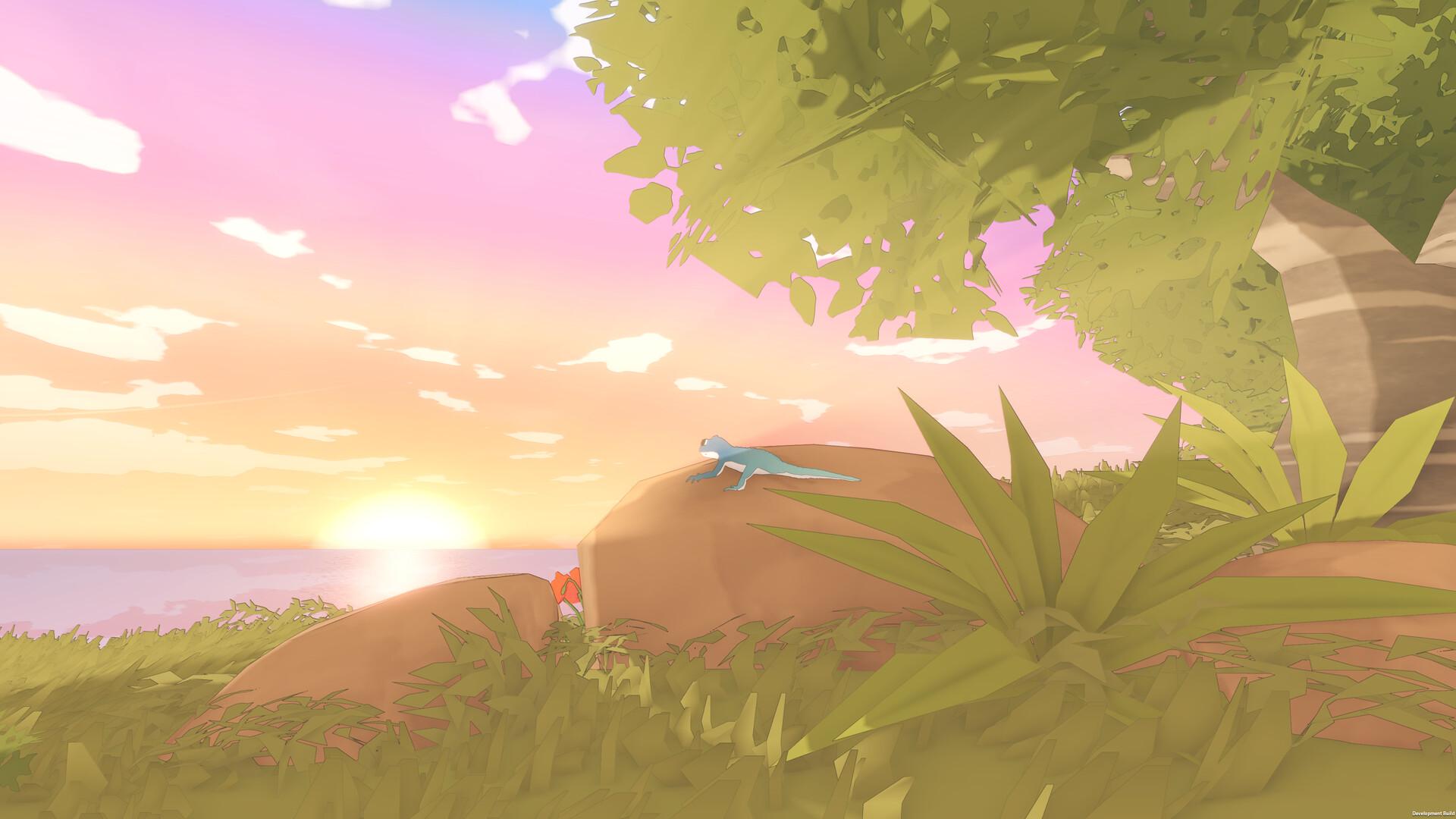
World and setting: a civilisation lost to time
The archipelago in Gecko Gods is built around a single compelling idea: something was here, and now it isn't. Ancient temples, weathered ruins, and overgrown structures hint at a civilisation without spelling it out. The game trusts players to read the environment and draw their own conclusions, which is a harder thing to pull off than it sounds.
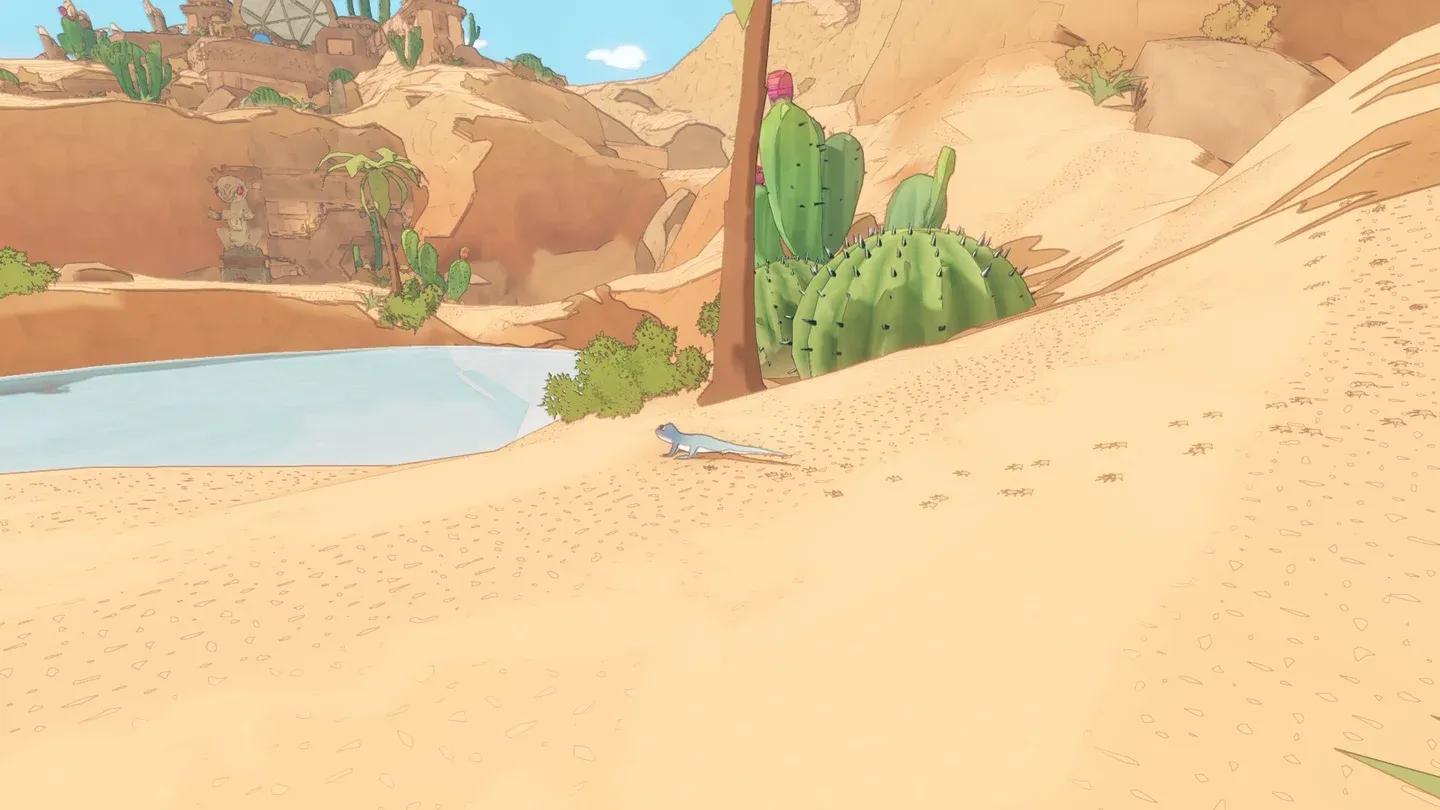
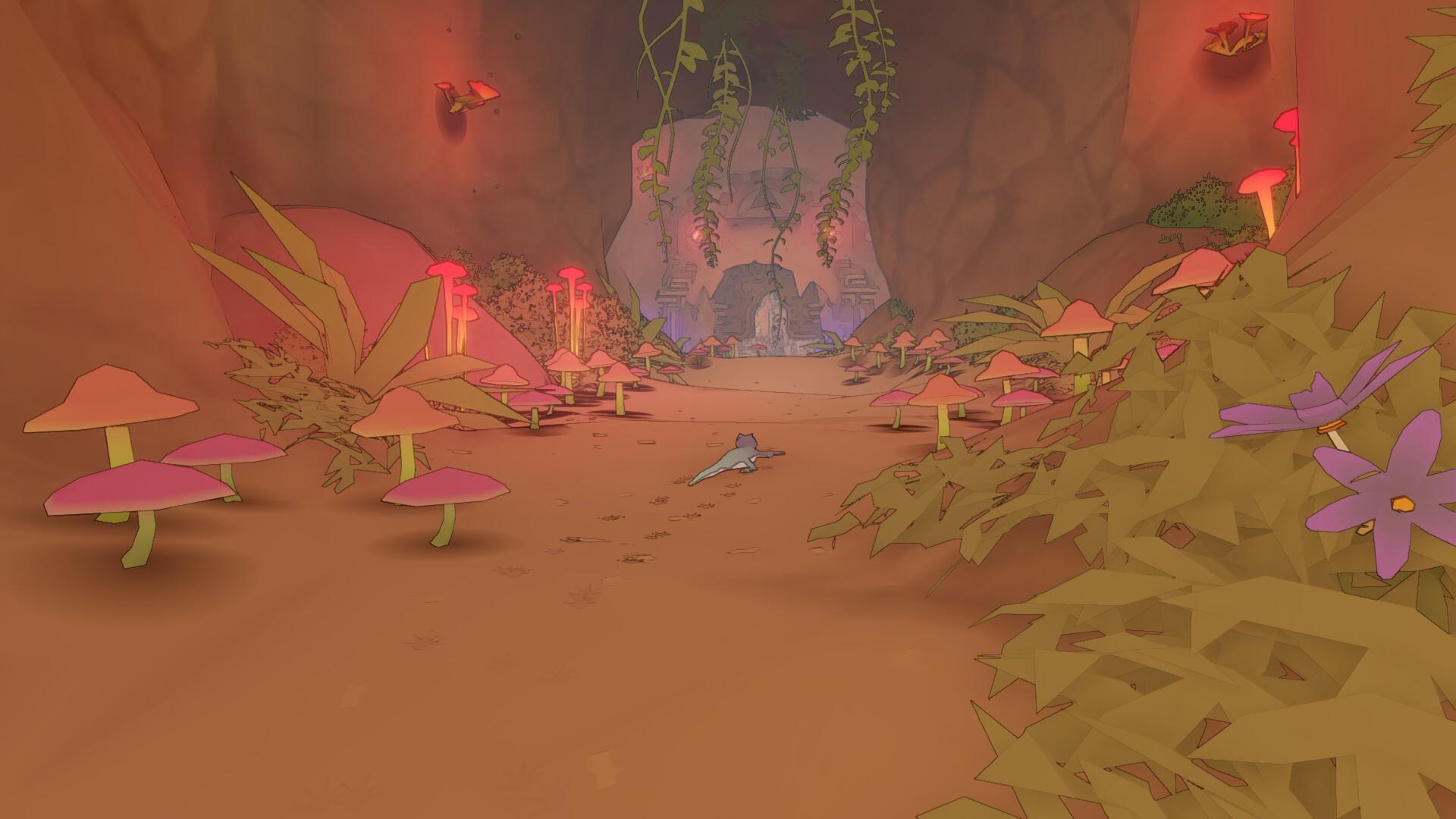
Each island has a distinct atmosphere. The shift between a sun-bleached coastal ruin and a dim, insect-filled cave system keeps the exploration feeling varied without the game needing to introduce new mechanics every fifteen minutes. The world is small in scale but dense with detail, built for a creature that notices things most characters would walk straight past.
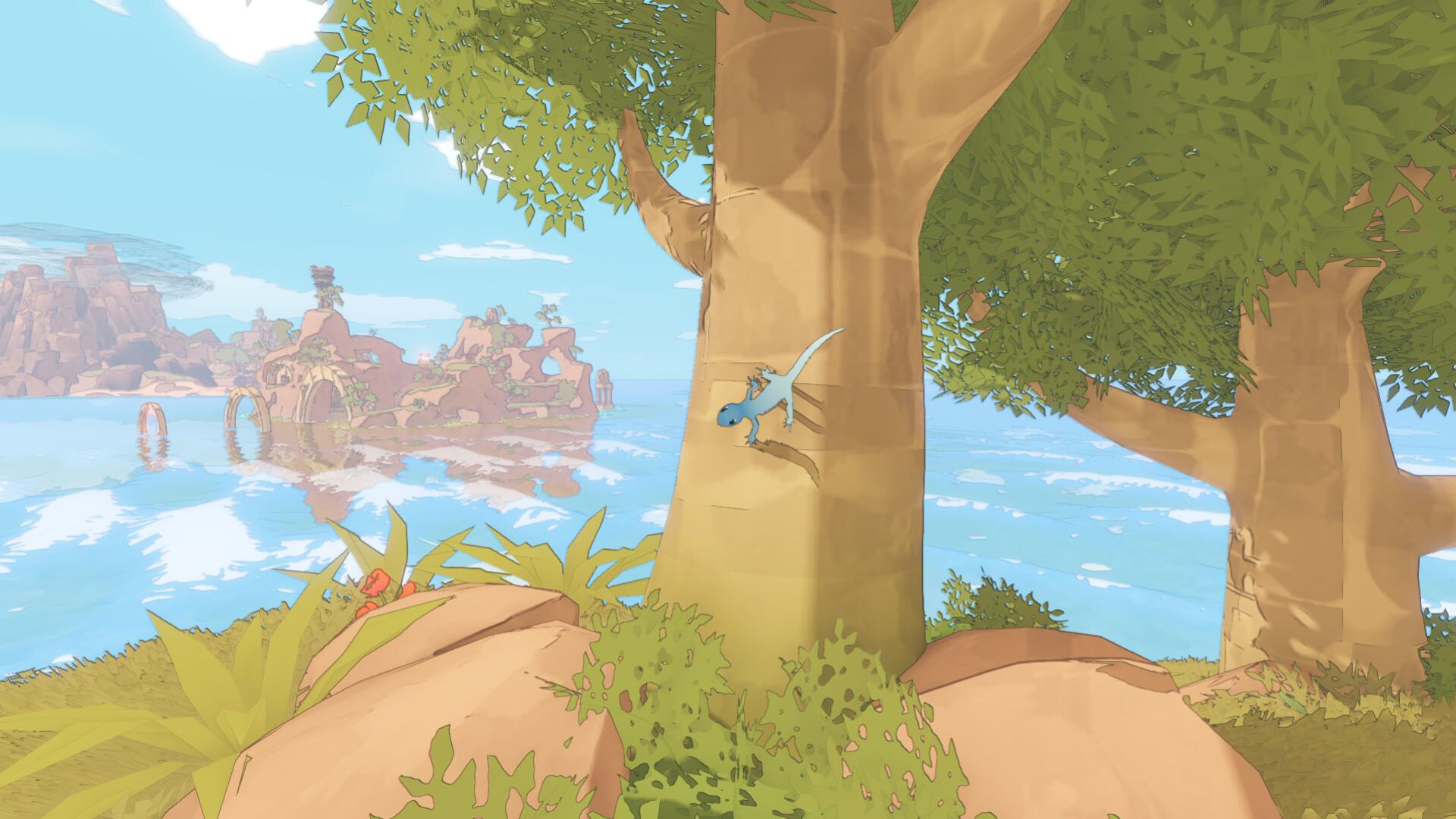
Visual and audio design
Inresin's art direction leans into warmth and stillness. The colour palette favours golden light, deep greens, and the kind of worn stone textures that suggest age without looking muddy. Seeing the world from a gecko's perspective, low to the ground, close to surfaces, gives familiar environments an unfamiliar geometry. A temple doorway that would be unremarkable at human scale becomes something you have to navigate around and over.
The audio design matches the pace of the game. There's no urgency in the soundtrack, just the kind of ambient sound that makes you want to sit still for a moment and look around.
Conclusion
Gecko Gods is a puzzle-platformer with a clear sense of what it wants to be. The wall-climbing traversal gives it a physical identity that separates it from other exploration-focused indie games, and the environmental puzzle design rewards patience over reflex. For players who find most action games exhausting and most walking simulators too passive, this sits in a comfortable middle ground. It's available now on PC, PlayStation, and Nintendo Switch, and it's the kind of game that earns its unhurried pace by making every inch of its world worth examining.