

Biggest discounts, free games, and limited-time offers across every major gaming store.
Never pay full price again.
Overview
Geometry Dash is a rhythm-based platformer built around a single, unforgiving premise: navigate a geometric character through obstacle courses where every spike, saw blade, and gravity flip is timed to the beat of an electronic soundtrack. Developed and published by RobTop Games, the game launched on Steam in December 2014 and has accumulated an enormous player base across Windows, macOS, Android, and iOS.
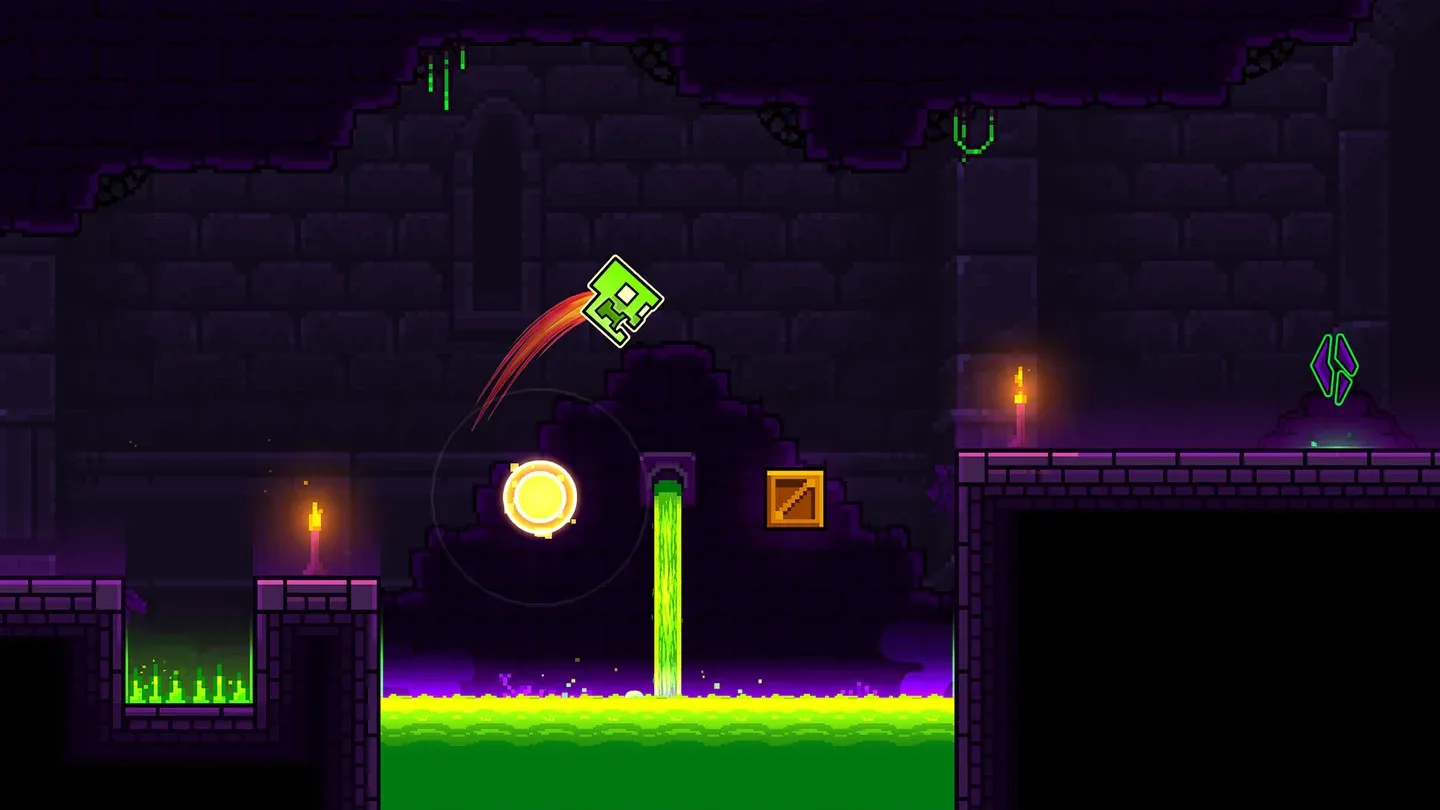
The core loop is deceptively simple. One tap or click makes your cube jump. Miss a single obstacle and you restart the level from the beginning. That restart mechanic, brutal as it sounds, is the engine that drives hundreds of hours of playtime. Players memorize patterns, internalize rhythms, and push through failure after failure until a full level clear feels genuinely earned.
Gameplay and mechanics
The controls in Geometry Dash are as minimal as platformers get, but the depth comes from how the game constantly reshapes what those controls do. The key features of the gameplay system include:
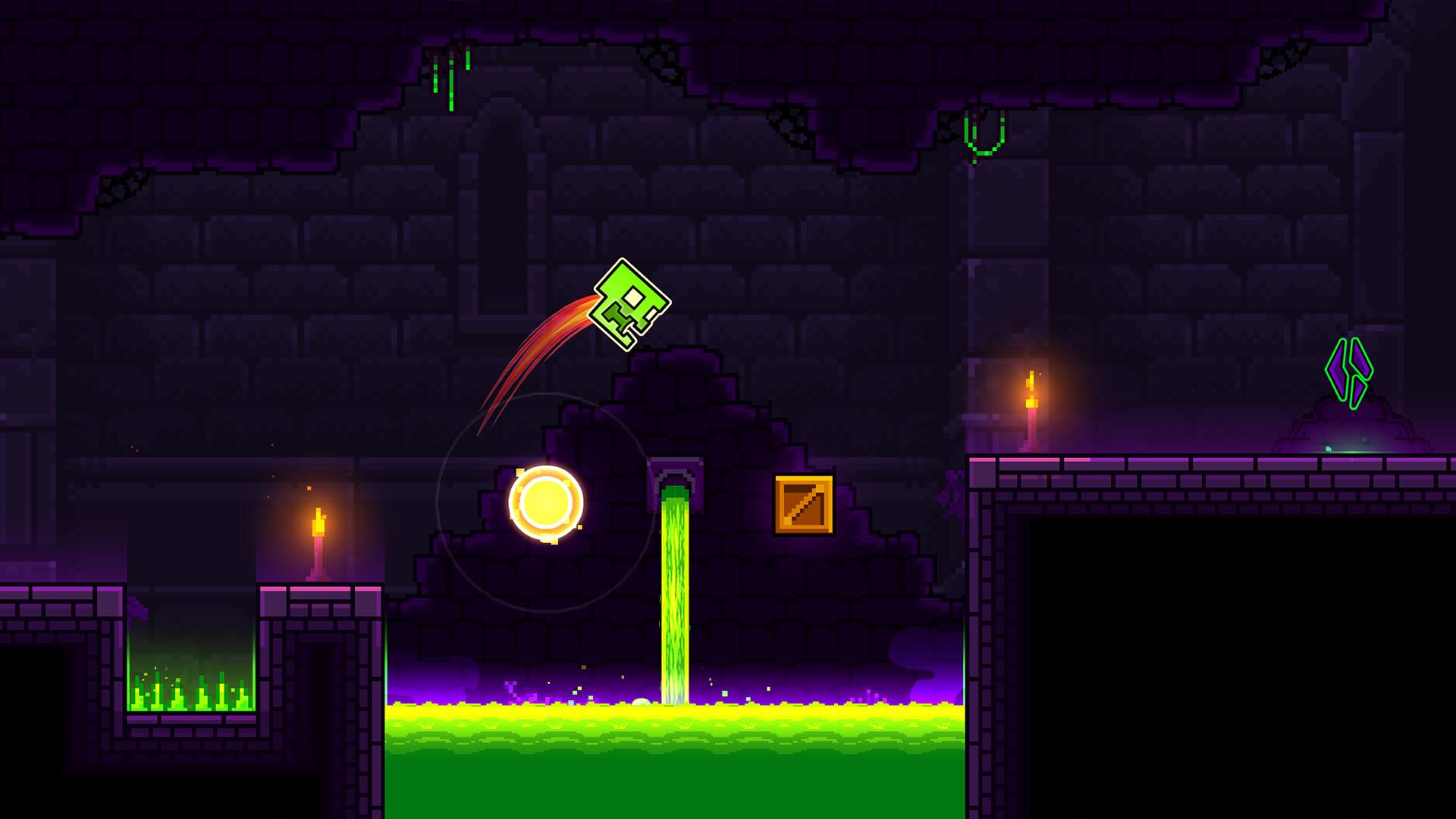
- Cube mode: standard jump mechanic
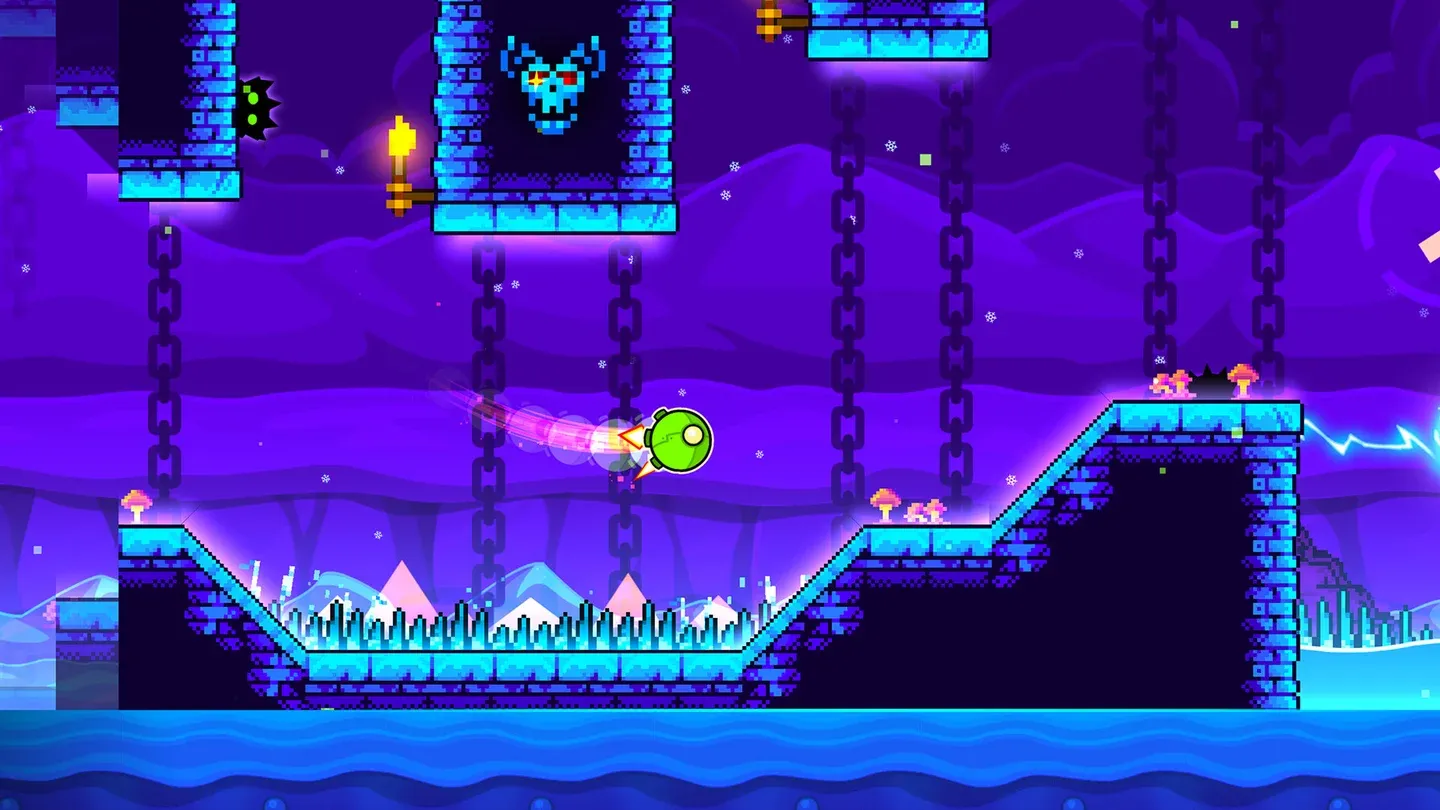
- Ship mode: directional flight through tight corridors
- Ball mode: gravity-toggle rolling
- UFO mode: tap-to-boost flight
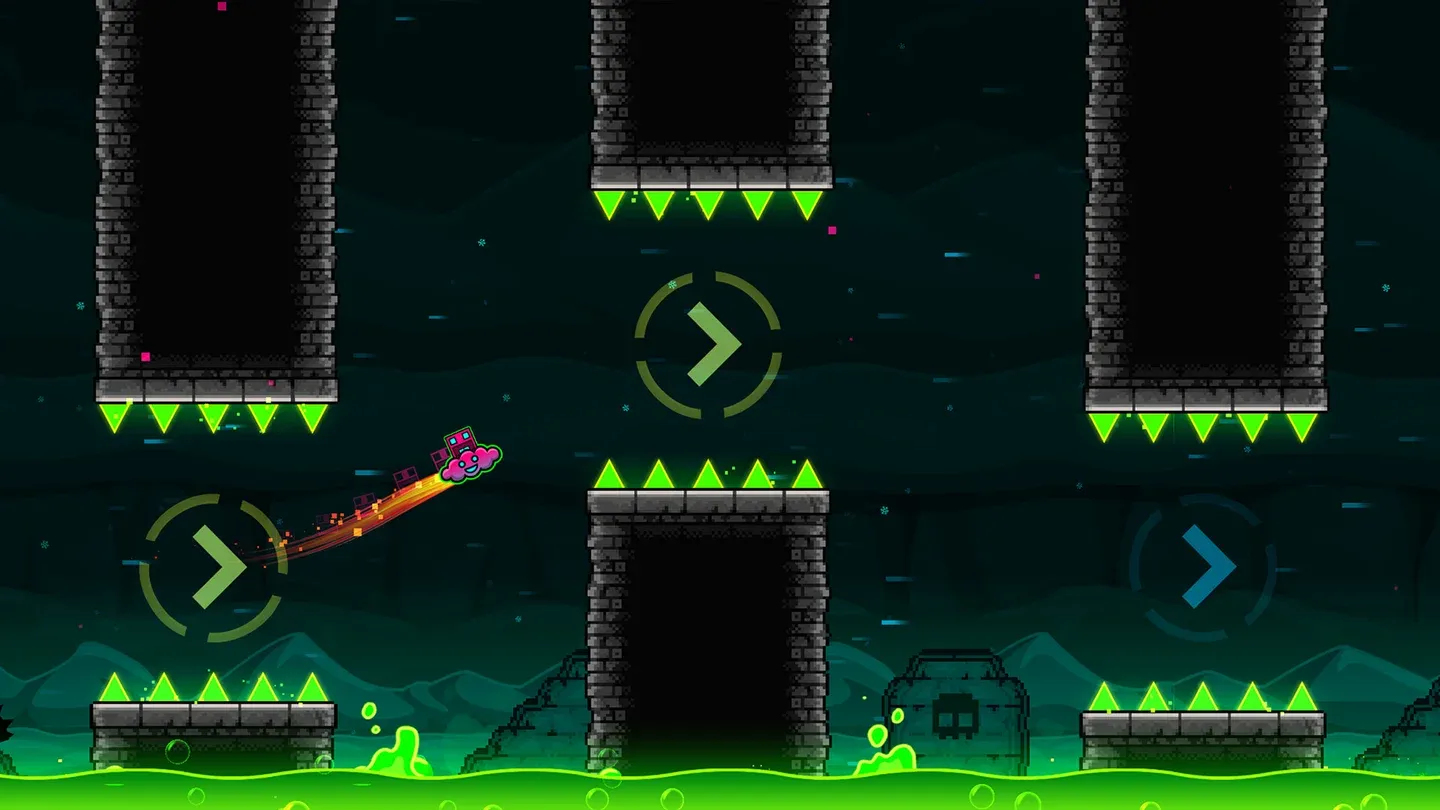
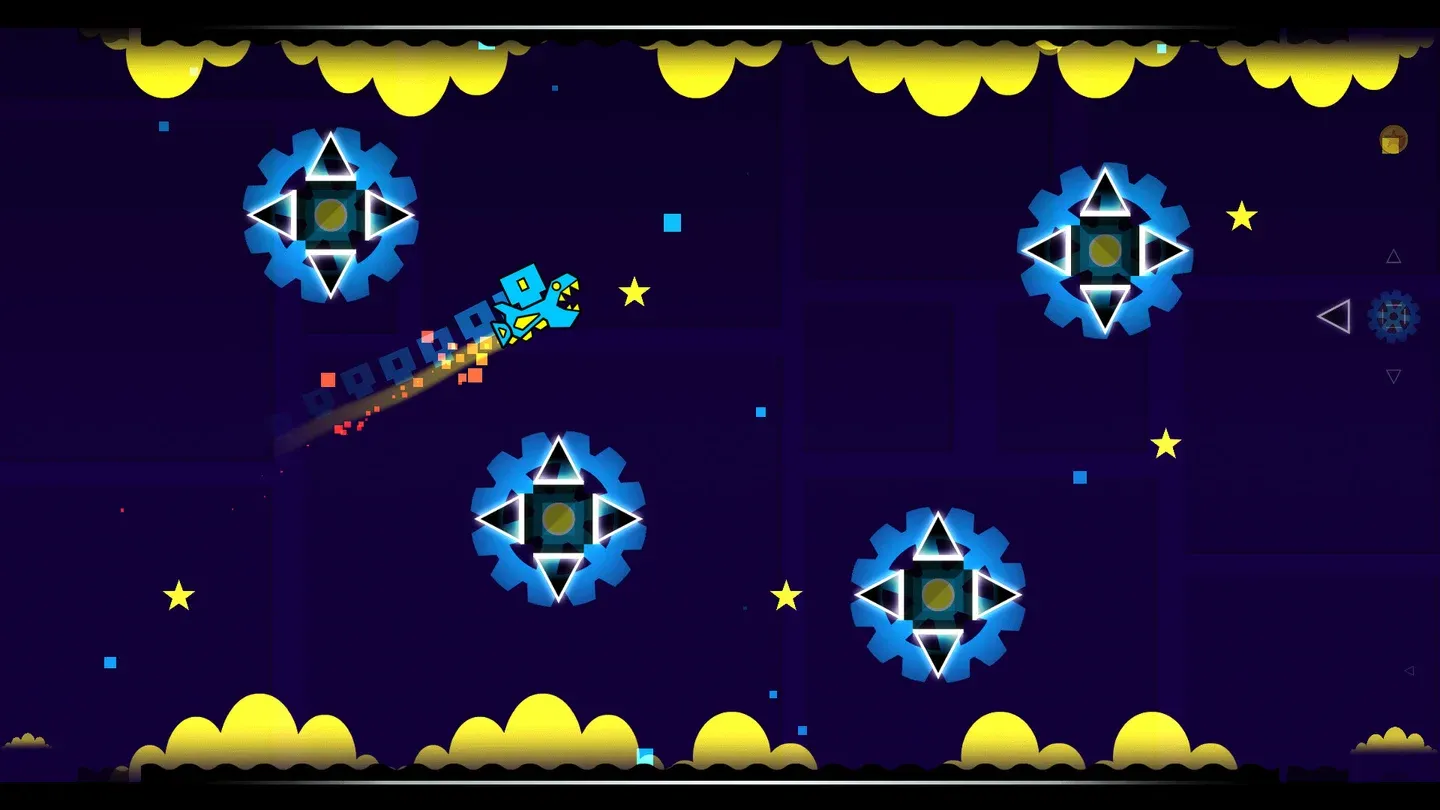
- Wave mode: diagonal movement through narrow gaps
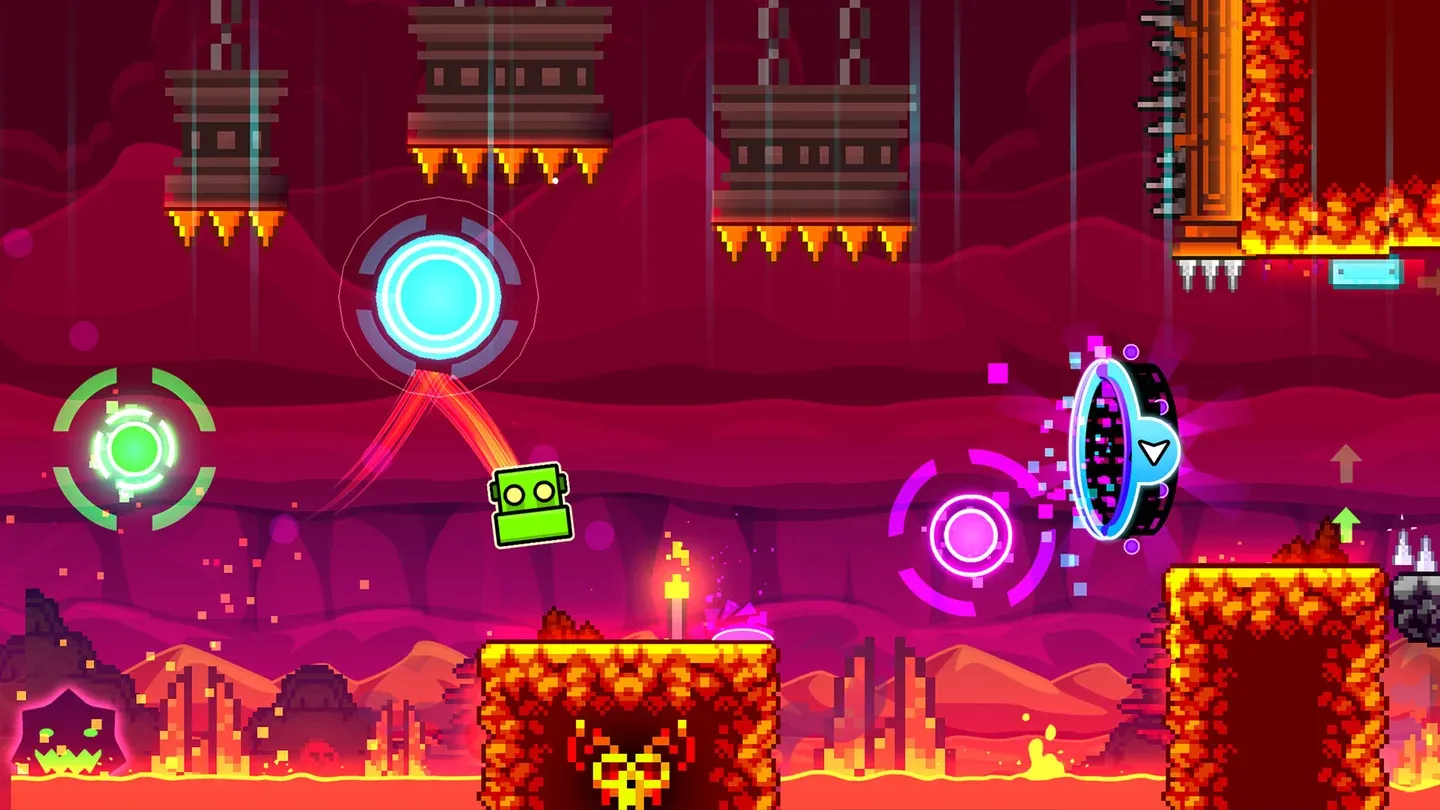
Each mode appears mid-level, often without warning, forcing players to switch mental models on the fly while keeping time with the music. The rhythm integration is genuine, not cosmetic. Obstacles are placed on beats and measures, so players who internalize the soundtrack naturally improve their timing.
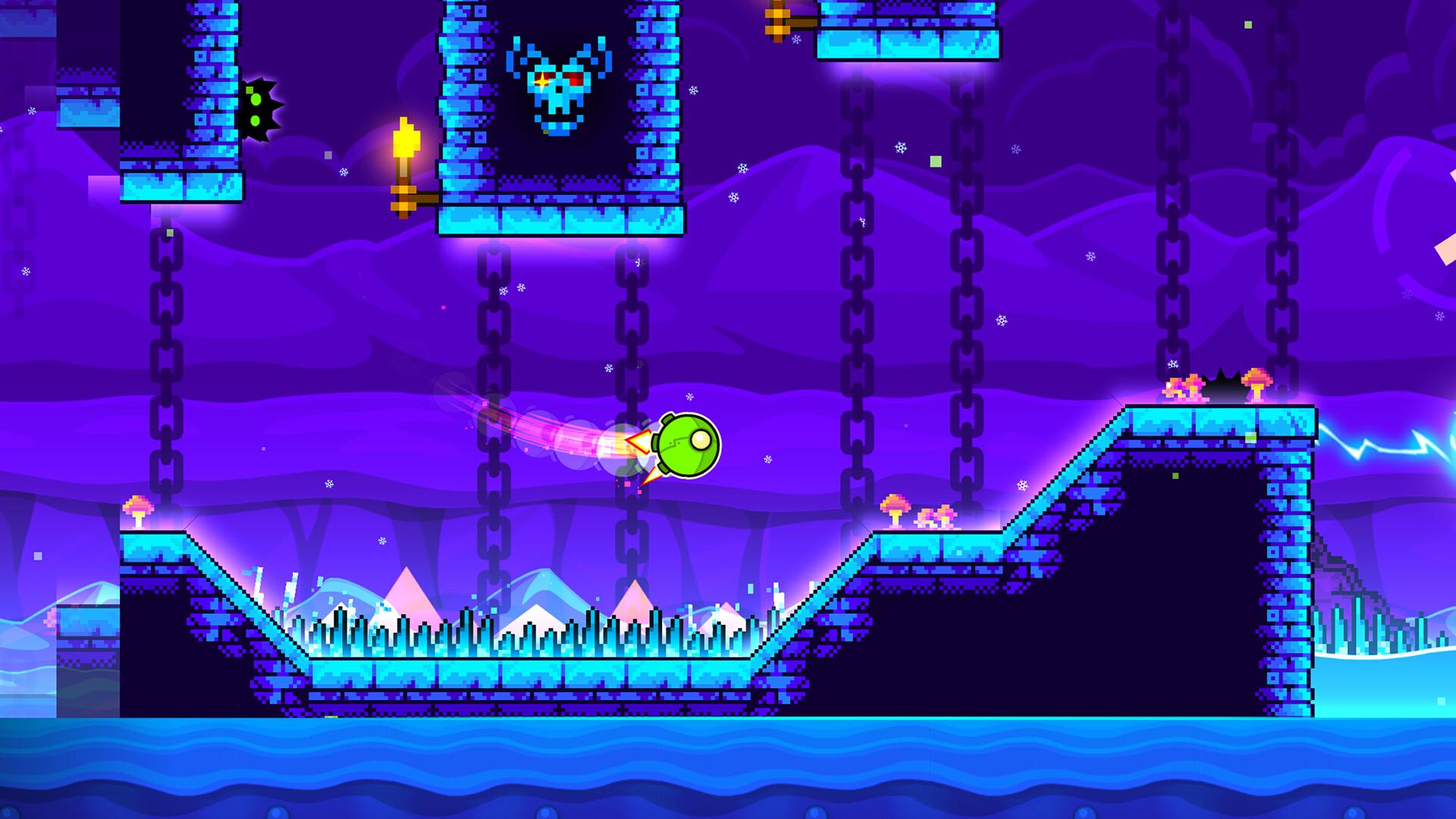
Visual and audio design
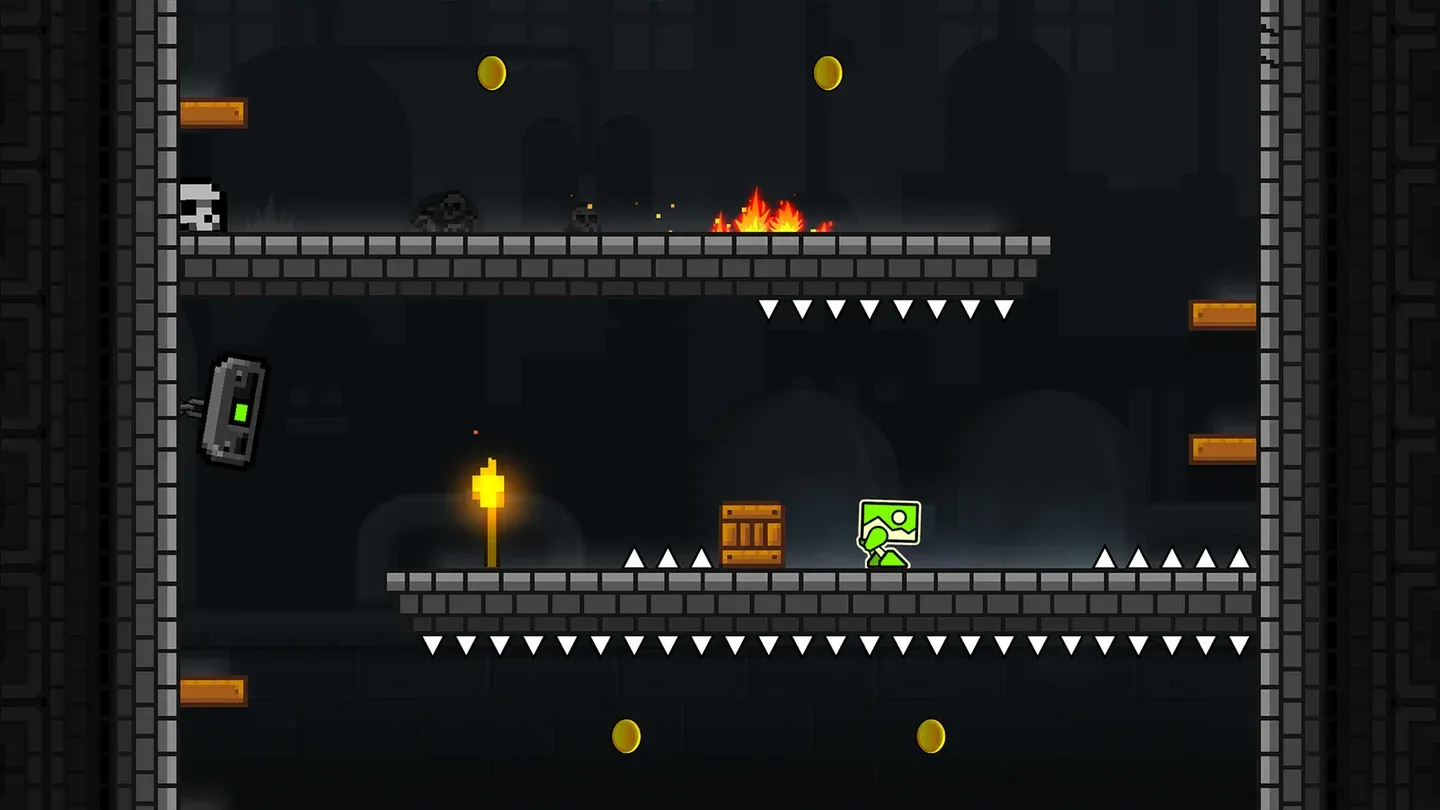
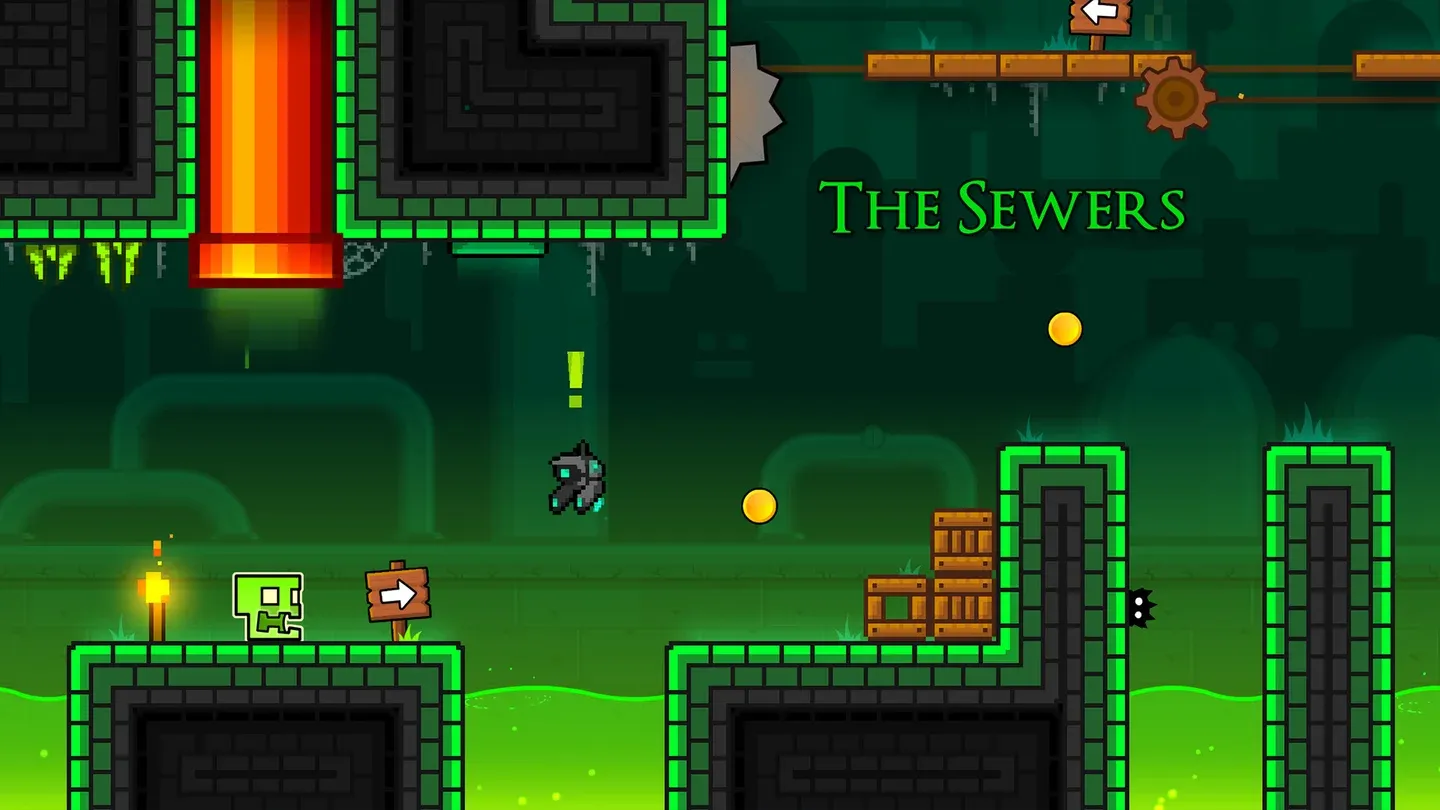
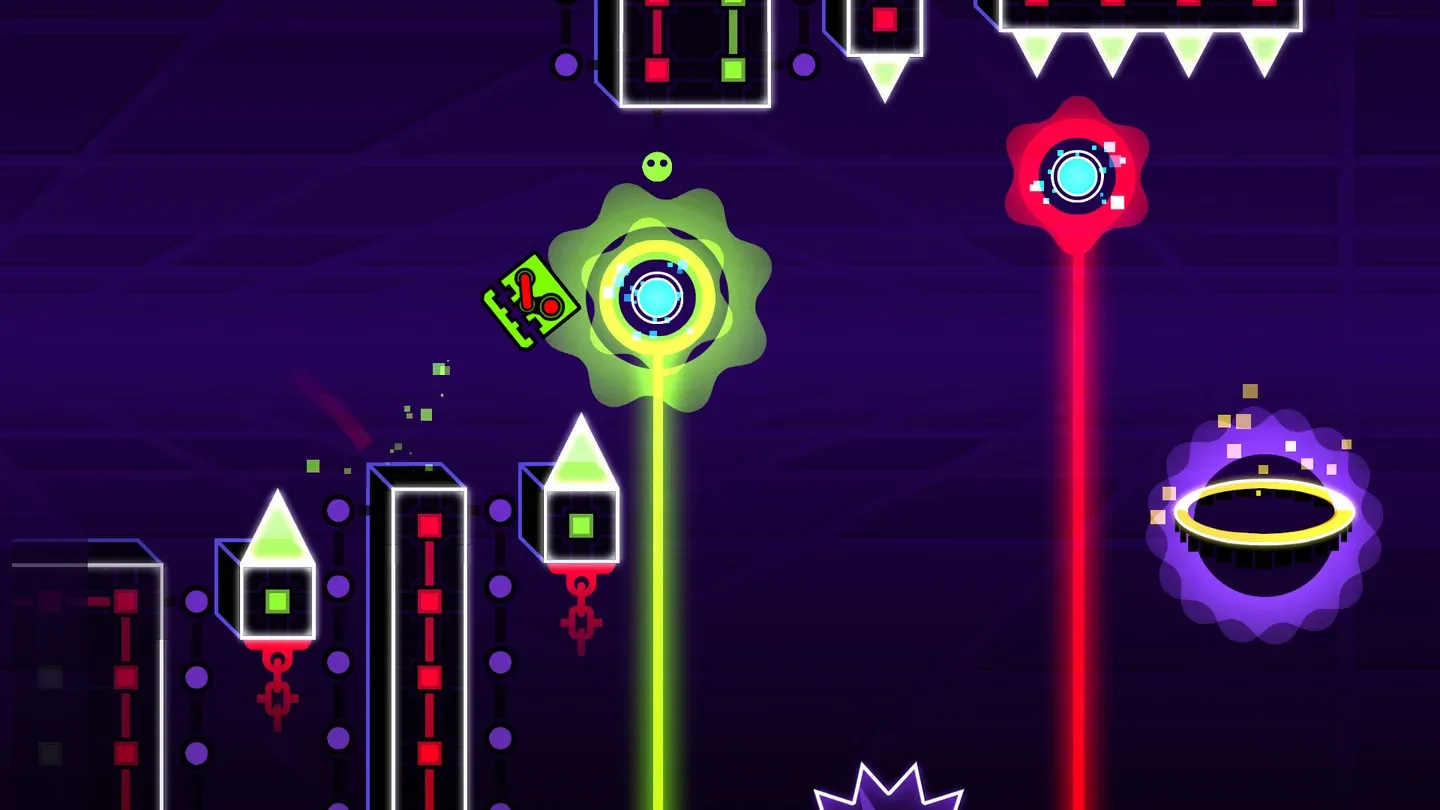
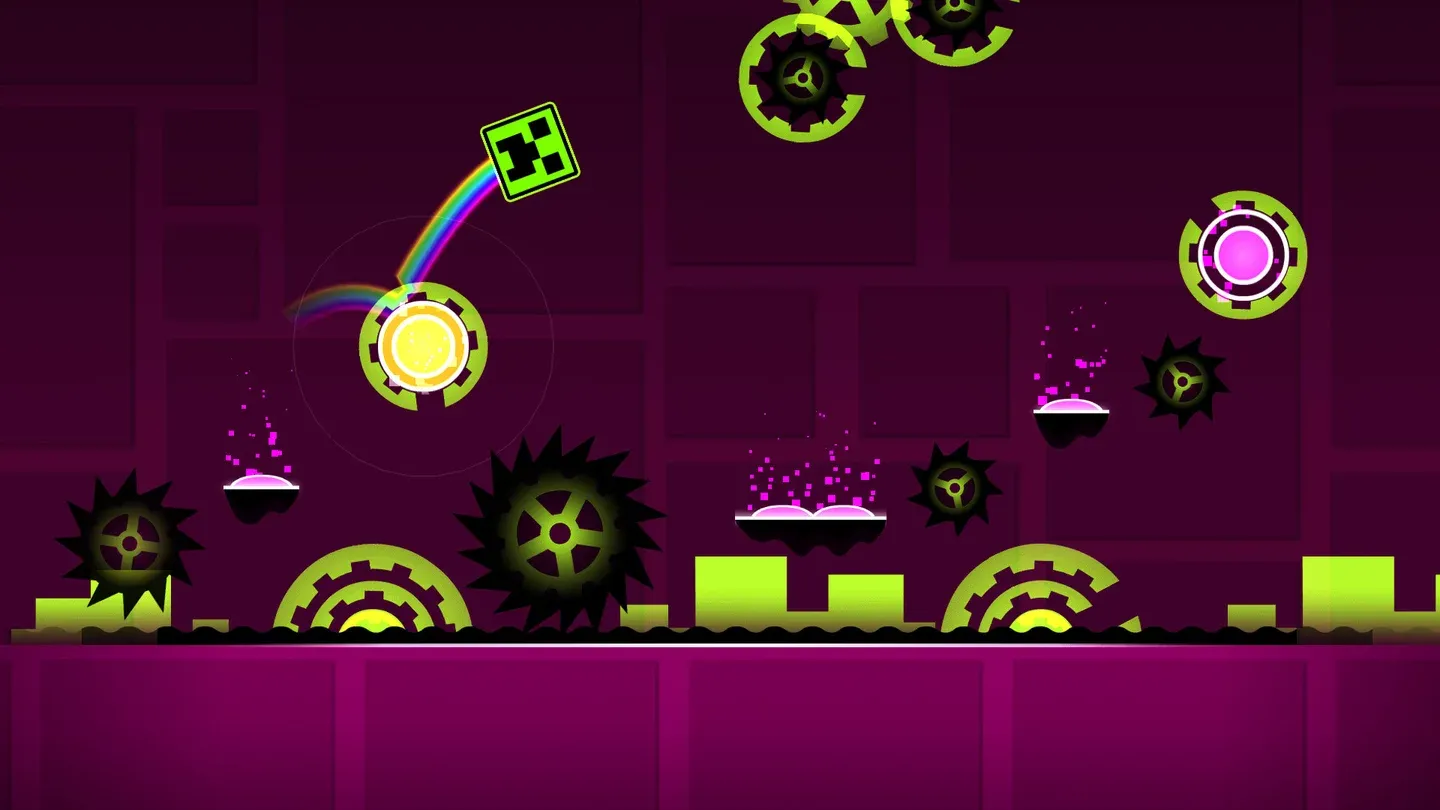
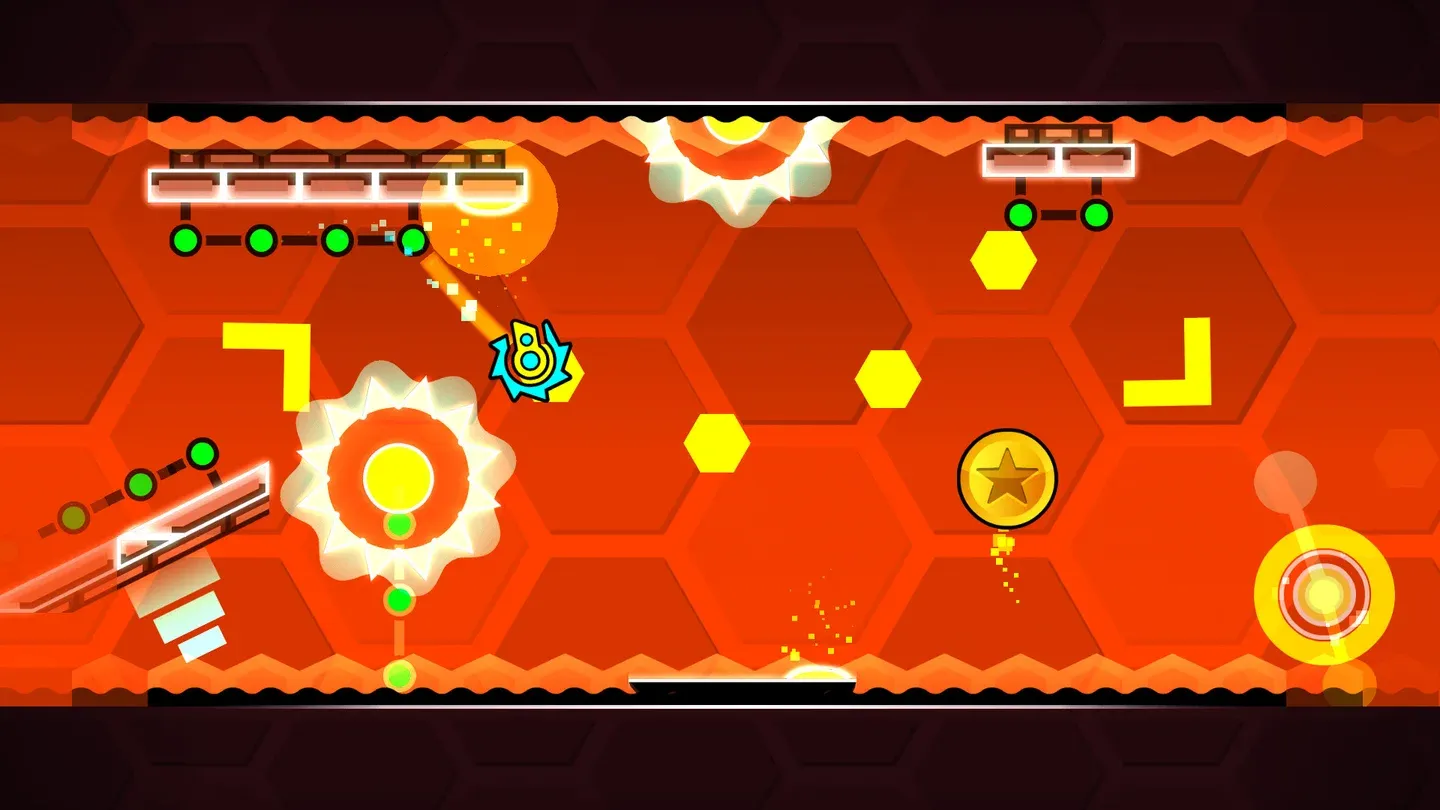
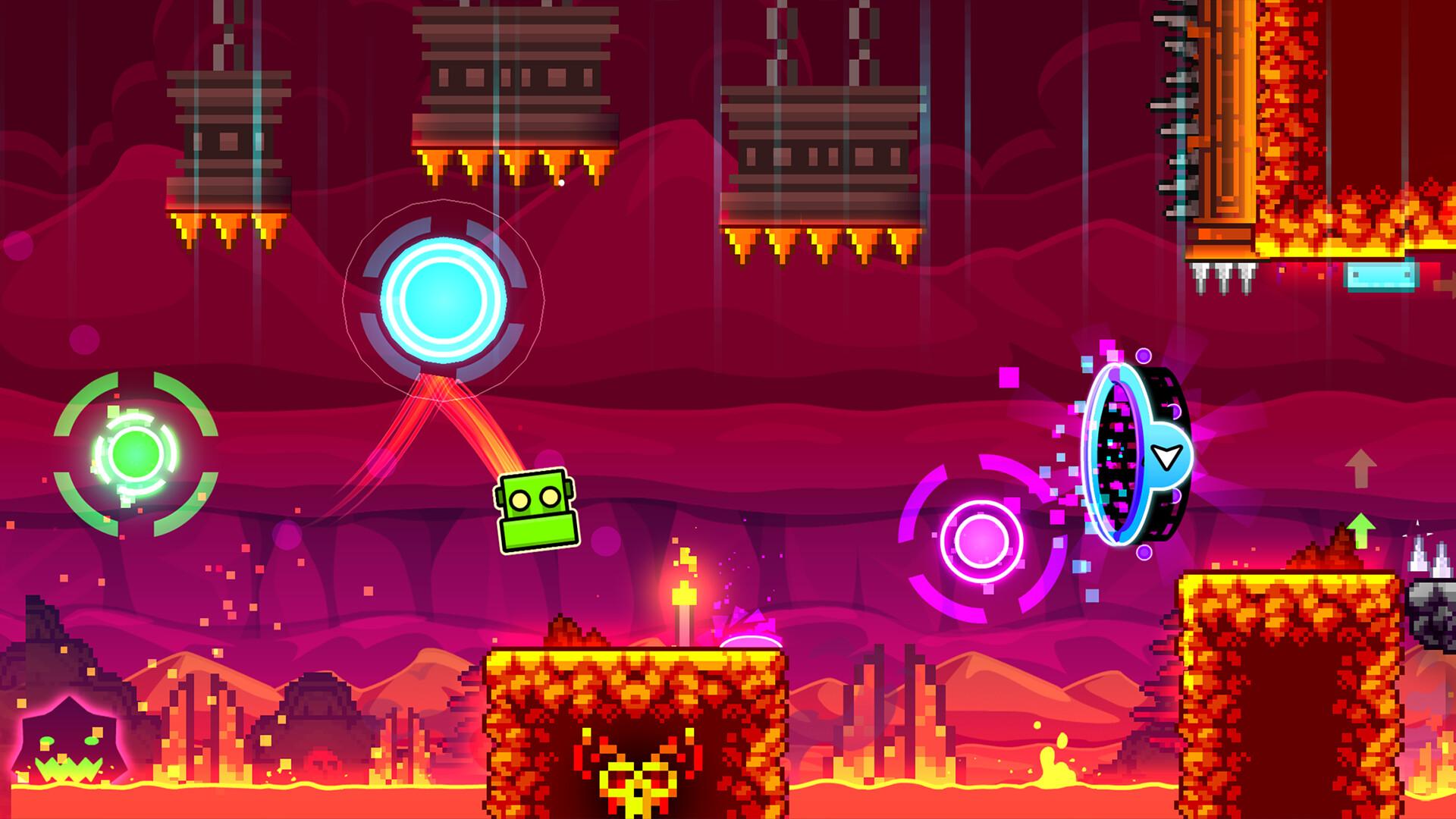
The art style leans hard into geometric abstraction: sharp angles, neon color palettes, and backgrounds that pulse and shift with the music. Levels cycle through visual themes tied to their soundtracks, moving from dark, industrial environments to bright, almost psychedelic color bursts as difficulty climbs. The aesthetic is immediately recognizable and has become something of a template for the rhythm-platformer genre.
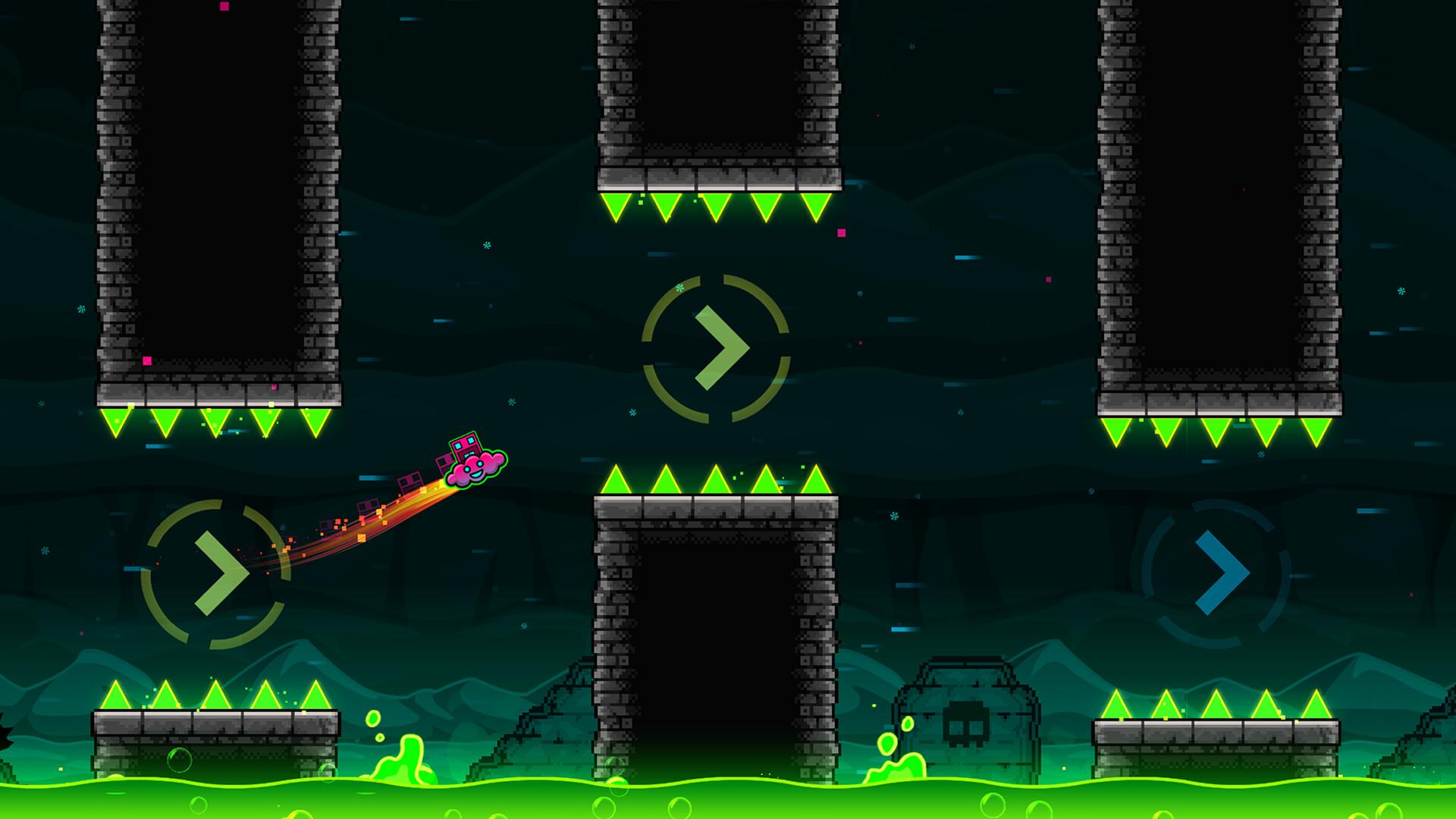
The soundtrack is a major reason the game works as well as it does. Electronic artists including DJVI, F-777, and Waterflame contributed tracks across the official level roster, and the music ranges from driving dubstep to melodic chiptune. The audio doesn't just accompany gameplay, it structures it.
Content and replayability
The official level set covers a wide difficulty range, from the relatively approachable Stereo Madness to the notoriously punishing Deadlocked. Beyond the built-in content, Geometry Dash includes a full level editor that players have used to build and share hundreds of thousands of custom levels through the in-game browser.
The community-created content is where the game's longevity really lives. Player-made levels range from faithful recreations of the official style to experimental designs that push the editor to its limits. Some community levels, classified under the Demon difficulty tier, represent some of the hardest precision platforming content available in any game. The sheer volume of user-generated stages means the game never runs out of fresh challenges, making it one of the most replayable titles in the rhythm-platformer genre.