
Overview
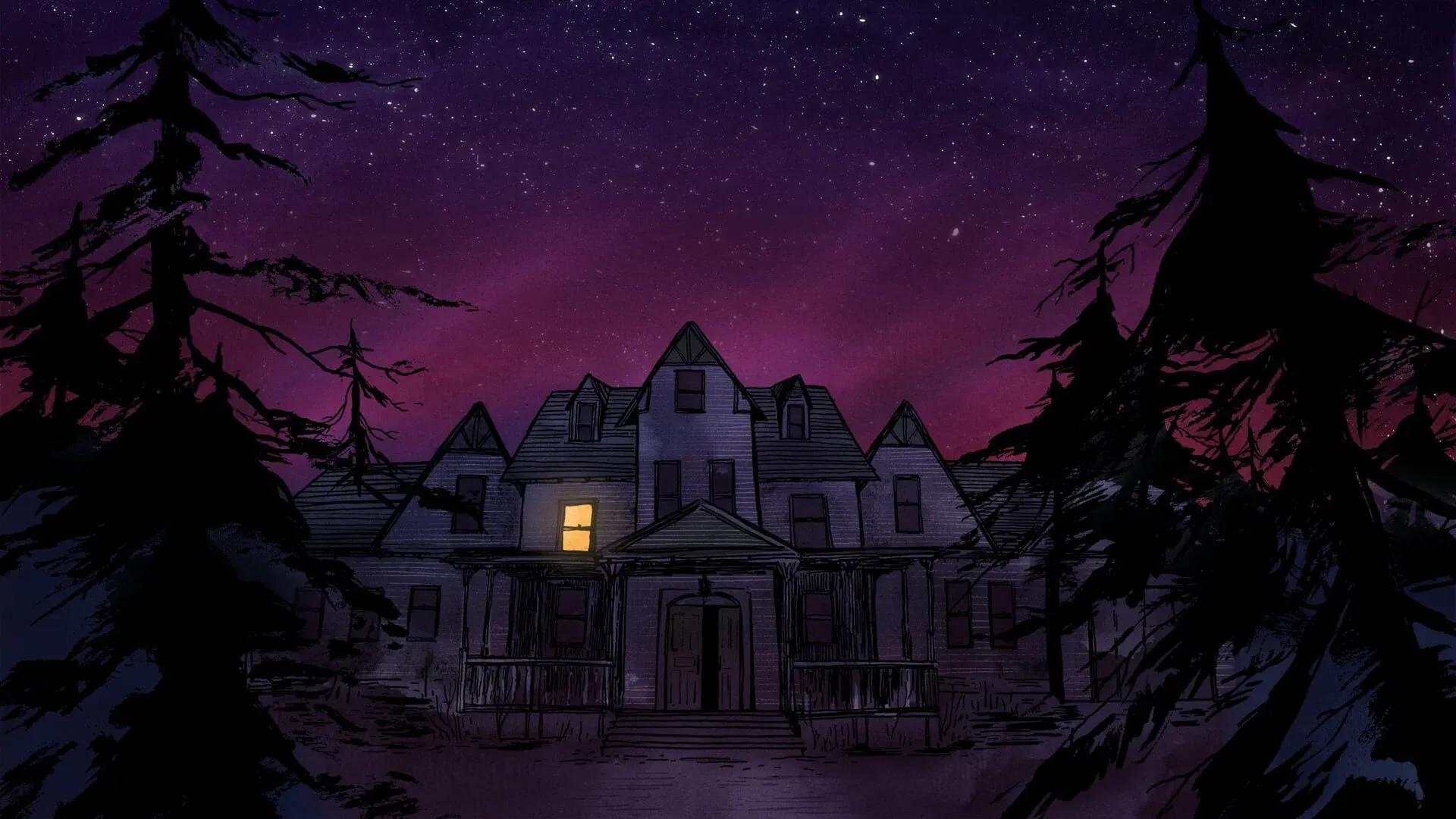
Gone Home puts you in the shoes of Katie Greenbriar, a college student returning from a year in Europe to find her family's newly inherited house completely empty. No welcoming party, no explanation, just a note from her younger sister Sam pinned to the front door asking her not to go looking. The year is 1995, the storm outside is getting worse, and every room in the Greenbriar mansion holds a piece of a story that takes real patience to assemble.
Fullbright, a studio founded by former BioShock 2 developers, released Gone Home in August 2013 to widespread attention for doing something most games at the time refused to do: trusting the player to care about ordinary people dealing with ordinary problems. No monsters lurk in the basement. No jump scares hide behind doors. The tension here comes entirely from not knowing what you're about to find out.
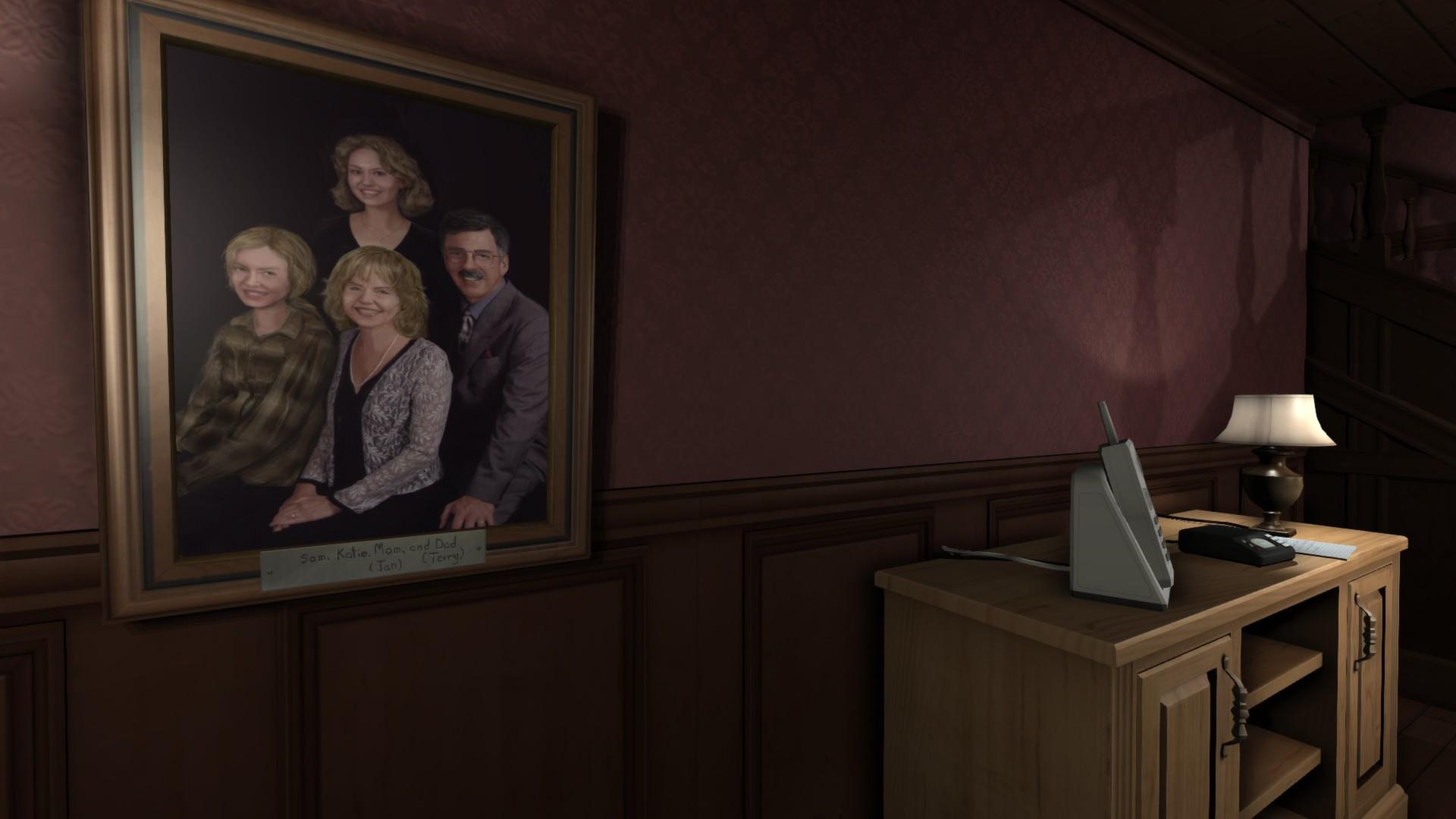
Gameplay and mechanics
Gone Home is an interactive exploration game in the purest sense. There are no combat systems, no fail states, and no timers. The entire experience revolves around physically searching the house:
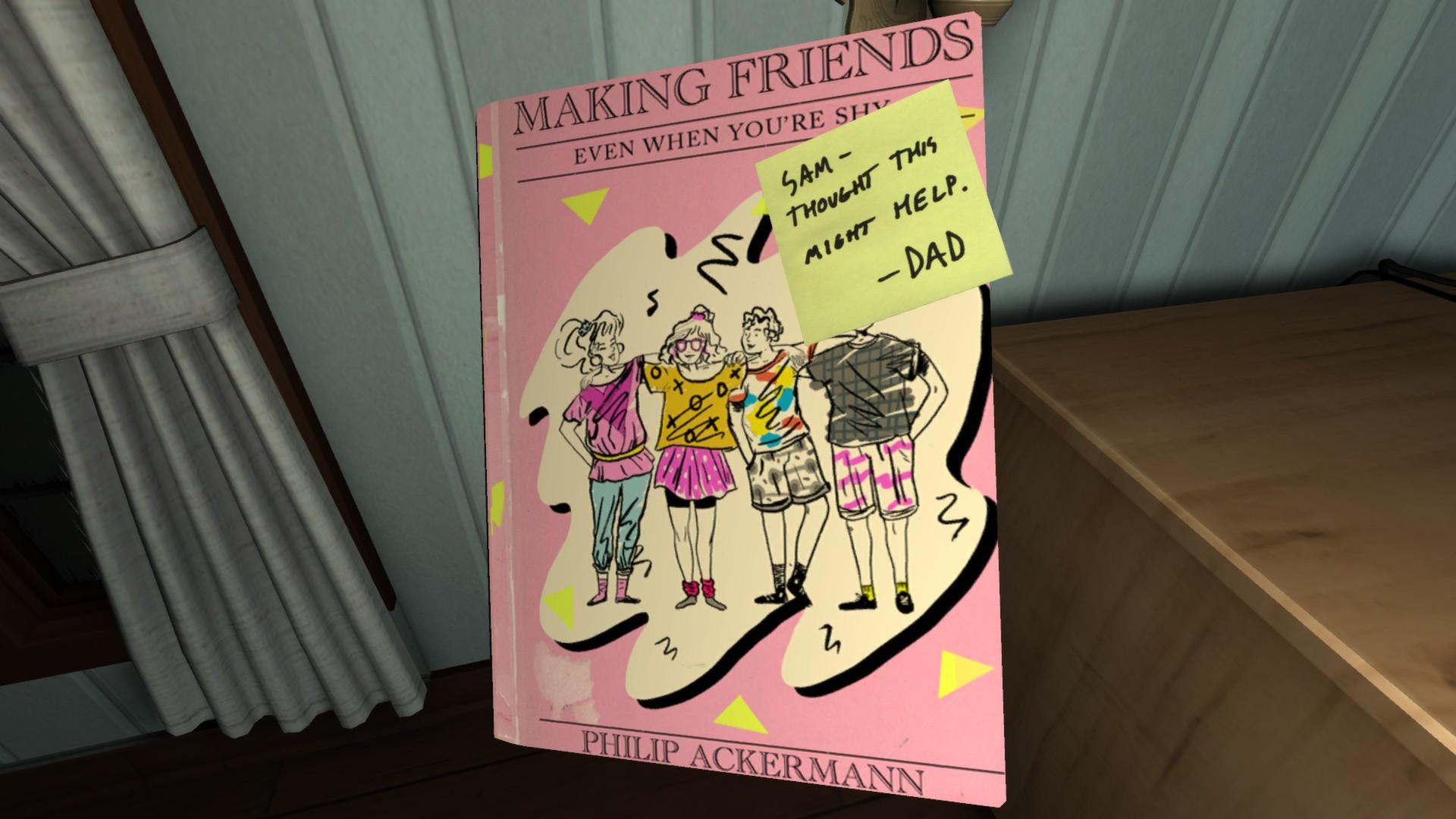
- Open any cabinet, drawer, or door
- Pick up and rotate objects to find hidden details
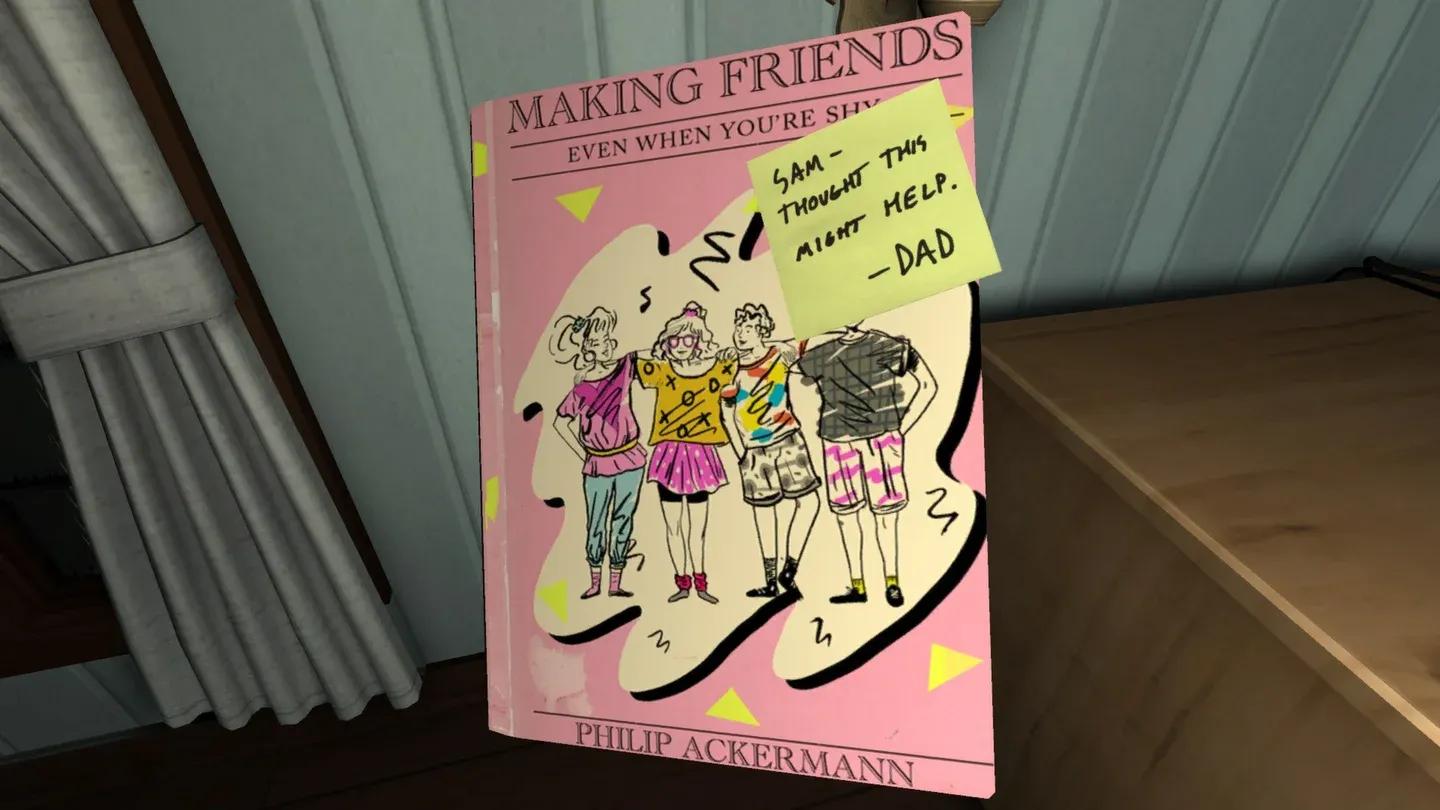
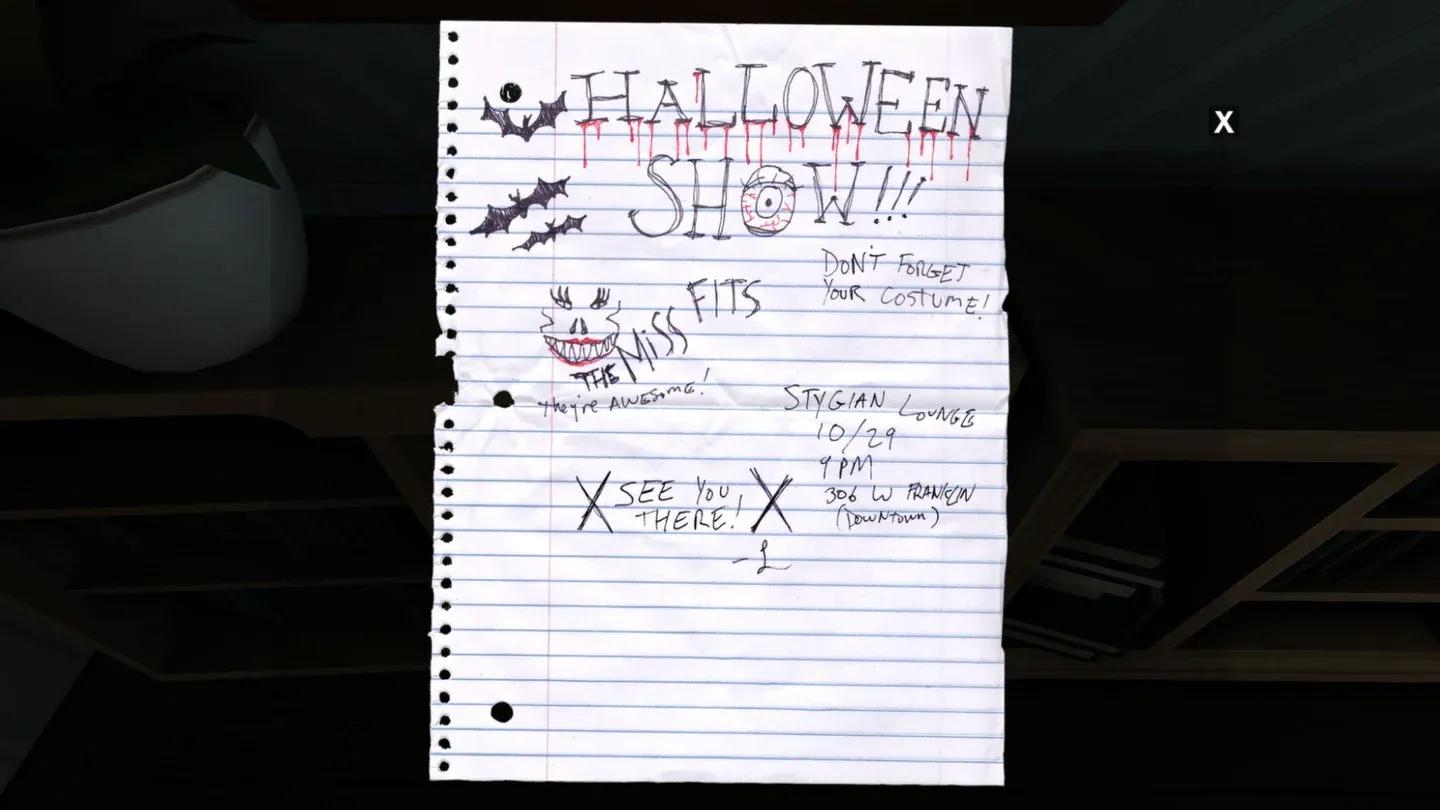
- Read letters, journals, and notes left around the house
- Listen to Sam's diary entries triggered by key discoveries
- Piece together three separate storylines from environmental clues
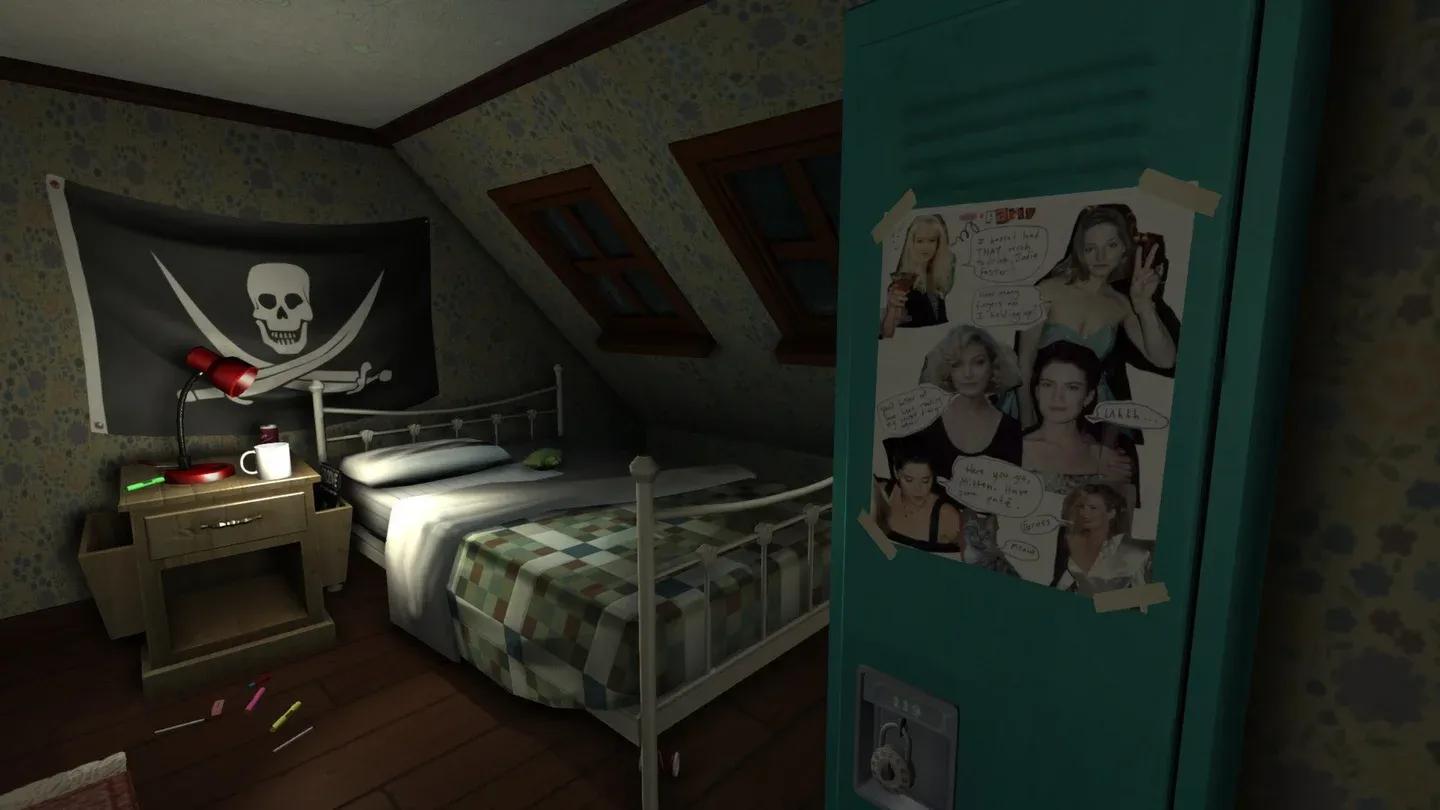
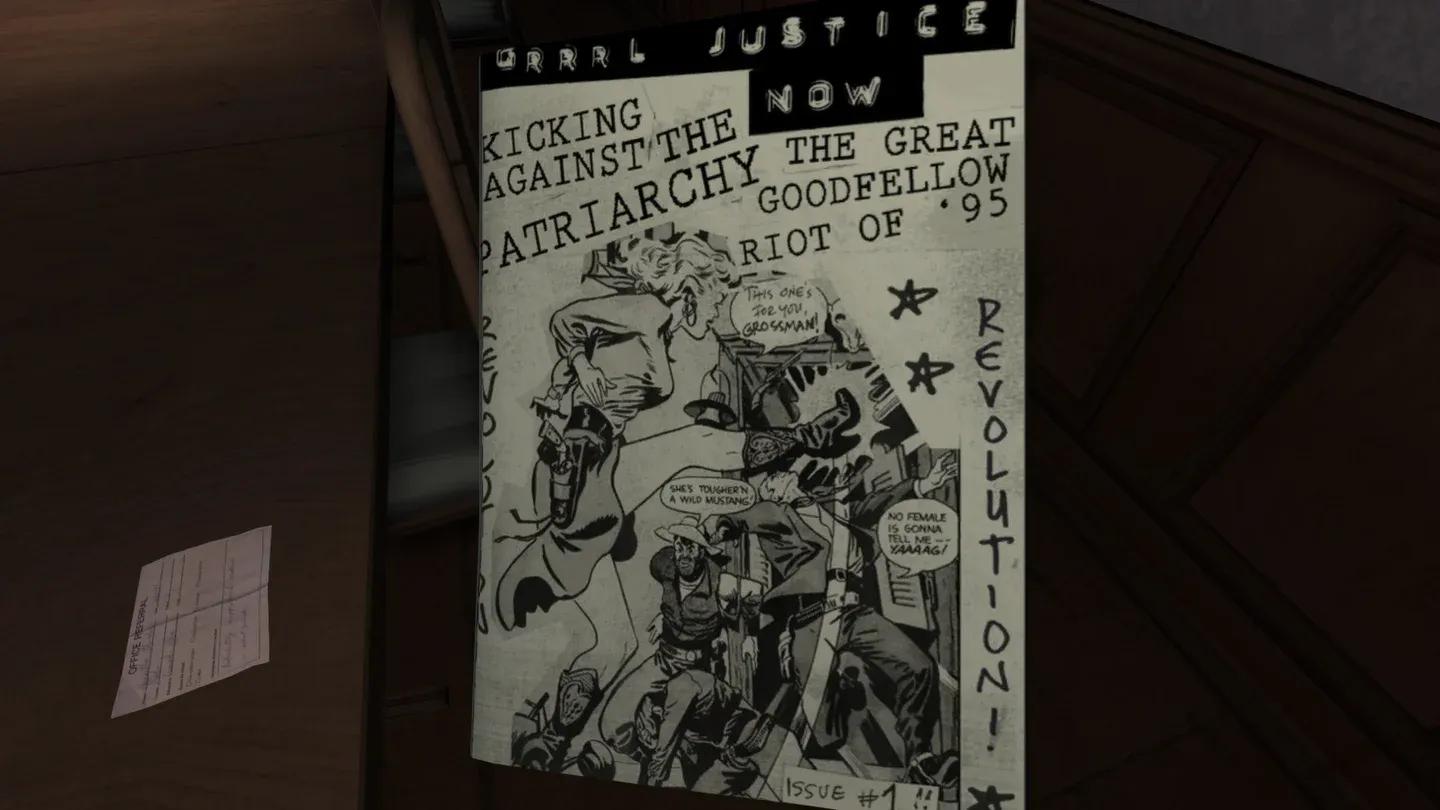
The controls are intentionally minimal. On PC, mouse and keyboard handle all the interaction. Console ports feel equally natural with a controller. The game respects your time in a specific way: nothing is filler, and every object placed in a room was placed deliberately. A riot grrrl zine stuffed under a mattress tells you something. So does a stack of overdue bills on the kitchen counter.
World and setting
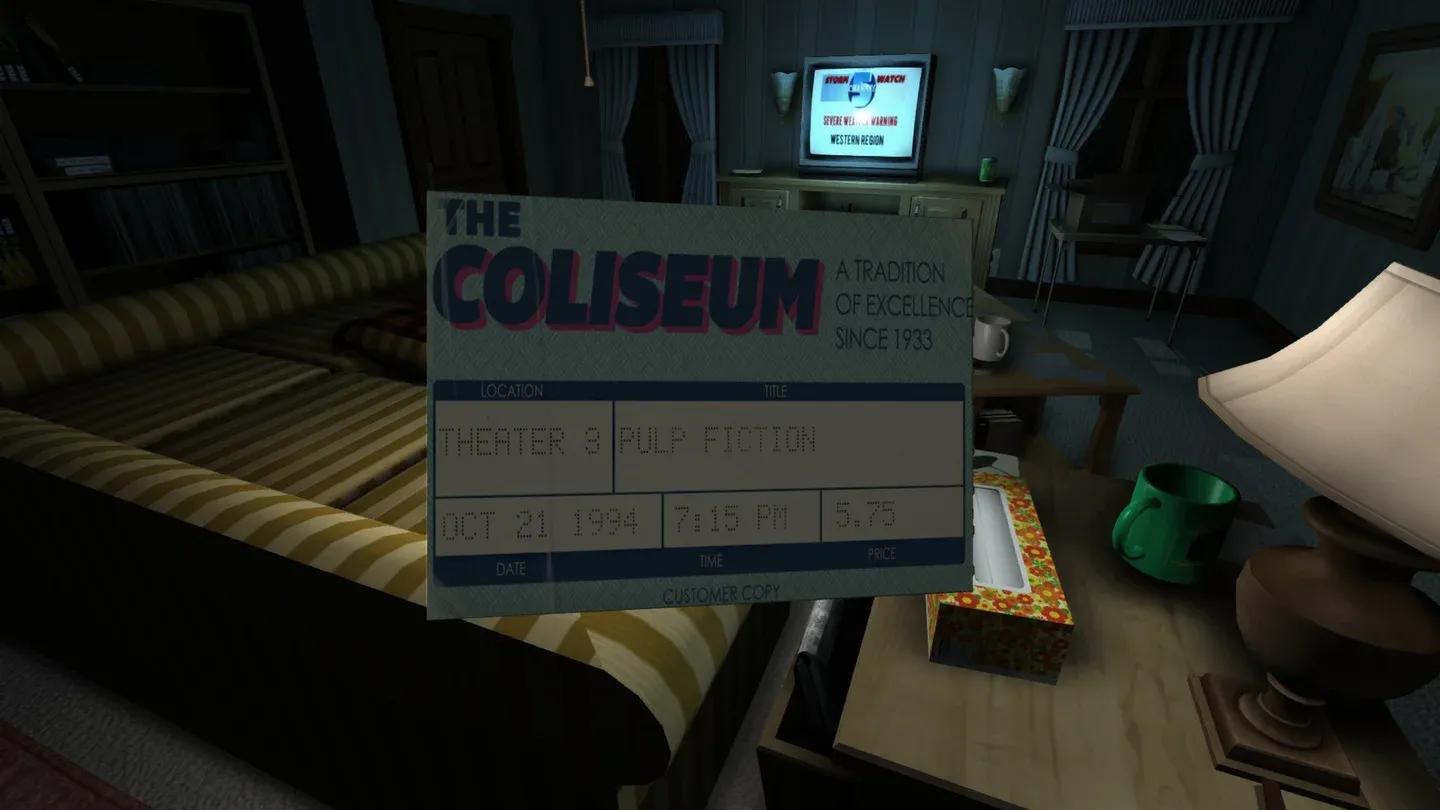
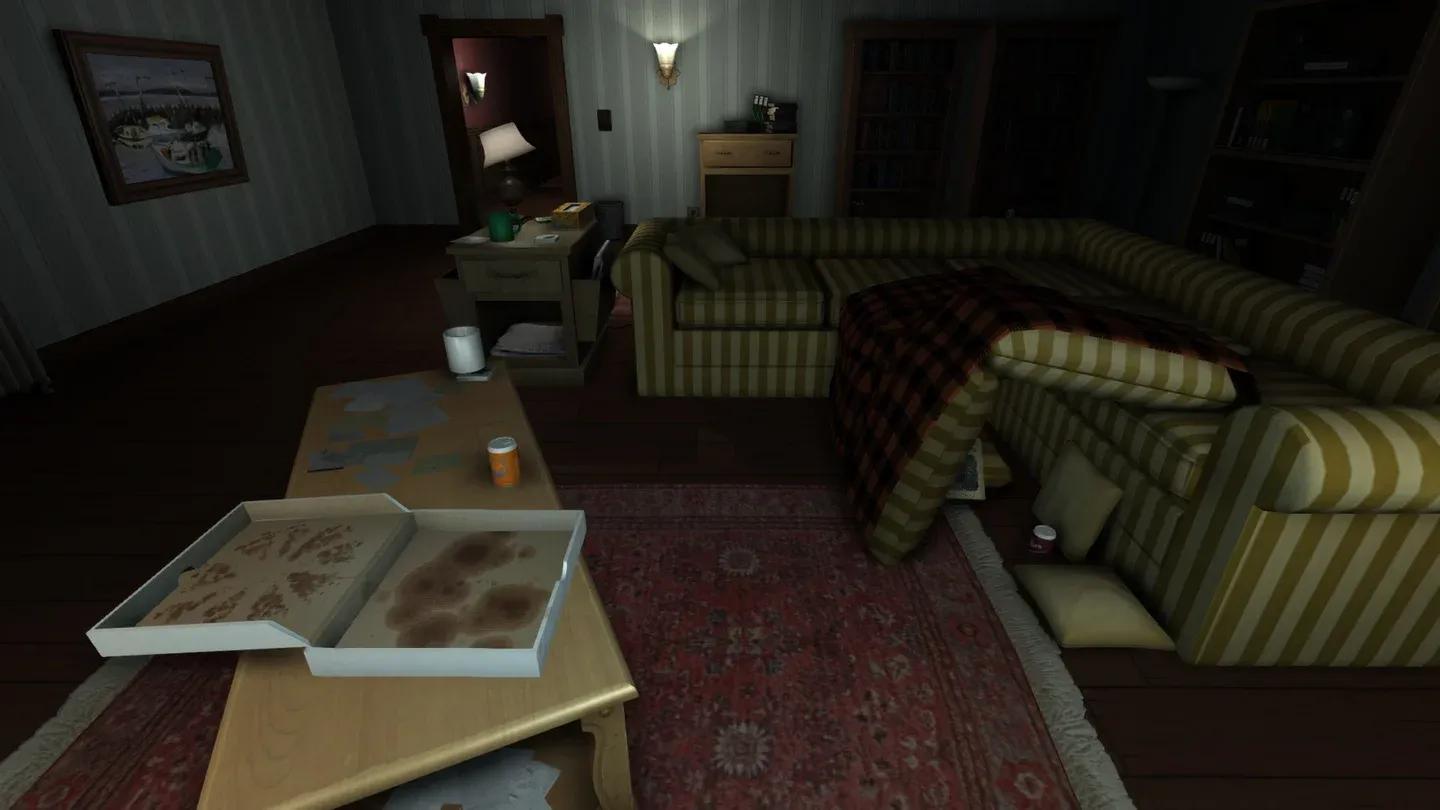
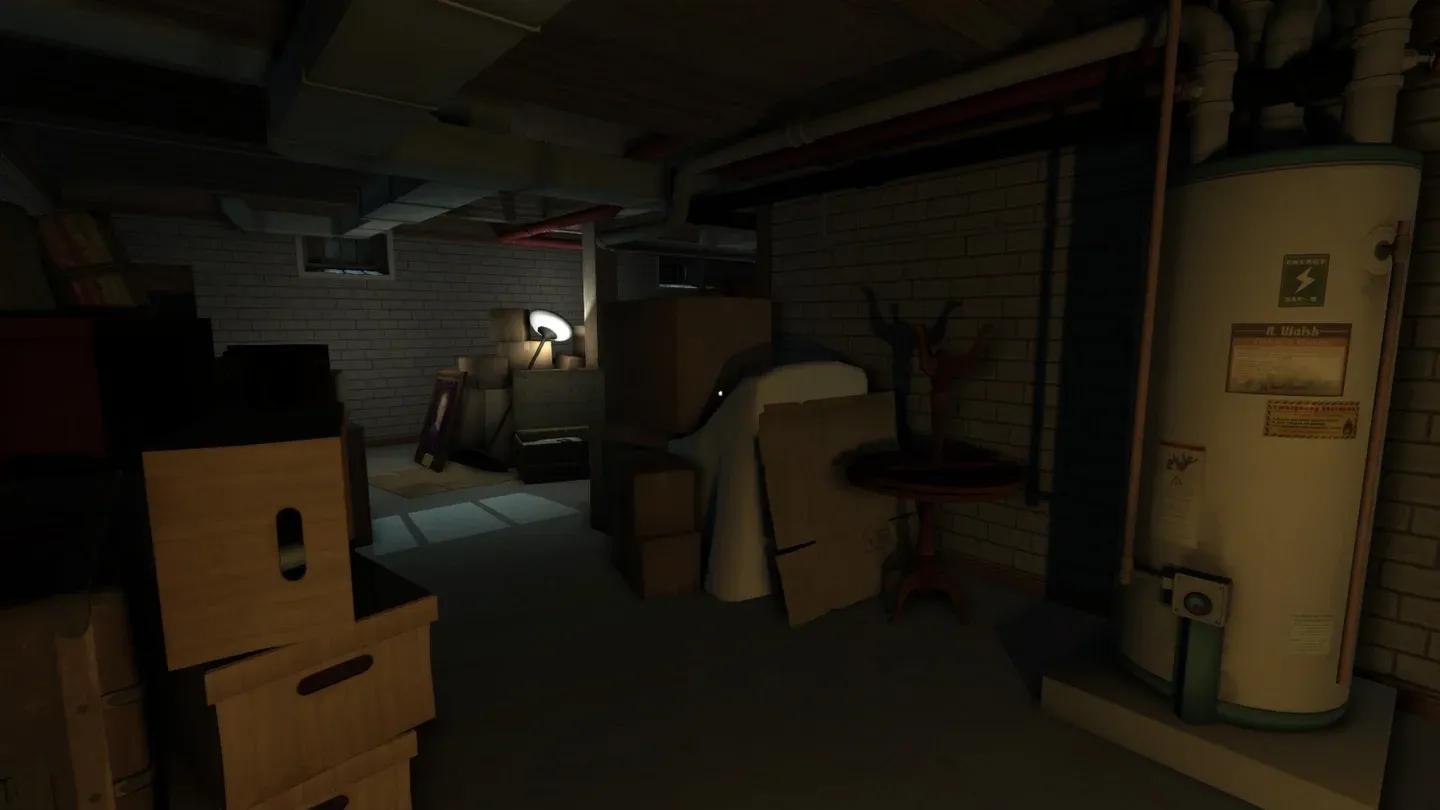
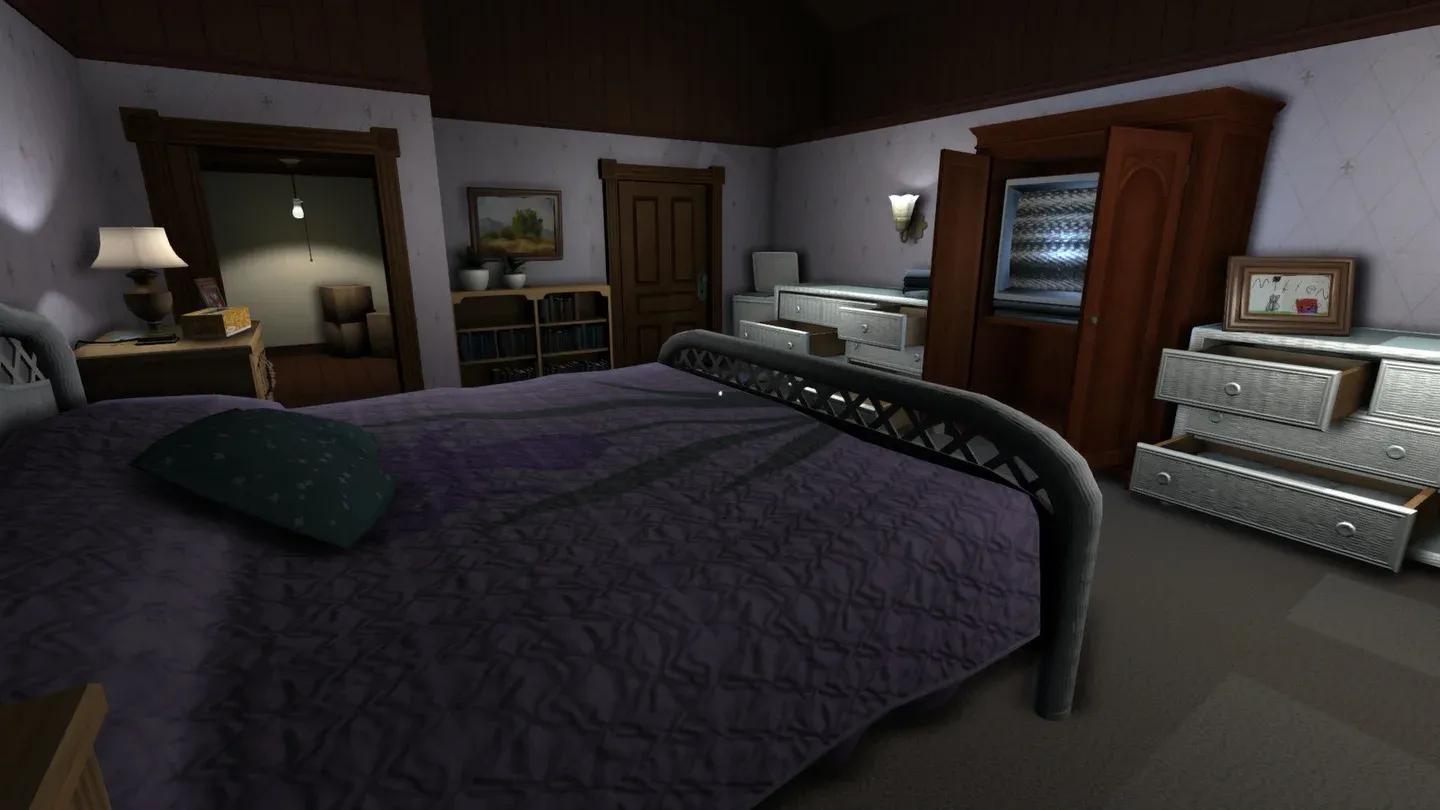
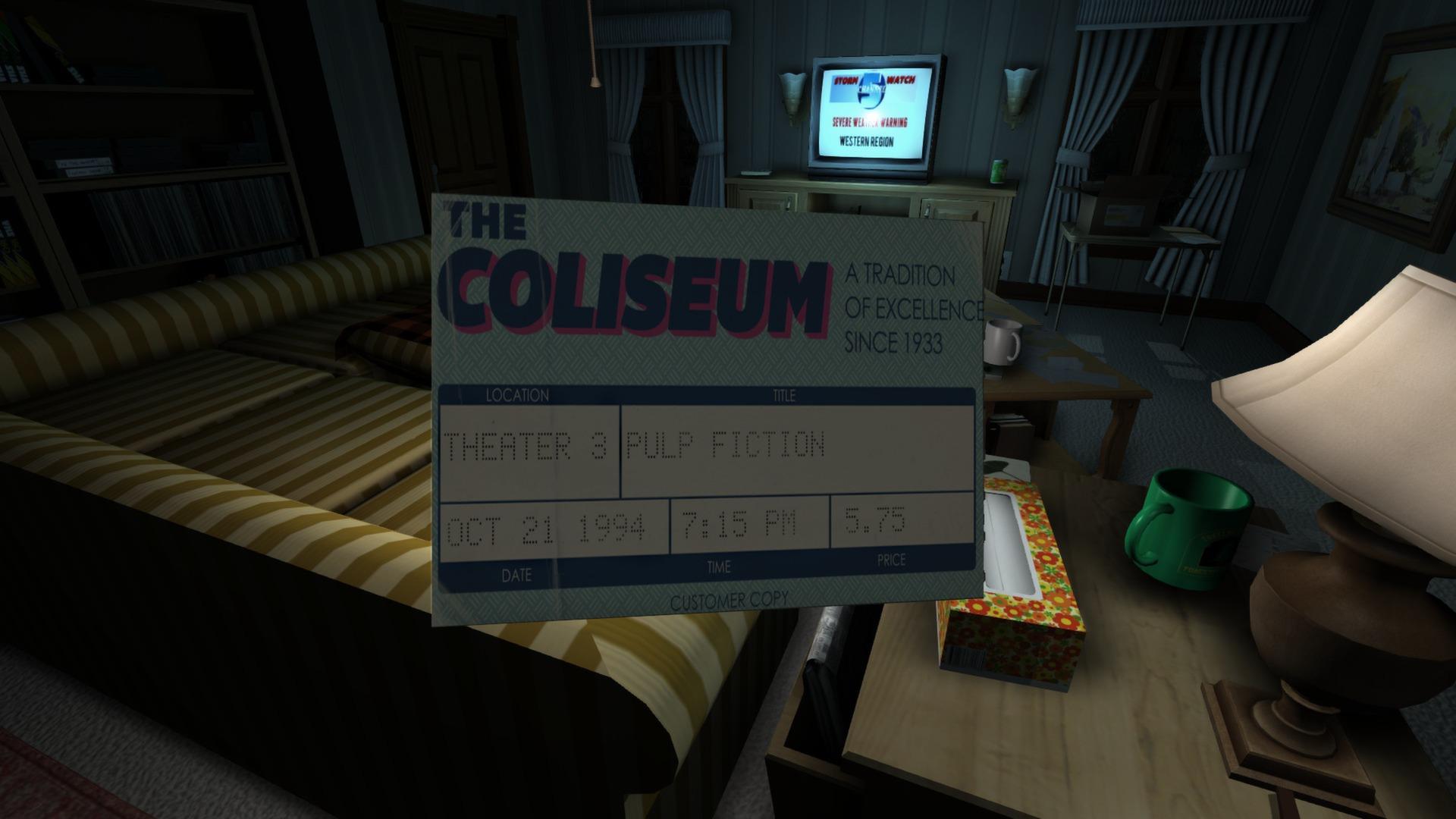
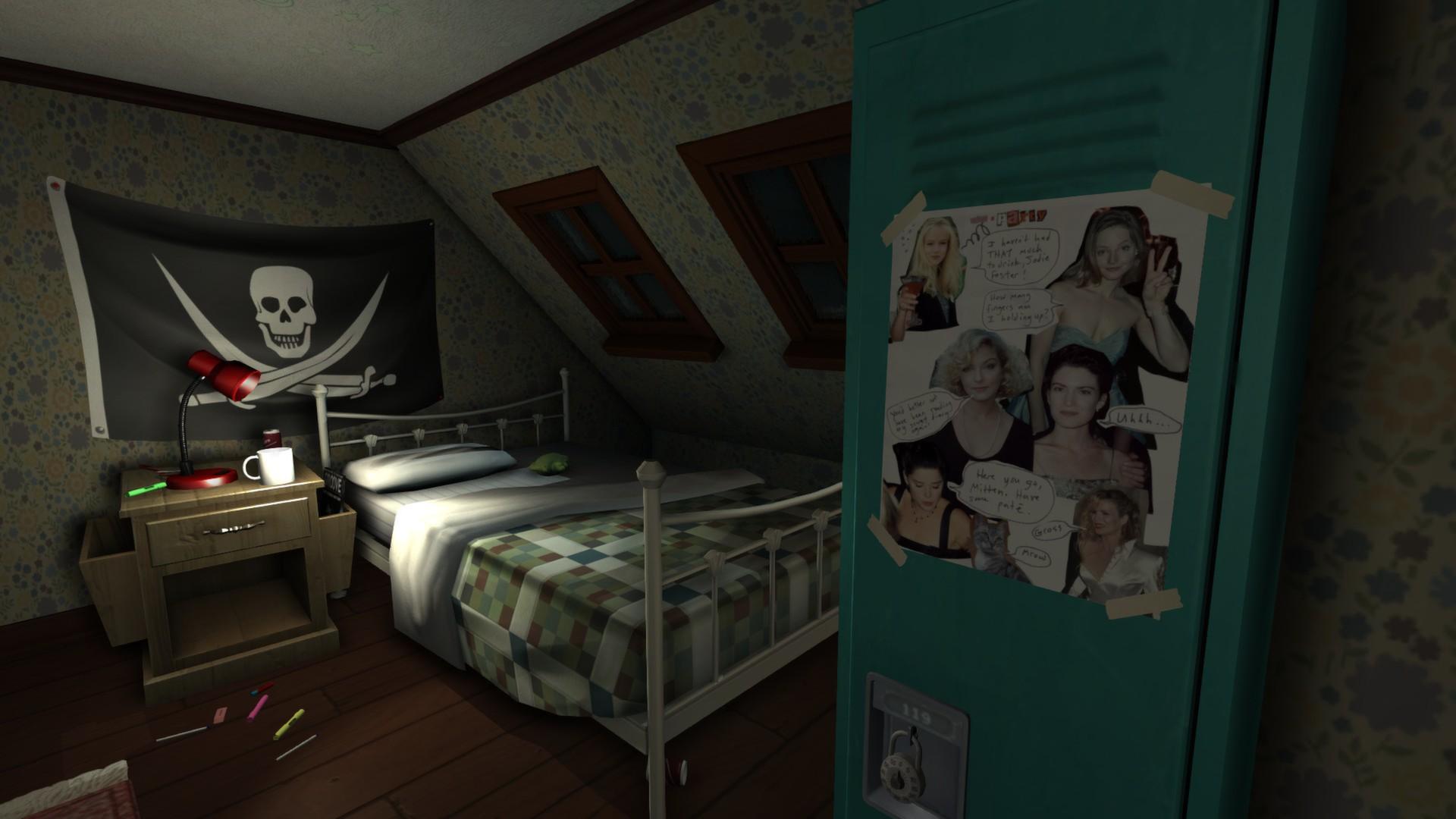
The Greenbriar house is set in Arbor Hill, Oregon, and carries the unmistakable texture of mid-90s American suburban life. VHS tapes, Super Nintendo cartridges, answering machine messages, and a television playing static all work together to make the house feel genuinely inhabited rather than dressed. The 1995 setting is not arbitrary. The music Sam listens to, the language she uses in her journal, the cultural references scattered throughout the house all anchor the story in a specific moment when those things carried specific weight.
The house itself is large enough to feel explorable but tight enough that nothing gets lost. Three floors, a basement, an attic, hidden passages behind bookshelves, and a secret room or two reward thorough players without punishing those who miss them.
Visual and audio design
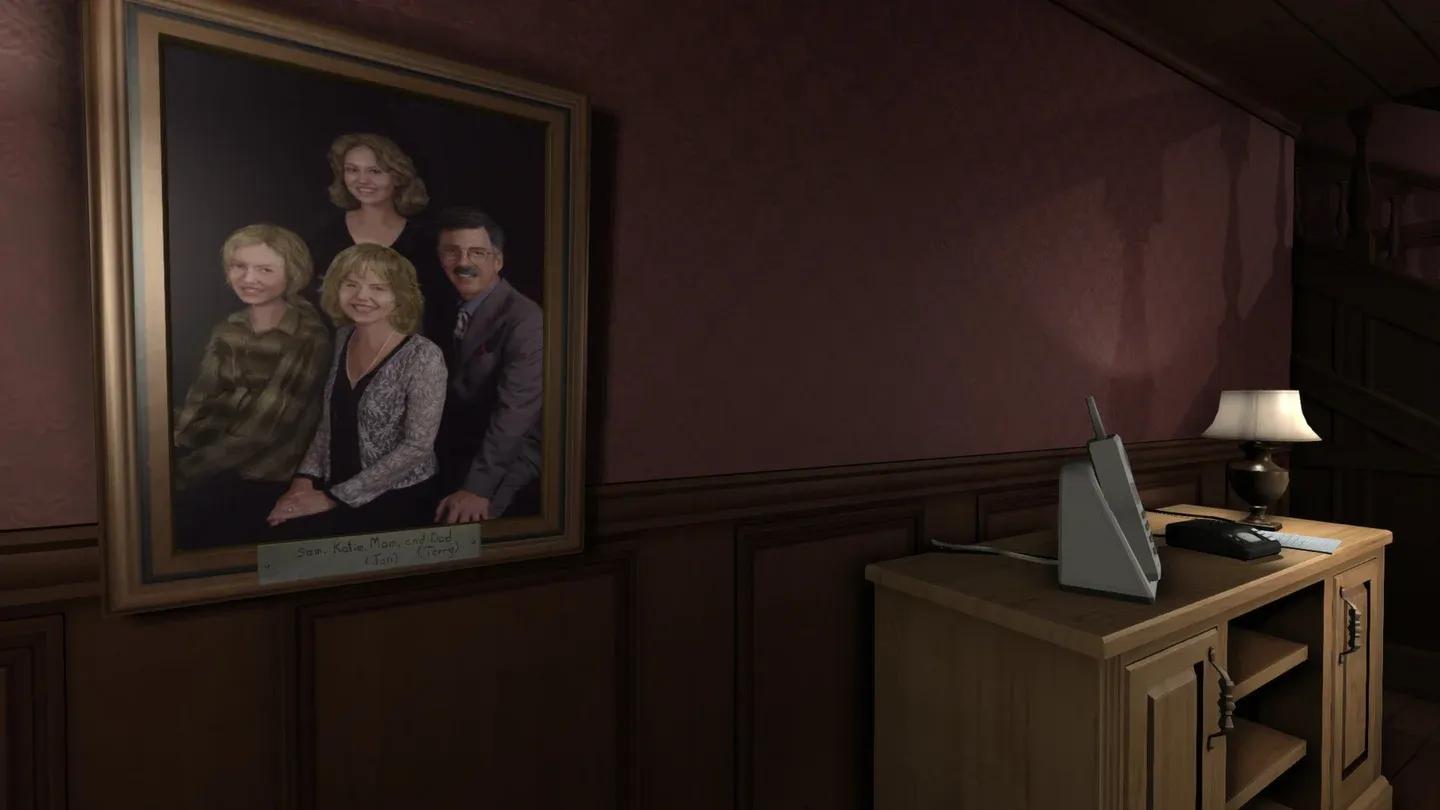
Fullbright built Gone Home on the Unity engine, and the visual style prioritizes readable detail over graphical spectacle. Every surface is legible. You can read the spines of books, make out the text on handwritten notes, and examine photographs closely enough to notice what's in the background. The art direction leans into domestic realism rather than anything cinematic.
The audio design carries most of the emotional weight. Chris Remo's original score, available separately on Bandcamp, moves between ambient unease and quiet warmth depending on where you are in the house. Sam's voiceover narration, delivered by Sarah Grayson, grounds the whole experience. The sound of rain against windows never stops, and after an hour it starts to feel like company.
Impact and legacy
Gone Home sits in a small category of games that genuinely changed what people thought games could be about. It helped establish the walking simulator as a legitimate genre label rather than a dismissal, and its approach to environmental storytelling influenced dozens of games that followed. The PlayStation 4 rating history alone shows nearly 29,000 ratings averaging 3.8 stars, which speaks to how broadly the game has traveled since its 2013 PC debut.
The game is available on Windows, macOS, PS4, Xbox One, Nintendo Switch, iOS, Android, Steam, and the Epic Games Store, with developer commentary included in later versions that offers a genuinely interesting look at how specific design decisions were made. For anyone interested in narrative games or story-driven exploration, Gone Home remains one of the clearest examples of the form working exactly as intended.