Overview
Gran Turismo 7 is a racing simulation developed by Polyphony Digital and published by Sony Interactive Entertainment, released on March 4, 2022 for PlayStation platforms. The game positions itself as the definitive Real Driving Simulator experience, pulling together decades of series history into one package. GT Campaign, Driving School, Arcade Mode, and the competitive GT Sport Mode all coexist here, giving the game a scope that few racing titles attempt.
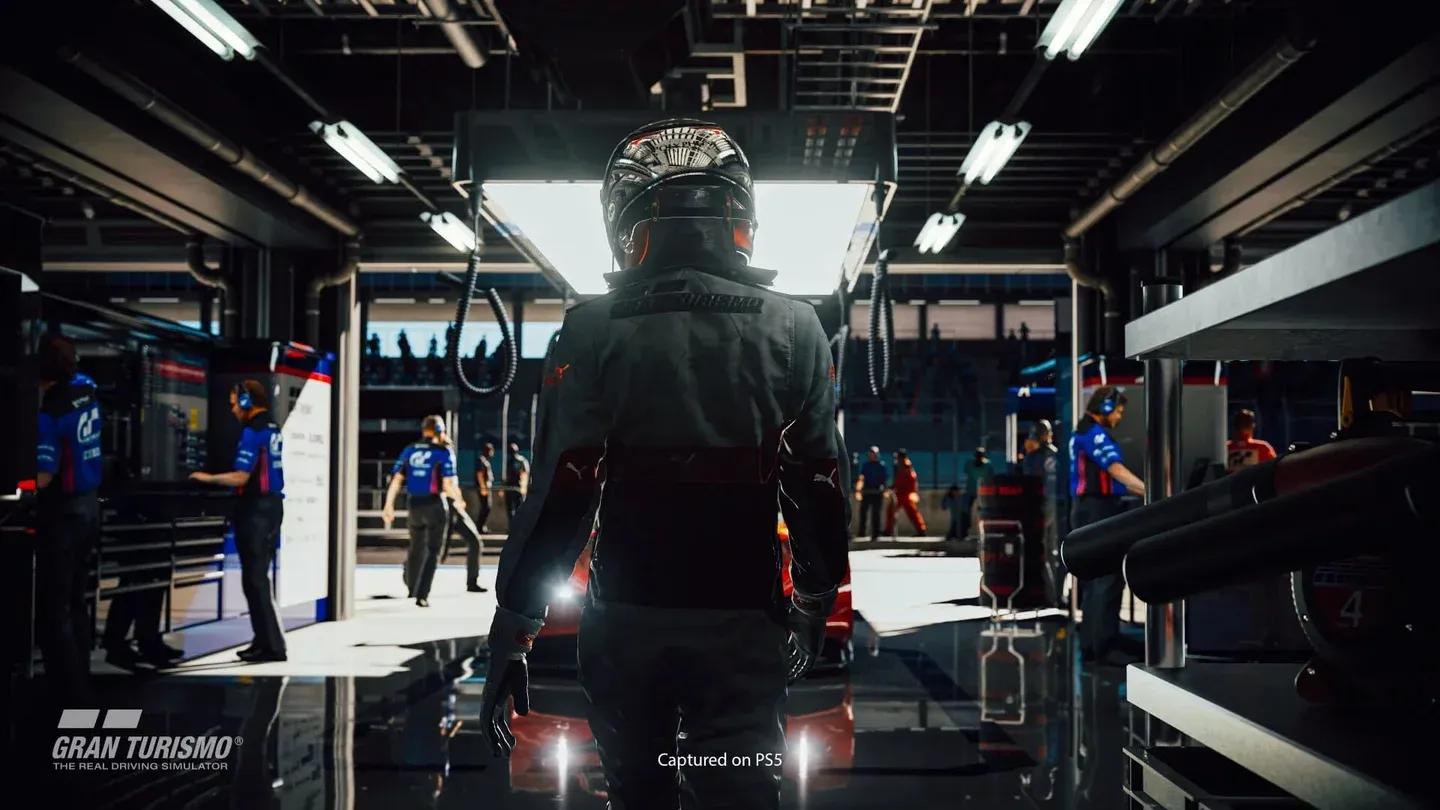
The reintroduction of GT Simulation Mode is the headline feature for long-time fans. You buy cars, tune them, race them, and sell them as you work through a solo campaign that gradually opens up new vehicles and challenges. It is a progression loop that the series had moved away from in recent entries, and its return brings back the collector mentality that defined the early PlayStation-era Gran Turismo games.
Gameplay and mechanics
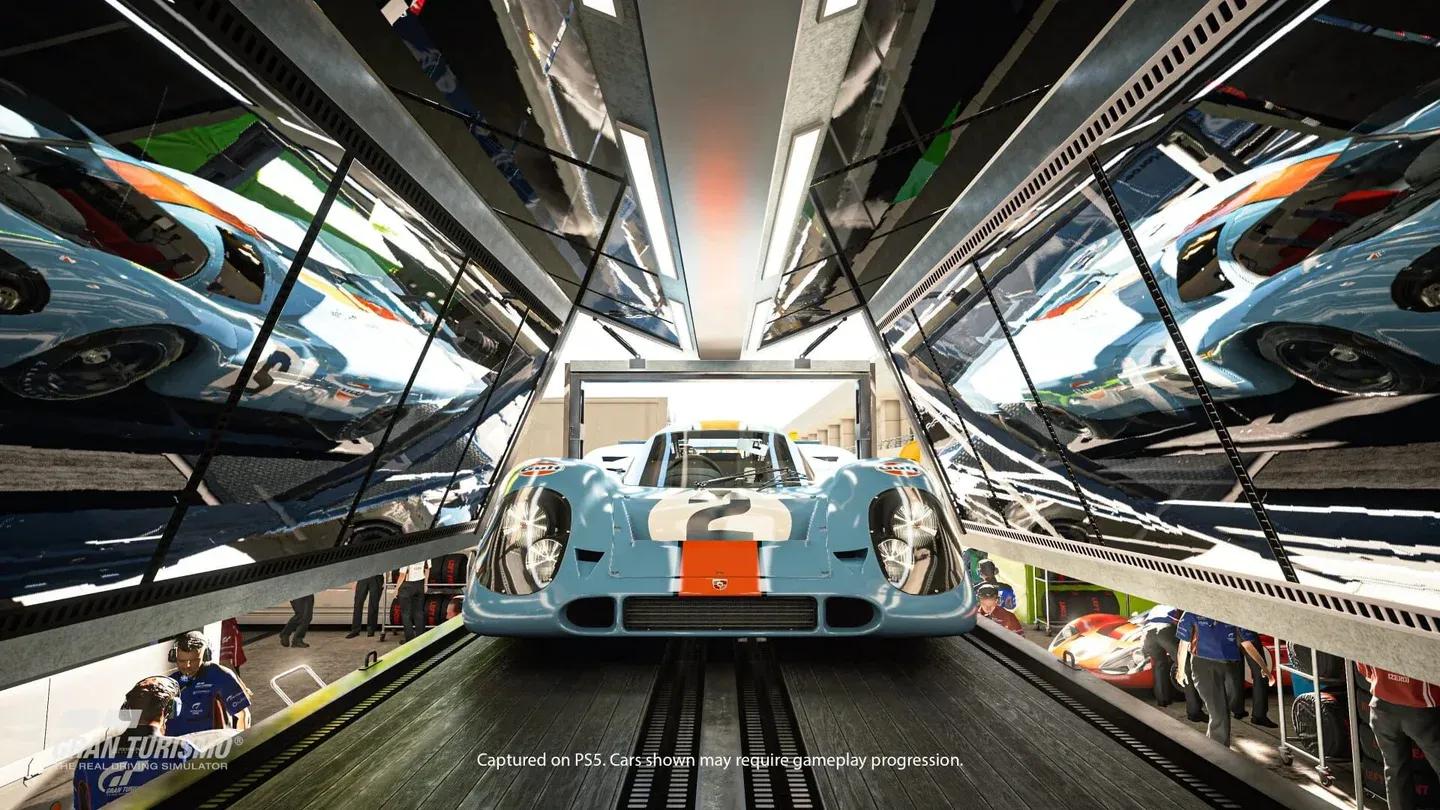
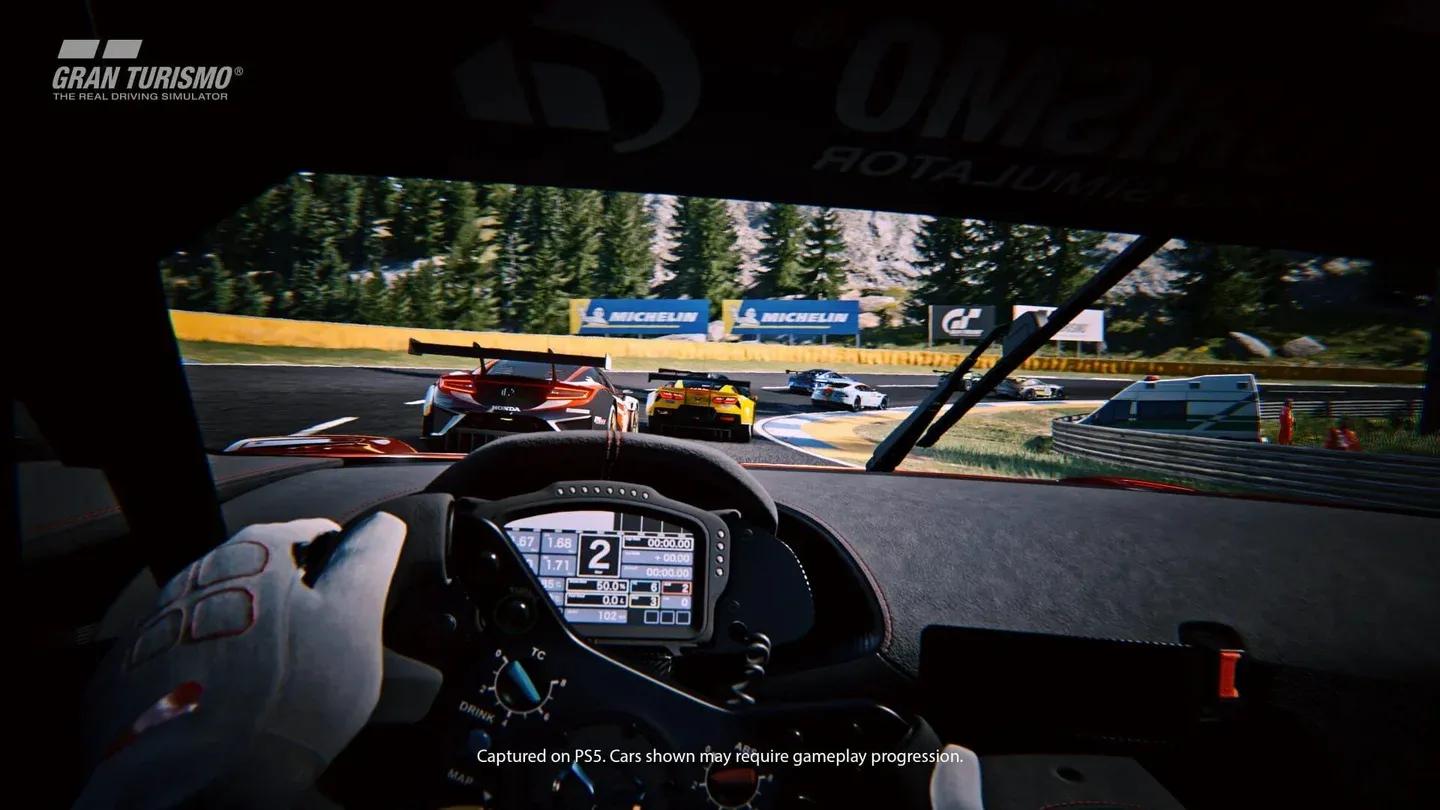
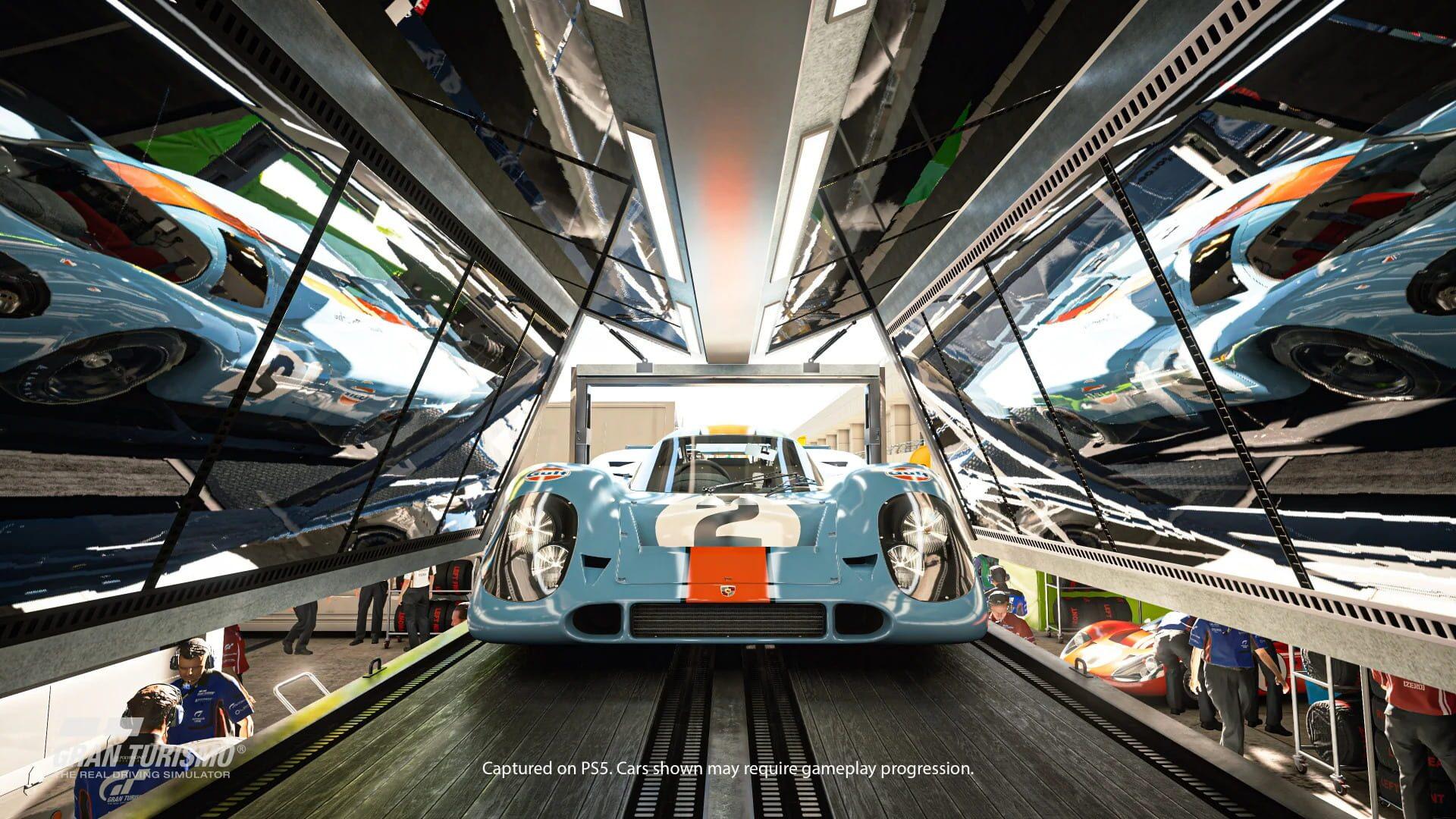
The core loop in Gran Turismo 7 sits at the intersection of racing game and car encyclopedia. The game ships with hundreds of cars spanning road cars, race cars, and historic vehicles, each modeled with the kind of specificity that makes the differences between them feel meaningful on track.
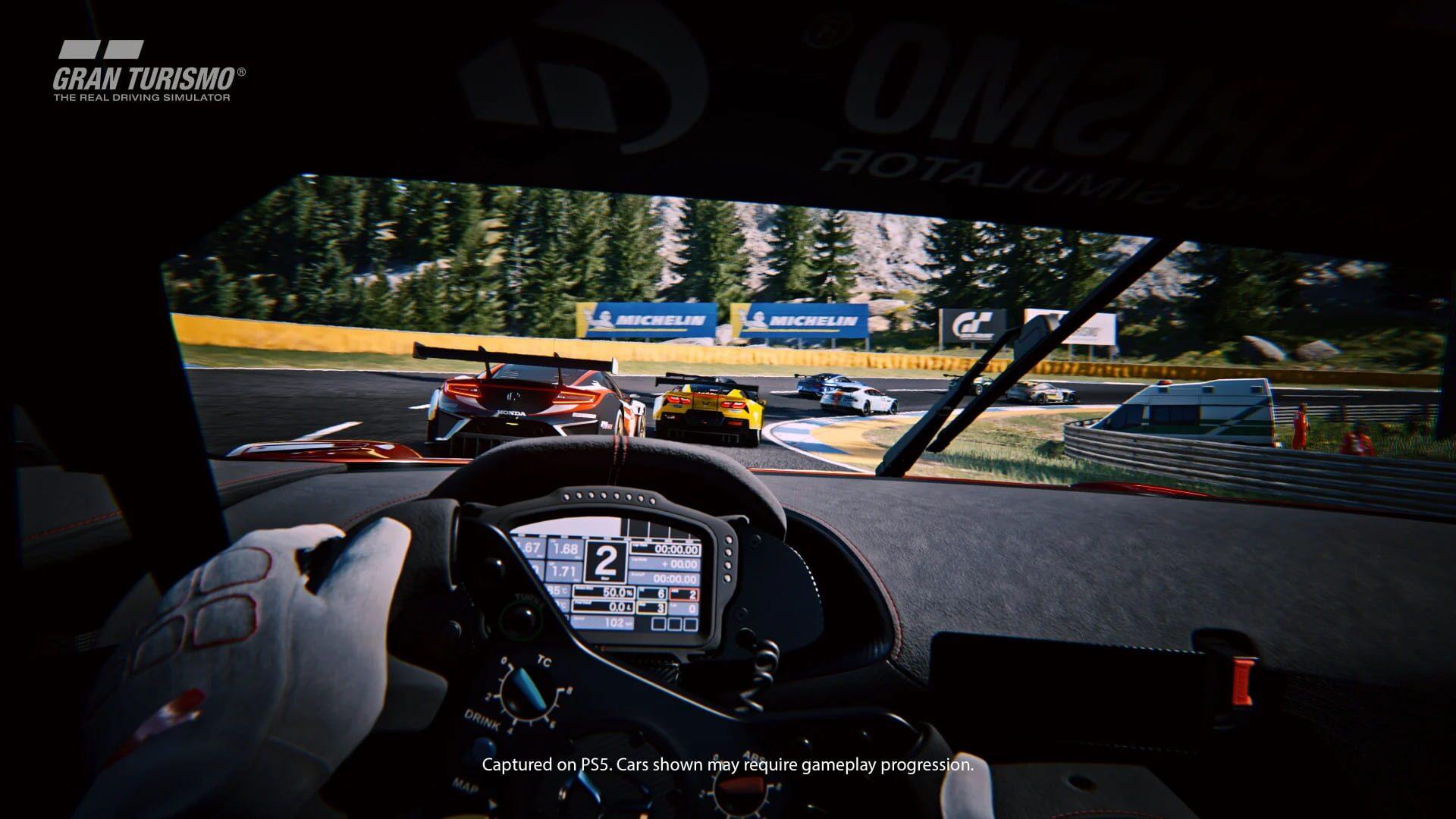
Key gameplay systems include:
- Car tuning across suspension, drivetrain, and power output
- Livery designer for custom paint and decals
- Driving School for learning racing fundamentals
- GT Simulation Mode campaign progression
- GT Sport Mode for competitive online racing
Polyphony Digital builds the handling model around making each car feel distinct. A front-wheel-drive hatchback and a rear-engined sports car handle nothing alike, and the tuning system gives you enough control to genuinely change how a car behaves rather than just nudging numbers.
What does GT Sport Mode offer competitive players?
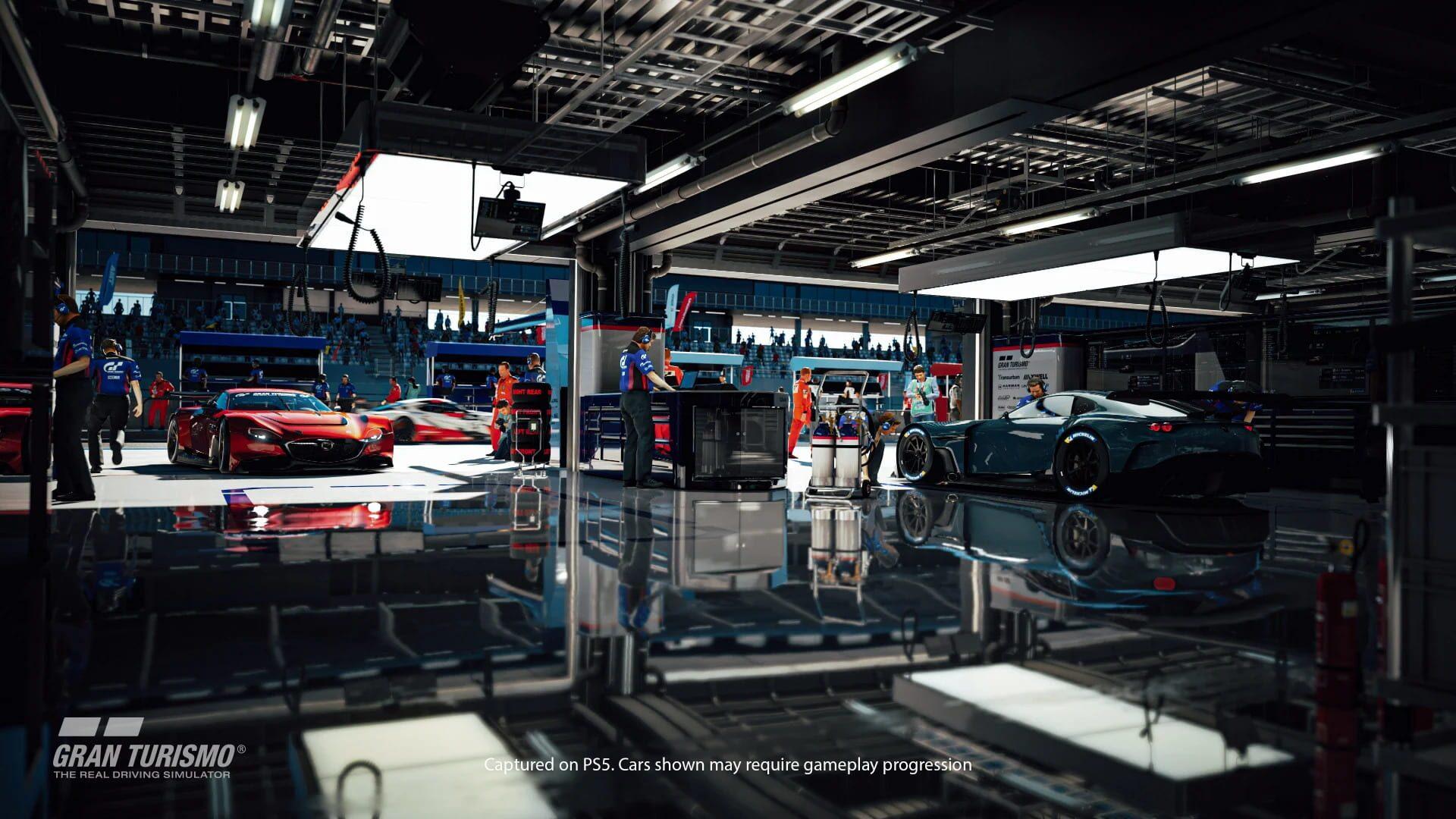
GT Sport Mode is where Gran Turismo 7 connects to the broader racing game community. It hosts structured online races with Sport Daily Races, which rotate on a regular schedule, and the FIA-certified championship events that Polyphony has used to bridge the gap between sim racing and real-world motorsport recognition.
The Sport Rating and Sportsmanship Rating systems track how cleanly and competitively you race online. Penalties for contact and corner-cutting are built into the system, which pushes the online environment toward racing that resembles actual motorsport etiquette more than the chaos you get in most online racing games.
Visual and audio design
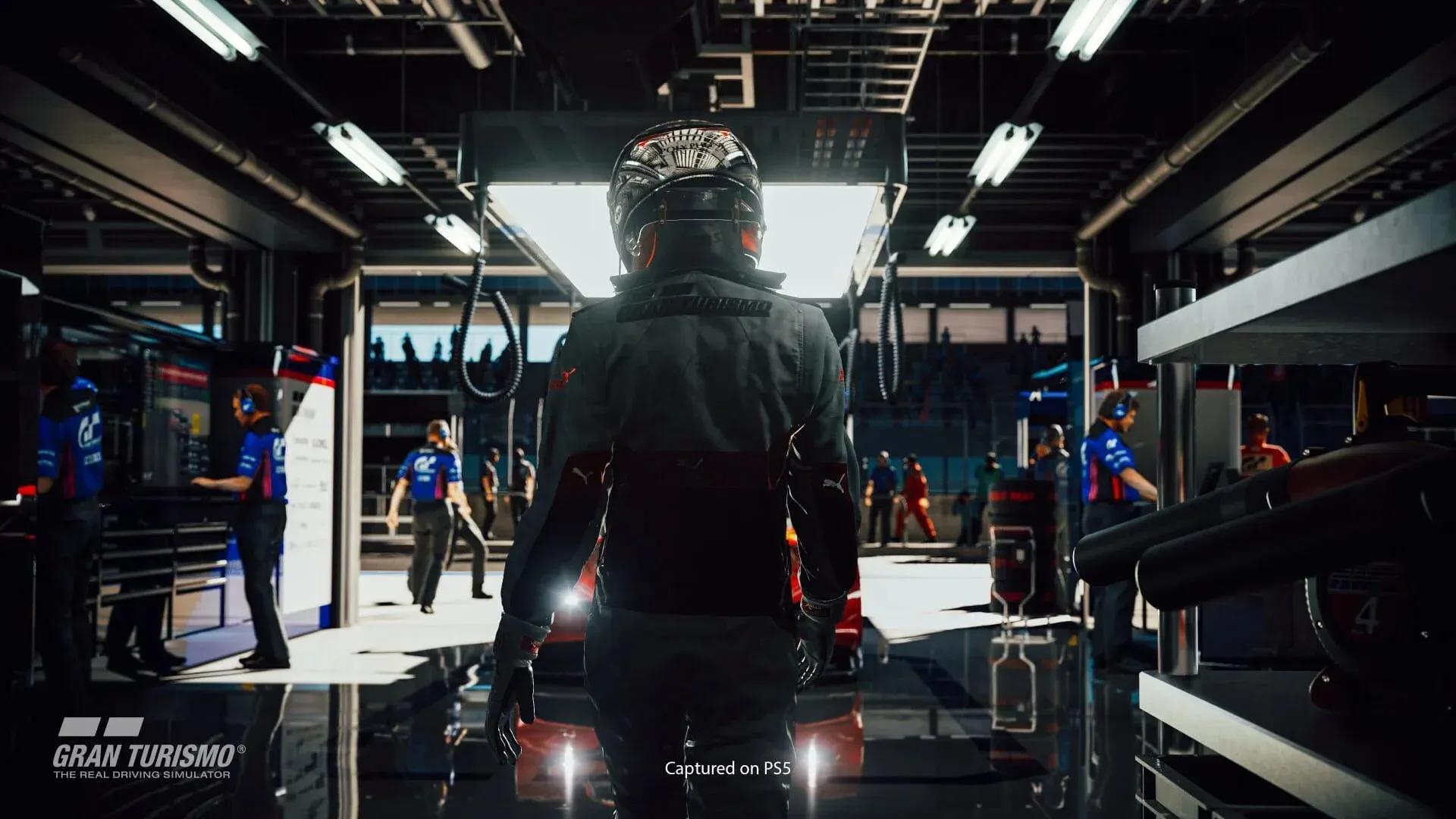
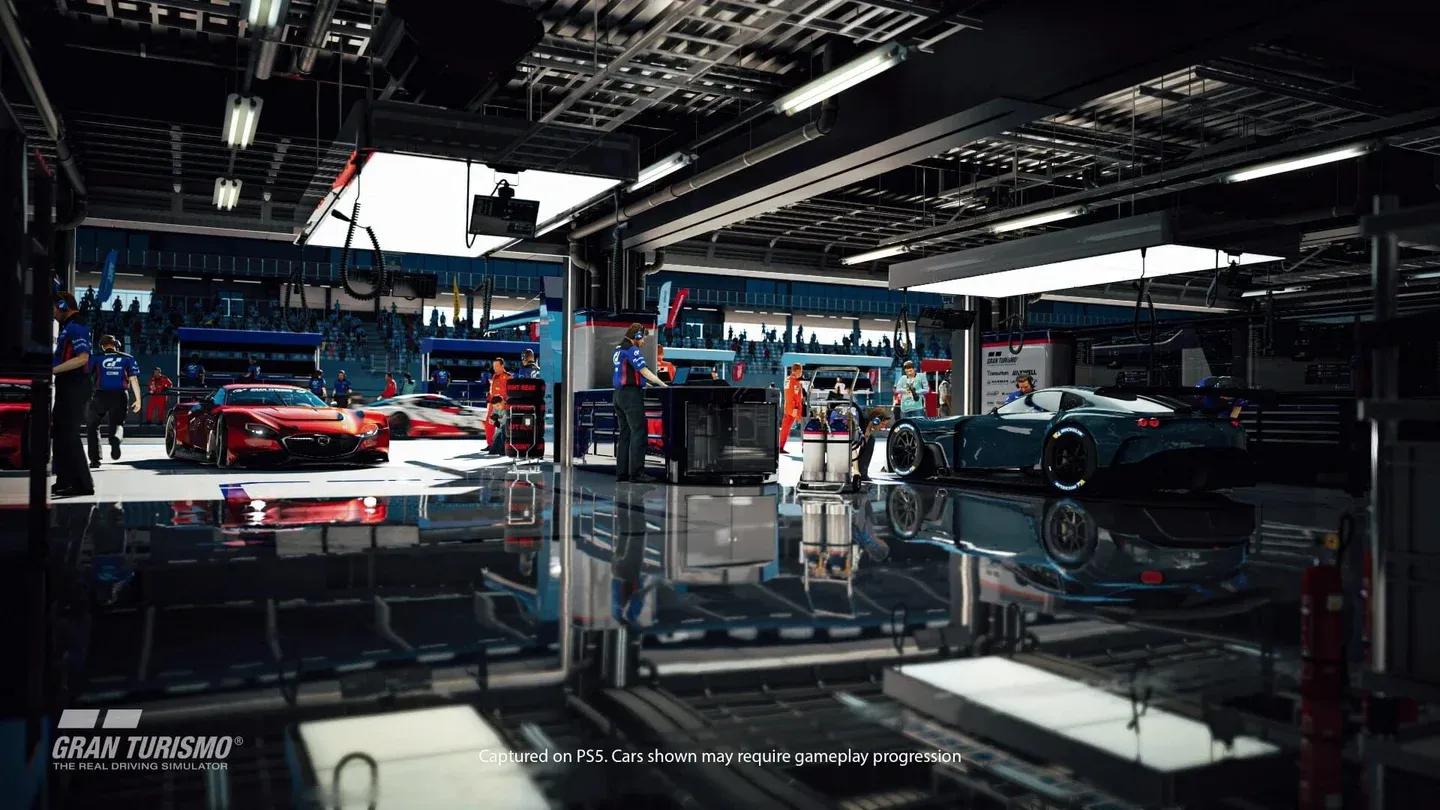
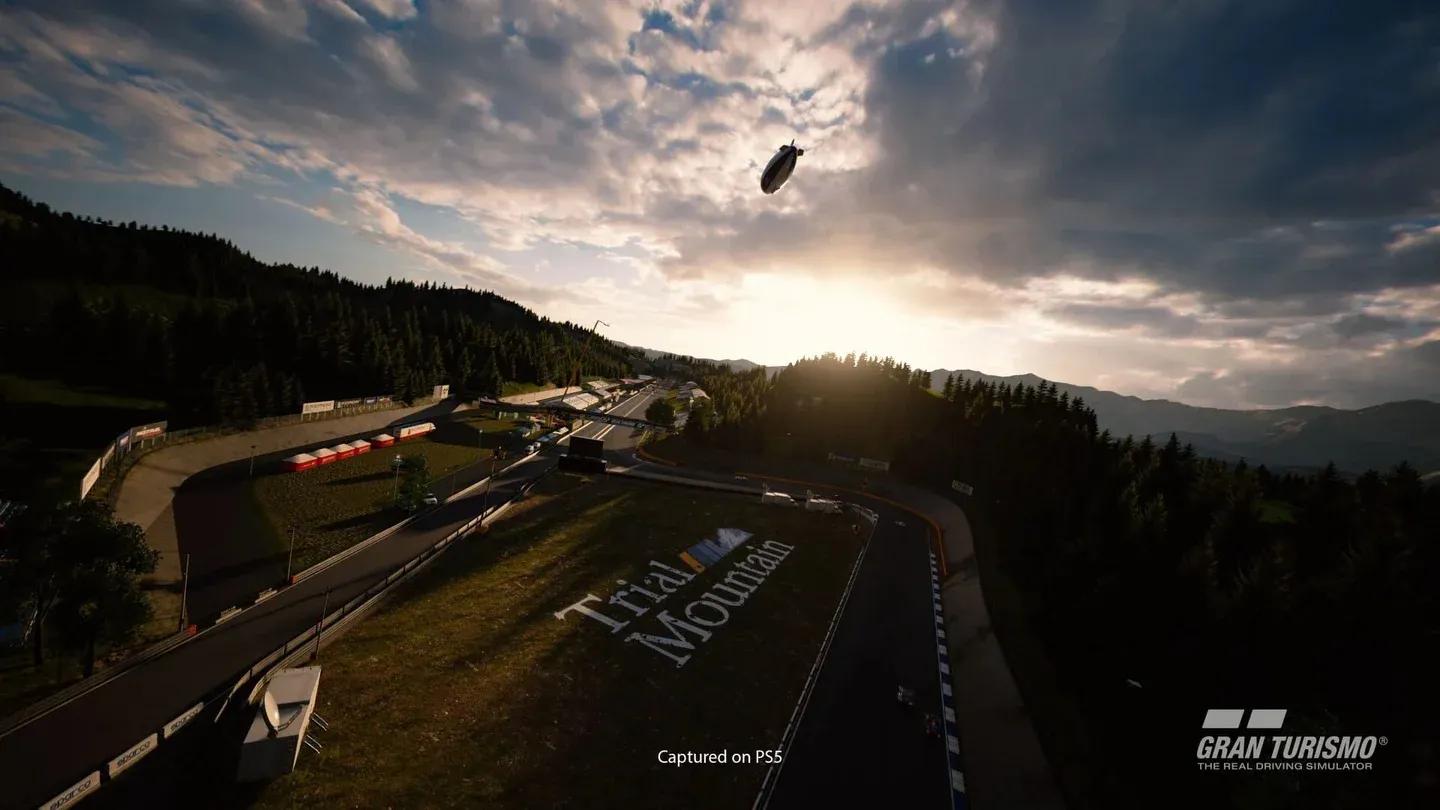
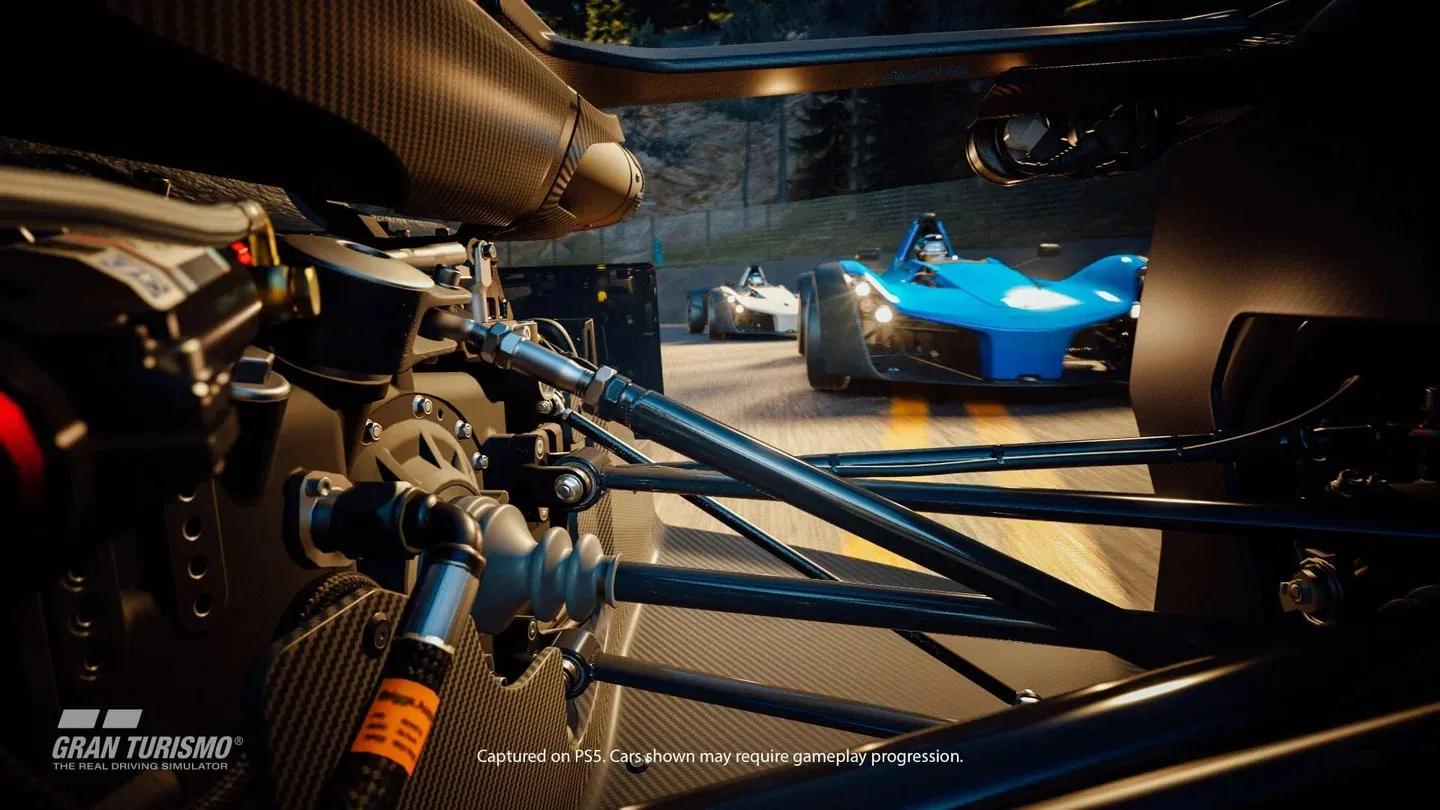
Gran Turismo 7 is one of the better-looking racing games available on PlayStation 5, with car models that hold up under the Scapes photo mode scrutiny the series has built a reputation around. Scapes places cars in real-world photographic backdrops, and the results are detailed enough that distinguishing them from actual car photography takes genuine effort.
The audio side gets less attention in most discussions of the game, but Polyphony spent considerable time reworking engine sounds for GT7. Naturally aspirated engines, turbocharged cars, and electric vehicles all have distinct audio profiles, which adds another layer to the sense that each car in the garage is its own thing.
Community and content depth
Gran Turismo 7 supports a community layer where players share livery designs, tuning setups, and race photos. The Livery Editor is detailed enough that players produce work that circulates widely, and the photo sharing tools connect to the broader car photography culture that has always sat alongside the Gran Turismo series.
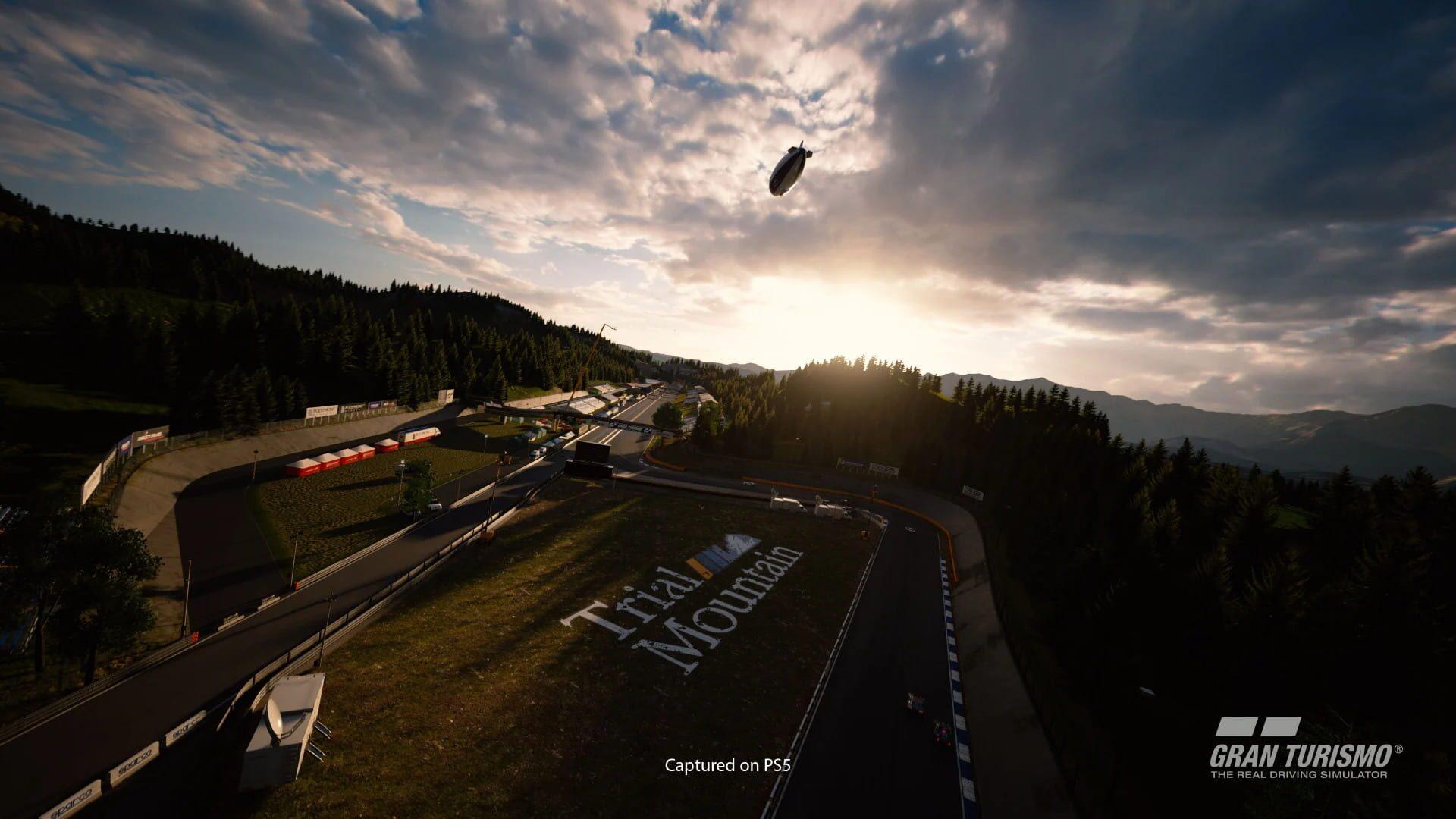
Polyphony has continued adding cars and content to GT7 post-launch through free updates, which has steadily grown the car count and added new tracks. For a racing simulation that rewards the kind of obsessive attention to cars and driving that the genre attracts, Gran Turismo 7 remains one of the most fully realized options available.