Advertisement

Overview
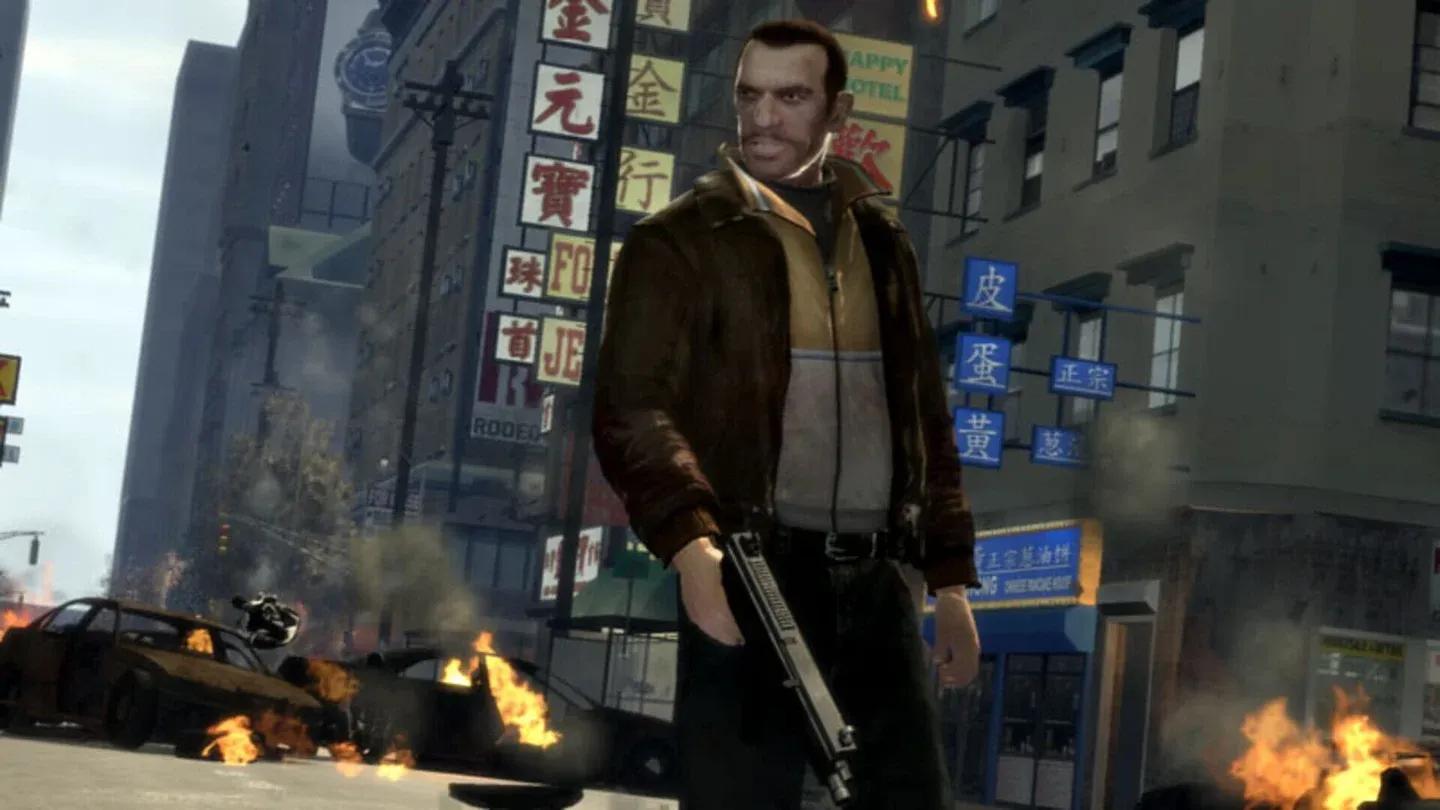
Grand Theft Auto IV arrived in April 2008 as the eleventh entry in Rockstar North's long-running series, and it made an immediate statement by pulling back from the sprawling silliness of San Andreas. This was a deliberate reset, trading the cartoon energy of its predecessors for a grounded, cinematic tone rooted in immigration, family, and the slow corruption of idealism. The result was one of the most acclaimed games of its generation, scoring near-perfect reviews across PlayStation 3, Xbox 360, and PC.
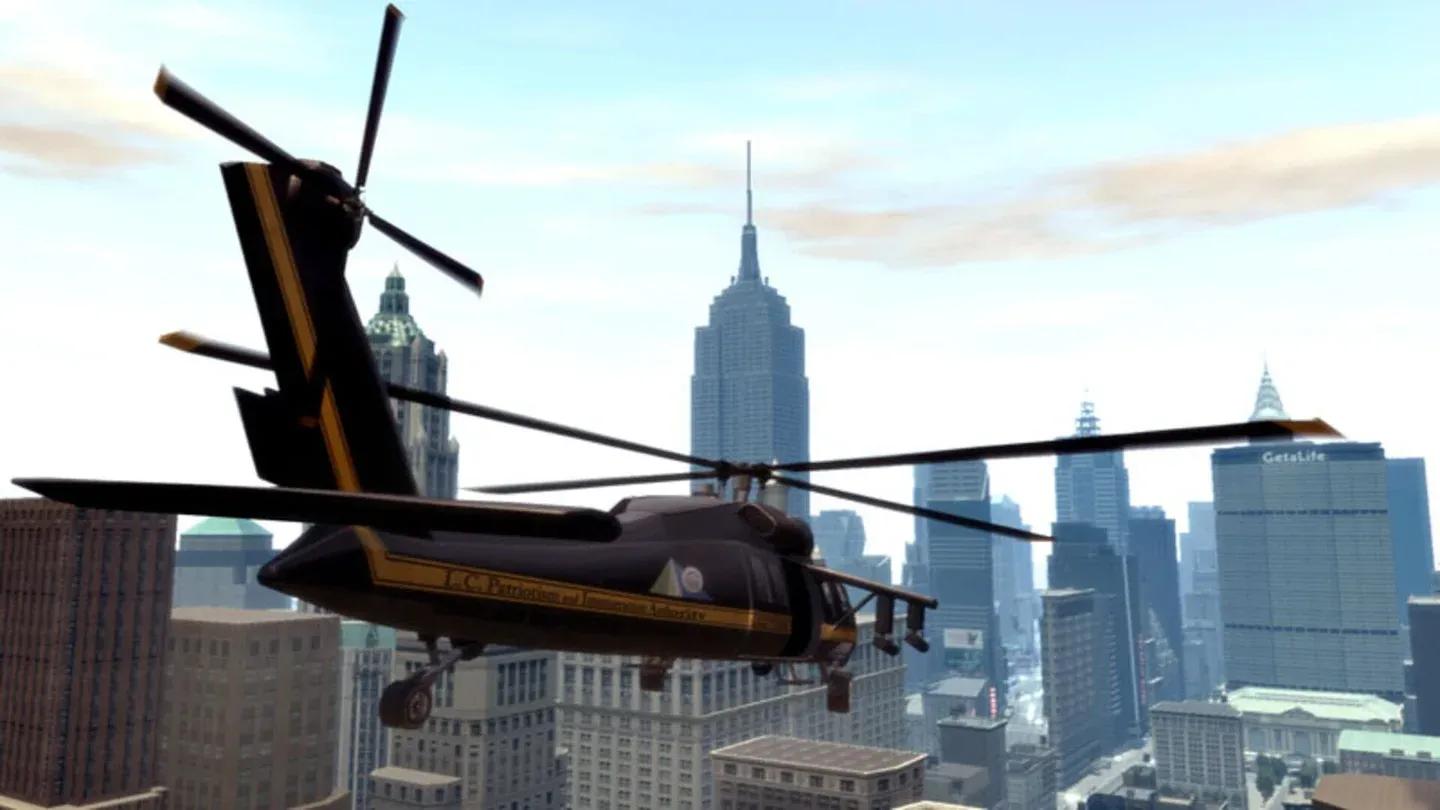
The city itself is Liberty City, a thinly veiled recreation of New York that covers four boroughs and feels genuinely alive. Street vendors hawk food that restores health. Bars have working dart boards. There are bowling alleys, comedy clubs, and a functioning in-game internet. Rockstar built a world where you could spend hours doing nothing mission-related and still feel like you were inhabiting a real place.
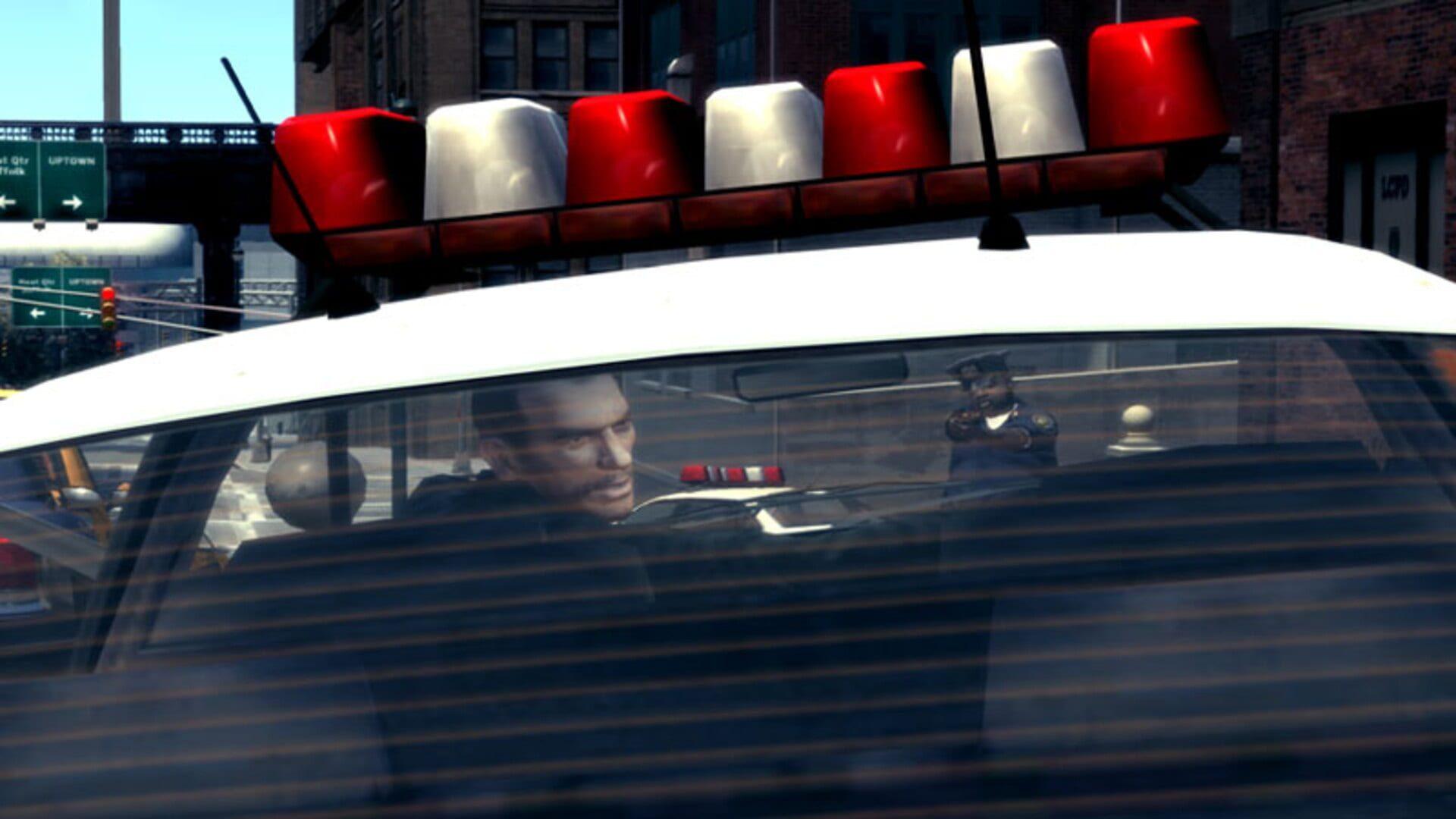
World and setting: Liberty City as a character
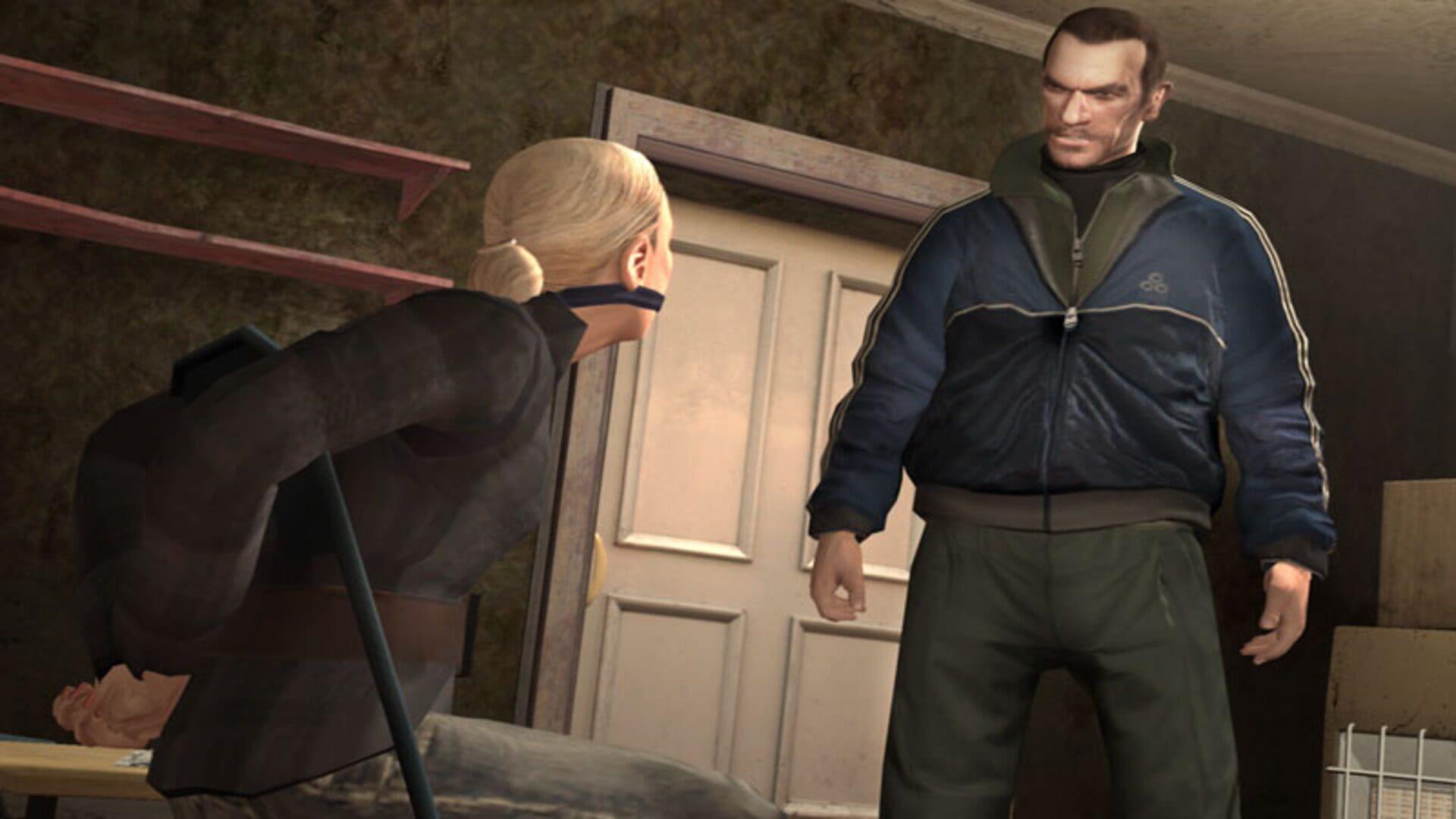
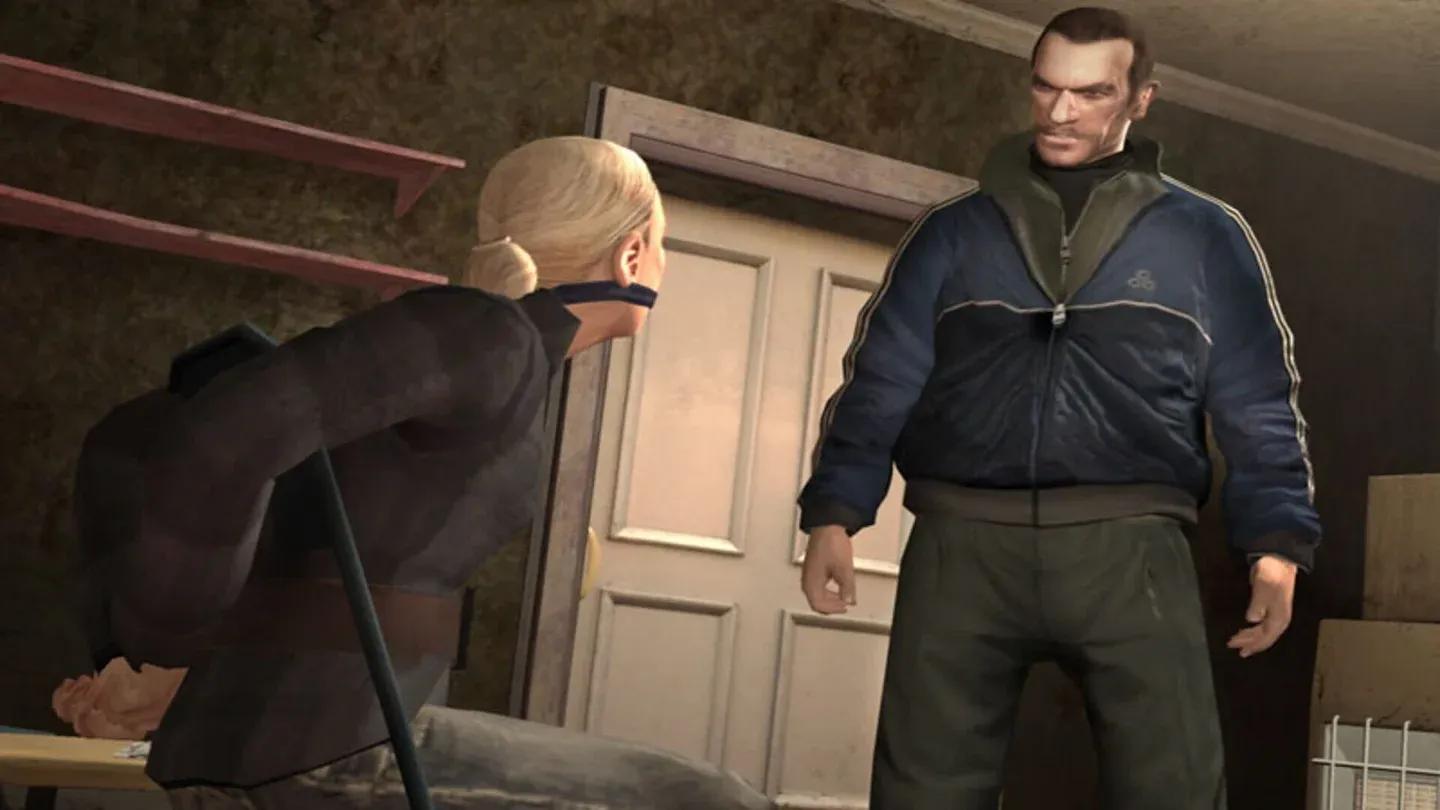
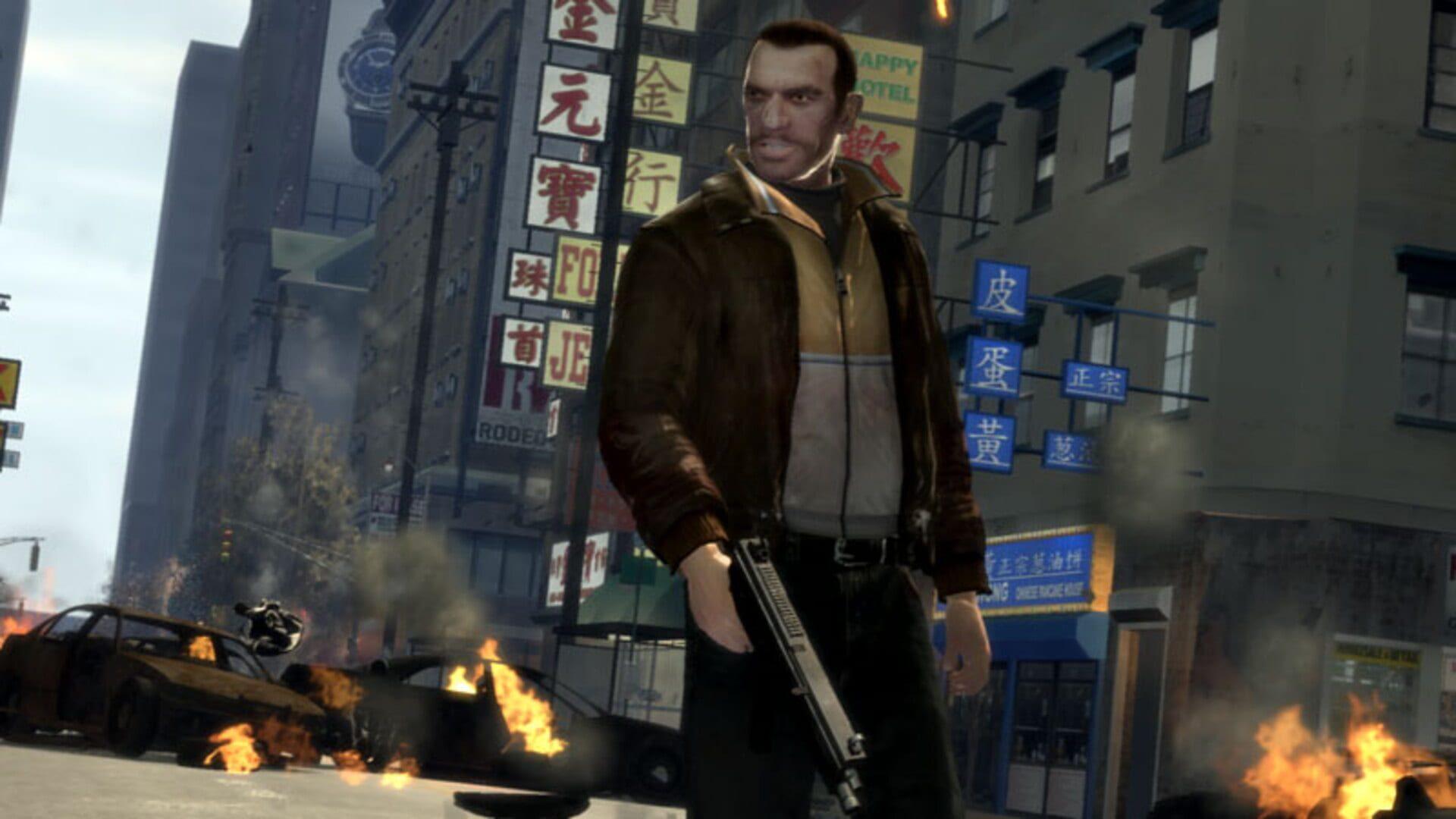
Niko Bellic is the game's anchor. A veteran of an unnamed Eastern European war, he arrives in Liberty City chasing stories his cousin Roman has been sending home about mansions and fast cars. The reality is a cramped apartment and a taxi business drowning in debt. That gap between the promise and the truth drives the entire story, and the game never lets you forget it. Niko's interactions with Liberty City's criminal ecosystem feel earned rather than arbitrary, because his motivations are clear from the opening hour.
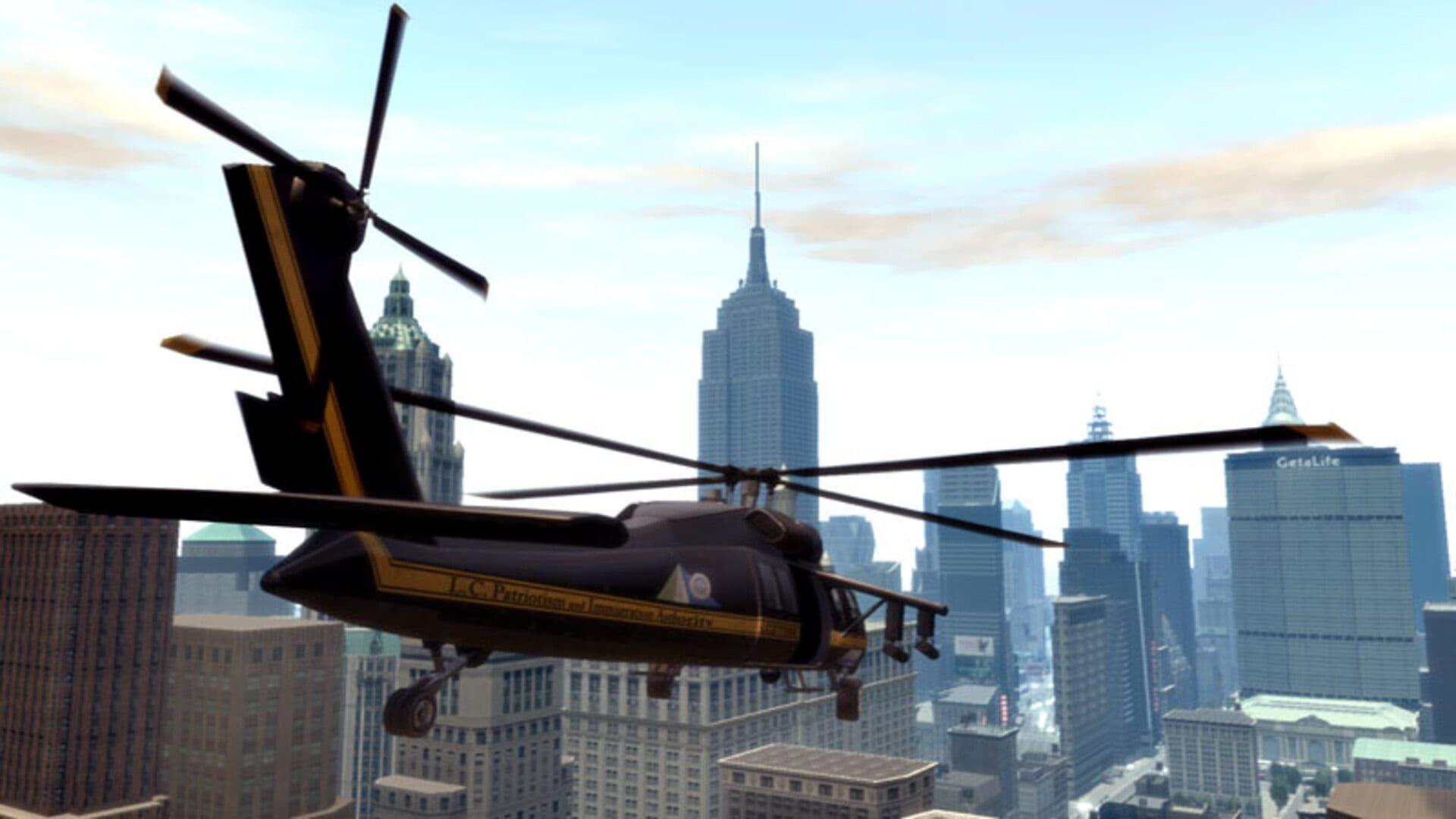
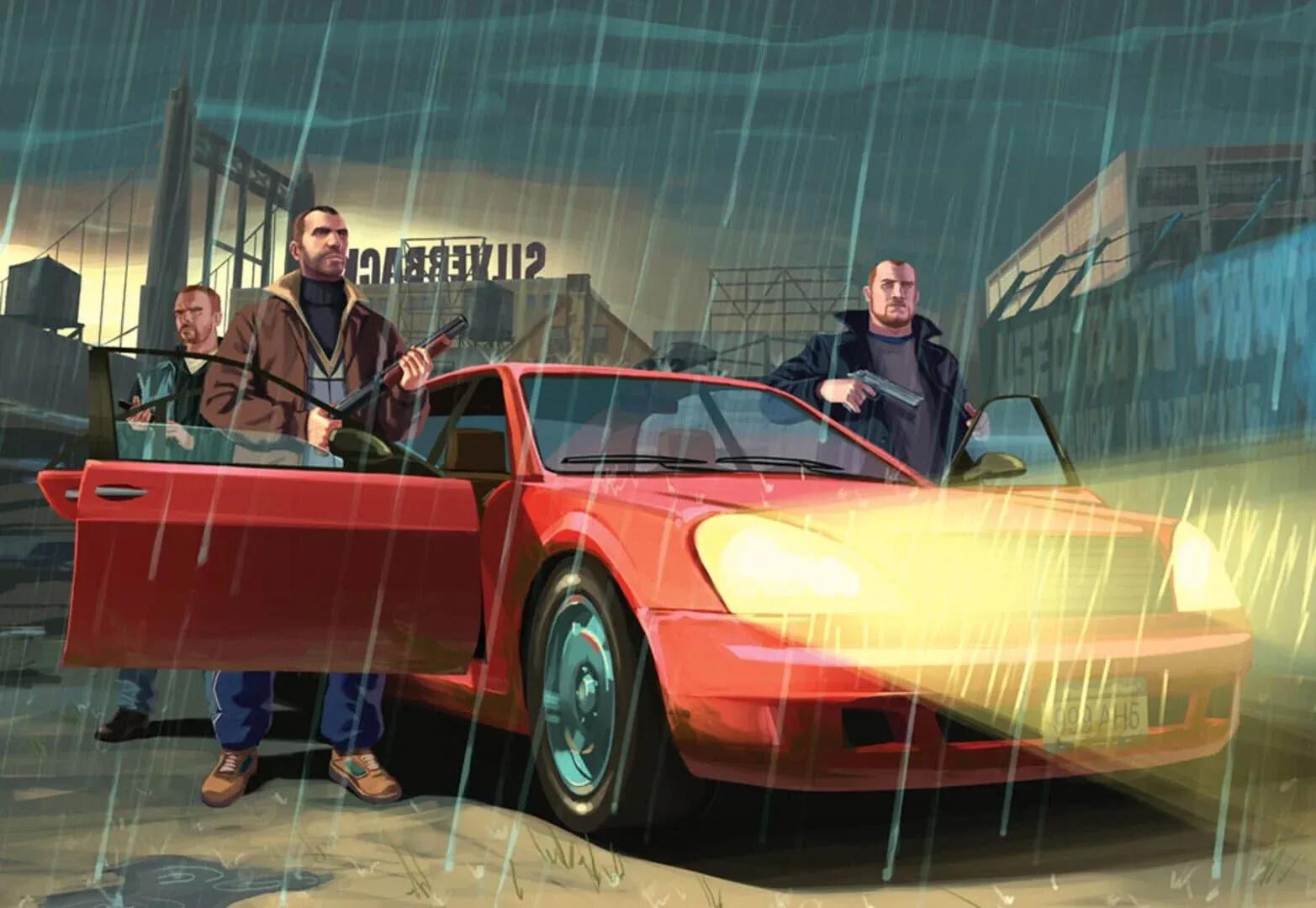
The city's design reinforces the tone. Rain-slicked streets, dense traffic, and a visual palette that leans toward grey and amber give Liberty City a weight that earlier GTA entries never attempted. The physics system, which drew significant attention at launch, makes every car chase and on-foot confrontation feel consequential. Vehicles handle differently based on weight and speed. Niko stumbles when hit. The world pushes back.
Gameplay and mechanics: crime, cover, and consequence
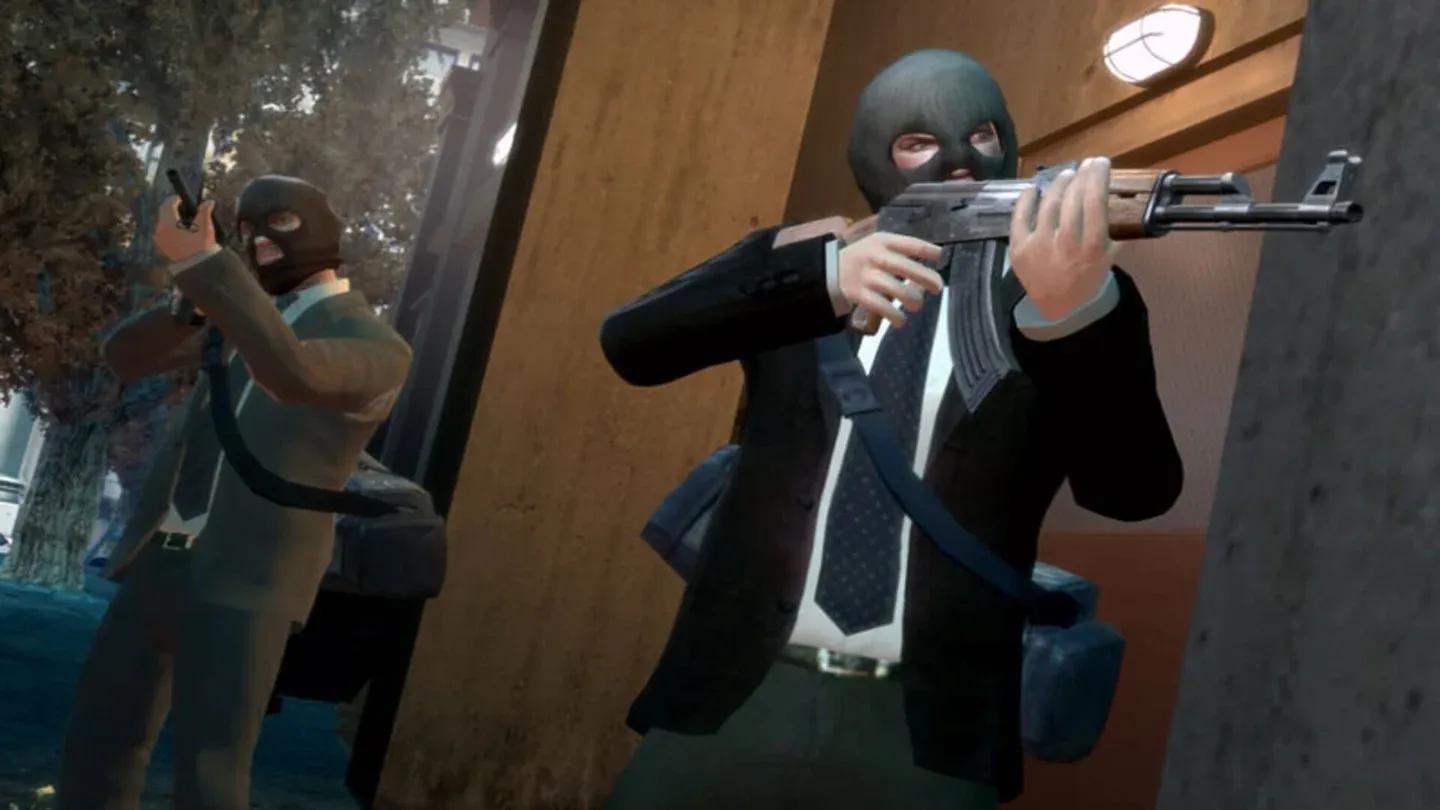
At its core, GTA IV is a third-person open-world action game built around driving and gunplay, but the systems underneath are more considered than that summary suggests. Key mechanics include:
- Cover-based shooting with contextual lean and blind fire
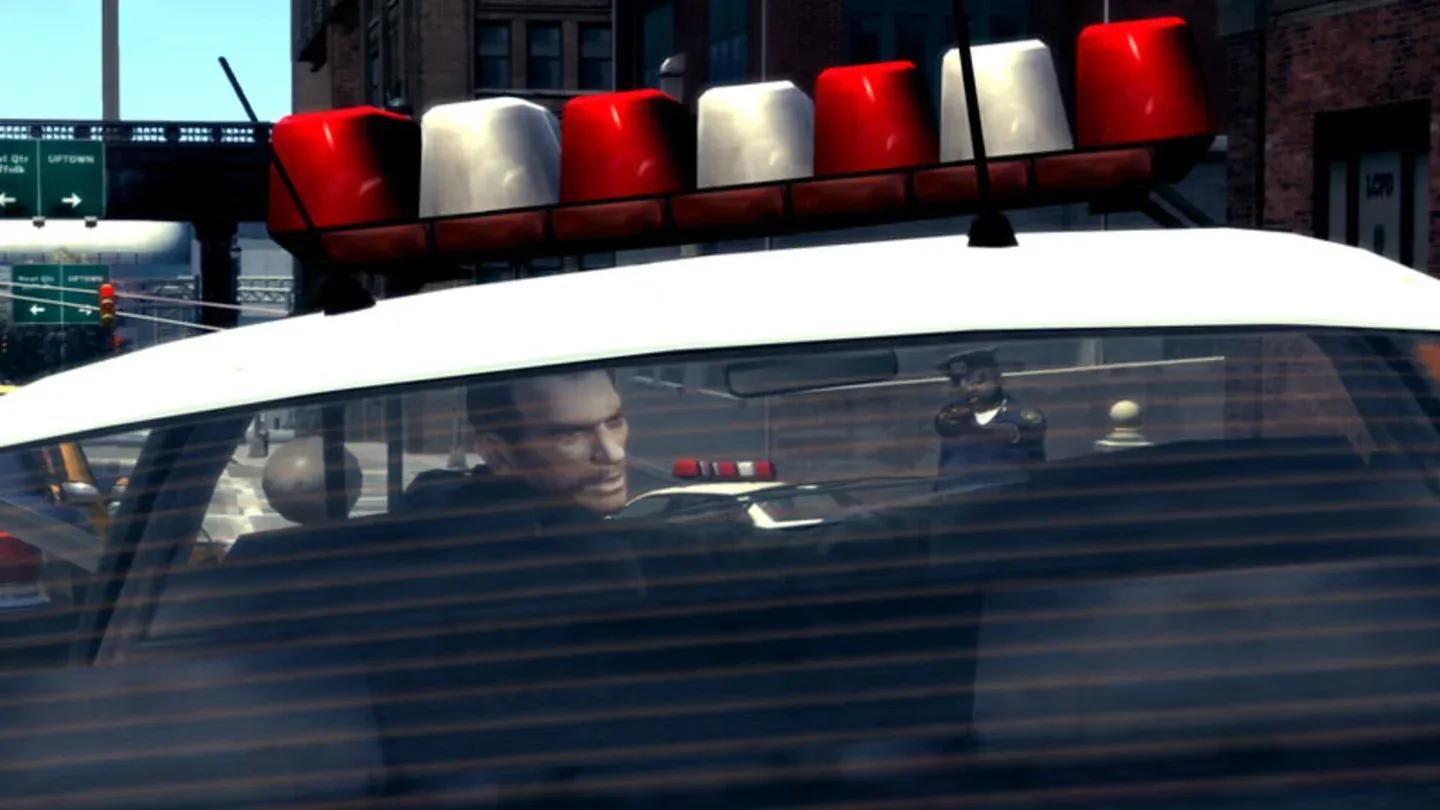
- A wanted system that escalates based on witness and police response
- A mobile phone used to manage missions, relationships, and activities
- Vehicle theft with varying alarm and resistance responses
- A friendship system that unlocks perks from recurring NPCs
The relationship system deserves particular attention. Niko can call friends and strangers to hang out, go bowling, or catch a show. Maintaining these relationships unlocks practical bonuses, like a free helicopter ride or a stolen car delivery. The system sounds trivial, but it does genuine work in making Liberty City feel populated by people rather than quest dispensers.
Multiplayer and social: 32 players in the same city
GTA IV's online multiplayer mode supports up to 32 players in a recreation of the single-player city. The mode includes races, deathmatches, and co-operative missions, with free-roam sessions that let players simply exist in the world together. For 2008, the scope was impressive, and the free-roam format laid conceptual groundwork that GTA Online would later build into something far larger.
Content and replayability: the Complete Edition and its expansions
Two story expansions extend the game significantly. The Lost and Damned follows biker gang member Johnny Klebitz, while The Ballad of Gay Tony centers on nightclub manager Luis Lopez. Both stories intersect with the main campaign in ways that reward players who complete all three, and both are included in the Complete Edition available on Steam and the Rockstar Games Launcher. The Complete Edition represents the definitive way to experience GTA IV, packaging roughly 60 to 70 hours of story content across all three interconnected narratives into a single purchase.