Advertisement

Overview
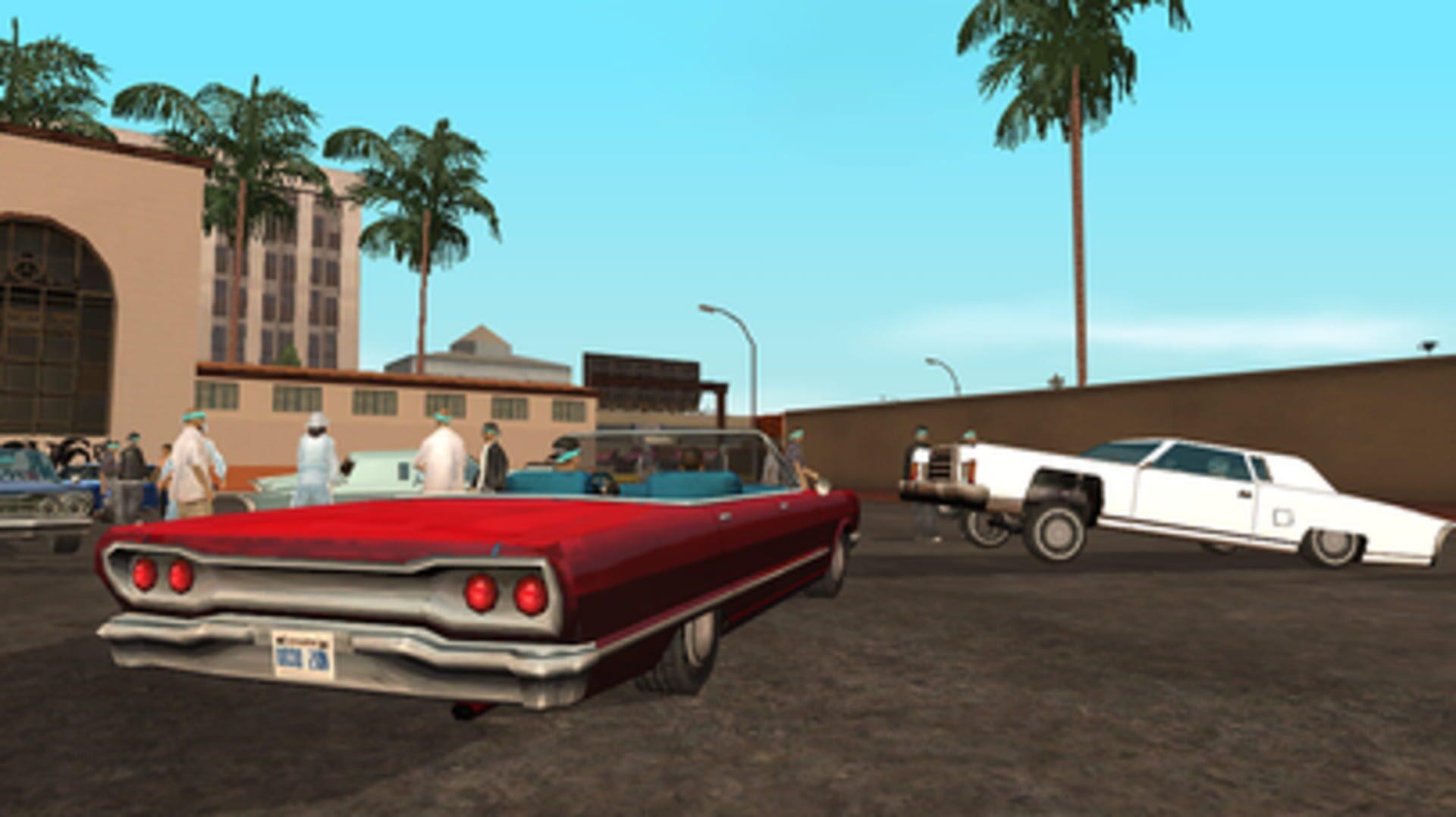
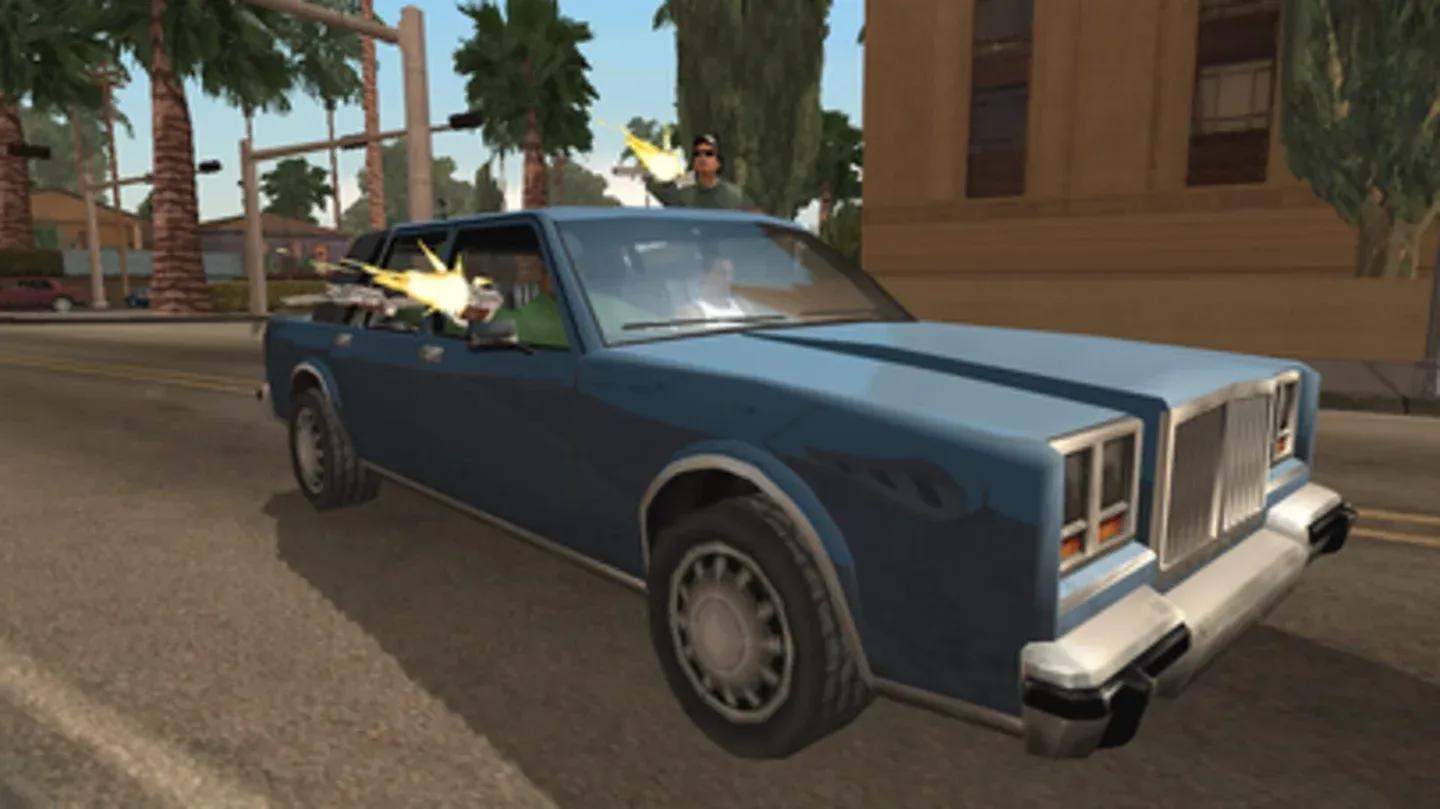
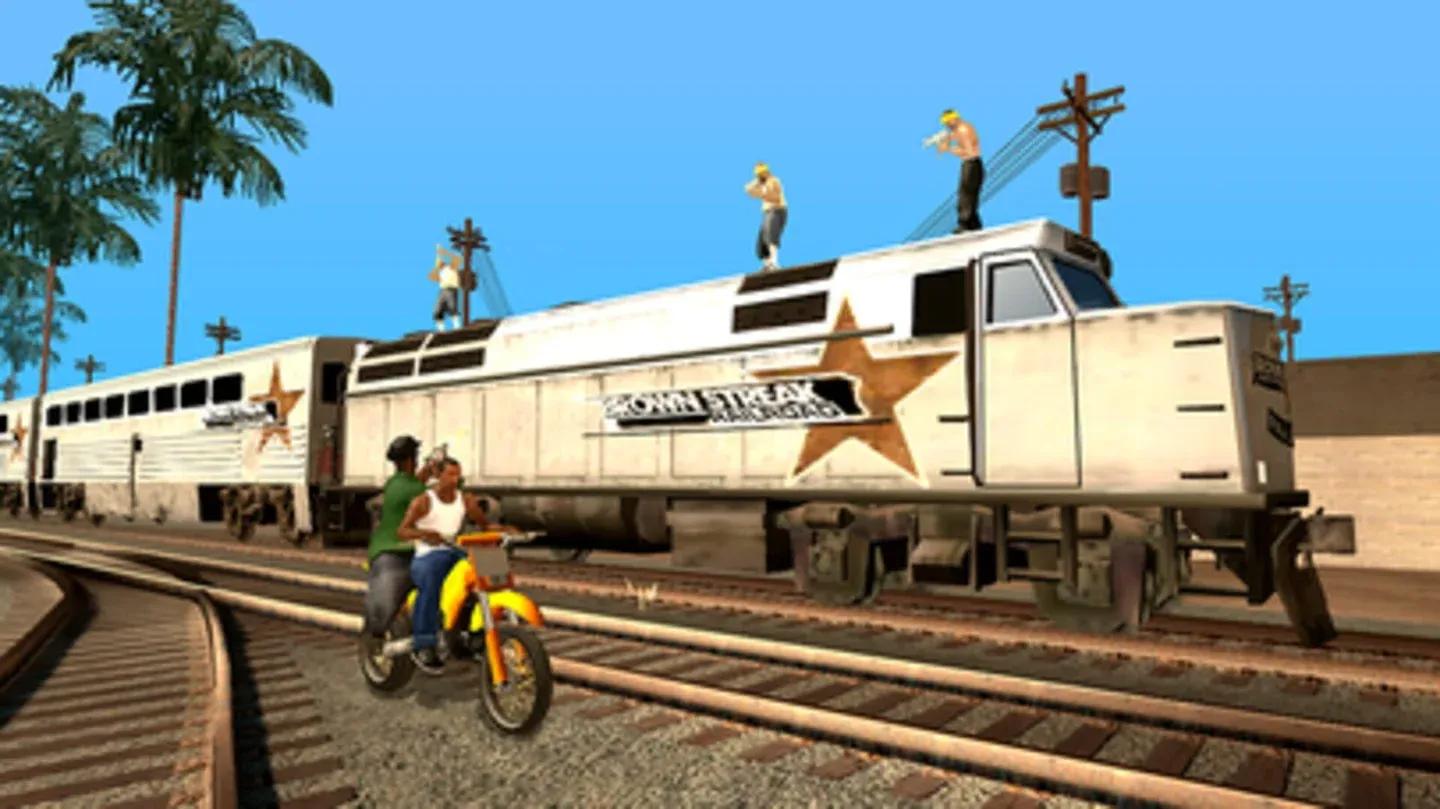
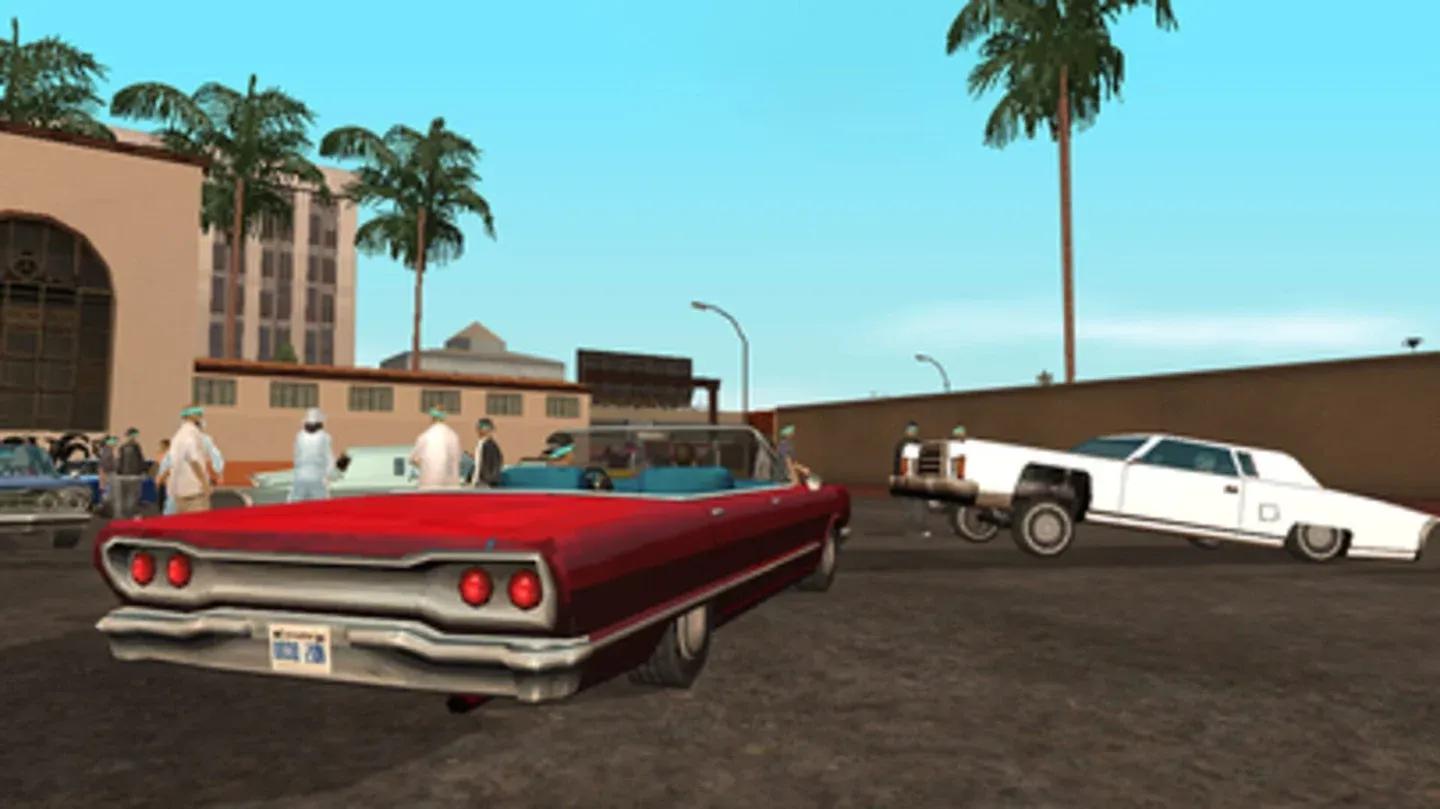
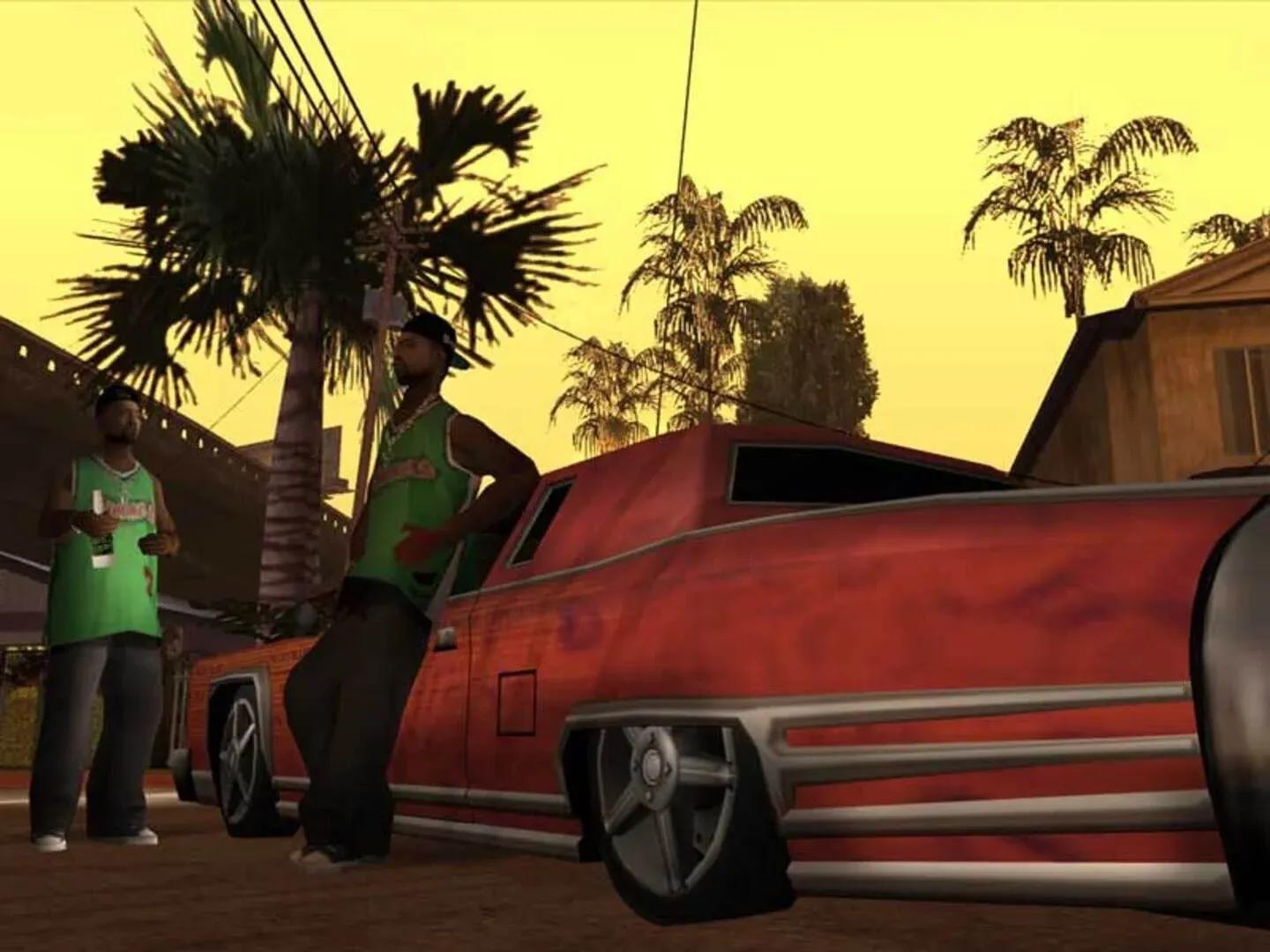
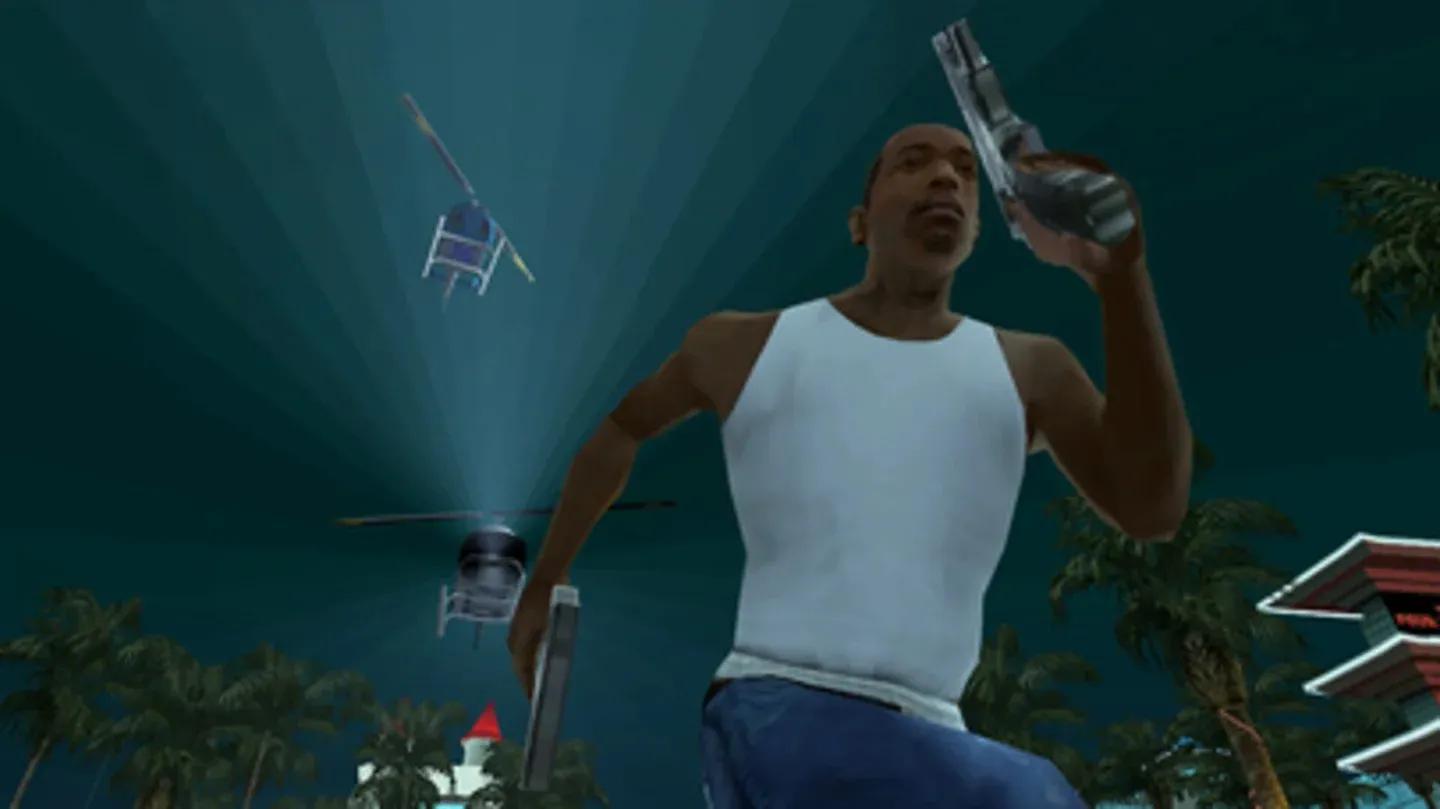
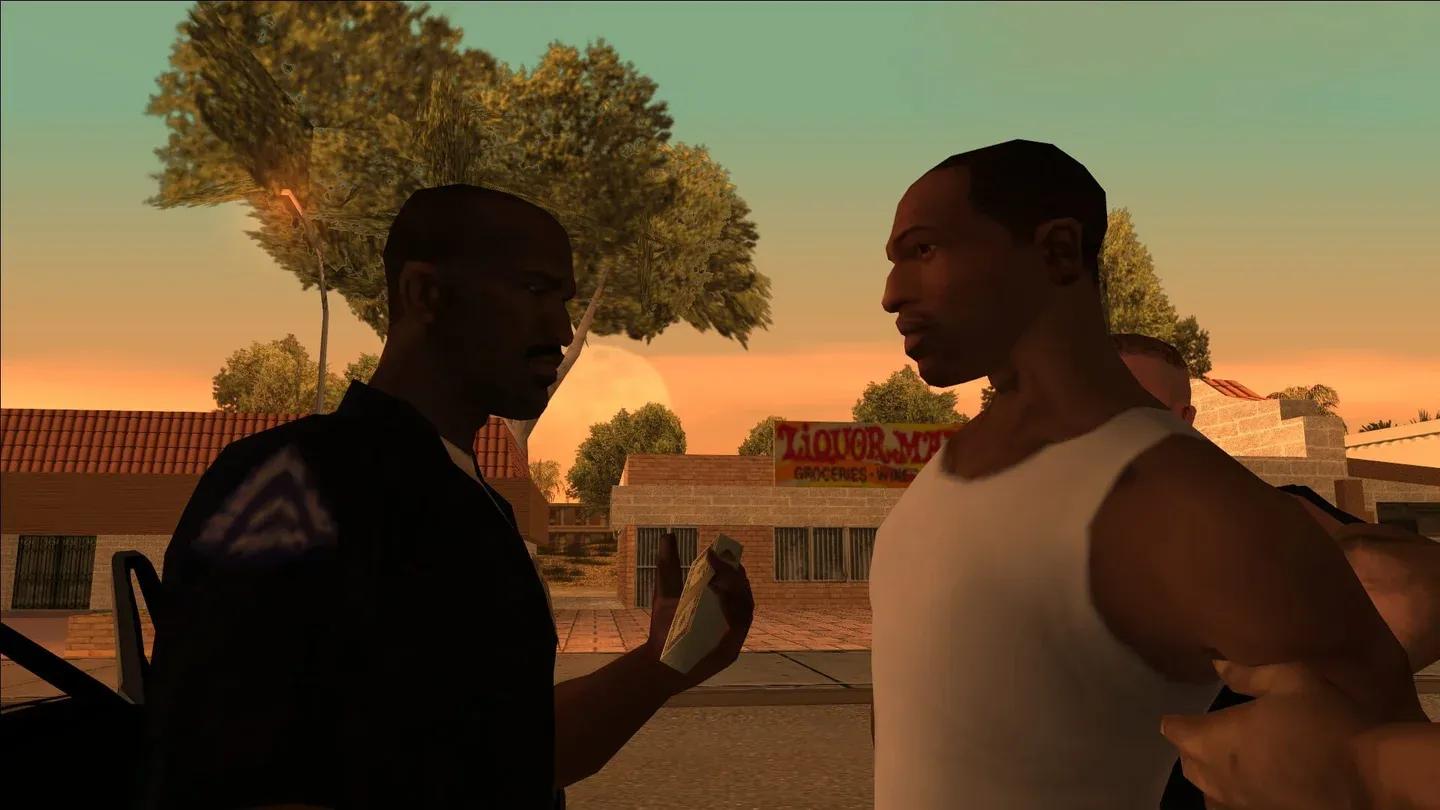
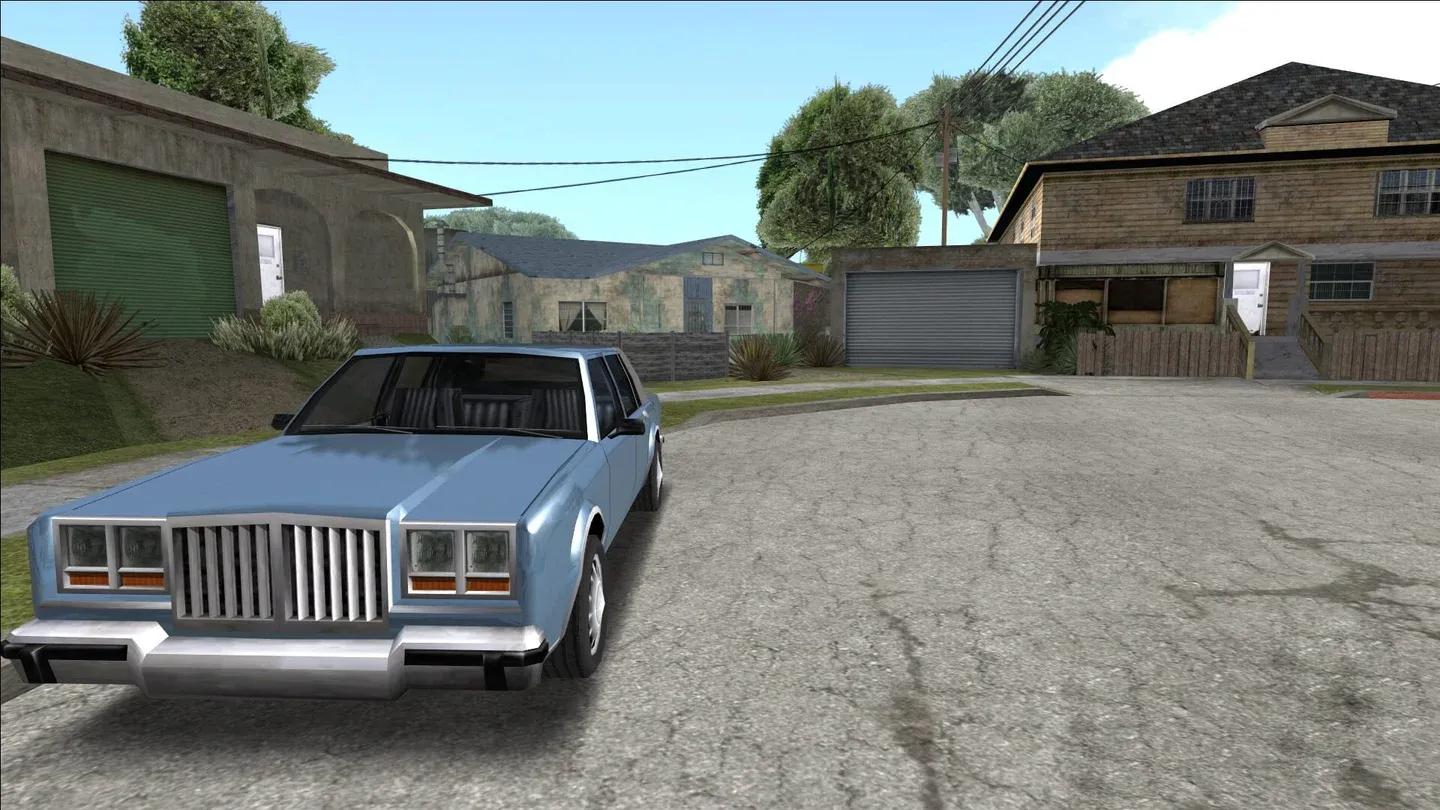
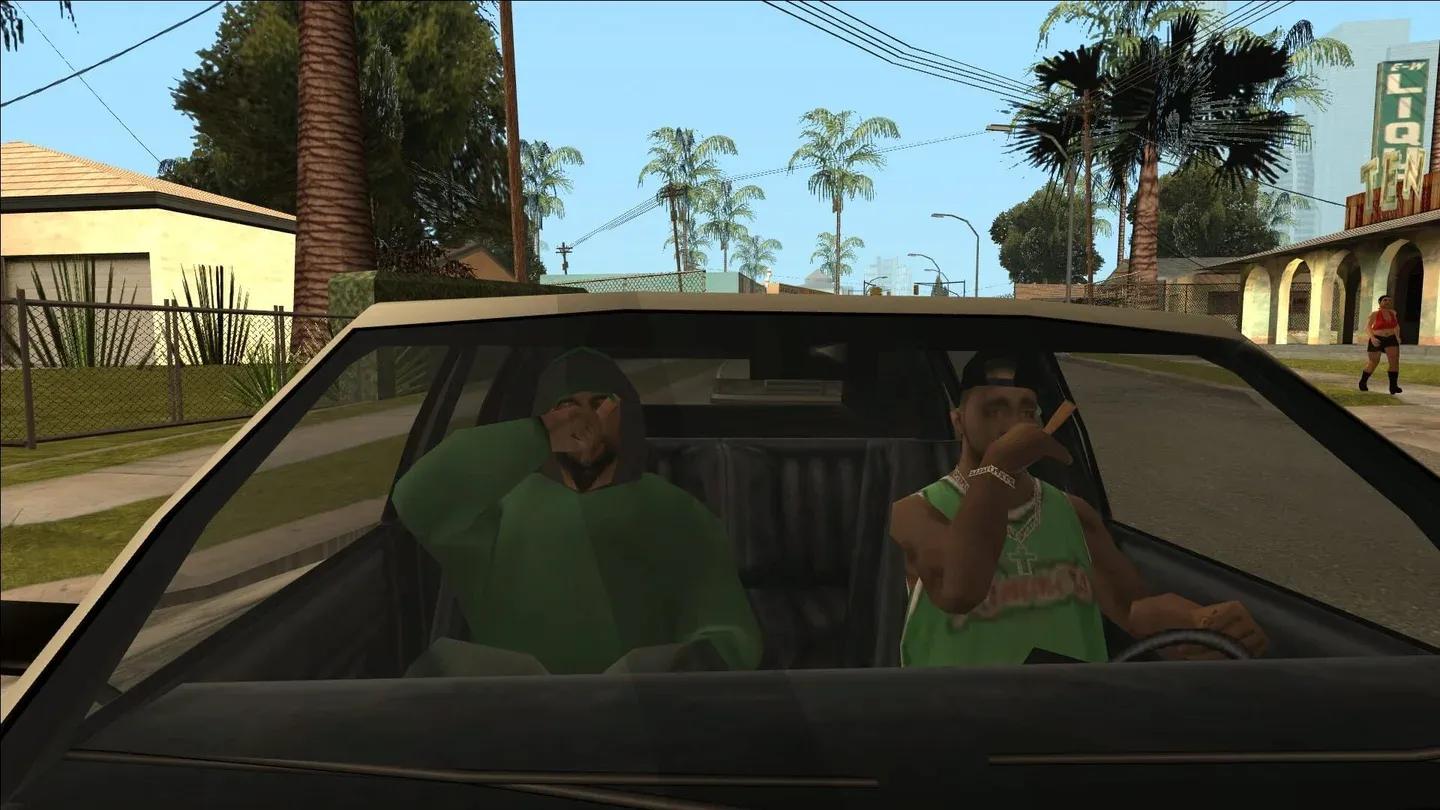
Grand Theft Auto: San Andreas puts players in the shoes of Carl "CJ" Johnson, a former gang member who returns to Los Santos after his mother is murdered. What starts as a homecoming turns into a cross-state odyssey involving corrupt cops, rival gangs, drug cartels, and enough betrayal to fill a crime novel. Rockstar North built the entire fictional state of San Andreas around this story, giving CJ three massive cities to move between: Los Santos, San Fierro, and Las Venturas, each modeled after Los Angeles, San Francisco, and Las Vegas respectively.
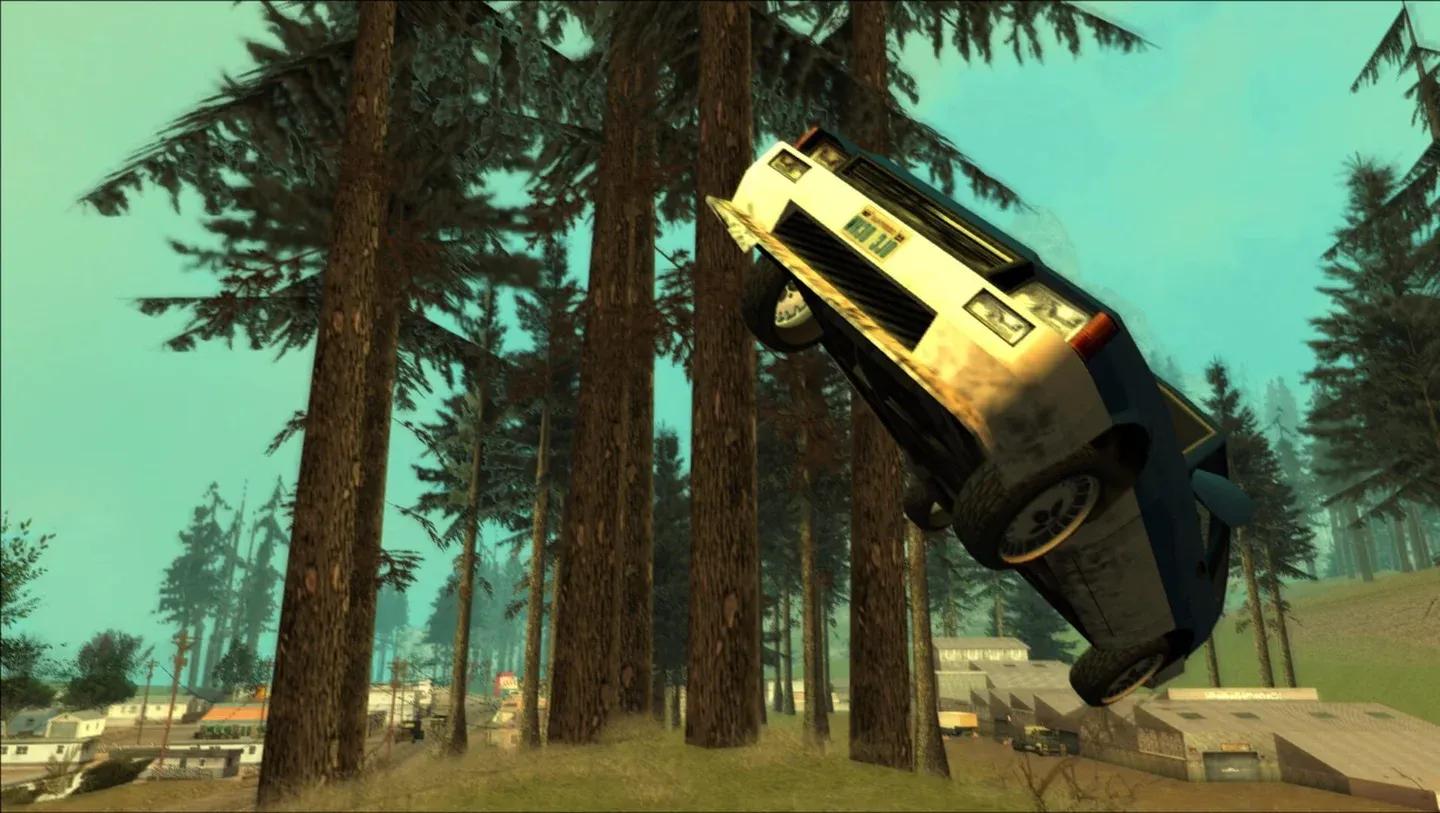
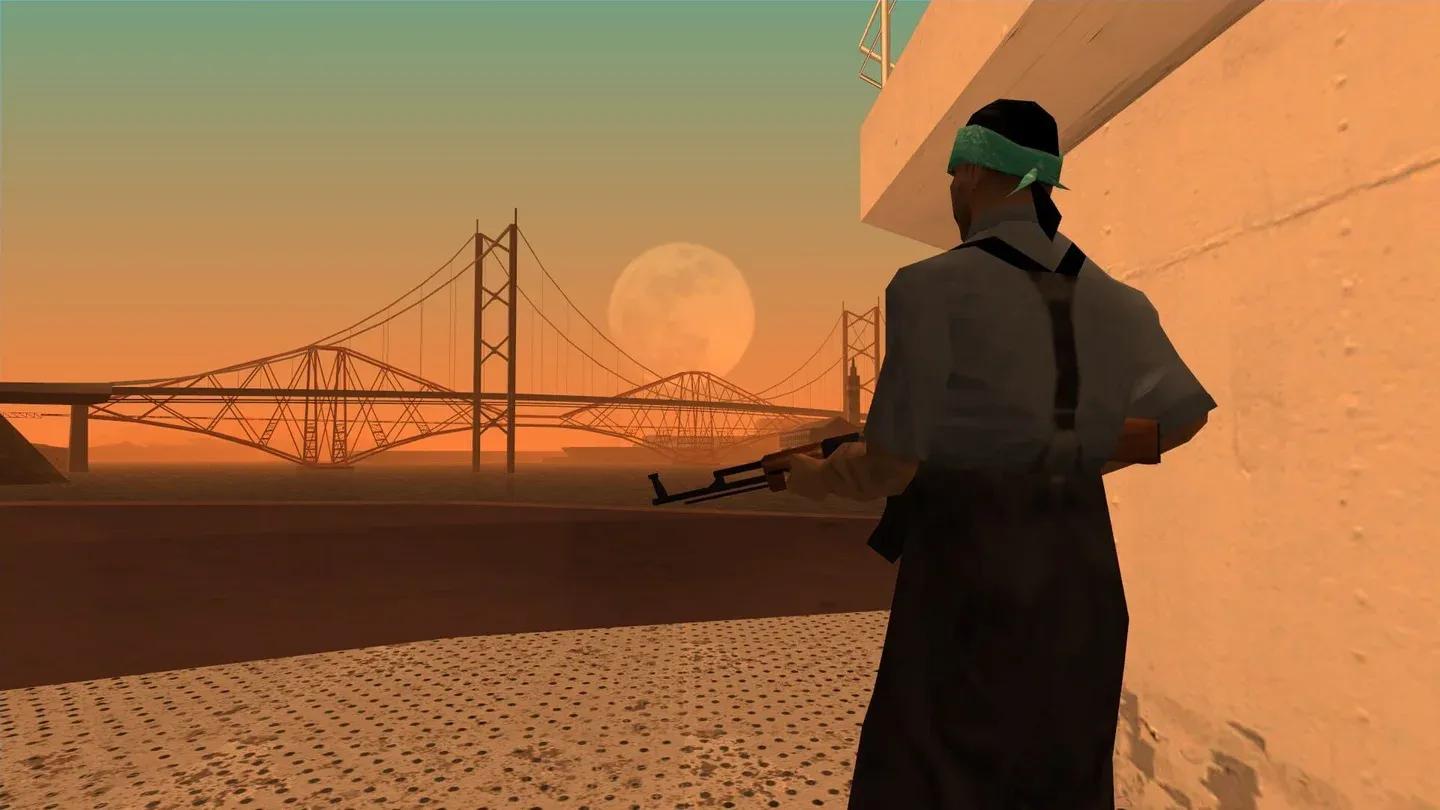
The scale of San Andreas was genuinely unprecedented at launch in October 2004. The map dwarfs its predecessors, and the world between cities is filled with countryside, deserts, small towns, and military bases. Every region has its own personality. Los Santos feels like a pressure cooker of gang tension. Las Venturas is neon-soaked and loose. San Fierro sits somewhere in between, foggy and unpredictable. The variety keeps the open-world exploration from ever feeling repetitive.
Gameplay and mechanics
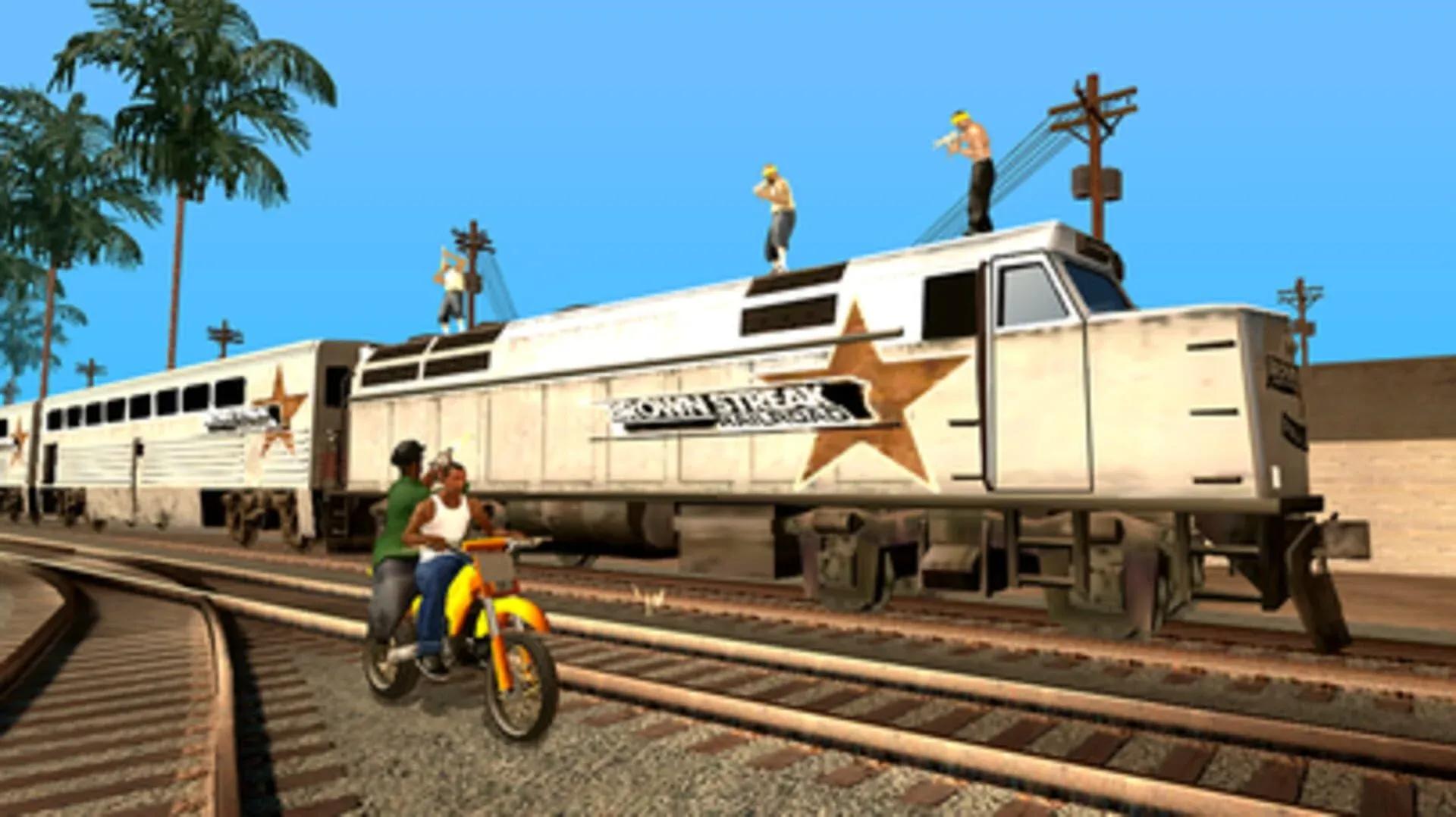
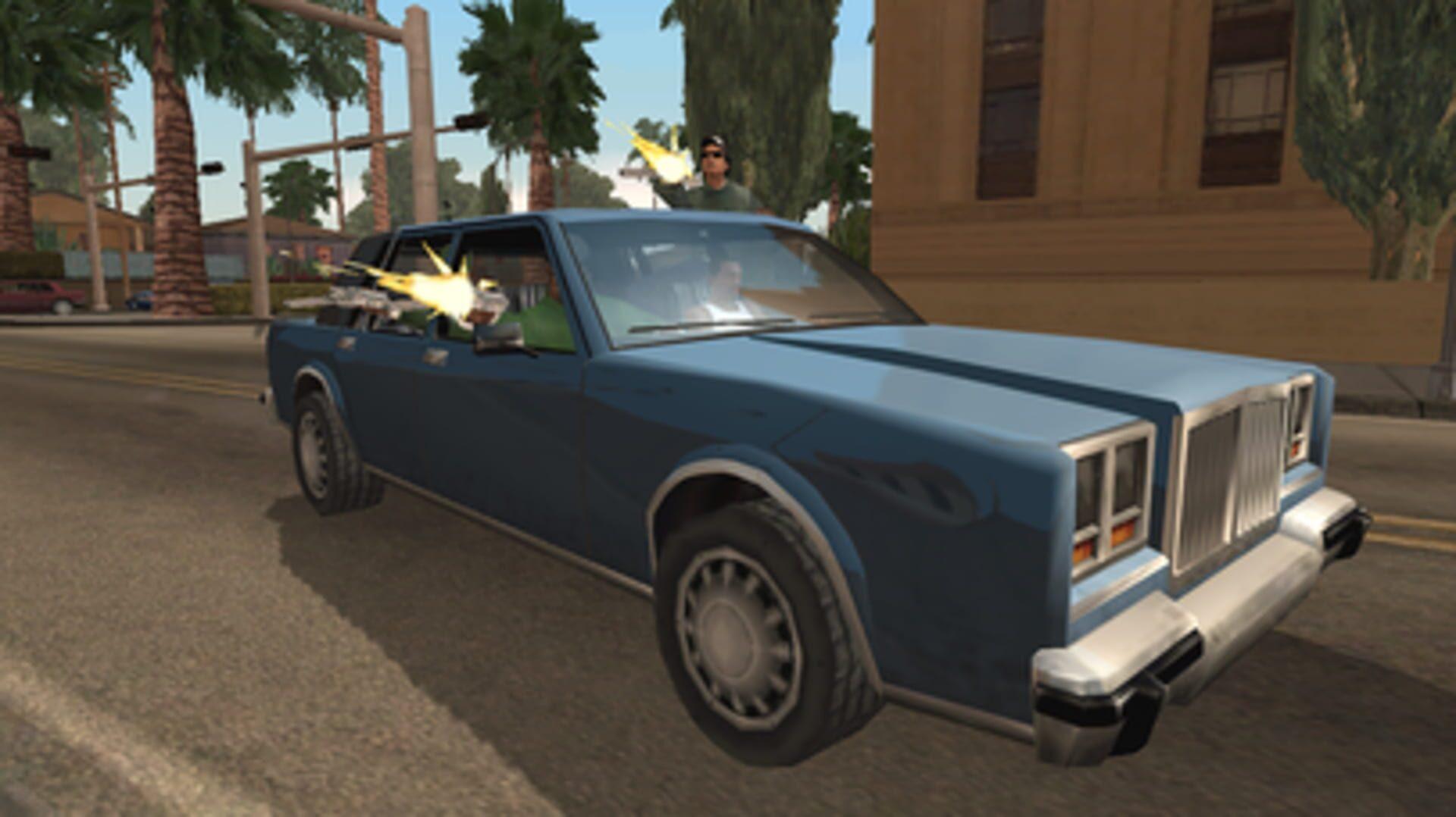
San Andreas builds on the GTA formula that Vice City established, then expands it in almost every direction. The core loop of stealing vehicles, completing missions, and navigating faction politics is intact, but layered on top are systems that few open-world games of the era attempted.
Key gameplay features include:
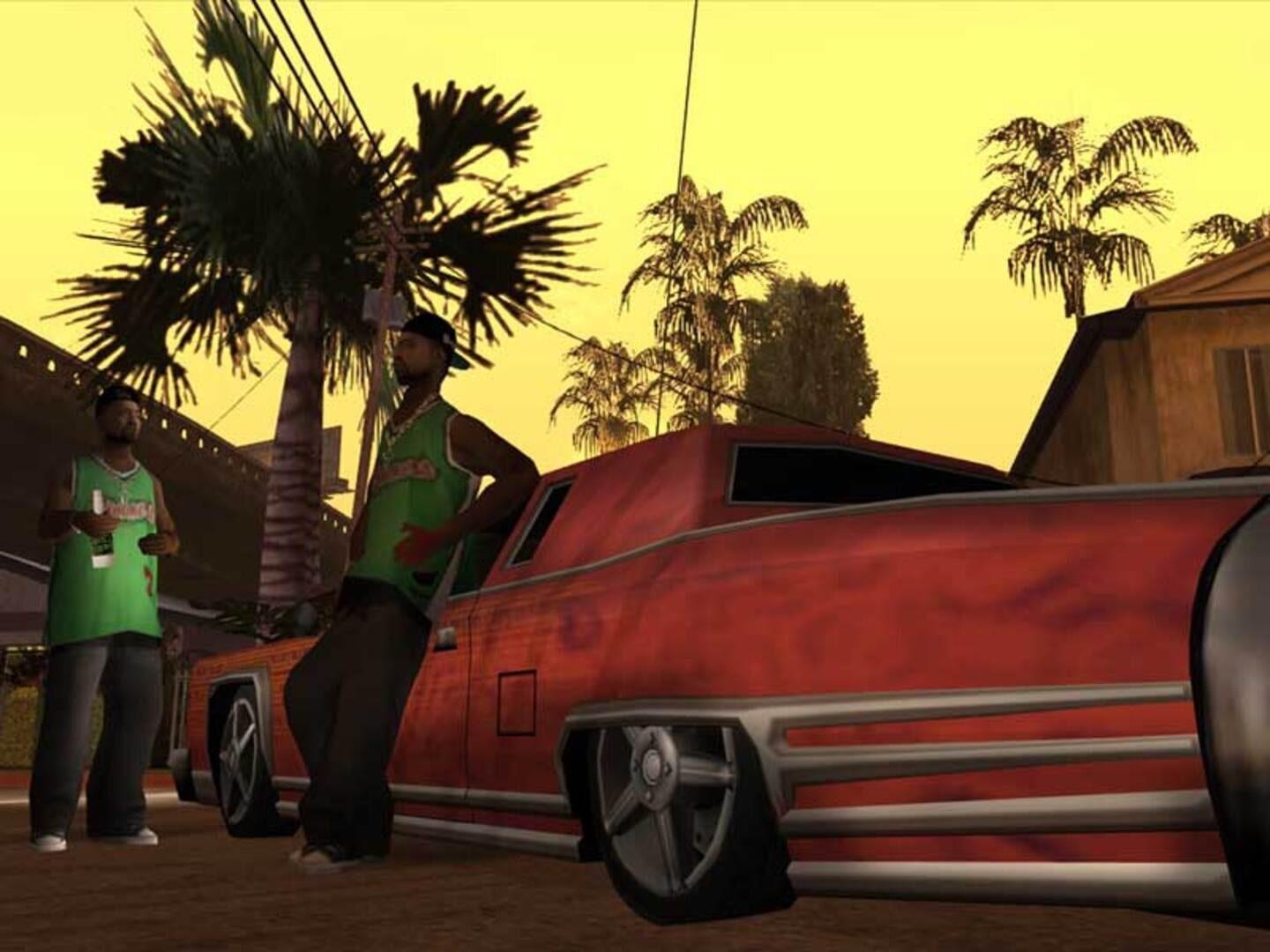
- Gang territory control across Los Santos
- RPG-style stat progression for CJ's fitness, driving, and weapon skills
- Property acquisition and business management
- Flying vehicles including planes and helicopters
- Customizable appearance and clothing
CJ can gain muscle or lose it depending on what he eats and how often he trains. Weapon accuracy improves with use. Driving and flying skills level up through practice. These RPG elements give the moment-to-moment gameplay a sense of persistent progress that goes beyond simply finishing missions.
World and setting
The early 1990s setting is handled with real specificity. The soundtrack alone makes the era tangible, with radio stations covering West Coast hip-hop, classic rock, funk, and talk radio parody that holds up as some of the funniest writing in any GTA game. Artists like Dr. Dre, 2Pac, and James Brown appear on the in-game stations, grounding the fiction in a recognizable cultural moment.
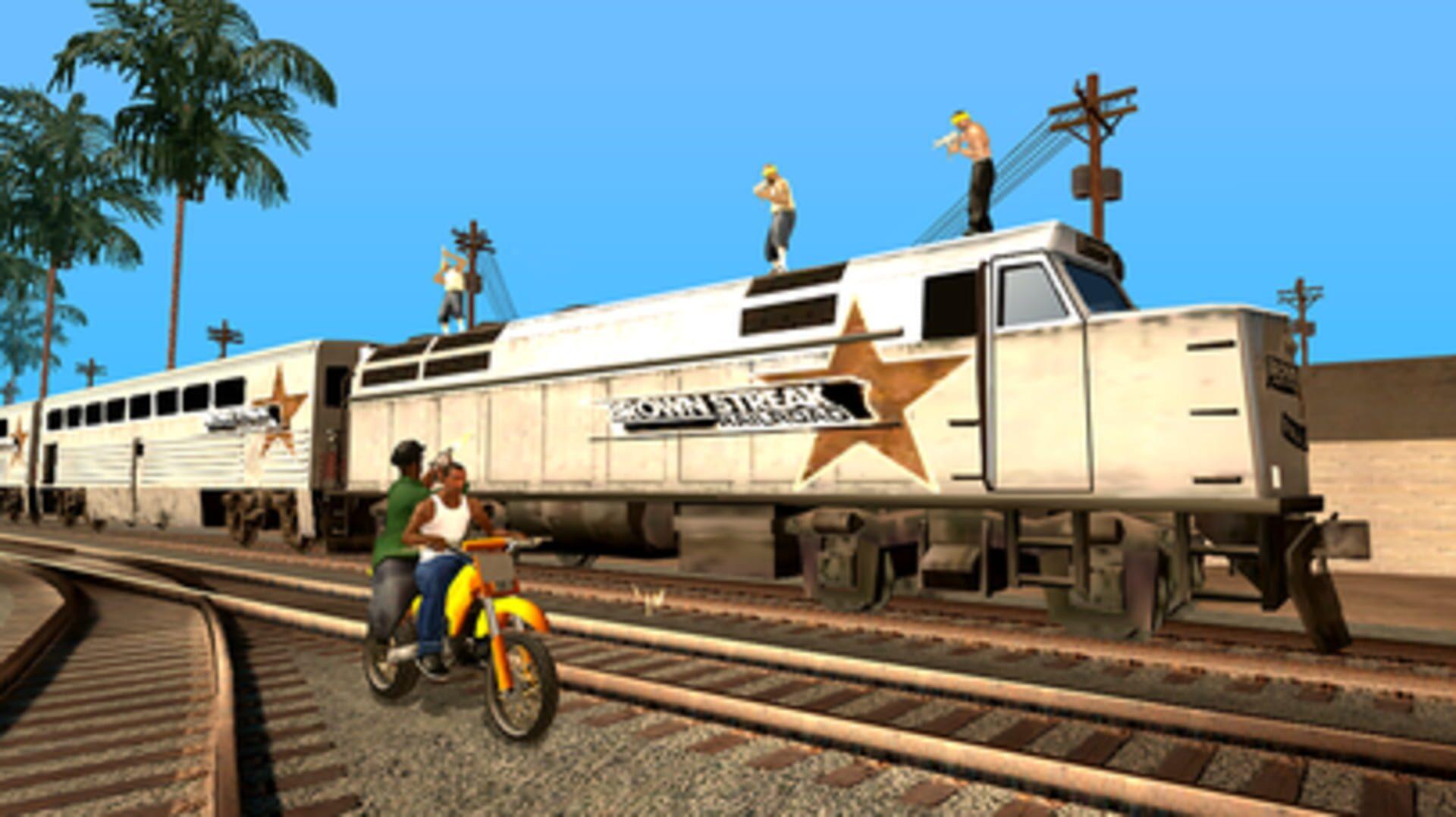
The story draws heavily from real events and archetypes of the period, including the LA gang wars and the Rodney King riots, without ever pretending to be a documentary. CJ's journey is personal, often messy, and occasionally absurd, which is exactly what makes it work. The supporting cast, from Big Smoke and Ryder to Catalina and Mike Toreno, gives the narrative enough texture to carry a game this long.
Impact and legacy
San Andreas holds a reputation as one of the greatest open-world games ever made, and that reputation has only solidified over two decades. It shipped on PlayStation 2 in 2004, then expanded to Xbox, PC, and eventually mobile platforms. The Definitive Edition brought updated visuals to modern consoles and PC through Rockstar Games Launcher and Nintendo Switch, making the game accessible to players who missed its original run.
The game's influence on open-world design is visible in countless titles that followed. Its willingness to give players a massive, reactive world and a genuinely dramatic story at the same time set a standard that shaped the genre for years. Playing it now, the systems feel familiar because so many games borrowed from them. That familiarity is the clearest sign of how much San Andreas mattered.