
Overview
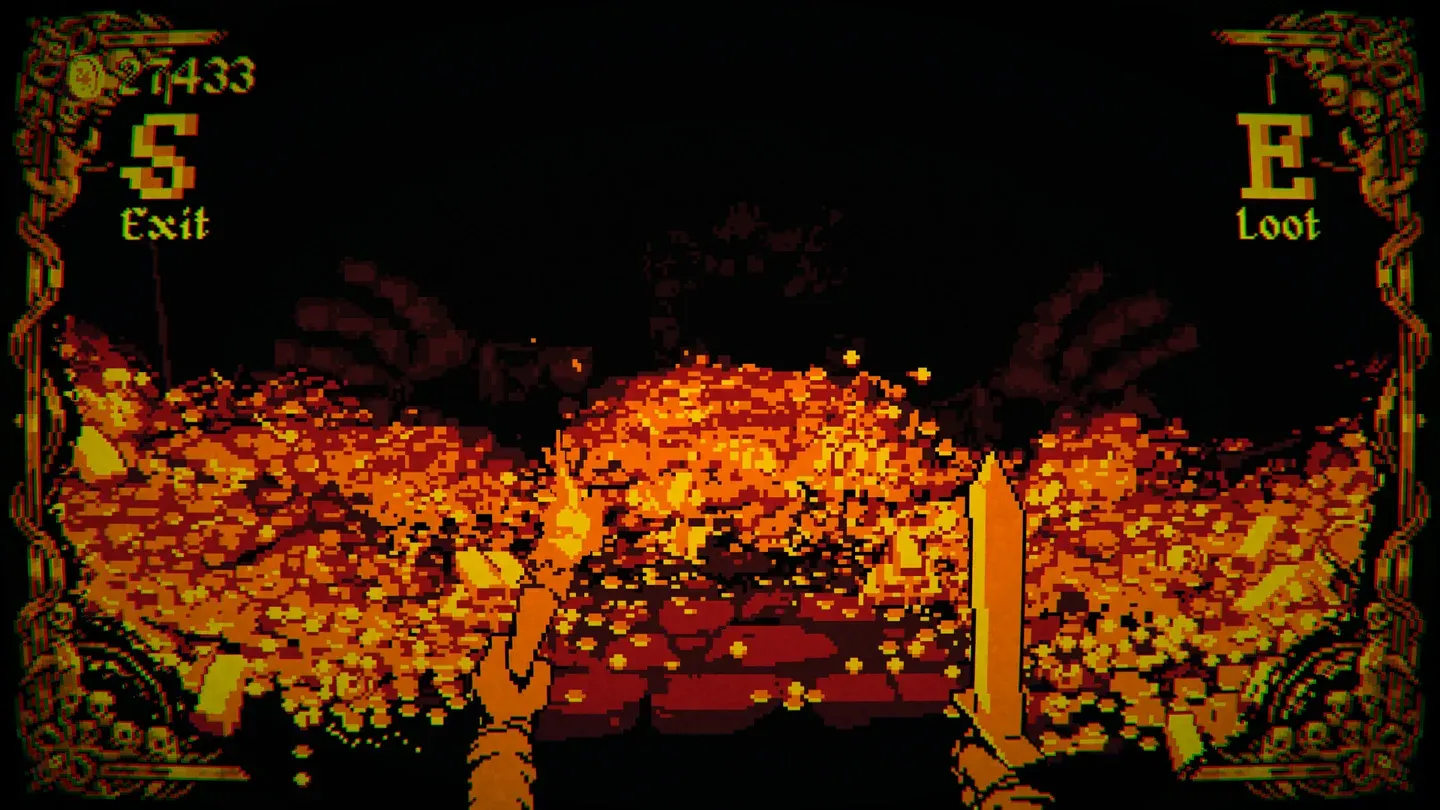
Greed & Darkness is an atmospheric puzzle game developed and published by Rescue Party, arriving on Windows via Steam. The premise is deceptively simple: venture into a forbidding fortress, gather riches, and unlock the chamber of a creature known only as the Gorged One. Beneath that straightforward objective lies a layered, sensory-driven experience that demands patience, perception, and resourcefulness in equal measure.
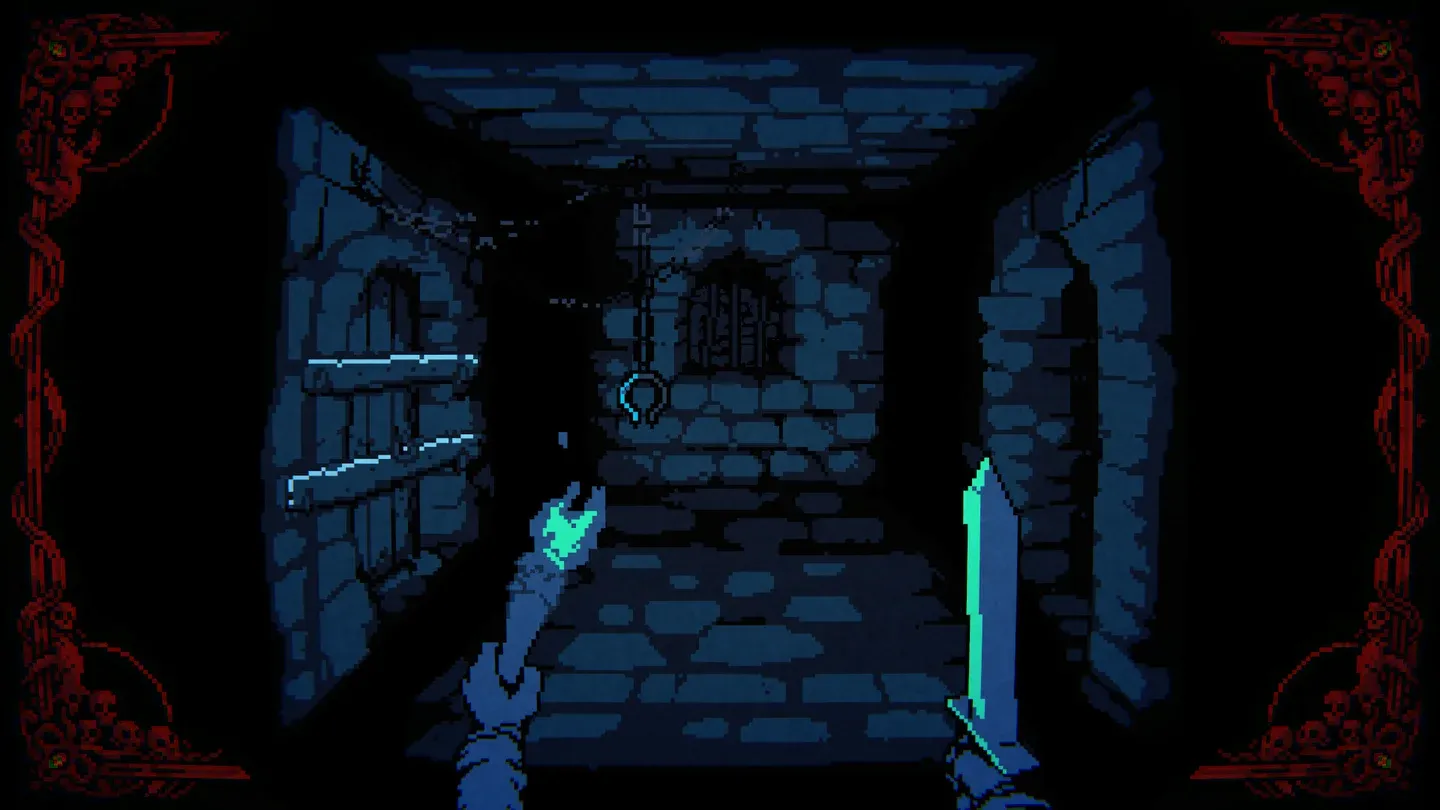
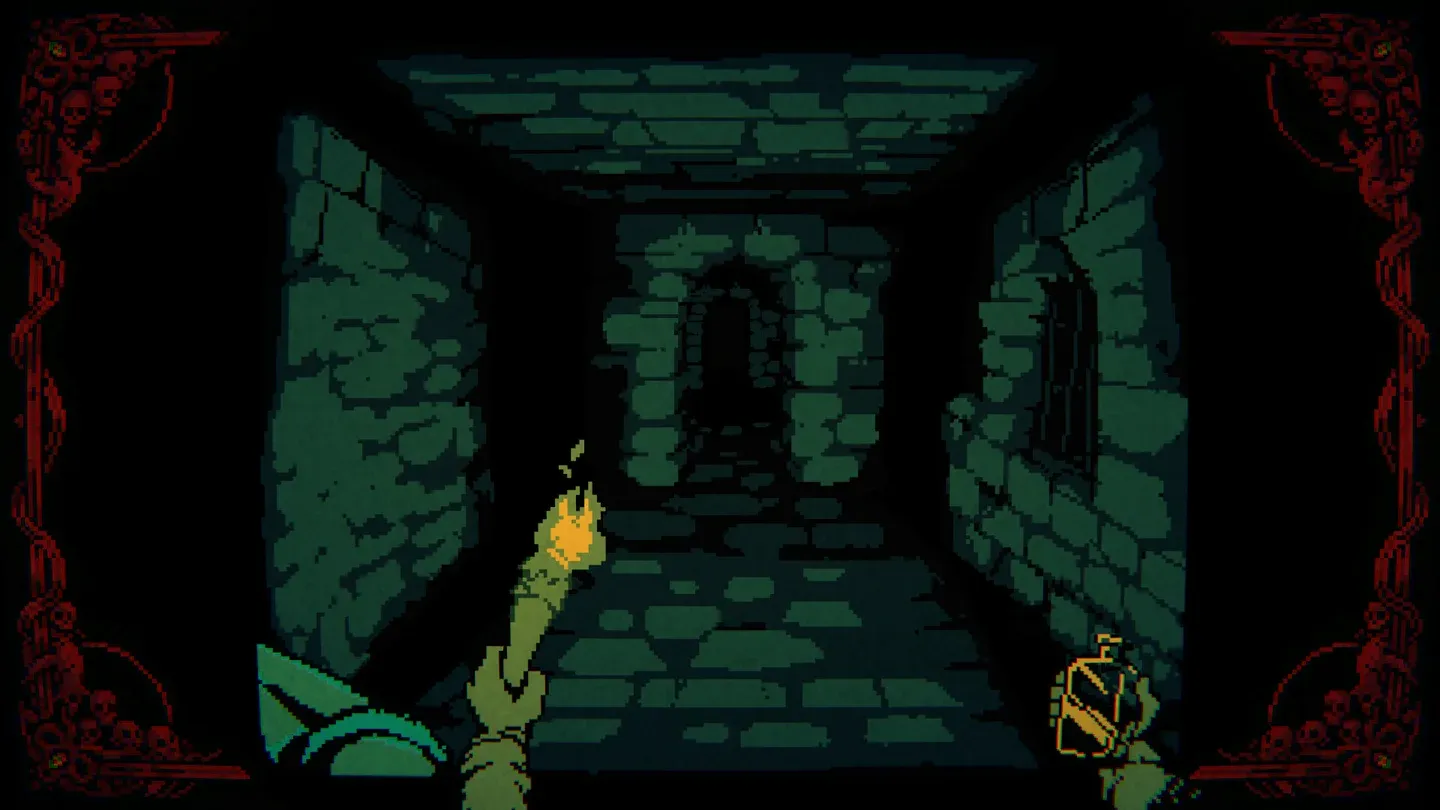
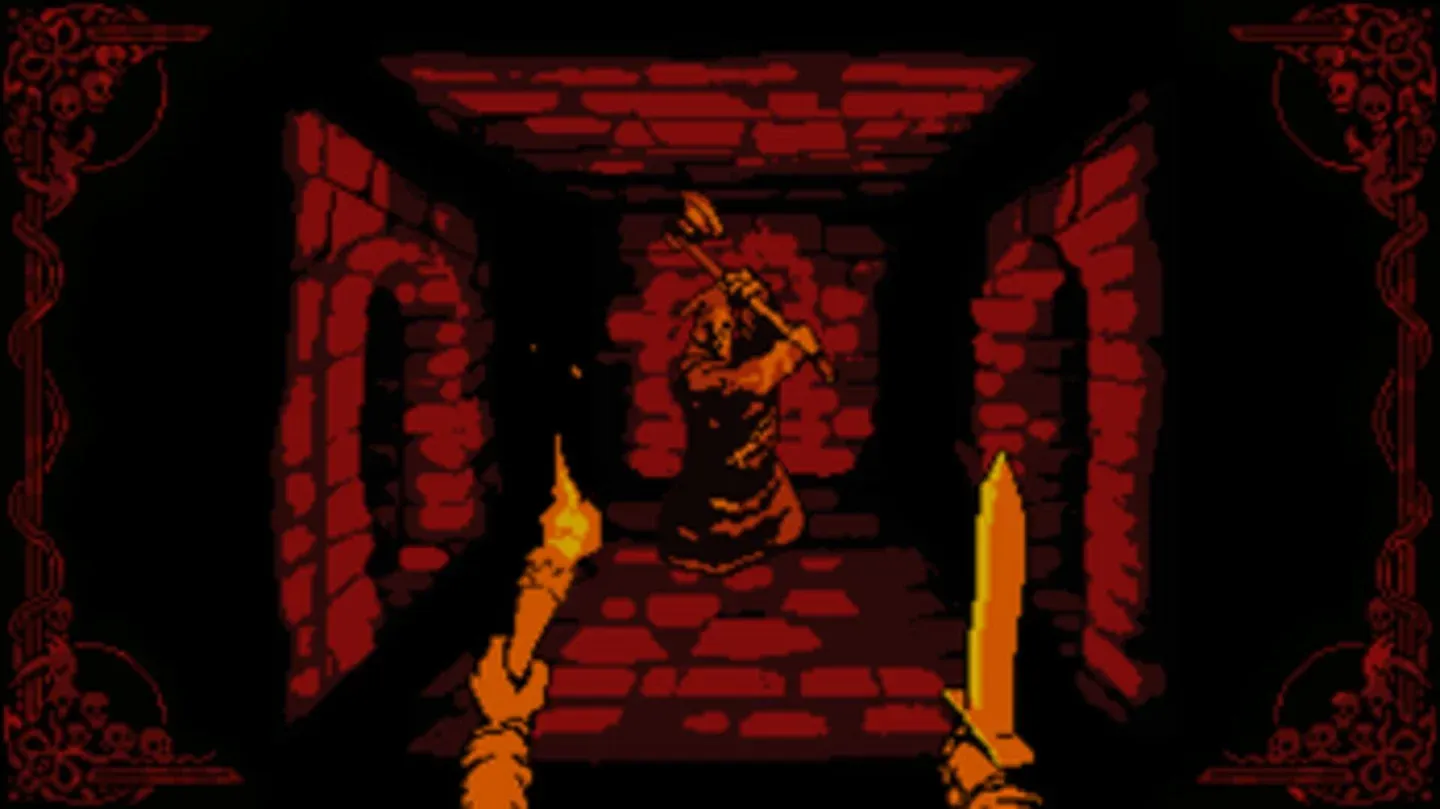
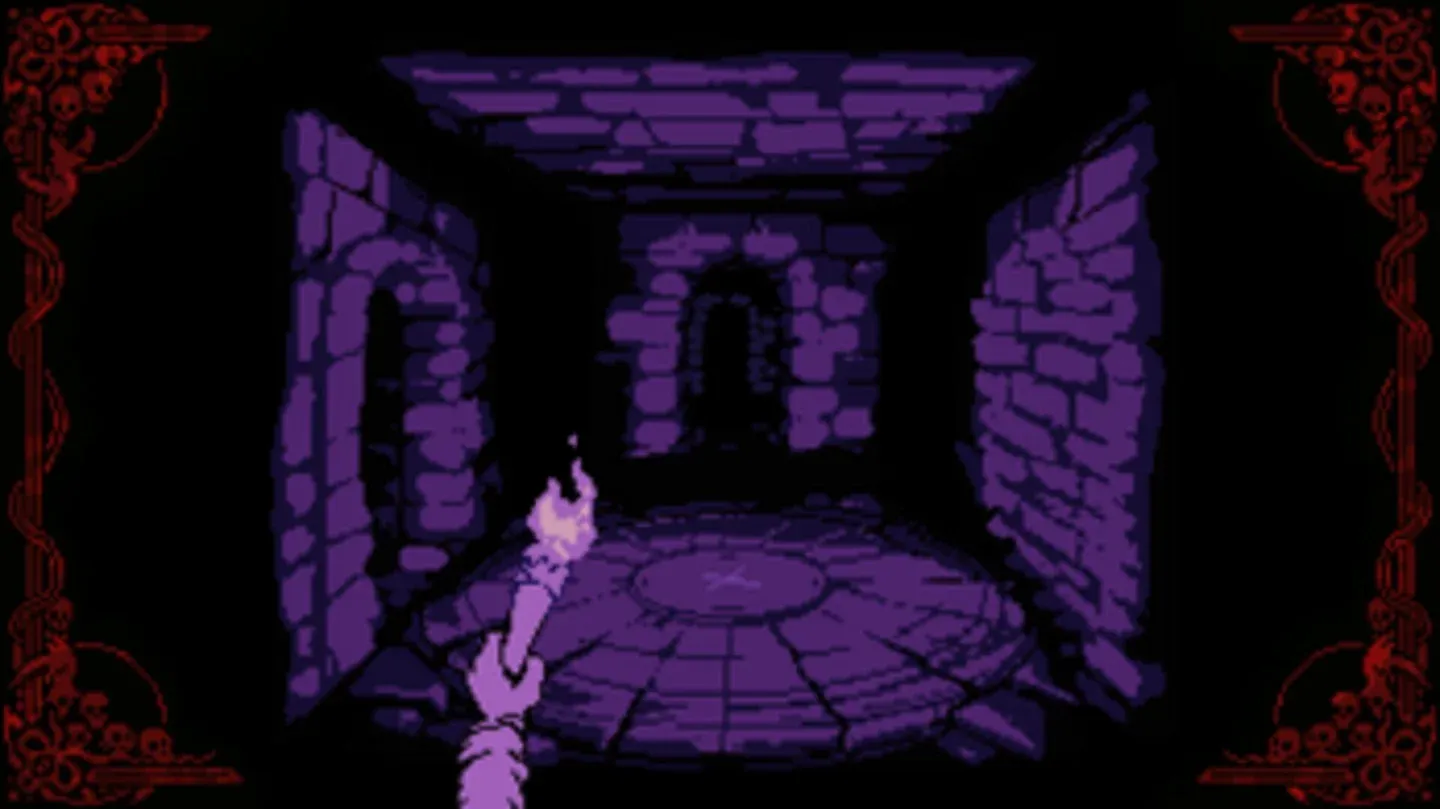
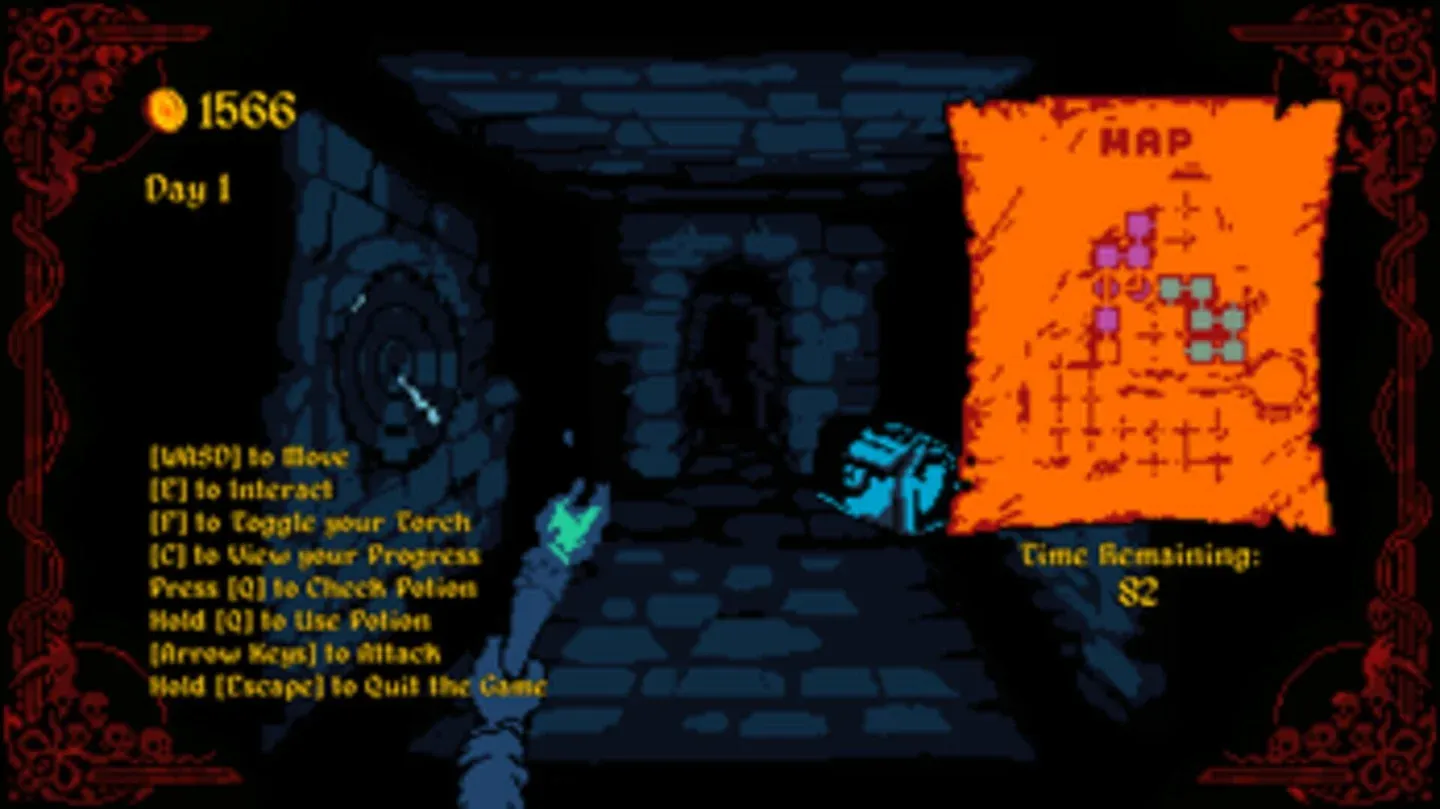
What immediately distinguishes Greed & Darkness from the broader indie puzzle landscape is its commitment to atmosphere as a functional design element rather than mere decoration. The fortress is not just a backdrop; it is an active, oppressive presence. Dark tunnels restrict visibility, forcing players to lean on sound cues and available tools to piece together a safe path forward. This is puzzle design rooted in environmental storytelling and sensory awareness.
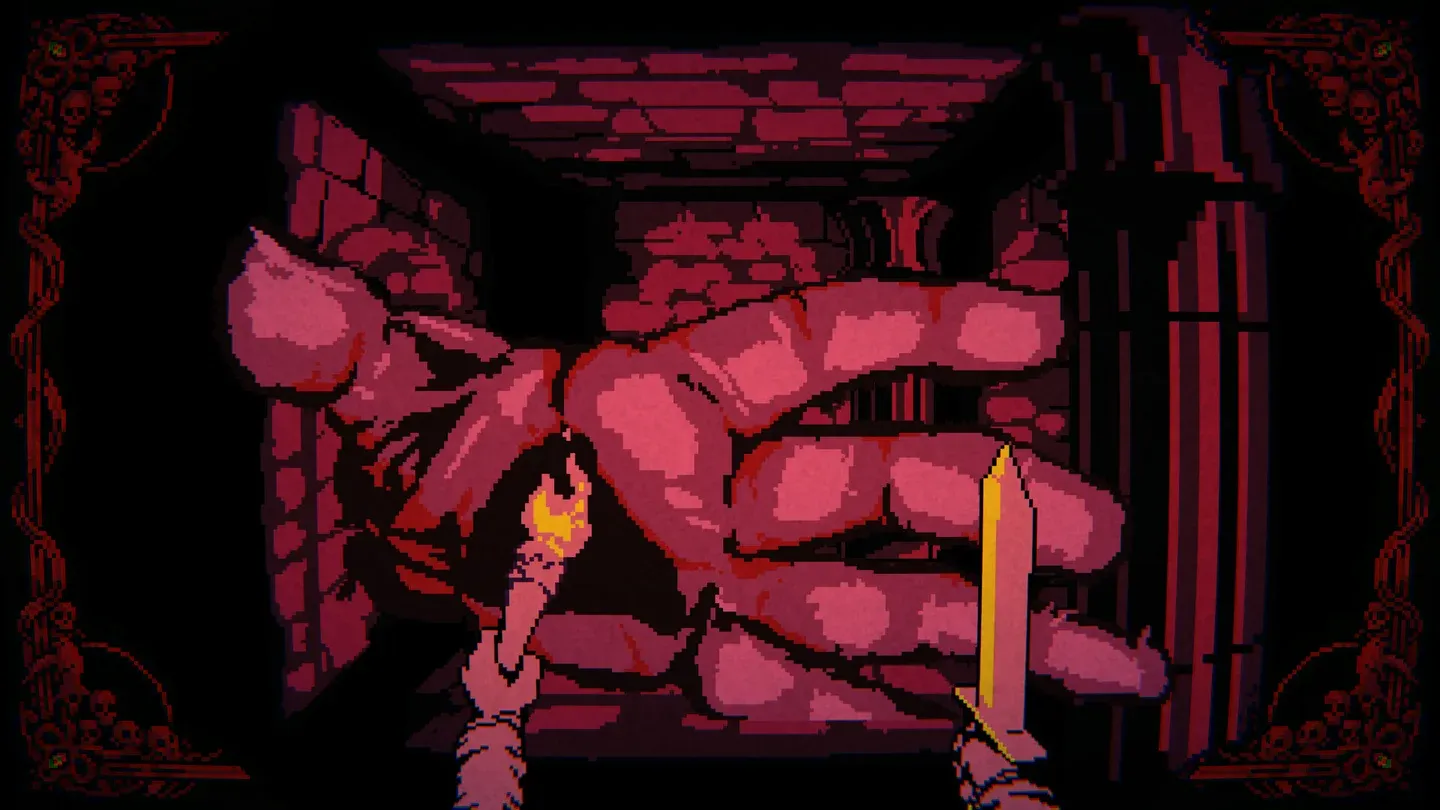
Rescue Party positions the game at the intersection of indie ingenuity and RPG-tinged exploration, creating something that feels intimate in scope but genuinely unsettling in execution. The Gorged One looms over every decision, transforming what might otherwise be a straightforward treasure hunt into a careful, methodical exercise in tension management.

What Kind of Puzzle Game Is Greed & Darkness?
Greed & Darkness is best understood as a sensory puzzle game: one where solving challenges depends not only on logic but on reading the environment through sight and sound. Players navigate dark, winding tunnels inside a foreboding fortress, using the tools at hand to interpret their surroundings and progress deeper toward the Gorged One's chamber.

Key gameplay elements include:
- Sight-based navigation in low-light environments
- Sound cues as puzzle-solving tools
- Environmental tool usage for progression
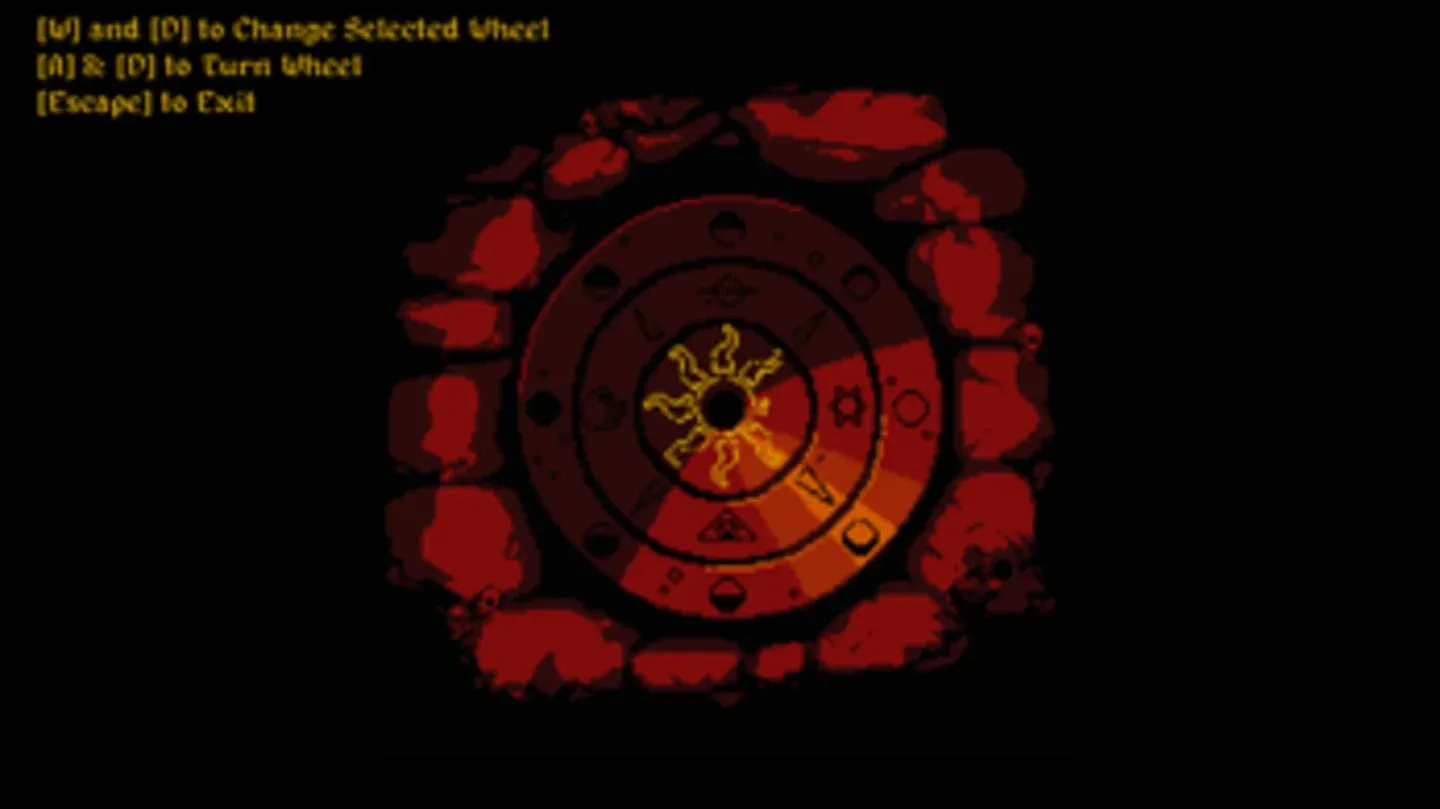
- Locked chambers requiring layered solutions
- A singular, atmospheric fortress setting

This multi-sensory approach gives the puzzle mechanics a distinctly tactile quality. Rather than presenting abstract brain-teasers, Greed & Darkness grounds every challenge in the physical logic of its world, making each solved obstacle feel earned and immersive.
World and Setting: Inside the Fortress
The fortress at the heart of Greed & Darkness is more than a location; it functions as the game's central character. Its dark tunnels create a persistent sense of claustrophobia, and the presence of the Gorged One, an entity whose chamber players work to reach, gives the environment a mythic, almost ritualistic weight.
Rescue Party constructs this world with deliberate restraint. Information is parceled out through environmental detail rather than exposition, rewarding players who pay close attention to their surroundings. The atmosphere carries a foreboding quality that sits comfortably within the tradition of tension-driven indie games.

Visual and Audio Design: Darkness as a Design Language
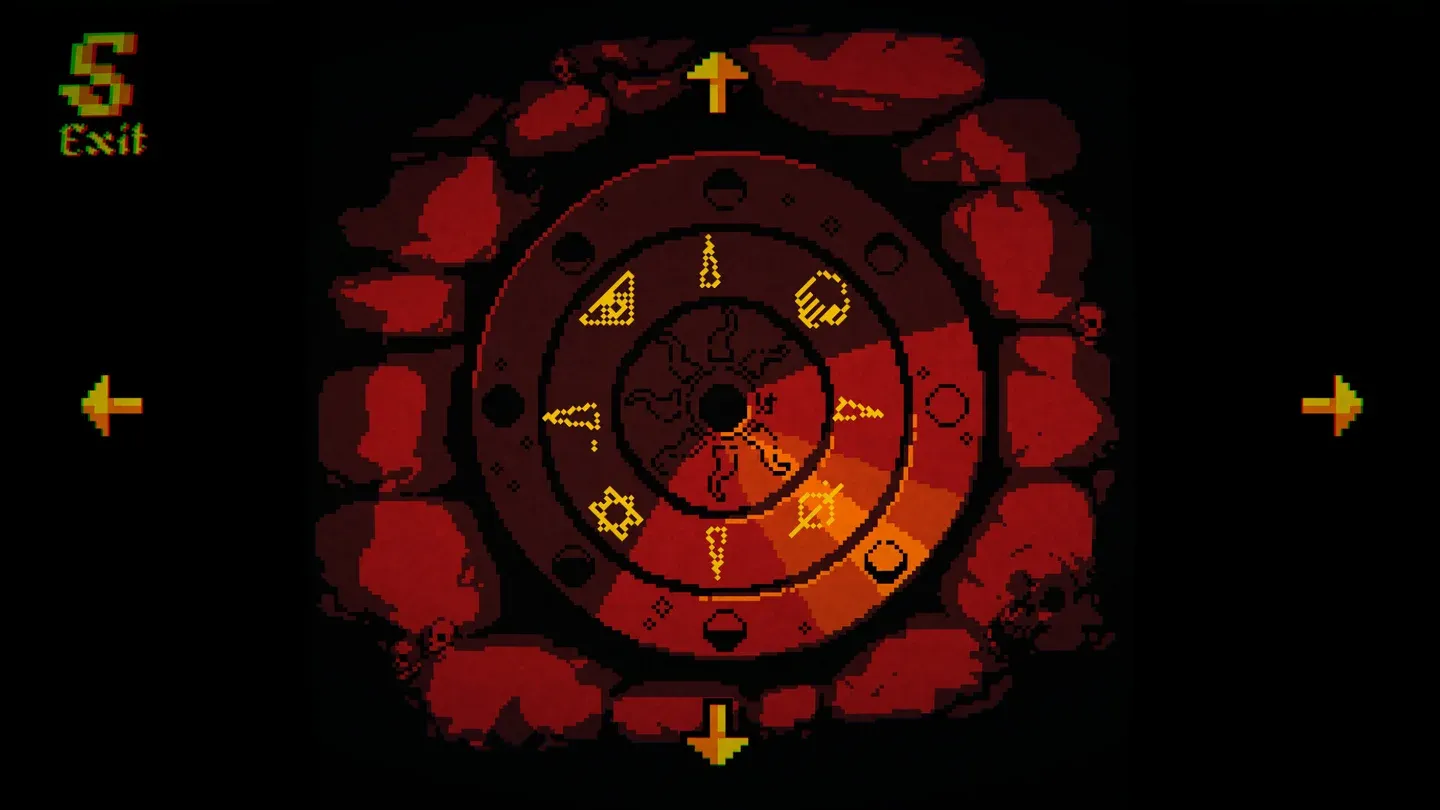
In Greed & Darkness, visual and audio design are not supplementary; they are mechanical. Darkness limits what players can see, making audio cues a critical navigational resource. This integration of sensory design into the core puzzle loop elevates the game beyond standard atmospheric dressing.
The visual approach appears to favor restraint, using shadow and limited light to create dread without relying on spectacle. Sound, meanwhile, serves as both mood-setter and functional guide, a dual role that reflects thoughtful, purposeful game design from Rescue Party.
Conclusion
Greed & Darkness presents a focused, atmospheric puzzle-RPG experience built around sensory navigation and environmental tension. Rescue Party crafts a game where darkness is a genuine design challenge, and the Gorged One's fortress rewards players who approach it with careful, deliberate attention. For fans of atmospheric puzzle games and indie RPG exploration, this is a title that prioritizes intelligence and immersion over spectacle.