Overview
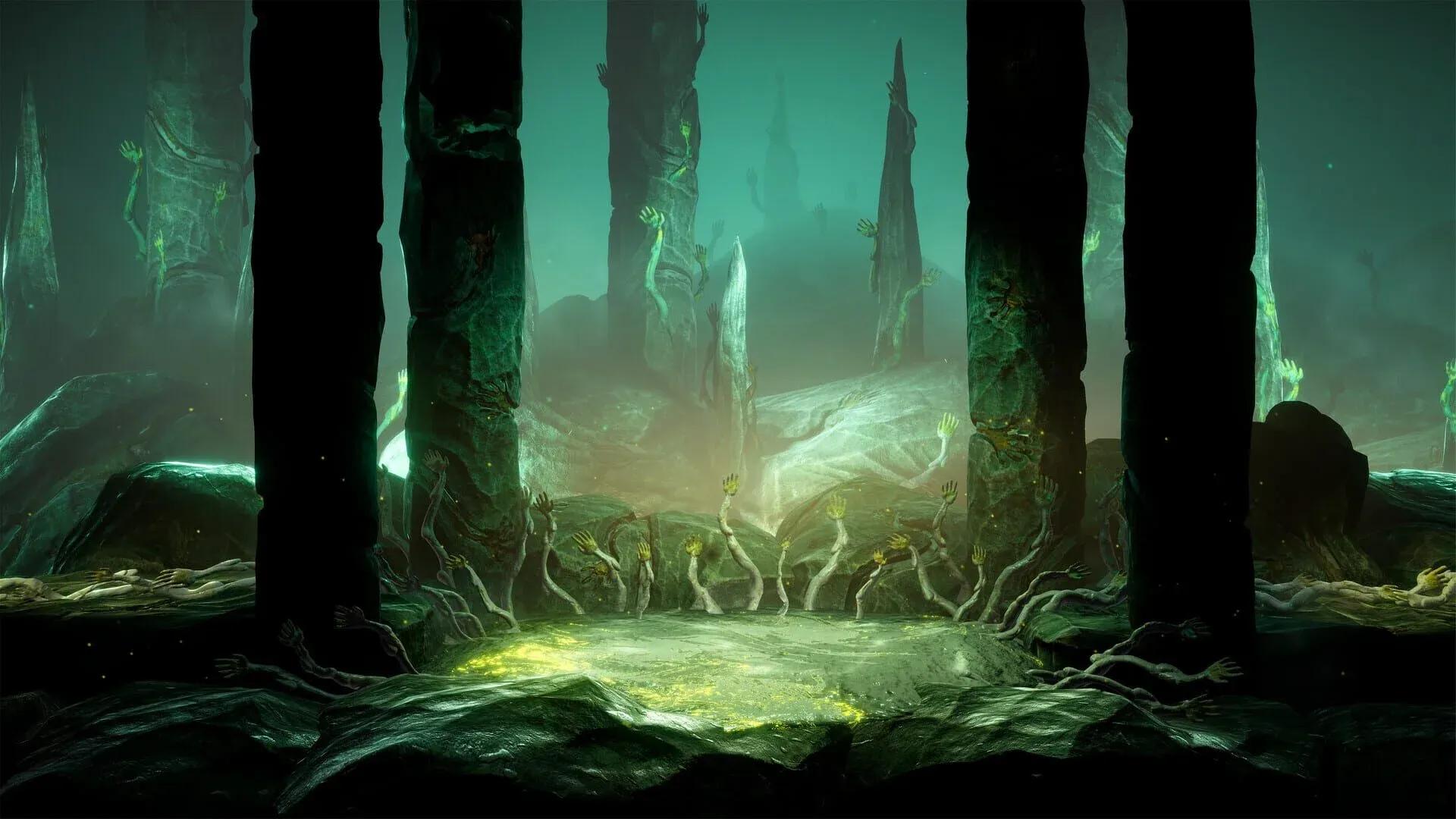
Grime II picks up the surreal baton from its predecessor and runs somewhere stranger with it. Clover Bite's action-adventure metroidvania puts you in control of a being that launches tendrils made of hands to absorb enemies, then summons molds shaped like those defeated foes. It's a combat loop that's genuinely unlike anything else in the genre, and the world it takes place in earns equal attention. The setting is a bizarre, lived-in place built around an obsession with art, which gives every corner of the map a distinct character that goes well beyond visual decoration.
The game released on March 31, 2026, across PC (Steam), PlayStation 5, and Xbox, with a standard price of $27.99 on PlayStation. It carries an ESRB Teen rating for blood, drug references, and violence, and has accumulated 161 ratings on the PlayStation Store with an average score of 4.52 out of 5. That's a strong signal from players who've spent real time with it.
What makes Grime II's combat system different?
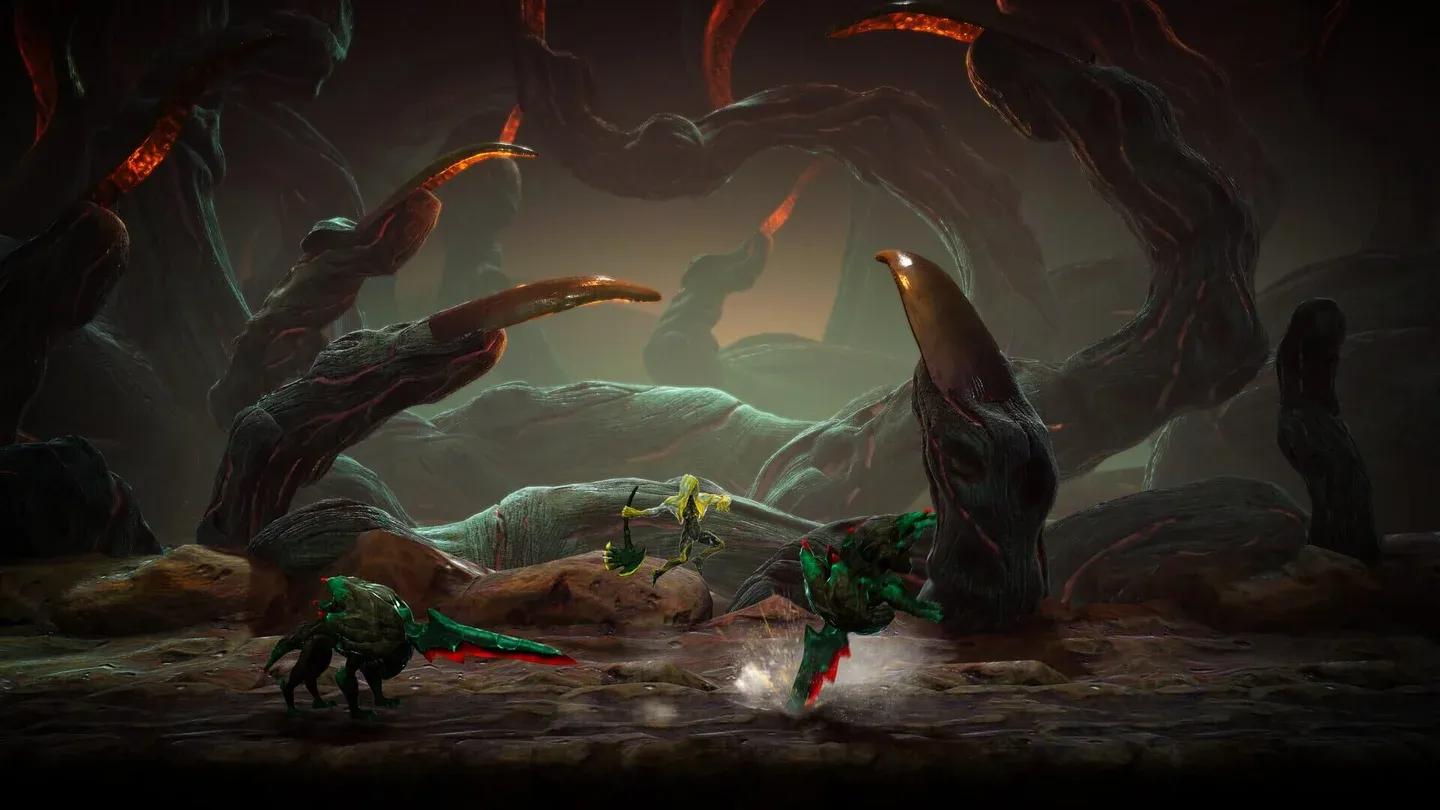
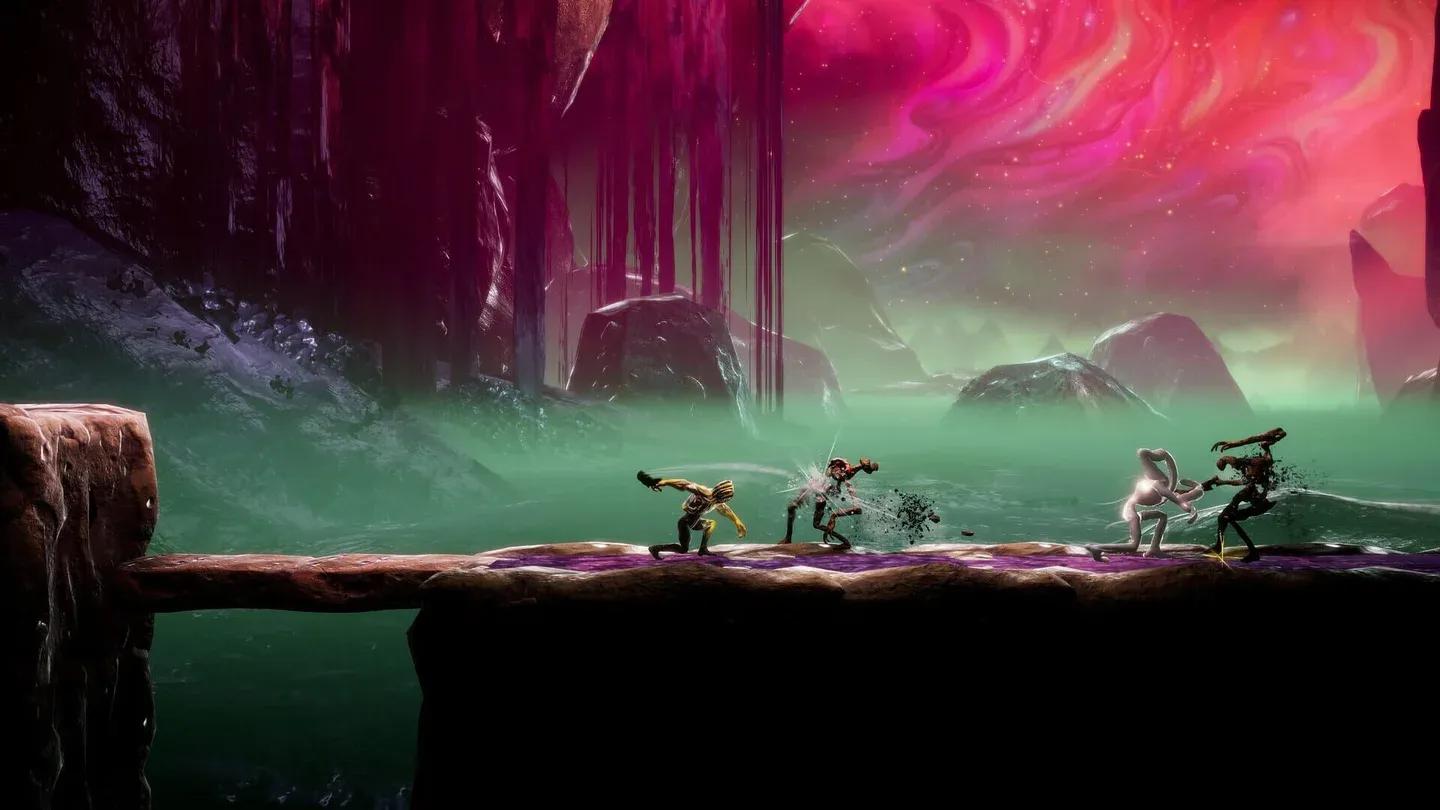
Grime II's core mechanic is absorption. Rather than simply killing enemies, players launch hand-tendrils to pull foes in and absorb them, then summon molds in the shape of those absorbed creatures. This creates a system where every enemy type becomes a potential tool, and learning which forms to carry into which encounters becomes a genuine strategic layer.
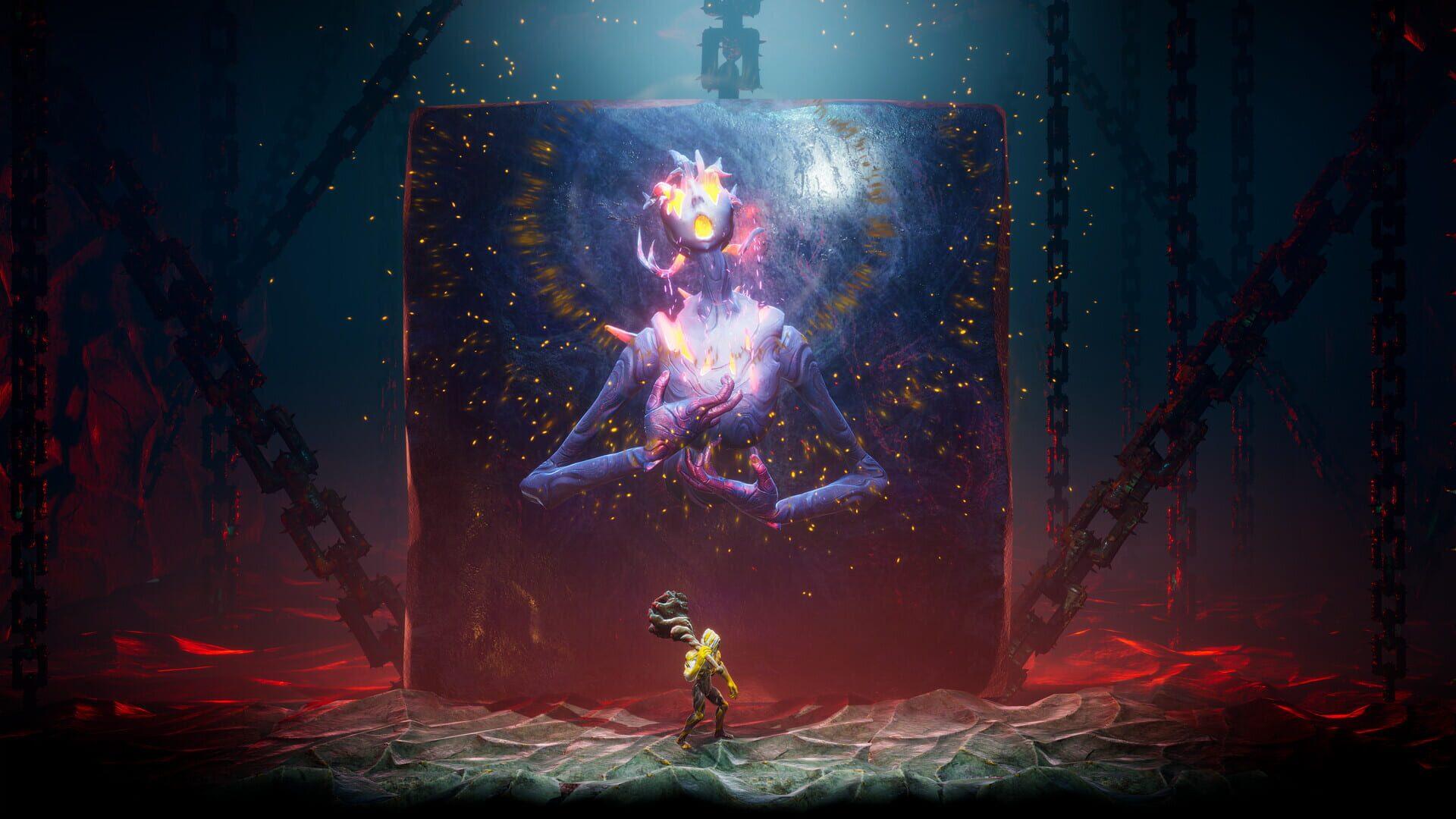
Key mechanics at a glance:
- Tendril-based absorption combat
- Enemy form summoning via molds
- Metroidvania-style world exploration
- Action-RPG progression systems
- Single-player, offline-capable experience
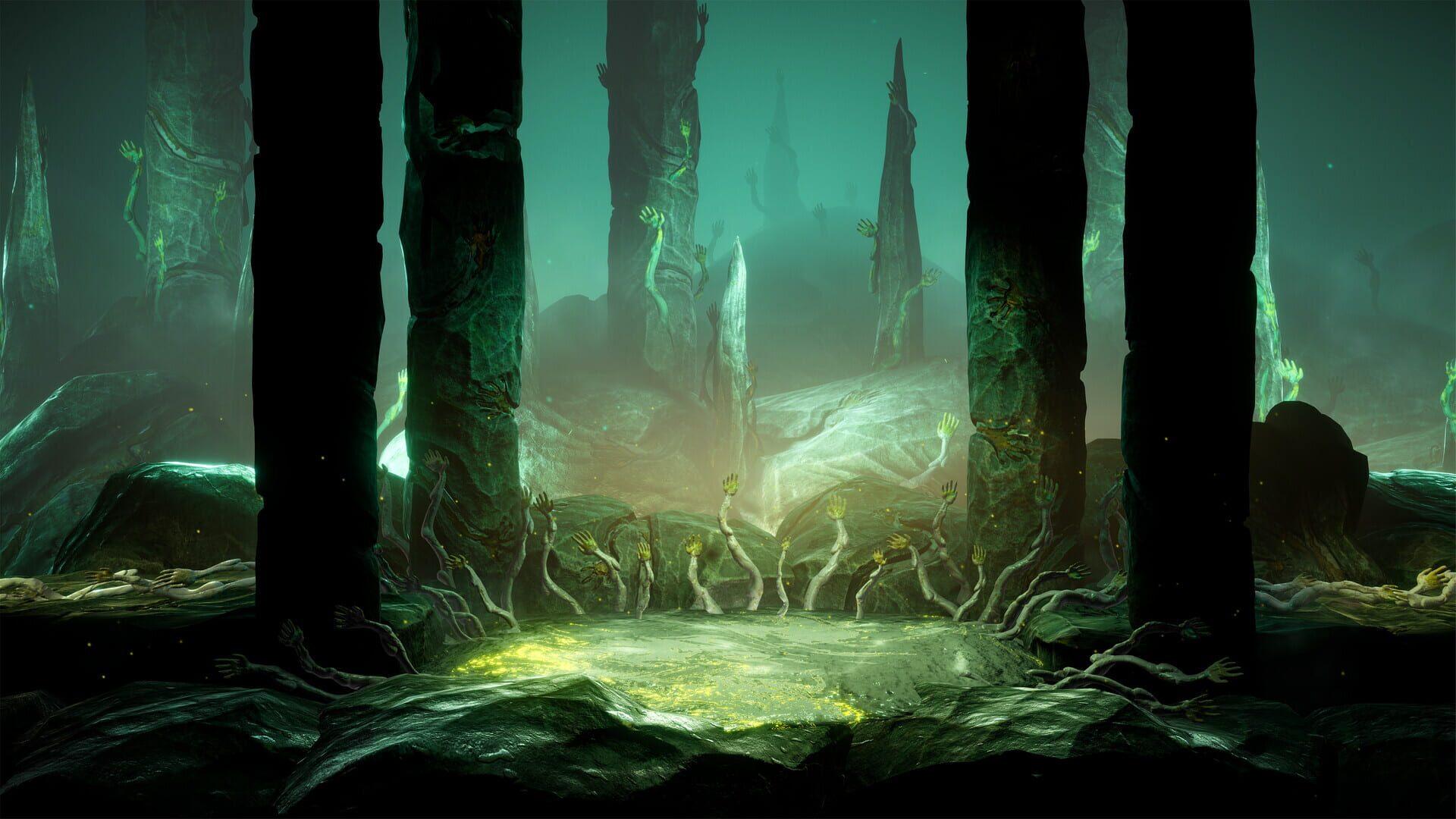
The result is a combat system that rewards curiosity. Exploring a new area isn't just about finding a path forward; it's about finding new enemy types whose absorbed forms might open up options elsewhere. That loop feeds directly into the metroidvania structure, where backtracking with new abilities is the whole point.
World and setting: art as architecture
The world of Grime II is described as a "bizarre lived-in world obsessed with art," and that framing shapes the entire visual and environmental design. This isn't a world that uses art as wallpaper. The obsession is structural, woven into how spaces are built and how the inhabitants relate to each other and to the player character.
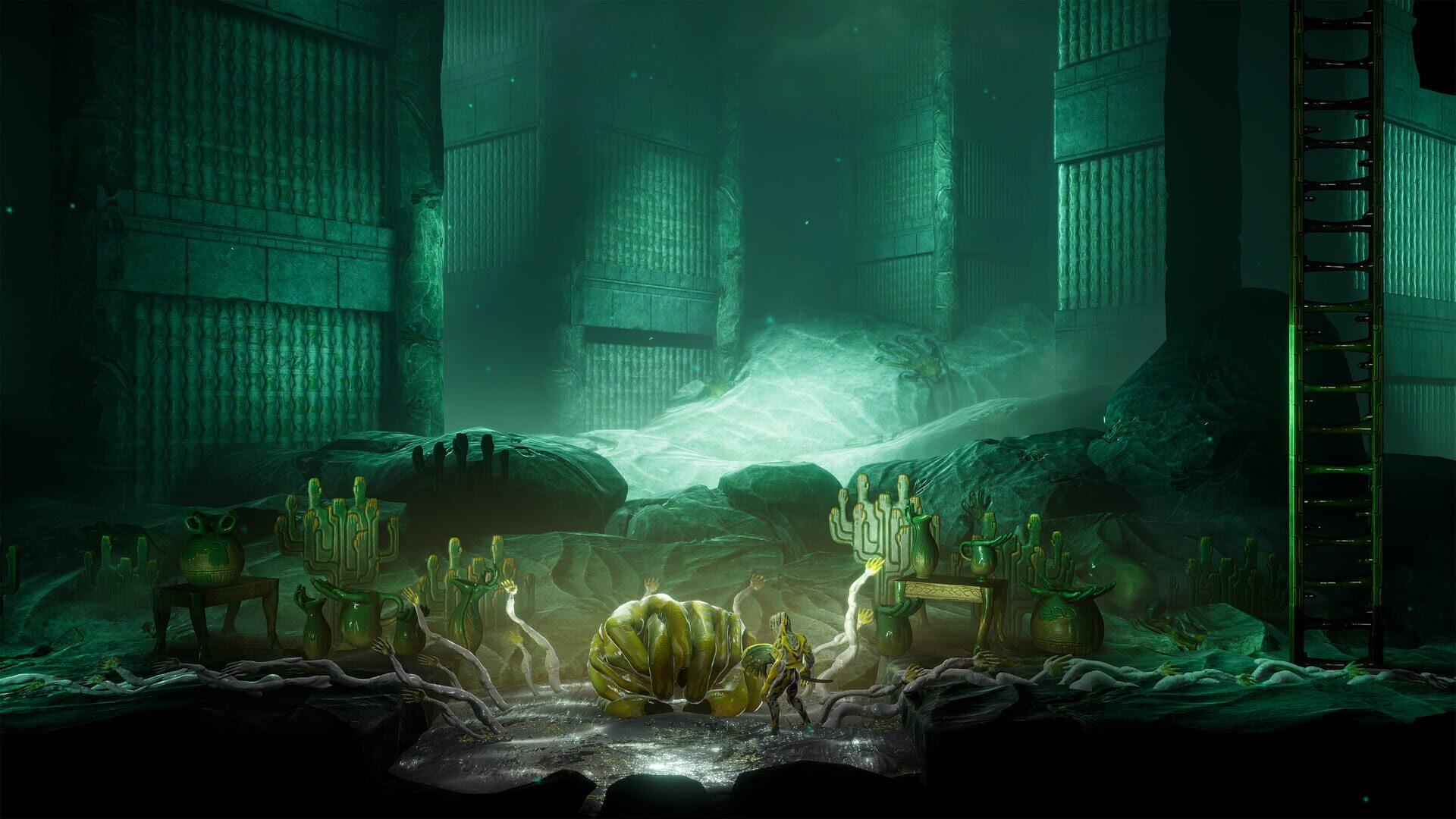
Clover Bite has consistently built worlds that feel like they existed before the player arrived, and Grime II continues that approach. The surreal aesthetic isn't random grotesquerie for shock value; the strangeness has internal logic, and the more time spent in the world, the more that logic reveals itself.
Visual and audio design
The art direction leans hard into body-horror surrealism without ever losing a sense of craft. Clover Bite's distinctive visual style, already established in the first Grime, gets expanded here with environments and enemy designs that feel like they belong to a consistent, if deeply unsettling, artistic vision.
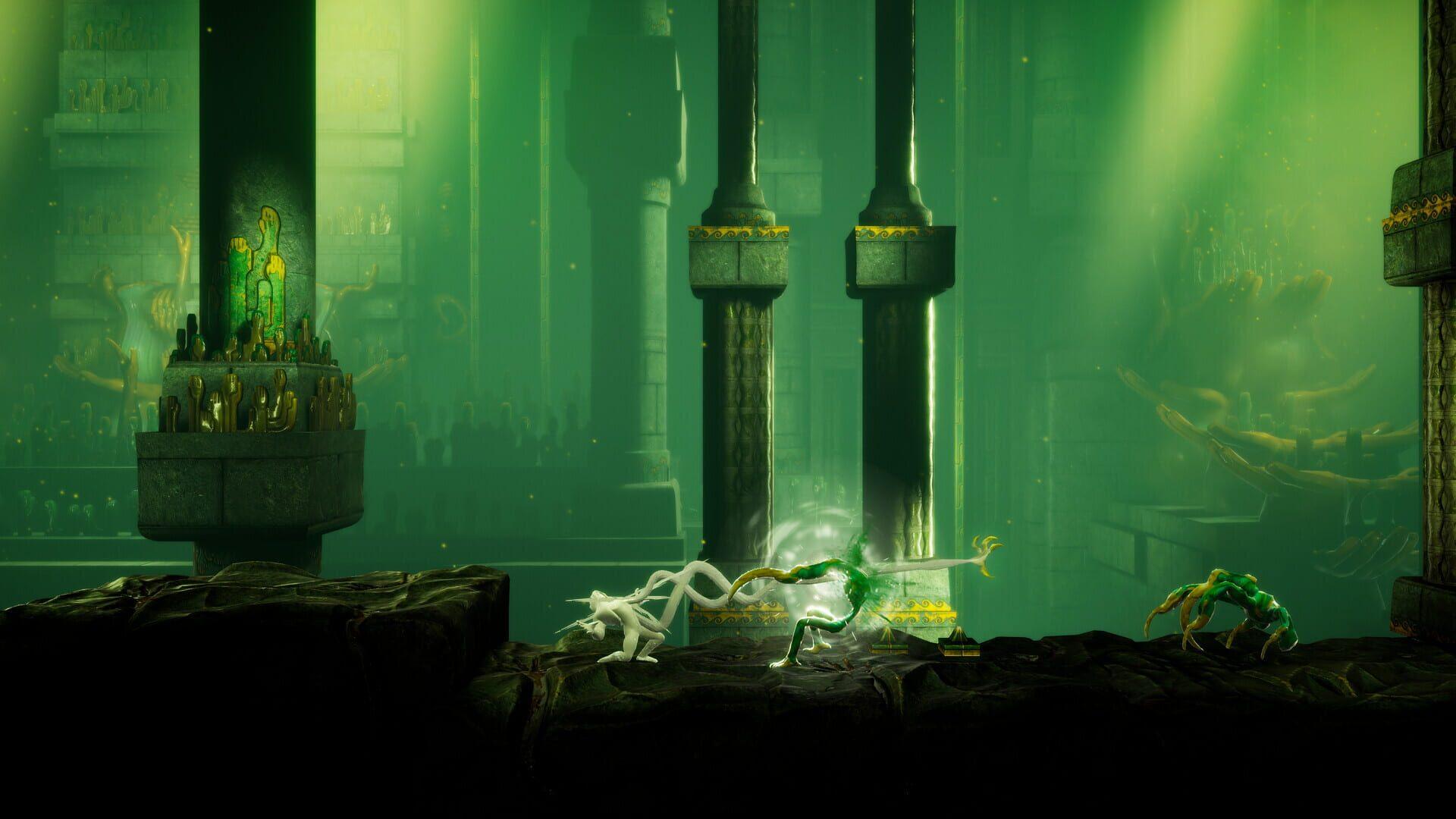
The DualSense vibration function is supported on PS5, adding a tactile layer to the absorption mechanic that fits the game's hands-literal-everywhere aesthetic better than most games manage with the feature.
Conclusion
Grime II is a metroidvania action-RPG with a genuinely distinct identity. The absorption and form-summoning system gives the combat real depth, the world earns its surreal reputation through design rather than just aesthetics, and the early player reception backs up what the trailers suggested. Clover Bite has built something specific and committed, and that specificity is exactly what separates Grime II from the crowded field of action-adventure games competing for the same audience.