Biggest discounts, free games, and limited-time offers across every major gaming store.
Never pay full price again.
Overview
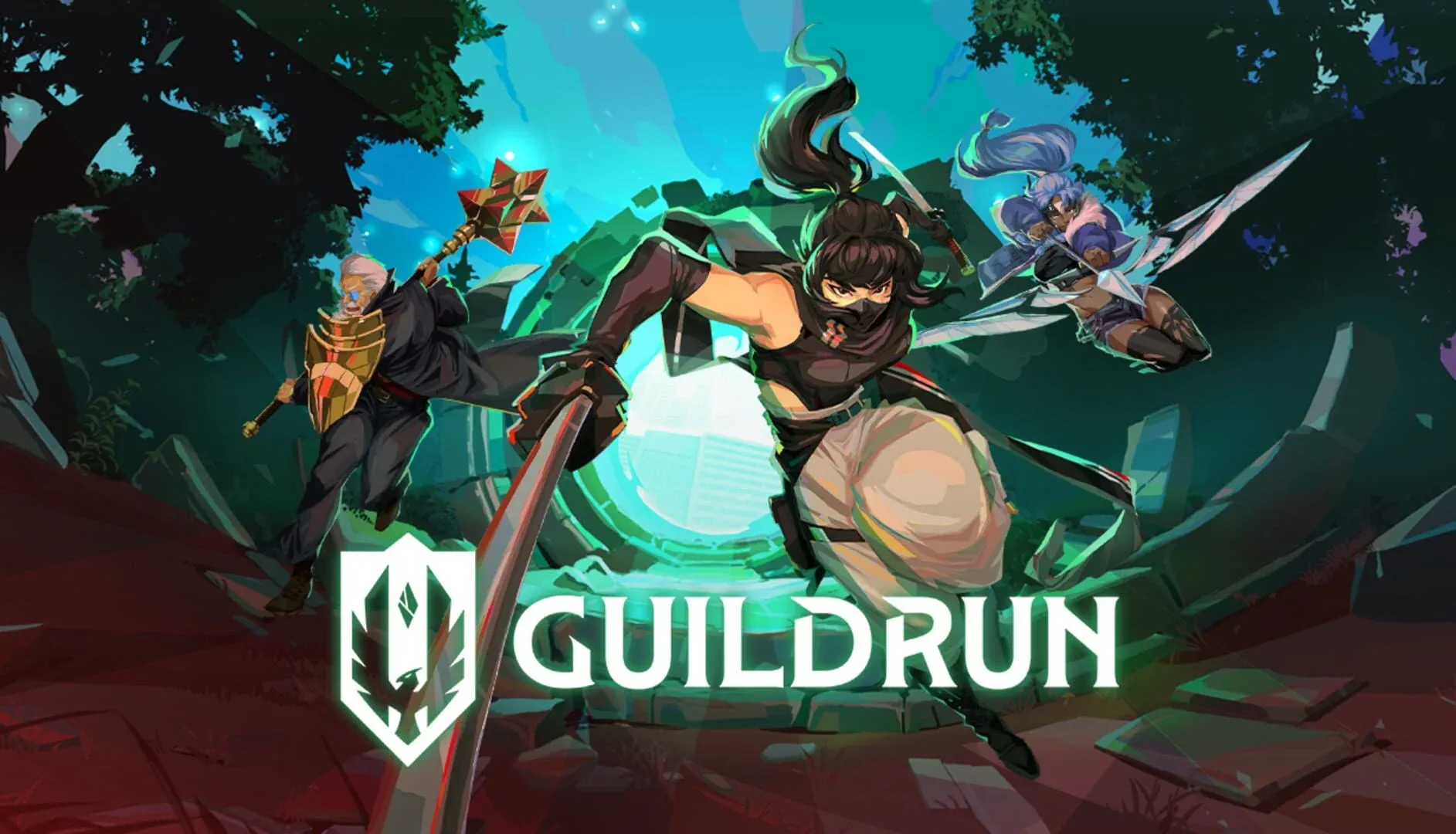
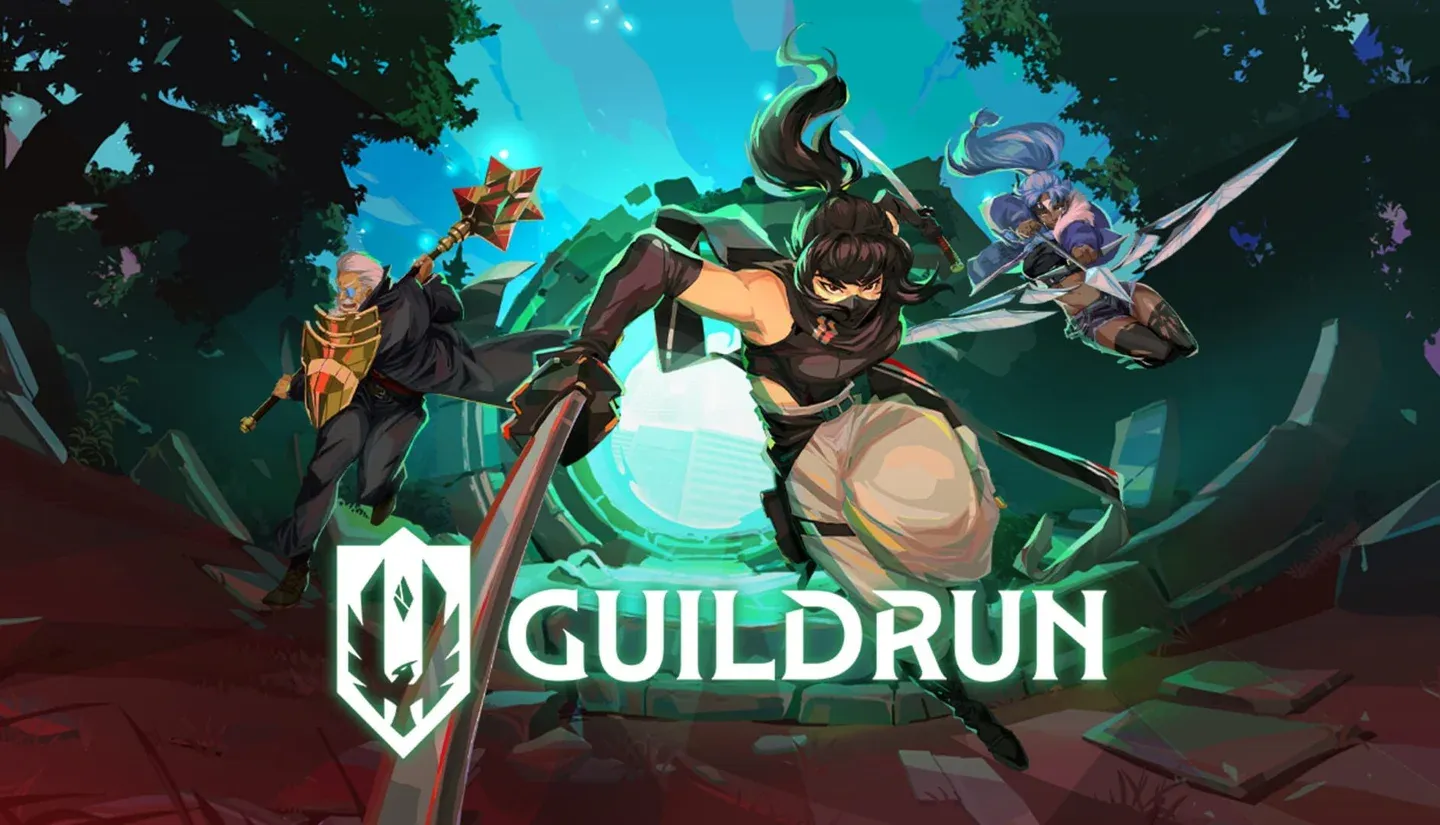
Guildrun is a PvE autobattler roguelike from indie developer Leyline, built around the idea that the best hero teams are the ones no one saw coming. The core loop tasks players with assembling a guild, pushing heroes past their default class boundaries, and grinding through escalating monster waves until the rifts tearing the world apart are finally sealed. The emphasis on cross-class experimentation gives the game a distinct identity in a genre that can sometimes feel formulaic.
The rift-sealing premise gives each run a loose sense of purpose without boxing players into a rigid narrative. There is no pressure to blitz through the content. Guildrun encourages players to explore at their own pace, unraveling the mystery of what caused the rifts while testing out increasingly unorthodox team compositions. That combination of atmospheric curiosity and mechanical freedom is where the game finds its rhythm.
Guildrun content image
Gameplay and mechanics
At its core, Guildrun operates on the autobattler framework players familiar with the genre will recognize: position your team, watch the combat resolve, adjust based on what survived. What separates it from the crowd is the hero flexibility system. Key features of the gameplay loop include:
- Cross-class hero role bending
- Roguelike run structure with permanent progression
- PvE monster wave escalation
- Rift-sealing campaign objectives
- Synergy-driven team building
The hero bending mechanic is the real engine here. A frontline tank can be nudged toward support utility, or a damage dealer can be pushed into a debuff role, depending on what items and upgrades appear during a run. That variability makes team building feel genuinely creative rather than a matter of slotting heroes into preset archetypes.
[IMAGE]
How does replayability hold up across runs?
Guildrun's roguelike structure directly answers the replayability question. Because hero upgrades, item drops, and encounter sequences shift between runs, no two attempts play out the same way. A composition that demolished waves in one run might collapse entirely on the next attempt if the supporting items never show up. That unpredictability is the point.
The rift-sealing campaign adds a layer of long-term motivation beyond individual run scores. Players gradually piece together the lore behind the rifts while unlocking new variables that feed back into future attempts. The loop between short-term run decisions and longer-term discovery keeps the game from feeling like pure repetition.
Innovation and unique features
The genre has no shortage of autobattlers, but Guildrun carves out space by treating hero class roles as suggestions rather than rules. Most games in this space reward players for identifying the optimal team archetype and executing it efficiently. Guildrun actively pushes back against that instinct by making off-meta combinations viable, sometimes even superior.
[IMAGE]
That design philosophy extends to the pacing. Players are not racing a timer or competing against other users. The PvE structure means every decision is made against the game itself, which keeps the focus squarely on the build-crafting and monster-wave strategy rather than matchmaking anxiety. For players who enjoy deep tactical systems without the pressure of live competition, that is a meaningful distinction.