Overview
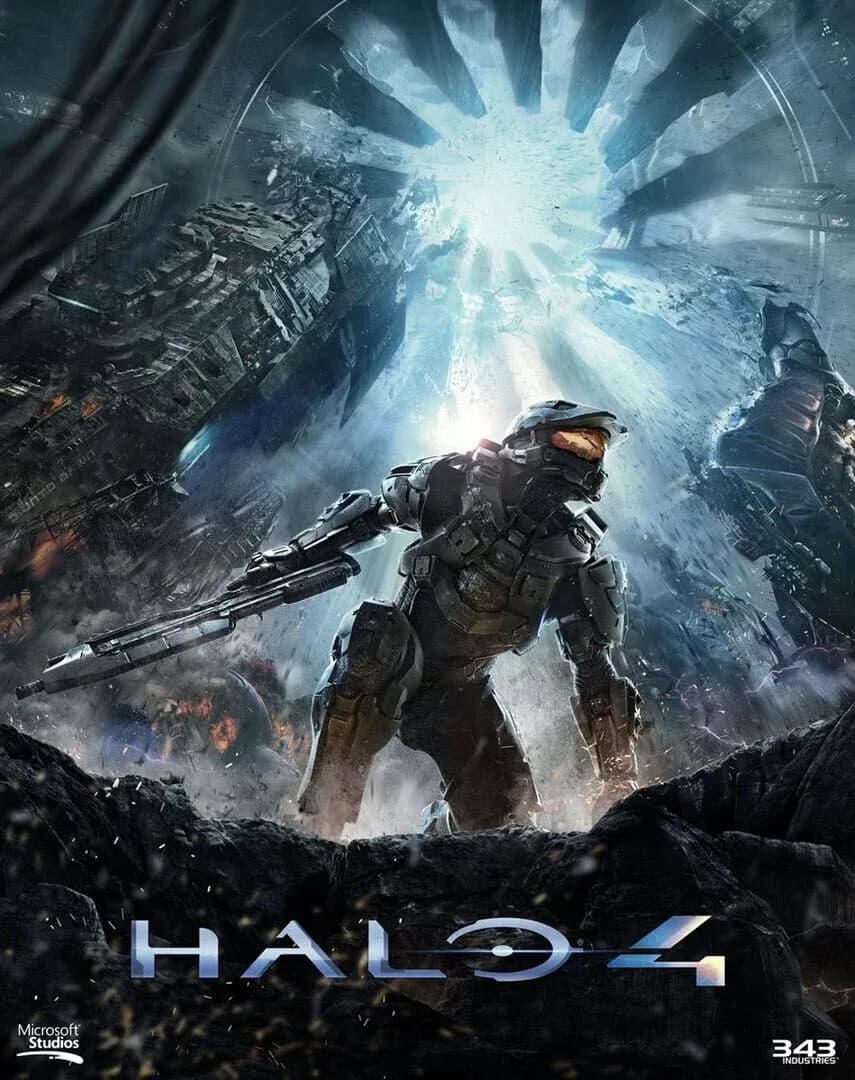
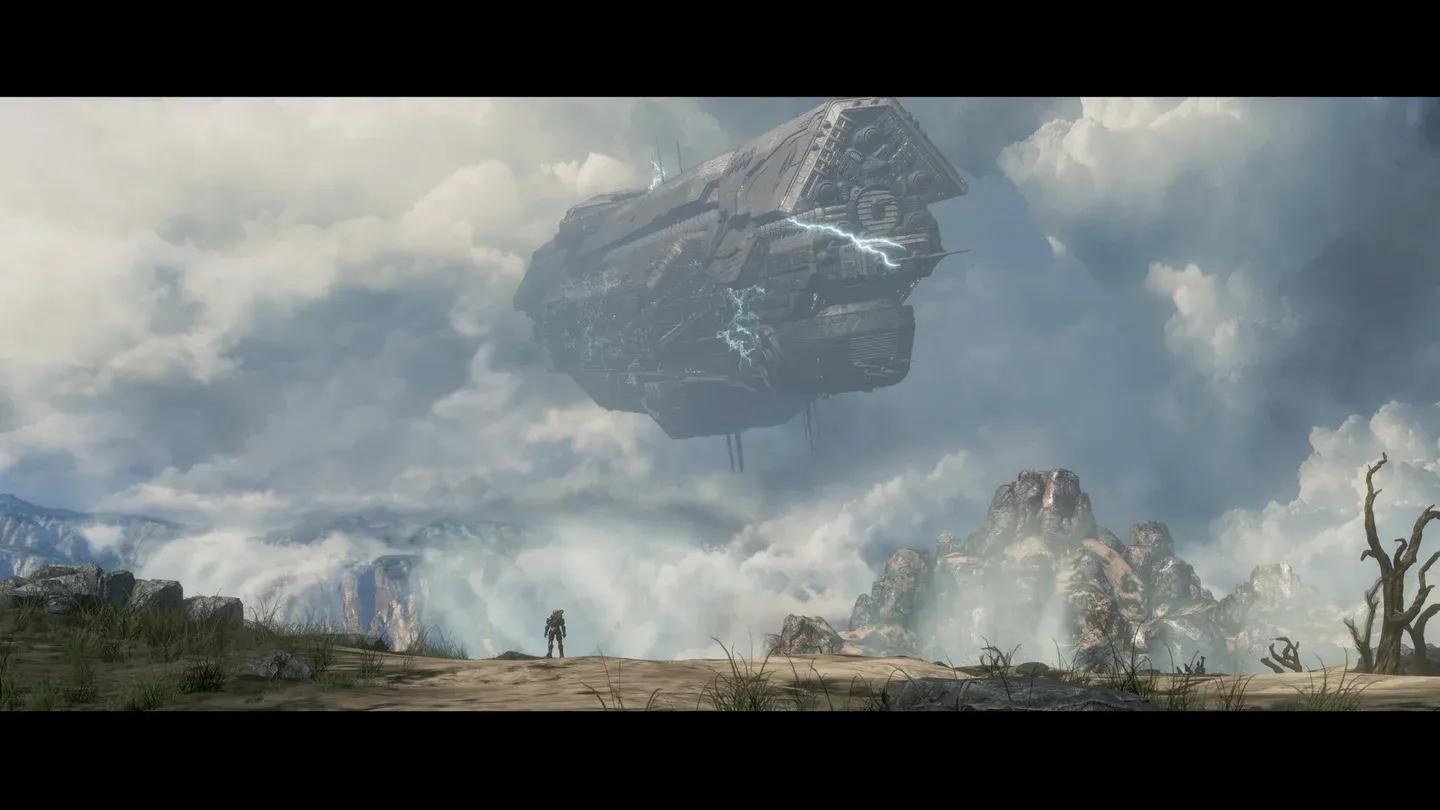
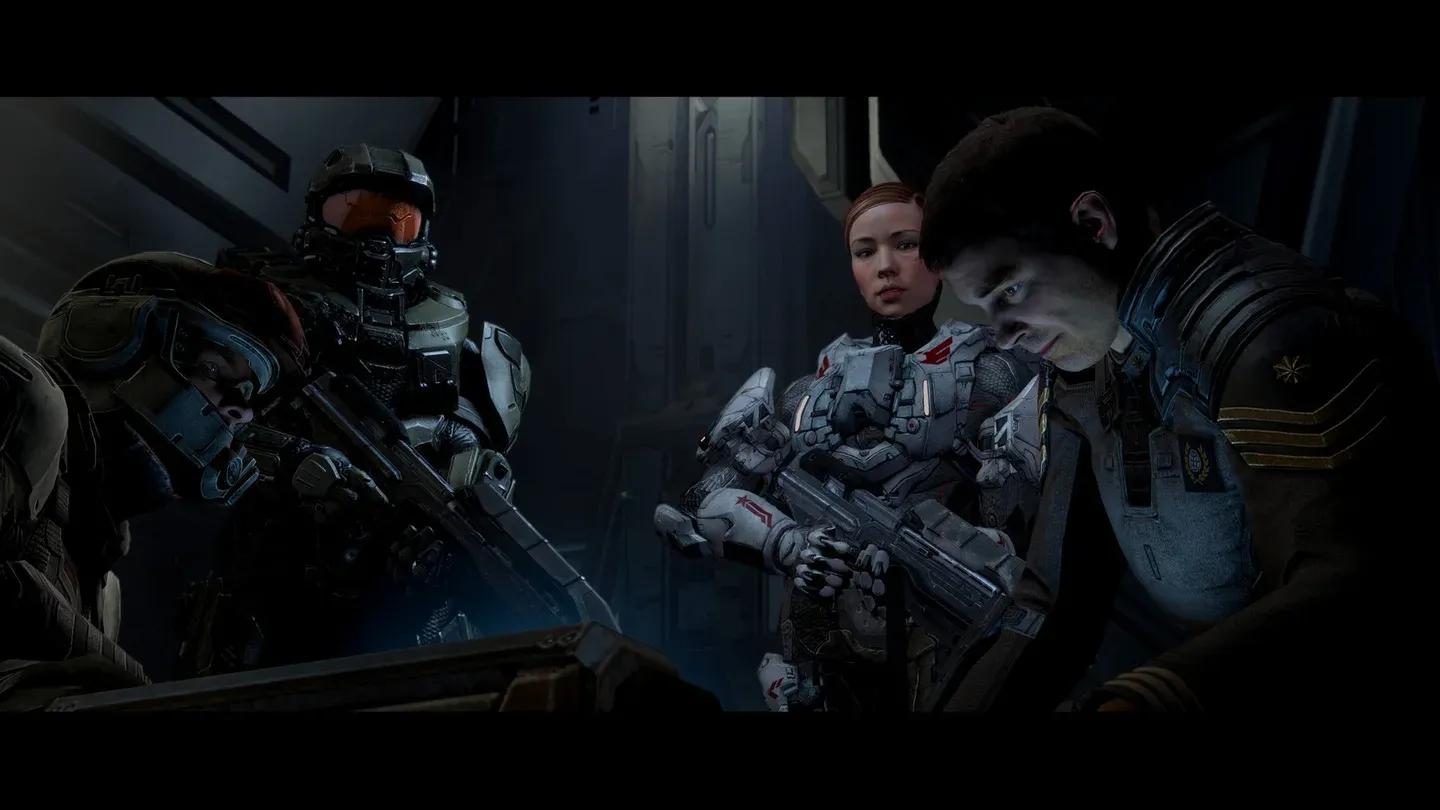
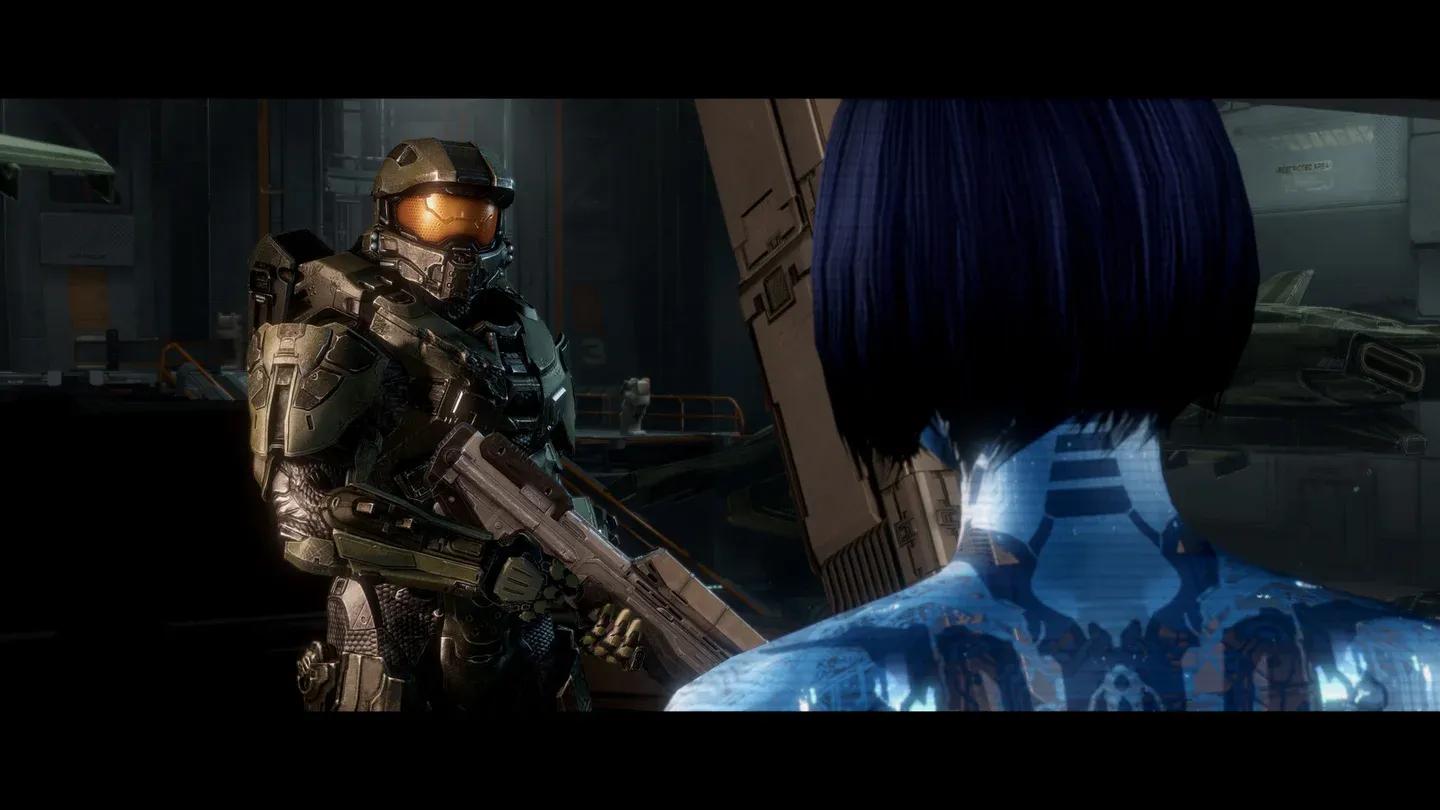
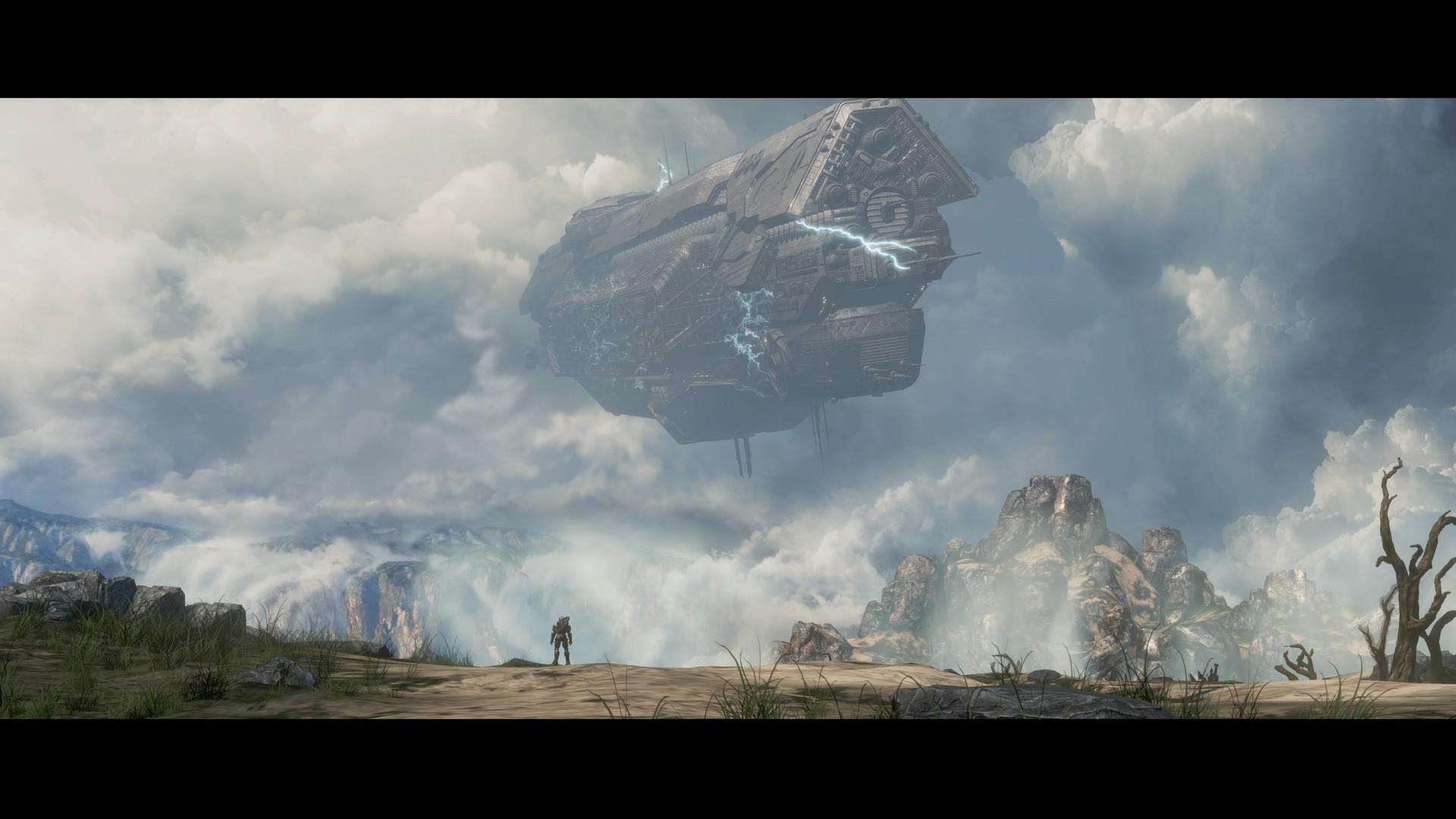
Halo 4 picks up with the Master Chief and Cortana adrift in space aboard the wreckage of the UNSC Forward Unto Dawn, four years after the events of Halo 3. When their vessel is pulled into the Forerunner shield world known as Requiem, the Chief wakes to face a threat unlike anything the series has presented before. The Didact, an ancient Forerunner warrior, serves as the central antagonist, and the story takes real time to develop both his menace and the relationship between the Chief and a deteriorating Cortana.
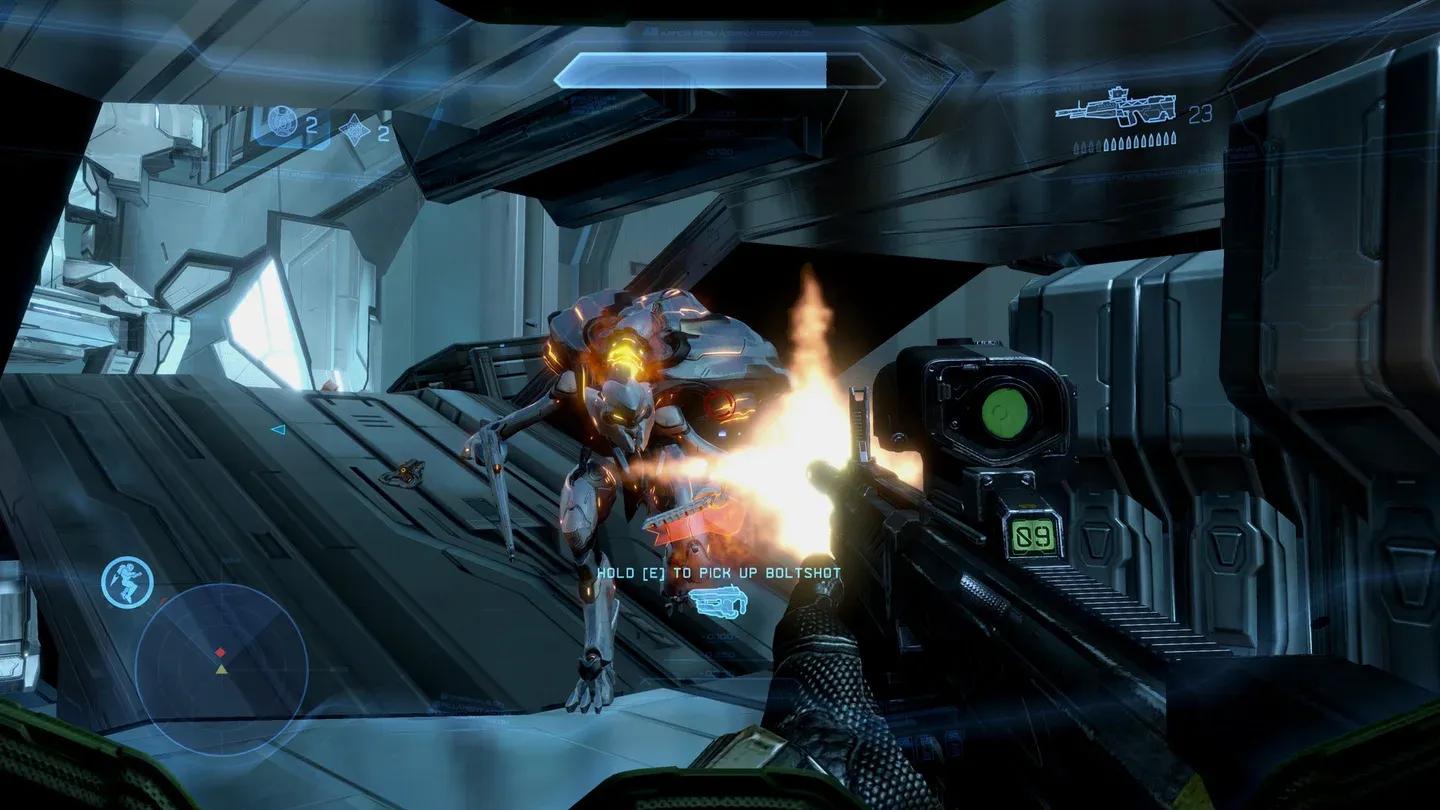
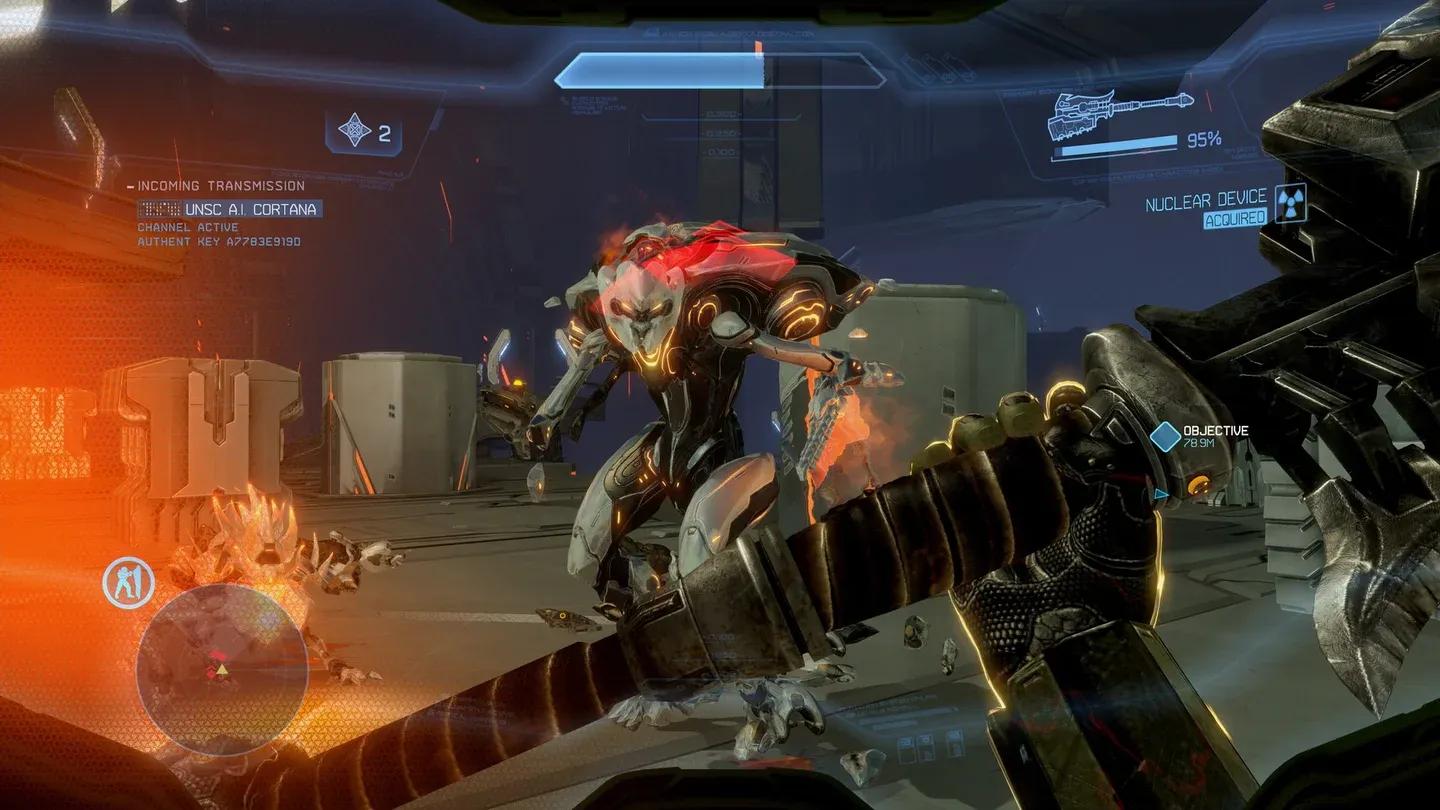
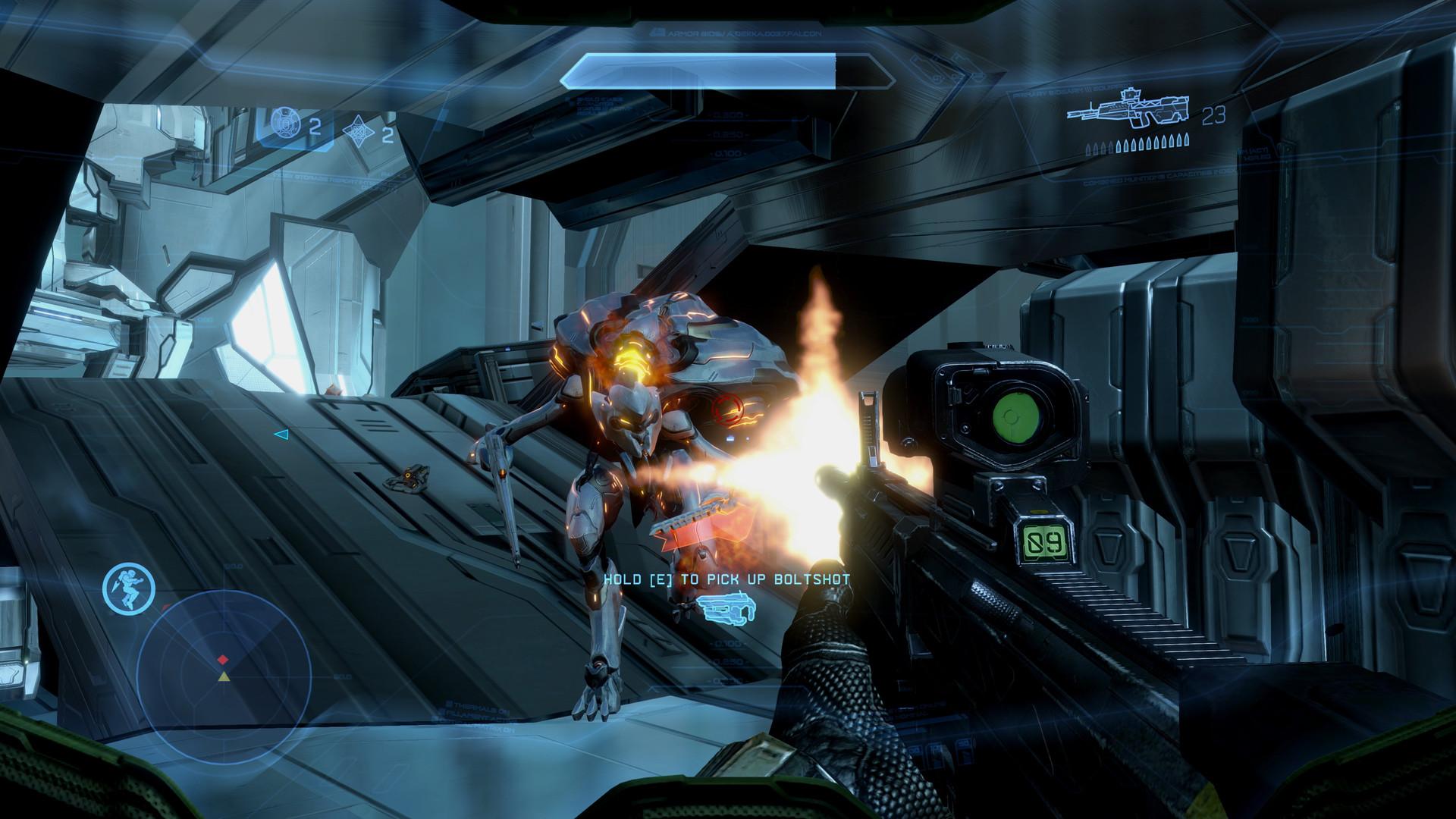
The campaign runs through eight missions across Requiem's varied environments, blending familiar Covenant encounters with the new Promethean enemy faction. Prometheans fight differently from the Covenant. They teleport, revive fallen allies using robotic constructs called Crawlers, and force players to adjust tactics on the fly. The shift keeps combat from feeling repetitive, especially on higher difficulties where managing two distinct enemy types simultaneously demands real attention.
Campaign and world design
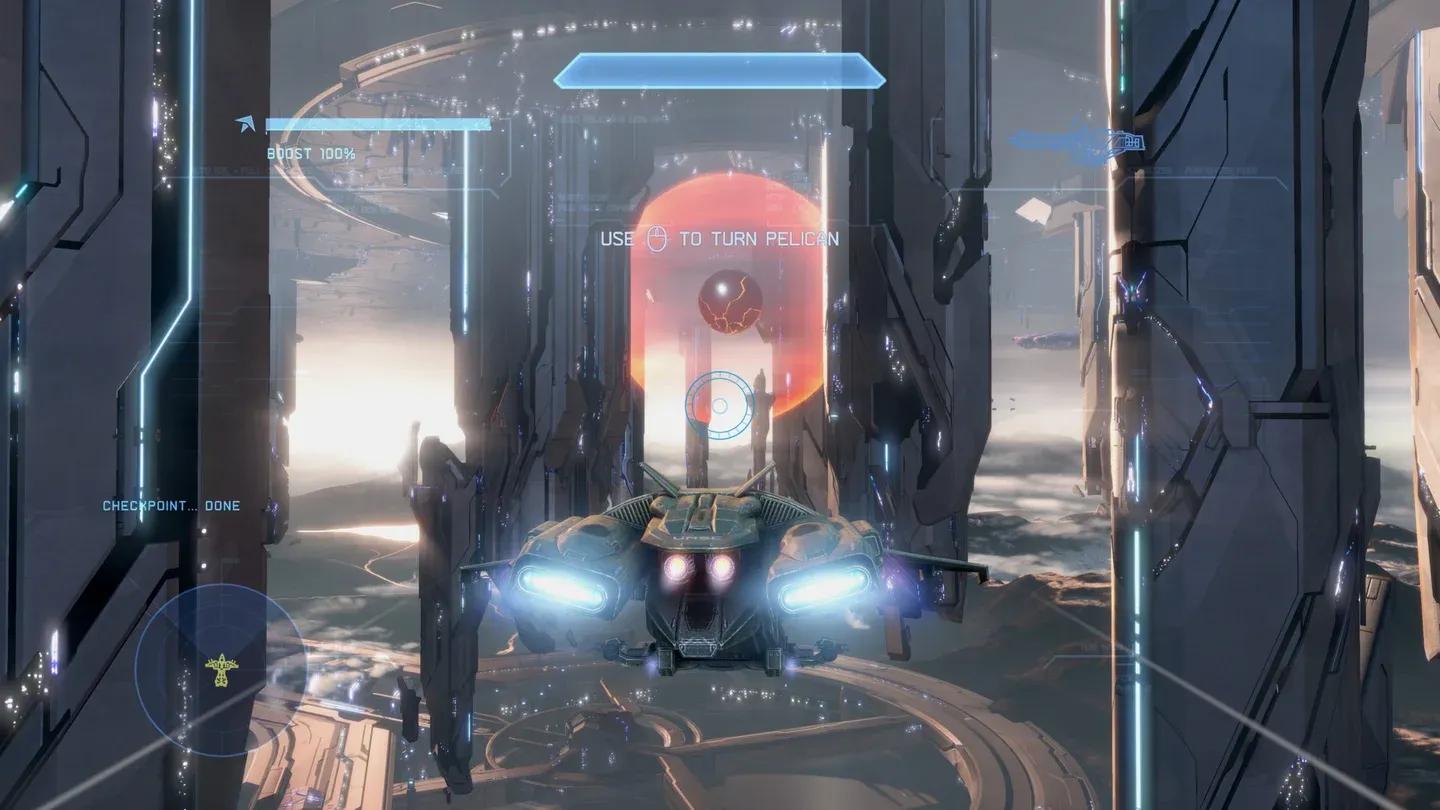
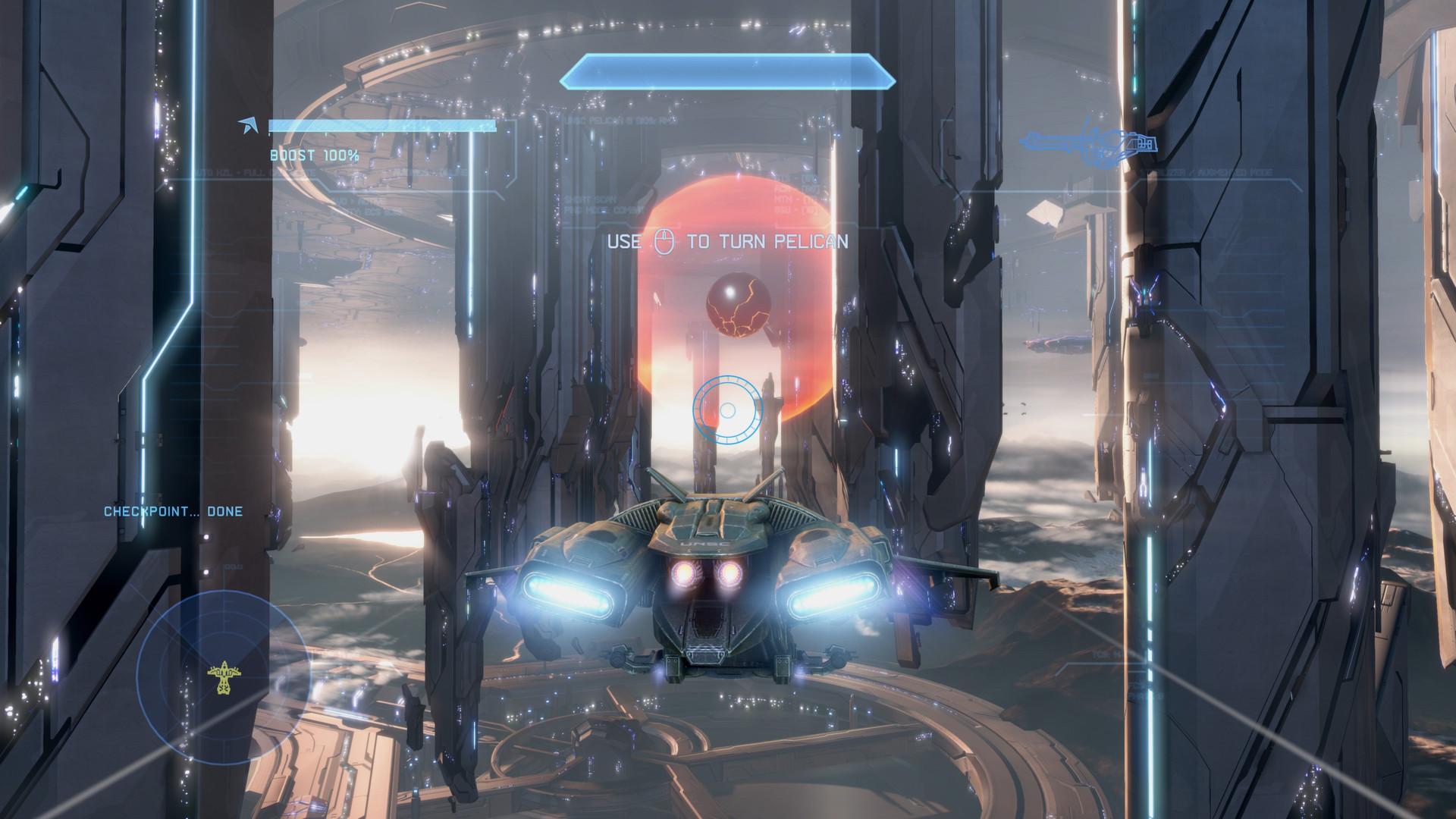
Requiem is one of the more visually distinctive settings in the franchise's history. The Forerunner architecture trades the organic curves of older Halo installations for sharp geometric forms and glowing blue energy constructs that feel genuinely alien. 343 Industries leaned hard into the idea that the Forerunners were a civilization of immense power and stranger values, and the environment design reflects that.
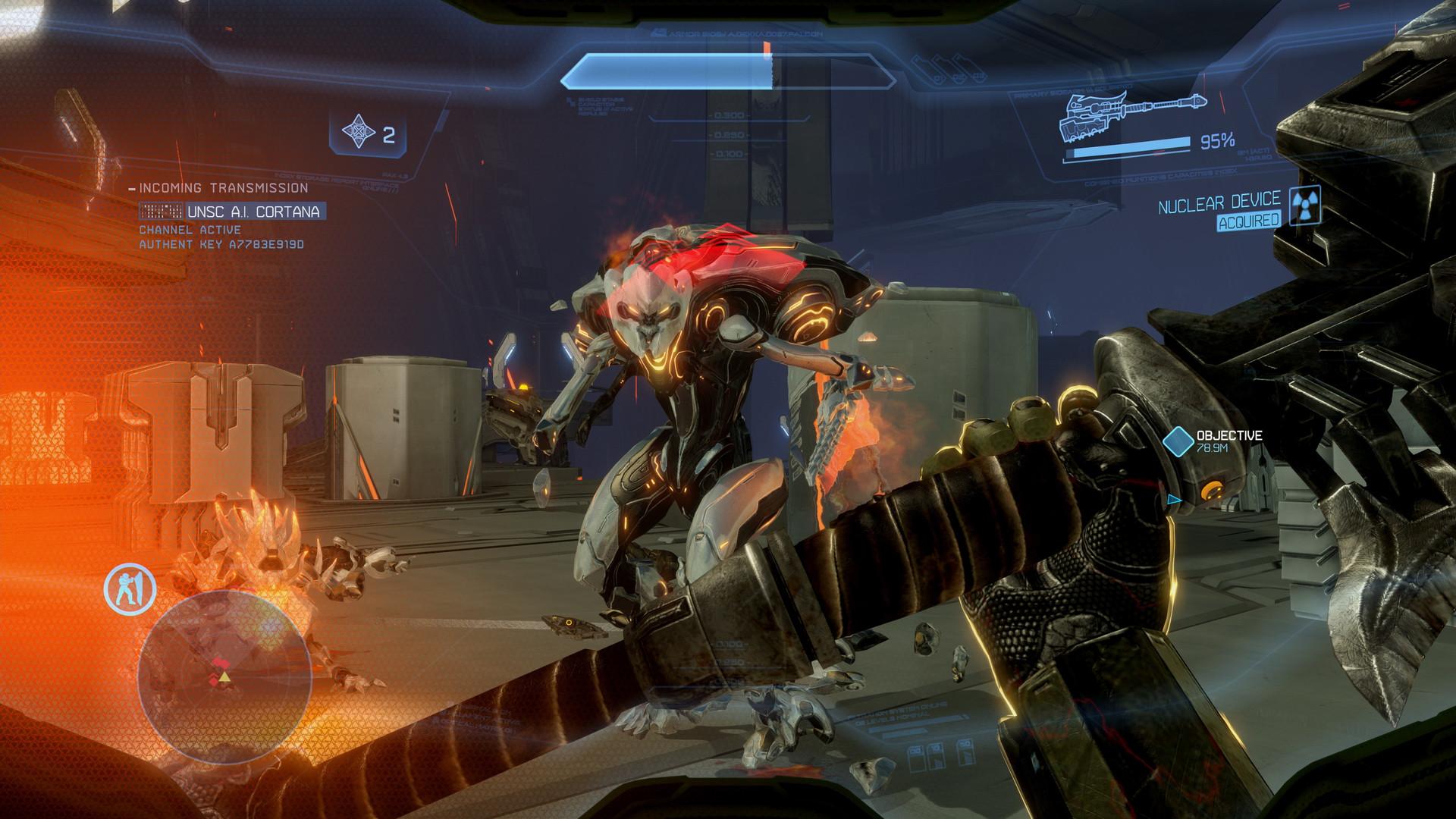
The campaign's strongest element is its character work. The dynamic between the Master Chief and Cortana carries the entire second half of the story, and the writing gives both characters more emotional depth than the original trilogy typically offered. Cortana's rampancy subplot, where an AI begins to break down after exceeding its operational lifespan, adds genuine stakes to a game that could have coasted on nostalgia alone.
Multiplayer and Spartan Ops
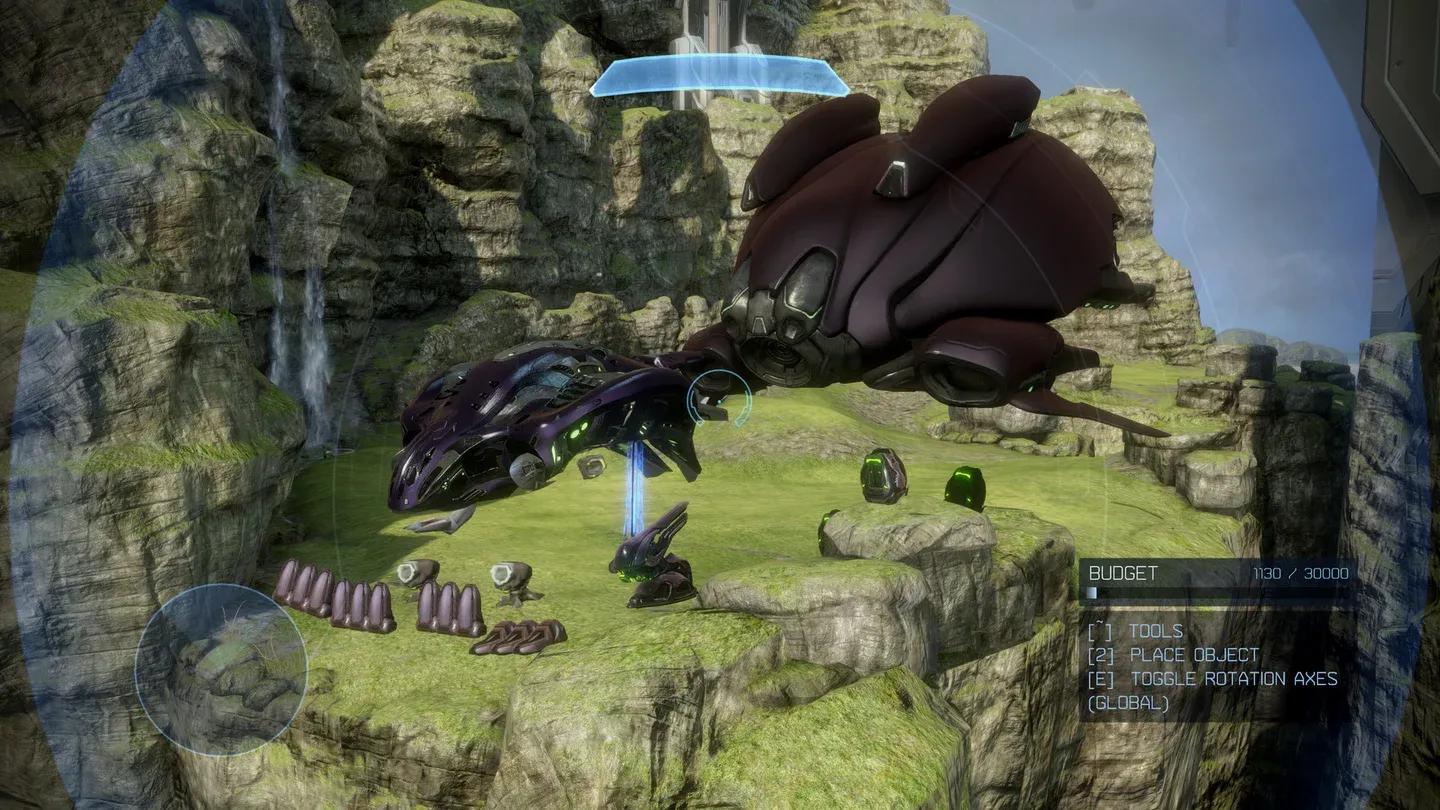
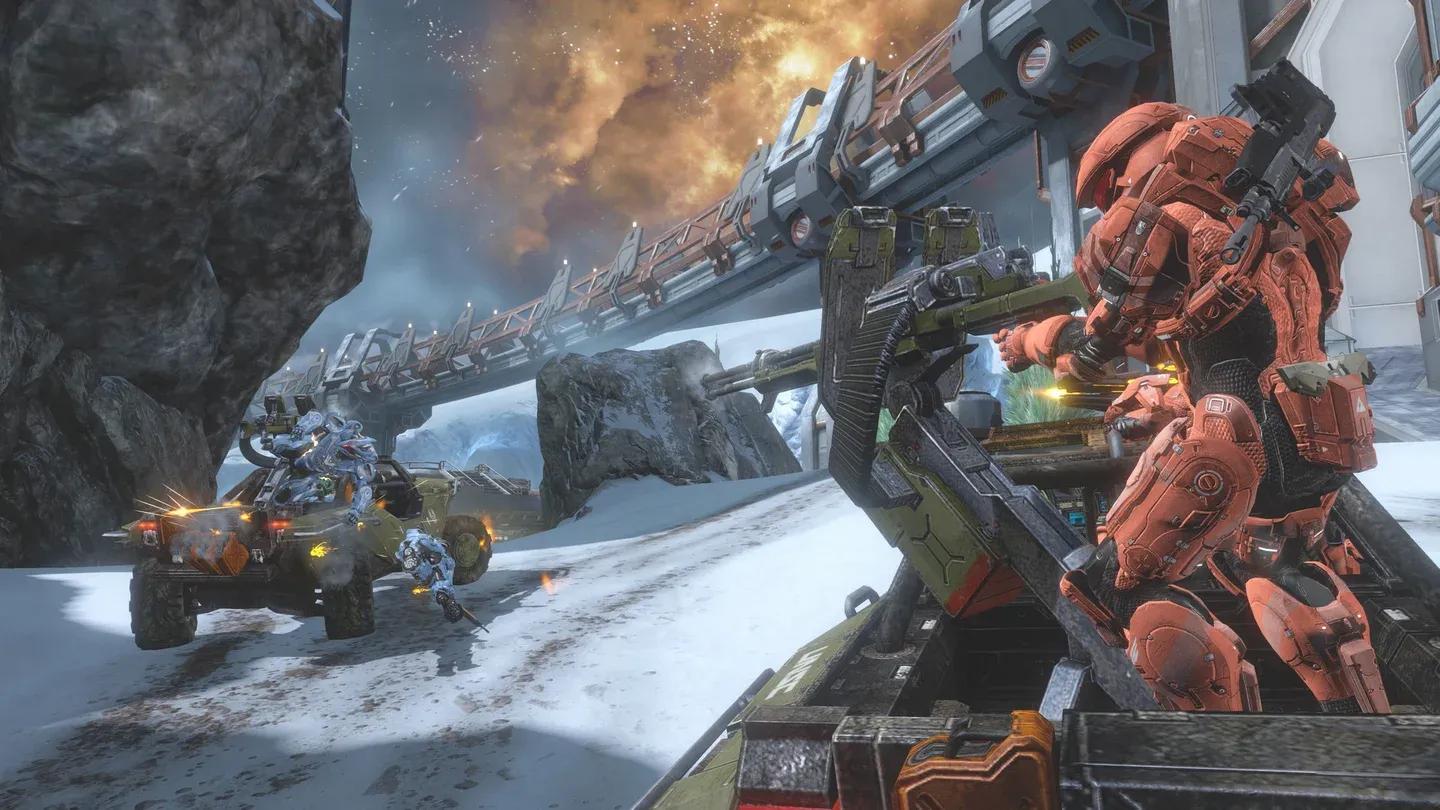
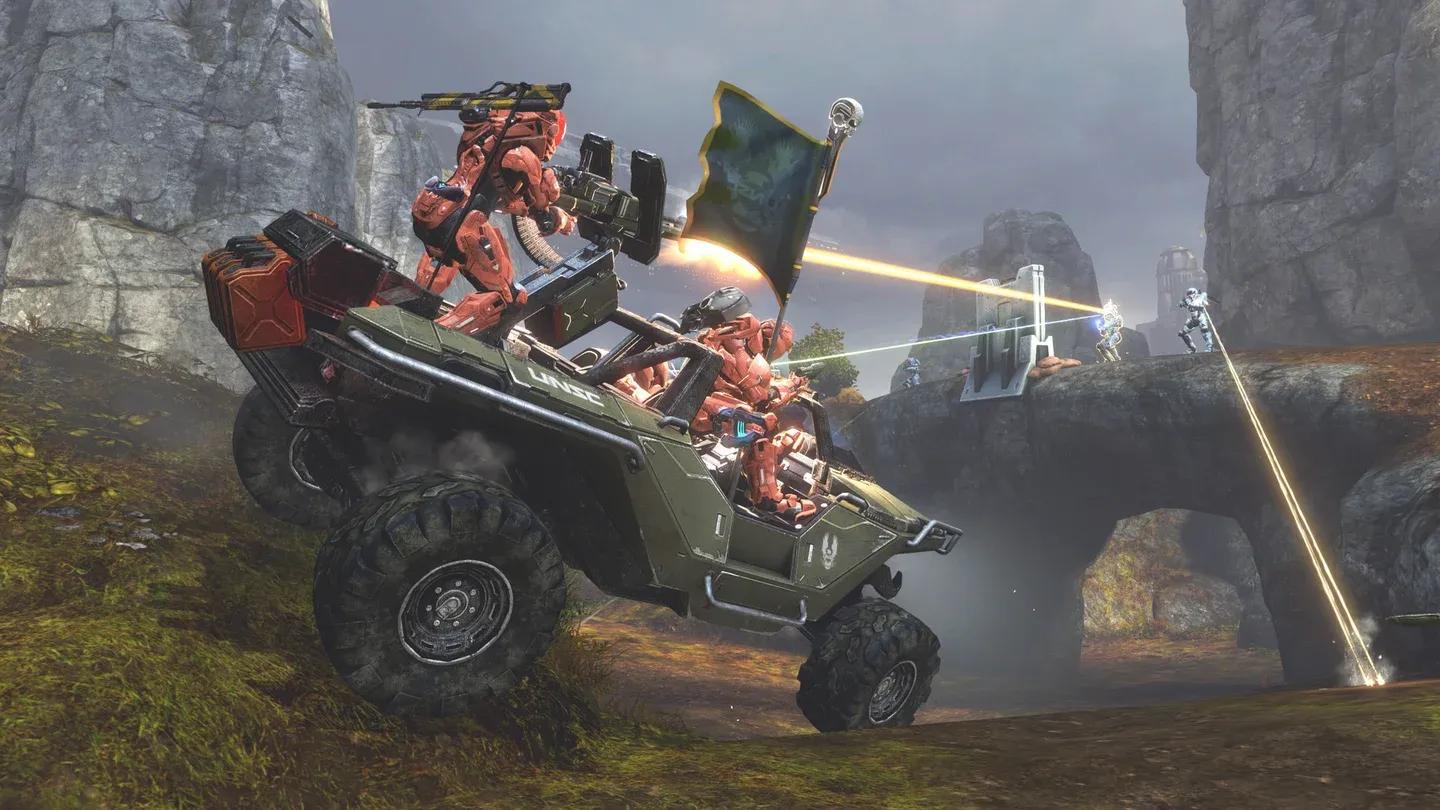
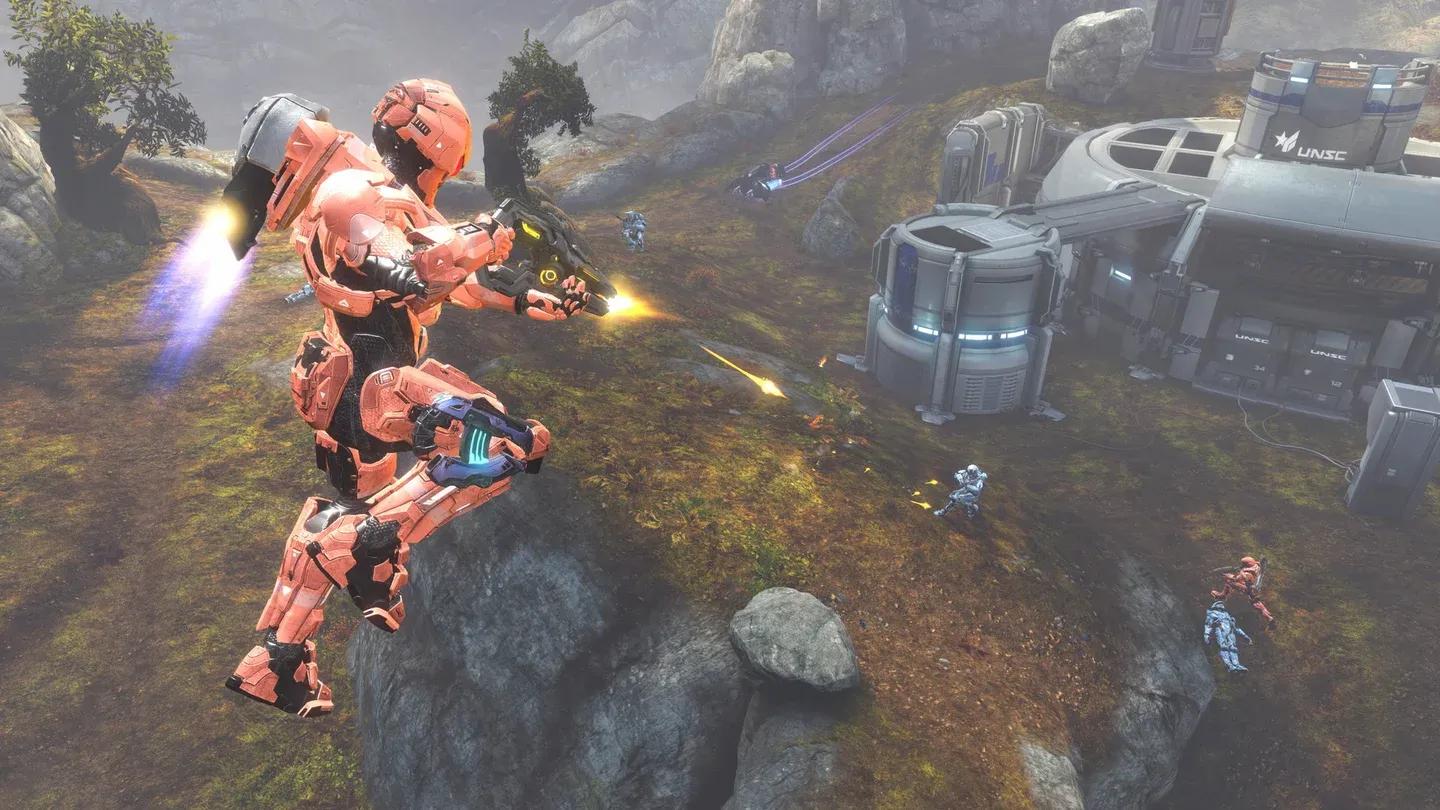
Multiplayer in Halo 4 arrives with 25 maps and a progression system that borrows more from the modern military shooter template than previous Halo games, including loadout customization and ordnance drops during matches. Key features include:
- Loadout system with starting weapon selection
- Ordnance drops rewarding in-match performance
- Armor customization with more changeable pieces than prior entries
- Forge mode for custom map creation
- Theater for recording and reviewing gameplay
Spartan Ops offers a separate episodic co-op mode that continues the story after the campaign ends. Missions drop players into objective-based scenarios aboard and around the UNSC Infinity, with new cinematics released in chapters. It's a genuinely novel approach to post-campaign content that gives co-op players something with actual narrative context.
PC performance and technical options
The PC version of Halo 4, available through Halo: The Master Chief Collection on Steam, brings the game up to 4K UHD resolution at 60-plus frames per second. Native PC options include full mouse and keyboard support with customizable bindings, ultrawide monitor compatibility, and field-of-view adjustment. The game can also be purchased as a standalone title without requiring the full Master Chief Collection.
System Requirements
| Requirement | Minimum |
|---|---|
| Processor | Intel Core i7-975 | AMD A12-9800 APU |
| Memory | 2 GB RAM |
| Graphics | GeForce GTS 450 | Radeon R7 Graphics |
Is Halo 4 worth playing in 2026?
For players who want a first-person shooter with a story that actually tries to say something, Halo 4 holds up well. The Promethean enemy faction gives combat a different texture from the rest of the series, the campaign's emotional arc lands harder than most Halo entries, and the PC port delivers the visual fidelity the game always deserved. The multiplayer suite with Forge and Theater keeps the sandbox alive for players who want to build and experiment beyond the standard playlist.