Overview
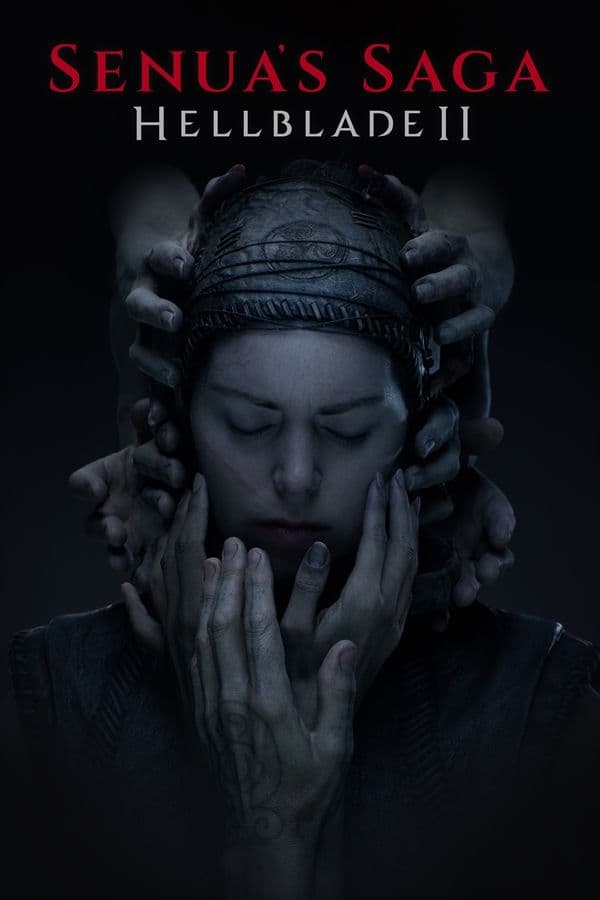
Hellblade: Senua's Sacrifice is a third-person action-adventure game developed and published by Ninja Theory, released in August 2017. Set at the intersection of Norse mythology and Celtic culture, it follows Senua, a Pict warrior from Orkney, as she carries her dead lover Dillion's severed head into Helheim to bargain with the goddess Hela. The game was built by a team of roughly 20 people, a remarkably small crew for something that looks and plays like a major studio release.
What separates Hellblade from other action games is its unflinching portrayal of psychosis. Ninja Theory worked directly with neuroscientists and people who live with the condition to shape how Senua's mental state is represented. The result is a game where reality itself is unreliable, and where the voices in Senua's head are not a gimmick but the primary lens through which the player experiences everything.
Gameplay and mechanics
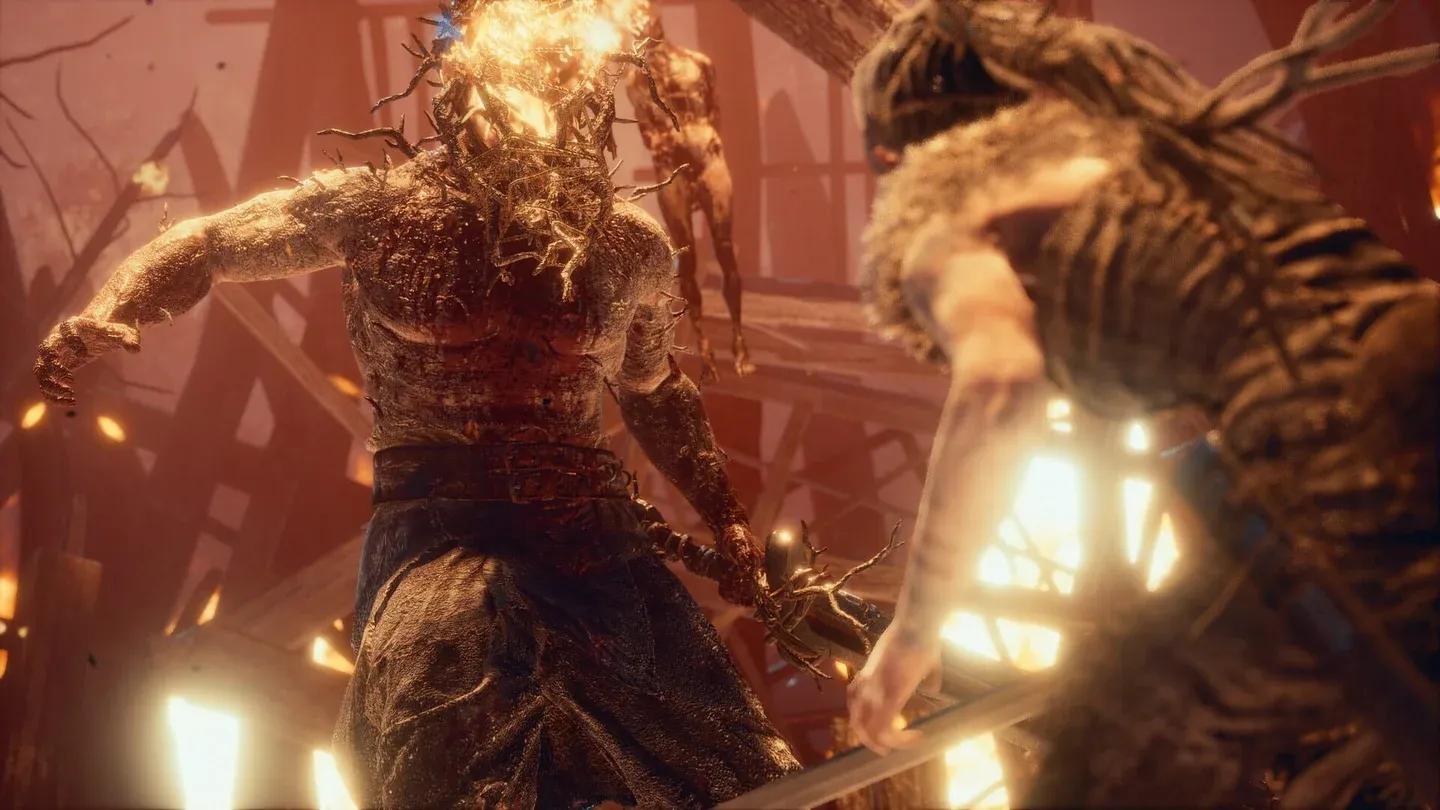
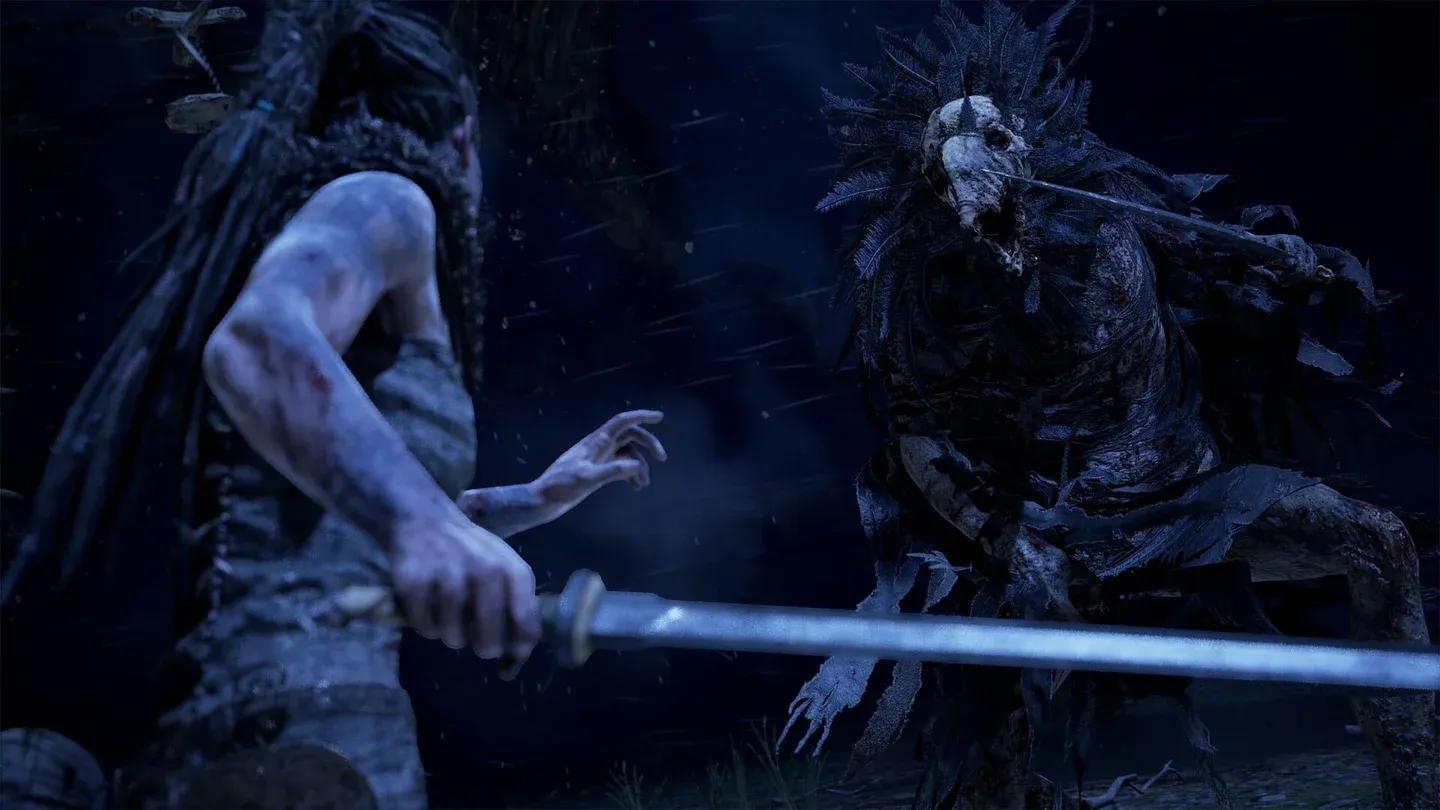
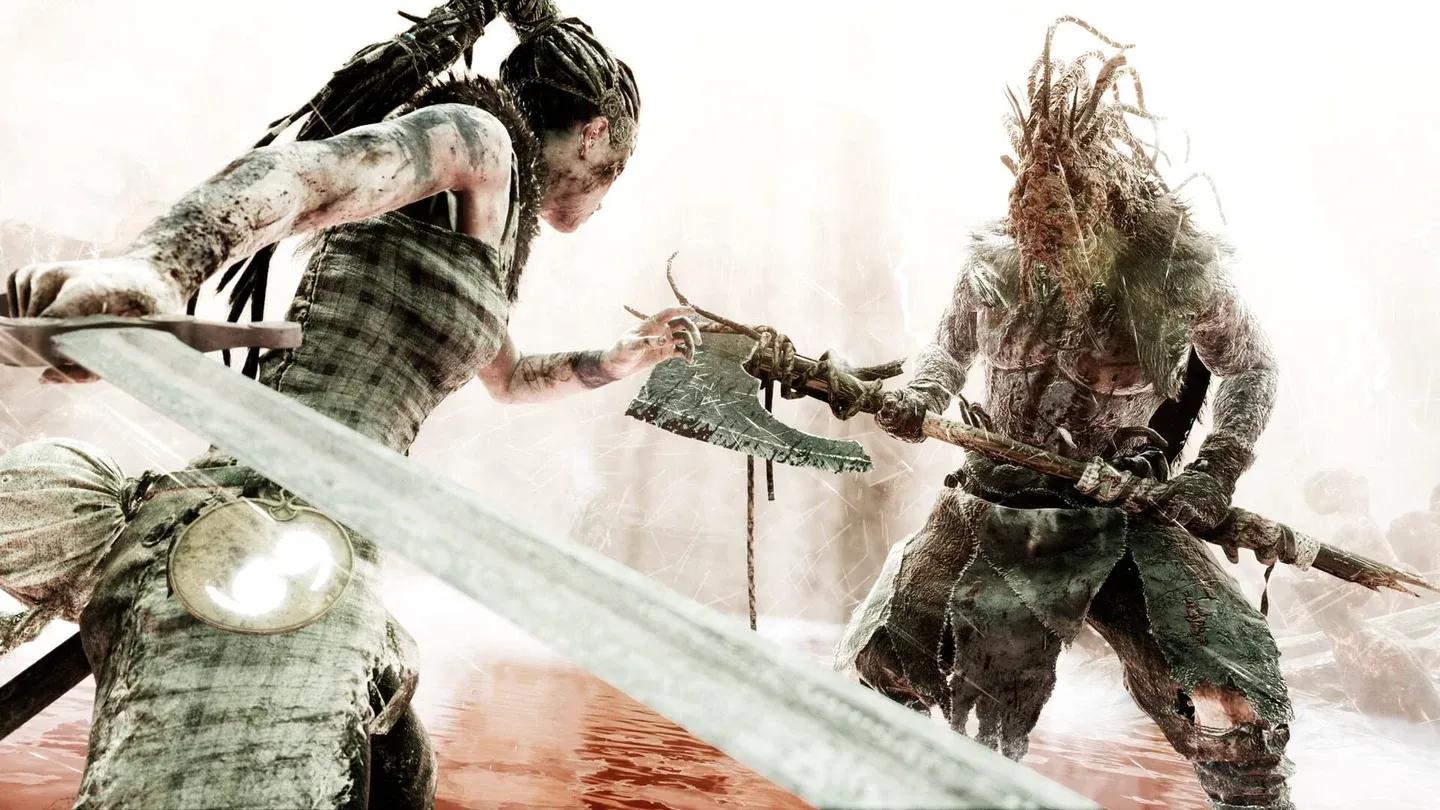
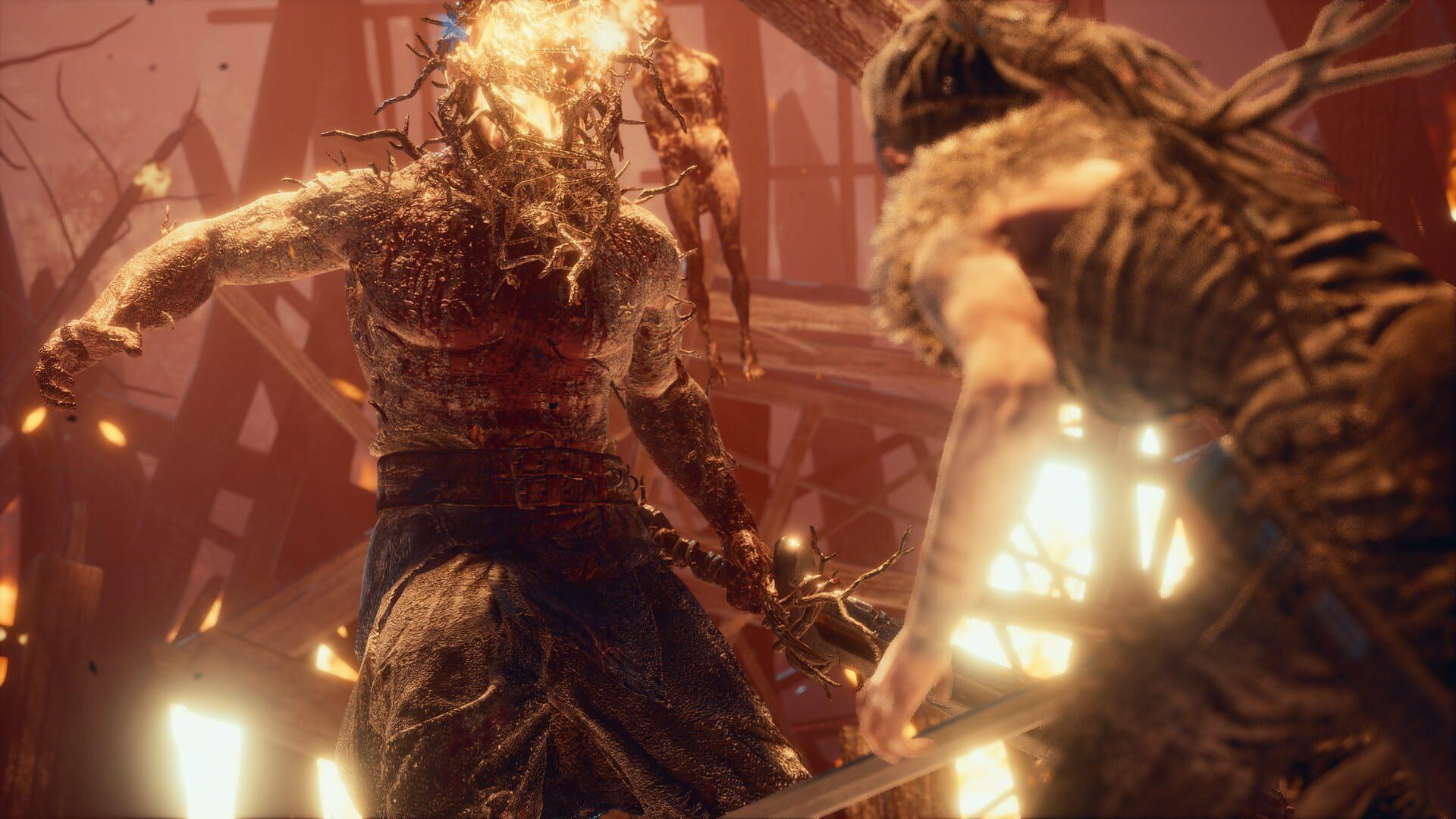
Hellblade's core loop alternates between melee combat and environmental puzzle solving. Combat is one-on-one and deliberate, with Senua facing Norse warriors and mythological creatures using a small set of attacks, parries, and a focus ability that slows time. There are no tutorials, no HUD, and no on-screen prompts. The voices guide you instead.
Key mechanics include:
- Binaural audio voices that warn of incoming attacks
- Focus mechanic to slow time in combat
- Symbol-matching puzzles tied to Senua's perception
- No HUD or traditional UI elements
- Permadeath threat through the Rot system
The puzzle sections require Senua to align environmental shapes to form runes, a mechanic that ties directly to her distorted perception. Her psychosis becomes a tool rather than just a narrative device, letting her see patterns invisible to a healthy mind.
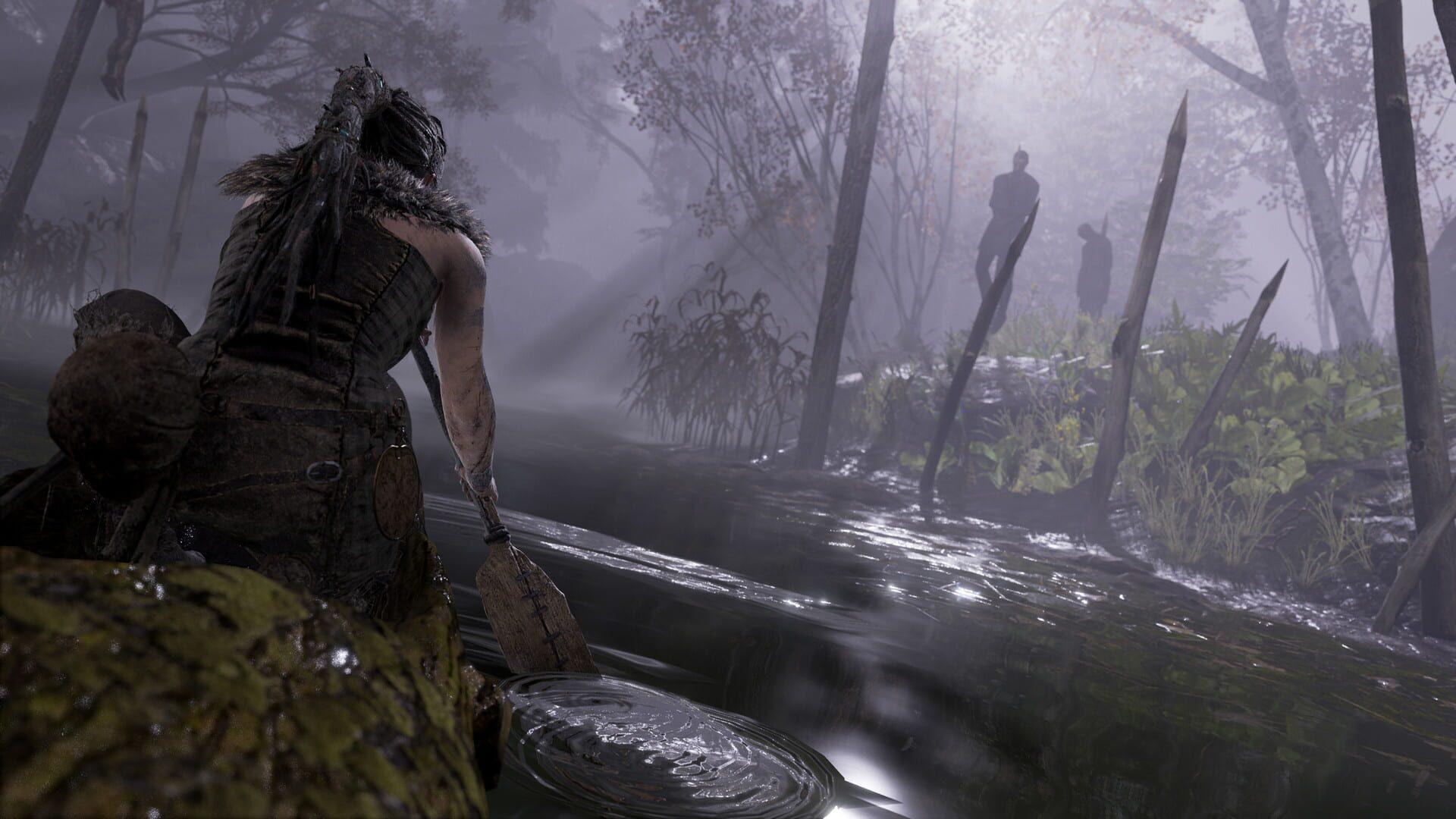
How does Hellblade handle mental illness?
Hellblade's portrayal of psychosis is the game's most discussed feature, and for good reason. The binaural audio, recorded to simulate the sensation of voices inside your own head, is best experienced with headphones. The game recommends this explicitly at the start. Voices argue, contradict each other, and occasionally provide accurate information, mirroring how auditory hallucinations actually function.
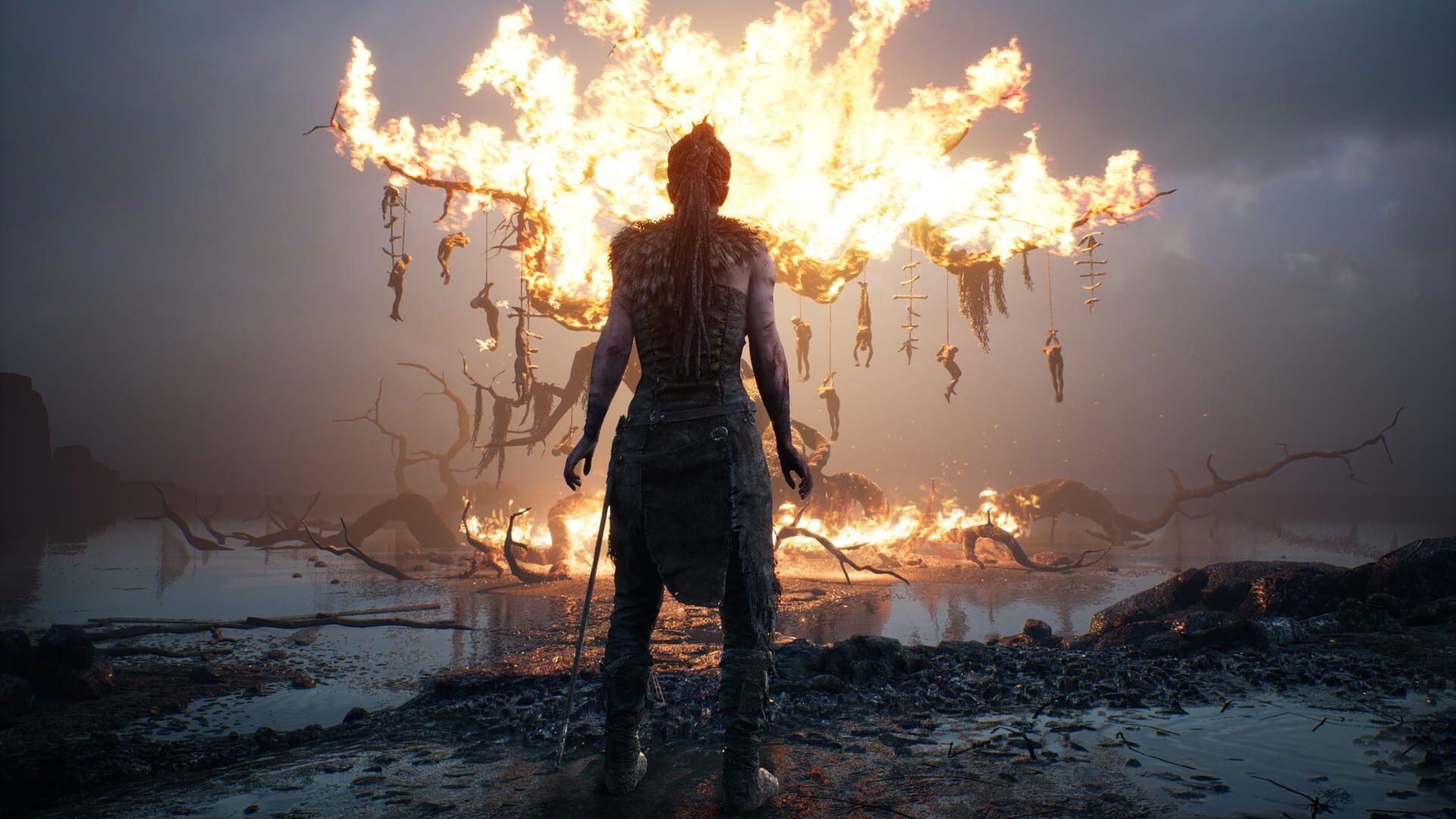
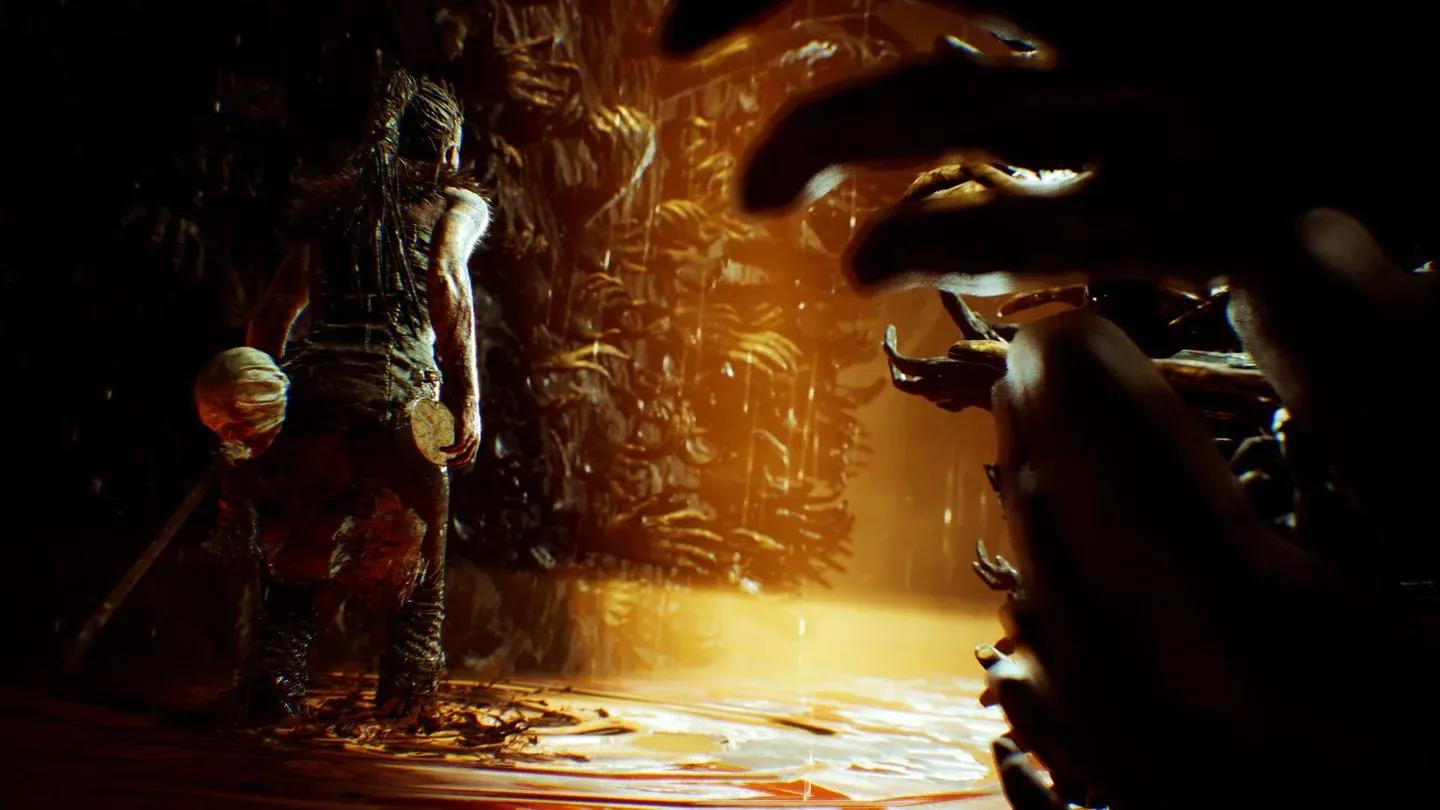
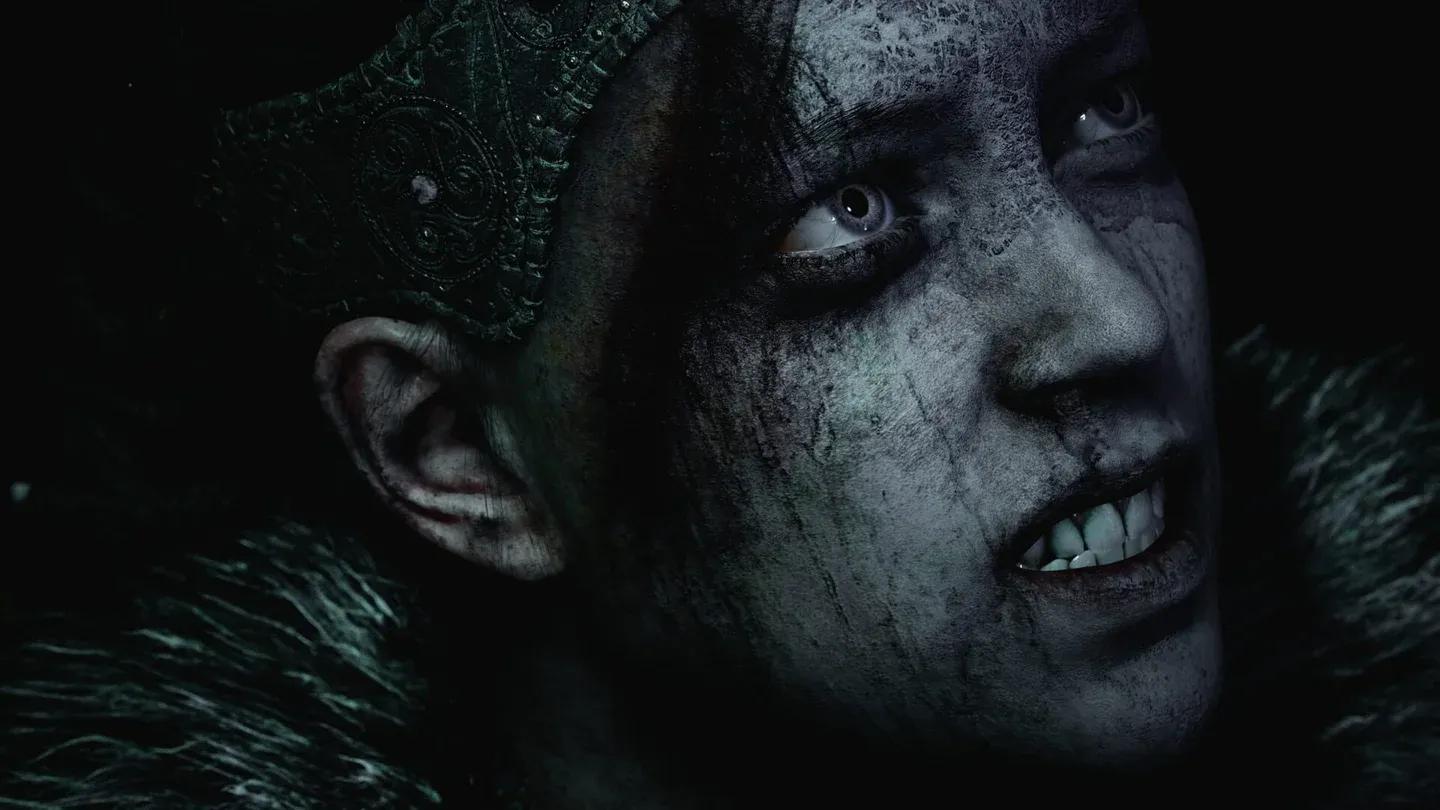
Ninja Theory's collaboration with neuroscientists and psychosis patients shaped not just the audio design but the visual hallucinations Senua experiences. Environments shift, faces appear in textures, and the line between memory and present reality collapses in ways that feel deliberate rather than decorative.
World and setting
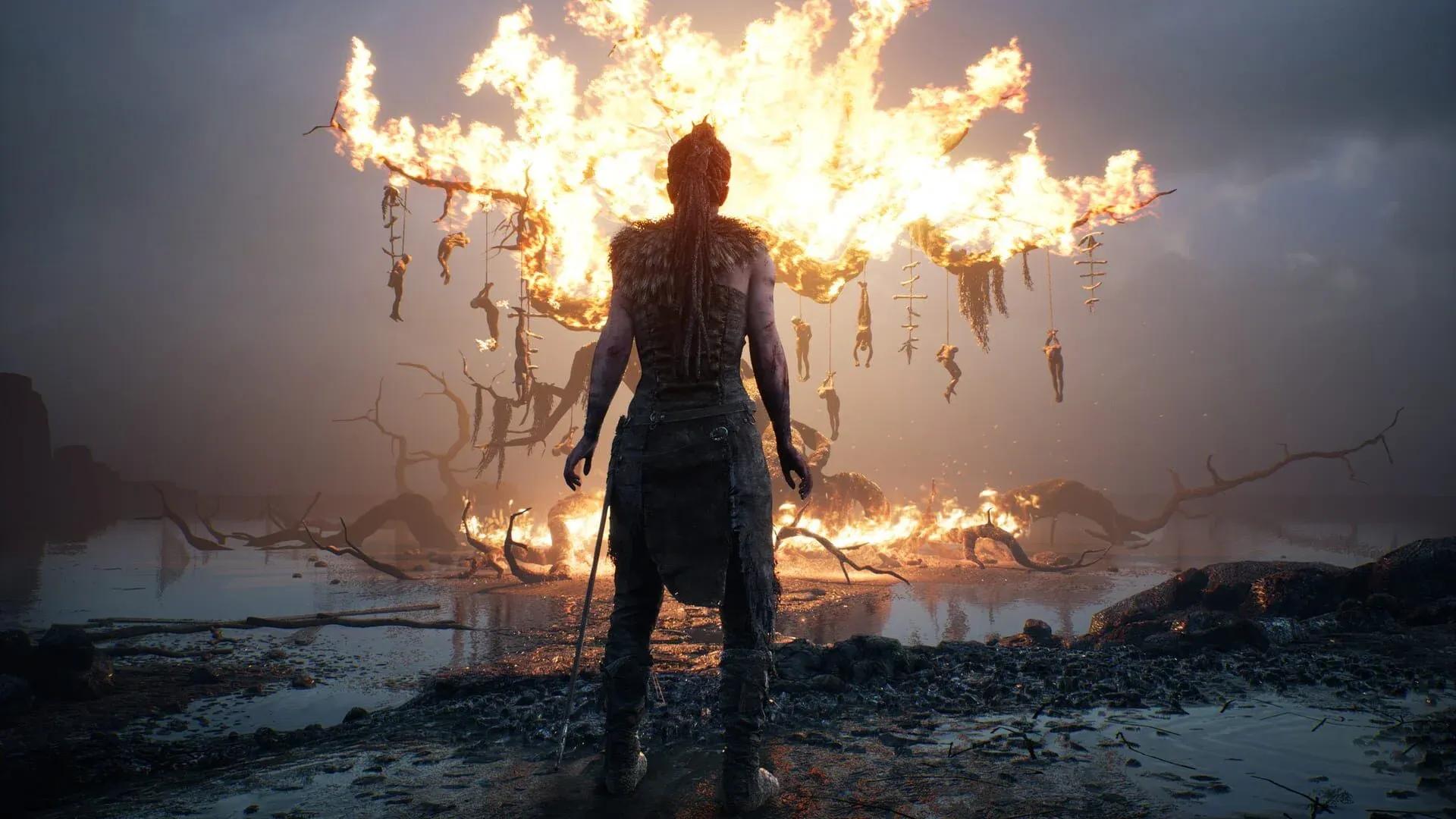
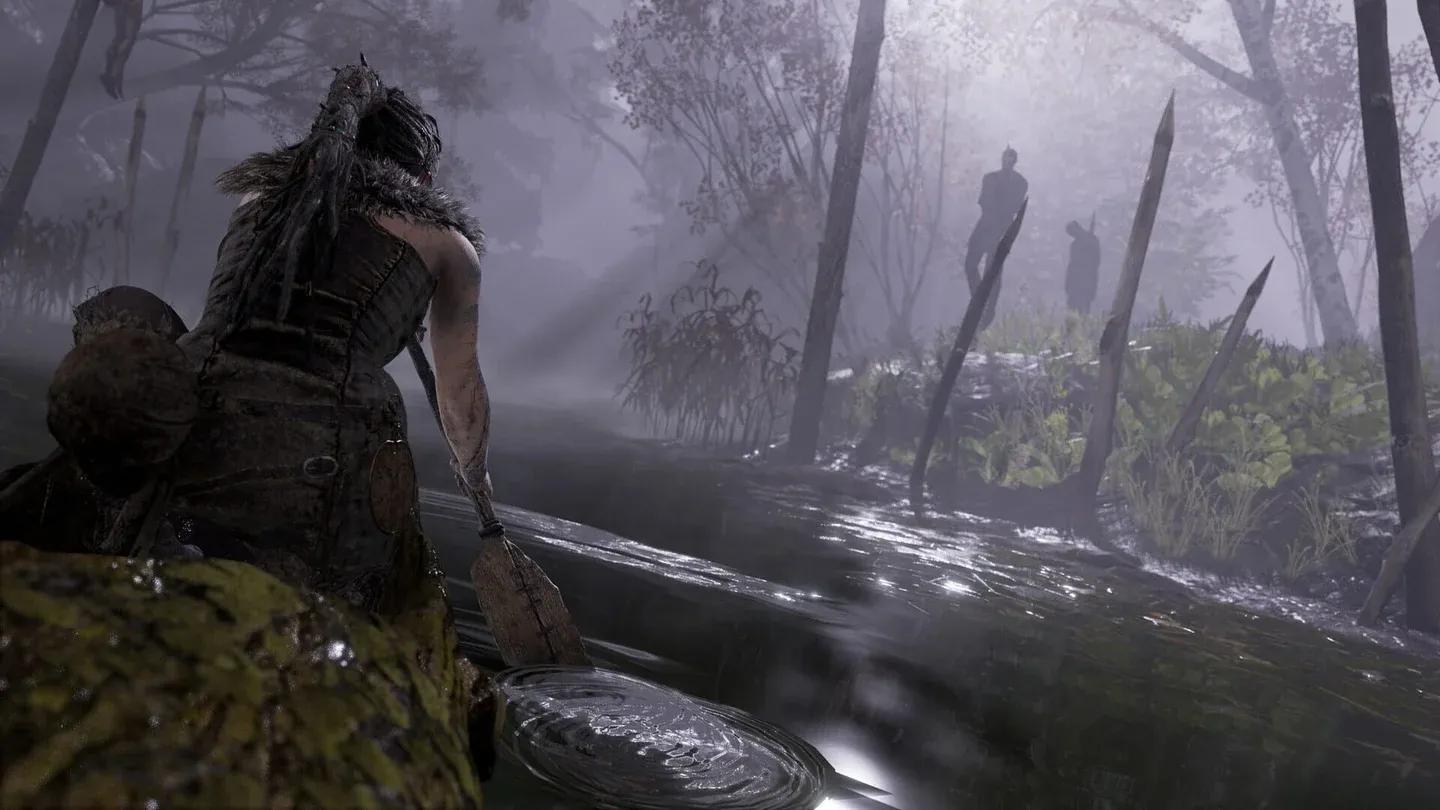
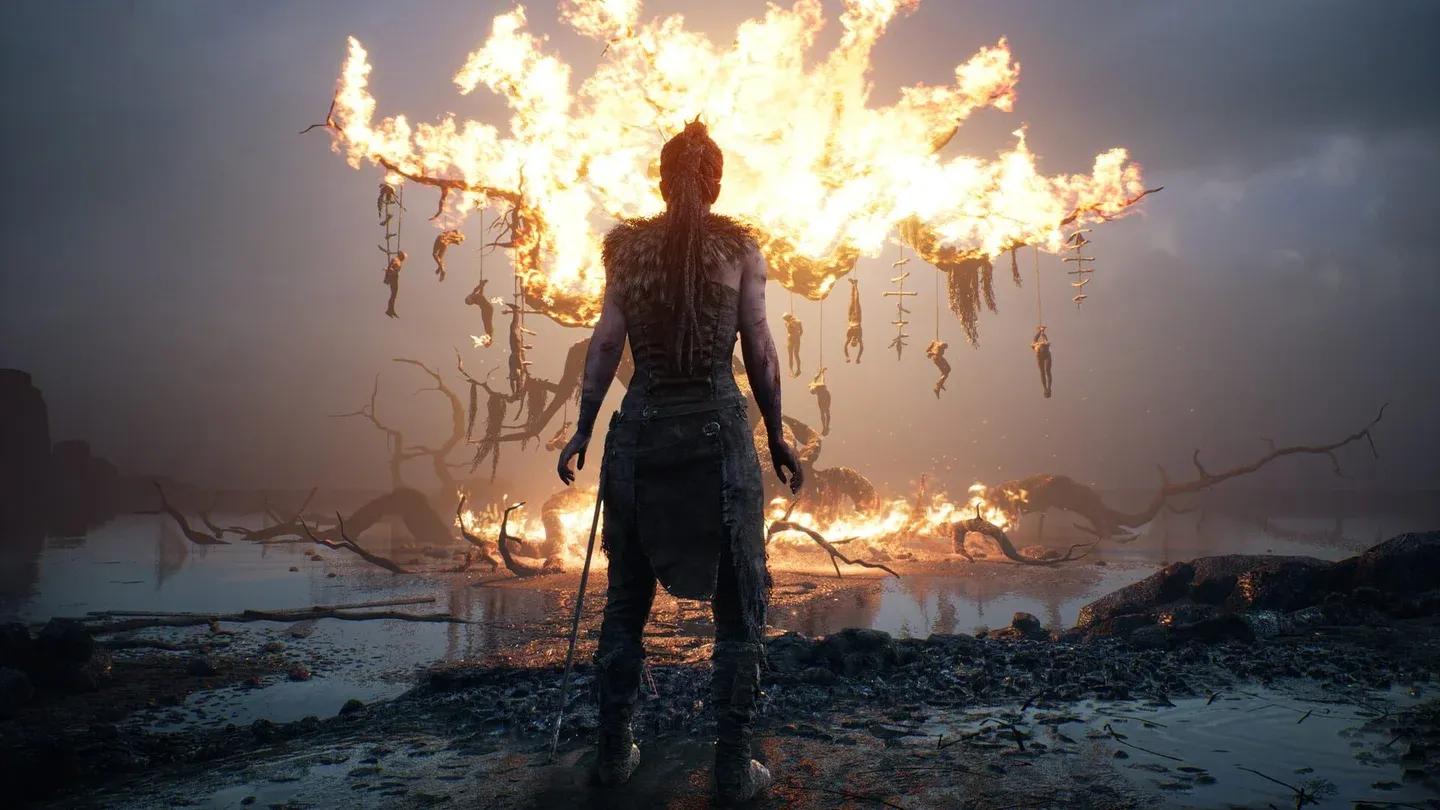
Helheim in Hellblade is not the polished underworld of most fantasy games. It is dark, decayed, and hostile, full of enormous wooden structures, burning villages, and enemies wearing grotesque masks. The late 8th-century setting draws on real historical and mythological sources, filtered through Senua's increasingly unreliable perception.
Senua's guide through this world is the memory of Druth, a former slave of the Norsemen who taught her their legends before his death. His voice is among those she carries, blending historical knowledge with personal grief in a way the game handles with genuine care.
Visual and audio design
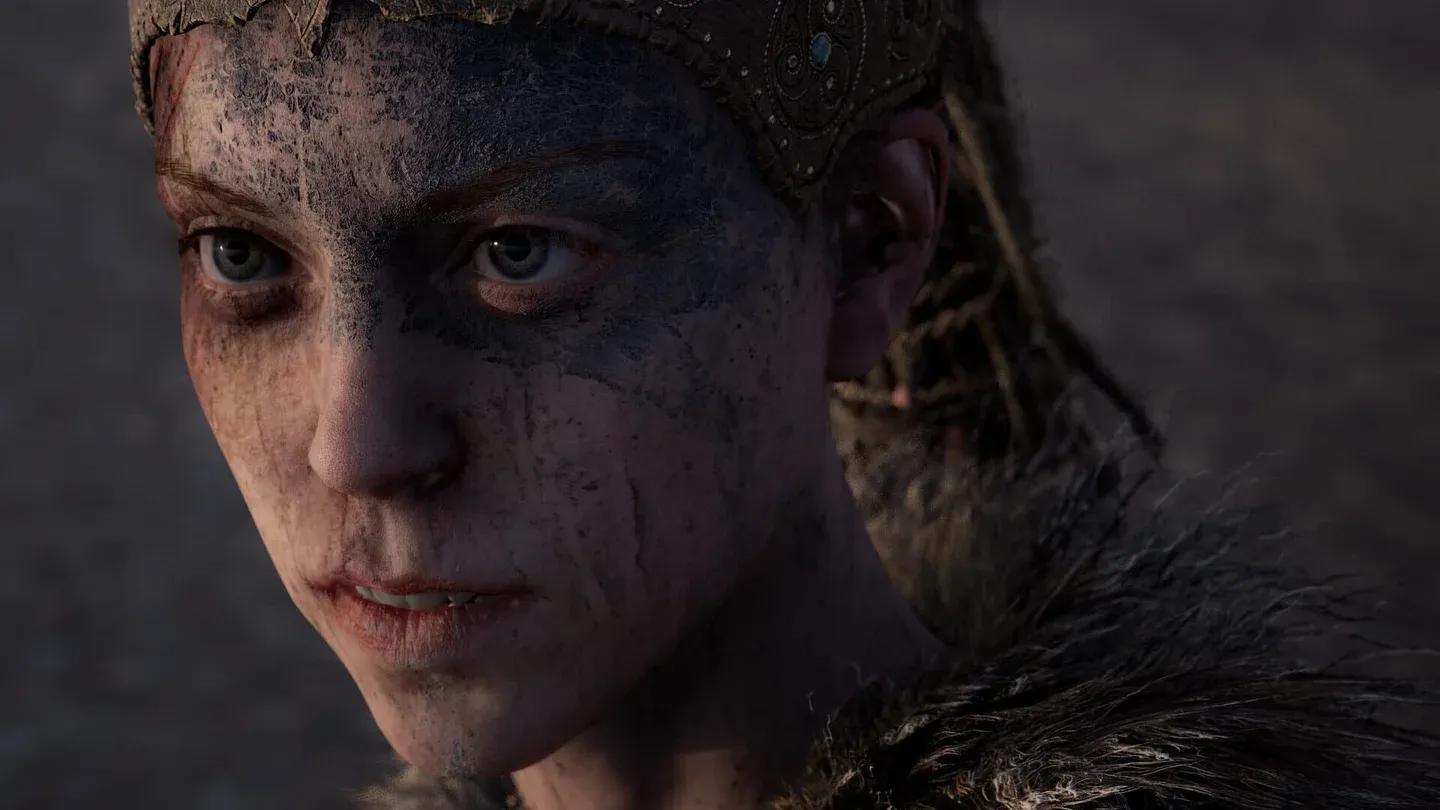
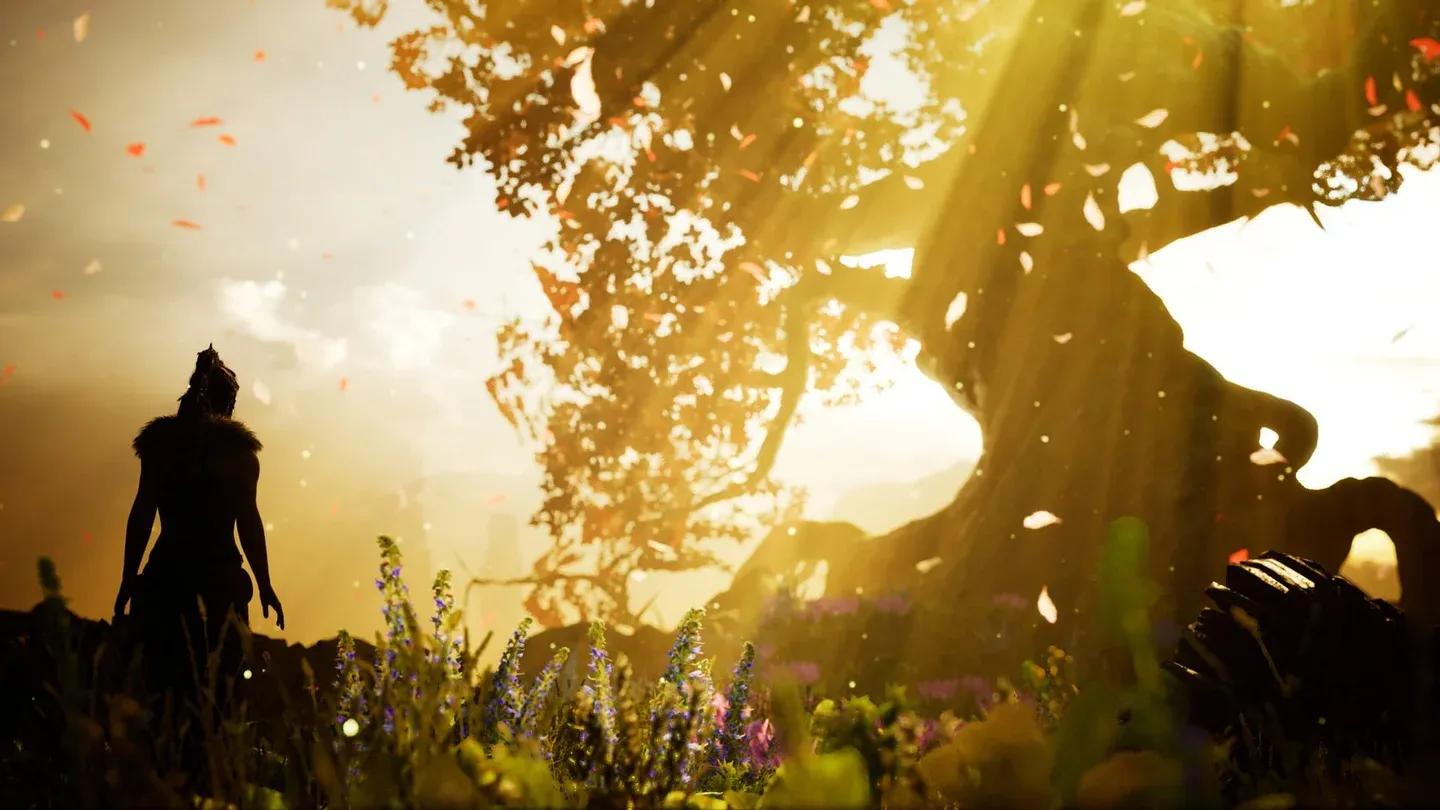
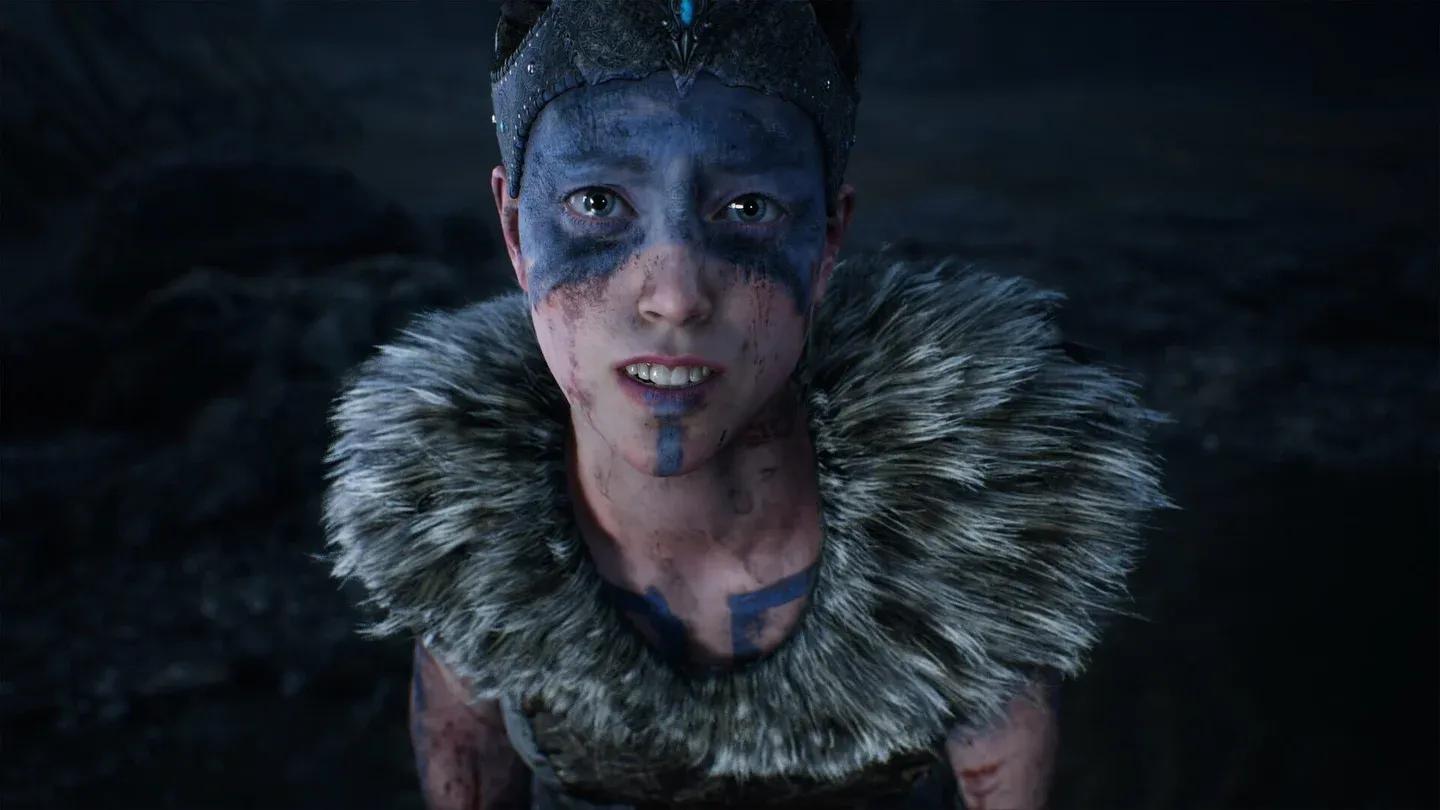
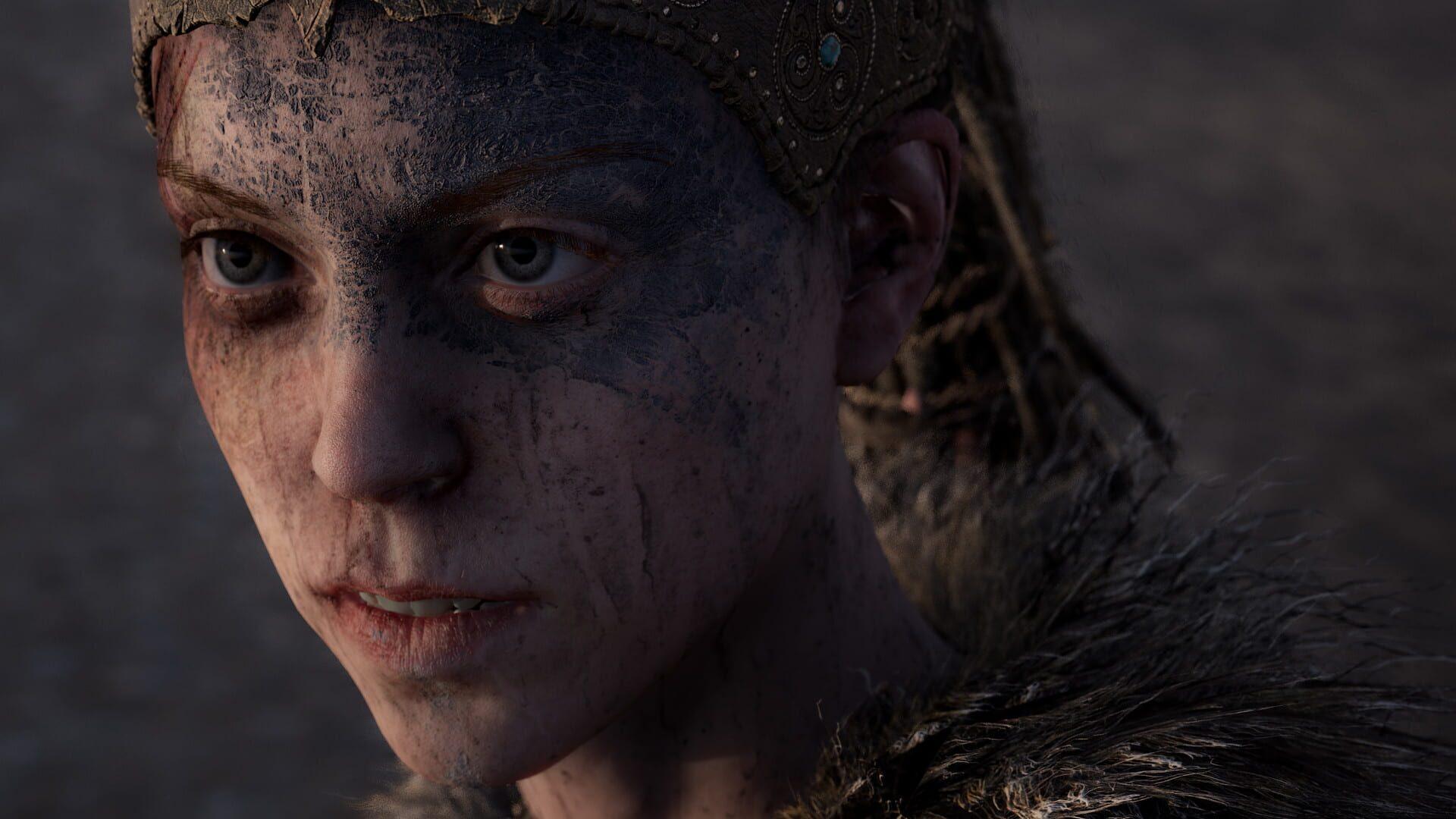
Senua's movements, facial expressions, and reactions were captured through full motion capture performance, and actress Melina Juergens's portrayal earned widespread recognition. The game's visual fidelity is striking for a production of its size, with detailed environments and character animation that holds up years after release.
The audio design is the real achievement. The binaural mix creates a spatial sense of voices that shift position as Senua moves, making the experience of wearing headphones feel genuinely disorienting in a way that serves the psychological horror tone. Hellblade on headphones and Hellblade through speakers are practically different games, and the headphone version is the one worth playing.