Overview
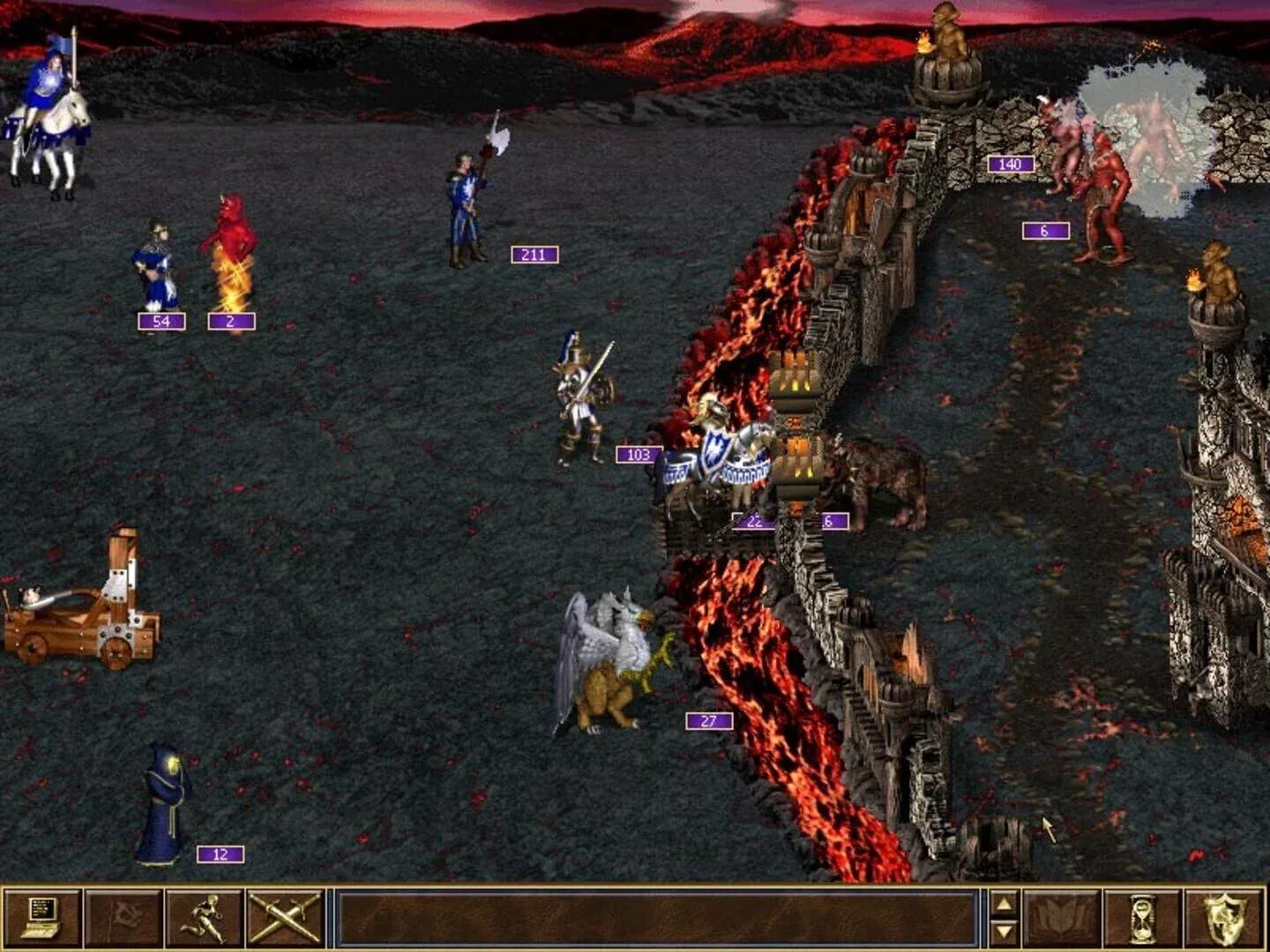
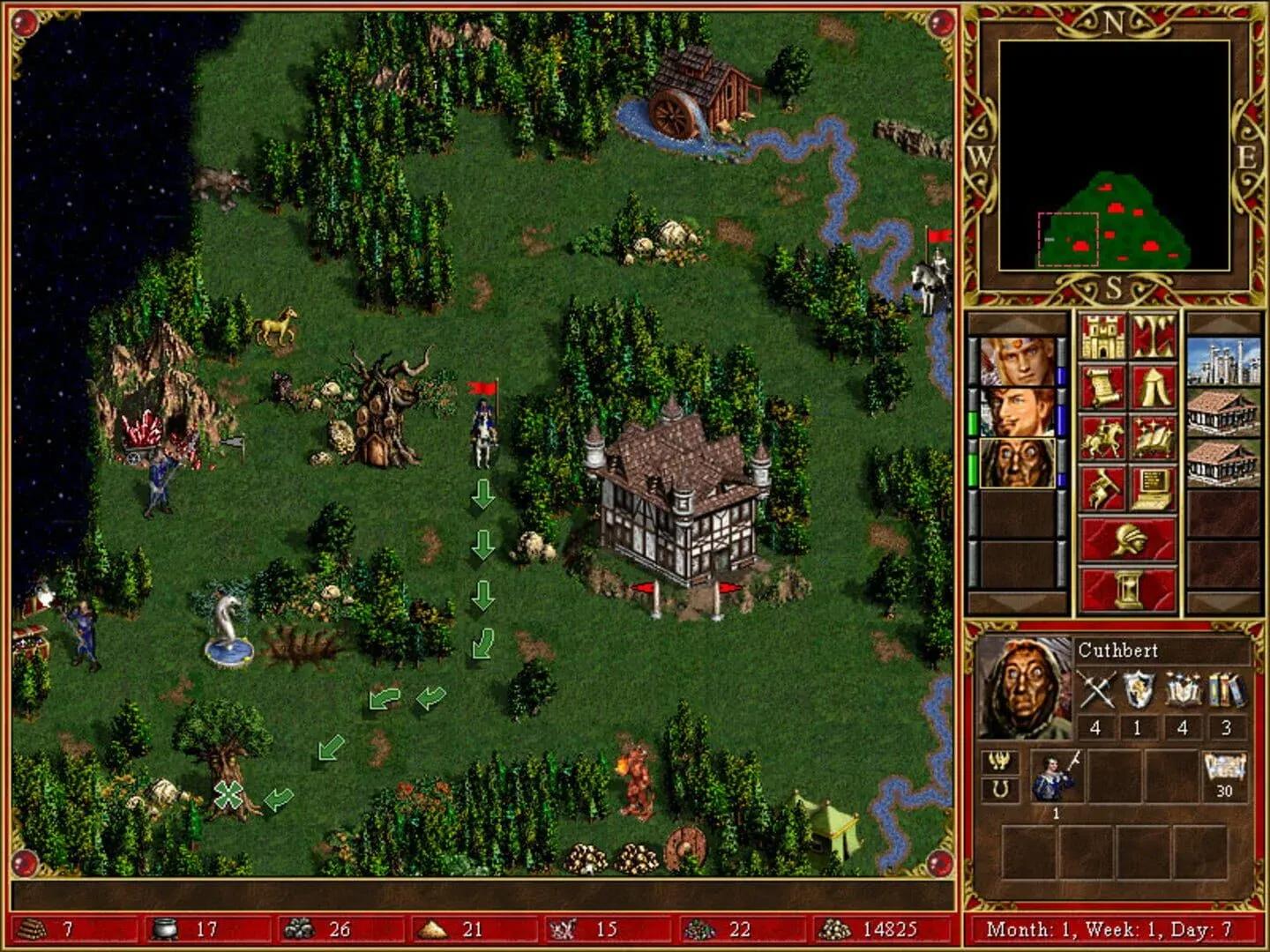
Heroes of Might and Magic III: The Restoration of Erathia is a turn-based strategy game built around exploring overworld maps, developing towns, and leading heroes into tactical hex-grid battles. Released on February 28, 1999, it sits at the intersection of RPG progression and strategic resource management, giving players enough variables to keep sessions running well past midnight. The core loop is deceptively simple: move your hero across the map, collect resources, build up your town, recruit armies, and eventually crush your opponent. The depth hiding underneath that loop is what made it a classic.
The game takes place on the continent of Antagarich and follows Queen Catherine Ironfist as she returns home to find her father assassinated and the kingdom of Erathia overrun by the dungeon lords of Nighon and the Kreegans of Eeofol. Six story campaigns unfold from alternating faction perspectives, so players spend time commanding Castle knights, Necromancer undead armies, and everything in between. A bonus campaign, unlocked only after completing the main story, follows separatists in the Contested Lands fighting for independence from both Erathia and AvLee, with implications tying back to Archibald Ironfist from Heroes II.
Gameplay and mechanics
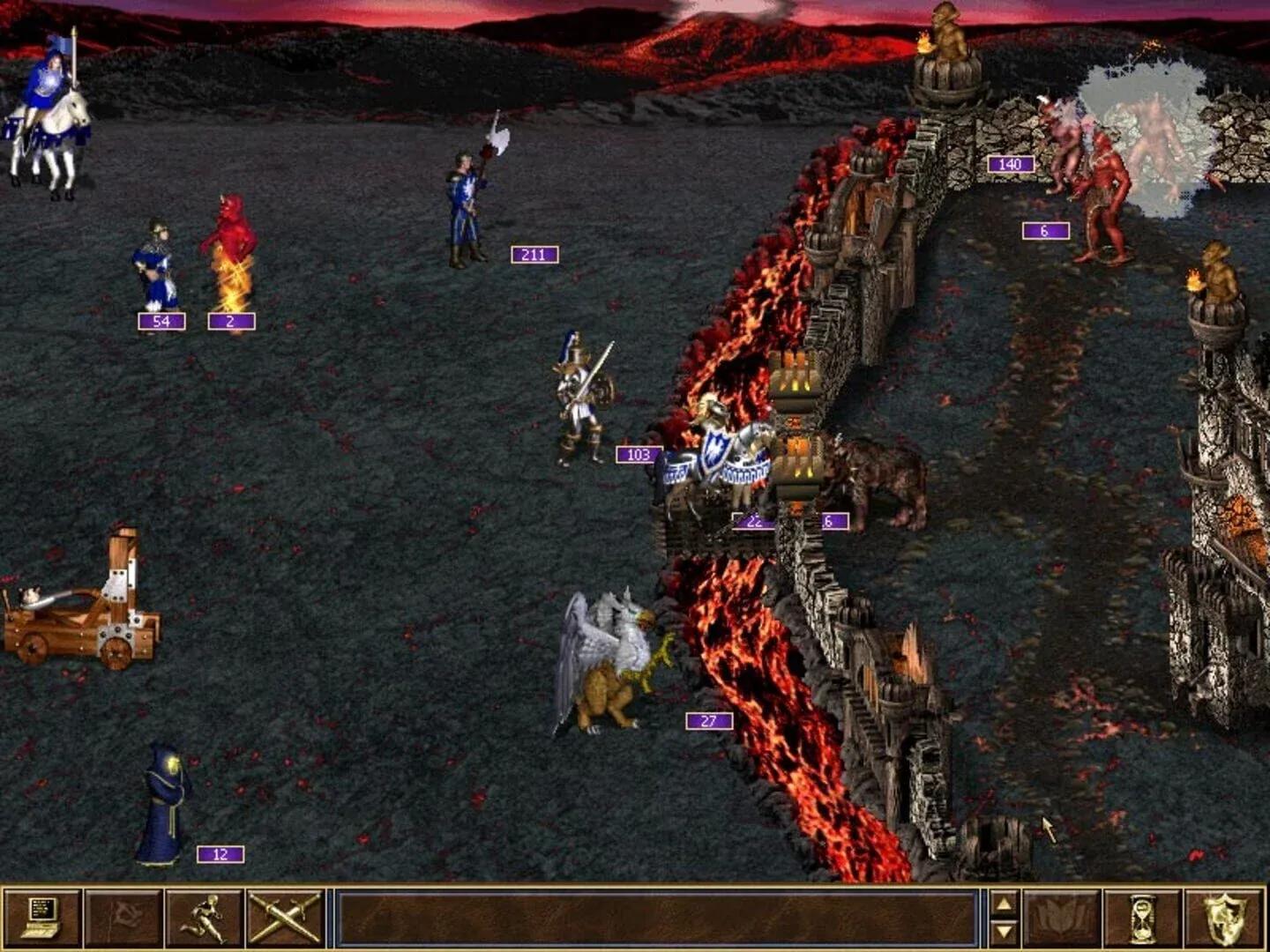
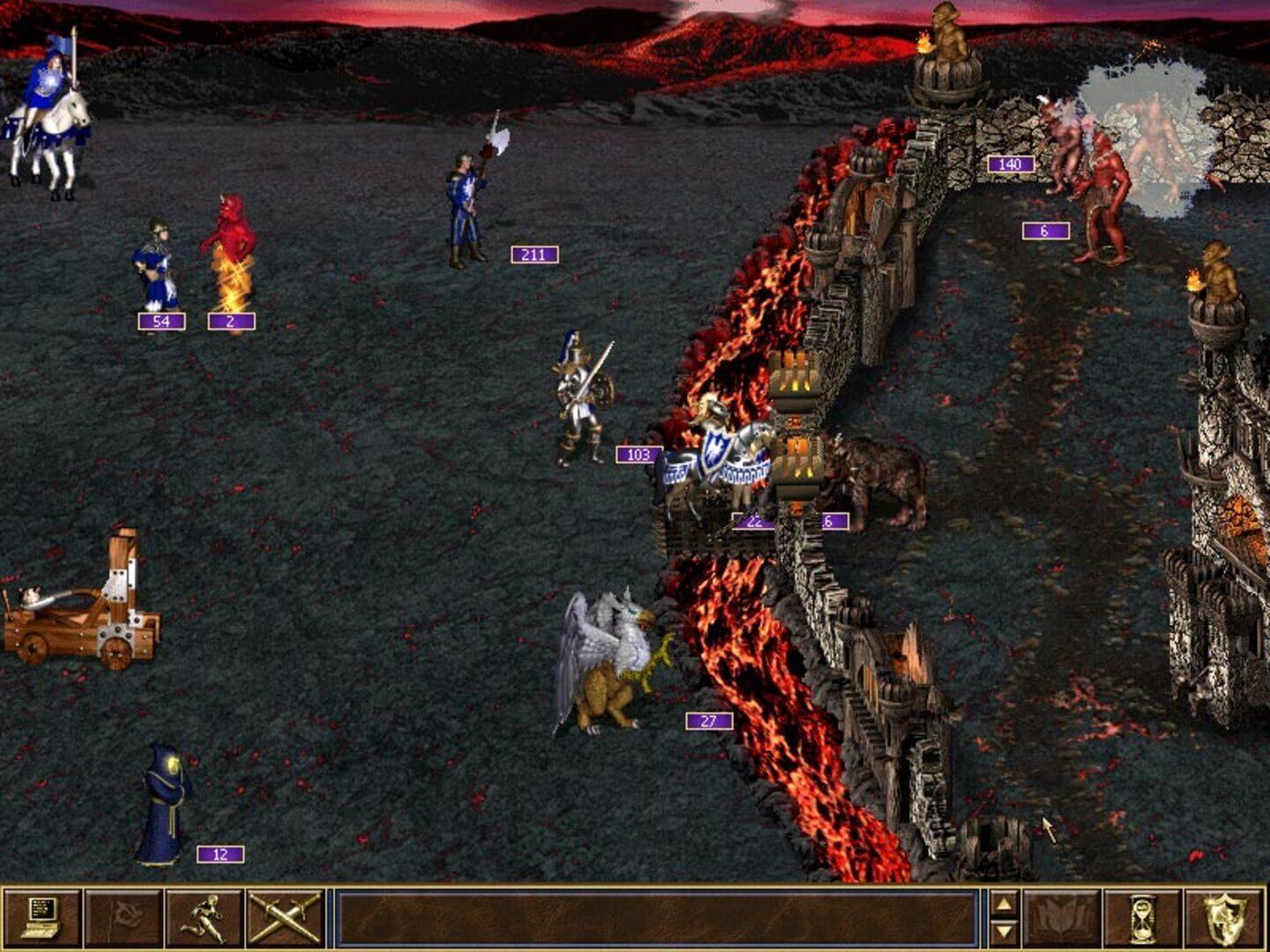
The turn-based combat system puts two armies on a hex grid and asks you to outmaneuver and outlast. Every unit type, from Pikemen to Black Dragons, has distinct stats, abilities, and positioning considerations. Heroes level up between battles, learning skills across categories like Logistics, Sorcery, and Leadership that meaningfully change how you approach the overworld and fights alike.
Key mechanics that define the experience:
- Town development across 9 distinct faction types
- Hero skill progression with branching ability trees
- Resource management across 7 resource types
- Artifact collection and hero equipment
- Simultaneous and hot-seat multiplayer support
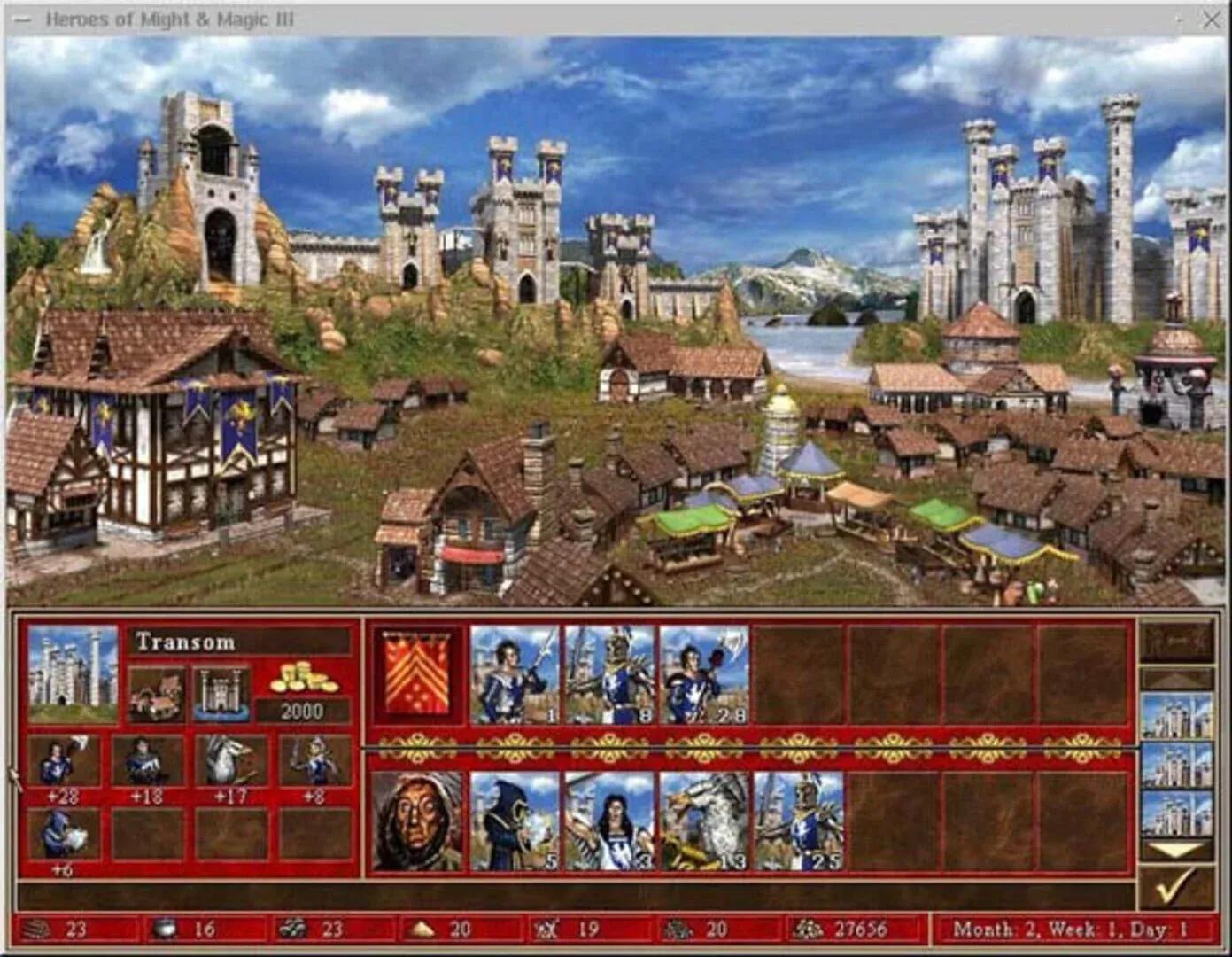
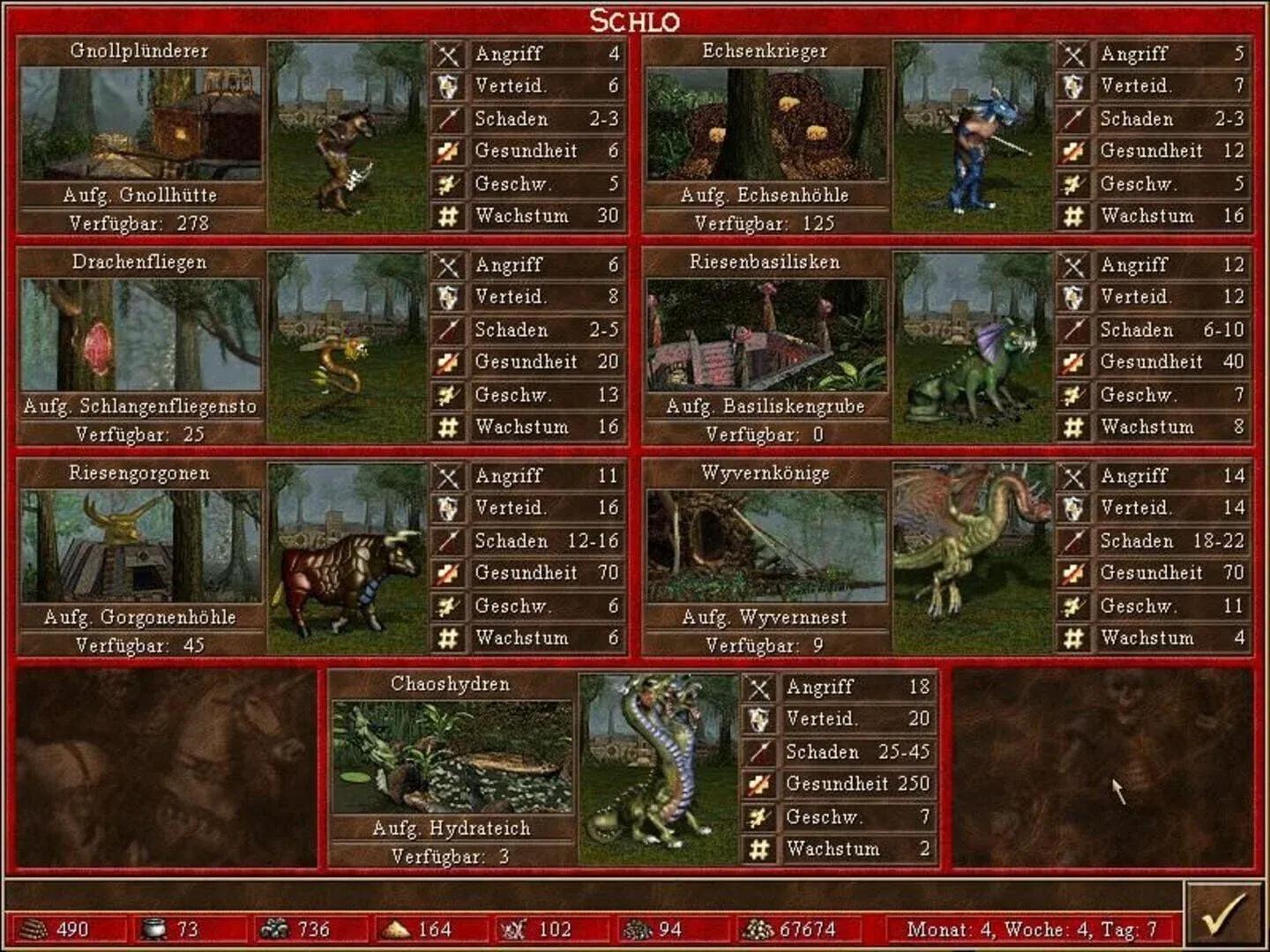
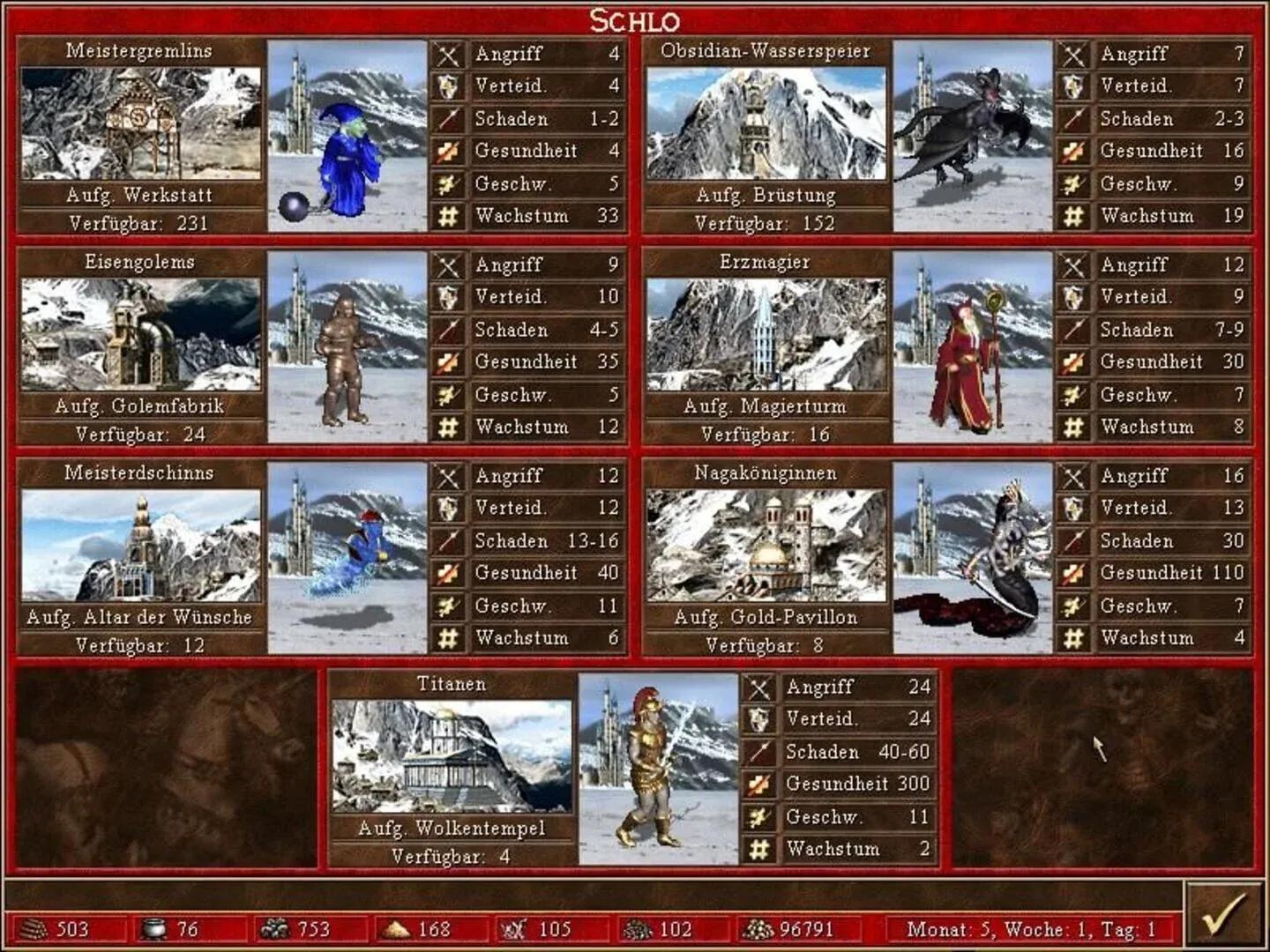
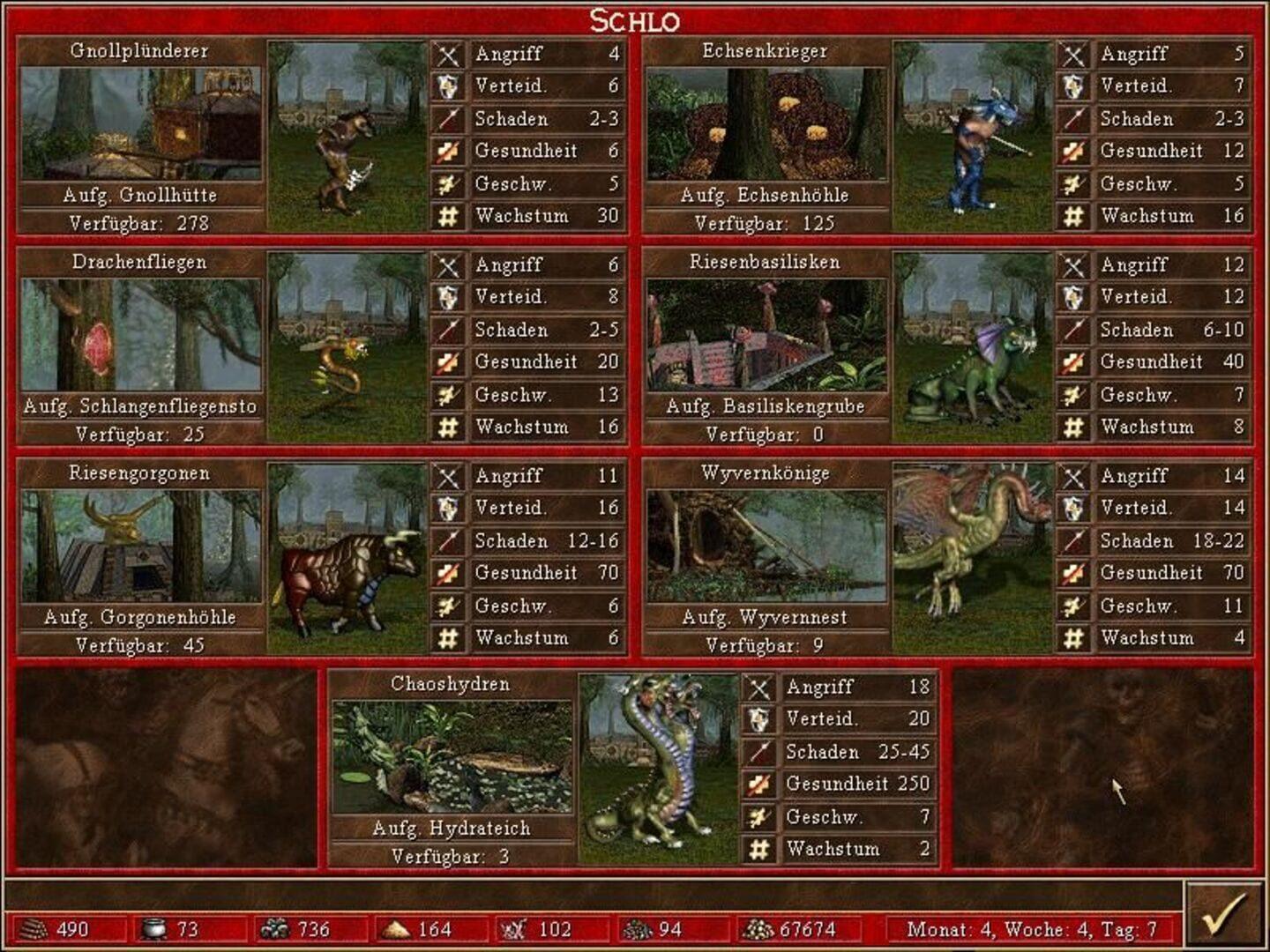
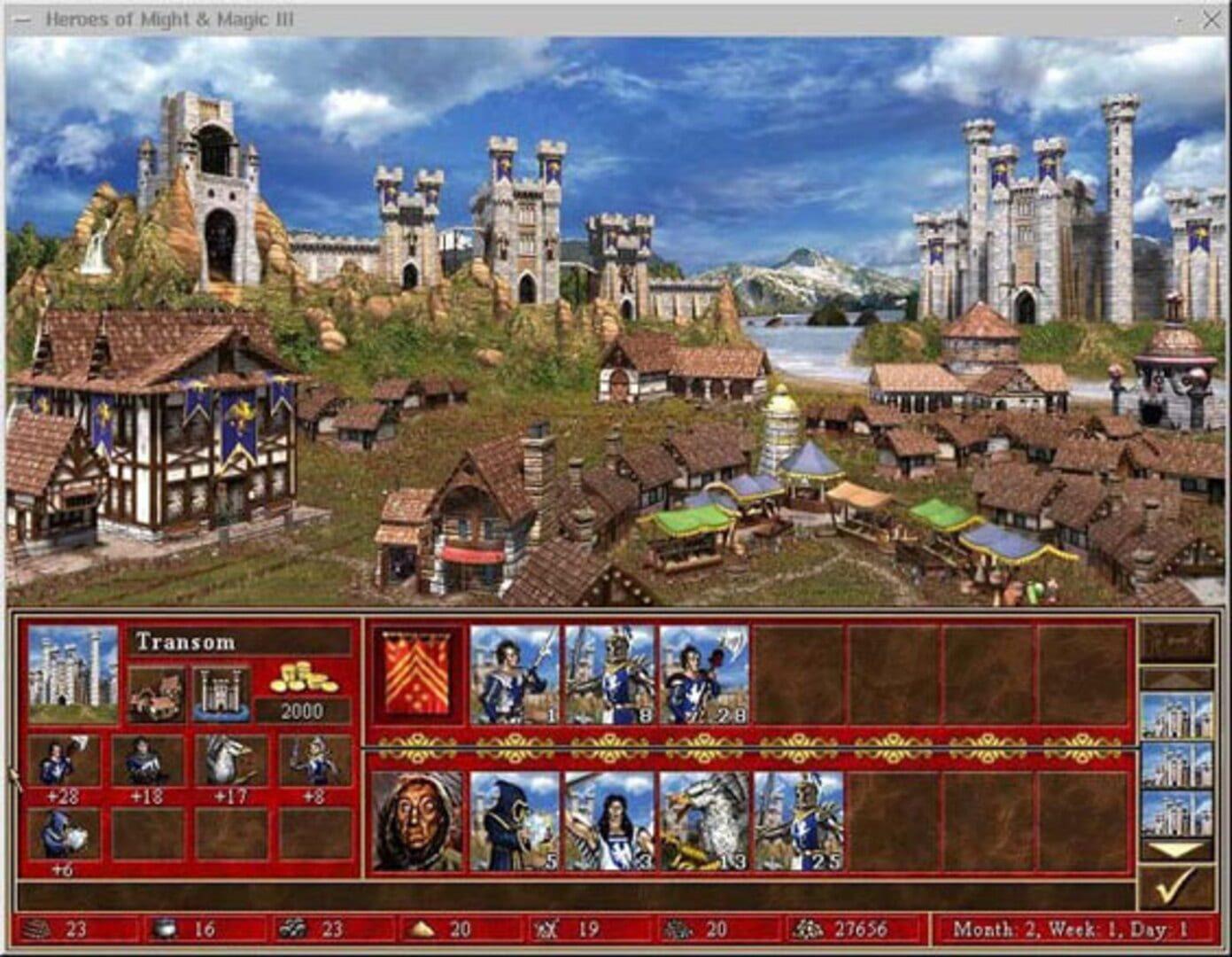
The faction variety alone is remarkable. Each of the 9 town types, Castle, Rampart, Tower, Inferno, Necropolis, Dungeon, Stronghold, Fortress, and Conflux, has its own unit roster, building tree, and strategic identity. Choosing which faction to play or which ally to recruit shapes every decision that follows.
World and setting
Erathia is a continent with genuine political texture. The story does not reduce its factions to simple good versus evil. The necromancers of Deyja assassinate King Gryphonheart and attempt to raise him as a lich, yet Catherine is eventually forced to ally with them to contain the threat. That kind of moral compromise gives the narrative weight that most strategy games from this era skipped entirely.
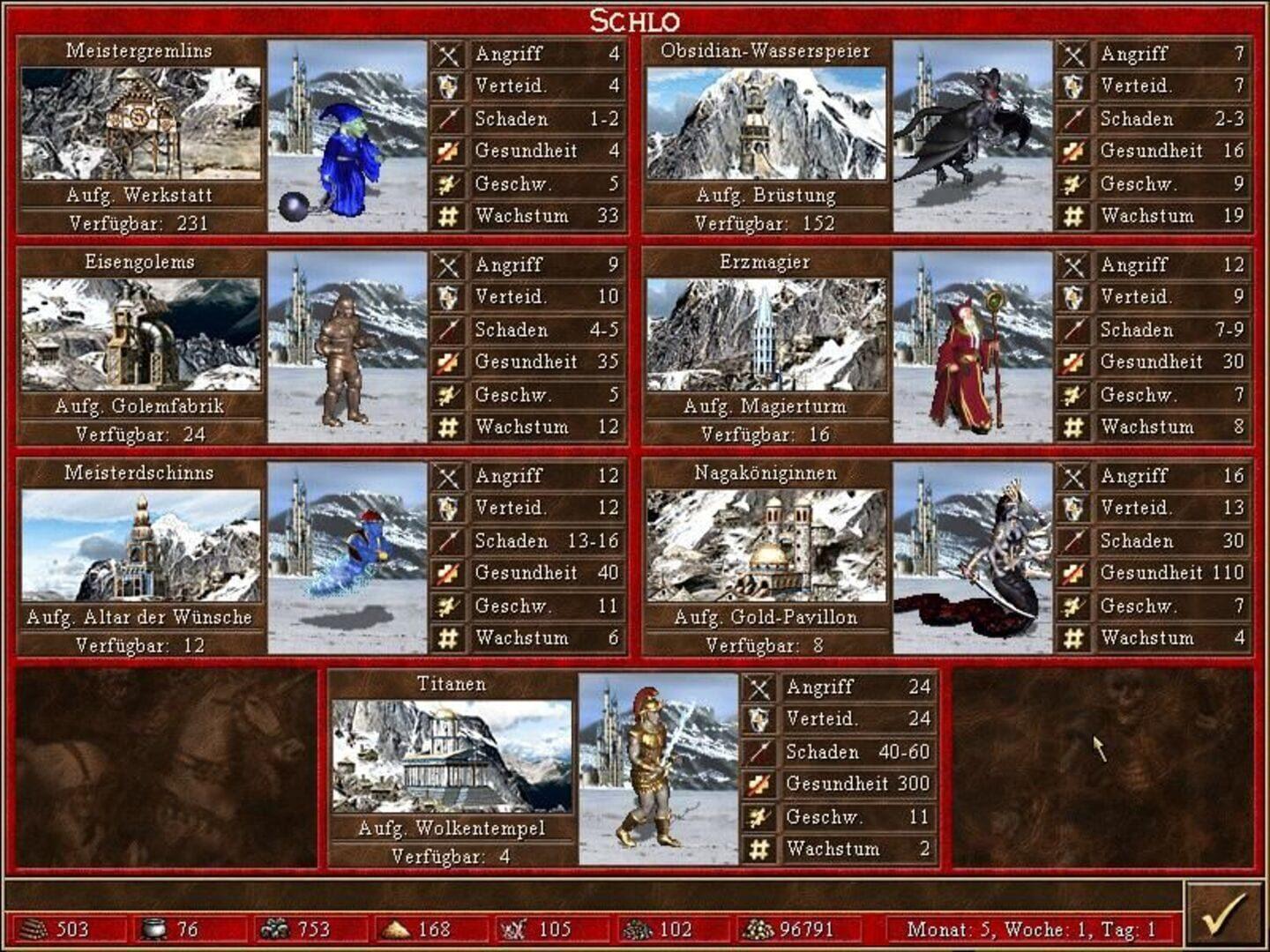
The campaigns are structured so that players experience the same conflict from multiple sides. Winning a map as the Dungeon faction means attacking positions you defended as the Castle faction two campaigns earlier. That perspective-shifting approach makes the world feel inhabited rather than staged.
Content and replayability
Beyond the seven campaigns, the game includes standalone scenario maps playable against AI or human opponents in hot-seat or network multiplayer. The scenario pool is large, the map editor allows custom creations, and the fan community has been producing new maps and mods continuously since 1999. Competitive play around the game persists today, with dedicated communities maintaining active tournament circuits.
The combination of procedural-feeling map variety, the branching hero skill system, and the sheer number of viable faction strategies means no two playthroughs settle into the same rhythm. Heroes of Might and Magic III earns its reputation not through nostalgia alone but because the turn-based strategy design holds up against anything built since.