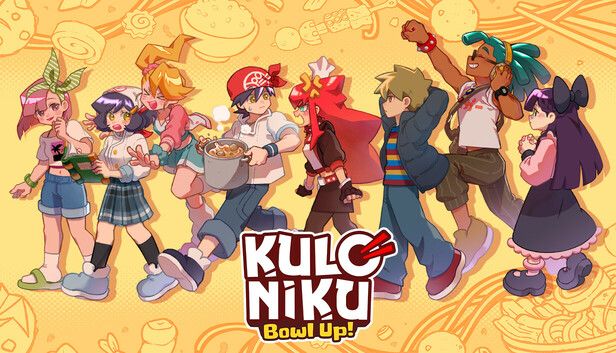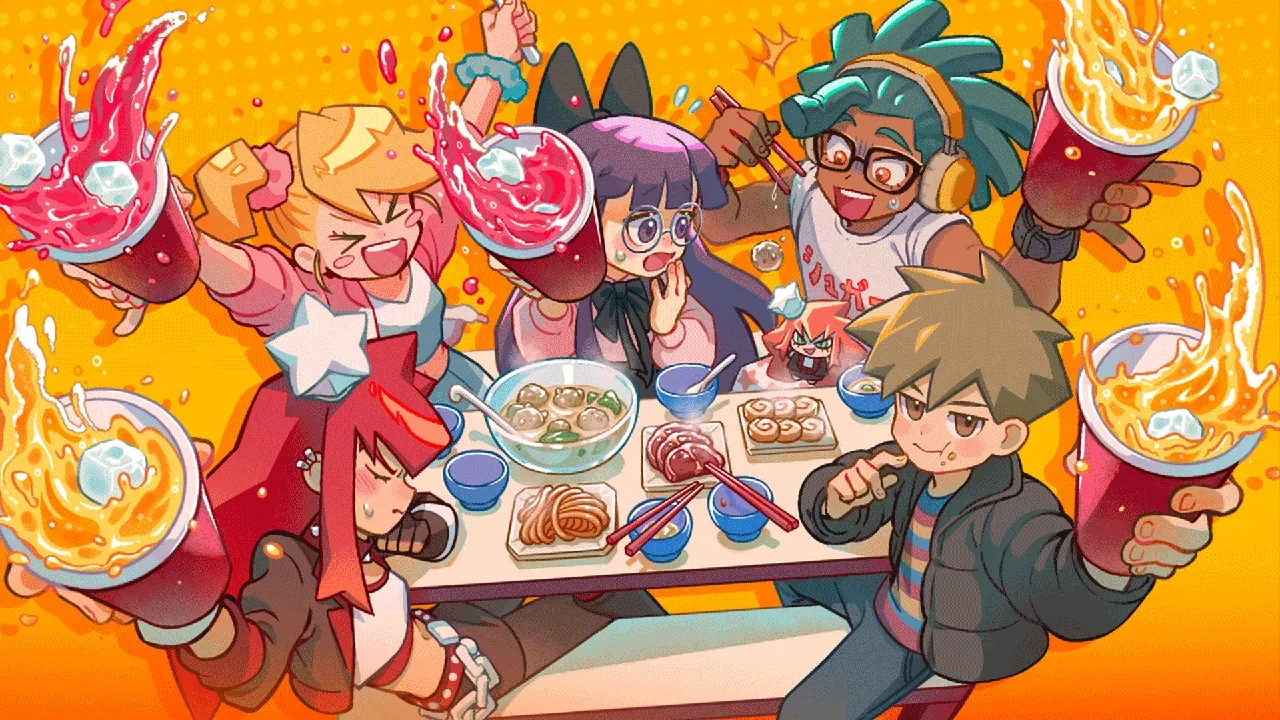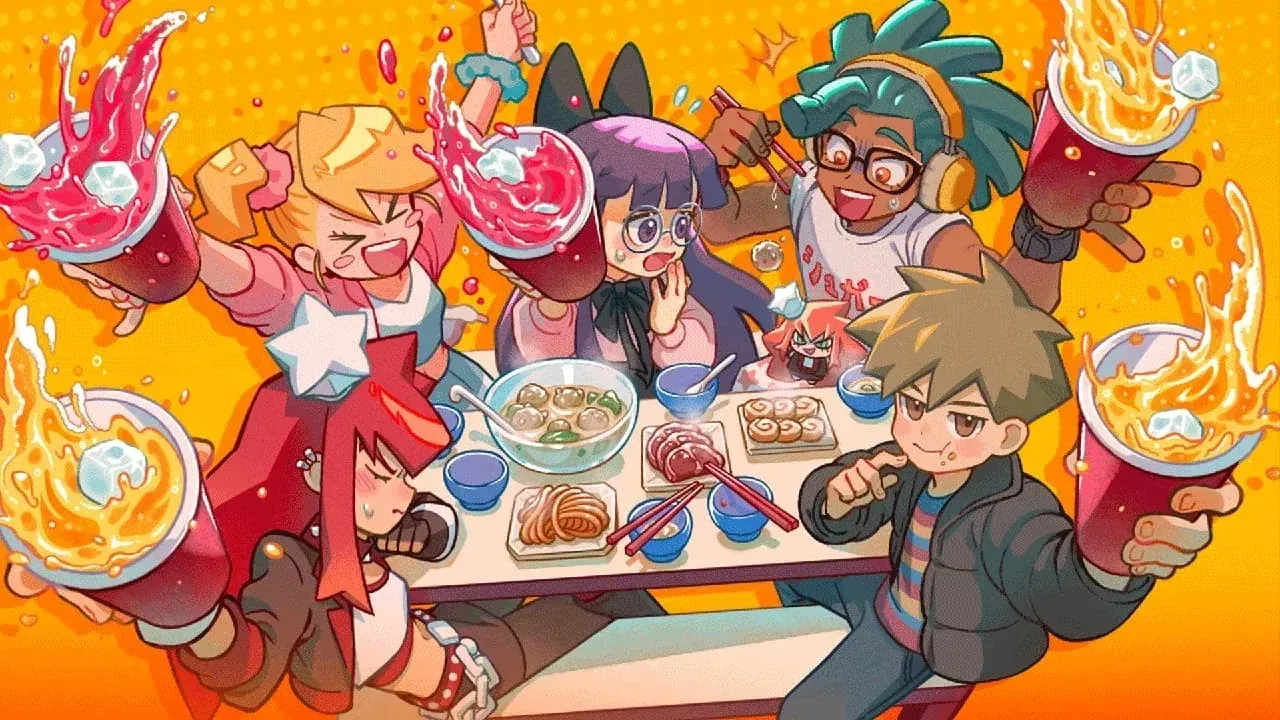

KuloNiku: Bowl Up! 7 अप्रैल, 2026 को Gambir Studio द्वारा रिलीज़ हुआ और Raw Fury द्वारा पब्लिश किया गया, और इसे DualShockers से 9/10 मिलना बिलकुल जायज़ है। आप एक शेफ के तौर पर खेलते हैं जो अपने दिवंगत दादी के रेस्टोरेंट, Bakosu को फिर से खोलने और उसकी प्रतिष्ठा को फिर से बनाने के लिए KuloNiku के छोटे से शहर में लौटता है। यह गेम Cooking Mama के hands-on cooking feel को Cook, Serve, Delicious के management rhythm और Tavern Talk के warm character writing के साथ blend करता है। इसका नतीजा इस साल रिलीज़ हुए सबसे बेहतरीन cozy games में से एक है।
KuloNiku: Bowl Up! किस तरह का गेम है?
KuloNiku: Bowl Up! एक single-player cooking और management simulator है जो PC (Steam Deck Verified) पर उपलब्ध है। कहानी लगभग 10 घंटे चलती है, लेकिन गेम को उससे कहीं ज़्यादा खेलने के लिए डिज़ाइन किया गया है। Narrative मुख्य attraction के बजाय background context के तौर पर मौजूद है। आपकी दादी के खाने ने इस शहर में एक legacy बनाई थी, और कुछ निवासी आपको उस pressure की याद दिलाने में जल्दी करते हैं। यह setup आपको care करने का एक reason देता है, फिर cooking और community को आगे बढ़ने देने के लिए side में हट जाता है।
Bakosu को अपने taste के अनुसार customize करें

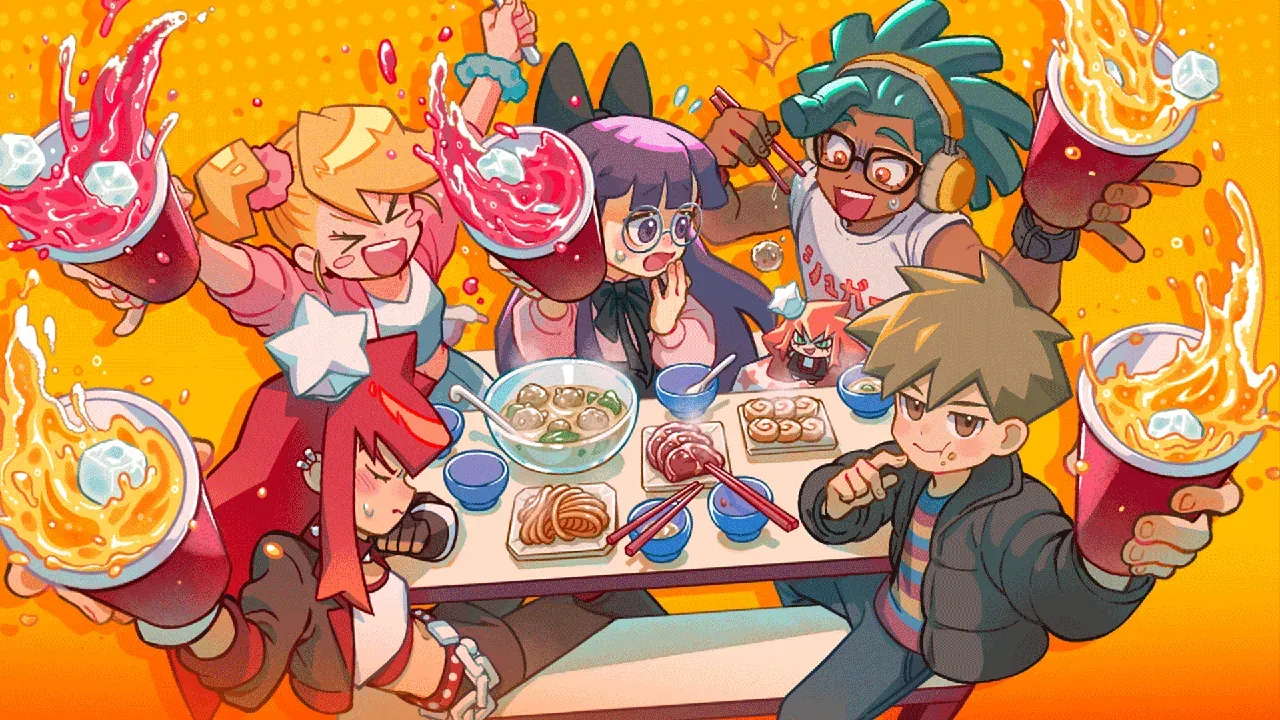
Cooking mechanics कैसे काम करती हैं?
KuloNiku: Bowl Up! में core cooking loop एक simple foundation पर बना है जिस पर customer orders layer करते हैं। जब आप tutorial से गुज़रते हैं, खासकर Meatball Brawls को कवर करने वाले section में, तो ऐसा लग सकता है कि बहुत कुछ आप पर फेंका जा रहा है। उस पर टिके रहें। एक बार जब आप kitchen में होते हैं तो actual moment-to-moment cooking straightforward हो जाती है।
जैसे-जैसे आप अपनी ingredient list को expand करते हैं, customer orders evolve होती हैं। New ingredients Ume's shop से आते हैं, जो हर Friday in-game अपना stock refresh करता है। रात के लिए Bakosu बंद करने के बाद, आप दिन खत्म करने से पहले Ume's जा सकते हैं। सबसे पहले priority देने लायक purchase extra bowls हैं। In-game item description भी इसे सीधे तौर पर बताता है: केवल 2 bowls के साथ एक soup restaurant खोलना मतलब customers के बीच constant washing। ज़्यादा bowls मतलब busy service के दौरान ज़्यादा breathing room।
Ingredients और tools के अलावा, Ume's Bakosu के लिए decorations और furniture भी stock करता है। ये cooking mechanics को खुद affect नहीं करते हैं, लेकिन ये आपको अपने preference के अनुसार restaurant के atmosphere को shape करने देते हैं। इस scope के एक cozy game के लिए options की range आपकी उम्मीद से ज़्यादा बड़ी है।
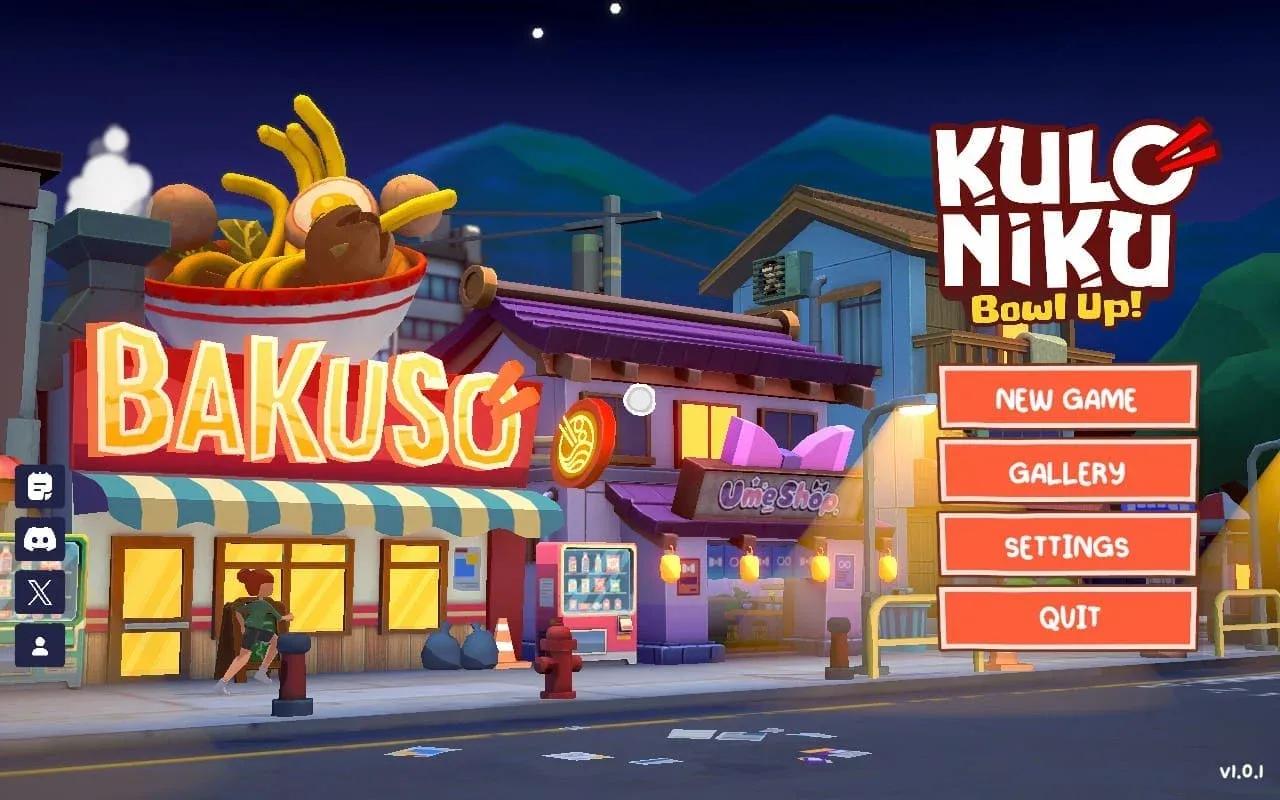
Ume's shop हर Friday refresh होता है
Cozy Mode क्या है और क्या आपको इसका इस्तेमाल करना चाहिए?
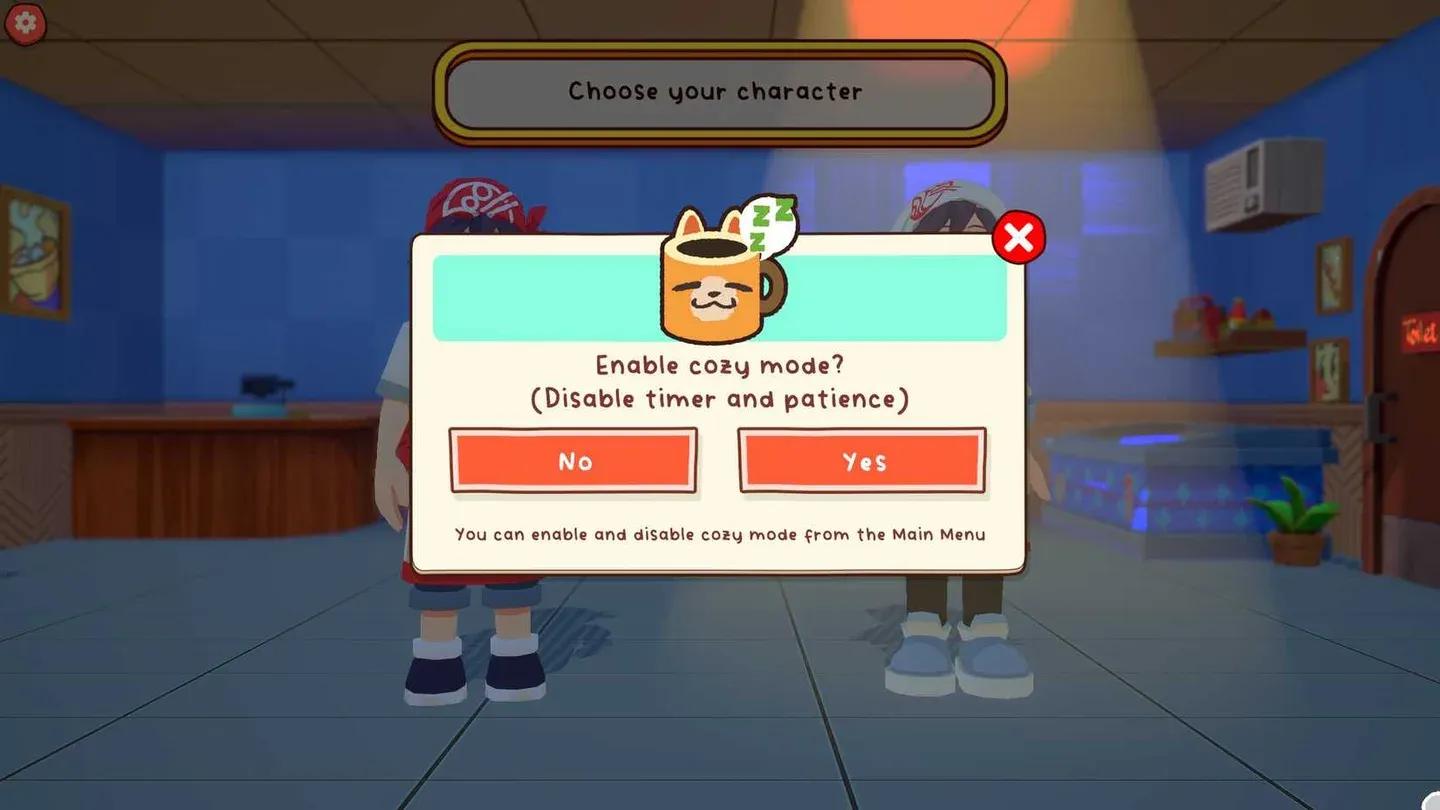
Cozy Mode एक optional setting है जो customer patience timers और cooking time pressure को पूरी तरह से हटा देता है। इसके off होने पर, customers के इंतज़ार करने का एक छोटा लेकिन real amount का tension होता है। इसके on होने पर, वह pressure पूरी तरह से गायब हो जाता है और KuloNiku: Bowl Up! एक pure relaxation experience बन जाता है। Multiple in-game days में दोनों settings को test करने के बाद, Cozy Mode नए players के लिए बेहतर starting point है। यह आपको ticking clock के stress के बिना cooking system सीखने देता है।
इसका tradeoff यह है कि time invisible हो जाता है। आप कितने समय से खेल रहे हैं, इसका track खोना आसान है, जो आपके schedule के आधार पर एक feature या bug है।
Meatball Brawls कैसे काम करते हैं?
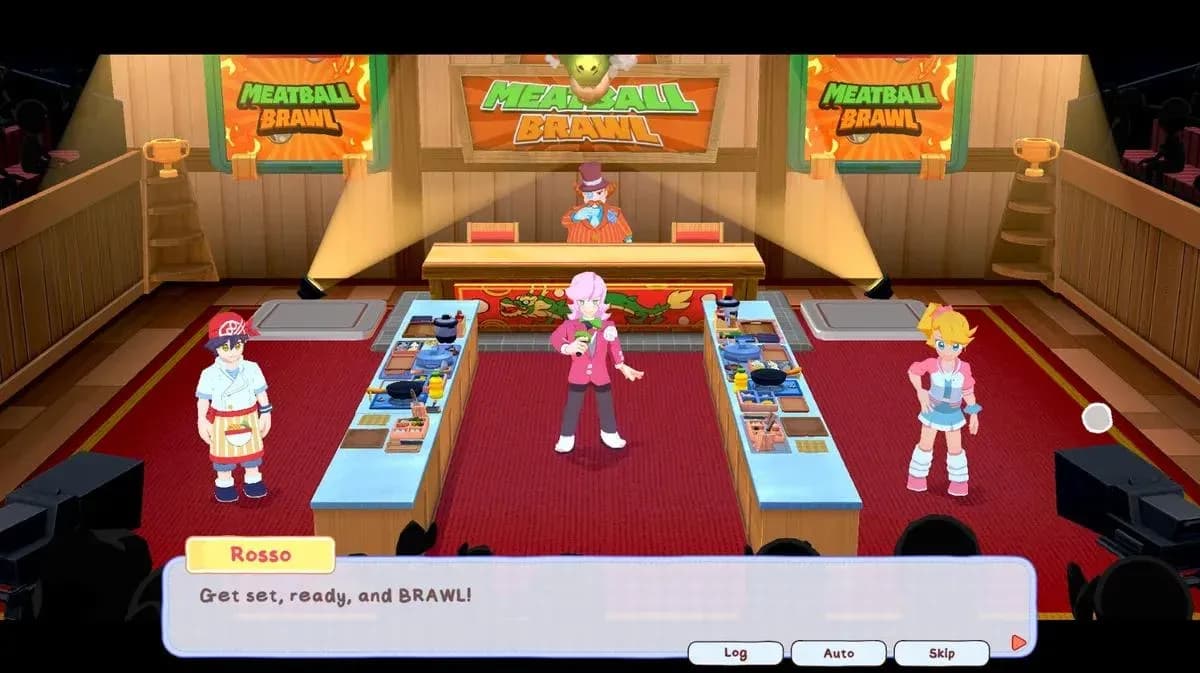
Mondays और Thursdays को, आप bus के ज़रिए studio जा सकते हैं और Meatball Brawl में enter कर सकते हैं। ये cooking competitions हैं जहाँ आप dishes को उनकी पसंद के अनुसार पकाकर, उस session के bonus ingredients का उपयोग करके, और दर्शकों को प्रभावित करके जजों के एक पैनल को impress करने की कोशिश करते हैं।
हर Brawl आपको प्रति turn actions की एक limited संख्या और कुल turns की एक limited संख्या देता है, इसलिए हर decision मायने रखता है। यहाँ scoring efficiently approach करने का तरीका बताया गया है:
- सबसे ऊपर judge tastes को priority दें। judge preferences से match करने वाले points audience points से काफी ज़्यादा होते हैं।
- Bonus ingredients का उपयोग करें। हर Brawl session specific bonus ingredients को highlight करता है। इन्हें अपनी dishes में शामिल करने से meaningful points मिलते हैं।
- Audience points secondary हैं। वे आपके score में contribute करते हैं, लेकिन judge satisfaction की कीमत पर उन्हें chase करना action economy के लायक नहीं है।
Tutorial इन सब को clearly cover करता है। इस पर ध्यान दें और आप consistently जीतेंगे।
KuloNiku में key NPCs कौन हैं?
KuloNiku शहर में characters का एक cast है जिनसे आप Bakosu चलाने, Brawls में compete करने और closing time के बाद sidewalk पर लोगों से बात करने के ज़रिए मिलते हैं। दिन के अंत में sidewalk पर NPCs से बात करने से आपकी friendship उनके साथ बढ़ती है, जो एक community-building layer add करता है जो गेम के tone के साथ अच्छी तरह से fit बैठता है।
Stella standout NPC है। वह Meatball Brawl circuit में आपकी main rival है और उसका tsundere personality जल्दी ही soften हो जाता है जब आप उसके साथ समय बिताते हैं। आपके प्रति उसका attitude उसकी आपकी दादी के प्रति गहरी admiration से partly rooted है, जिसे गेम जल्दी ही clear कर देता है। वह roster में सबसे competitive और सबसे interesting character है।
Mami वह NPC है जो tutorial के दौरान Meatball Brawl rules explain करती है।
Source material notes करता है कि कुछ NPC personalities visual novel archetypes में lean करती हैं, जो हर player के लिए काम नहीं कर सकती हैं। यह एक fair observation है। जो characters काम करते हैं, वे genuinely endearing हैं।
| NPC | Role | How You Meet Them |
|---|---|---|
| Stella | Main rival, Brawl competitor | Meatball Brawl circuit |
| Mami | Meatball Brawl explainer | Tutorial / Brawl studio |
| Ume | Shop owner | Visiting the shop after closing |
| Various residents | Friendship building | Sidewalk conversations after hours |
Stella eventually warm up हो जाती है
Bakosu को efficiently चलाने के लिए Quick tips
- सबसे पहले bowls खरीदें Ume's shop से। गेम का अपना item description आपको यह बताता है, और यह सही है।
- Closing के बाद हर Friday Ume's को check करें। New stock new recipes unlock करता है जिन्हें customers order कर सकते हैं, जिससे variety बढ़ती है।
- Meatball Brawl tutorial को ध्यान से सुनें। Scoring system पहले complex लगता है लेकिन जल्दी ही intuitive हो जाता है।
- Closing के बाद sidewalk पर NPCs से बात करें। Friendship progression community feel में depth add करता है बिना extra effort के।
- अगर आप time pressure के बिना cooking system सीखने पर focus करना चाहते हैं तो Cozy Mode का उपयोग करें।
- Brawls में judge tastes पर focus करें, audience points पर नहीं। Score difference notable है।
क्या KuloNiku: Bowl Up! खेलने लायक है?
Cozy cooking games के fans के लिए, हाँ। DualShockers ने इसे 9/10 award किया, PC पर review किया गया। गेम इस score को एक cooking system के ज़रिए earn करता है जो accessible रहता है बिना boring हुए, एक Meatball Brawl mode जो पर्याप्त competitive tension add करता है, और एक sound design जो cooking के act को tactile level पर rewarding महसूस कराता है। Main story लगभग 10 घंटे में wrap up हो जाती है, लेकिन गेम उससे ज़्यादा sessions के लिए built है।
Weaknesses minor हैं। कुछ NPC archetypes visual novel conventions से उधार लिए हुए लगते हैं, और currently NPCs के साथ sidewalk encounters और Brawl sessions के बाहर interact करने का कोई तरीका नहीं है (कोई in-game smartphone या messaging system नहीं)। इनमें से कोई भी issue experience को significantly affect नहीं करता है।
Gambir Studio ने कुछ ऐसा बनाया है जिसे वापस लौटने लायक है। ज़्यादा cozy games और cooking sim recommendations के लिए, GAMES.GG पर more guides browse करें ताकि आप अपनी अगली obsession find कर सकें।