Square Enix की Final Fantasy के साथ चल रही identity crisis के दिल में एक अजीब irony है। Series की ज़्यादातर modern problems का solution 2011 से वहीं पड़ा था, एक PSP spinoff के अंदर tucked था जिसे ज़्यादातर Western players ने 2015 तक खेला भी नहीं था।
Final Fantasy Type-0, जो Final Fantasy 13 की दुनिया में set है, ने सिर्फ कुछ interesting नहीं किया। इसने एक Final Fantasy game बनाने का तरीका demonstrate किया जिसे series तब से replicate नहीं कर पाई है। और यह एक talking point बन गया है जिसे revisit करना worth है, खासकर जब franchise अपनी footing ढूंढती रह रही है।
When Following Trends Actually Worked
बात यह है: Type-0 बिल्कुल एक trend को chase कर रहा था। Square Enix ने Persona 3 और Persona 4 की international success देखी और game के structure में एक calendar system और students के बीच social bonds को शामिल किया। Class 0 के cast military missions को homework, exams, और उस तरह की mundane school life के साथ juggle करते हैं जो academy walls के ठीक बाहर हो रहे युद्ध के sharp contrast में है।
लेकिन यहीं पर imitation रुक जाता है। School setting selling point नहीं है। यह scaffolding है। Type-0 असल में इस बात की परवाह करता है कि जब उन students को सरकार की लड़ाई लड़ने के लिए भेजा जाता है तो क्या होता है, और वे हर कोई उन increasingly disturbing चीज़ों को कैसे process करता है जो उनसे करने को कहा जाता है।
Game अपने character development को पूरे roster में spread करता है बजाय इसके कि सब कुछ एक single hero के ज़रिए funnel किया जाए। Class 0 के हर member की एक अलग social background और political perspective है, और story के themes उन colliding viewpoints के ज़रिए develop होते हैं। यह एक structure है जिसे Final Fantasy 15 ने छोटे scale पर try किया था इससे पहले कि open world उसे निगल जाए, और जिसे Final Fantasy 16 ने बिल्कुल भी attempt नहीं किया, पूरी तरह से Clive पर सब कुछ carry करने के लिए lean करते हुए।
The Combat Had Ideas Worth Stealing
Final Fantasy Type-0 ने अपने combat के साथ भी कुछ genuinely clever किया है जिसे series ने अभी तक पूरी तरह से absorb नहीं किया है। Class 0 का हर member एक specific weapon type और magic में specialize करता है, जिसका मतलब है कि battle में किसे bring करना है यह meaningful way में matter करता है।
Spell upgrades standard power-scaling formula से भी आगे जाते हैं। Fire magic को example के तौर पर लें: RF flaming projectiles fire करता है, जबकि SHG flaming projectiles fire करता है जो impact पर explode होते हैं। यह single-target damage और crowd control के बीच का difference है, और यह real decisions force करता है बजाय इसके कि सिर्फ highest-tier spell available को pick किया जाए।
Key बात यह है कि depth creative iteration से आई थी existing ideas पर, न कि किसी popular genre को Final Fantasy name पर graft करने और उम्मीद करने से कि combination coherent महसूस होगी।
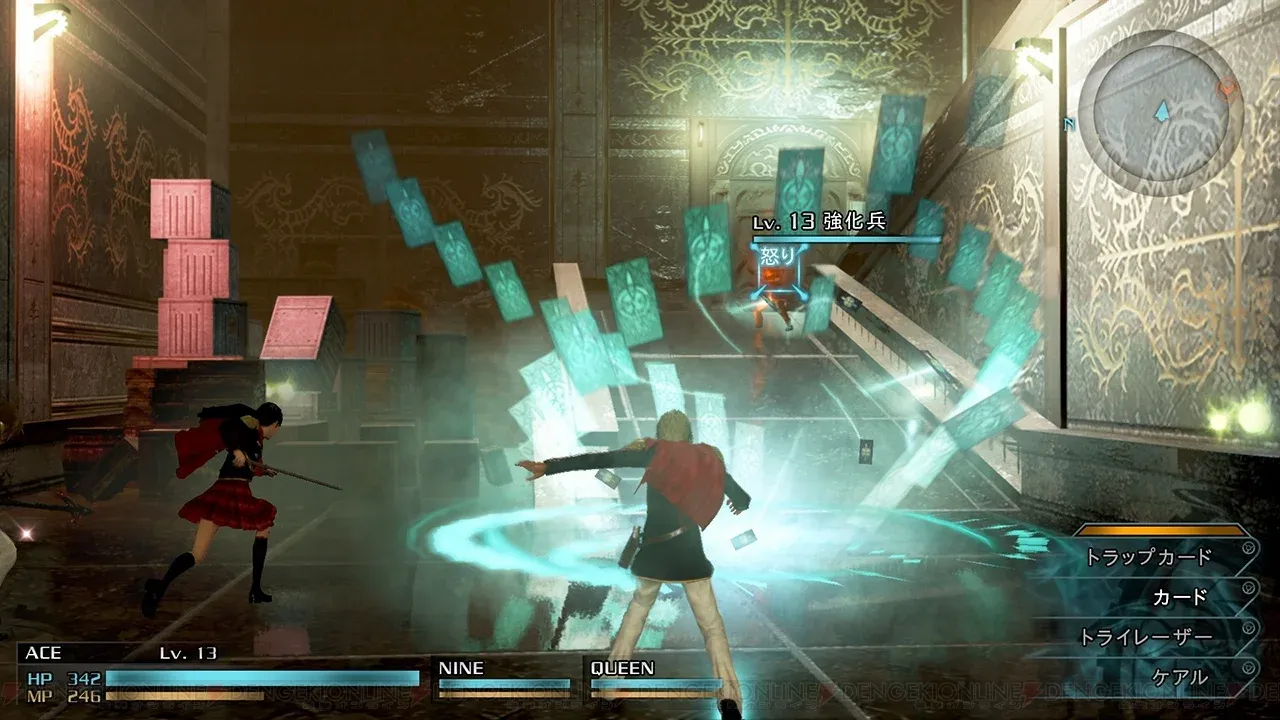
Spell variant system in Type-0
What the Series Became Instead
Recent Final Fantasy entries के साथ contrast को ignore करना मुश्किल है। Final Fantasy 15 और Final Fantasy 7 Rebirth Final Fantasies नहीं हैं जिनमें open worlds built in हों। वे open-world games हैं जिनमें Final Fantasy elements layered on top हैं। Final Fantasy 16 खुद को RPG से ज़्यादा prestige dark fantasy television के तौर पर frame करता है, और result एक ऐसा game है जहाँ franchise की identity उस aesthetic के secondary महसूस होती है जिसे वह borrow कर रहा है।
वह shift, popular elements को Final Fantasy framework में incorporate करने से लेकर popular framework के around game बनाने और Final Fantasy flavoring add करने तक, वही है जिसे Type-0 ने avoid किया। Persona-inspired structure story को serve करता है। Story structure को justify करने के लिए exist नहीं करती।
The Blueprint That Got Left Behind
Type-0 एक perfect game नहीं था। Real-time strategy components एक misfire थे, और PSP का multiplayer focus कुछ content को awkwardly gated on the first playthrough left कर गया। लेकिन इसमें कुछ ऐसा था जिसे modern Final Fantasy games अभी भी visibly search कर रहे हैं: confidence in its own identity।
Type-0 की कुछ best things उसकी willingness से आई थीं experiment करने की अपने own framework के अंदर बजाय इसके कि wholesale adopt किया जाए किसी और का। यह एक lesson है जो series अभी भी use कर सकती है। Make sure to check out more: