Daniel Vávra, Warhorse Studios के co-founder और Kingdom Come: Deliverance 2 के पीछे की creative force, ने publicly Nvidia की DLSS 5 technology को support किया है, जबकि industry के बाकी developers इसकी आलोचना करने में लगे हैं। उनके comments 23 March को X पर एक post के ज़रिए सामने आए, जिसने उन्हें gaming की दुनिया में उन चंद voices में से एक बना दिया जो अभी इस tech को defend करने को तैयार हैं।
Industry पहले से ही DLSS 5 के खिलाफ क्यों हो रही है
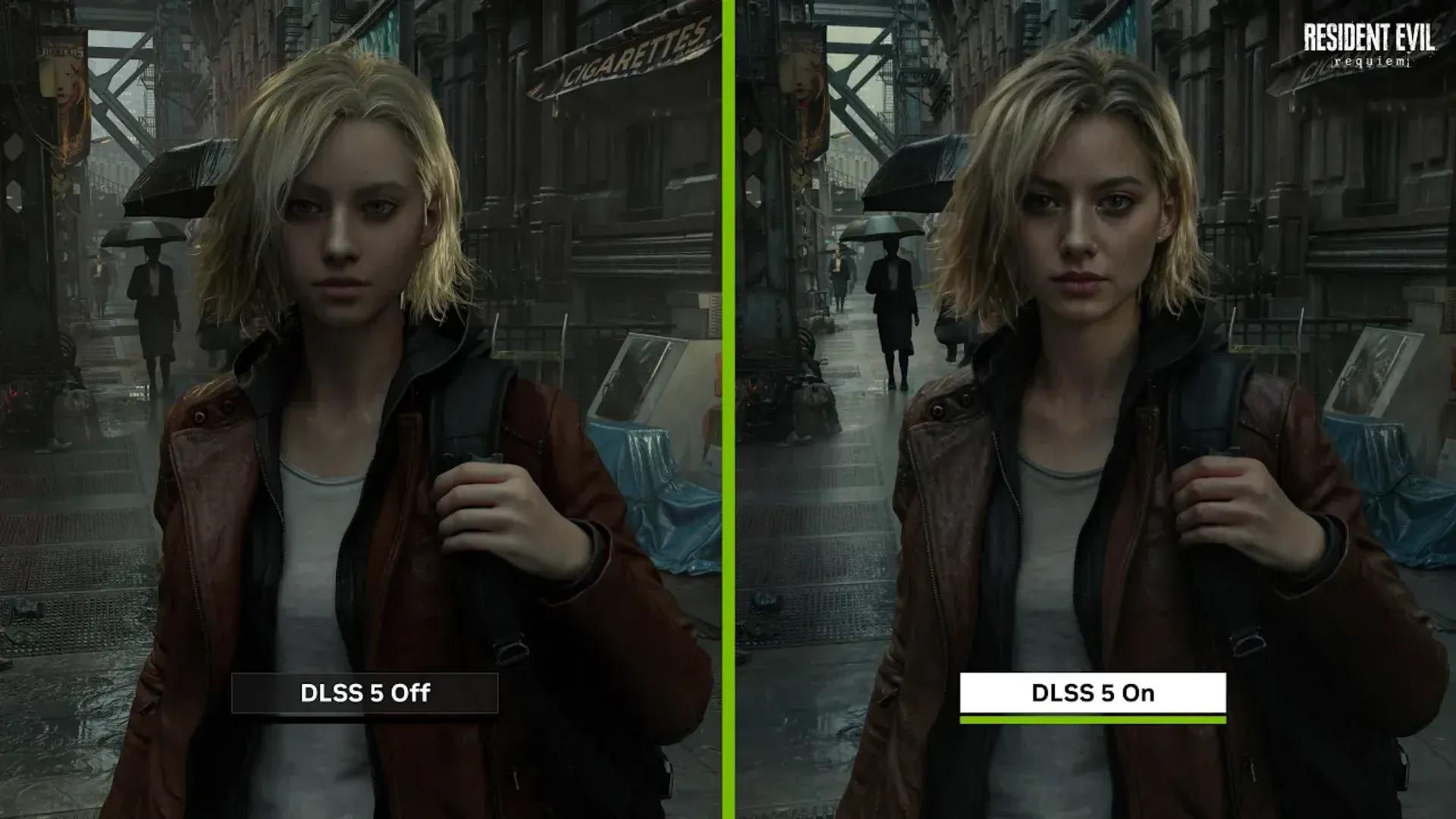
DLSS 5 के खिलाफ backlash काफी तेज़ और सीधी रही है। जिन game developers ने publicly इस tech के बारे में बात की, उन्होंने इसके AI-generated output को कुछ खास flattering terms में describe नहीं किया। मुख्य complaint यह है कि DLSS 5 का generative AI component सिर्फ existing frames को upscale नहीं करता, बल्कि उन्हें पूरी तरह redraw कर देता है, जिससे faces और surfaces ऐसे लगते हैं जैसे उन्हें किसी social media beauty filter से गुज़ारा गया हो। Nvidia के CEO Jensen Huang ने claim किया था कि यह tech artistic intent को preserve कर सकती है, लेकिन company की अपनी follow-up messaging ने उस framing को contradict करती दिखी, और gaming community ने इसे notice किया।
बात यह है: DLSS अपने पुराने forms में genuinely well-regarded था। इसने players को mid-range hardware पर बिना किसी meaningful quality loss के higher visual fidelity पर games run करने दिया। वही goodwill DLSS 5 की situation को बहुत से लोगों के लिए एक bait-and-switch जैसा feel कराती है।
Vávra ने actually क्या कहा
Vávra का take essentially present की defense से ज़्यादा future पर एक bet है। उन्होंने लिखा, "मैं imagine कर सकता हूँ कि future में devs इस tech को किसी particular art style या specific लोगों के faces के लिए train कर पाएंगे और यह expensive raytracing आदि को replace कर सकती है।" "यह तो बस एक थोड़ी uncanny beginning है। Haters इसे किसी भी तरह नहीं रोक पाएंगे। यह उस soap opera effect से कहीं ज़्यादा है जो हर TV में होता है जब आप motion smoothing on करते हैं।"
Soap opera comparison एक fair reference point है। Consumer TVs पर motion smoothing को filmmakers और cinephiles सालों से इसलिए नापसंद करते आए हैं क्योंकि यह 24 frames per second पर shoot किए गए footage की cinematic quality को छीन लेता है। Vávra argue कर रहे हैं कि DLSS 5 उतना बुरा नहीं है। हालांकि उनके argument में जो बात ज़्यादातर players miss कर देते हैं, वह यह है कि वे actually DLSS 5 अभी जो produce करता है उसे defend नहीं कर रहे। वे उसकी direction को defend कर रहे हैं।
danger
Vávra के comments एक personal position को reflect करते हैं और Kingdom Come: Deliverance 2 में DLSS 5 integration पर Warhorse Studios का official statement नहीं हैं।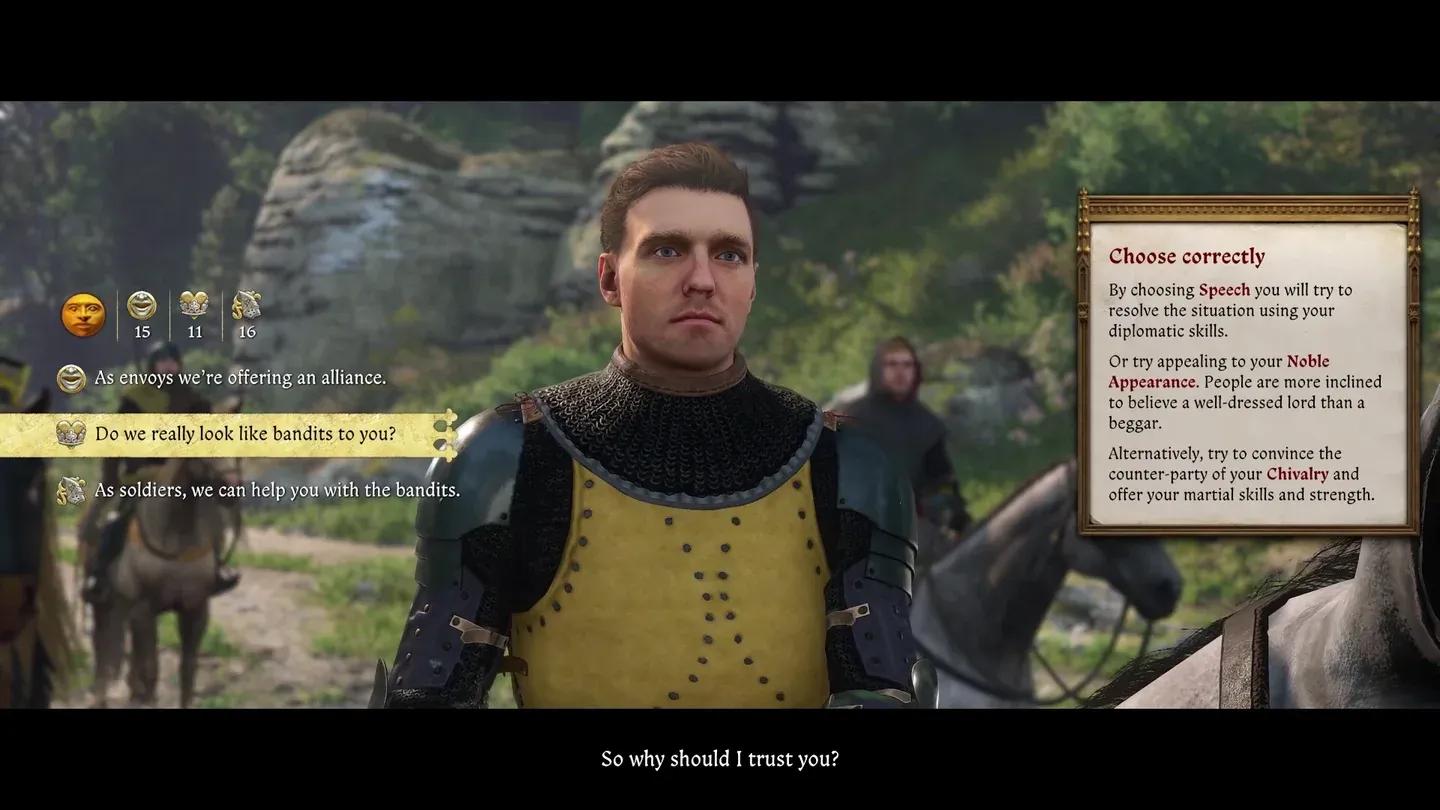
KCD2 title screen UI
उनके साथ कौन है
Vávra AI-assisted game tech की criticism को brush off करने में पूरी तरह अकेले नहीं हैं। Former Blizzard president Mike Ybarra ने हाल ही में Crimson Desert developers Pearl Abyss को "man up" करने को कहा, जब studio ने अपने game में low-quality generative AI art use करने के लिए apologize किया था। यहाँ pattern notable है: industry figures का एक छोटा cluster AI integration को defend कर रहा है जबकि broader developer community ज़ोरदार तरीके से pushback दे रही है।
यहाँ key बात यह है कि किसी technology की potential को defend करना उसके current output को defend करने से कहीं आसान position है। कोई यह prove नहीं कर सकता कि DLSS 5 improve नहीं होगी। लेकिन अभी, players और developers उसी पर react कर रहे हैं जो उनके सामने है, किसी theoretical future build पर नहीं।
Kingdom Come: Deliverance 2 को closely follow करने वाले players के लिए, आप Deep Silver और Warhorse की official news track कर सकते हैं यह देखने के लिए कि DLSS 5 आगे चलकर game के tech stack का हिस्सा बनती है या नहीं। Graphics में generative AI को लेकर conversation तेज़ी से accelerate हो रही है, और Vávra के comments suggest करते हैं कि Warhorse कम से कम इसे closely watch ज़रूर कर रही है। इन्हें भी ज़रूर देखें: