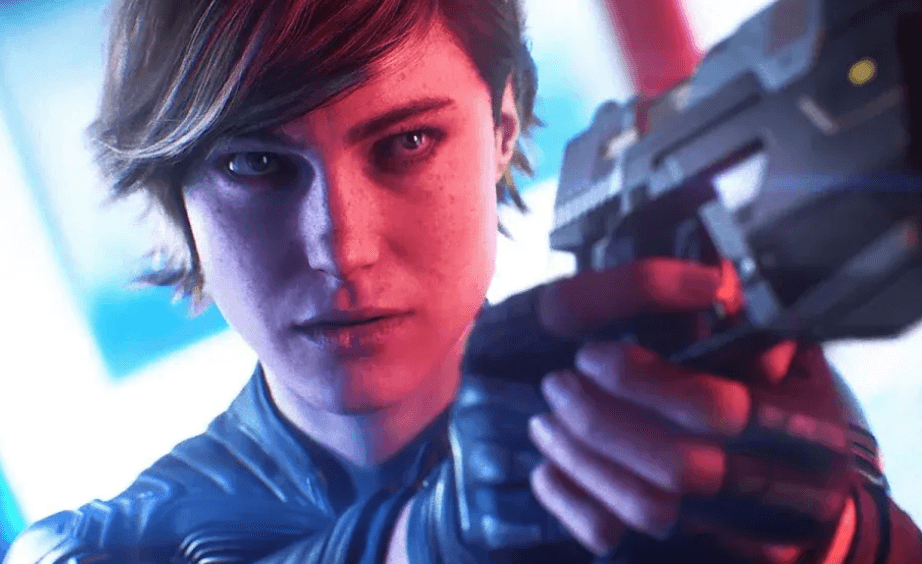

Meta अपने metaverse बजट में 30 प्रतिशत तक की कटौती करने की तैयारी कर रहा है, जो उन virtual world महत्वाकांक्षाओं से एक बड़ा कदम पीछे हटना है, जिसने पिछले कई वर्षों में कंपनी की रणनीति को काफी हद तक परिभाषित किया था। यह कटौती Horizon Worlds और Quest VR डिवीजन में layoffs का कारण बनेगी, जो सालों के भारी खर्च के बाद भी कंपनी की उम्मीद के मुताबिक cultural momentum न मिल पाने के कारण Meta के immersive technology के प्रति दृष्टिकोण को बदल रही है।
कोड TRYHARD33 का उपयोग करें और ऑफर समाप्त होने से पहले इसका लाभ उठाएं।
GAMES+ सब्सक्रिप्शन पर 33% की छूट पाएं
Reality Labs ने $70 billion से अधिक खर्च किए
2021 से, Reality Labs ने $70 billion से अधिक का निवेश किया है, फिर भी mainstream adoption उस स्तर पर कभी नहीं पहुंचा जैसा Meta ने अनुमान लगाया था। कुछ bright spots जरूर सामने आए—Beat Saber एक legitimate hit बन गया और music discovery platform के रूप में काफी effective साबित हुआ, जबकि Marvel's Deadpool VR ने The Game Awards में nomination हासिल किया—लेकिन ये सफलताएं व्यापक संघर्षों की भरपाई नहीं कर सकीं। निवेशकों का धैर्य अब जवाब दे रहा है, और Meta अब अपने संसाधनों को AI-driven hardware जैसे smart glasses और अन्य wearables की ओर मोड़ रहा है, जिन्हें tech sector में चल रही generative intelligence की लहर का फायदा उठाने के लिए डिज़ाइन किया गया है।
कंपनी इसे पूरी तरह से छोड़ने के बजाय strategic reallocation के रूप में पेश कर रही है, लेकिन हकीकत साफ है: metaverse को कभी भी वह traction नहीं मिला जो इसकी लागत को सही ठहरा सके, और Meta ने फैसला किया है कि वह अब इस बोझ को अकेले नहीं उठाएगा।
Meta AI पर दांव क्यों लगा रहा है
इस जल्दबाजी का एक कारण Meta का mobile platform shift को मिस करने का अनुभव है, जिसने कंपनी को Apple के ecosystem पर निर्भर बना दिया था। Metaverse को उस निर्भरता से बचने का रास्ता माना गया था, लेकिन AI एक कहीं अधिक तत्काल और प्रतिस्पर्धी platform race के रूप में उभरा है। Meta वही गलती दोबारा नहीं दोहराना चाहता, और कंपनी बहुत देर होने से पहले अगले बड़े computing paradigm में अपनी जगह सुरक्षित करने के लिए आक्रामक रूप से कदम उठा रही है।
Metaverse पूरी तरह से गायब हो जाएगा या सिर्फ background में फीका पड़ जाएगा, यह अभी भी एक खुला सवाल है। जो निश्चित है वह यह है कि इसका सबसे बड़ा समर्थक अब दुनिया के साथ तालमेल बिठाने के लिए और इंतजार करने को तैयार नहीं है।
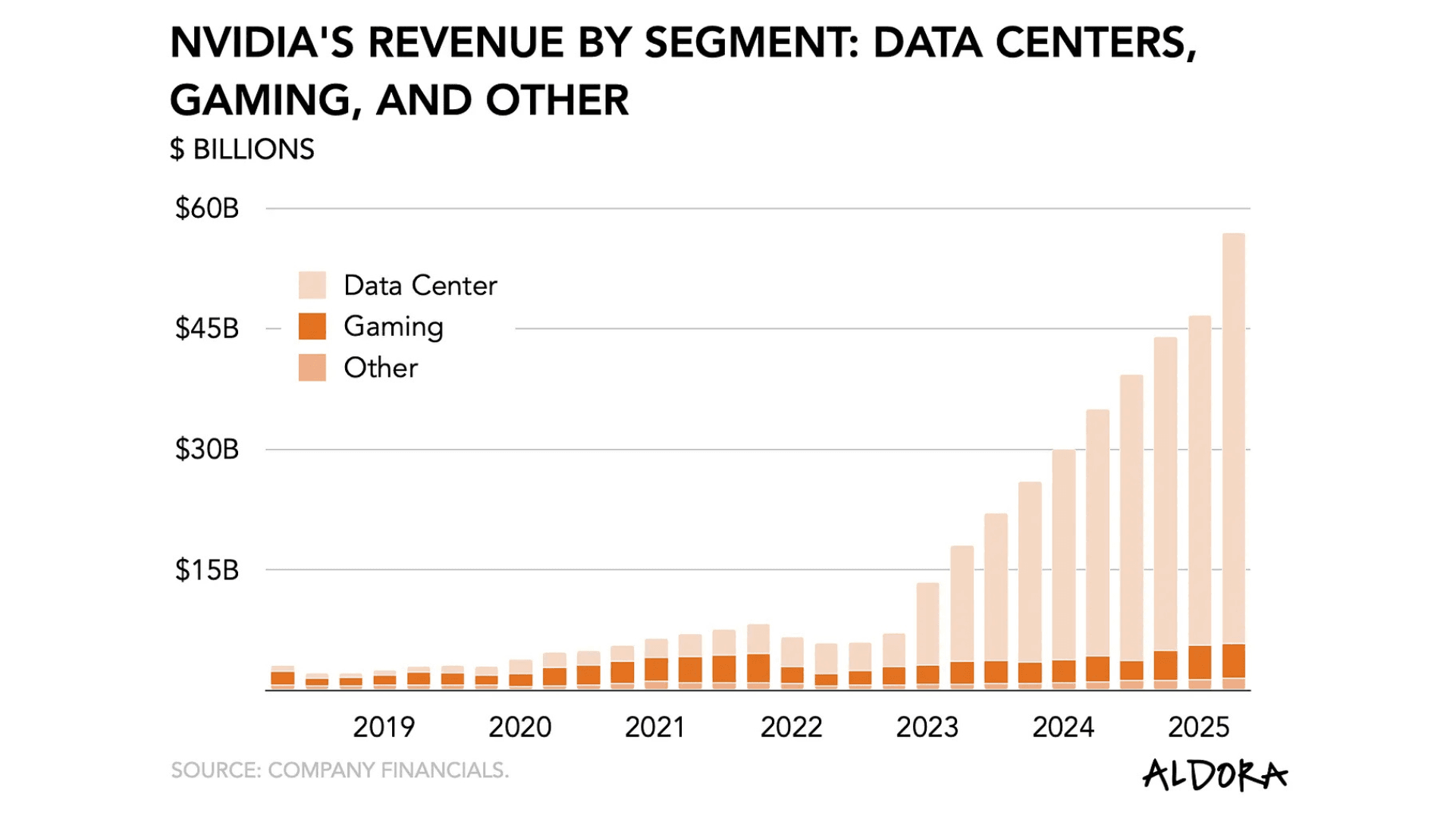
AI की chip hunger गेमिंग हार्डवेयर मार्केट को निचोड़ रही है
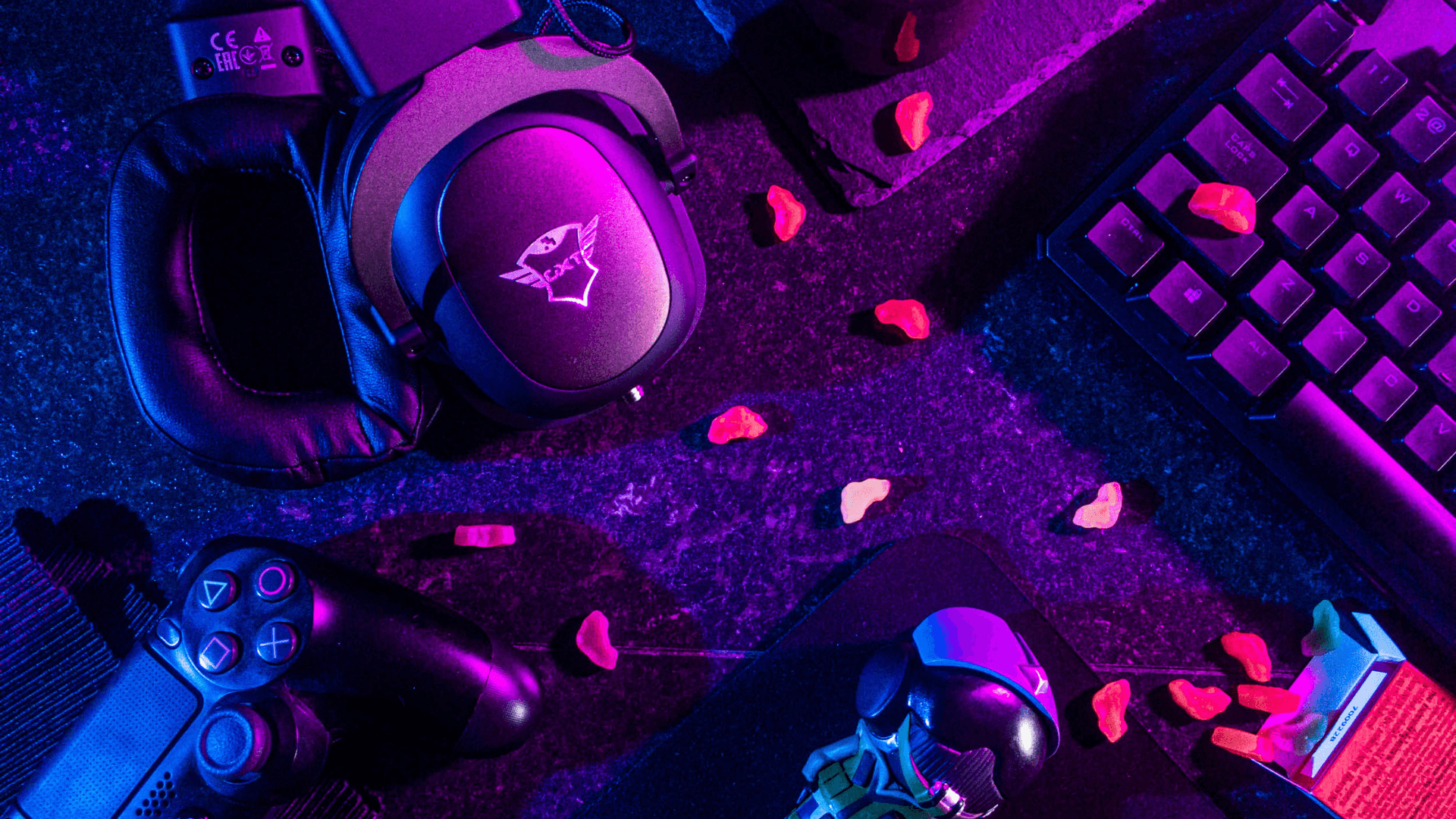
गेमिंग इंडस्ट्री एक अजीब समय में अपनी अगली console generation की ओर बढ़ रही है। AI development ने processing chips और high-bandwidth memory की भारी मांग पैदा कर दी है, जिससे component की कीमतें तेजी से ऊपर जा रही हैं। 2025 के अंत में memory chip की लागत 25 से 30 प्रतिशत तक बढ़ गई, और अनुमान बताते हैं कि 2026 में इसमें और भी अधिक बढ़ोतरी होगी, साथ ही shortages के 2027 तक खिंचने की उम्मीद है।
यह समस्या supply concentration से जुड़ी है। Samsung, SK Hynix, और Micron का global memory market के 95 प्रतिशत हिस्से पर नियंत्रण है, और ये तीनों consumer electronics के बजाय AI servers को प्राथमिकता दे रहे हैं क्योंकि उनका margin काफी बेहतर है। यह स्थिति 2020 के crypto boom के दौरान GPU shortage जैसी है, लेकिन analysts का मानना है कि यह crunch लंबे समय तक चलेगा और supply chain को अधिक गहराई से प्रभावित करेगा।
PC manufacturers पर सबसे ज्यादा असर पड़ रहा है। Memory, PC की कुल component लागत का लगभग 20 प्रतिशत है, और PC की मांग कीमत के प्रति बेहद संवेदनशील है। Research से पता चलता है कि 1 प्रतिशत कीमत बढ़ने पर unit sales में 2 से 2.5 प्रतिशत की गिरावट आ सकती है, जिससे manufacturers को बढ़ती लागत को ग्राहकों पर डालने के बजाय खुद वहन करने के लिए मजबूर होना पड़ता है। यह वह स्थिति पैदा करता है जिसे analysts "asymmetric pricing trap" कहते हैं—suppliers स्वतंत्र रूप से कीमतें बढ़ा सकते हैं, लेकिन PC makers मांग को खत्म किए बिना ऐसा नहीं कर सकते।
Console makers बेहतर स्थिति में हैं। Sony, Microsoft, और Nintendo ने supply chain expertise बनाने में दशकों बिताए हैं, और अक्सर नए hardware लॉन्च से सालों पहले ही long-term component contracts साइन कर लेते हैं। उनका सात से आठ साल का console lifecycle उन्हें short-term supply disruptions से निपटने के लिए अधिक flexibility भी देता है।
अगली पीढ़ी के लिए बढ़ती लागत का क्या मतलब है
फिर भी, memory crunch मार्केट को स्पष्ट रूप से प्रभावित करेगा। High-end PC components दर्शकों के एक बड़े हिस्से की पहुंच से बाहर हो सकते हैं, जिससे अधिक players mid-range consoles या handheld hybrids की ओर बढ़ सकते हैं जो बिना premium लागत के stable performance देते हैं। Valve's Steam Machine जैसे devices, जो अधिक सुलभ कीमत पर PlayStation 5-level performance का लक्ष्य रखते हैं, अगर PC की लागत बढ़ती रही तो traction हासिल कर सकते हैं।
Cloud gaming को भी फायदा होगा, जो उन players के लिए एक विकल्प प्रदान करता है जो hardware arms race से पूरी तरह बचना चाहते हैं। यह बदलाव physical media से digital storefronts और अब cloud-supported ecosystems की ओर इंडस्ट्री के व्यापक विकास में फिट बैठता है। यही कारण है कि Microsoft ने AMD और Asus के साथ अपनी hardware partnerships का विस्तार किया है—एक ऐसे भविष्य की तैयारी कर रहा है जहां distribution models, raw specs जितने ही मायने रखते हैं।
अगला console cycle अभी भी समय पर आना चाहिए, लेकिन उम्मीद है कि manufacturers रूढ़िवादी (conservative) रुख अपनाएंगे। आक्रामक मूल्य निर्धारण (aggressive pricing) और नियंत्रित specs इस पीढ़ी को परिभाषित करेंगे, क्योंकि कंपनियां बढ़ती component लागत और अनिश्चित supply स्थितियों के बीच performance महत्वाकांक्षाओं को संतुलित कर रही हैं।
अक्सर पूछे जाने वाले सवाल (FAQs)
क्या Meta metaverse को छोड़ रहा है?
Meta अपने metaverse बजट में काफी कटौती कर रहा है, लेकिन कंपनी इसे virtual worlds से पूरी तरह बाहर निकलने के बजाय AI की ओर बदलाव के रूप में पेश कर रही है।
Meta अभी AI hardware को प्राथमिकता क्यों दे रहा है?
AI एक तेजी से बढ़ता हुआ अवसर है जिसमें market demand अधिक है, जो इसे metaverse की तुलना में अधिक जरूरी strategic focus बनाता है।
क्या memory की कमी अगली console generation में देरी करेगी?
बड़ी देरी की संभावना कम है, लेकिन अधिक conservative pricing और specifications की उम्मीद करें क्योंकि manufacturers उच्च component लागत के बीच रास्ता बना रहे हैं।
AI hardware की मांग PC गेमिंग को कैसे प्रभावित करती है?
PC manufacturers को बढ़ती component कीमतों और सीमित supply का सामना करना पड़ रहा है, जिसके परिणामस्वरूप उपभोक्ताओं के लिए system की लागत अधिक हो सकती है या उपलब्धता कम हो सकती है।
क्या consoles हार्डवेयर की कमी से बेहतर तरीके से सुरक्षित हैं?
हाँ। Console makers long-term supply contracts सुरक्षित करते हैं और extended hardware cycles पर काम करते हैं, जो उन्हें PC manufacturers की तुलना में अधिक स्थिरता देता है।
क्या बढ़ती हार्डवेयर लागत cloud gaming को बढ़ावा दे सकती है?
बिल्कुल। जैसे-जैसे high-end components महंगे होते जाएंगे, cloud services जो local hardware की आवश्यकता को खत्म करती हैं, वे अधिक आकर्षक हो जाएंगी।
क्या component की कमी के कारण next-gen consoles की कीमत अधिक होगी?
Manufacturers संभवतः प्रतिस्पर्धी मूल्य निर्धारण को प्राथमिकता देंगे, लेकिन बढ़ती component लागत अभी भी अंतिम retail कीमतों को प्रभावित कर सकती है।