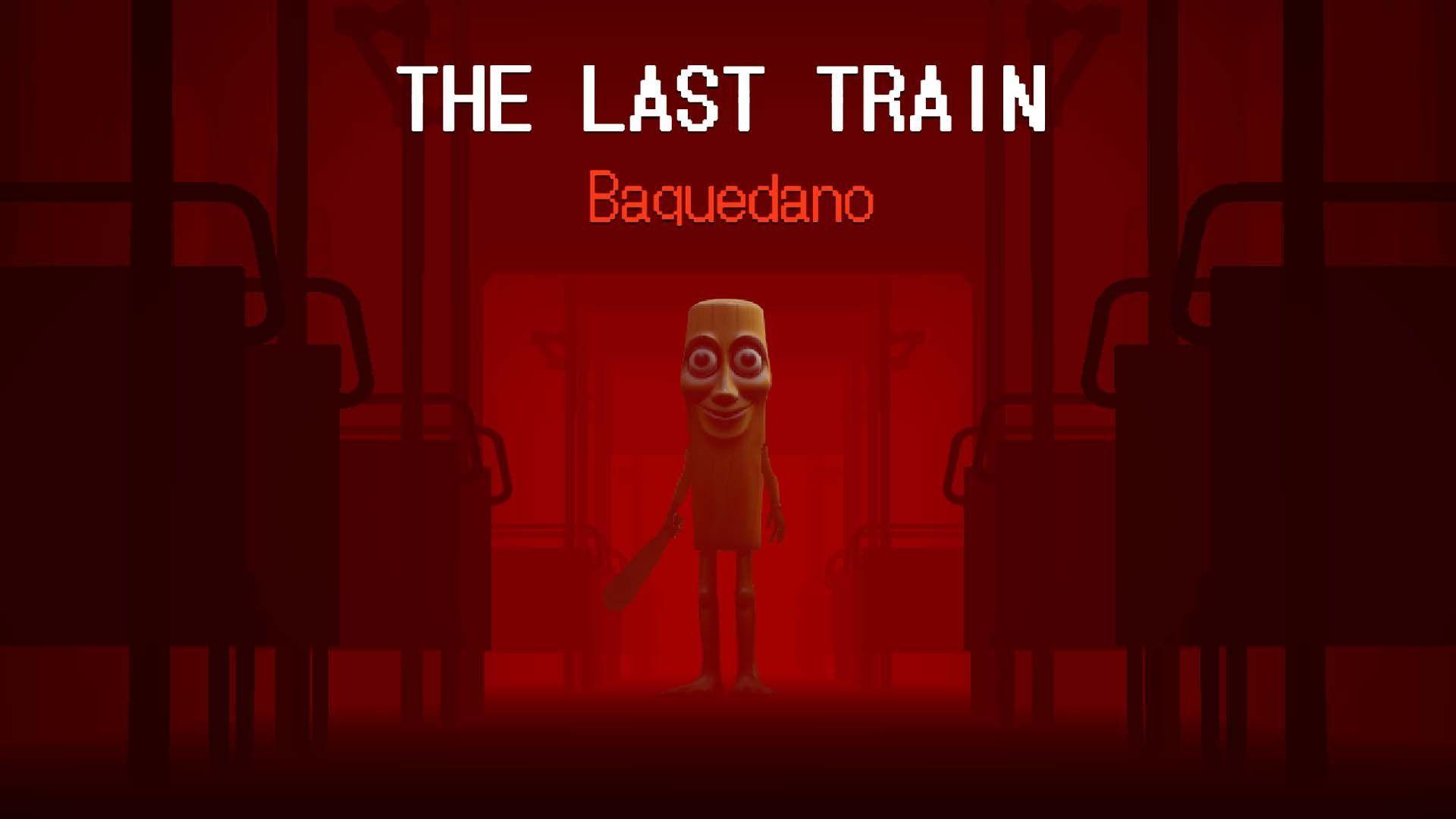

The Last Train: Baquedano, directed by Diego Alonso Gajardo, ek first-person psychological horror game hai jo ek jaani-pehchani daily activity ko tension ka source banata hai. Premise simple hai: subway mein so jao, line ke end par jaago, aur realize karo ki station abandoned ho chuka hai. Yahan se, game ek compact lekin focused horror experience build karta hai jo action-heavy encounters ke bajaye atmosphere, sound design, aur environmental storytelling par depend karta hai.
Constant threats se players ko overwhelm karne ke bajaye, The Last Train: Baquedano apna scope narrow aur deliberate rakhta hai. Setting, jo real-world subway infrastructure se inspired hai, experience ko recognizable cheezon mein ground karti hai, jisse iske quiet moments iske scares jitne hi important lagte hain. Result ek game hai jo traditional survival horror title se zyada interactive psychological thriller jaisa feel hota hai.

Setting the Tone Through Isolation
Abandoned station game ka sabse strong asset hai. Platforms, tunnels, control rooms, aur maintenance corridors ko itni realism ke saath present kiya gaya hai ki wo believable lagte hain bina visually noisy hue. Lighting restrained hai, aksar players ko apne surroundings ko samajhne ke liye shadows aur sound par depend karna padta hai. Yeh approach station ko ek sense of permanence deta hai, jaise zindagi wahan ruk gayi ho, na ki space ko horror ke liye banaya gaya ho.
Audio isolation ko reinforce karne mein major role play karta hai. Door ki goonj, chalne ki awaaz, aur environmental noise bina heavy-handed prompts ke player ka attention guide karte hain. Game silence ka effective use karta hai, long stretches of stillness ko unease build karne deta hai movement introduce karne se pehle. Yeh pacing tension maintain karne mein help karta hai jab kuch obvious nahi ho raha hota, jahan se psychological weight aata hai.
Turning Recognition Into Discomfort
The Last Train: Baquedano mein ek unusual design choice Tung Tung Sahur ka use hai, jo internet culture se widely known figure hai. Most contexts mein, character humor ya absurdity se associated hai, lekin yahan woh familiarity threatening cheez mein reframed ho jati hai. Ek abandoned, quiet station mein ek recognizable presence dekhna ek contradiction ka sense create karta hai jo game ke psychological tone ko fuel karta hai.
Constant jump scares par depend karne ke bajaye, game anticipation ke through fear build karta hai. Yeh jaanna ki kuch paas hai, use dekhne se pehle sunna, aur use aisa recognize karna jo us space mein belong nahi karta, sab tension mein contribute karta hai. Yeh shock se zyada awareness ke baare mein hai, jo action ke bajaye mental pressure par game ke overall focus se align hota hai.
Exploration as the Core Mechanic
Gameplay in The Last Train: Baquedano movement, observation, aur light puzzle-solving par center karta hai. Players ko carefully explore karne ke liye encourage kiya jata hai, side rooms aur hidden areas ko clues ke liye check karna jo station ko kya hua aur player wahan kyun hai, iske baare mein hint dete hain. Koi heavy combat system nahi hai, jo attention environment aur story par rakhta hai na ki mechanical complexity par.
Environmental storytelling narrative load ka majority carry karta hai. Objects, notes, layout design, aur audio cues information ke fragments provide karte hain bina sab kuch explain kiye. Yeh approach players ko events ko khud interpret karne deta hai, jo psychological horror structure ke saath achha fit hota hai. Game players ko reactive hone ke bajaye attentive hone ko kehta hai, yeh idea reinforce karta hai ki survival speed se zyada awareness par depend karta hai.
Maintaining Tension Without Over Complication
The Last Train: Baquedano apne systems ko intentionally simple rakhta hai. Movement, interaction, aur stealth-like behavior play ki foundation bante hain. Players ko powerful tools dene ke bajaye, game options ko limit karta hai, jo vulnerability badhata hai aur decision-making ko zyada meaningful banata hai.
Yeh restraint game ke favor mein kaam karta hai. Encounters ko action sequences mein na badalne se, focus pacing aur atmosphere par rehta hai. Players ko danger ko directly confront karne ke liye encourage nahi kiya jata, balki use observe, avoid, aur understand karne ke liye. Woh design choice psychological horror ke tone ko support karta hai, jahan fear ek bade, unfamiliar space mein chhota feel karne se aata hai.
Multiple Outcomes and Narrative Interpretation
Game mein four different endings hain, jo players ke explore karne aur environment ke saath interact karne ke tareeke se shaped hain. Yeh endings sirf final scene ko change nahi karti, balki station kya represent karta hai aur journey ke dauran kya hua, ismein context add karti hain.
Yeh structure replayability ko encourage karta hai bina experience ko padne ke. Wapas aane wale players identical content ko repeat karne ke bajaye additional layers of meaning uncover kar sakte hain. Narrative har outcome ke saath clear hoti hai, lekin yeh kabhi bhi ambiguity ko fully remove nahi karta, jo uncertainty aur perception ke game ke themes ke saath suit karta hai.
A Focused Indie Horror Experience
The Last Train: Baquedano ko short aur concentrated hone ke liye design kiya gaya hai. Yeh large-scale horror games se compete karne ka aim nahi karta, balki ek contained experience offer karta hai jo length ke bajaye atmosphere aur storytelling ko prioritize karta hai. Iska subway setting kaam karta hai kyunki yeh everyday life ke kareeb lagta hai, aur aise space mein horror place karne se experience zyada relatable banta hai.
Game subtle humor aur cultural references ko tension mein blend karta hai bina immersion tode. Fear ko exaggerate karne ke bajaye, yeh horror ko routine spaces aur familiar behavior se naturally grow hone wali cheez ke taur par treat karta hai. Woh grounded approach indie horror landscape mein experience ko modern identity deta hai.
Final Thoughts
The Last Train: Baquedano zyada karne ke bajaye kam karne se succeed karta hai. Yeh pacing, environmental storytelling, aur psychological pressure ke favor mein heavy mechanics aur spectacle ko avoid karta hai. Iska abandoned subway station authentic lagta hai, iska familiar internet culture ka use ek unusual layer of discomfort add karta hai, aur iske multiple endings welcome hone se zyada narrative depth provide karte hain.
Un players ke liye jo combat-driven survival games ke bajaye atmospheric, first-person psychological horror prefer karte hain, The Last Train: Baquedano ek focused experience offer karta hai jo ek simple commute ko ek quiet, unsettling journey mein badal deta hai.
Make sure to check out our articles about top games to play in 2026:
Best Nintendo Switch Games for 2026
Best First-Person Shooters for 2026
Best PlayStation Indie Games for 2026
Best Multiplayer Games for 2026
Most Anticipated Games of 2026
Top Game Releases for January 2026
Frequently Asked Questions (FAQs)
What type of game is The Last Train: Baquedano?
The Last Train: Baquedano ek first-person psychological horror game hai jo exploration, atmosphere, aur environmental storytelling par focus karta hai, combat ke bajaye.
Where is The Last Train: Baquedano set?
Game ek abandoned subway station mein set hai jo real-world urban transit spaces se inspired hai, jo isolation aur realism par zor deta hai.
Does The Last Train: Baquedano have combat?
Koi traditional combat system nahi hai. Players ladne ke bajaye movement, observation, aur danger avoid karne par depend karte hain.
How long is The Last Train: Baquedano?
Yeh ek short, focused indie horror experience ke taur par design kiya gaya hai, jo ek single sitting mein complete karne ke liye intended hai, multiple endings ke through replay value ke saath.
How many endings are in The Last Train: Baquedano?
Game mein four different endings hain, jo exploration choices aur experience ke dauran interactions se influenced hain.
What platforms support The Last Train: Baquedano?
The Last Train: Baquedano Xbox Series X|S aur Xbox One par available hai.
Is The Last Train: Baquedano suitable for fans of psychological horror?
Yes. Game tension, atmosphere, aur narrative interpretation par zor deta hai, jisse yeh un players ke liye well-suited hai jo action-heavy gameplay ke bajaye psychological aur atmospheric horror enjoy karte hain.