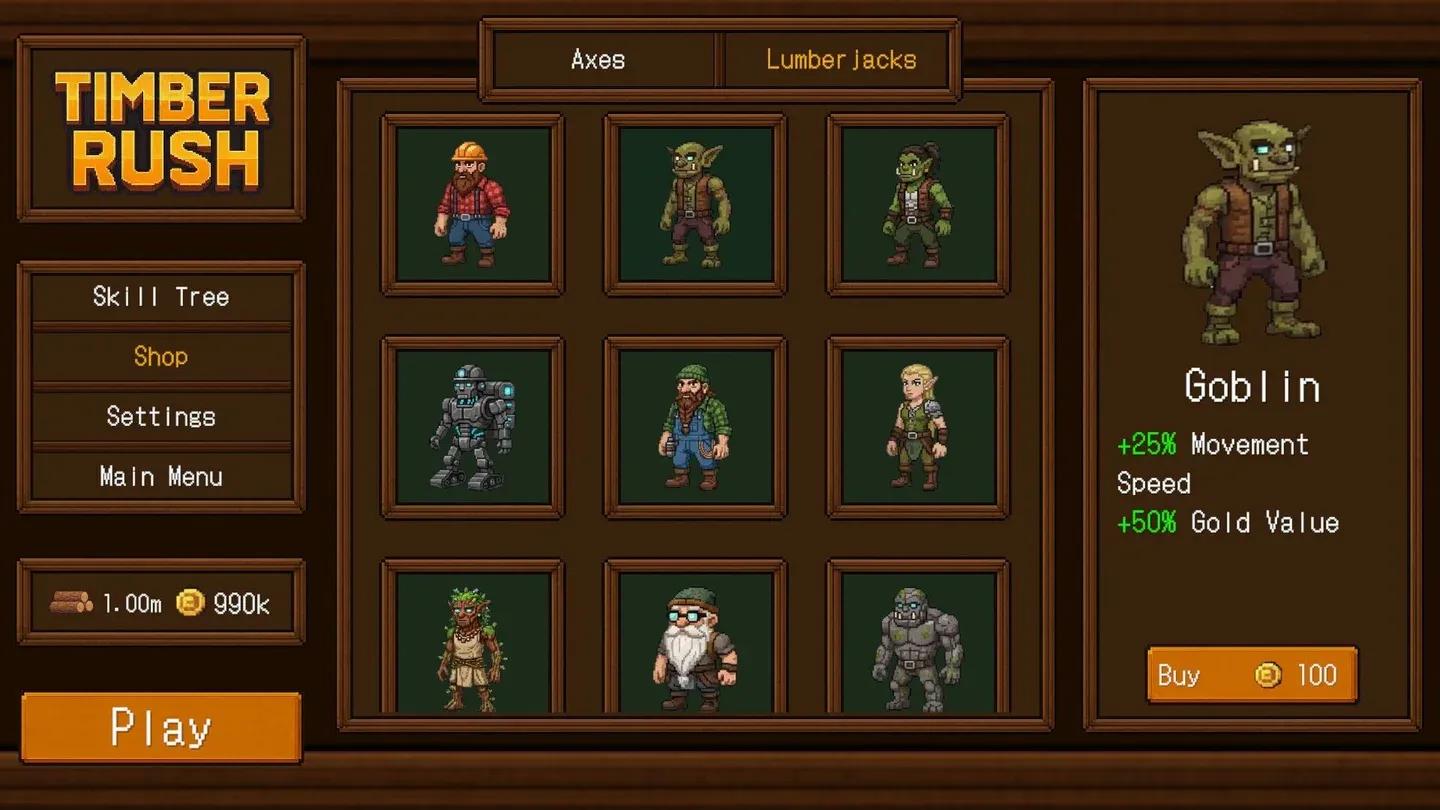
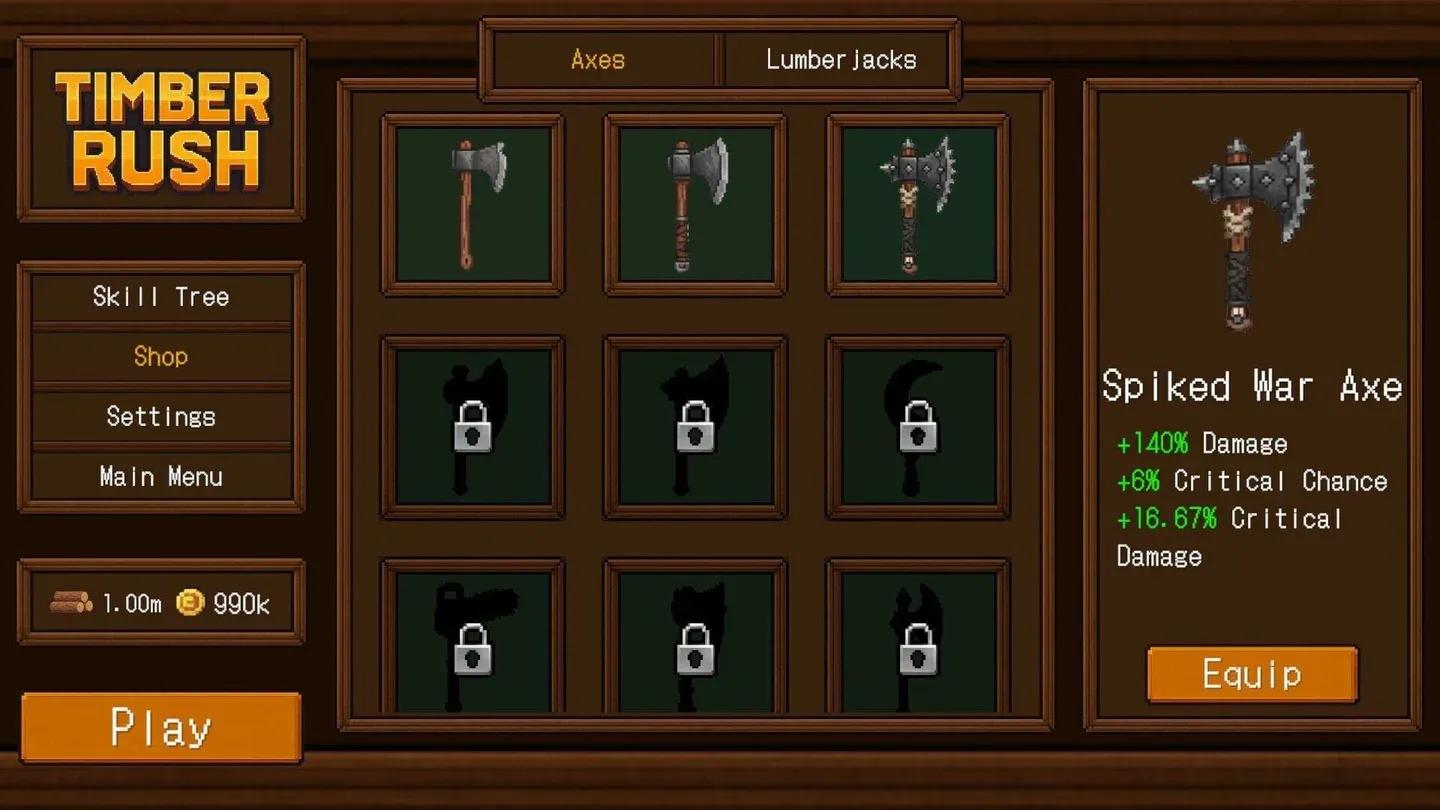
अवलोकन
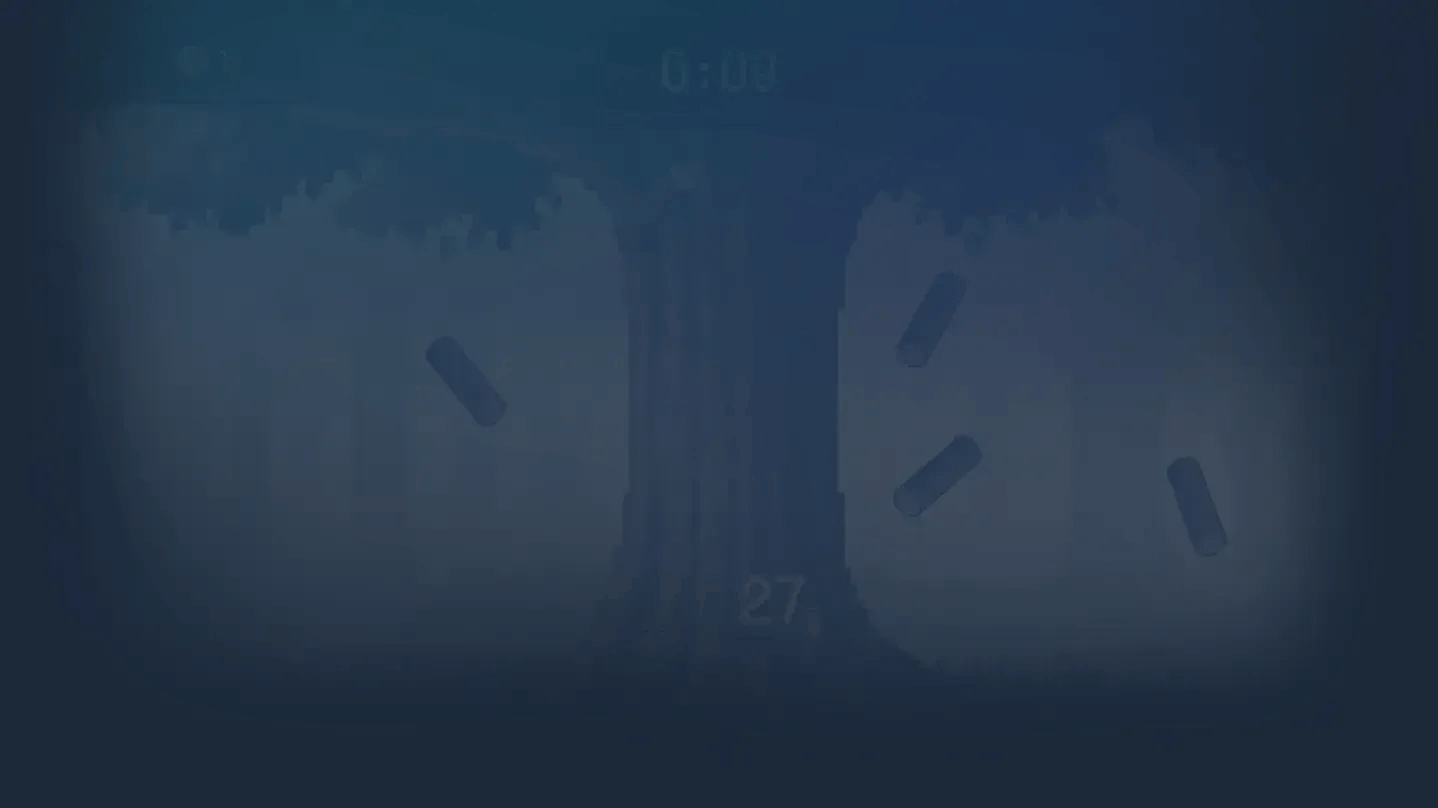
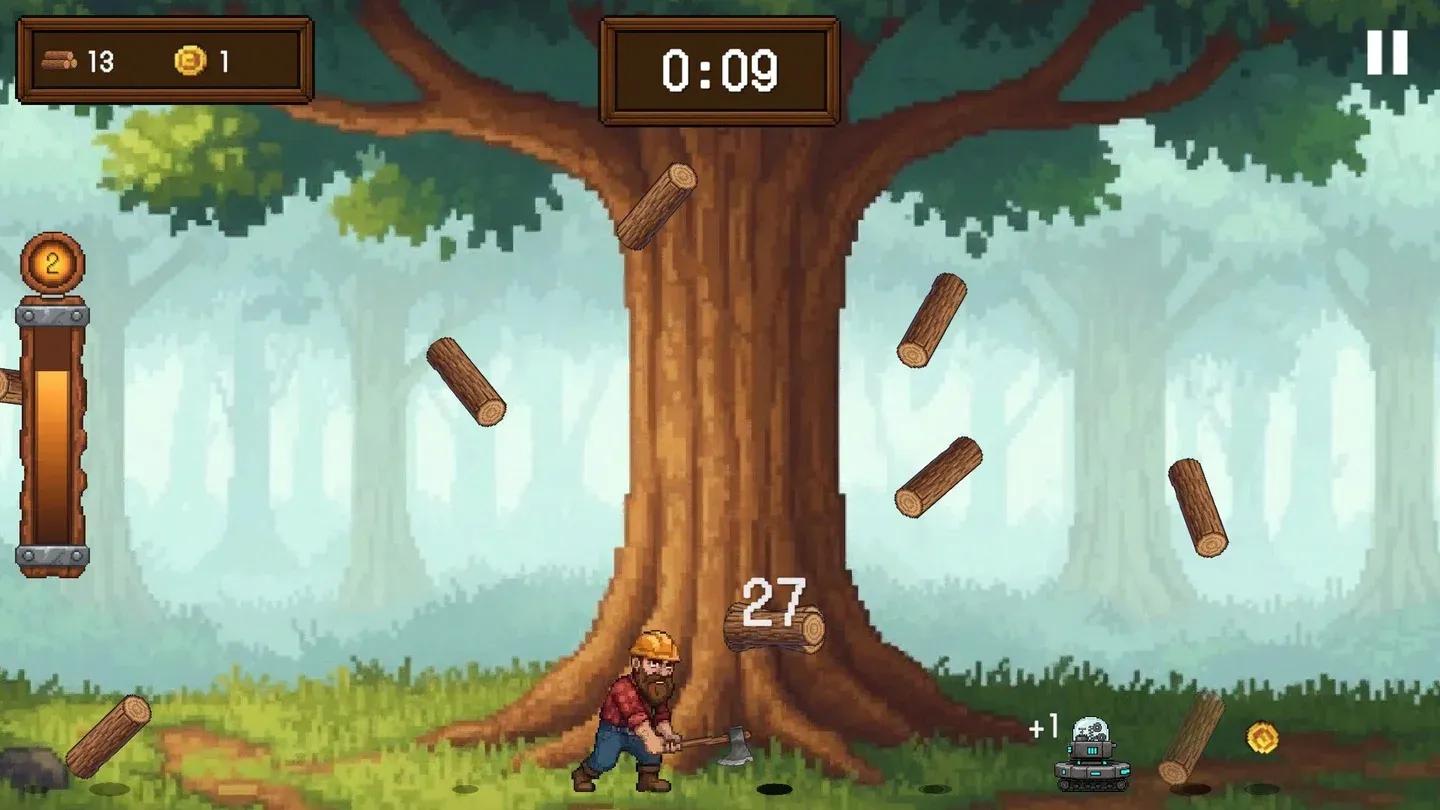
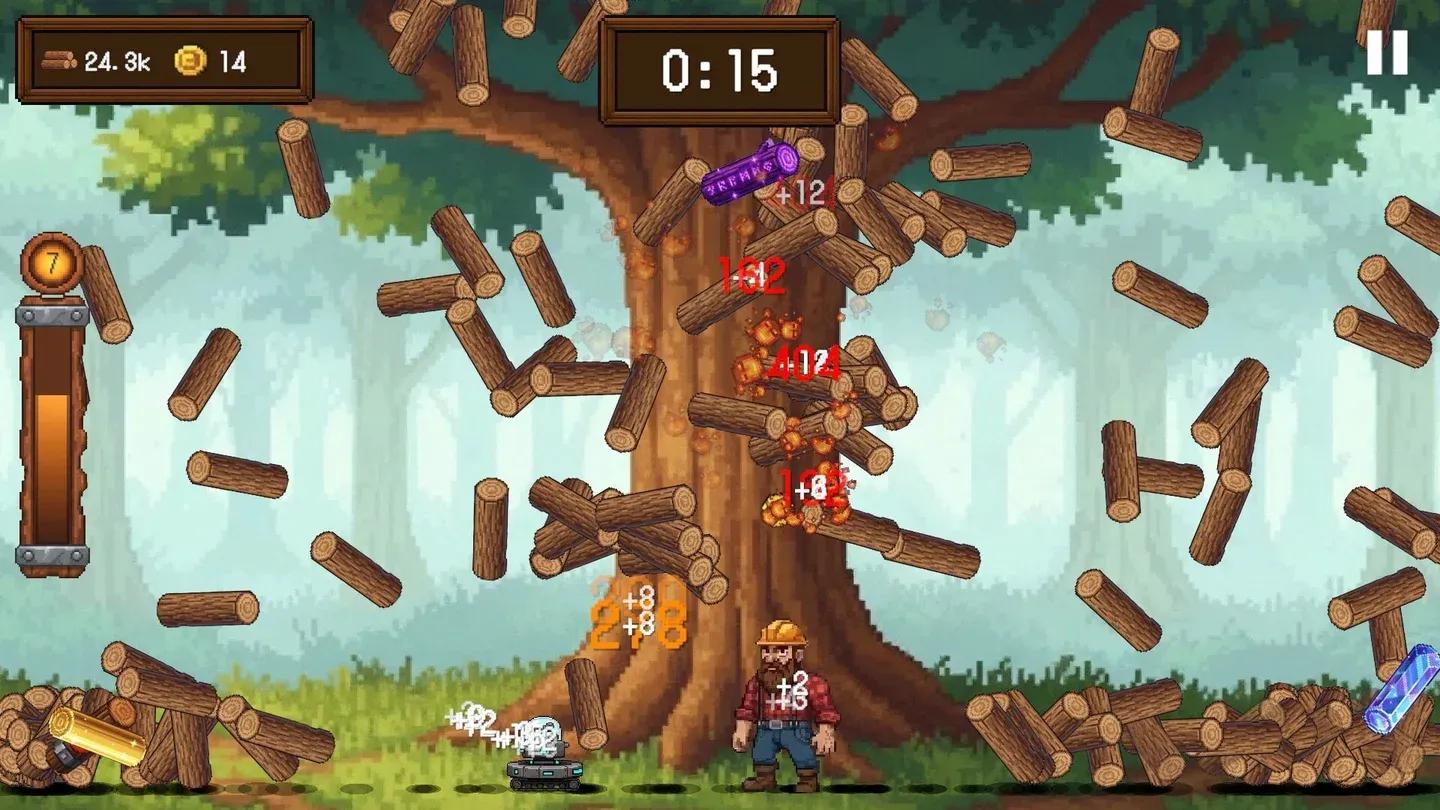
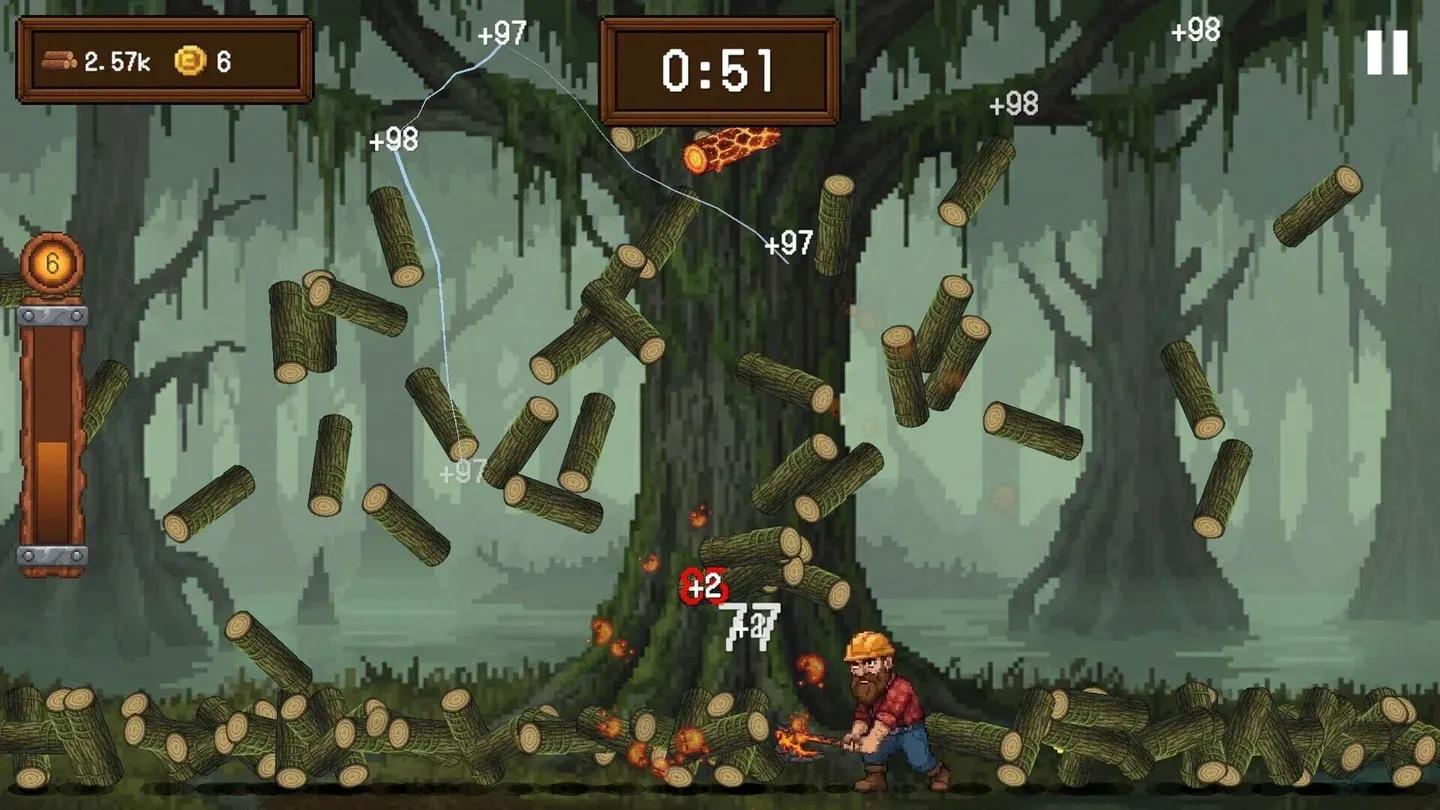
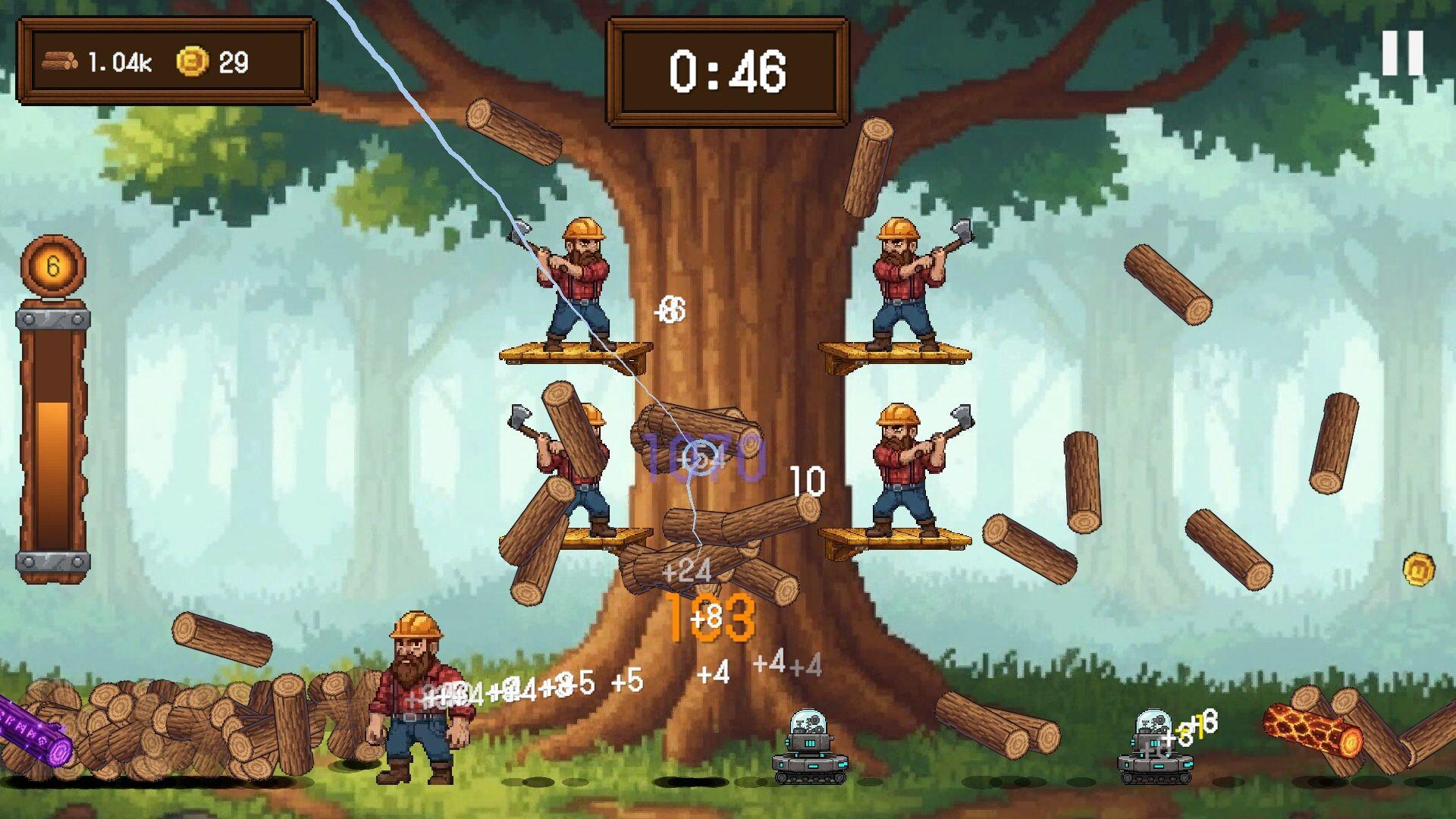
Timber Rush एक incremental roguelite है जो एक deceptively simple action: chopping wood के इर्द-गिर्द बना है। हर स्विंग एक progression engine को फीड करती है जो तेजी से accelerate होती है, upgrades, multipliers, और cascading effects को stack करती है जब तक कि जो एक शांत forestry loop के रूप में शुरू हुआ था, वह numbers और decisions की एक torrent बन जाती है। Allerton Apps, एक solo studio effort के रूप में development और publishing दोनों को संभालते हुए, roguelite genre के "just one more run" compulsion को कुछ ऐसा distilled किया है जो idle games के साथ comfortably sit करता है, जबकि आपको honest रखने के लिए पर्याप्त active input की मांग करता है।
Timber Rush में core tension automation और attention के बीच के space में रहती है। सबसे अच्छे incremental games की तरह, यह उन players को reward करती है जो समझते हैं कि कब systems को run करने देना है और कब well-timed upgrade choice के साथ intervene करना है। Roguelite structure का मतलब है कि हर run board को reset करती है, लेकिन chaos इतनी जल्दी compound होता है कि कोई भी दो sessions identical महसूस नहीं होते।
Timber Rush खेलने लायक क्या बनाता है?
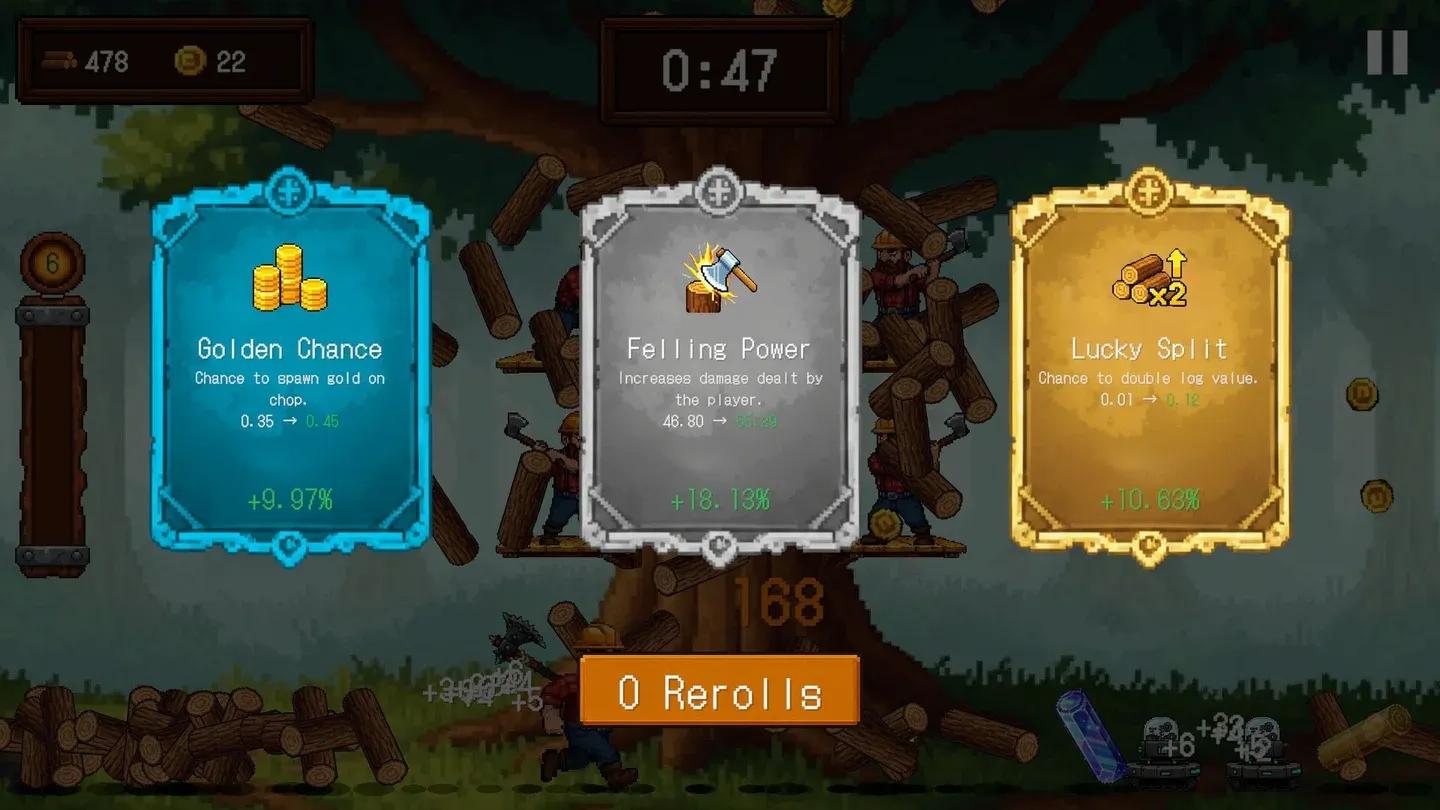
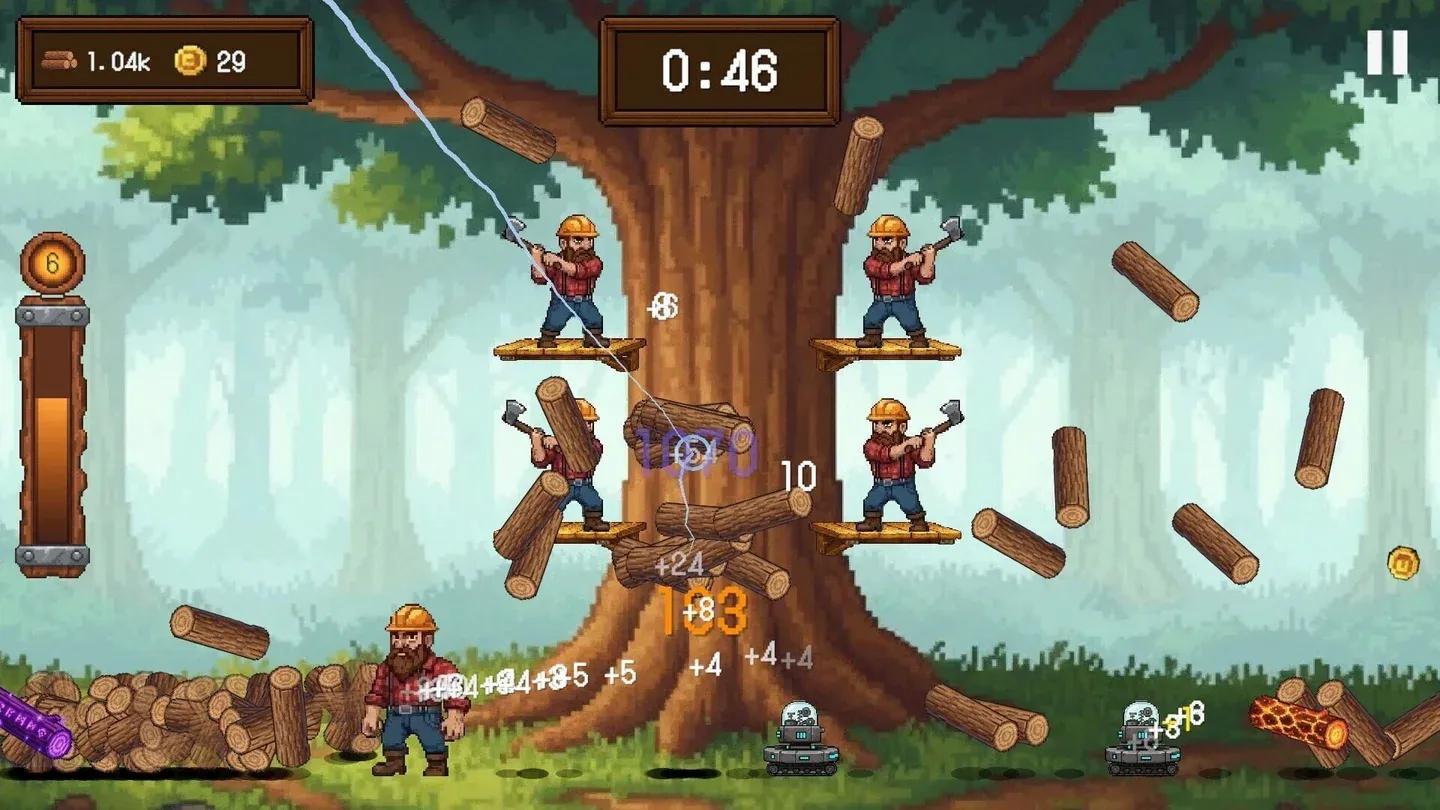
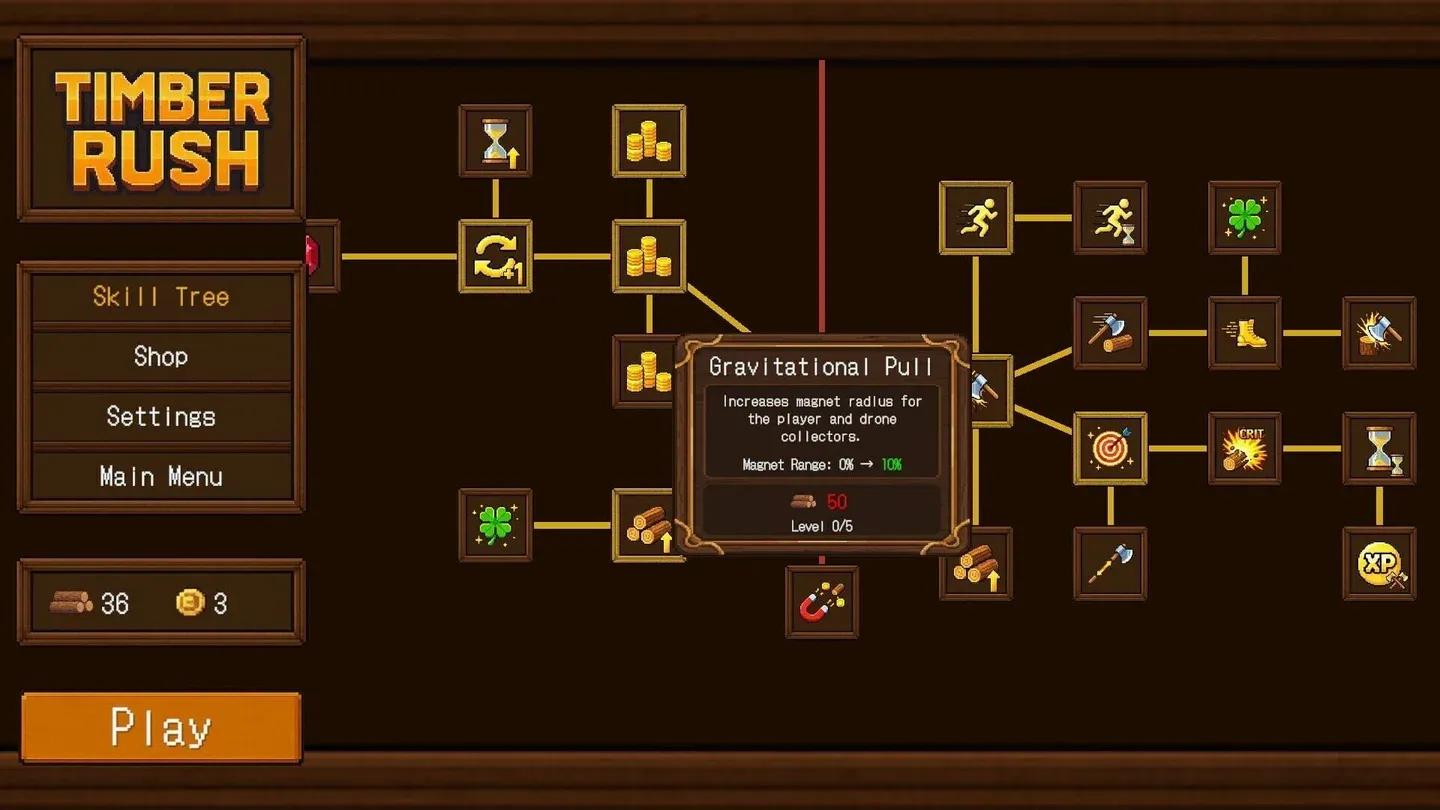
Timber Rush एक crowded indie roguelite market में escalation के प्रति अपनी पूरी प्रतिबद्धता के कारण अपनी जगह earns करता है। Upgrade system सिर्फ passive bonuses का एक menu नहीं है। हर choice visibly और immediately game के feel को बदलती है, जो sounds से ज्यादा मुश्किल है। कई incremental games अपने feedback loop को menus और wait timers के नीचे bury कर देते हैं। यहाँ, payoff immediate और loud है।
अनुभव को चलाने वाले मुख्य mechanics:
- Swing-triggered upgrade chains
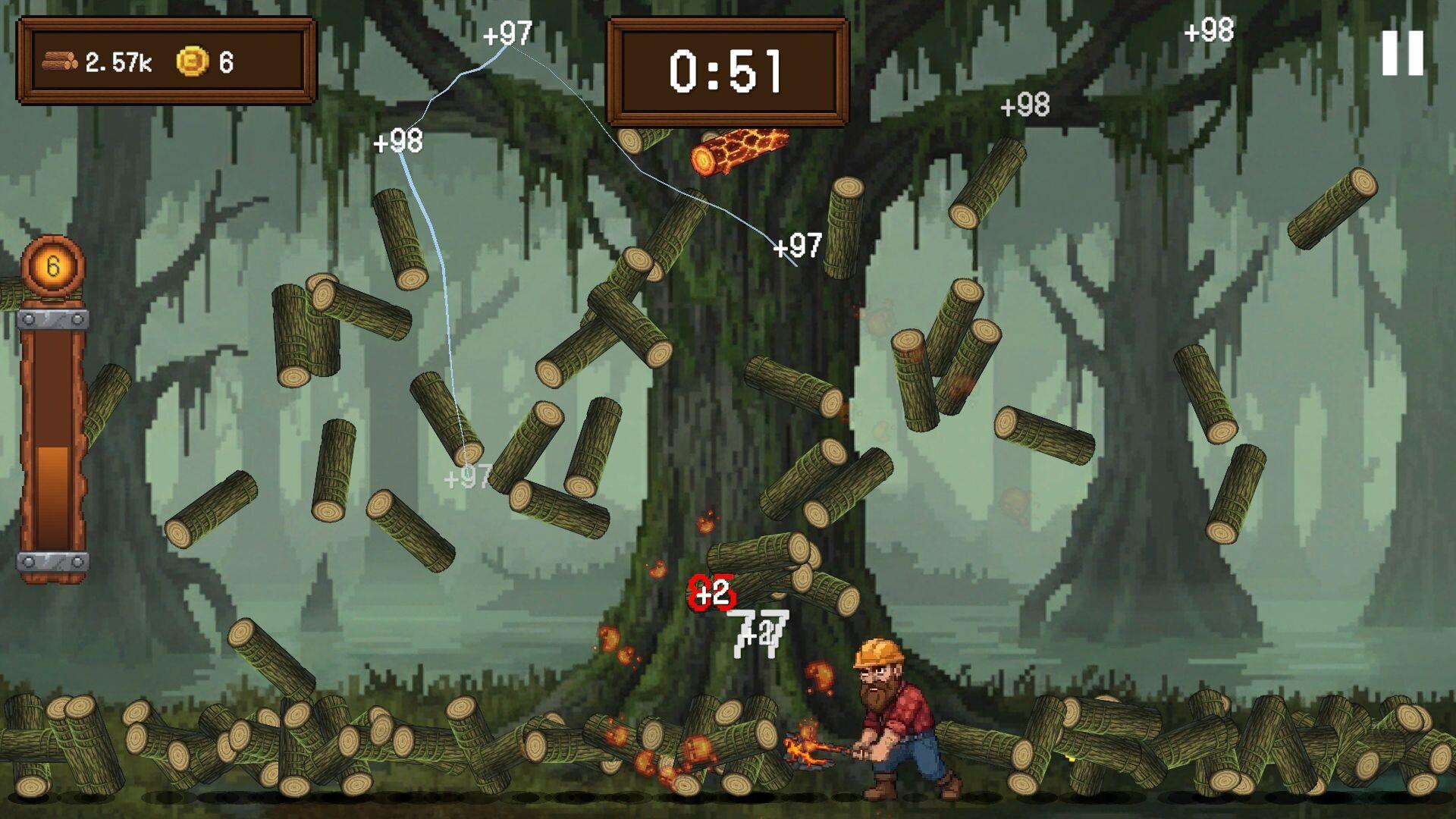
- Cascading number scaling per run
- Roguelite reset structure with persistent chaos
- Fast-paced decision windows during active play
- Incremental idle elements between active sessions
गेम के लिए listed action और strategy genres marketing overlap नहीं हैं। Action side active play के rhythm में दिखाई देती है, जबकि strategy layer upgrade prioritization में emerge होती है। दोनों को एक-दूसरे को undermine किए बिना coexist कराना एक छोटे indie release के लिए एक real design achievement है।
गेमप्ले और मैकेनिक्स
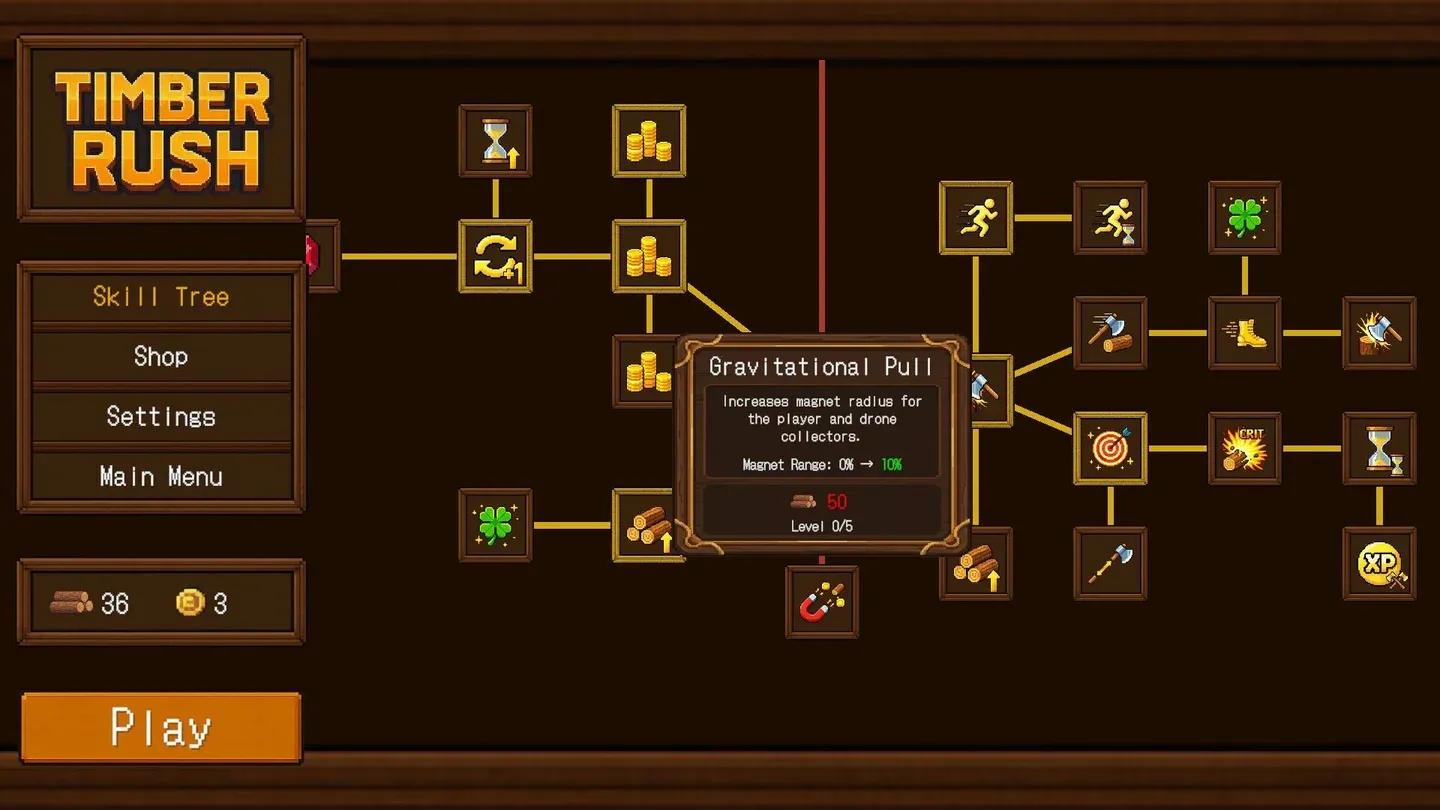
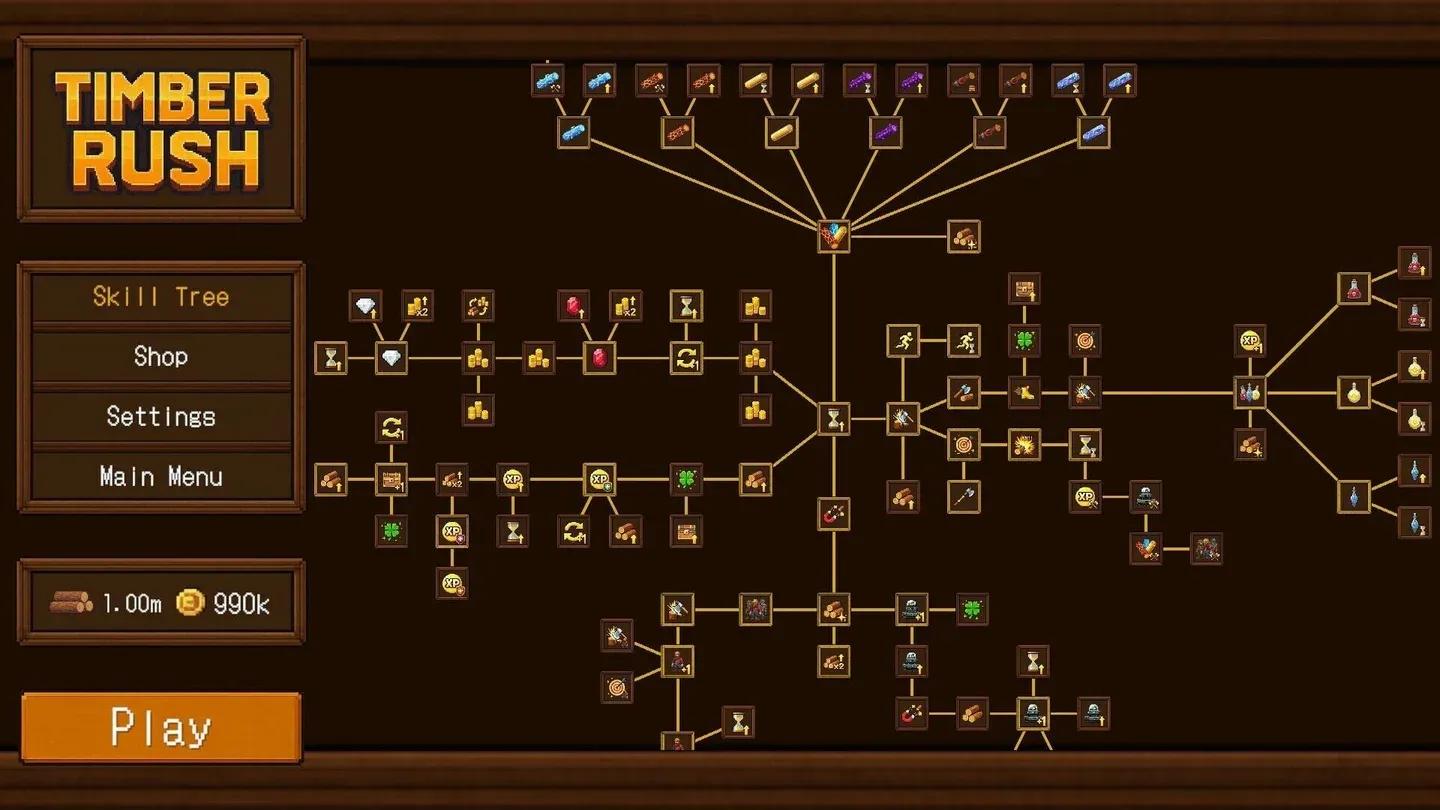
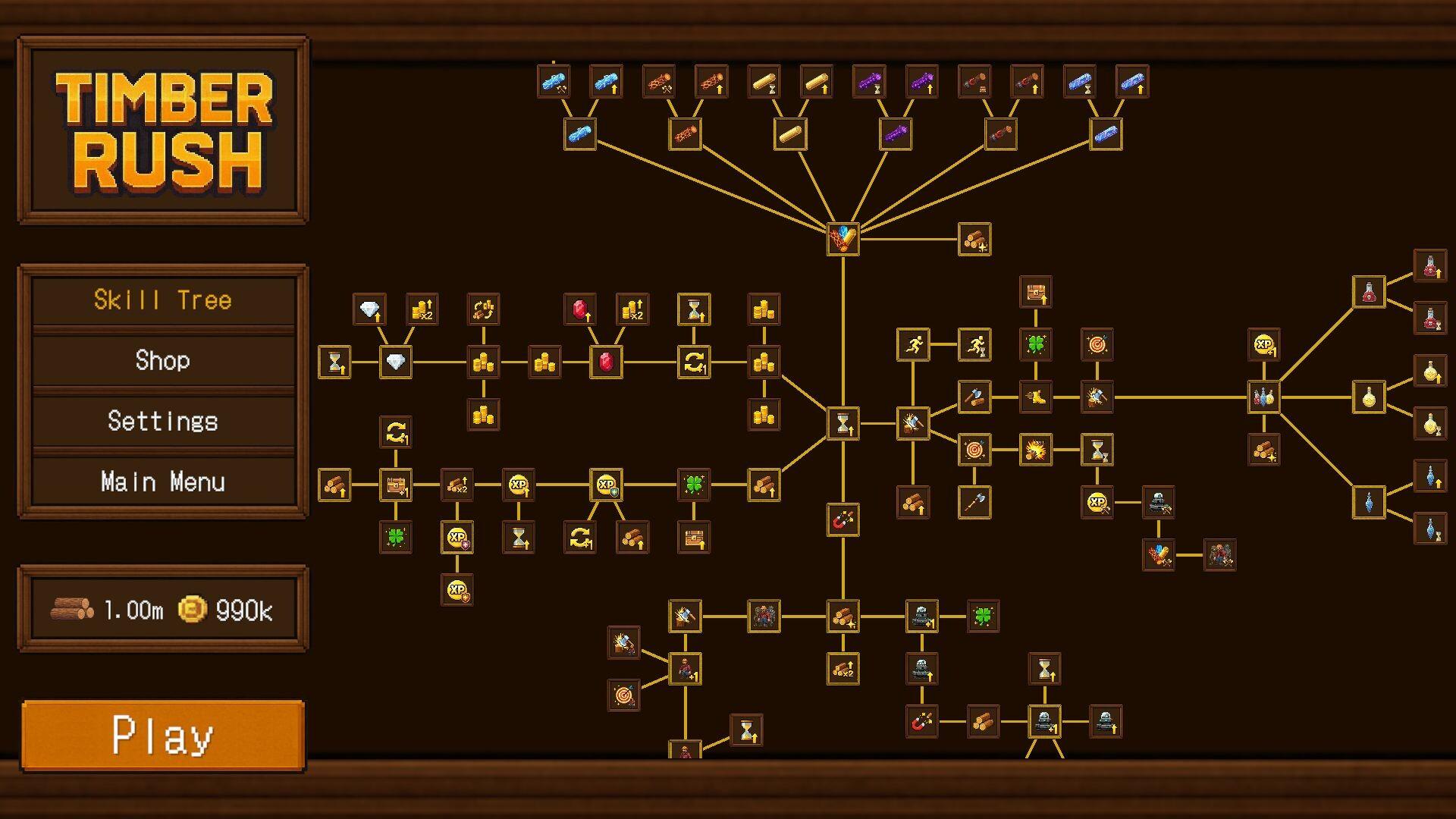
Timber Rush में हर run zero से शुरू होती है और एक ceiling की ओर बढ़ती है जो लगातार moves करती रहती है। Incremental side moment-to-moment growth को handle करती है, लेकिन roguelite structure ही है जो हर session को एक distinct shape देती है। Upgrade paths branch करती हैं, multipliers आपकी choices के आधार पर अलग-अलग orders में stack होते हैं, और किसी भी given run का endgame पिछले वाले से dramatically different दिखता है।
गेम के अपने description में "massive numbers" framing hyperbole नहीं है। Timber Rush Cookie Clicker या Vampire Survivors जैसे games को drive करने वाले number-go-up satisfaction में leans करती है, लेकिन इसे pure passivity के बजाय एक active chopping mechanic से anchor करती है। Pacing के लिए वह distinction matters करती है।
कंटेंट और रीप्लेबिलिटी
Action-casual-indie-strategy overlap वाले गेम के लिए, replayability ही पूरी value proposition है। Timber Rush इसे run variety के माध्यम से deliver करती है, न कि एक long content list के माध्यम से। Roguelite framework का मतलब है कि किसी भी session में available upgrade combinations repeated play को justify करने के लिए पर्याप्त रूप से shift होती हैं, बिना एक sprawling content update schedule की आवश्यकता के।
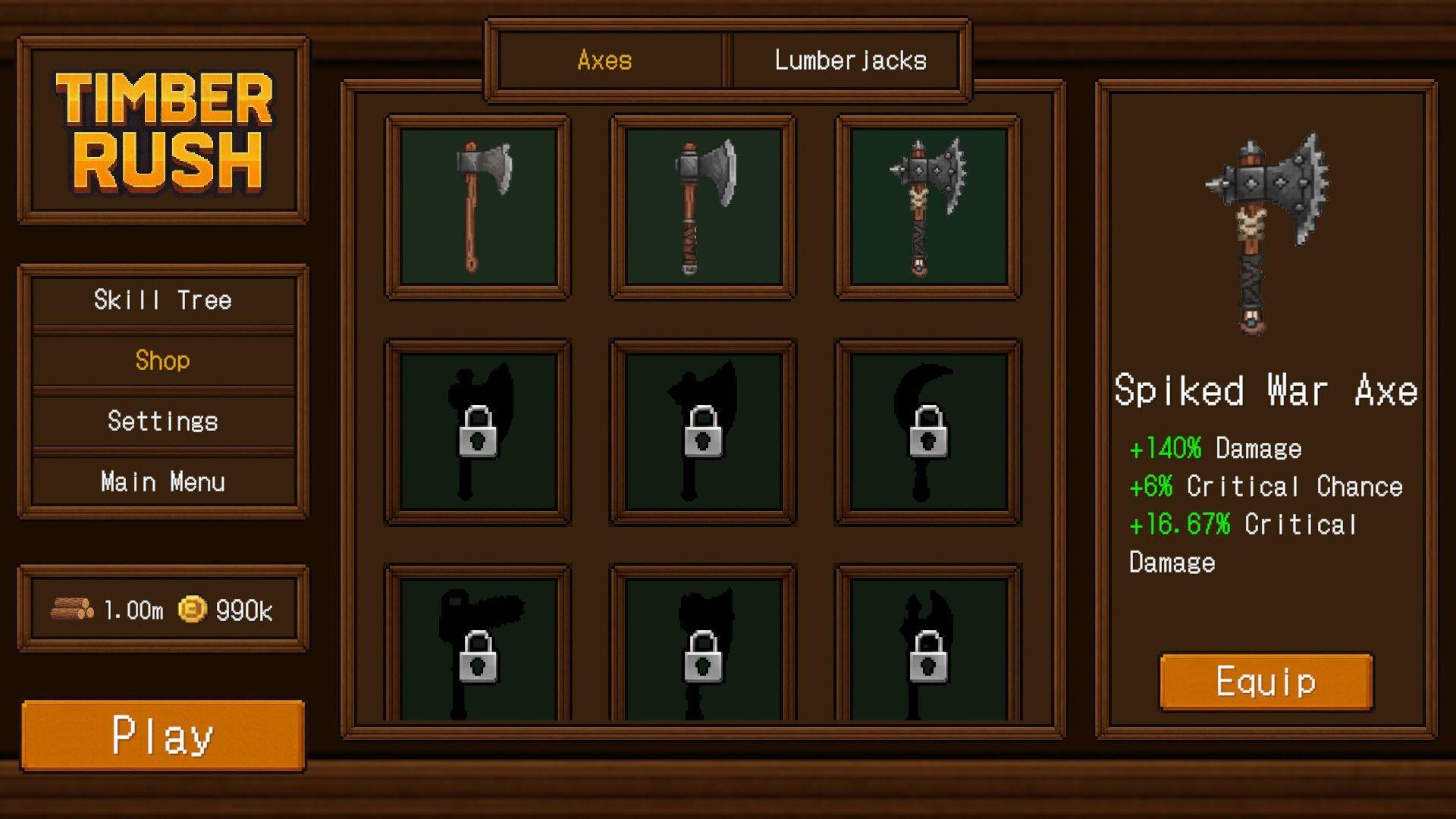
Timber Rush एक focused, fast-moving incremental roguelite है जो exactly जानता है कि वह क्या बनना चाहता है। Allerton Apps ने एक ऐसा गेम बनाया है जहाँ chopping loop, upgrade chaos, और escalating numbers एक-दूसरे के साथ cleanly work करते हैं, न कि अलग-अलग directions में खींचते हैं। Genuine mechanical depth और strong replayability वाले casual strategy game चाहने वाले players के लिए, यह Steam और Epic Games Store दोनों पर rotation में एक spot earns करता है।