





Overview
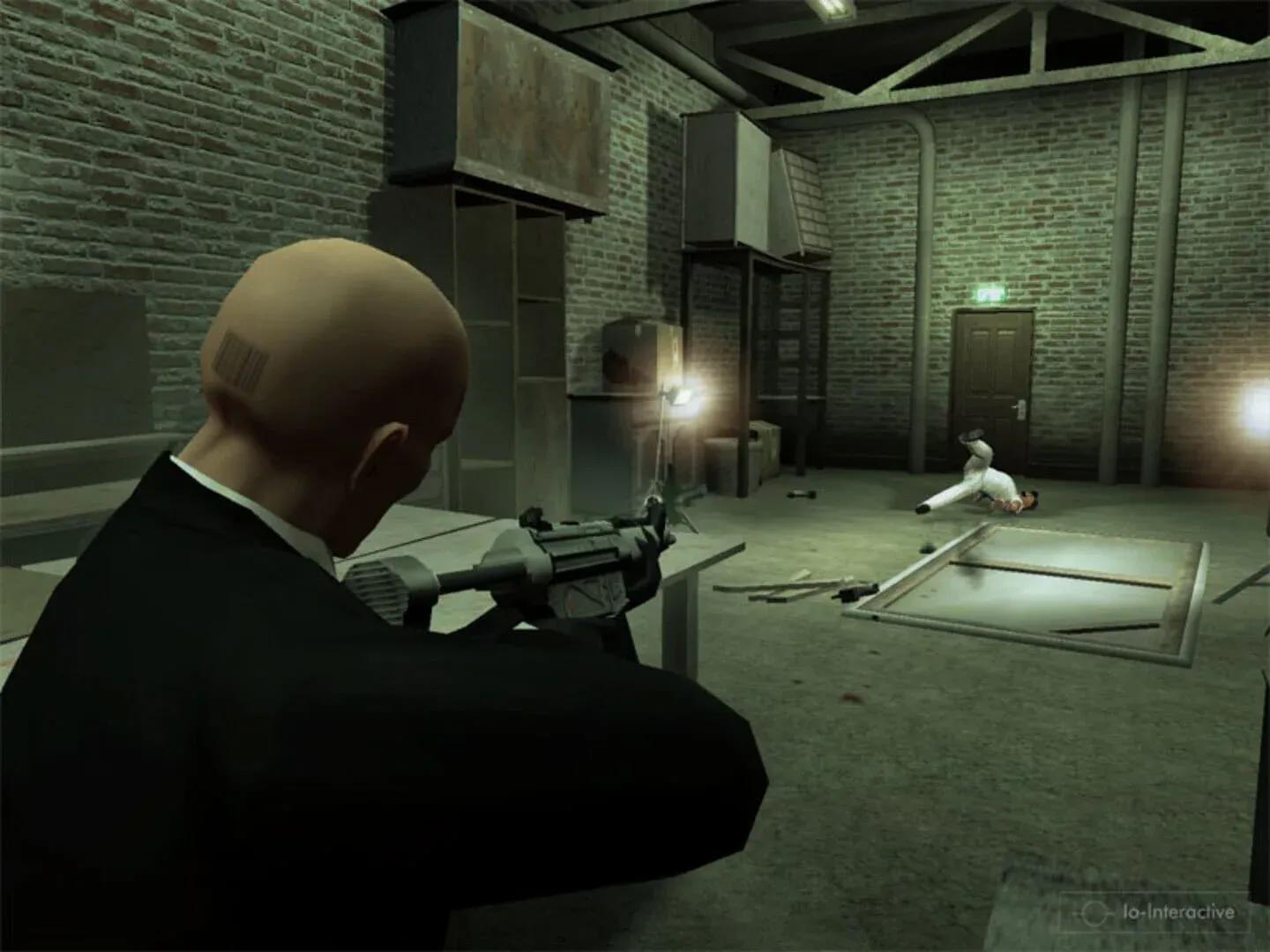
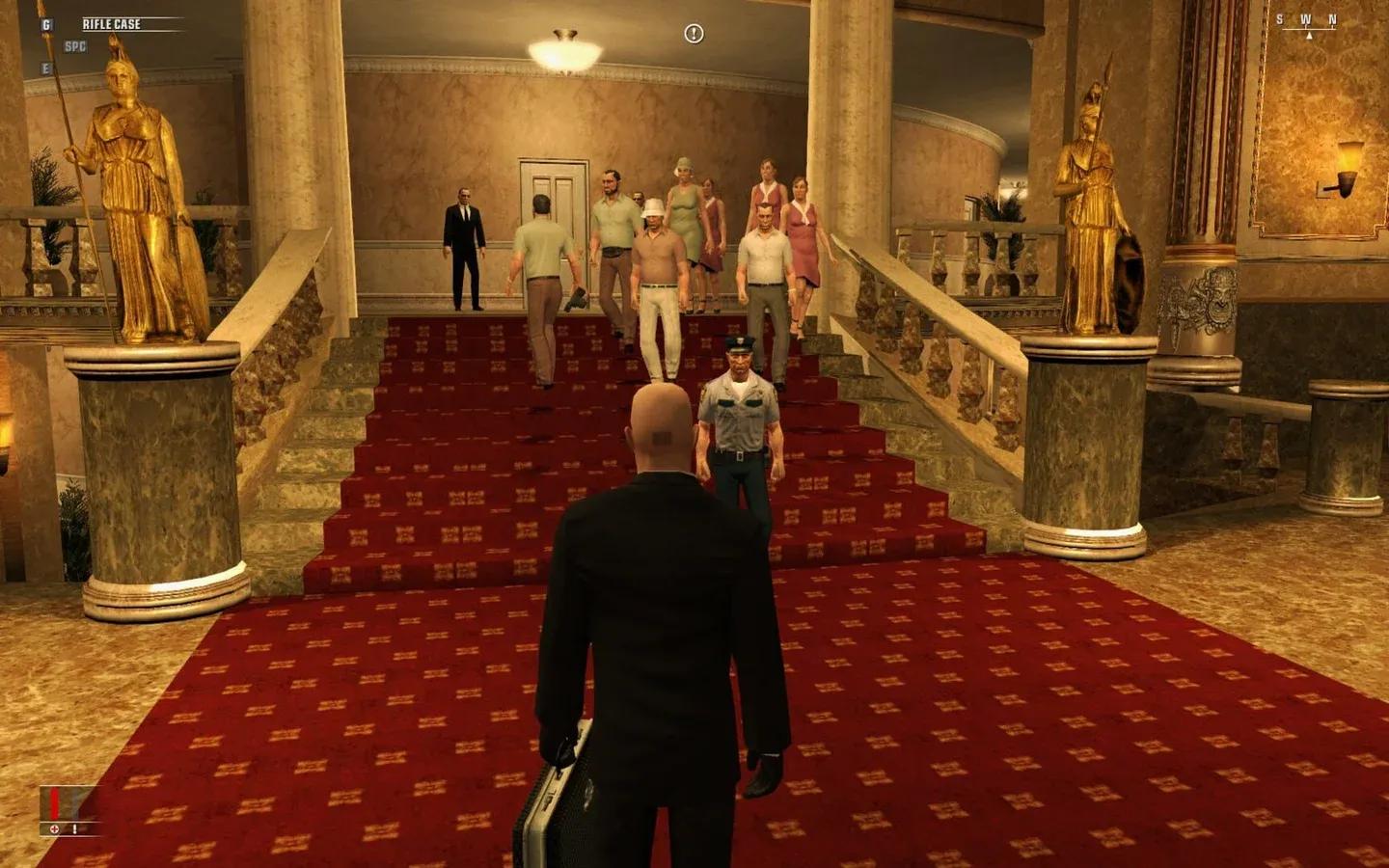
Hitman: Blood Money is the fourth entry in IO Interactive's Hitman series, and by most measures the one that locked down the formula the franchise still follows today. Agent 47 takes on a series of contracts across America while the ICA, his handler organization, gets picked apart by an unknown rival agency. The missions span opera houses, Mardi Gras parties, vineyards, and the White House, each one a self-contained puzzle with multiple kill paths and a clean rating to chase.
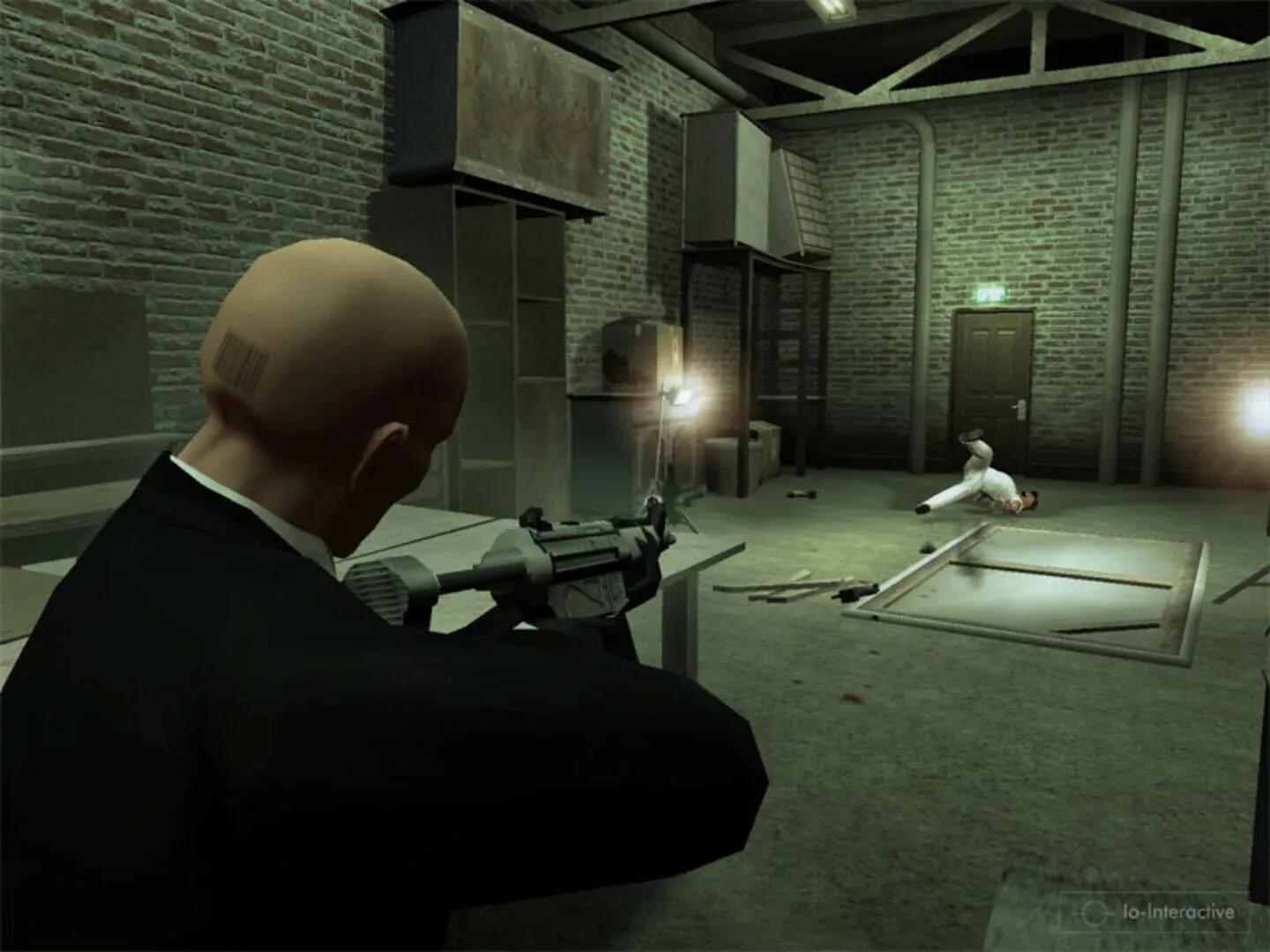
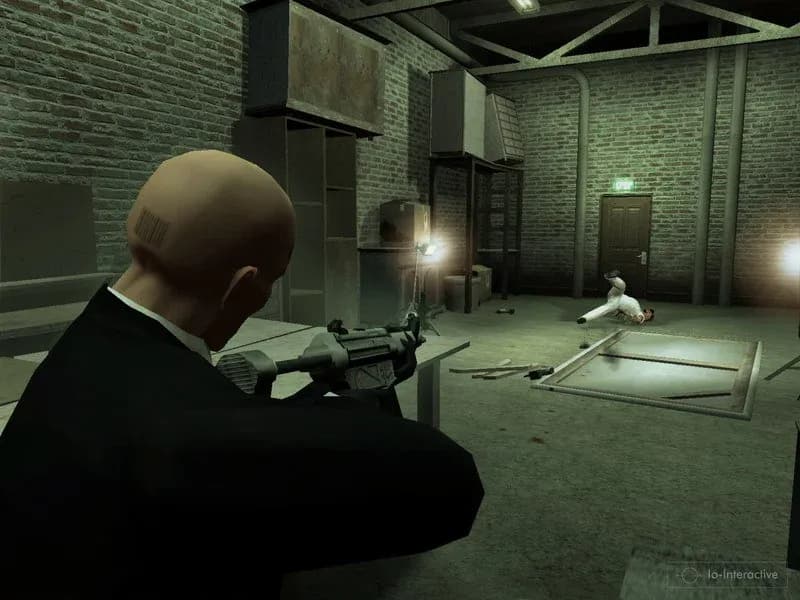
The core loop is straightforward but endlessly deep. Infiltrate a location, identify the target, find the cleanest method to eliminate them, and leave without anyone knowing you were there. Pull it off without witnesses and the payout is high. Get caught, shoot your way out, or leave bodies in plain sight, and your notoriety climbs, which makes every subsequent mission harder until you spend money bribing witnesses and police to scrub your reputation.

How does the Blood Money system work?
The Blood Money system is what separates this entry from earlier Hitman games. Every contract pays out a cash reward that scales with how quietly the job was done. Accidents, poison, drownings, and staged falls pay better than a silenced pistol to the back of the head, and a direct firefight pays almost nothing. That cash then funds weapon upgrades, specialist equipment purchases, and reputation management.

Key mechanics tied to this system:
- Accident kills leave no traceable evidence
- Witnesses can be bribed post-mission to reduce notoriety
- Weapon mods cover recoil, damage, accuracy, and reload speed
- Equipment like disguises and sedatives can be pre-purchased
- Higher notoriety means guards recognize Agent 47 on sight
This creates a genuine risk-reward loop that most stealth games still reference. Spending money on better gear lets you attempt harder methods, but only clean missions generate enough cash to sustain that cycle.

Gameplay and mechanics
The level design is where Blood Money earns its reputation. Targets move on patrol routes, interact with NPCs, and react to environmental changes. Guards follow blood trails, investigate dropped weapons, and remember faces. Staging an accident requires reading those patterns, finding the right moment, and making sure no one is watching when the target takes a tumble down a staircase.
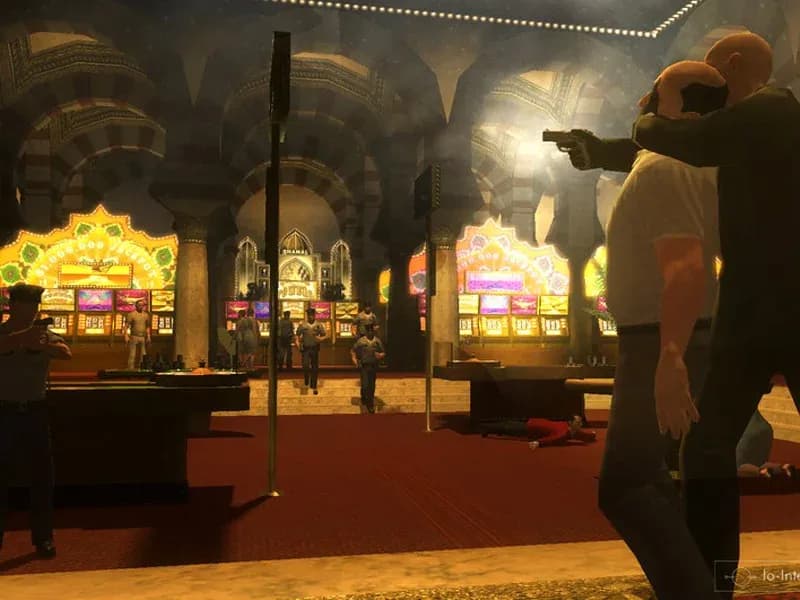
Agent 47's movement received a significant overhaul from earlier entries. He can climb, scale ledges, vault obstacles, and use human shields, which gives the player more physical options without turning the game into a cover shooter. The camera operates independently of his movement, which sounds minor but makes navigating crowded spaces far less frustrating.
Visual and audio design
For a 2007 release, Blood Money still holds up in the areas that matter. The mission environments are detailed and readable, with enough visual noise to make disguises feel plausible without obscuring the information you actually need. Each location has a distinct atmosphere, from the neon excess of a Las Vegas casino to the fog-heavy streets of a New Orleans funeral.
Jesper Kyd's score, which won a BAFTA, does more work than most players notice on a first run. The music shifts dynamically based on alert level and location, with choral arrangements and tense string sections that signal danger before the on-screen indicators catch up. The combination of environmental design and audio direction makes each mission feel like a contained thriller rather than a map with objectives.
Impact and legacy
Blood Money remains the benchmark entry for players new to the series and the reference point veterans use when debating what the modern World of Assassination trilogy got right or wrong. The notoriety system, accident kills, and per-mission economy have all influenced stealth game design well beyond the Hitman franchise. Available on PC, Nintendo Switch, iOS, and Android, the game has stayed accessible across platforms long after its original release, which speaks to how well the core design holds up under modern expectations.