Overview
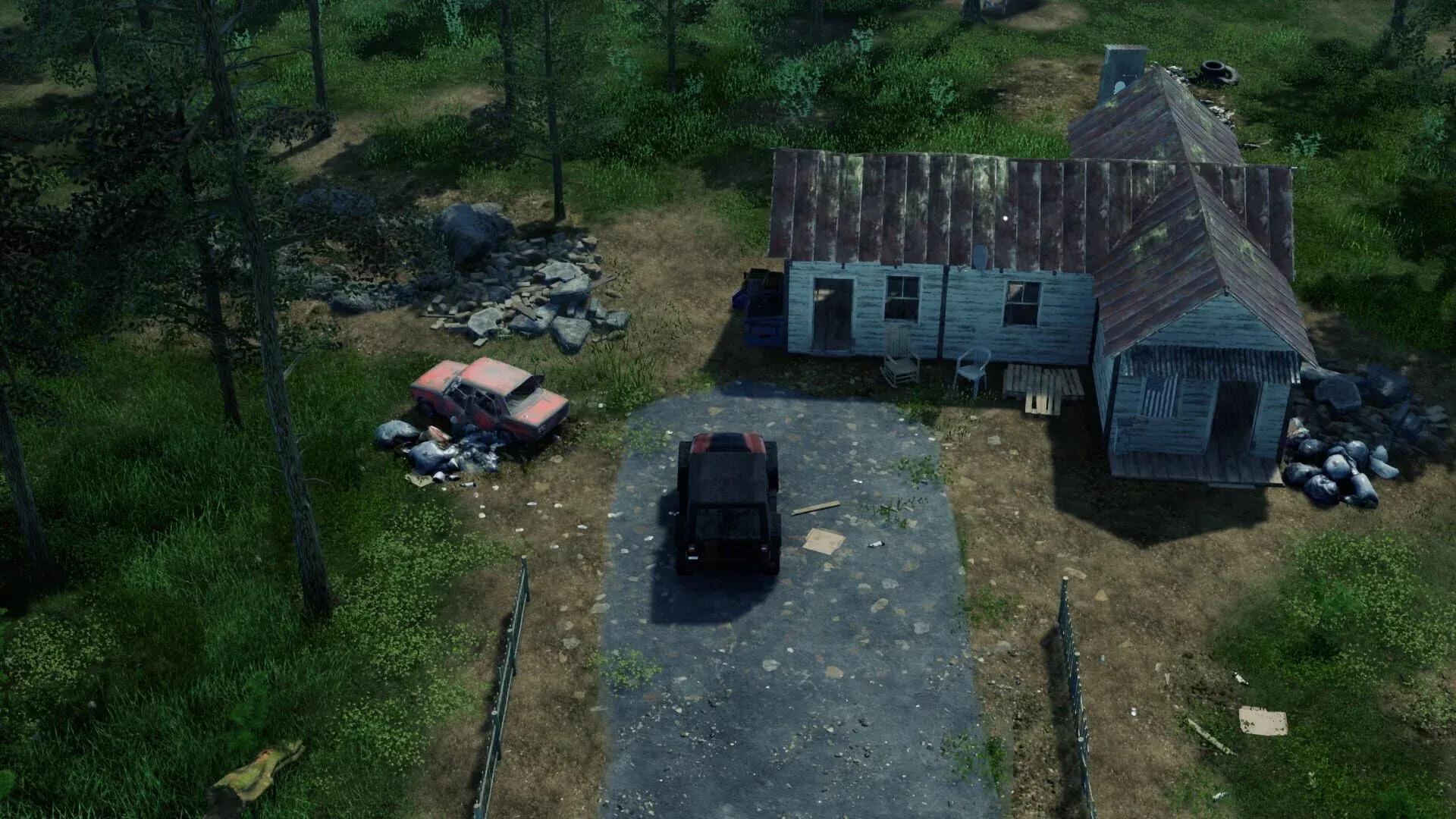
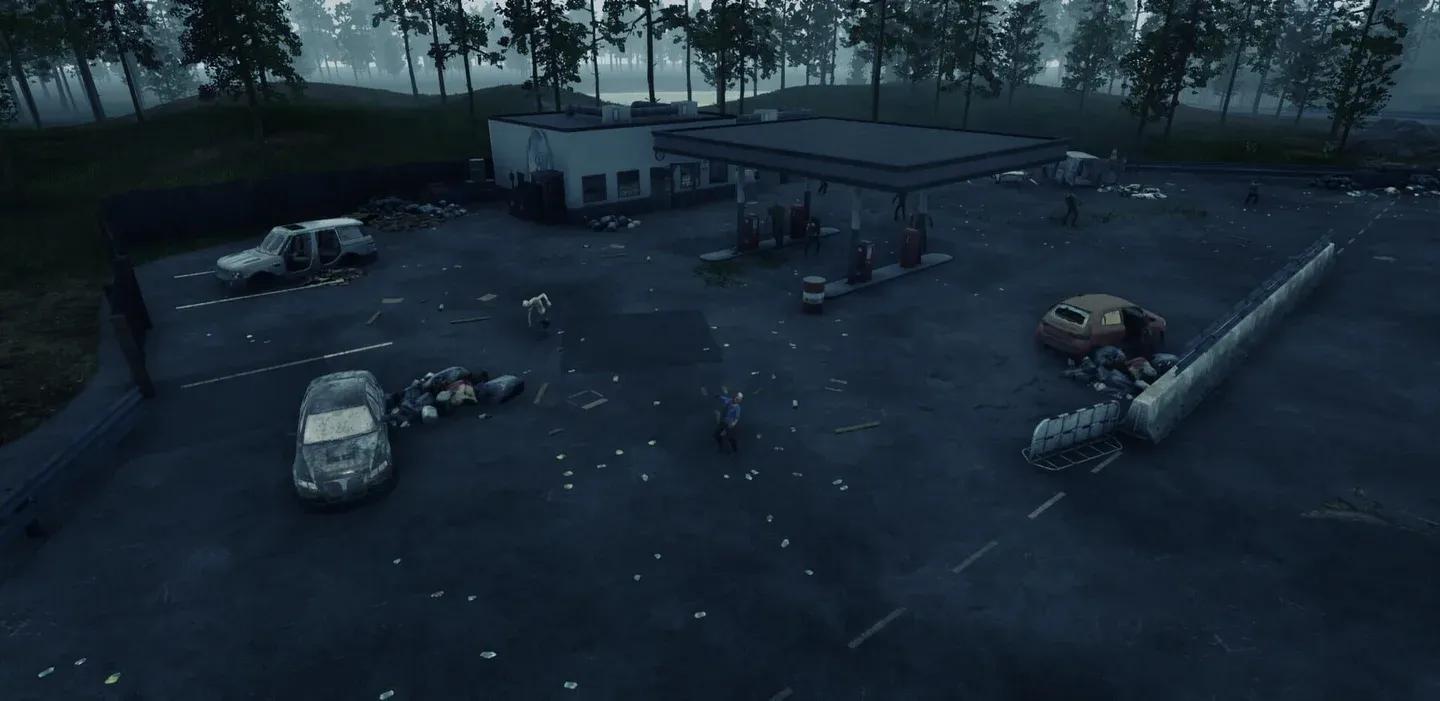
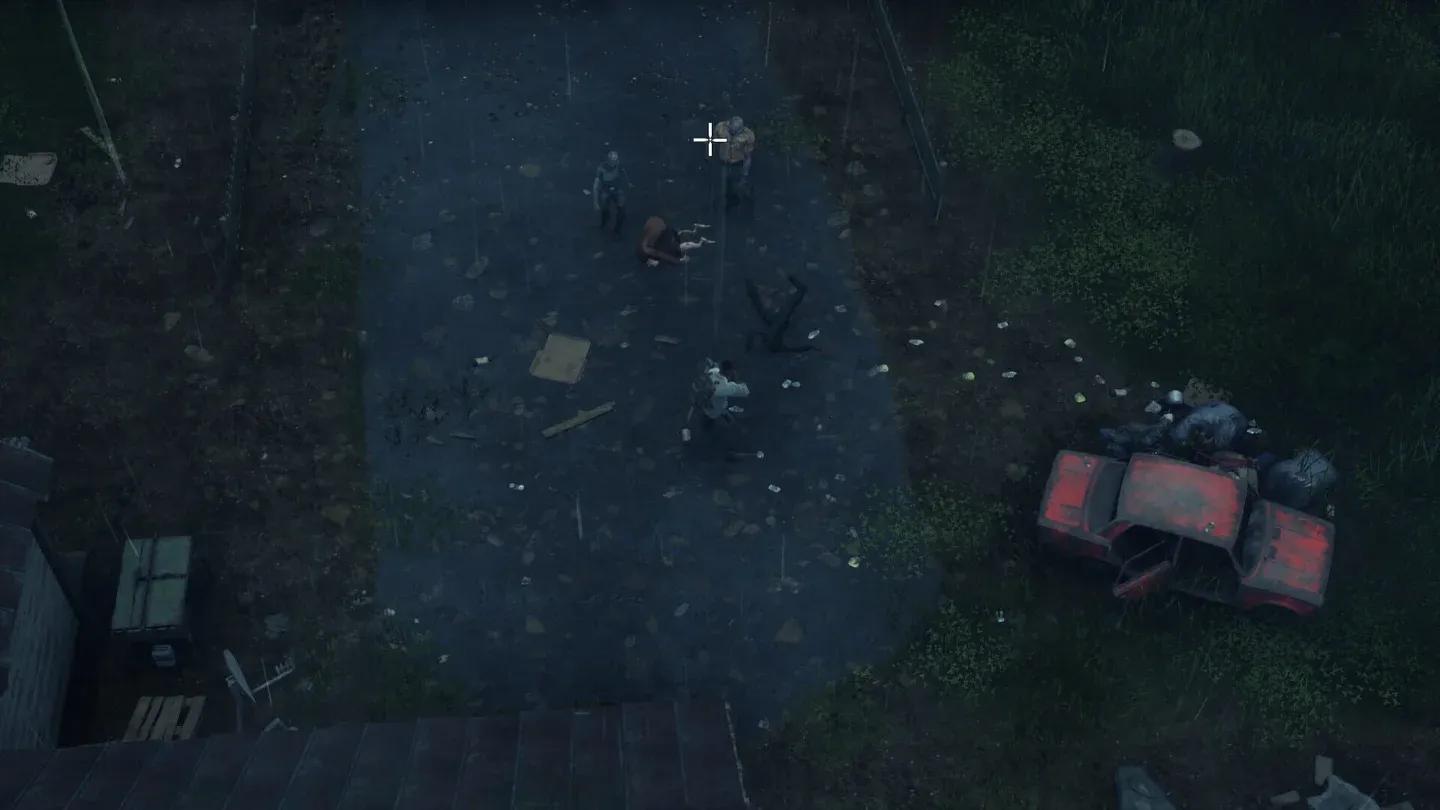
HumanitZ is an isometric, open-world survival game developed by YoDubbz Studios and published by indie.io, released on February 6, 2026. The premise is blunt: a zombie outbreak wiped out civilization, and the infected, referred to in-game as "zeeks," have become the world's dominant predator. Humanity survives in scattered, isolated pockets. Your job is to keep one of those pockets alive as long as possible, by any means necessary.
The game sits firmly in the open-world sandbox survival genre, drawing comparisons to top-down survival titles while carving out its own identity through a combination of cooperative play, deep crafting systems, and a world that punishes passivity. Hunger, exposure, hostile terrain, and other survivors are all threats alongside the zeeks themselves. Surviving one day doesn't guarantee surviving the next.
Gameplay and mechanics: what does HumanitZ actually play like?
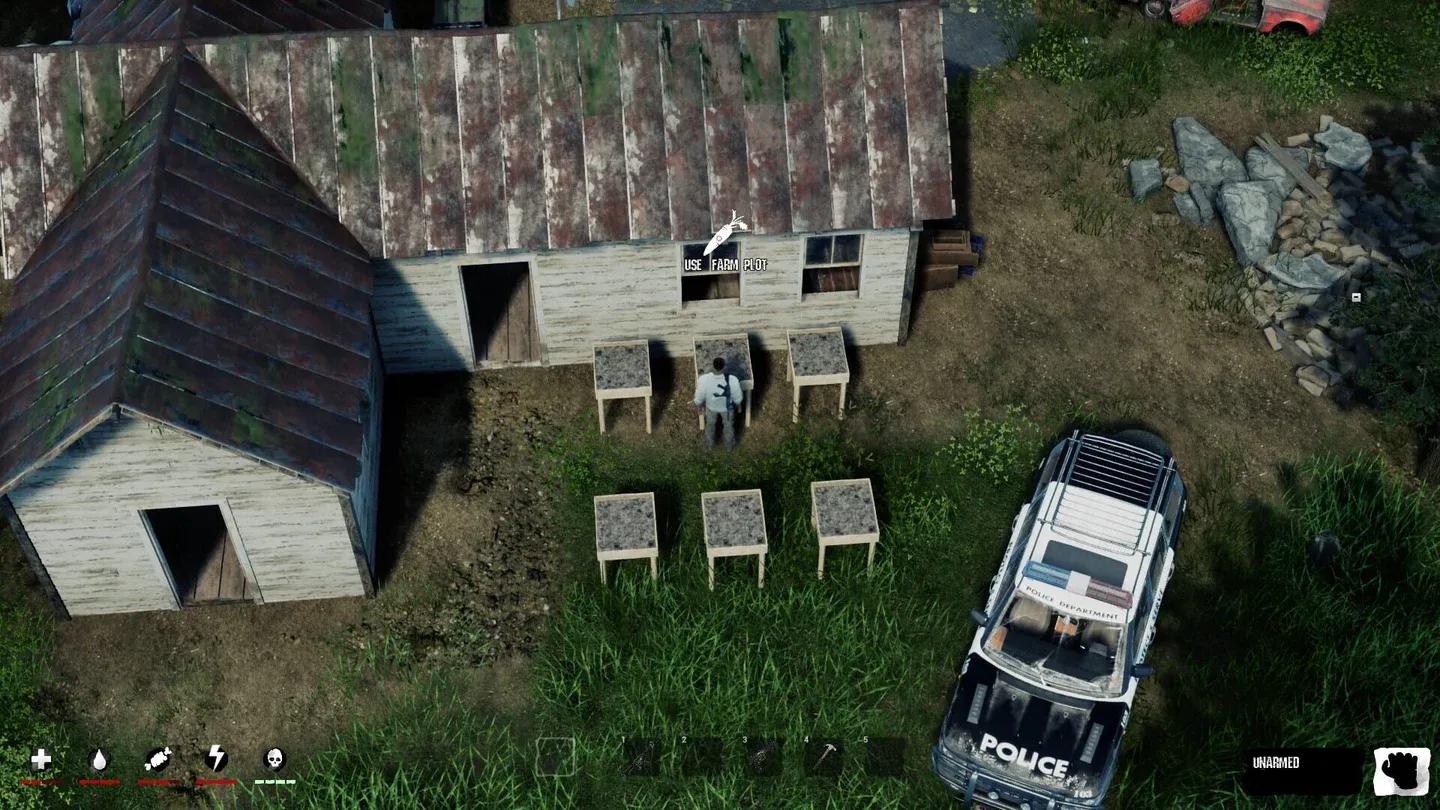
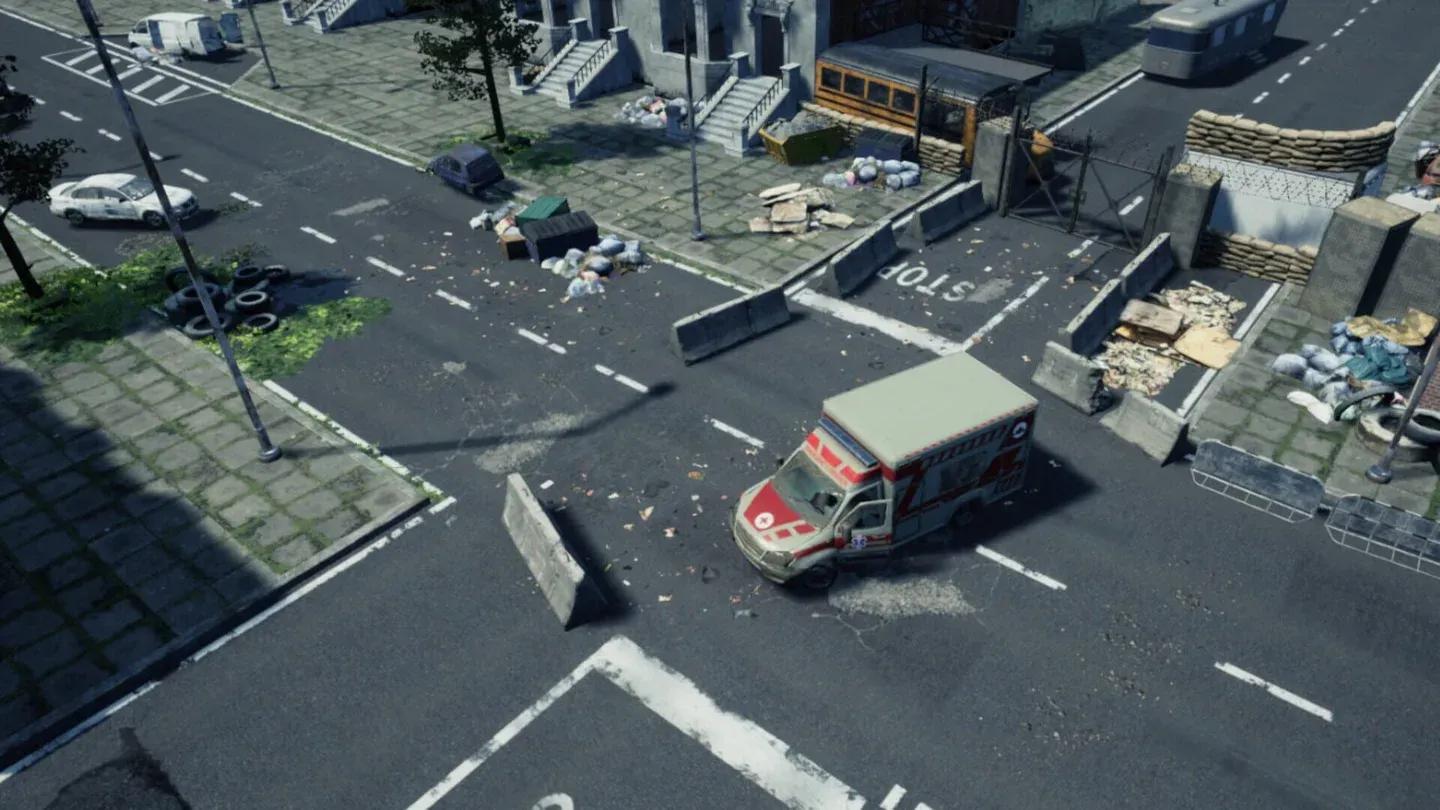
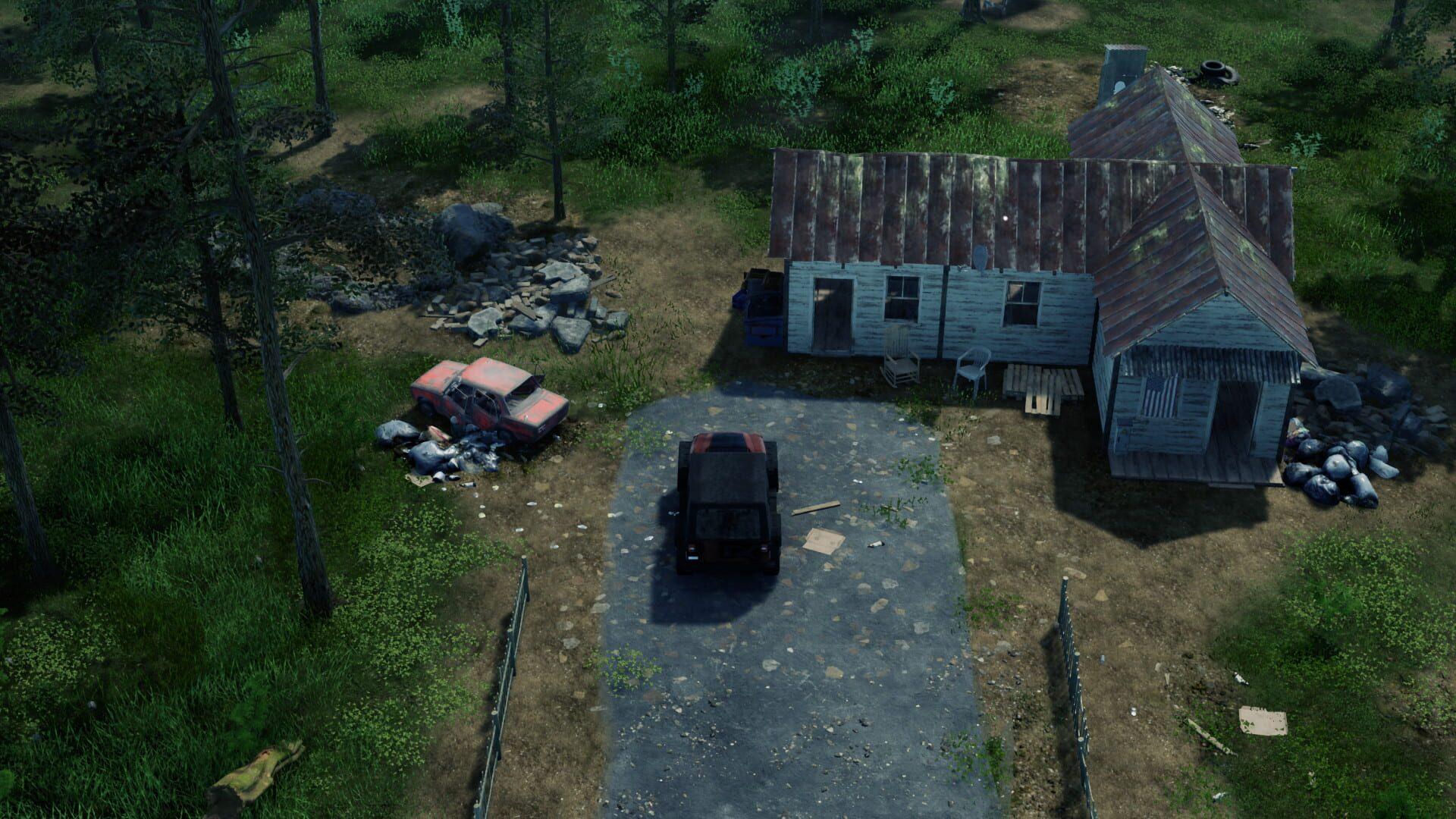
HumanitZ gives players a genuine choice in how they approach survival. The world spans untamed wilderness and dense urban environments, and neither is inherently safer than the other. Cities offer better loot but attract larger hordes. Rural areas allow farming, hunting, and fishing, but resources are spread thin and self-sufficiency takes time to build.
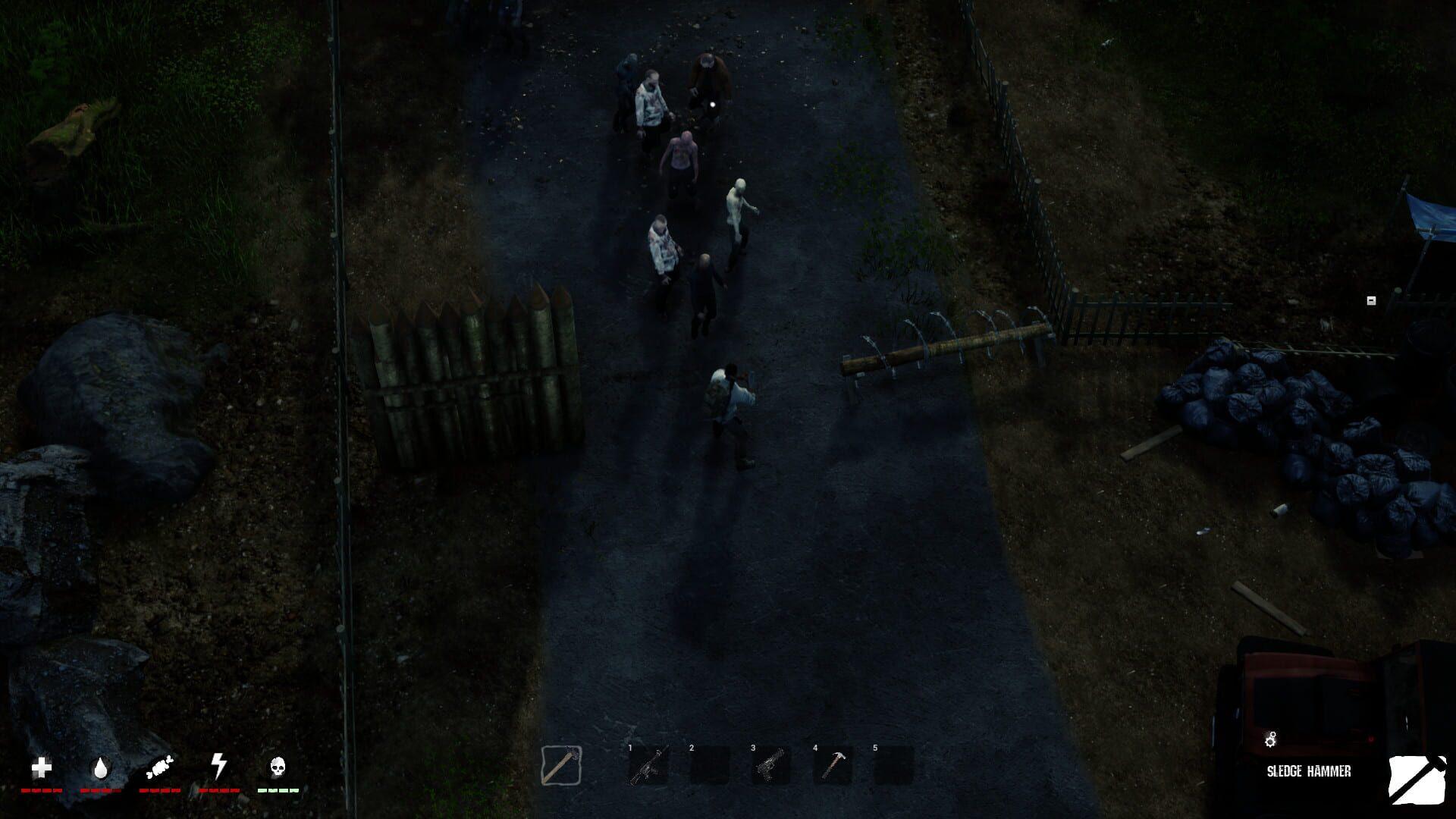
Core survival mechanics include:
- Scavenging ruins for food, weapons, and materials
- Crafting gear, consumables, and fortifications
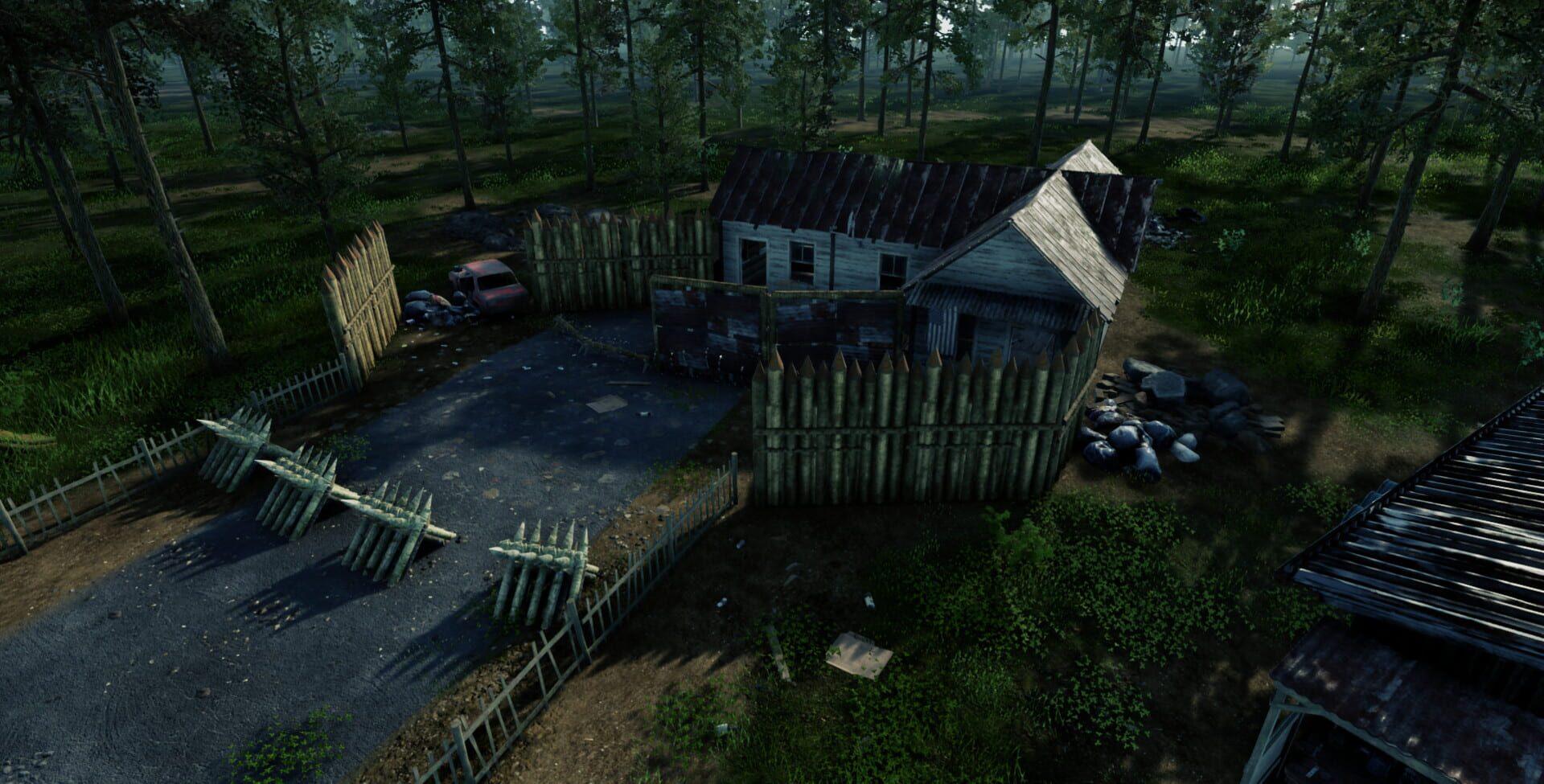
- Building and upgrading a base or safe house
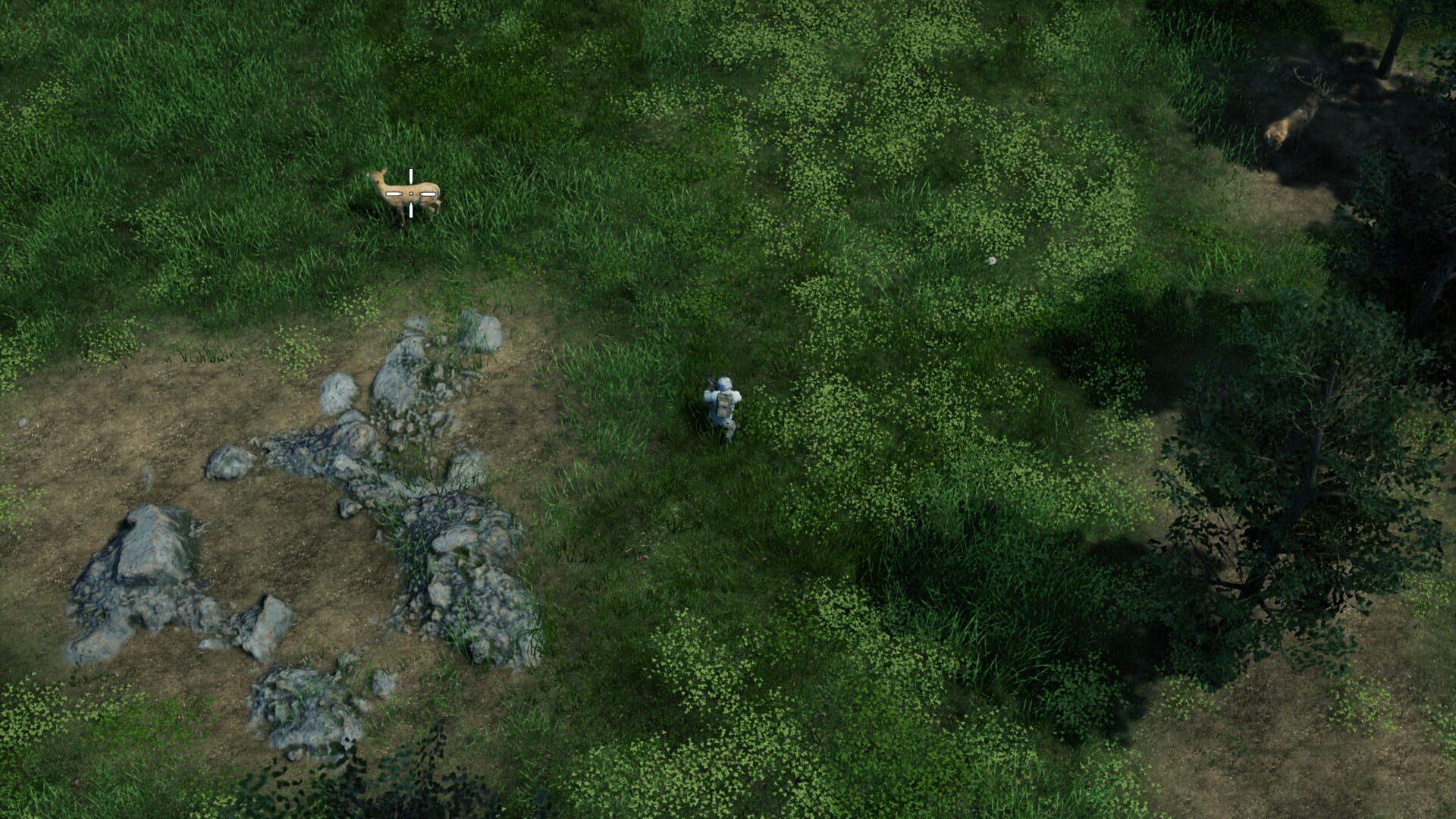
- Hunting, fishing, and farming for food independence
- Managing health, hunger, and environmental exposure
The crafting and building system is extensive enough to support multiple playstyles. Players can fortify an existing structure, convert a burned-out building into a functional home, or construct defenses from scratch. Drivable vehicles scattered across the map add mobility to an otherwise grounded survival loop.
Multiplayer and social: is HumanitZ better with friends?
Co-op survival is one of HumanitZ's stronger selling points. The game supports up to four players in cooperative mode, letting groups divide responsibilities, cover each other during scavenging runs, and defend a shared base. Solo play is fully supported, but the threat level scales in a way that makes having a second pair of eyes genuinely useful rather than just convenient.
The cooperative structure also changes how risk calculus works. A solo player might avoid a city entirely. A four-person squad might push through a horde knowing someone can cover the retreat. That dynamic shifts the game's tone depending on how you play it.
Innovation and unique features: what sets HumanitZ apart?
Not every zeek in HumanitZ is a slow, shambling stereotype. The game features multiple zombie variants with different behaviors, forcing players to adapt tactics rather than relying on a single approach. Permadeath Mode adds another layer for players who find the standard experience too forgiving, stripping away the safety net entirely.
Character customization goes beyond cosmetics. Survivors are built with perks and stats that shape how they interact with the world, and a broad selection of firearms and tools means loadouts can be tailored to specific playstyles. The dynamic weather system adds unpredictability to every session, making the same map feel different across multiple runs.
Conclusion
HumanitZ delivers a focused open-world survival experience that respects the genre's core appeal without overcrowding it with systems. The combination of cooperative play for up to four players, meaningful crafting and base-building, and a zombie roster that demands more than button-mashing gives it enough substance to keep survival fans occupied. Permadeath Mode ensures there's always a harder challenge waiting for players who've mastered the standard game. For anyone looking for a sandbox survival game with genuine teeth, HumanitZ is worth the attention.