Overview
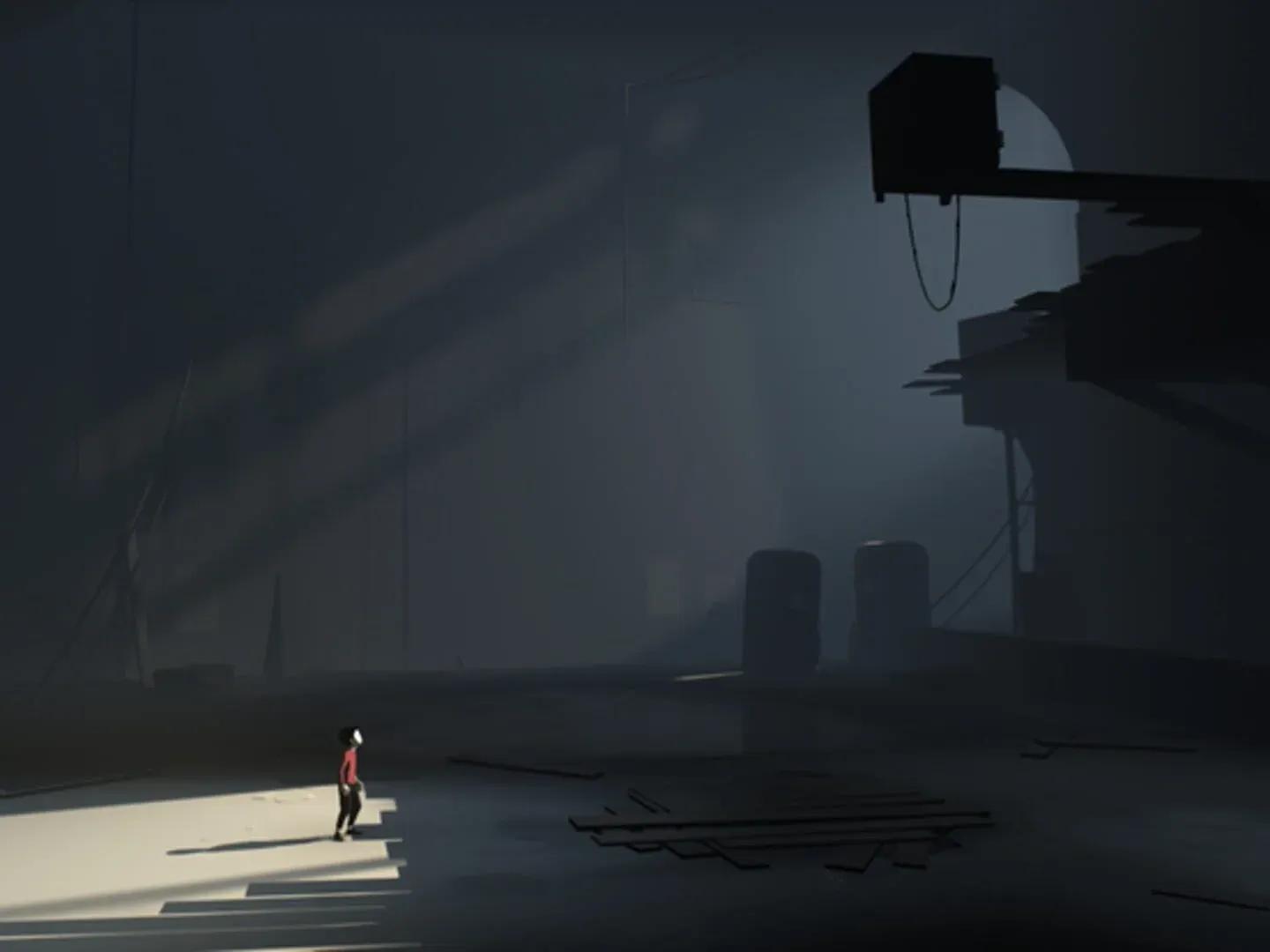
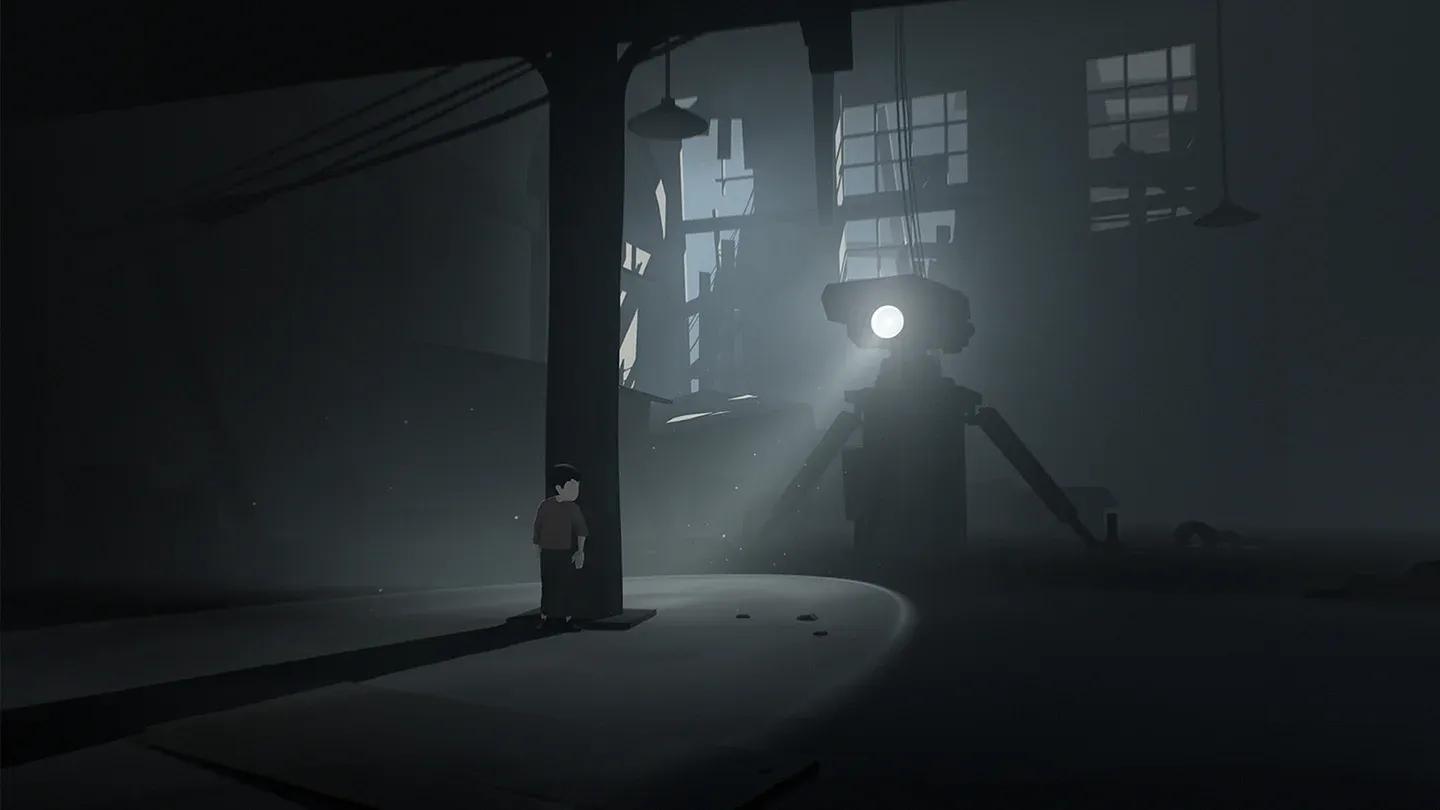
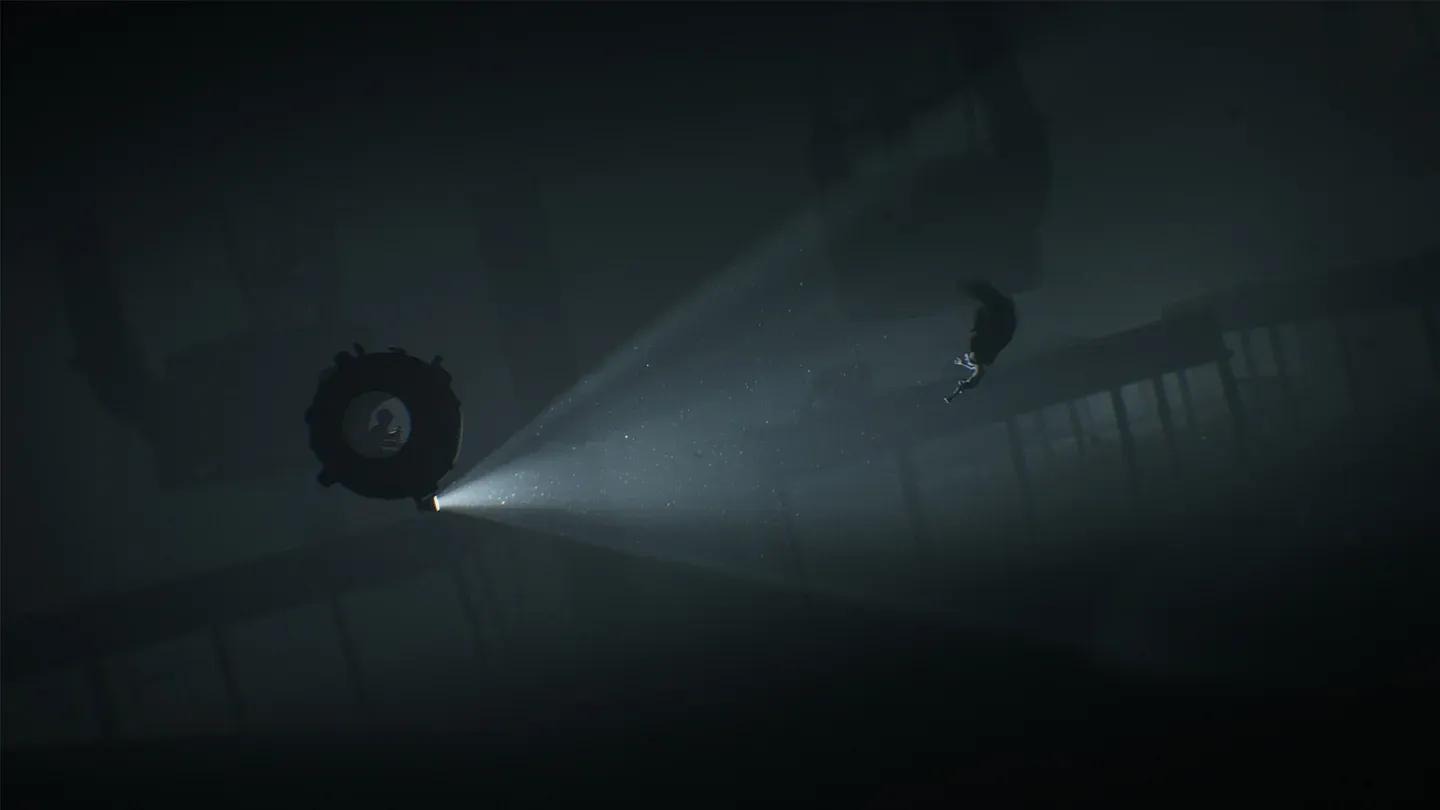
INSIDE is a 2.5D side-scrolling puzzle-platformer developed and published by Playdead, released in July 2016. Playing as a silent, unnamed boy in a red shirt, you move through a monochromatic dystopian world that shifts from forest shadows to flooded underground labs. There is no HUD, no dialogue, and no score screen. The game communicates entirely through visuals and sound, trusting the player to read the environment and piece together what is happening.
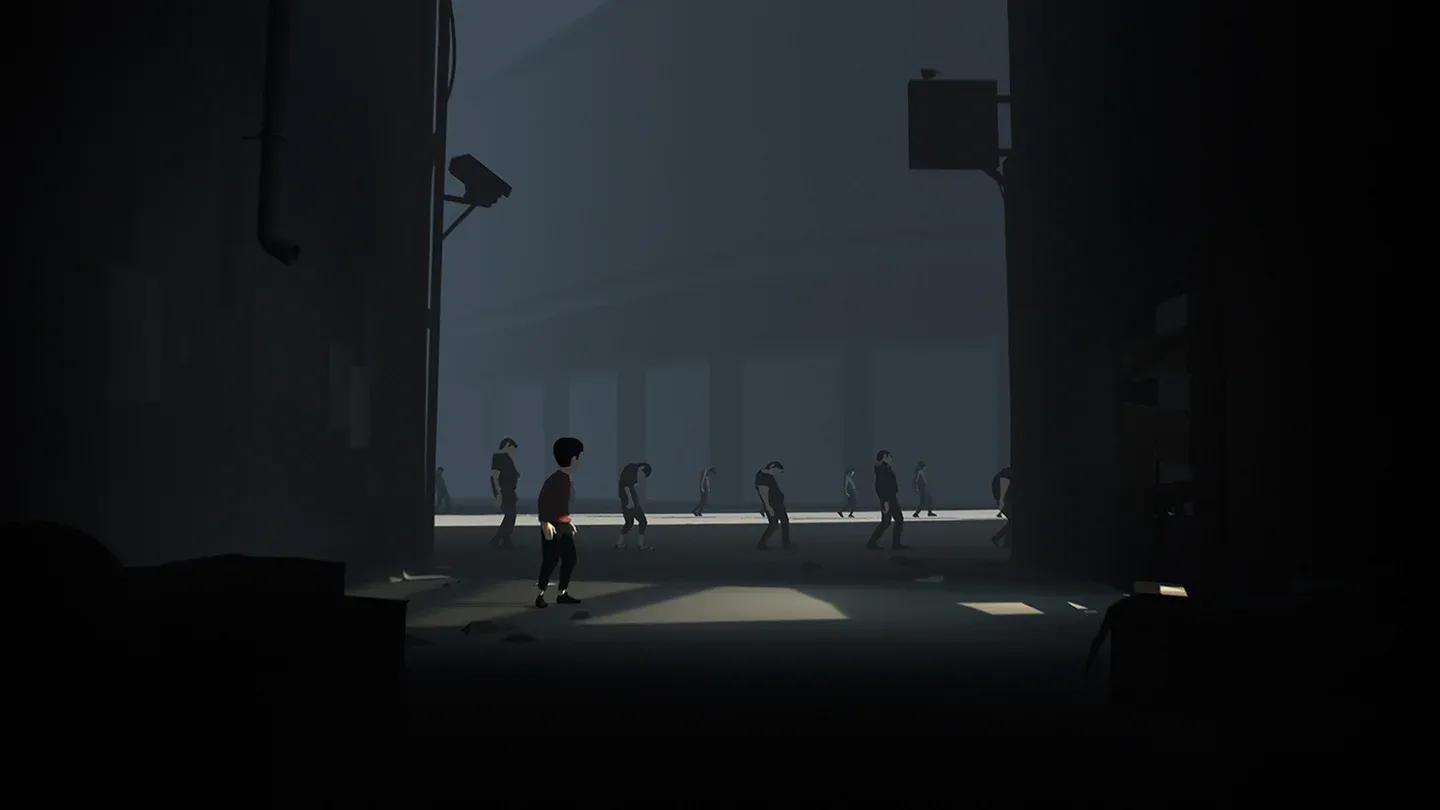
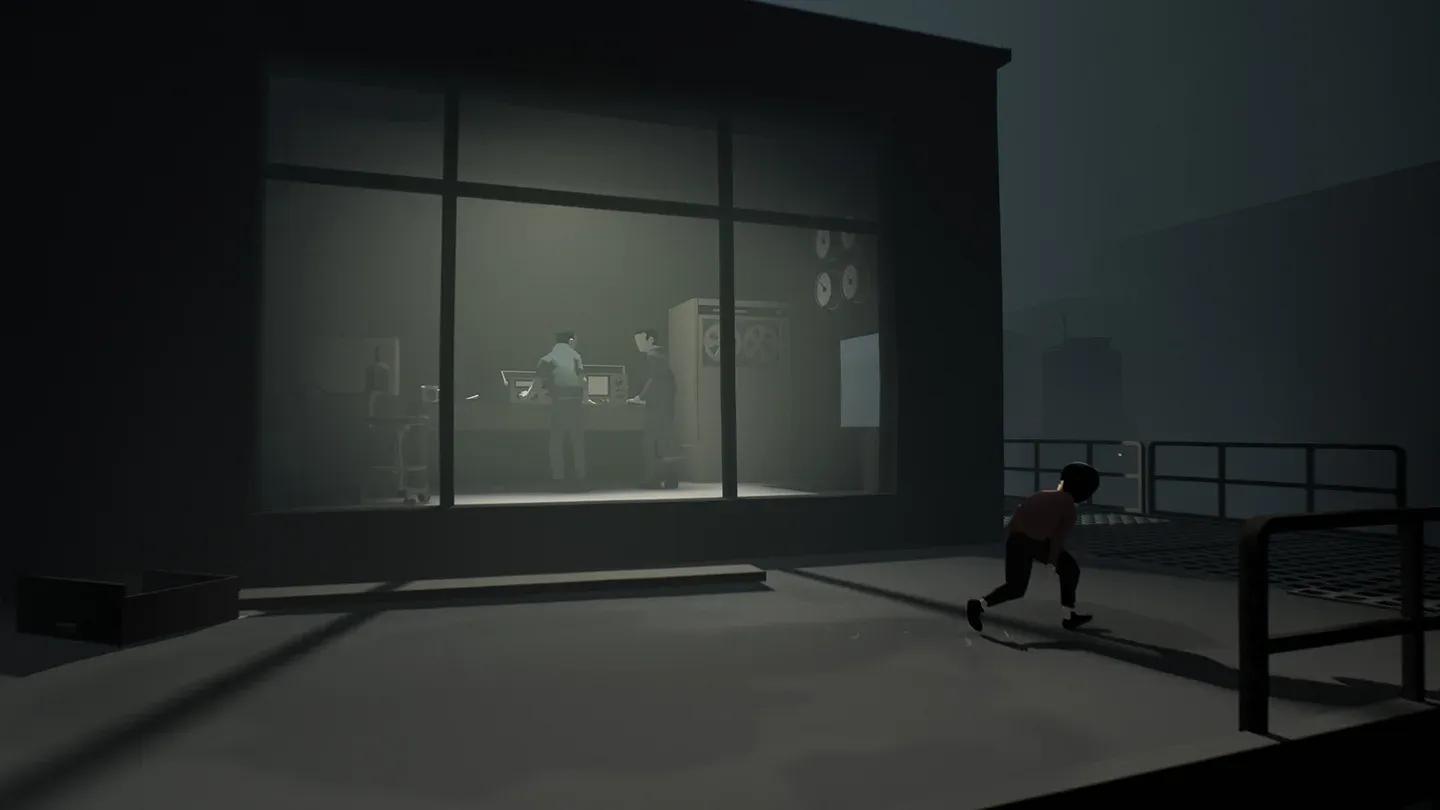
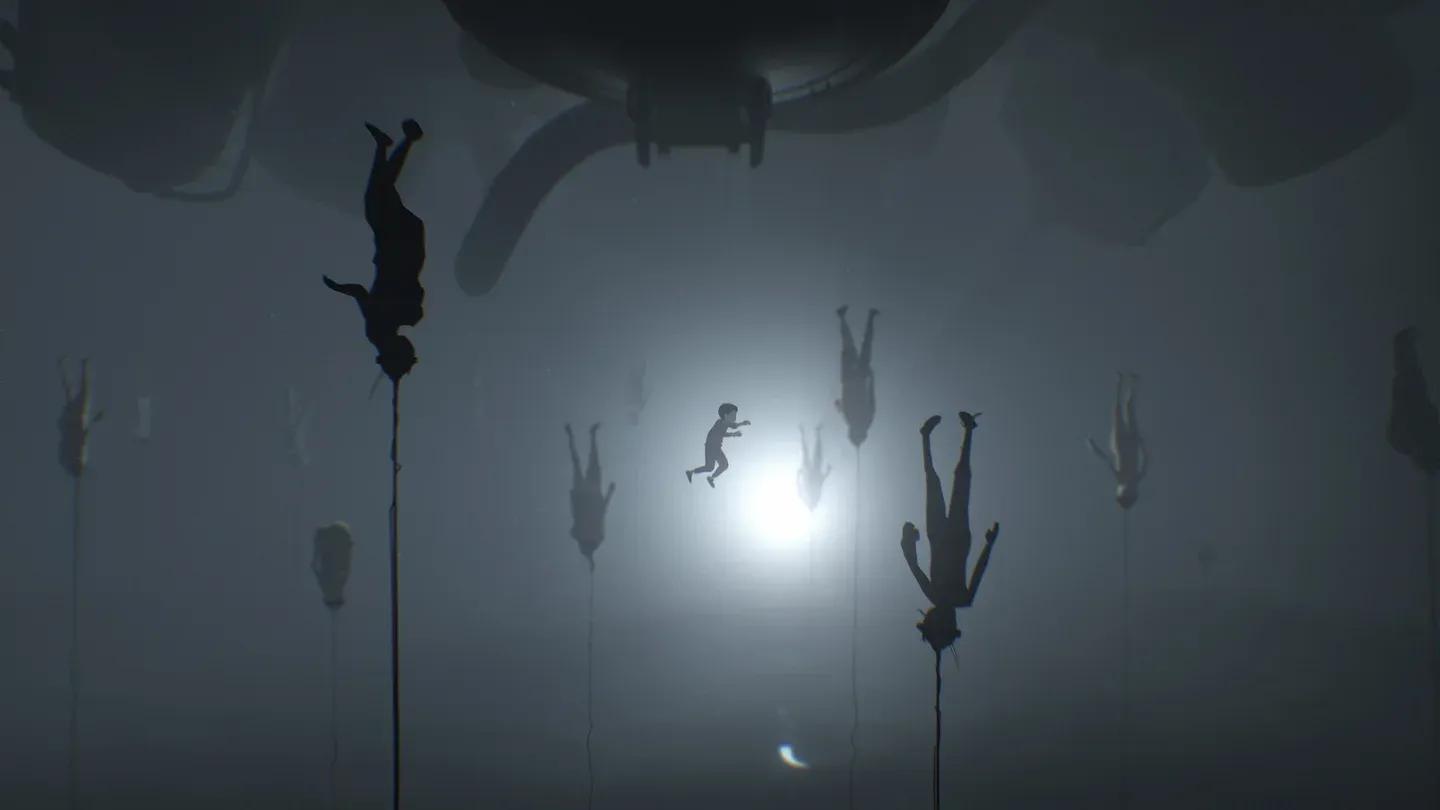
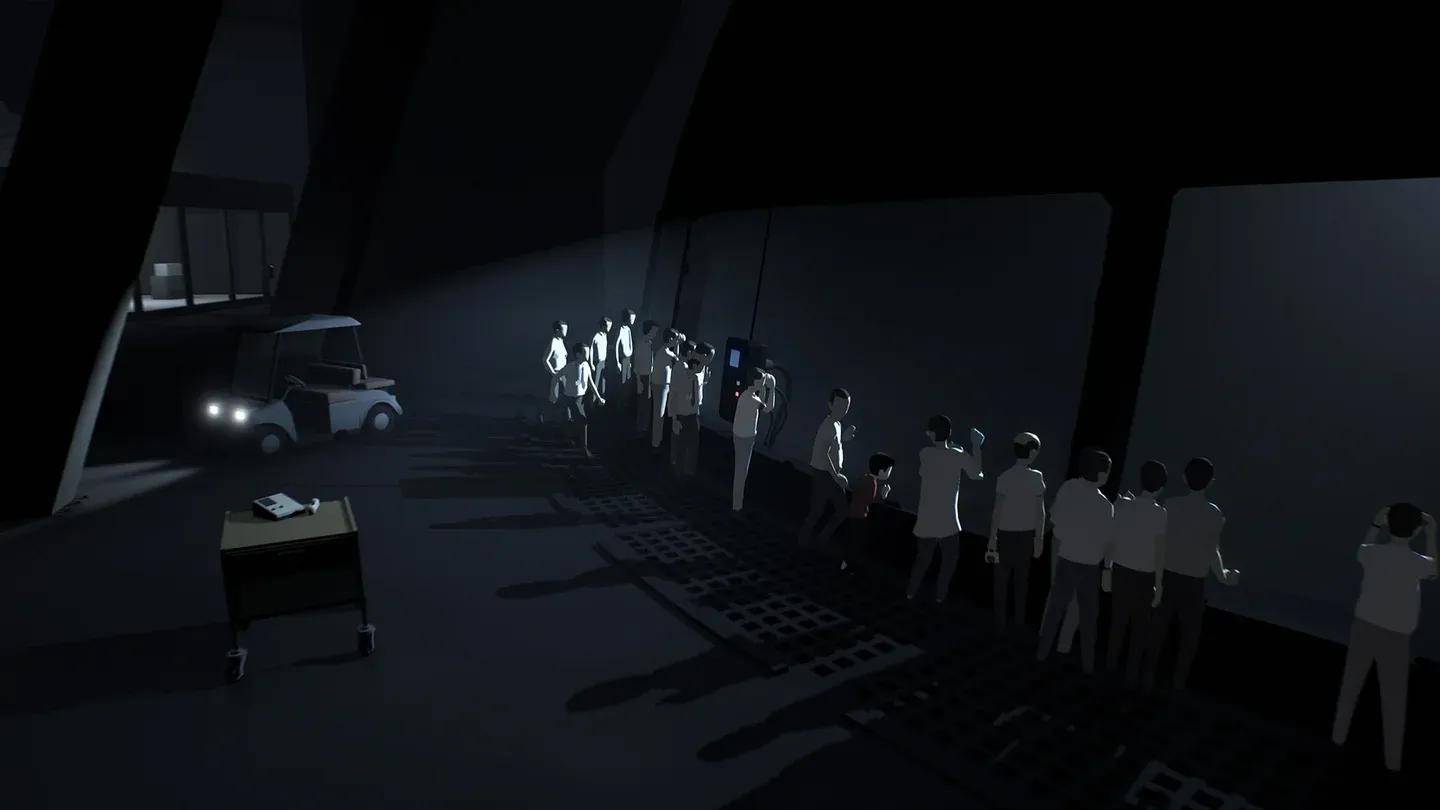
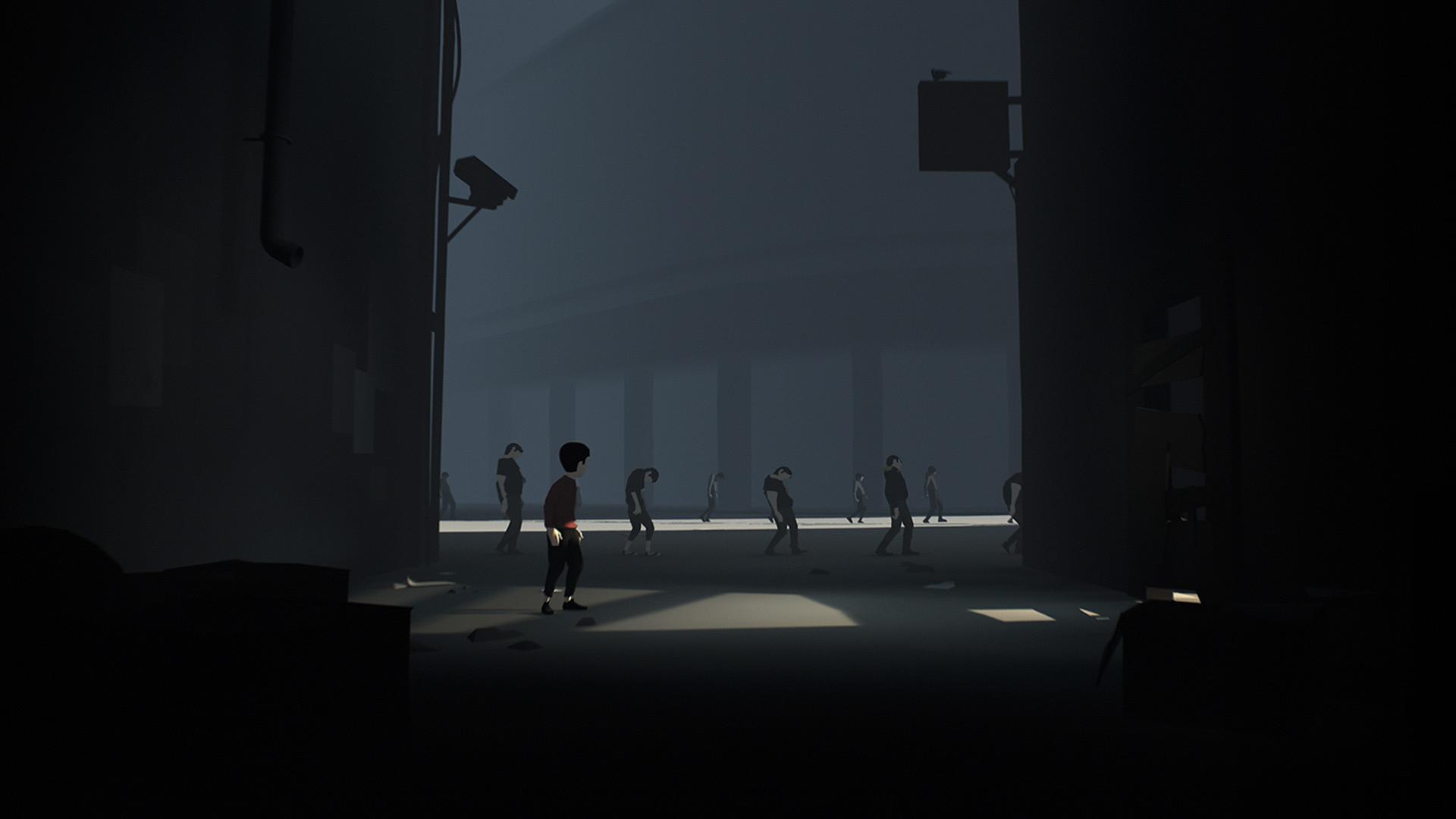
The world builds its story without exposition. Masked guards sweep flashlights through trees. Zombie-like drones shuffle in formation under unseen control. Scientists conduct experiments on submerged human bodies behind thick glass. Every new area reveals something more unsettling than the last, and the game never stops to explain any of it.
Gameplay and mechanics
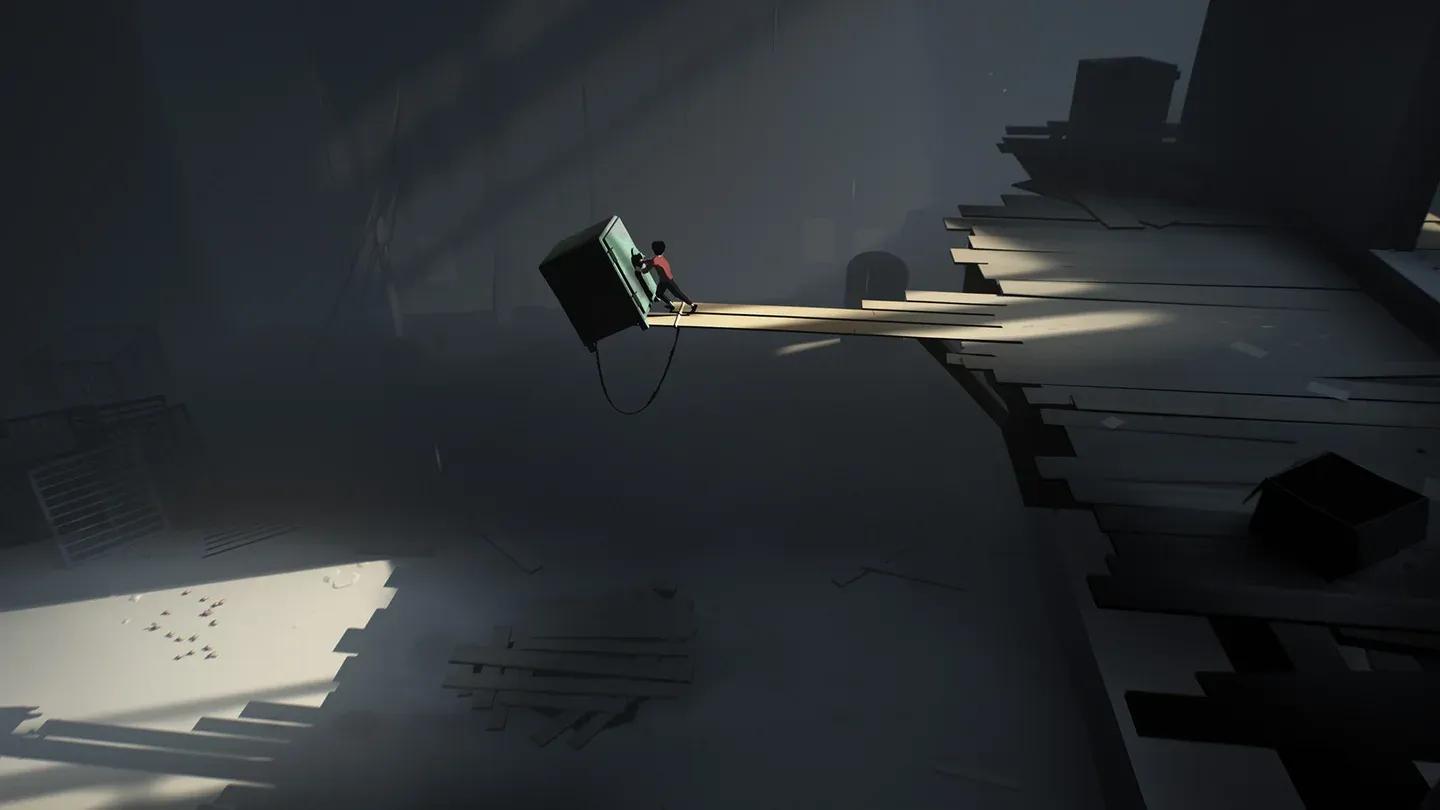
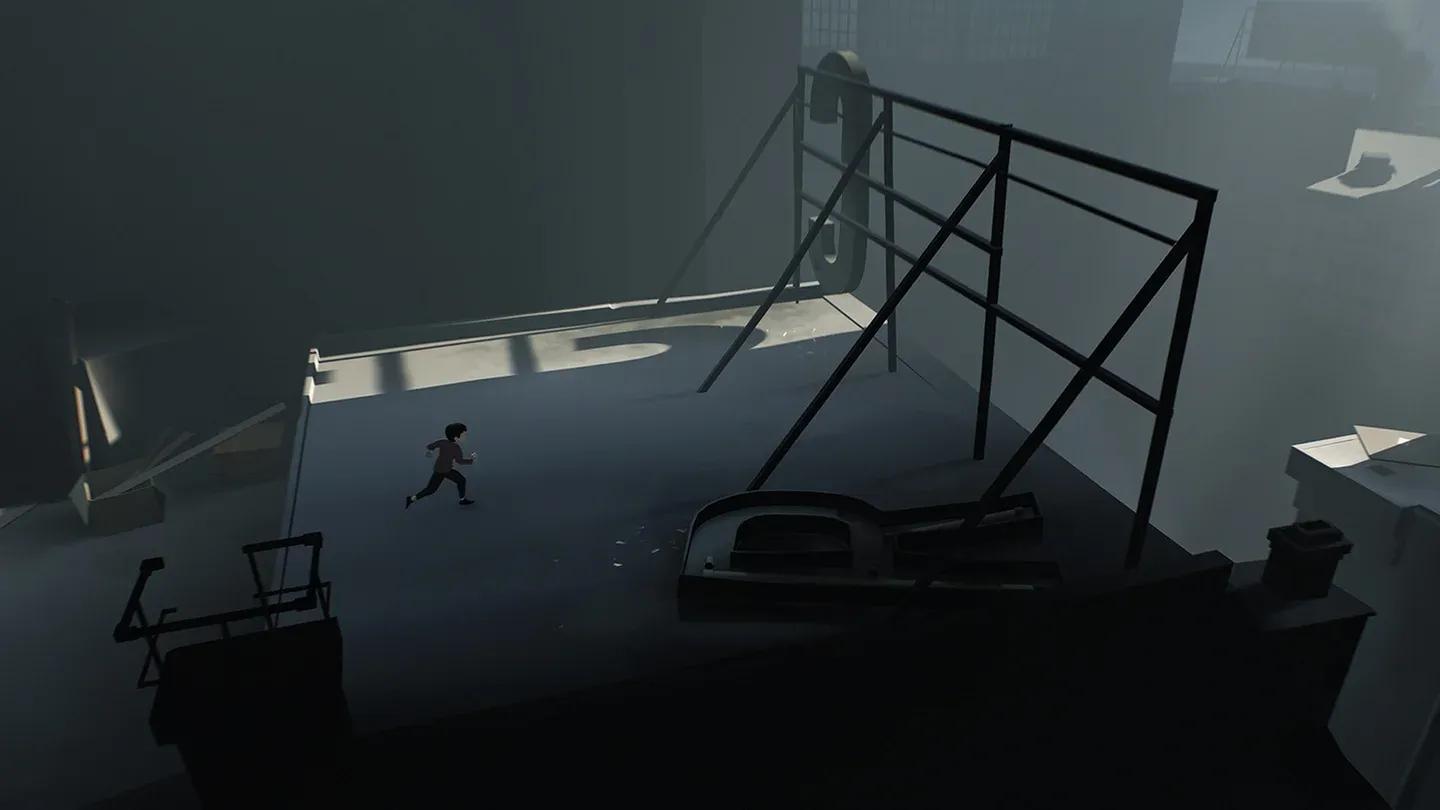
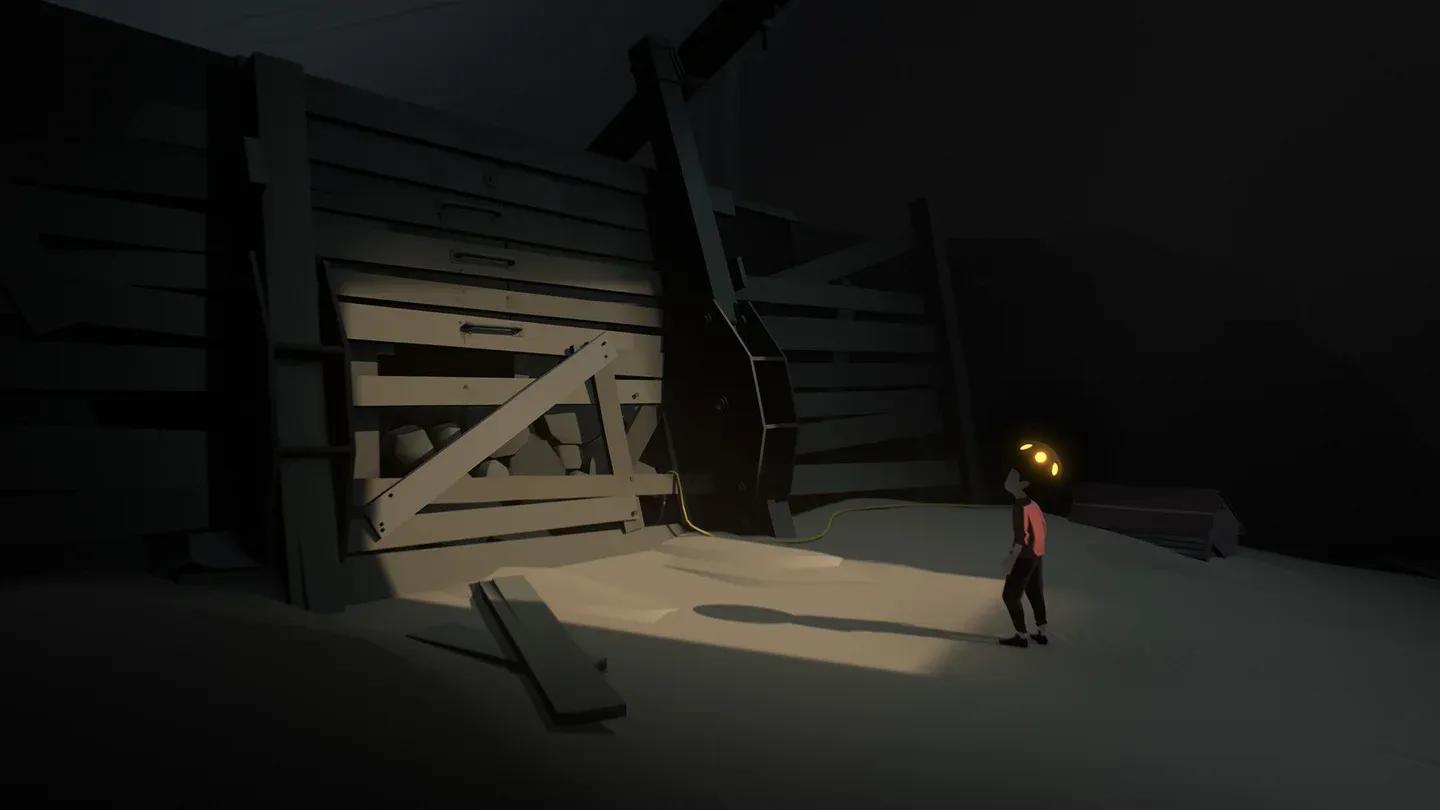
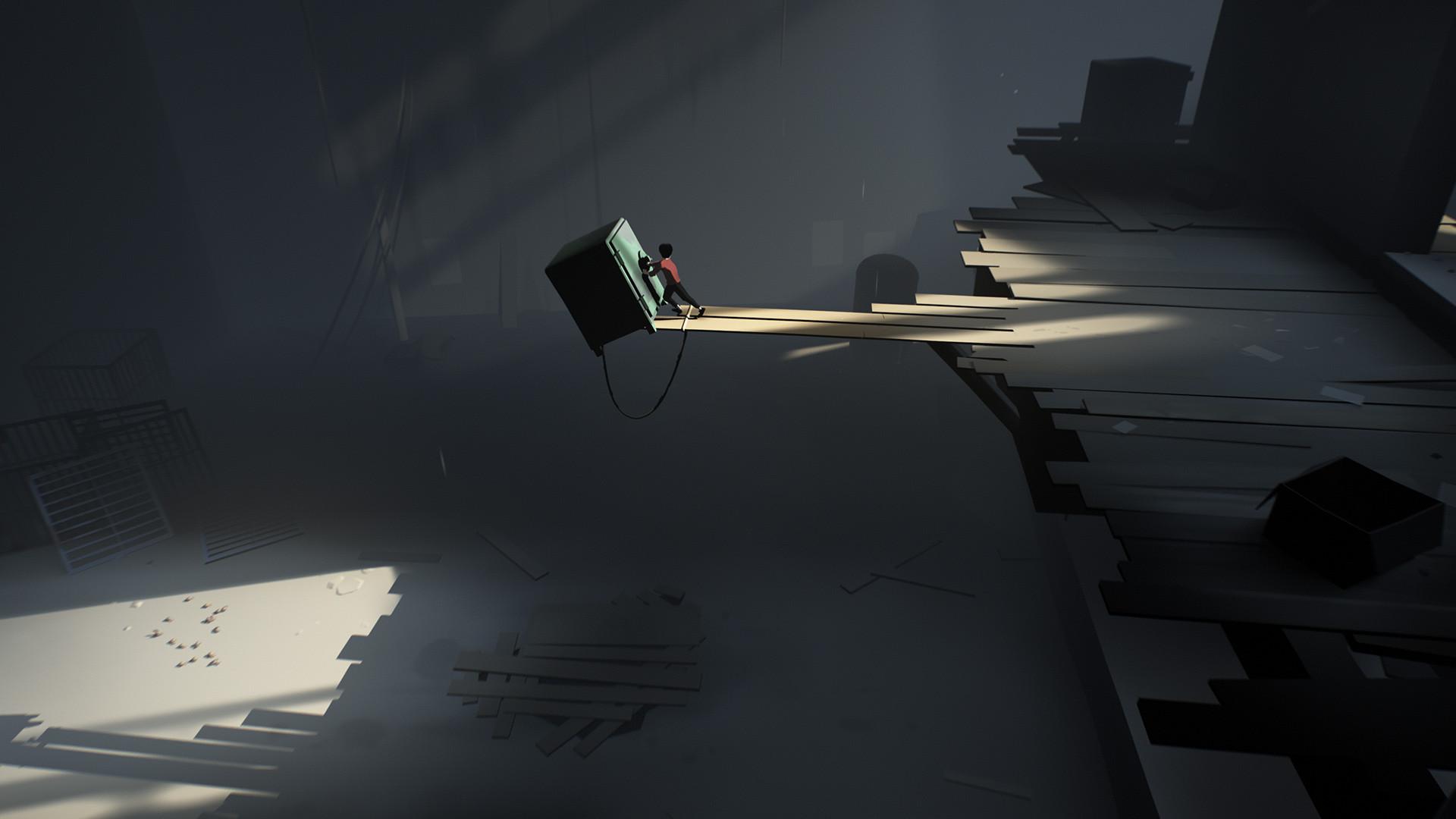
At its core, INSIDE is a puzzle-platformer built around environmental problem-solving and precise movement. The controls are minimal: run, jump, grab, and push. What the game does with those four inputs across its roughly three-hour runtime is quietly impressive.
Key mechanics include:
- Mind control via a wearable helmet device
- Environmental object manipulation
- Underwater traversal sections
- Stealth-based evasion sequences
- Physics-based puzzle solutions
The mind-control helmet is the standout mechanic. The boy finds it partway through and uses it to puppet drone figures, solving puzzles that would otherwise be impossible alone. The mechanic feeds directly into the game's themes without ever spelling them out. Who controls whom, and to what end, becomes a question that follows every action.
World and setting
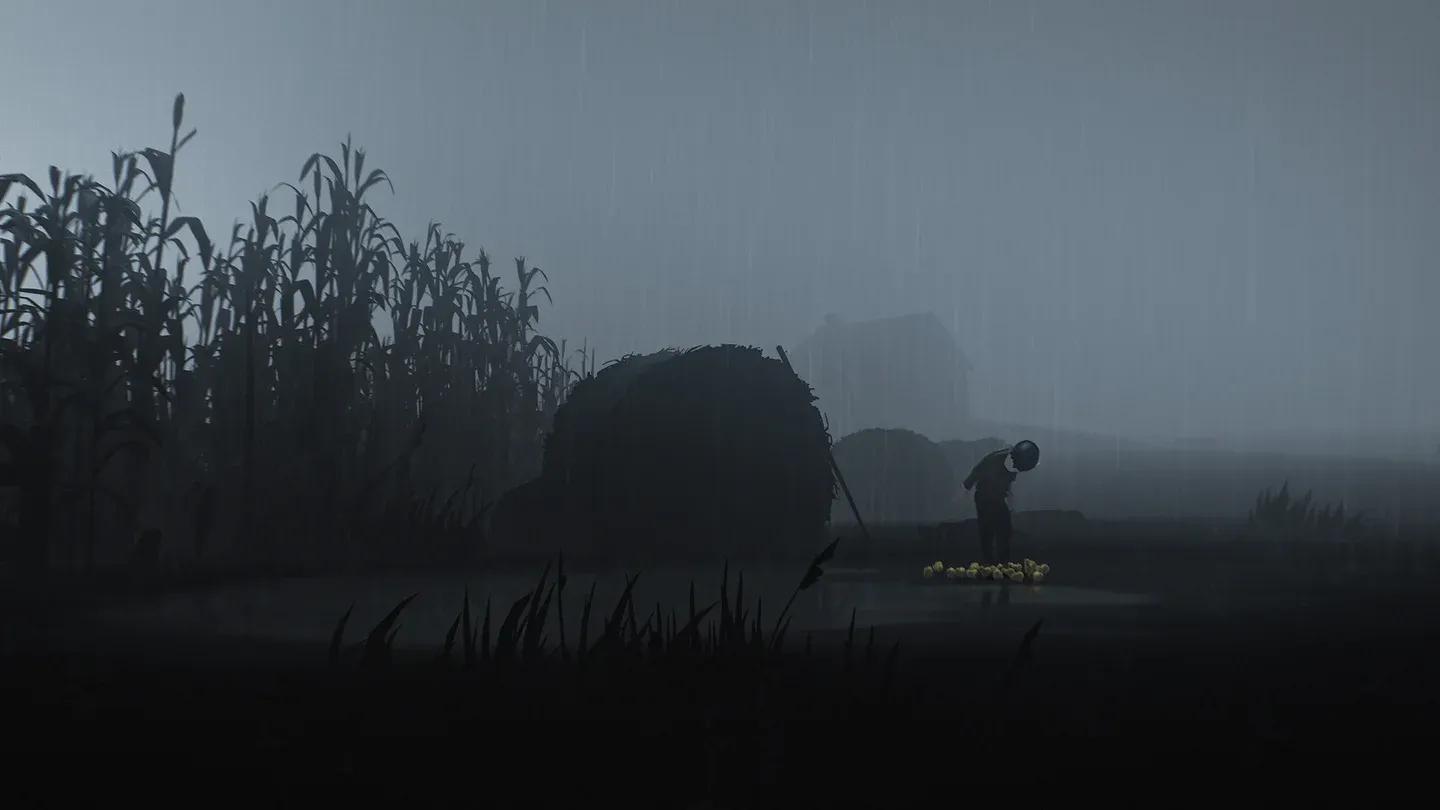
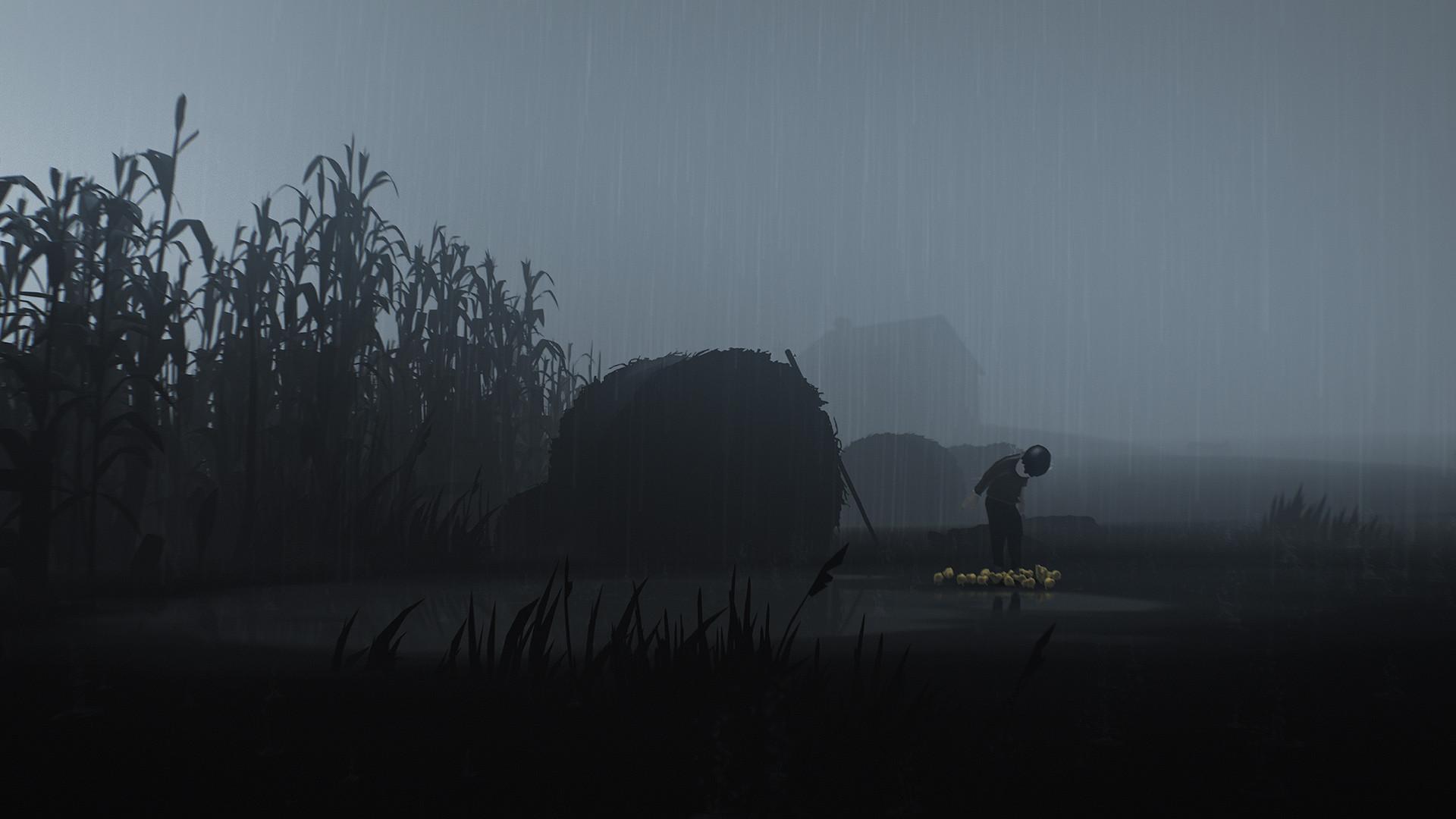
Playdead builds its dystopia in layers. The opening forest section feels grounded and tense, a child running from men with guns and dogs. By the time the game moves underground, reality has bent considerably. The facility beneath the city holds things that defy easy categorization, and the final sequence abandons conventional game logic entirely.
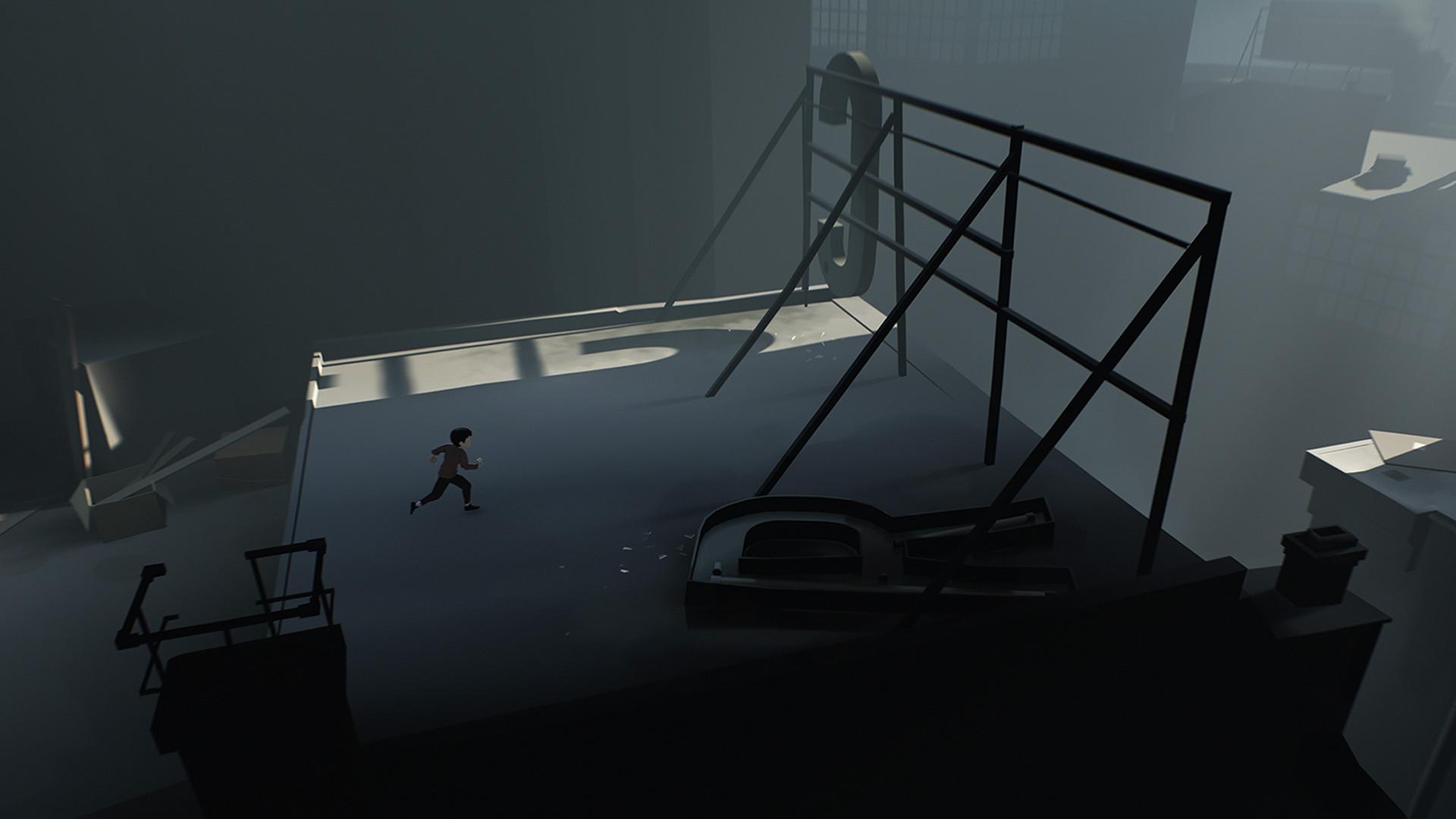
The monochromatic color palette, punctuated by the boy's red clothing and occasional splashes of environmental color, gives INSIDE a distinctive visual identity. Backgrounds are dense with implied activity: distant figures moving in crowds, structures that suggest scale and purpose, machinery that hums with unspecified function. The ambient audio design matches this approach, using low drones, mechanical sounds, and sudden silences to build pressure without a single word.
Impact and legacy
INSIDE earned a Metacritic score of 91 on PC at launch and swept numerous game of the year awards in 2016, including from outlets that rarely agree on anything. It sits alongside Limbo, Playdead's 2010 debut, as one of the most formally disciplined games in the puzzle-platformer genre. The comparison is inevitable but fair: INSIDE takes what Limbo established and pushes it further in scope, mechanical depth, and narrative ambition.
The game is available across PC, PlayStation, Xbox, Nintendo Switch, iOS, Android, macOS, and both Steam and the Epic Games Store, making it one of the most accessible premium indie titles available. At its regular price of $19.99 on most platforms, and frequently discounted well below that, INSIDE remains one of the most complete puzzle-platformer experiences available. The three-hour runtime is a feature, not a flaw. Every moment is deliberate, nothing overstays its welcome, and the ending lands with a weight that longer games rarely manage.
| Requirement | Minimum | Recommended |
|---|---|---|
| OS | Windows 10 (64-bit OS required) | Windows 10 or later (64-bit OS required) |
| Processor | Intel Core 2 Quad Q6600 @ 2.4 GHz, AMD FX 8120 @ 3.1 GHz | Intel i7 920 @ 2.7 GHz, AMD Phenom II 945 @ 3.0 GHz |
| Memory | 4 GB RAM | 8 GB RAM |
| Graphics | NVIDIA GT 630 / 650m, AMD Radeon HD6570 or equivalent | NVIDIA GTX 660, Radeon R9-270 |
| DirectX | Version 9.0c | Version 11 |
| Storage | 3 GB available space | 3 GB available space |