Overview
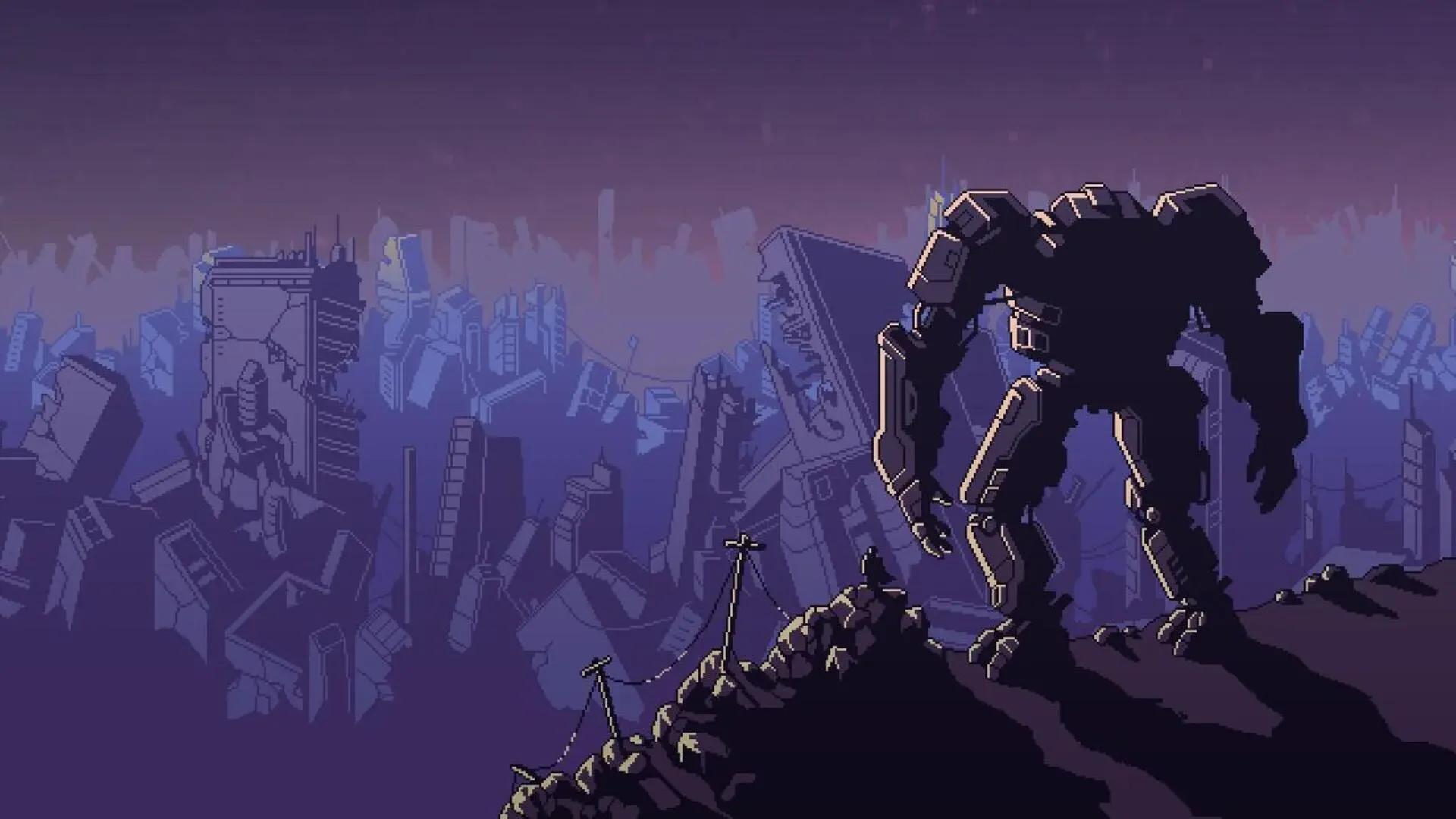
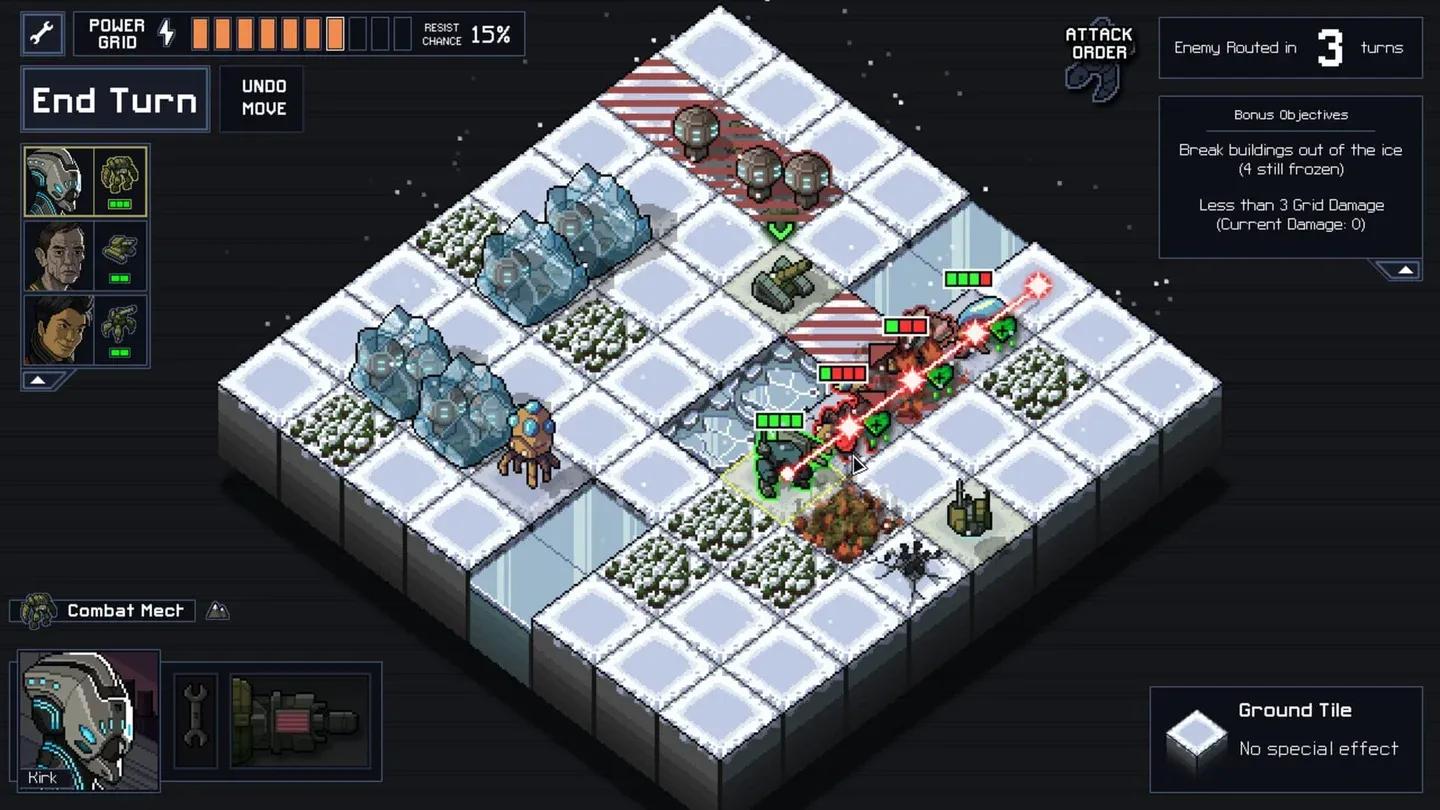
Into the Breach puts you in command of a squad of mechs tasked with defending the last remnants of human civilization from the Vek, a species of massive insectoid creatures that breed underground and erupt through city streets. Subset Games, the two-person studio behind FTL: Faster Than Light, released it in February 2018, and it immediately set a new standard for what a tactics game can accomplish within tight constraints. The grid-based maps are small, the squads are just 3 mechs, and a single run lasts a couple of hours. That compression is the whole point.
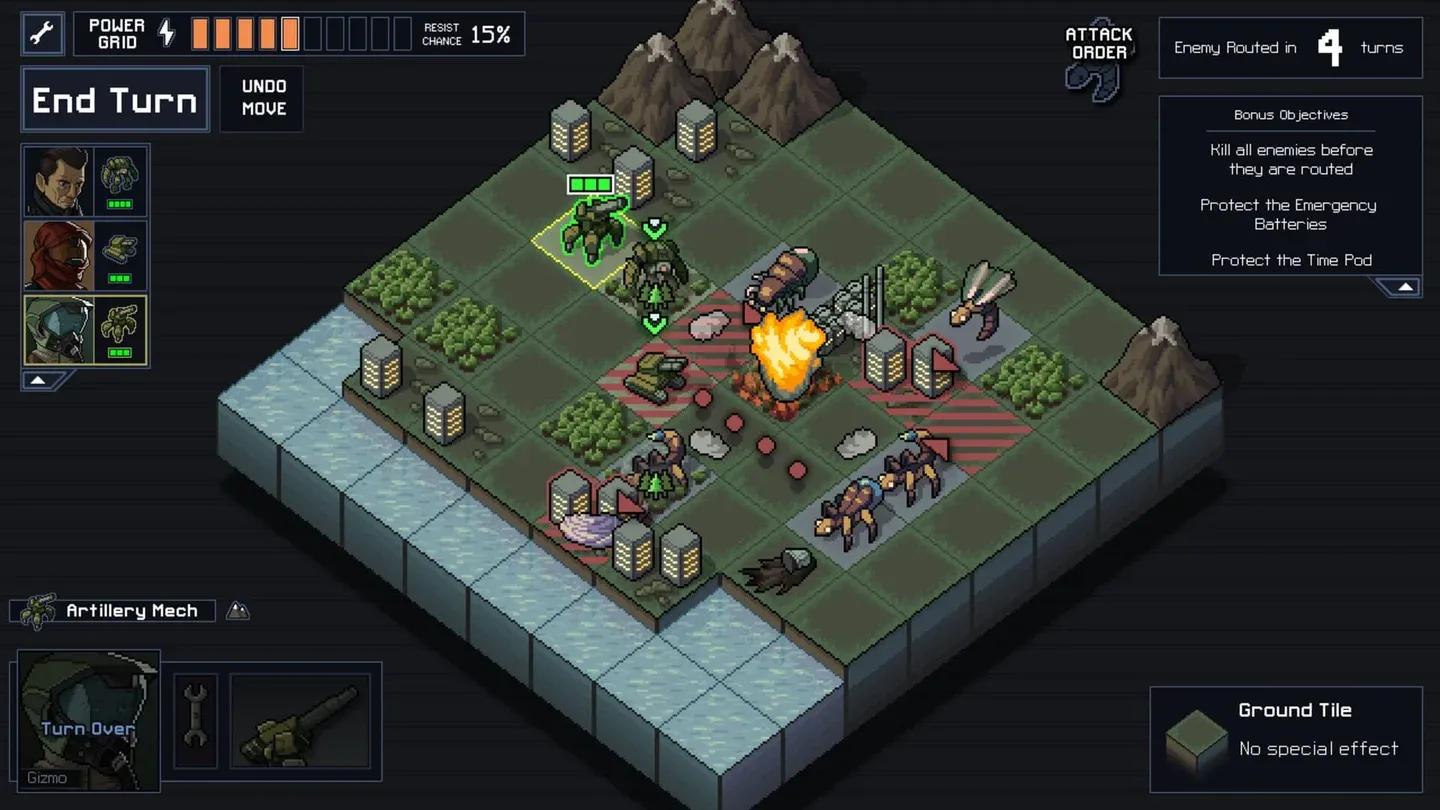
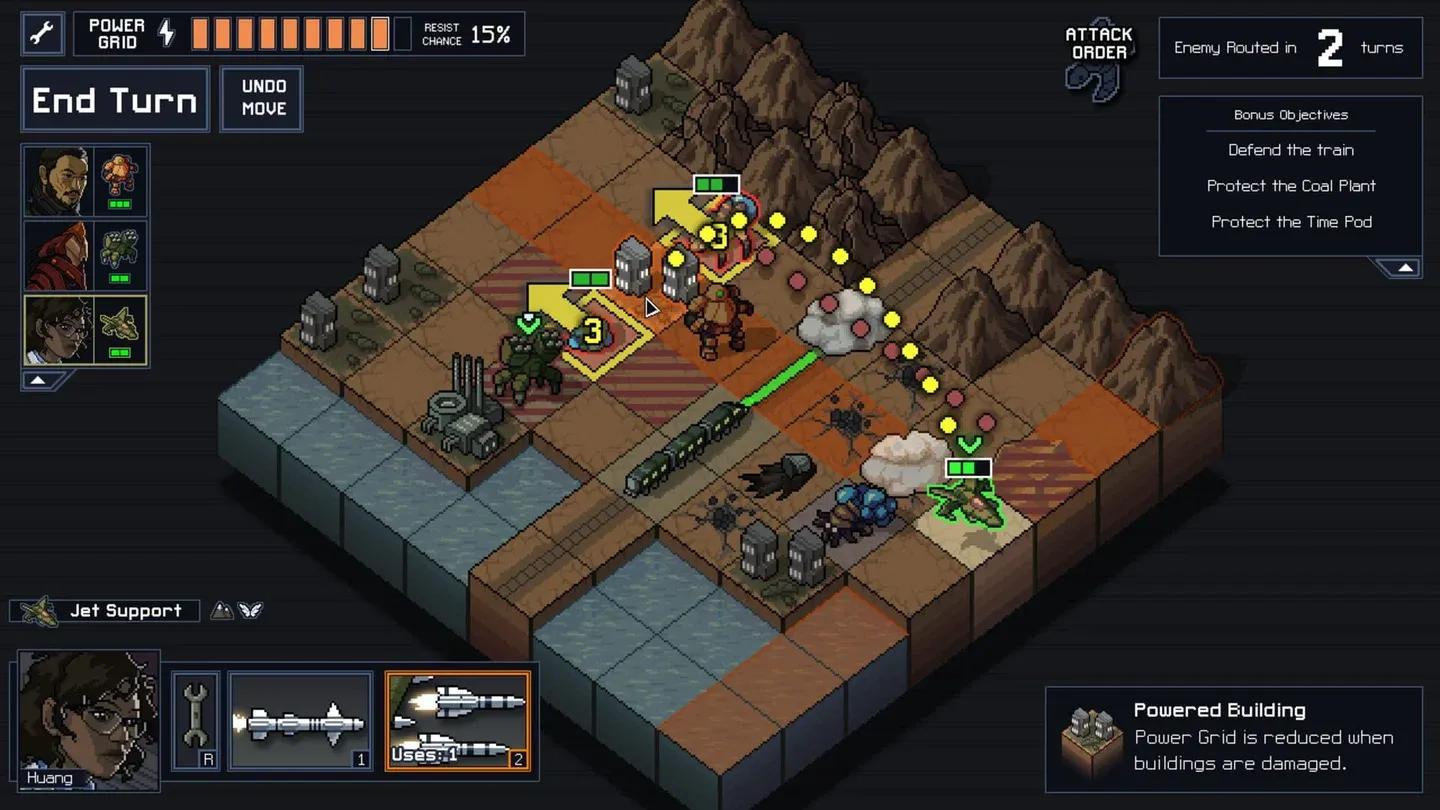
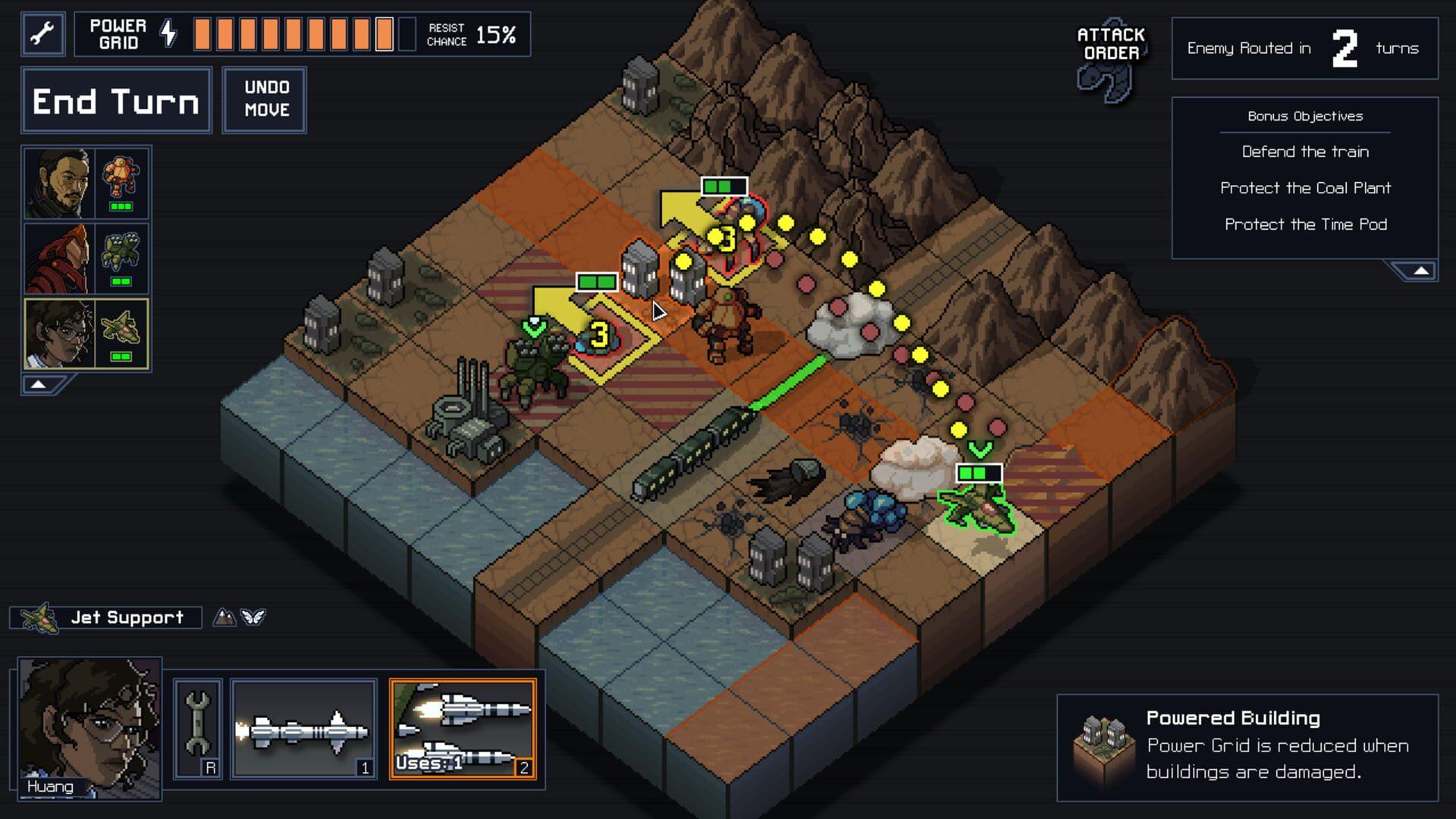
What separates Into the Breach from most turn-based strategy games is its information design. Every Vek attack is shown to you before you act, with arrows indicating exactly which tiles will take damage. Your job isn't to react to surprises; it's to look at a board full of telegraphed threats and figure out how to reposition enemies, shield buildings, and keep your mechs alive using a limited set of moves. It plays less like chess and more like solving a logic puzzle where the pieces explode.
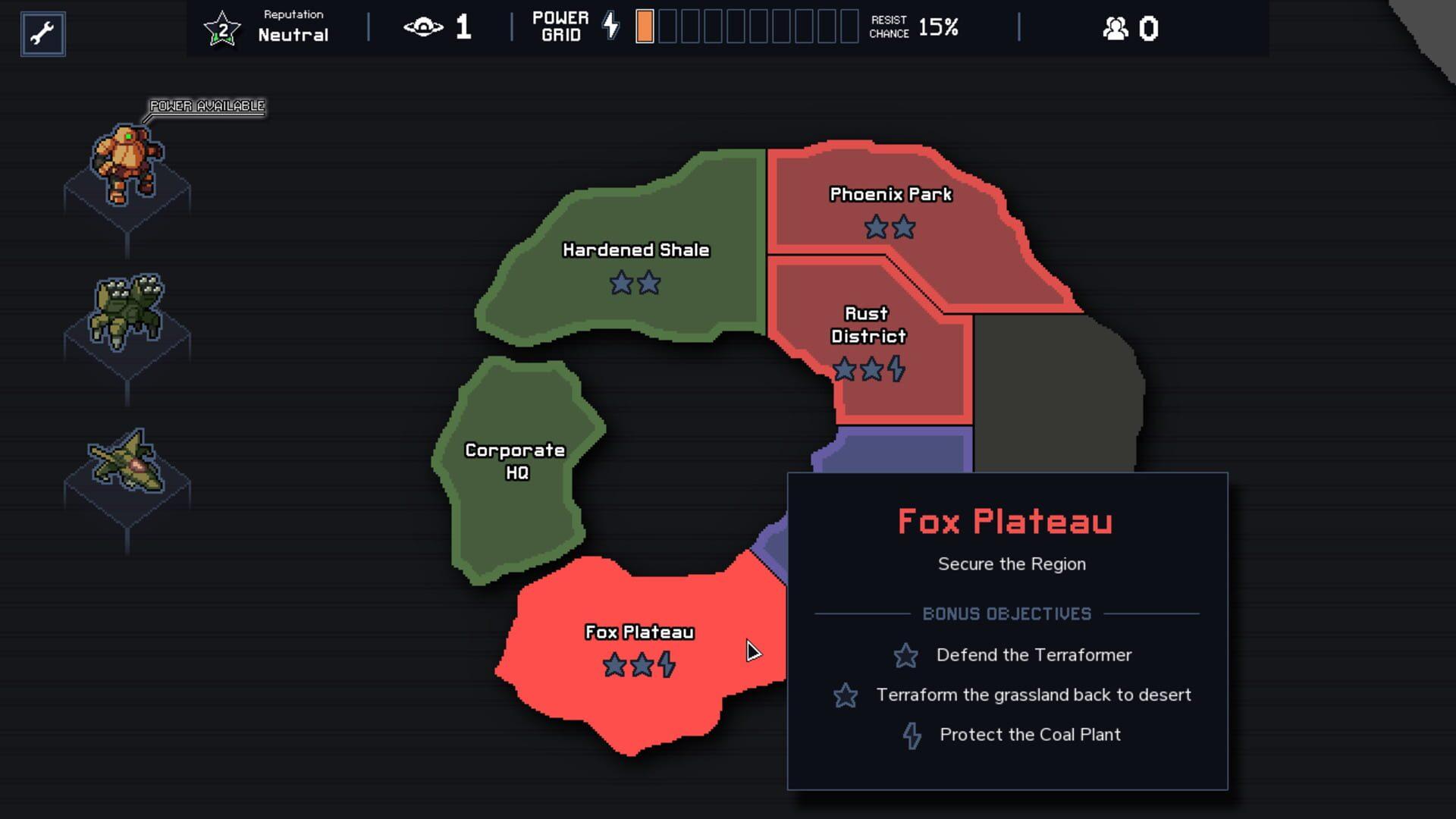
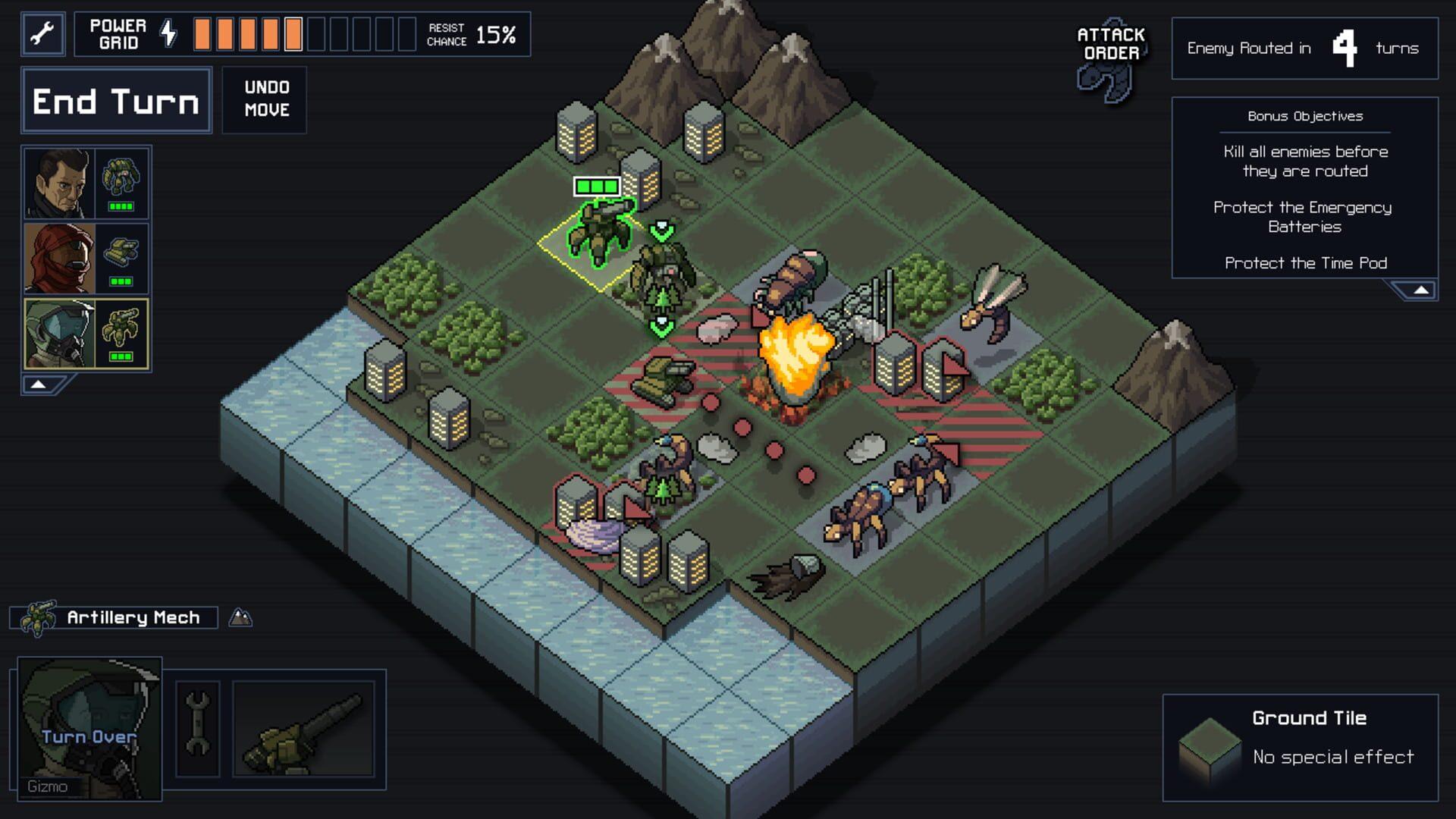
Civilian buildings aren't just background scenery. They power your grid, and losing too many ends your run. That design choice forces you to think defensively even when your instinct is to go on offense, and it creates constant tension between protecting infrastructure and eliminating threats.
Gameplay and mechanics
The core loop in Into the Breach is built around a few key systems:
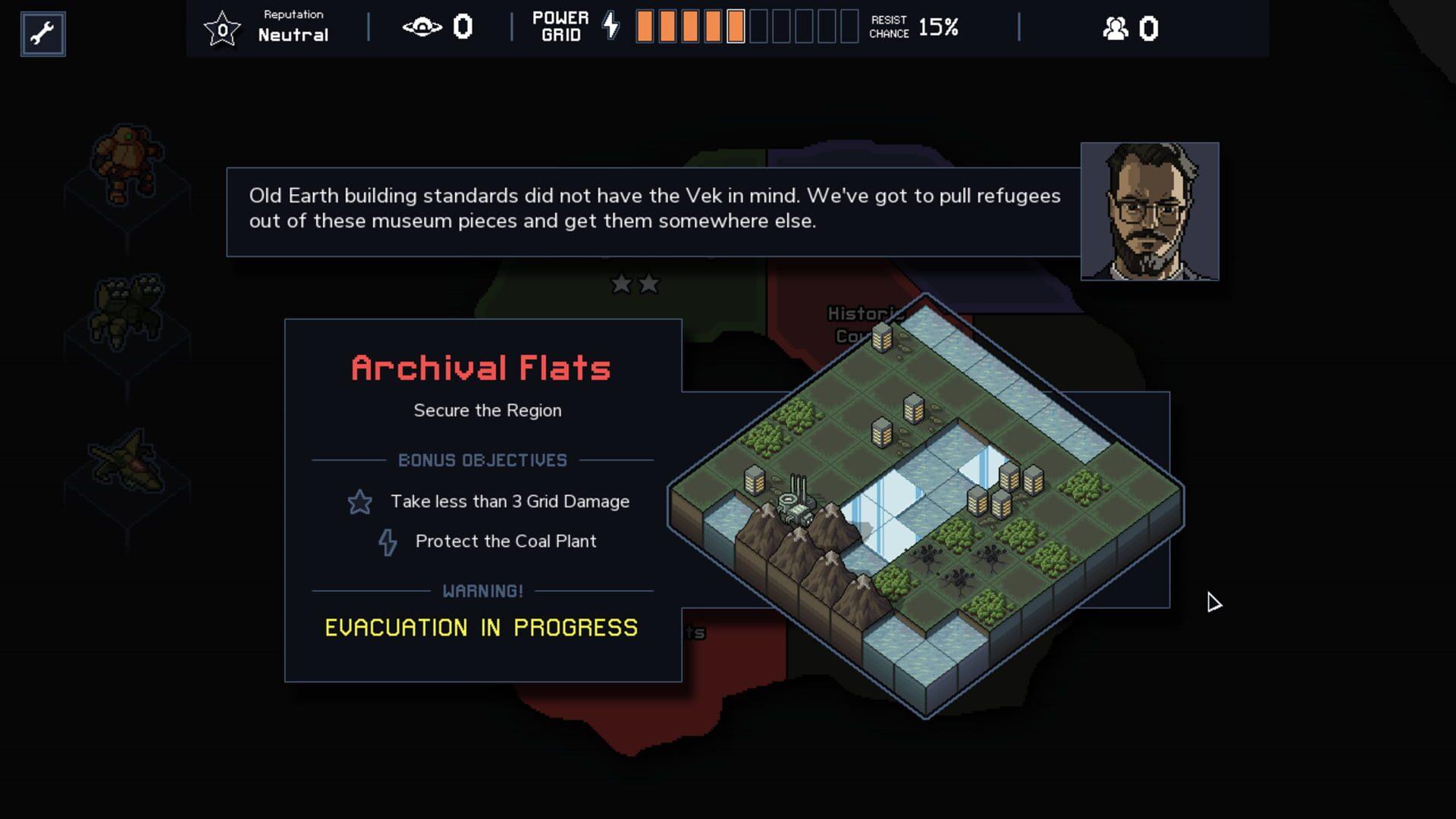
- Enemy moves are always visible before your turn
- Pushing and pulling enemies repositions attacks
- Buildings generate power that sustains your mechs
- Pilots level up and carry over between timelines on a win
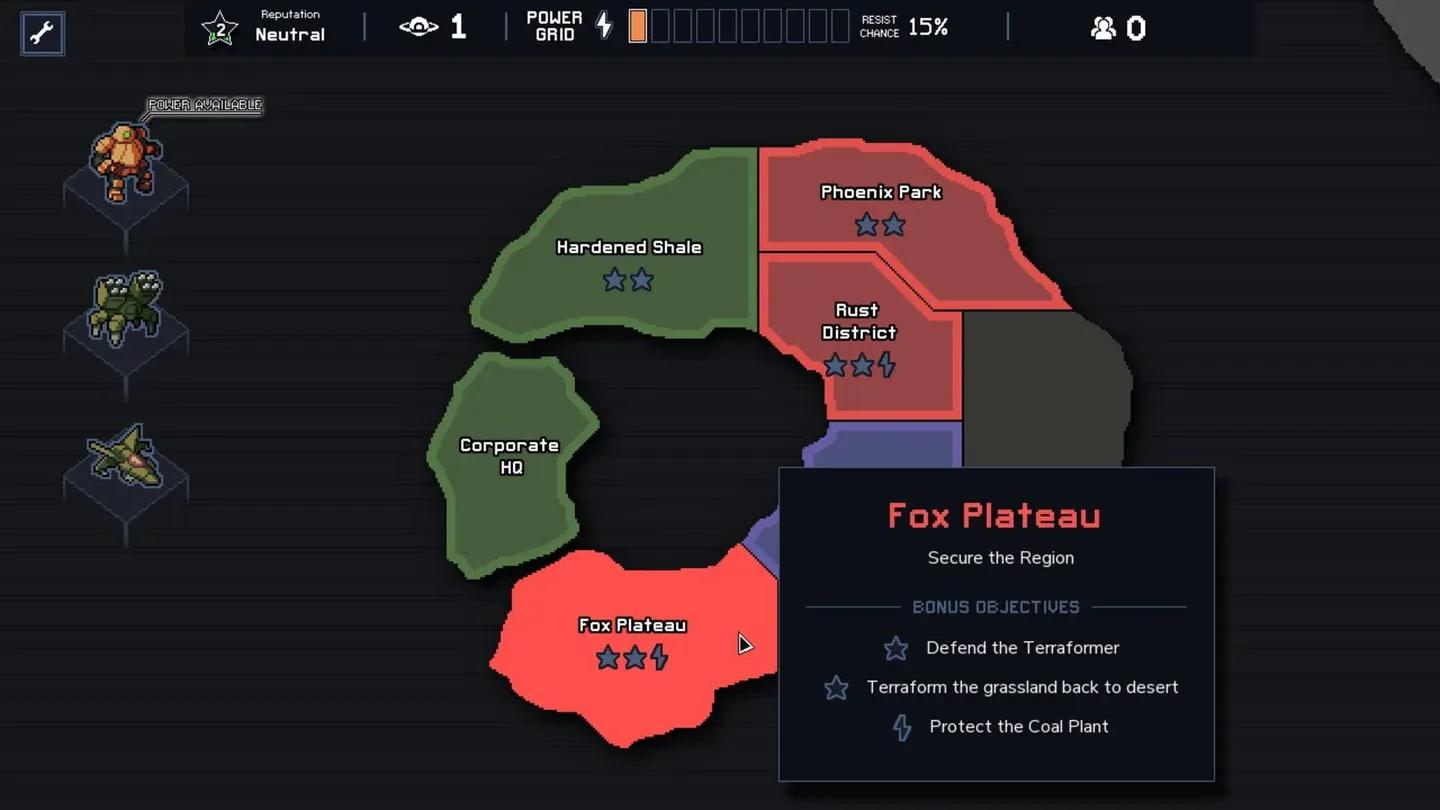
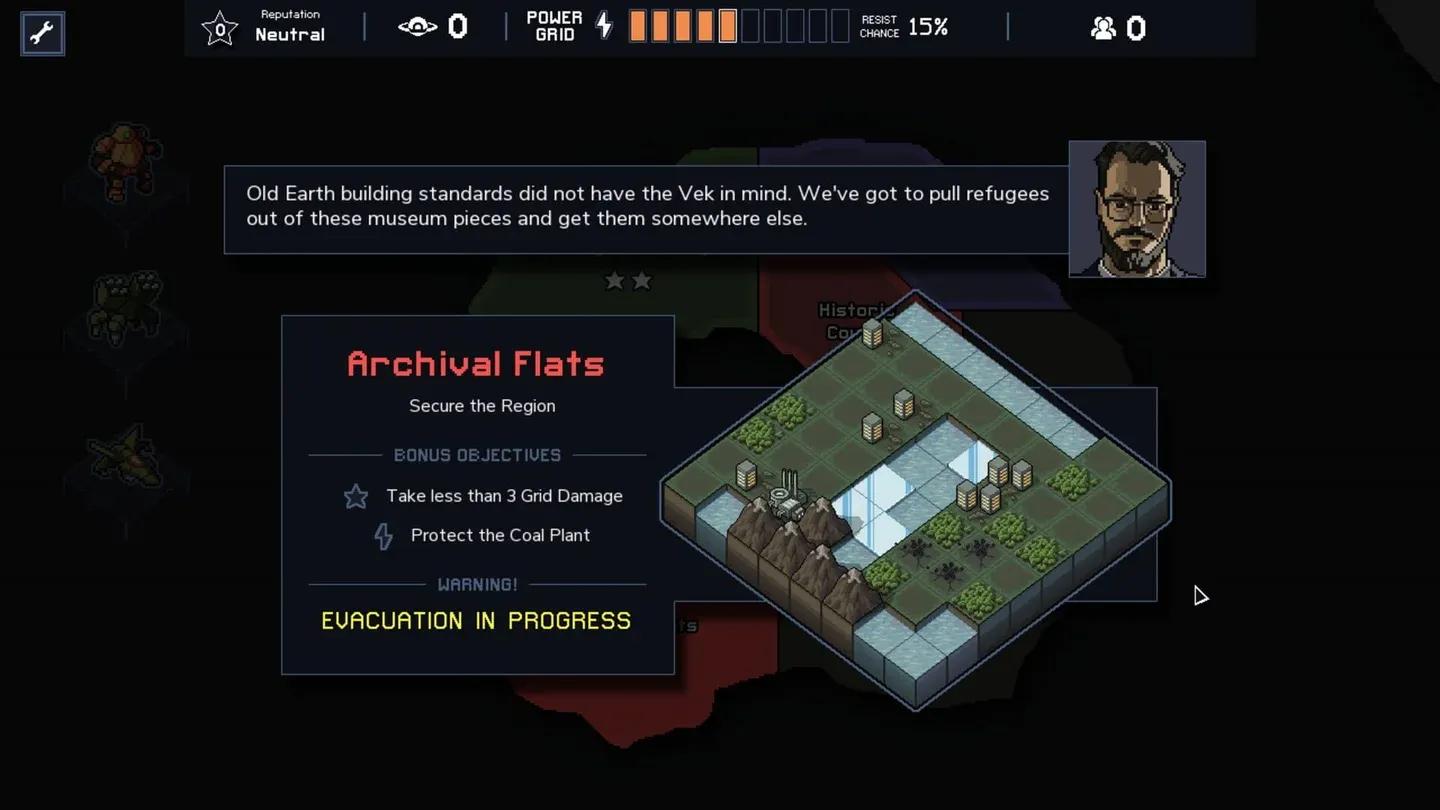
- Each island is a self-contained mission with escalating difficulty
Pushing mechanics are central to everything. Most mech weapons don't just deal damage; they shove enemies into walls, water, or into each other. A well-placed push can cancel two attacks at once without firing a single shot at a Vek directly. Mastering this is what transforms the game from a strategy game into something closer to a spatial puzzle solver.
What makes the replayability so strong?
Into the Breach uses procedural generation to shuffle its maps, objectives, and enemy compositions across every run. No two campaigns play out the same way, and the game ships with multiple distinct mech squads, each with a completely different toolkit. The Rusting Hulks lean on fire and smoke. The Blitzkrieg squad throws lightning and chains. The Frozen Titans freeze tiles to lock enemies in place. Unlocking new squads and mixing pilots between them gives experienced players a huge amount of room to experiment.
The Advanced Edition update, released in 2022, added four new mech squads, new Vek types, new weapons, and an expanded soundtrack. It was a free update for all existing owners, which made an already generous package even harder to argue against.
Impact and legacy
Into the Breach won the Game Developers Choice Award for Best Design in 2019, alongside The Game Award for Best Strategy Game and a BAFTA for Best Original Property. Those aren't participation trophies. The game's design philosophy, showing all enemy intent and building combat around manipulation rather than raw firepower, has influenced how developers think about turn-based tactics. It's available on Windows, macOS, Nintendo Switch, iOS, Android, Xbox, and both Steam and the Epic Games Store, meaning it runs on almost anything you own. The Switch version in particular is a natural fit; short sessions and clear visuals make it ideal for handheld play. For anyone who wants a tactics game that respects their intelligence and rewards careful thinking over brute force, Into the Breach remains the benchmark.