




Overview
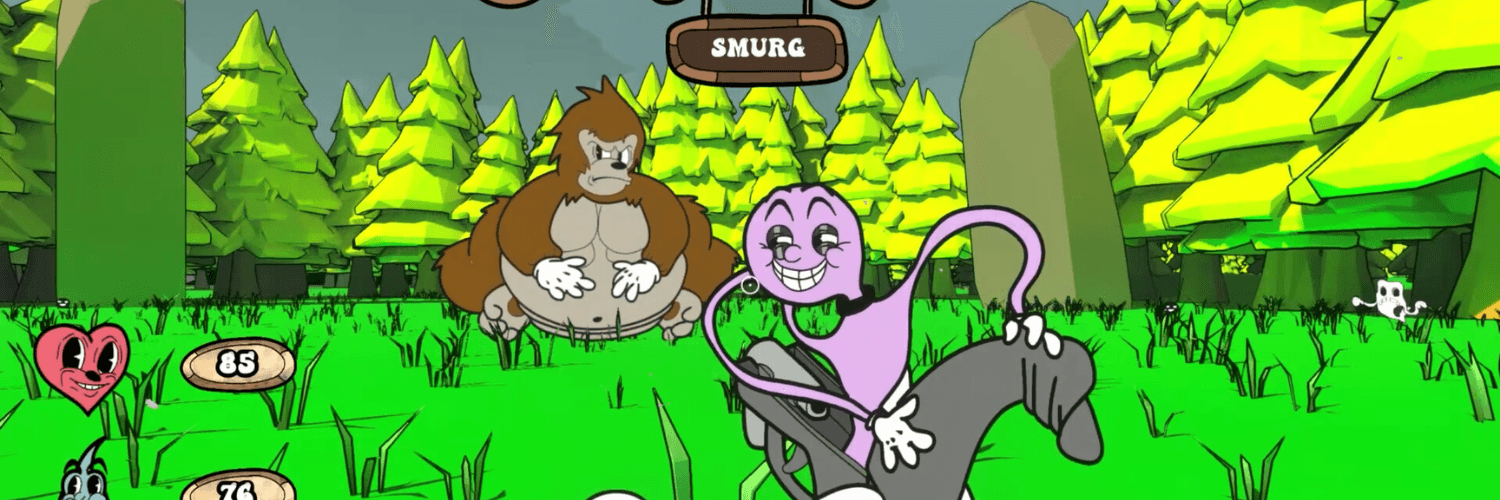
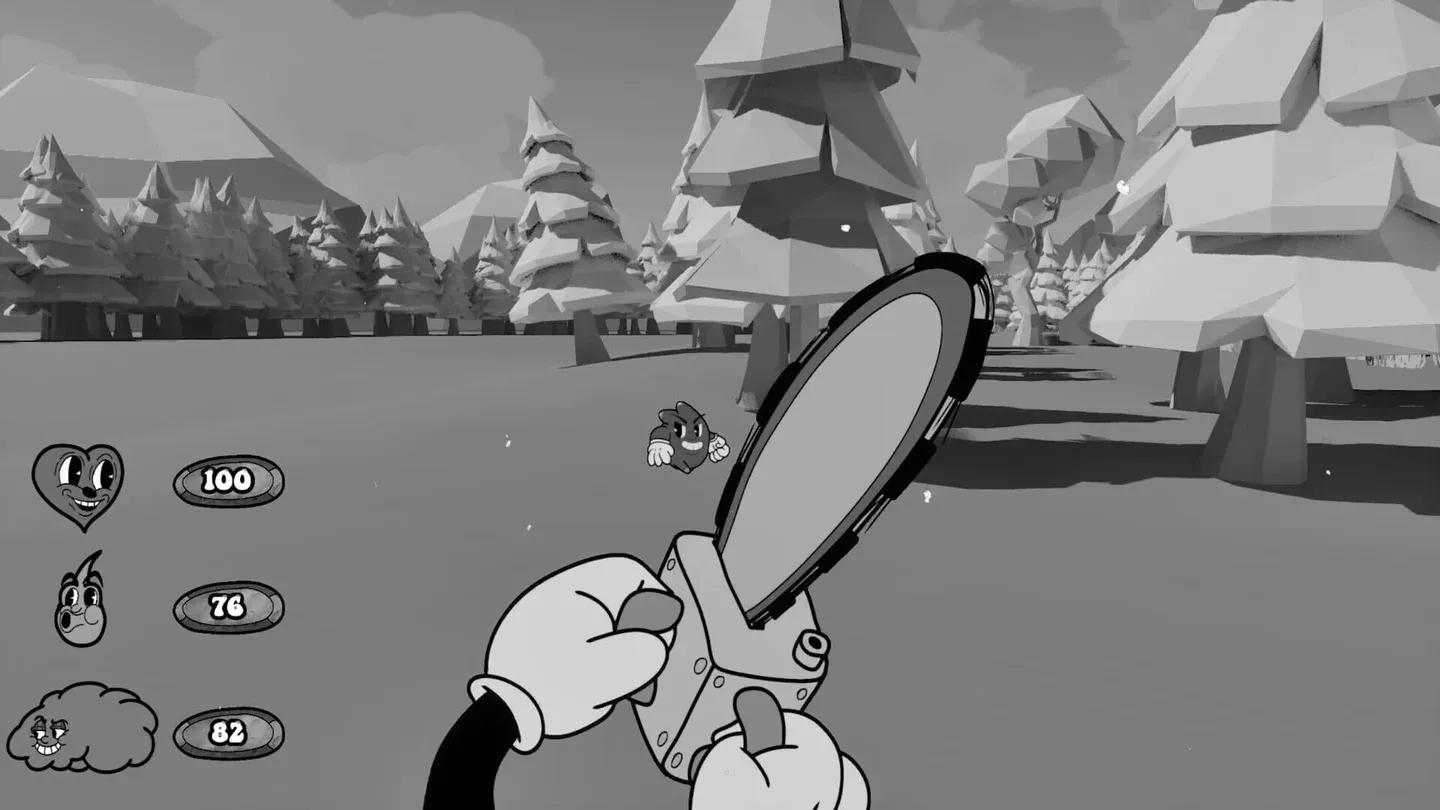
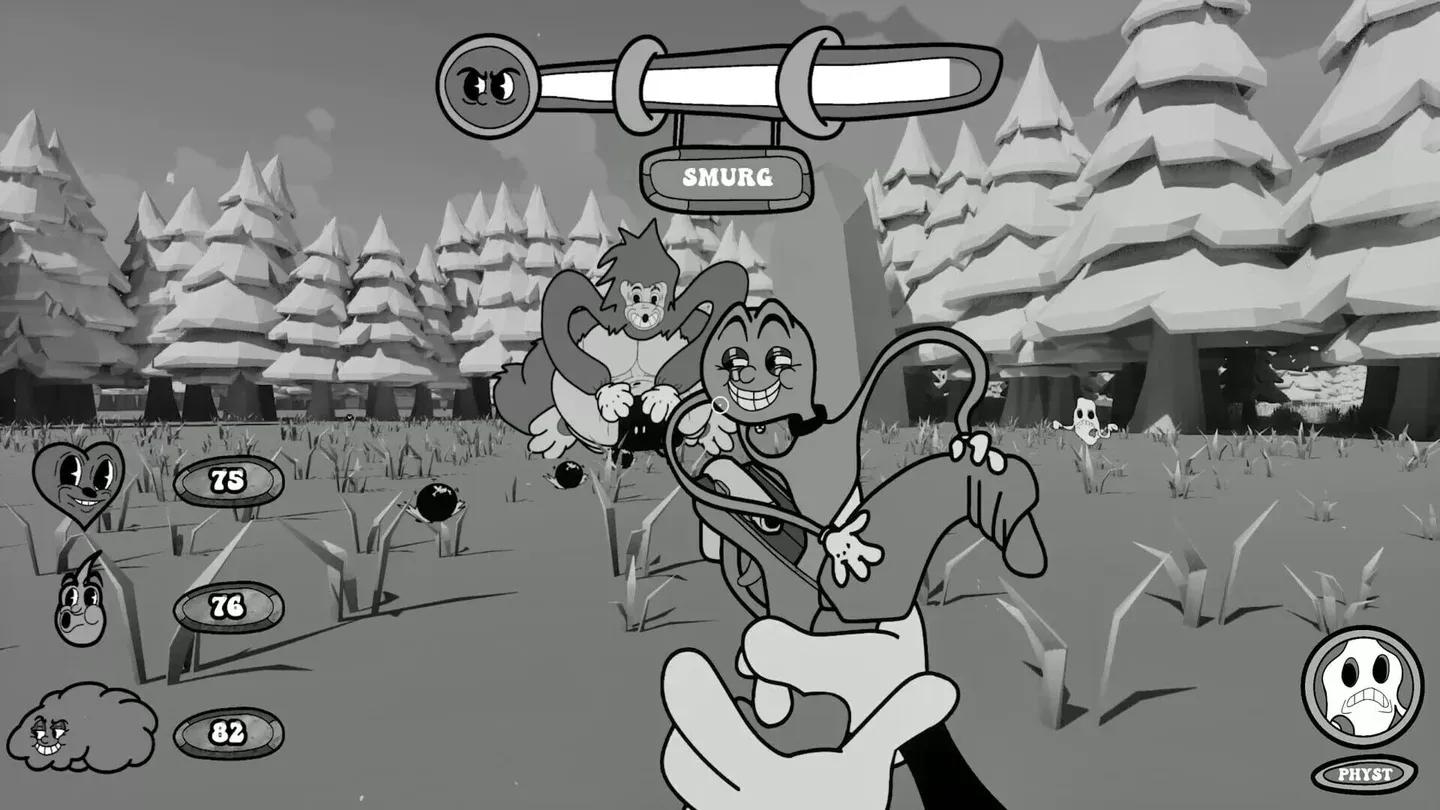
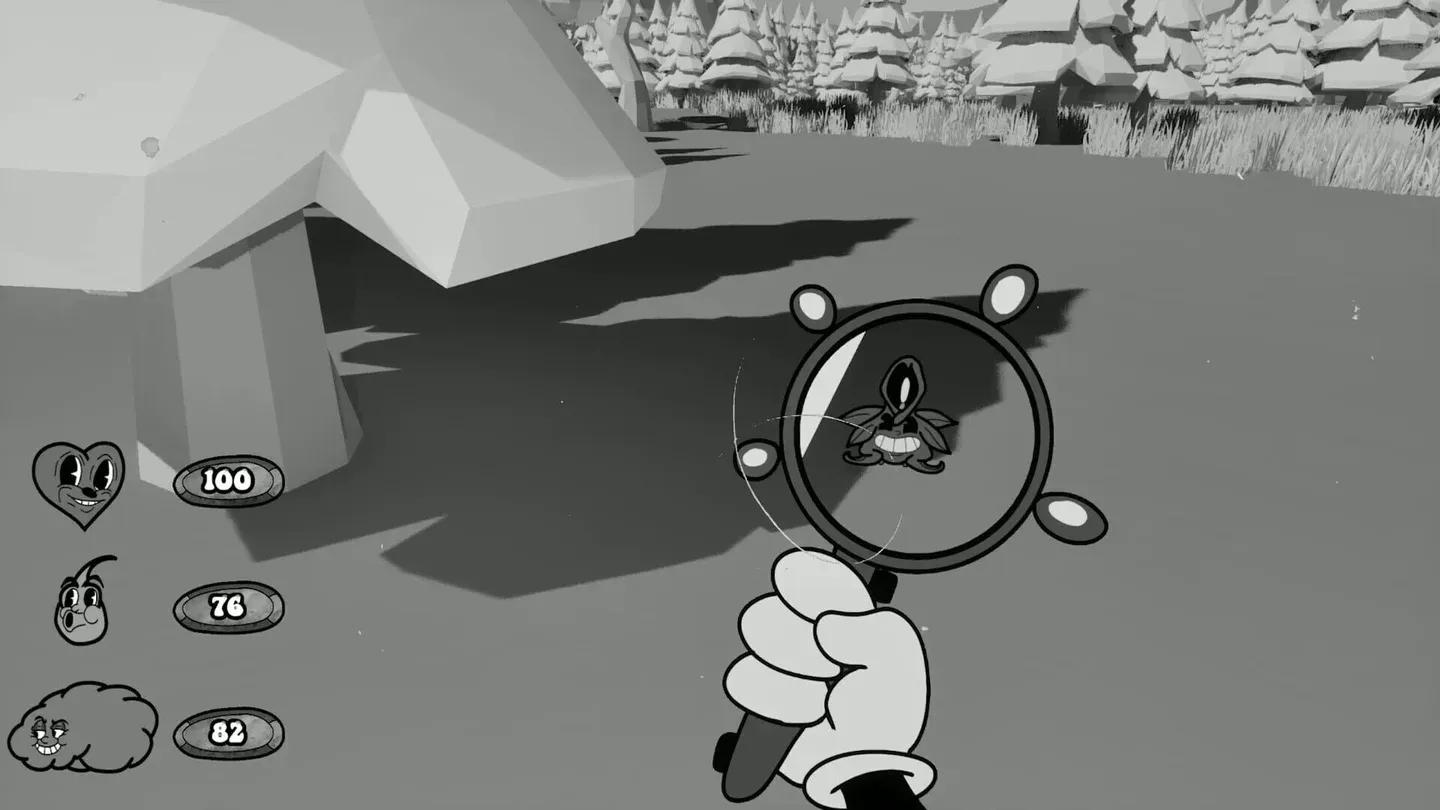
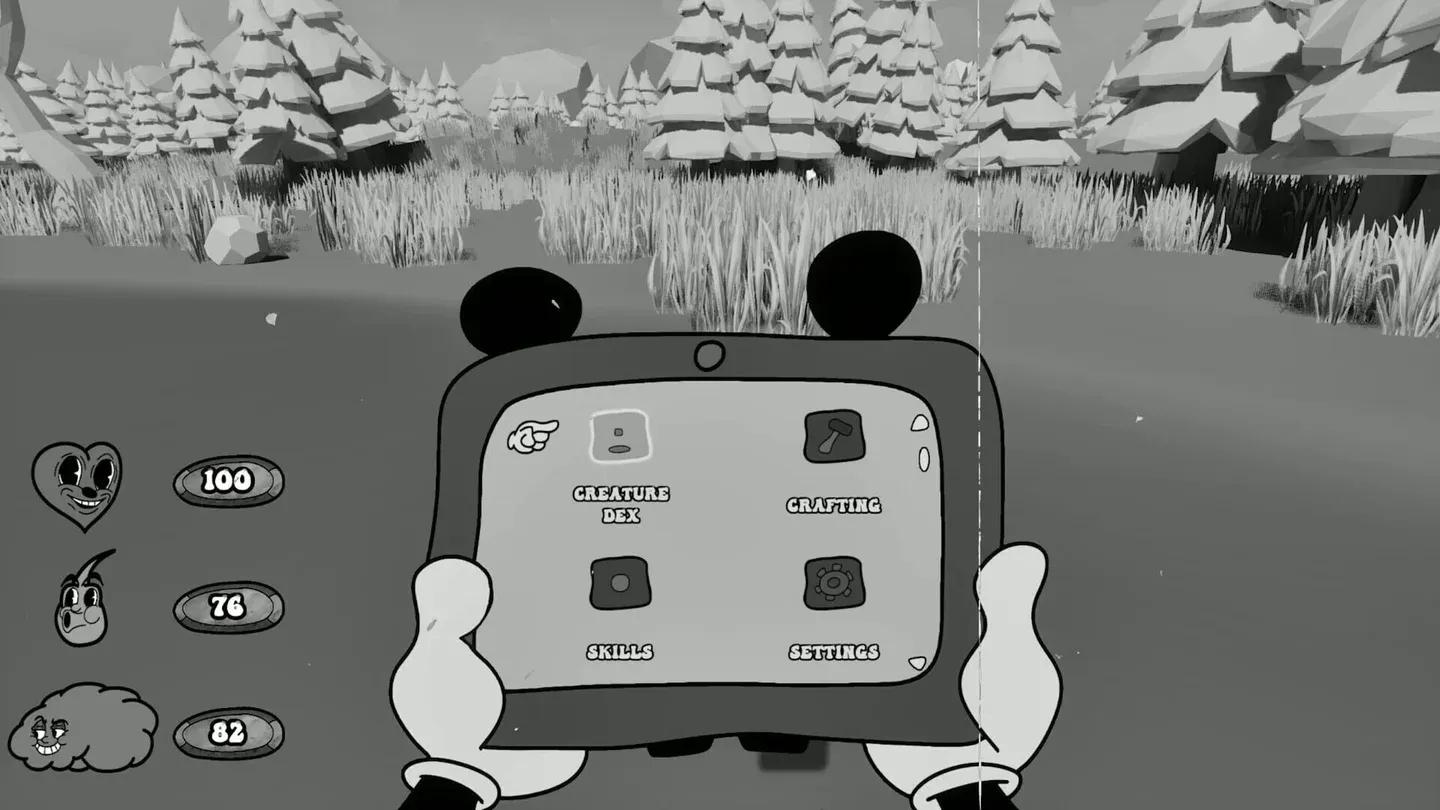
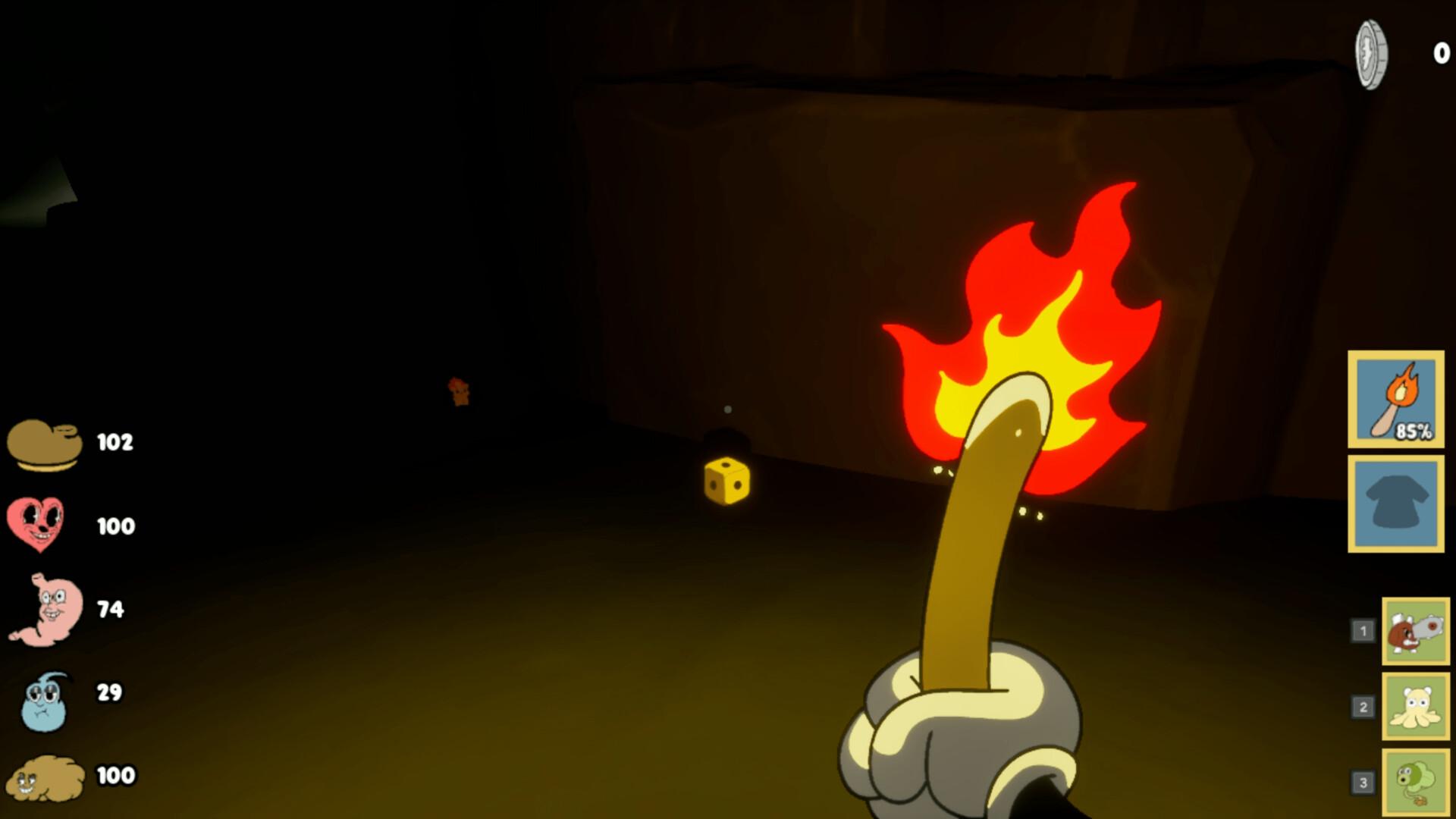
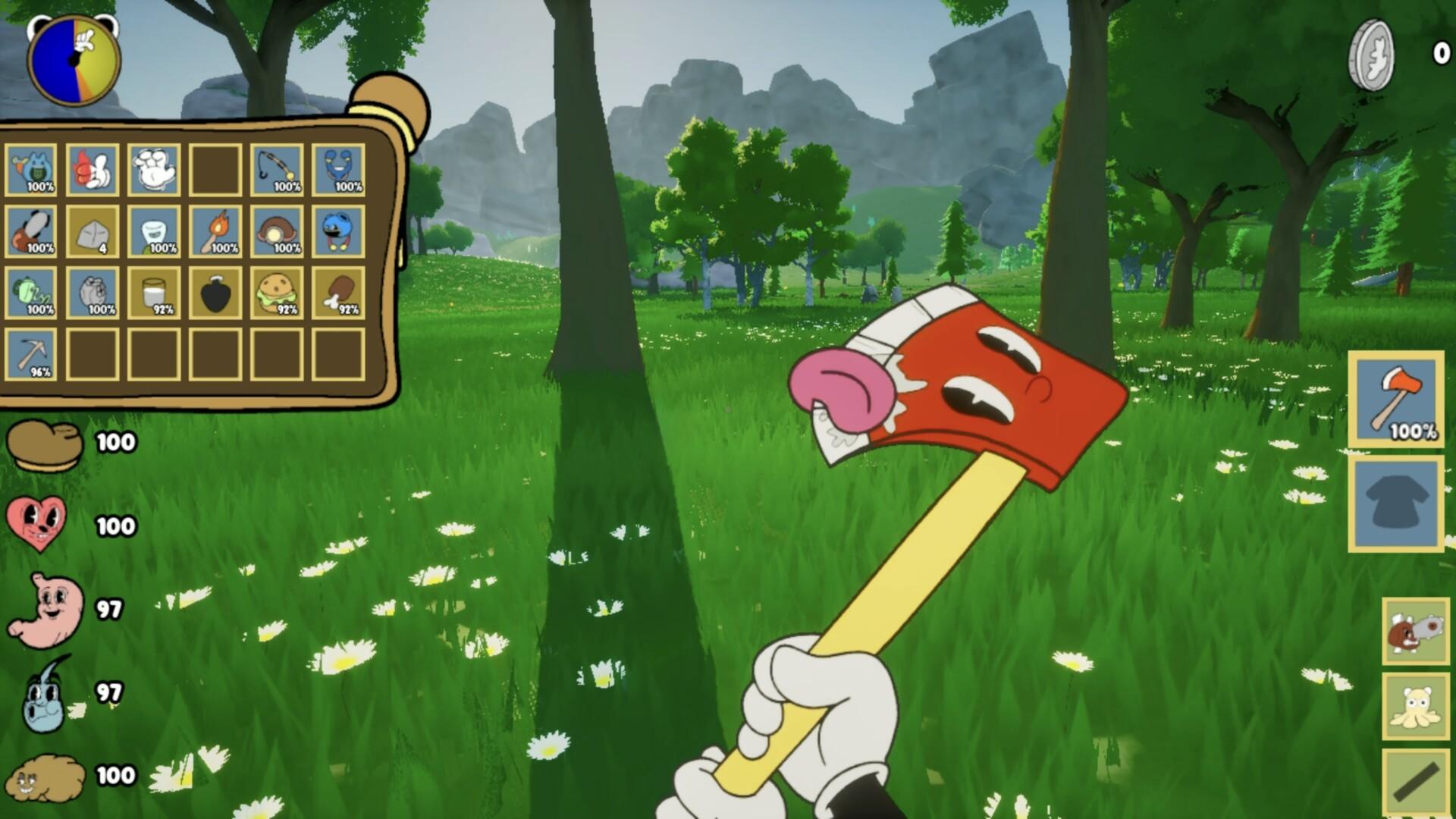
Kalit is a survival adventure game developed and published by Traviteam Games, built around a core loop of exploration, crafting, and creature capture. What immediately sets it apart from the crowded survival genre is its striking visual identity: every character, creature, and environment is rendered in the distinctive rubber hose animation style popularized in 1930s cartoons. This aesthetic choice is not merely cosmetic. It shapes the entire tone of the game, creating a world that feels simultaneously whimsical and genuinely dangerous.
The game spans both overland territories and underwater environments, including shipwrecks and submerged ruins waiting to be discovered. Players must gather resources, construct and maintain a base, build vehicles, and engage with a diverse cast of creatures that can be captured and presumably put to use. The breadth of systems on offer signals an ambitious indie project with a clear vision for what it wants to deliver.
What Kind of Game Is Kalit?
Kalit is best described as an open-world survival simulation with strong action and adventure elements. At its heart, the game tasks players with staying alive in a hostile environment by mastering several interconnected systems:
- Creature capture and management
- Farming and resource cultivation
- Mining and raw material gathering
- Crafting gear, vehicles, and structures
- Underwater exploration and navigation
Each of these systems feeds into the others, creating a survival loop that rewards both careful planning and bold exploration. The decision to include vehicle crafting and underwater traversal suggests a world with genuine scale, where mobility and preparation matter as much as combat ability.

Visual and Audio Design: The Rubber Hose Difference
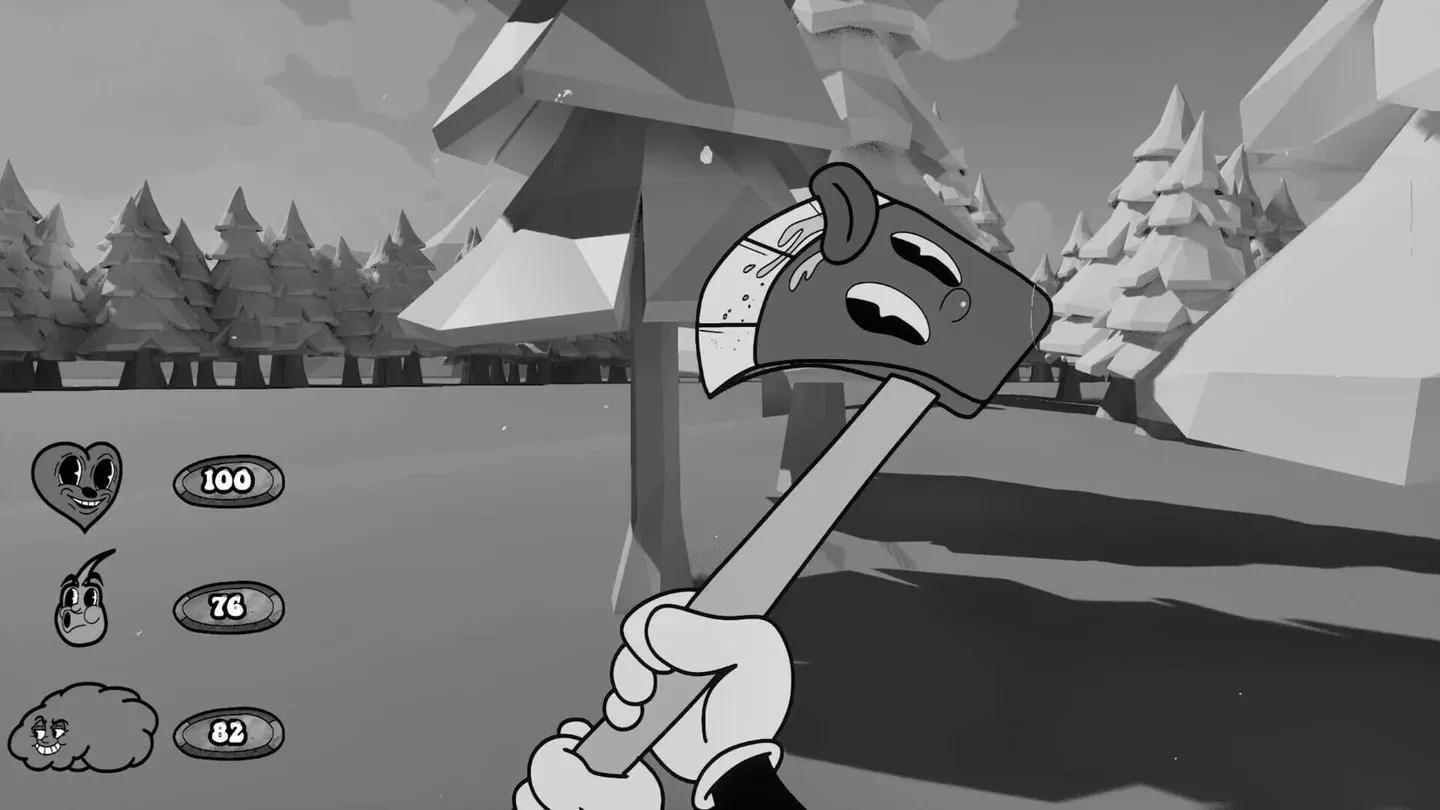
The 1930s rubber hose animation style is Kalit's most immediately recognizable quality, and Traviteam Games leans into it fully. Characters and creatures move with the fluid, exaggerated physicality associated with early cartoon animation, all rounded limbs, bouncy motion, and expressive silhouettes. This visual language is rare in the survival genre, which tends toward either gritty realism or pixel art minimalism.
The result is a game that looks genuinely fresh on a screenshot alone. More importantly, the aesthetic creates tonal contrast: placing cartoonish characters inside a world filled with real danger and survival stakes produces a kind of tension that straight-faced survival games rarely achieve. It is a bold design decision that gives Kalit a clear and memorable identity.
World and Setting: Lands, Depths, and Everything Between
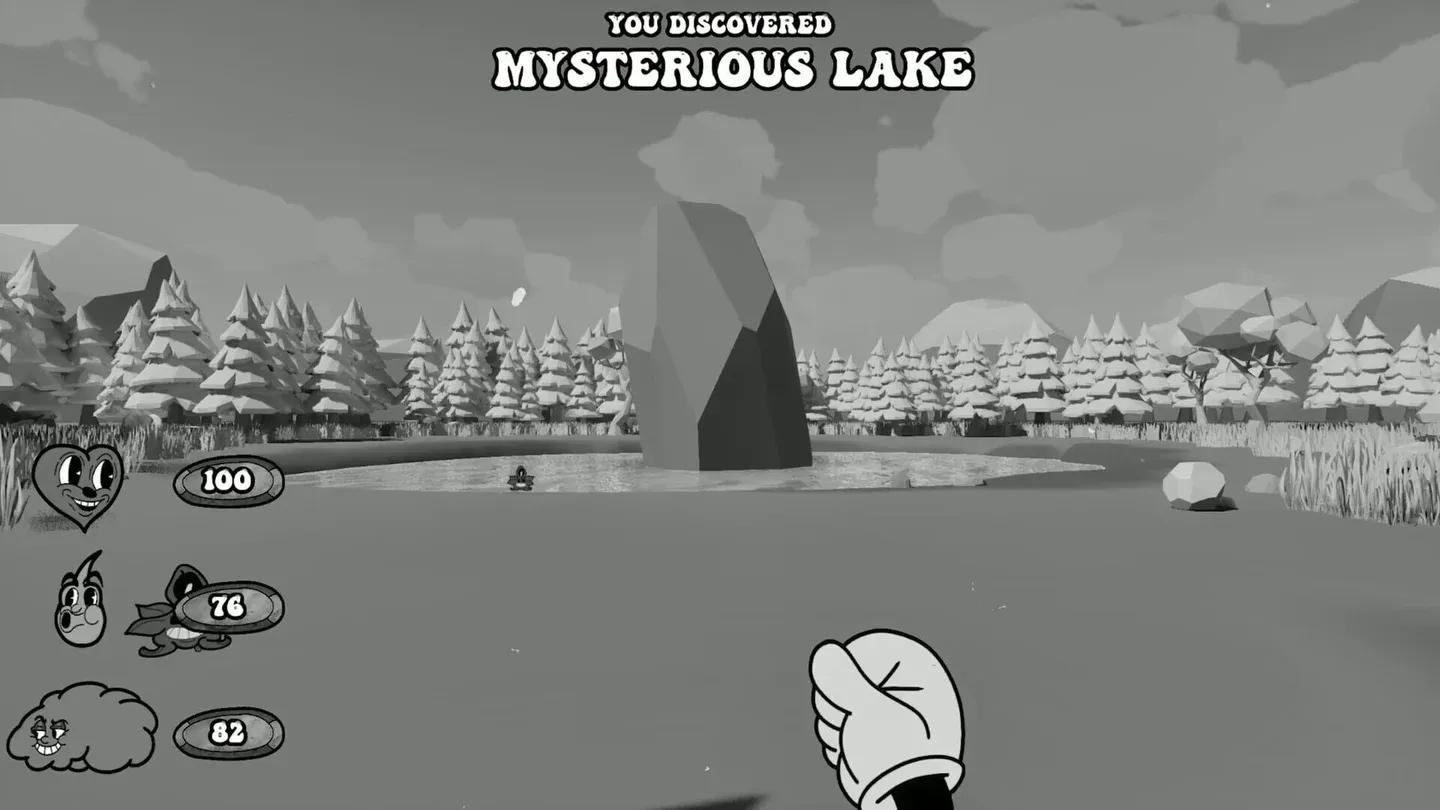
Kalit's world extends well beyond a single biome or surface environment. Players explore diverse overland regions before diving beneath the waves to investigate underwater depths populated with shipwrecks and aquatic hazards. This dual-environment structure adds meaningful variety to the exploration loop, requiring players to adapt their gear, vehicles, and strategies depending on where they venture.
The presence of shipwrecks as points of interest suggests a world with history, places that hint at stories without necessarily spelling them out. Combined with the dangers and wonders the game promises across both environments, Kalit appears to build a setting that rewards curiosity as much as survival skill.
| Requirement | Minimum | Recommended |
|---|---|---|
| OS | Windows 10 or later (64-Bit) | Windows 10 or later (64-Bit) |
| Processor | i5-3570K 3.4 GHz 4 Core | i7-10700 2.9 GHz 8 Core |
| Memory | 4 GB RAM | 8 GB RAM |
| Graphics | GeForce GTX 1050 (2GB) | GeForce RTX 2070 |
Conclusion
Kalit stands as one of the more visually distinctive survival adventure games currently in development for PC via Steam. Traviteam Games has crafted a project that combines the familiar pillars of the survival simulation genre, crafting, farming, base-building, and creature capture, with an art direction rooted in 1930s rubber hose animation that feels genuinely unlike its peers. The addition of underwater exploration and vehicle crafting pushes the scope beyond a standard indie survival title, suggesting a world built for sustained discovery. For players seeking a survival game with personality, visual flair, and layered mechanics, Kalit is firmly worth watching.